Mahishasuramardini Cave Temple, Mahabalipuram – History, Architecture and Travel Guide
Mahishasuramardini Cave Temple is one of the most remarkable rock-cut monuments in Mahabalipuram, Tamil Nadu. Famous for its magnificent sculptures of Goddess Durga fighting the demon Mahishasura and Lord Vishnu resting on the cosmic serpent, this ancient cave temple represents the artistic excellence of the Pallava dynasty.
Dating back to the 7th century CE, the cave is admired for its beautifully carved relief panels, traditional pillars and impressive rock-cut architecture. It is an important destination for visitors interested in Hindu mythology, ancient Indian sculpture and South Indian heritage.
Located on the scenic hill area of Mahabalipuram, the temple is part of the UNESCO World Heritage-listed Group of Monuments at Mahabalipuram. Explore this historic attraction during your visit to Mahabalipuram.
History of Mahishasuramardini Cave Temple
Mahishasuramardini Cave Temple dates back to the Pallava period, generally associated with the 7th century CE. It reflects the remarkable development of rock-cut architecture and religious sculpture under the Pallava rulers.
The cave is associated with the artistic traditions of the Pallava dynasty, particularly the period of Narasimhavarman I, also known as Mamalla. During this era, Mahabalipuram became an important centre for the creation of rock-cut temples, monolithic monuments and elaborate stone reliefs.
Unlike a conventional temple constructed with separate stone blocks, this cave was carved directly into a natural granite rock formation. Its sculptural panels demonstrate the skill of Pallava artisans in creating expressive figures and detailed mythological scenes.
The monument remains an important example of early South Indian rock-cut architecture and is valued for its artistic and religious significance.
Why Is It Called Mahishasuramardini Cave Temple?
The temple gets its name from Mahishasuramardini, a powerful form of Goddess Durga. According to Hindu mythology, the demon Mahishasura gained great power and began troubling the gods and the universe.
To defeat him, the divine energies of the gods came together and created Goddess Durga. Riding her lion and carrying divine weapons, she fought Mahishasura and ultimately defeated him.
The word Mahishasuramardini refers to the destroyer of Mahishasura. This powerful mythological episode is beautifully represented in one of the cave temple’s most famous sculptural panels.
Architecture of Mahishasuramardini Cave Temple
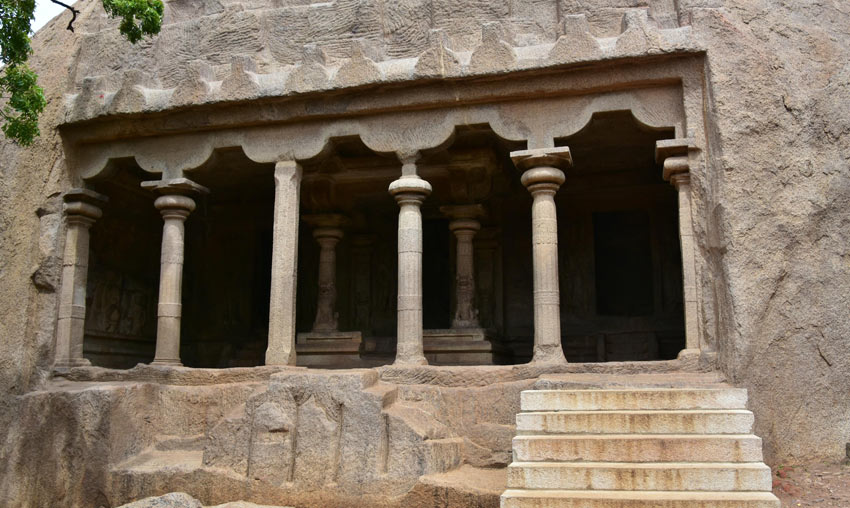
Mahishasuramardini Cave Temple is an excellent example of Pallava rock-cut architecture. The cave features a pillared hall carved into a granite rock formation, with impressive sculptural panels on its interior walls.
The front section is supported by traditional pillars, while the interior contains large relief carvings depicting important stories from Hindu mythology.
The sculptures are notable for their movement, expressions and carefully arranged compositions. The artists used the natural rock surface to create detailed scenes that appear full of life and energy.
The combination of architectural simplicity and elaborate sculptural artwork makes this cave one of the most important heritage attractions in Mahabalipuram.
Famous Sculptures Inside Mahishasuramardini Cave Temple
1. Goddess Durga Fighting Mahishasura
The most famous sculpture inside the cave depicts Goddess Durga riding her lion and fighting the demon Mahishasura.
Goddess Durga is shown carrying weapons and leading her divine forces into battle. Mahishasura and his followers are represented on the opposite side, creating a dramatic scene of conflict.
The sculptural panel is admired for its sense of movement, detailed figures and powerful depiction of the victory of good over evil.
2. Lord Vishnu in Anantashayana Posture
Another remarkable panel depicts Lord Vishnu resting on the cosmic serpent Ananta or Adishesha. This form is known as Anantashayana.
According to Hindu tradition, Lord Vishnu rests on the cosmic serpent during the intervals between cycles of creation. The sculpture represents the divine preservation of the universe and the cosmic nature of Vishnu.
The detailed carving shows the reclining deity surrounded by other mythological figures, making this panel one of the most impressive works of Pallava sculpture.
3. Pillared Hall and Rock-Cut Details
The cave also features beautifully carved pillars and architectural details that reflect the traditional design of Pallava monuments.
The pillars frame the interior space and provide an opportunity to observe the craftsmanship used in early South Indian rock-cut temples.
Religious Significance of Mahishasuramardini Cave Temple
Mahishasuramardini Cave Temple is important for its representation of two major traditions of Hindu worship: the worship of Goddess Durga and Lord Vishnu.
The Durga panel symbolises the victory of divine power over evil, while the reclining Vishnu panel represents the preservation and continuity of the universe.
Together, these sculptures demonstrate the religious diversity and artistic expression of the Pallava period. The cave offers visitors an opportunity to understand how ancient Indian artists used sculpture to communicate important spiritual ideas.
UNESCO World Heritage Status
Mahishasuramardini Cave Temple is part of the Group of Monuments at Mahabalipuram, which was inscribed on the UNESCO World Heritage List in 1984.
The heritage complex includes rock-cut cave temples, monolithic rathas, structural temples and large open-air rock reliefs. These monuments showcase the artistic and architectural achievements of the Pallava dynasty during the 7th and 8th centuries.
UNESCO recognition highlights the cultural importance of Mahabalipuram and its contribution to the history of Indian temple architecture.
Best Time to Visit Mahishasuramardini Cave Temple
The best time to visit Mahishasuramardini Cave Temple is generally from November to February, when the weather in Mahabalipuram is relatively pleasant for outdoor sightseeing.
Morning hours are suitable for exploring the cave and observing the sculptural details. Visitors can also combine the visit with nearby monuments during the same sightseeing trip.
During summer, temperatures can become high, so carrying drinking water and wearing comfortable clothing is recommended.
Mahishasuramardini Cave Temple Timings
The commonly listed visiting hours for the Mahabalipuram monument area are:
- Opening Time: 6:00 AM
- Closing Time: 6:00 PM
- Visiting Days: Generally open daily
Opening hours and access arrangements may change due to official instructions or special circumstances. Visitors should confirm the latest information with the Archaeological Survey of India before travelling.
Mahishasuramardini Cave Temple Entry Fee
The cave temple is part of the protected monument complex at Mahabalipuram. Entry and ticket arrangements are governed by the applicable Archaeological Survey of India rules.
Ticket prices may differ for Indian and international visitors. Check the latest rates and any combined monument ticket arrangements through authorised booking channels before your visit.
Things to See at Mahishasuramardini Cave Temple
- Durga and Mahishasura Panel: Admire the dramatic sculpture of Goddess Durga fighting the demon Mahishasura.
- Anantashayana Panel: Observe Lord Vishnu reclining on the cosmic serpent.
- Rock-Cut Architecture: Explore the cave hall carved directly into granite.
- Pallava Pillars: Notice the traditional pillars and architectural details.
- Mythological Sculptures: Study the detailed figures and stories represented on the cave walls.
- Ancient Craftsmanship: Appreciate the artistic skills of the Pallava sculptors.
Places to Visit Near Mahishasuramardini Cave Temple
Mahabalipuram is home to several famous historical monuments and coastal attractions. Visitors can explore these destinations during the same sightseeing trip.
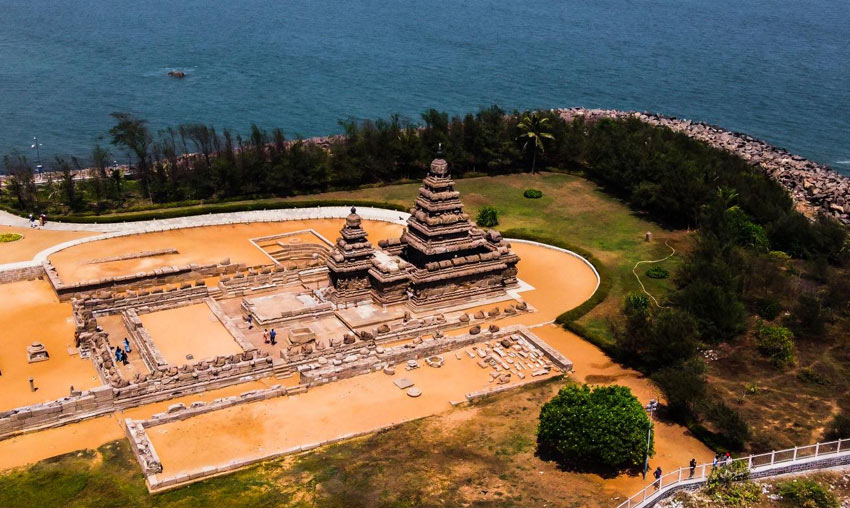
- Shore Temple – A famous seaside temple known for its magnificent Pallava architecture.
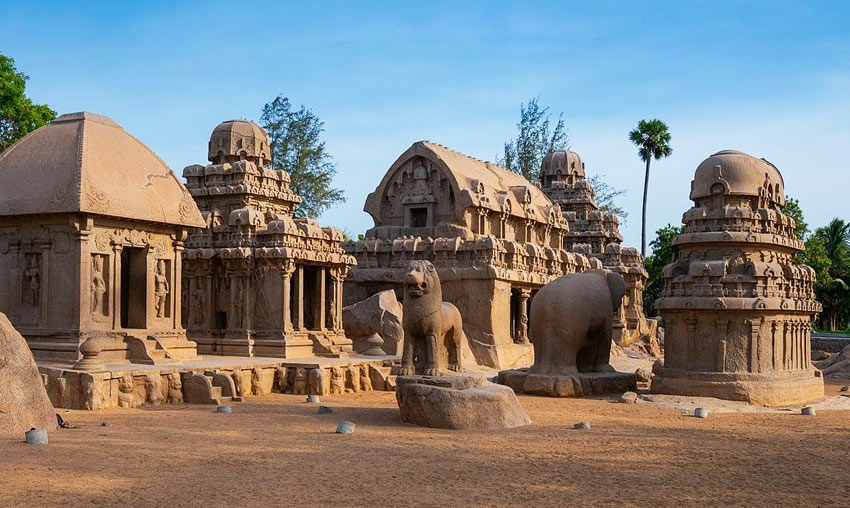
- Pancha Rathas – Five monolithic monuments carved from single granite rocks.
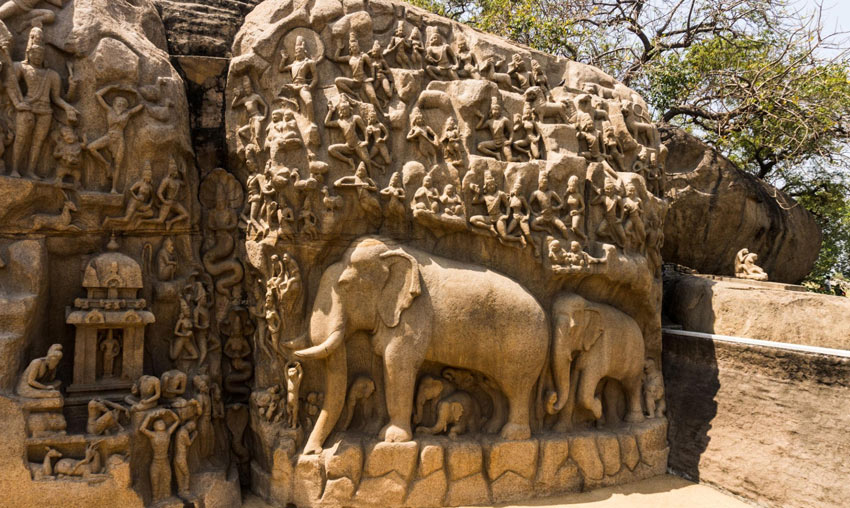
- Arjuna’s Penance – An impressive open-air rock relief featuring detailed mythological sculptures.
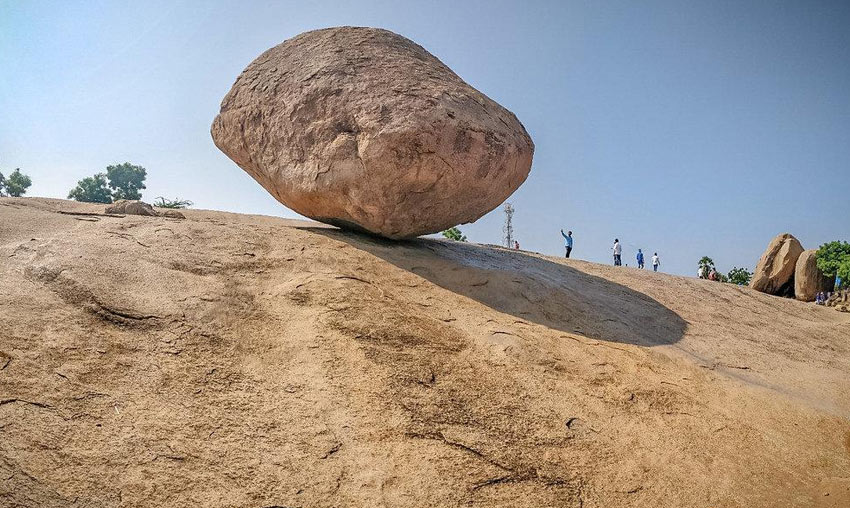
- Krishna’s Butter Ball – A giant natural granite boulder famous for its unusual balancing position.
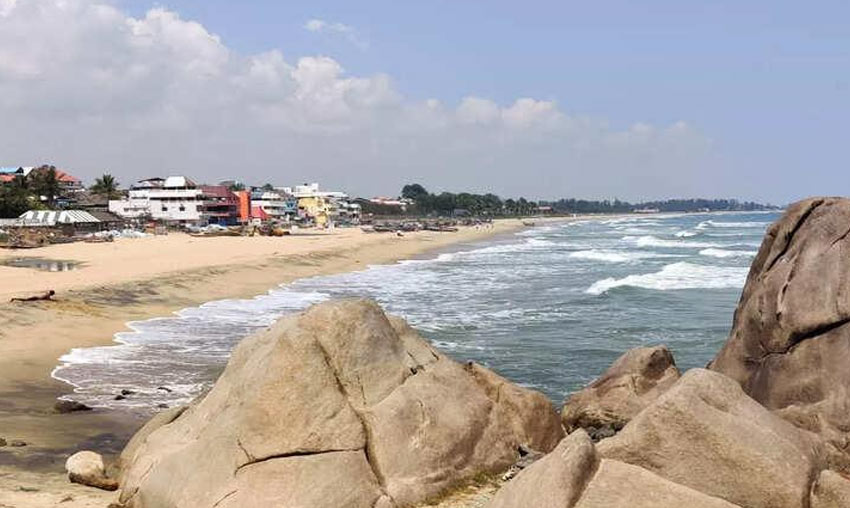
- Mahabalipuram Beach – A scenic coastal destination along the Bay of Bengal.
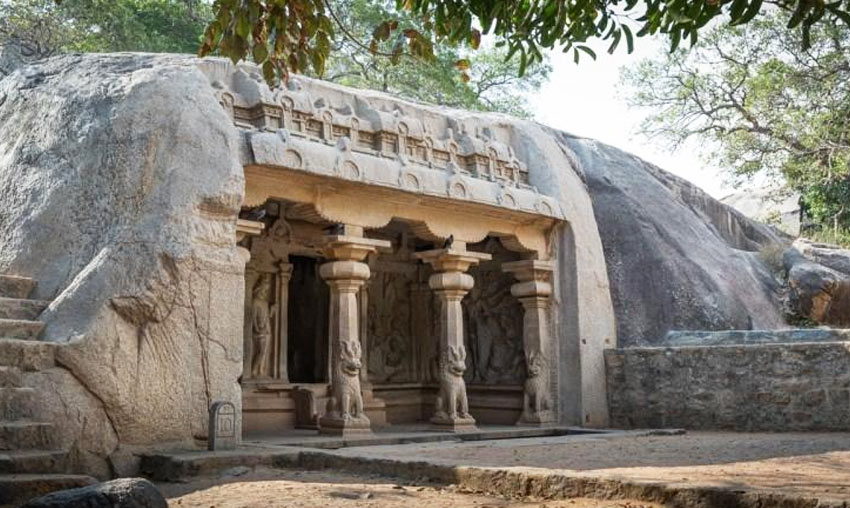
- Varaha Cave Temple – An ancient rock-cut temple famous for its sculptures of Lord Vishnu and Goddess Lakshmi.
How to Reach Mahishasuramardini Cave Temple
- By Road: Mahabalipuram is well connected to Chennai through the East Coast Road (ECR). Visitors can travel by taxi, private vehicle or local transport.
- By Train: Chengalpattu Junction is a nearby major railway station. Visitors can continue to Mahabalipuram by road. Chennai railway stations are also convenient depending on the travel route.
- By Air: Chennai International Airport is the nearest major airport. Taxis and private transfers are available to reach Mahabalipuram.
Travel Tips for Visiting Mahishasuramardini Cave Temple
- Visit during the morning for a comfortable sightseeing experience.
- Wear comfortable footwear while exploring the heritage area.
- Carry drinking water, especially during the warmer months.
- Respect the ancient sculptures and avoid touching or damaging the carvings.
- Follow the photography and entry rules displayed at the monument.
- Take time to observe both major sculptural panels inside the cave.
- Combine your visit with other Pallava monuments to explore more of Mahabalipuram.
Frequently Asked Questions About Mahishasuramardini Cave Temple
1. Where is Mahishasuramardini Cave Temple located?
Mahishasuramardini Cave Temple is located in Mahabalipuram, also known as Mamallapuram, in Tamil Nadu.
2. Who built Mahishasuramardini Cave Temple?
The cave temple dates back to the 7th century CE and is associated with the Pallava dynasty.
3. Which sculptures are famous inside the cave temple?
The cave is famous for its sculpture of Goddess Durga fighting Mahishasura and a magnificent panel of Lord Vishnu reclining on the cosmic serpent.
4. What does Mahishasuramardini mean?
Mahishasuramardini means the destroyer of Mahishasura. It refers to Goddess Durga’s victory over the demon Mahishasura.
5. What is Anantashayana?
Anantashayana is the reclining form of Lord Vishnu resting on the cosmic serpent Ananta or Adishesha.
6. Is Mahishasuramardini Cave Temple a UNESCO World Heritage Site?
Yes. It is part of the Group of Monuments at Mahabalipuram, which was recognised as a UNESCO World Heritage Site in 1984.
7. What are the visiting hours of Mahishasuramardini Cave Temple?
The commonly listed visiting hours are 6:00 AM to 6:00 PM. Visitors should confirm the latest timings before travelling.
Explore the Ancient Sculptures of Mahishasuramardini Cave Temple
Mahishasuramardini Cave Temple is an outstanding example of Pallava-era rock-cut architecture and artistic excellence. Its dramatic sculpture of Goddess Durga, impressive reclining Vishnu panel and detailed stone carvings make it one of the most fascinating historical attractions in Mahabalipuram.
Whether you are interested in Hindu mythology, ancient Indian sculpture or the history of the Pallava dynasty, this cave temple offers a memorable heritage experience.
Discover more historic temples, monuments and coastal attractions with our complete Mahabalipuram travel guide.
Nearby Places to Visit