Pancha Rathas, Mahabalipuram – History, Architecture and Travel Guide
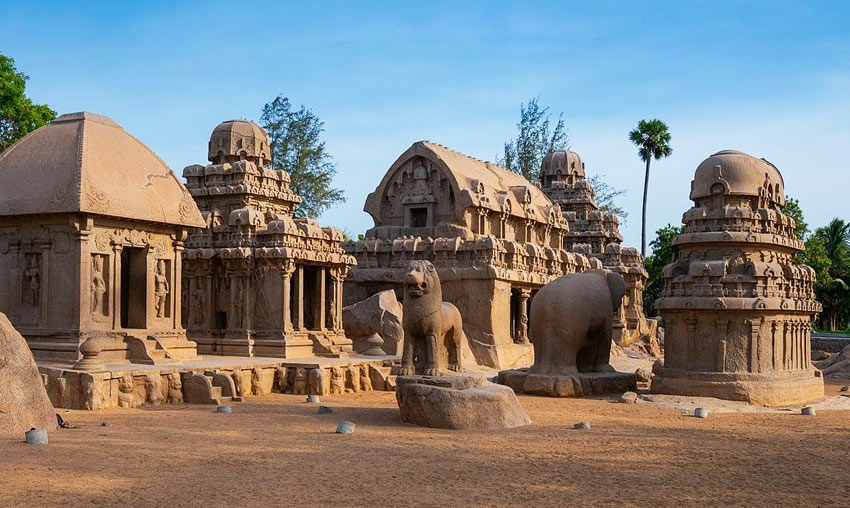
Pancha Rathas, also known as the Five Rathas or Pandava Rathas, is one of the most remarkable historical attractions in Mahabalipuram, Tamil Nadu. This magnificent monument complex is famous for its five monolithic structures, each carved from a single large granite rock. The monuments showcase the artistic excellence and architectural innovation of the Pallava dynasty.
Located along the Coromandel Coast, Pancha Rathas is part of the UNESCO World Heritage-listed Group of Monuments at Mahabalipuram. Each structure features a distinctive architectural design, including square, rectangular and apsidal plans, making the complex an important landmark in the history of South Indian temple architecture.
Whether you are interested in ancient Indian history, architecture or heritage photography, Pancha Rathas is a must-visit attraction. Explore this historic site as part of your Mahabalipuram travel guide.
History of Pancha Rathas
Pancha Rathas dates back to the 7th century CE and is associated with the Pallava dynasty. The monuments are generally attributed to the reign of Pallava king Narasimhavarman I, also known as Mamalla, who ruled from approximately 630 to 668 CE.
The five structures were carved directly from large granite outcrops rather than being assembled using separate stone blocks. This method of construction demonstrates the remarkable skills of Pallava artisans and their ability to create complex architectural forms from solid rock.
The monuments represent different temple designs and are considered important examples of monolithic rock-cut architecture. They also help historians understand the evolution of structural temple architecture in South India.
Although the structures are commonly called temples or rathas, the complex appears to have remained unfinished. The monuments were not fully consecrated for regular worship, making them particularly valuable as examples of Pallava architectural experimentation.
Why Are They Called Pancha Rathas?
The name Pancha Rathas means Five Rathas or Five Chariots. The structures are traditionally named after the five Pandava brothers and Draupadi from the Hindu epic Mahabharata.
These names are traditional labels given to the monuments. There is no established historical evidence that the structures were actually built for the Pandavas or directly associated with events from the Mahabharata.
Each ratha has a different architectural form, allowing visitors to observe several styles of temple design within one monument complex.
The Five Rathas of Mahabalipuram
1. Dharmaraja Ratha
Dharmaraja Ratha is the largest and one of the most impressive structures in the Pancha Rathas complex. It features a square plan and a three-tiered pyramidal tower that represents an important form of early Dravidian temple architecture.
The exterior is decorated with carved figures of Hindu deities and other sculptural details. Its multi-level design makes it an important example of Pallava architectural craftsmanship.
2. Bhima Ratha
Bhima Ratha is a distinctive rectangular structure with an elongated barrel-vaulted roof. Its design is different from the pyramidal towers seen on some of the other rathas.
The structure demonstrates the architectural experimentation of Pallava craftsmen and provides an interesting example of how different roof forms were explored in early South Indian temple design.
3. Arjuna Ratha
Arjuna Ratha is a smaller square structure known for its beautifully carved exterior. It features a two-tiered tower and decorative sculptures representing Hindu deities and mythological figures.
The detailed carvings and balanced proportions make it one of the most visually attractive monuments in the complex.
4. Nakula-Sahadeva Ratha
Nakula-Sahadeva Ratha is known for its distinctive apsidal, or semi-circular, architectural plan. Its unusual shape makes it different from the other structures in the group.
A large monolithic elephant sculpture stands nearby and is one of the most popular highlights of the Pancha Rathas complex. The elephant carving displays impressive attention to natural details and stone craftsmanship.
5. Draupadi Ratha
Draupadi Ratha is the smallest structure in the group. It has a simple hut-like design with a curved roof and is traditionally associated with Goddess Durga.
The shrine features beautiful carvings of the goddess, while a stone lion sculpture stands nearby. The lion is associated with Goddess Durga and adds to the visual appeal of this part of the complex.
Monolithic Architecture of Pancha Rathas
The most remarkable feature of Pancha Rathas is its monolithic construction. Each monument has been carved from a single massive granite rock, rather than being built by joining individual stones together.
The artisans carefully removed the surrounding stone to reveal the desired architectural form. This technique required exceptional planning, craftsmanship and knowledge of stone carving.
The five structures demonstrate different architectural plans and roof designs, including square towers, rectangular barrel-vaulted forms and apsidal structures. These variations make Pancha Rathas an important site for understanding the development of Dravidian architecture.
Stone Animal Sculptures at Pancha Rathas
Apart from the five main structures, the complex is also famous for its impressive monolithic animal sculptures. These carvings demonstrate the artistic ability of Pallava sculptors and add character to the monument complex.
- Elephant Sculpture: A large stone elephant stands near the Nakula-Sahadeva Ratha and is one of the most recognisable sculptures at the site.
- Lion Sculpture: A carved lion is associated with the Draupadi Ratha and represents the traditional mount of Goddess Durga.
- Nandi Sculpture: A stone Nandi bull is another notable animal sculpture found within the complex.
UNESCO World Heritage Status
Pancha Rathas is part of the Group of Monuments at Mahabalipuram, which was included in the UNESCO World Heritage List in 1984.
The heritage group includes monolithic rathas, rock-cut cave temples, mandapas, structural temples and large open-air rock reliefs. These monuments represent the outstanding artistic and architectural achievements of the Pallava rulers between the 7th and 8th centuries.
UNESCO recognition has helped establish Mahabalipuram as one of India’s most important cultural heritage destinations.
Best Time to Visit Pancha Rathas
The best time to visit Pancha Rathas is generally between November and February, when the weather in Mahabalipuram is relatively pleasant for outdoor sightseeing.
Early morning and late afternoon are suitable times to explore the complex. The softer sunlight also creates attractive conditions for photographing the stone structures and sculptures.
During summer, temperatures can become high, so visitors should carry drinking water, sunscreen and a hat while exploring the open monument grounds.
Pancha Rathas Timings
According to the Archaeological Survey of India, the commonly listed visiting hours for the Mahabalipuram monument group are:
- Opening Time: 6:00 AM
- Closing Time: 6:00 PM
- Visiting Days: Generally open daily
Timings and entry arrangements may change due to official instructions or special circumstances. Visitors should confirm the latest details before travelling.
Pancha Rathas Entry Fee
Pancha Rathas is a protected monument maintained by the Archaeological Survey of India. Entry is ticketed, and the applicable fee may vary for Indian and international visitors.
Visitors should check the latest ticket rates through the official ASI booking system or at the authorised ticket counter. Ticket arrangements may also cover other ticketed monuments in Mahabalipuram, subject to current ASI rules.
Things to See at Pancha Rathas
- Explore all five monolithic structures and observe their different architectural designs.
- Admire the detailed carvings on Dharmaraja Ratha and Arjuna Ratha.
- Observe the unusual barrel-vaulted roof of Bhima Ratha.
- See the distinctive apsidal design of Nakula-Sahadeva Ratha.
- Explore the hut-like structure and Durga carvings of Draupadi Ratha.
- Photograph the impressive monolithic elephant and other animal sculptures.
- Learn how Pallava artisans carved complete architectural forms from solid granite.
Places to Visit Near Pancha Rathas
Mahabalipuram has several famous historical monuments and coastal attractions. Visitors can combine Pancha Rathas with these nearby destinations for a complete sightseeing experience.
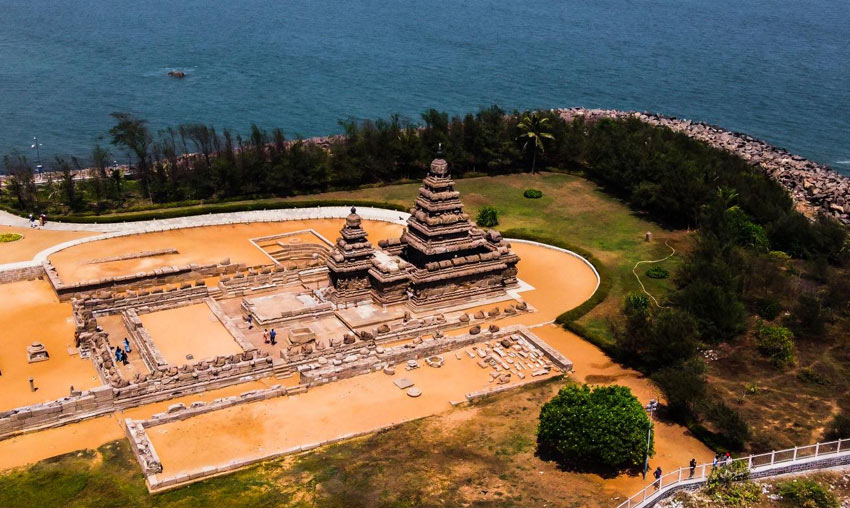
- Shore Temple – An iconic seaside temple known for its ancient Pallava architecture and granite structures.
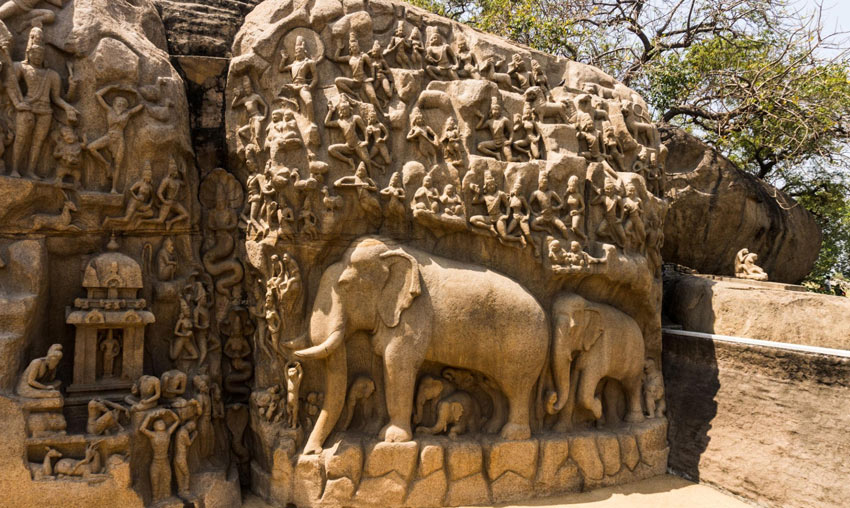
- Arjuna’s Penance – A magnificent open-air rock relief featuring detailed scenes from Hindu mythology.
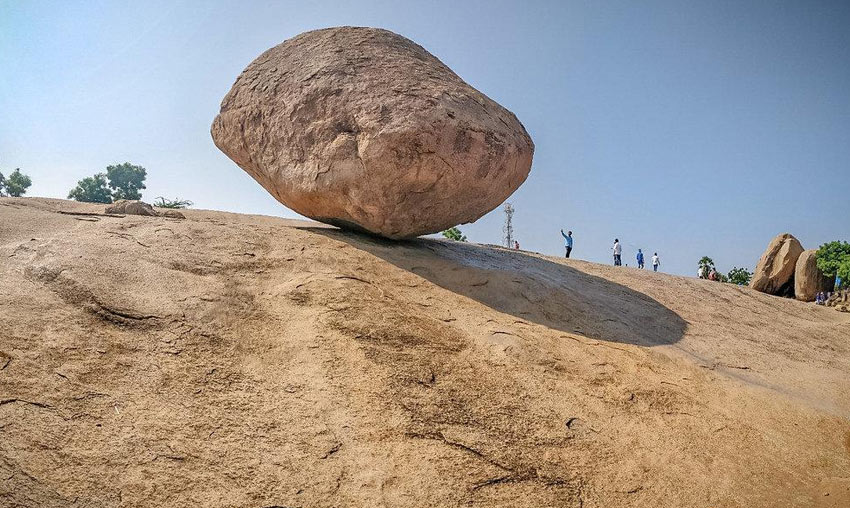
- Krishna’s Butter Ball – A giant natural granite boulder famous for its unusual balancing position.
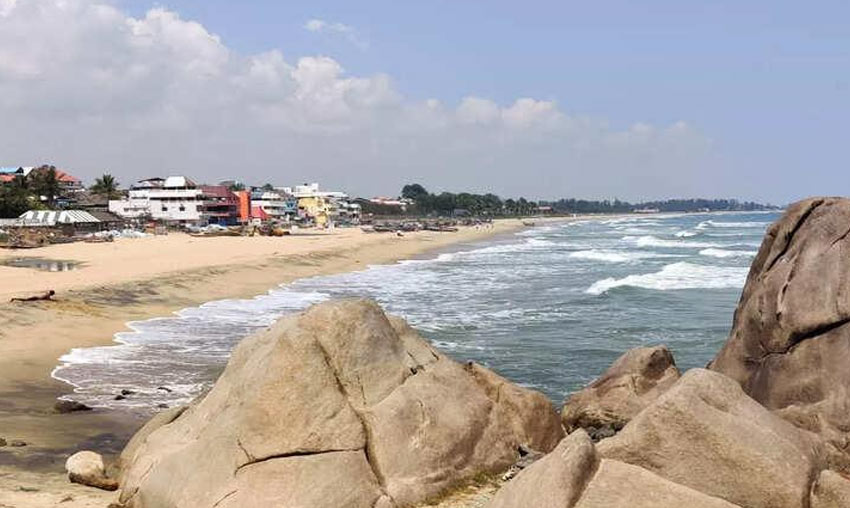
- Mahabalipuram Beach – A scenic coastal destination along the Bay of Bengal.
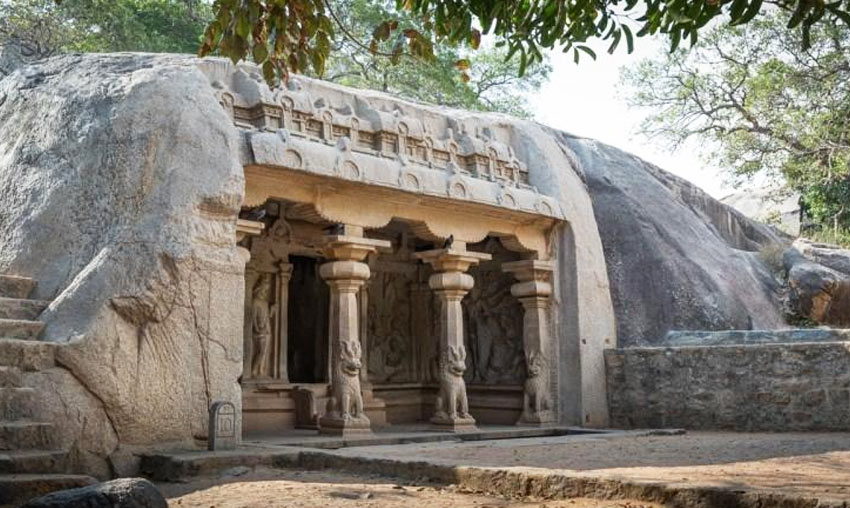
- Varaha Cave Temple – An ancient rock-cut cave temple featuring beautiful Pallava sculptures.
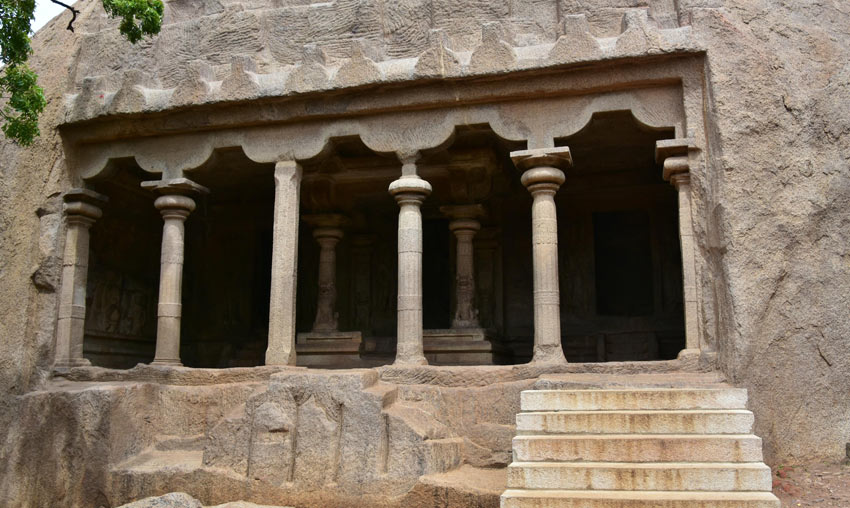
- Mahishasuramardini Cave Temple – A historic cave temple famous for its sculpture of Goddess Durga fighting Mahishasura.
How to Reach Pancha Rathas
- By Road: Mahabalipuram is connected to Chennai and other nearby destinations through the East Coast Road. Local taxis, auto-rickshaws and private vehicles can be used to reach Pancha Rathas.
- By Train: Chengalpattu Junction is a nearby major railway station. Visitors can continue to Mahabalipuram by road. Chennai railway stations are also convenient depending on the route.
- By Air: Chennai International Airport is the nearest major airport. Taxis and private transfers are available for the journey to Mahabalipuram.
Travel Tips for Visiting Pancha Rathas
- Visit early in the morning or late afternoon to avoid the strongest heat.
- Wear comfortable footwear while exploring the monument grounds.
- Carry drinking water, sunscreen and a hat during your visit.
- Do not climb on the monuments or animal sculptures.
- Avoid touching, scratching or damaging the ancient stone carvings.
- Follow the entry, photography and conservation rules displayed at the site.
- Allow sufficient time to explore all five structures and their architectural details.
Frequently Asked Questions About Pancha Rathas
1. Where are Pancha Rathas located?
Pancha Rathas is located in Mahabalipuram, also known as Mamallapuram, in Tamil Nadu, along the Coromandel Coast.
2. Who built Pancha Rathas?
The monuments are generally attributed to the Pallava king Narasimhavarman I, also known as Mamalla, who ruled during the 7th century CE.
3. Why are they called Pancha Rathas?
Pancha Rathas means Five Rathas. The five structures are traditionally named after the Pandava brothers and Draupadi from the Mahabharata.
4. What are the five Rathas called?
The five structures are Dharmaraja Ratha, Bhima Ratha, Arjuna Ratha, Nakula-Sahadeva Ratha and Draupadi Ratha.
5. What is special about Pancha Rathas?
Each structure is carved from a single granite rock. Their different architectural plans and roof designs make them outstanding examples of Pallava monolithic architecture.
6. Is Pancha Rathas a UNESCO World Heritage Site?
Yes. Pancha Rathas is part of the Group of Monuments at Mahabalipuram, which was recognised as a UNESCO World Heritage Site in 1984.
7. What are the visiting hours of Pancha Rathas?
The commonly listed visiting hours are 6:00 AM to 6:00 PM. Visitors should confirm the latest schedule before travelling.
8. How much time is required to explore Pancha Rathas?
Approximately 45 minutes to one hour is generally sufficient to explore the main structures and animal sculptures, depending on your interest in photography and architecture.
Explore the Architectural Wonders of Pancha Rathas
Pancha Rathas is one of the finest examples of ancient Indian monolithic architecture. Its five distinctive structures, detailed stone carvings and impressive animal sculptures offer a fascinating glimpse into the artistic achievements of the Pallava dynasty.
For travellers exploring the heritage of Tamil Nadu, a visit to Pancha Rathas provides a memorable opportunity to understand the evolution of South Indian temple architecture. Discover more historic monuments and coastal attractions with our complete Mahabalipuram travel guide.
Nearby Places to Visit