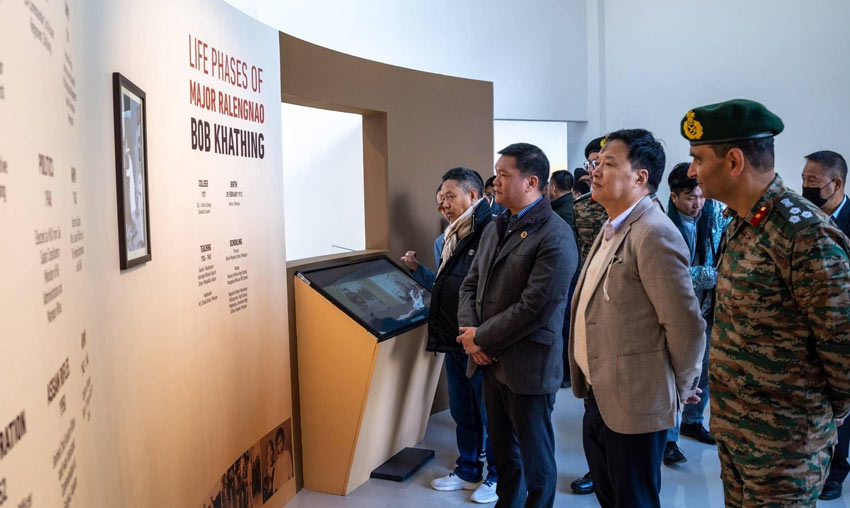
Major Ralengnao ‘Bob’ Khathing Museum of Valour, Tawang
The Major Ralengnao ‘Bob’ Khathing Museum of Valour is an important historical attraction in Tawang, Arunachal Pradesh. Dedicated to the life and achievements of Major Ralengnao Bob Khathing, the museum commemorates his role in establishing India’s administrative presence in Tawang in 1951. It celebrates the courage, leadership and contribution of a remarkable figure in the history of Northeast India.
Located near the Tawang War Memorial, the museum offers visitors an opportunity to learn about a significant chapter in the region’s history. Through historical displays, photographs, maps and military-related exhibits, it presents the story of Major Khathing and the events surrounding his historic mission to Tawang.
Overview of Bob Khathing Museum of Valour
The Museum of Valour honours Major Ralengnao ‘Bob’ Khathing, an Indian Army officer and administrator remembered for his role in bringing Tawang under India’s administrative control in February 1951. His mission took place during an important period in the history of the eastern Himalayan frontier.
The museum was inaugurated on 31 October 2024 by Defence Minister Rajnath Singh through a virtual ceremony from Tezpur, Assam. It was developed as a place to preserve Major Khathing’s legacy and introduce visitors to the historical events that shaped the region.
- Location: Near Tawang War Memorial, Tawang, Arunachal Pradesh, India
- Official name: Major Ralengnao ‘Bob’ Khathing Museum of Valour
- Dedicated to: Major Ralengnao ‘Bob’ Khathing
- Inaugurated: 31 October 2024
- Theme: Military history, regional heritage and national integration
- Management: Indian Army, following an agreement with the Tawang District Administration in December 2024
Who Was Major Ralengnao ‘Bob’ Khathing?
Major Ralengnao ‘Bob’ Khathing was a distinguished figure from Northeast India whose career included military service and administration. He served during the Second World War and was recognised for his courage and leadership. His contribution to the history of Tawang remains particularly significant.
In 1951, Major Khathing led a mission to Tawang under the direction of the Government of India. At that time, the region was a remote Himalayan area with difficult terrain and limited communication. His mission helped establish India’s administrative presence in Tawang.
Major Khathing is remembered not only for the 1951 mission but also for his wider contribution to the people and administration of Northeast India. The Museum of Valour preserves this legacy for future generations.
The Historic Tawang Mission of 1951
One of the most important chapters highlighted by the museum is Major Khathing’s mission to Tawang in 1951. Following instructions from the Government of India, he led an expedition towards Tawang to establish Indian administrative control over the region.
The mission began in January 1951. Major Khathing and the personnel accompanying him had to travel through challenging mountain terrain, where transport and communication facilities were limited. The expedition reached Tawang in February 1951, and Indian administrative functioning was established there.
The event is an important part of modern Northeast Indian history. It is also remembered for the role played by local communities, administrators and security personnel during a period of major political change in the Himalayan region.
The museum presents this historical episode through the life and work of Major Khathing, helping visitors understand why the 1951 mission holds an important place in the history of Tawang.
What Can You See at the Museum?
The Museum of Valour uses historical material and displays to introduce visitors to Major Khathing’s life, military background and contribution to the region. Published descriptions of the museum mention historical photographs, maps, military clothing and other artefacts connected with his legacy.
Historical Photographs
Photographs help visitors understand Major Khathing’s life, his military service and the historical context of the 1951 Tawang mission.
Maps and Historical Displays
Maps and interpretive displays provide context about Tawang’s geographical importance and the expedition that established India’s administrative presence in the region.
Military Artefacts and Uniforms
The museum includes military-related exhibits, including references to Major Khathing’s service and the historical period in which he worked.
Tribute to a Northeast Indian Hero
The museum recognises Major Khathing’s contribution to the region and provides an opportunity for visitors to learn about an important personality from Northeast India’s history.
Statue of Sardar Vallabhbhai Patel
The museum’s inauguration in October 2024 was held alongside the unveiling of a statue of Sardar Vallabhbhai Patel in Tawang. The occasion was linked to Rashtriya Ekta Diwas, observed on 31 October to mark Patel’s birth anniversary.
The association reflects the historical importance of national integration and the role of leaders and administrators in shaping India’s territorial and administrative history. Major Khathing’s 1951 mission is remembered in this wider context.
Location of Bob Khathing Museum of Valour
The museum is located near the Tawang War Memorial in Tawang town, in the Tawang district of Arunachal Pradesh. Its location makes it convenient to include in a sightseeing plan focused on Tawang’s historical and military heritage.
Visitors can combine the museum with the Tawang War Memorial and other attractions around the town. Confirm the current access arrangements and local directions before visiting.
Best Time to Visit Bob Khathing Museum
The museum can be included in a Tawang sightseeing itinerary throughout the year, subject to its current opening schedule and local access conditions. For a broader trip to Tawang, spring, autumn and early winter are commonly considered by travellers, although Himalayan weather can change quickly.
- March to May: A generally pleasant period for exploring Tawang and nearby attractions.
- June to September: Monsoon rainfall may affect road conditions and travel plans.
- October to November: Often suitable for sightseeing, with cooler weather and potentially clear mountain views.
- December to February: Winter can be very cold, and snowfall may affect road access in the wider region.
How to Reach Bob Khathing Museum of Valour
By Road
The museum is in Tawang town, close to the Tawang War Memorial. Visitors already staying in Tawang can ask local taxi operators or their hotel for directions and transport. The wider journey to Tawang is generally made by road from towns in Arunachal Pradesh or Assam.
By Air
Tezpur Airport and Lokpriya Gopinath Bordoloi International Airport in Guwahati are commonly used by travellers approaching Tawang. From either airport, the onward journey to Tawang is by road and takes considerable travel time through mountainous terrain.
By Train
Rangapara North is one of the railway stations used by travellers heading towards the Tawang region. From the railway station, visitors need to arrange onward road transport to Tawang.
Permits and Travel Requirements
Tawang is located in Arunachal Pradesh, where entry permit requirements apply. Indian citizens who are not residents of Arunachal Pradesh generally need an Inner Line Permit (ILP). Foreign nationals should check the applicable Protected Area Permit (PAP) requirements before travelling.
Permit rules and procedures may change. Check the official Arunachal Pradesh permit portal before your trip and carry the required identification and permit documents. A general state entry permit should not be assumed to provide access to restricted border areas.
Official ILP portal: Arunachal Pradesh eILP
Visitor Information and Travel Tips
- Check the current museum opening hours before planning your visit.
- Confirm entry fees, if any, with the museum authorities or local tourism office.
- Follow all instructions provided by museum staff and security personnel.
- Ask before taking photographs, as photography rules may apply to certain displays or areas.
- Do not touch or move historical objects and exhibits.
- Allow enough time to read the historical information and understand the displays.
- Combine the visit with the nearby Tawang War Memorial.
- Carry your required travel permits and identification documents.
Nearby Attractions to Explore
The museum’s location near Tawang War Memorial makes it easy to combine the visit with other attractions in the region. Depending on your available time and road conditions, consider exploring:
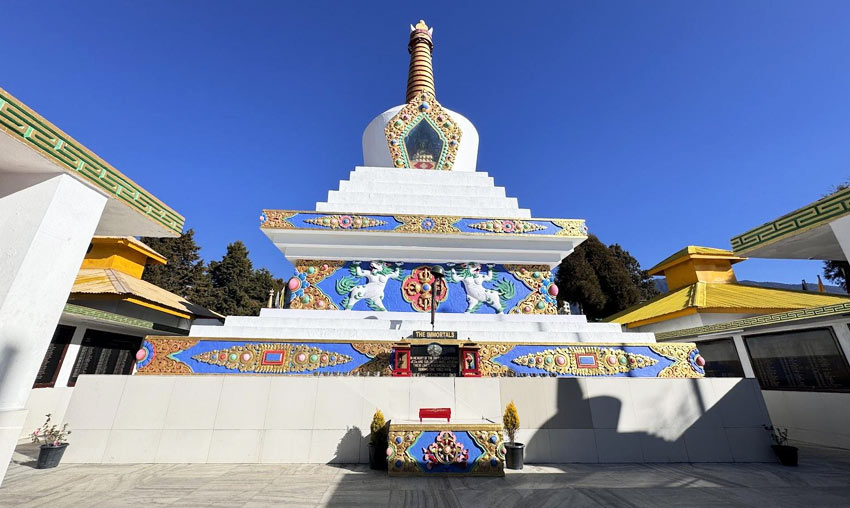
- Tawang War Memorial – A memorial honouring Indian soldiers who lost their lives during the 1962 India-China War.
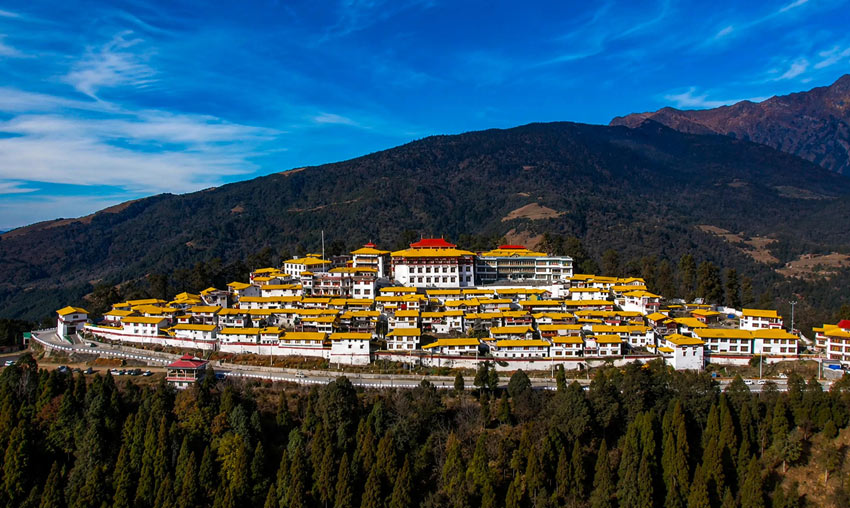
- Tawang Monastery – One of the most important Buddhist monasteries in the region.
- Urgelling Monastery – A historic monastery associated with the Sixth Dalai Lama.
- Regyaling Gompa – A peaceful Buddhist monastery near Tawang.
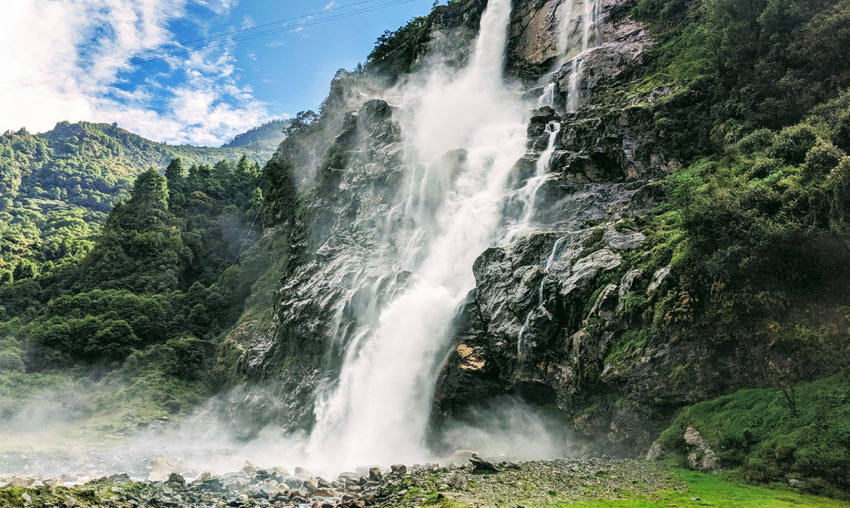
- Nuranang Falls – A scenic waterfall near Jang, popular with visitors travelling between Tawang and Sela Pass.
Suggested Tawang Historical Sightseeing Plan
Travellers interested in the history of Tawang can plan a half-day sightseeing schedule around the town. A suggested sequence is:
- Begin at the Tawang War Memorial.
- Visit the Major Ralengnao ‘Bob’ Khathing Museum of Valour nearby.
- Continue to Tawang Monastery for a cultural and historical experience.
- Visit Urgelling Monastery if time and local transport arrangements permit.
This is a suggested sightseeing plan, not a fixed itinerary. Confirm current museum access and local travel conditions before setting out.
Frequently Asked Questions
1. Where is Bob Khathing Museum of Valour located?
The museum is located near Tawang War Memorial in Tawang, Arunachal Pradesh, India.
2. Who was Major Ralengnao ‘Bob’ Khathing?
Major Ralengnao ‘Bob’ Khathing was a distinguished military officer and administrator from Northeast India. He is remembered for leading the 1951 mission that established India’s administrative presence in Tawang.
3. When was the Bob Khathing Museum inaugurated?
The Major Ralengnao ‘Bob’ Khathing Museum of Valour was inaugurated on 31 October 2024 by Defence Minister Rajnath Singh through a virtual ceremony from Tezpur, Assam.
4. Why was the museum built?
The museum was established to preserve and share Major Khathing’s legacy, his contribution to the history of Tawang and his role in the 1951 mission.
5. What can visitors see inside the museum?
Published descriptions mention historical photographs, maps, military clothing, artefacts and displays about Major Khathing’s life and contribution.
6. Is Bob Khathing Museum near Tawang War Memorial?
Yes. The museum is located near Tawang War Memorial, making it convenient to visit both attractions in one sightseeing trip.
7. Who manages the Bob Khathing Museum?
An agreement was signed in December 2024 between the Tawang District Administration and the Indian Army for the museum’s management and upkeep.
8. Is there an entry fee at the museum?
A reliable current entry-fee schedule is not confirmed in the sources consulted. Visitors should check with the museum authorities before visiting.
9. What are the museum’s opening hours?
Current official opening hours could not be confirmed from the sources consulted. Check locally before planning your visit.
10. Do visitors need an ILP to visit Tawang?
Indian citizens who are not residents of Arunachal Pradesh generally require an Inner Line Permit to enter the state. Check the official eILP portal for the latest rules.
The Major Ralengnao ‘Bob’ Khathing Museum of Valour is an important addition to Tawang’s historical attractions. It honours a remarkable figure whose 1951 mission played a significant role in establishing India’s administrative presence in the region.
For travellers interested in military history, Northeast India’s heritage and the story of Tawang, this museum offers a valuable learning experience. Combine it with the nearby Tawang War Memorial and other cultural attractions to gain a deeper understanding of the region’s past.
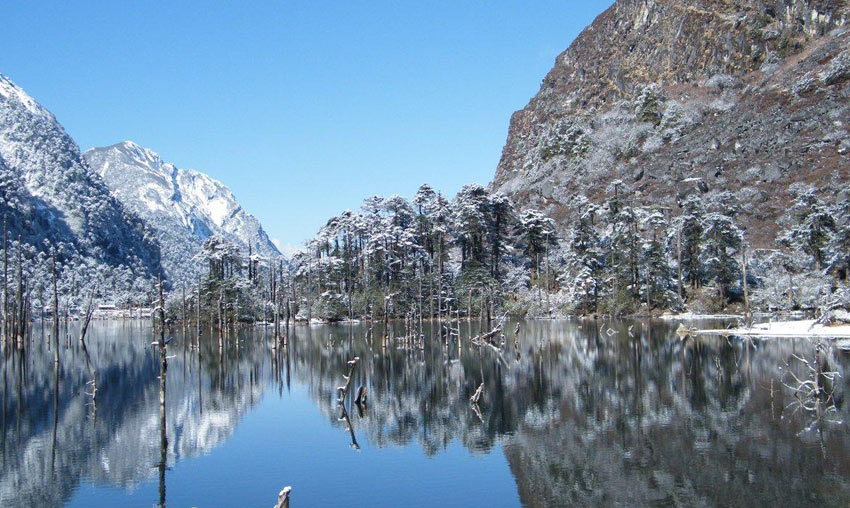
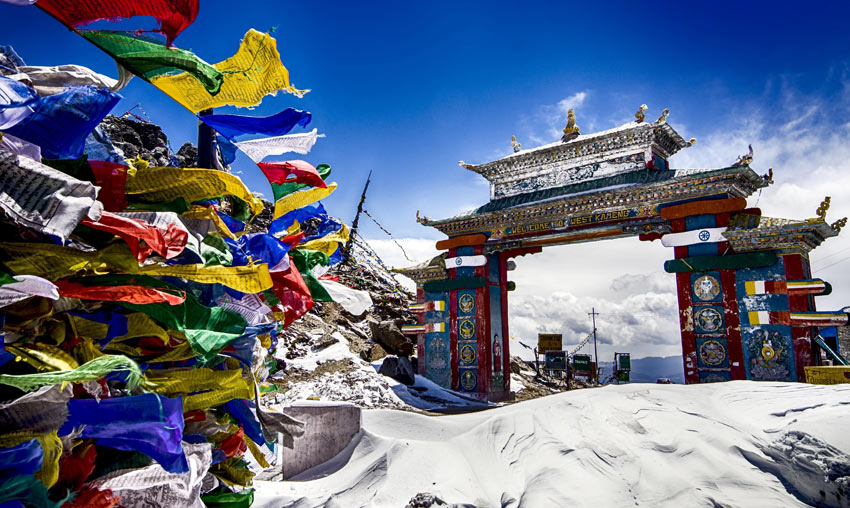
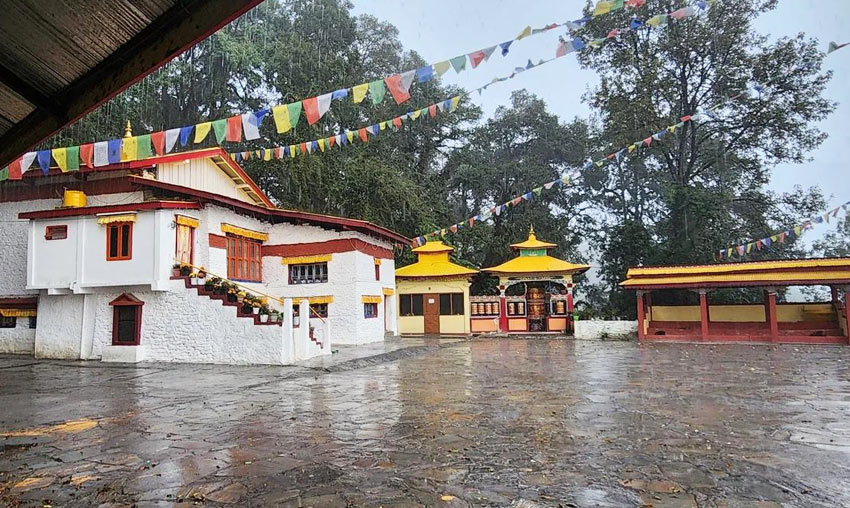
Nearby Places to Visit
Nearby Places to Visit