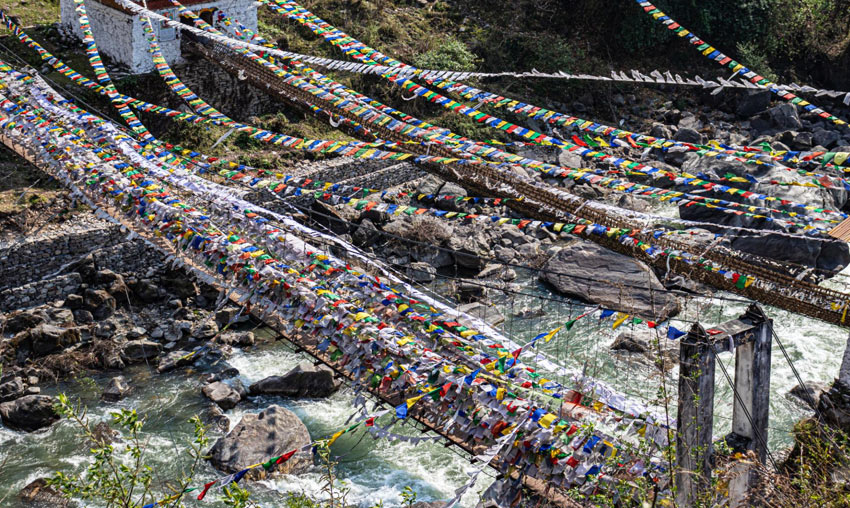
Chakzam Iron Bridge, Tawang – A 15th-Century Himalayan Engineering Marvel
Hidden in the beautiful mountain landscape of Arunachal Pradesh, Chakzam Iron Bridge is one of the most fascinating historical attractions in the Tawang district. Also known as Chakzham Bridge, Chaksam Bridge and Chak-Zam Bridge, this ancient iron-chain suspension bridge crosses the Tawang Chu River and represents the remarkable engineering skills of the Himalayan region.
Believed to have been constructed in the 15th century by the renowned Tibetan engineer and Buddhist master Thangtong Gyalpo, the bridge is an important example of traditional iron-chain bridge construction. Its historic metal chains, traditional walkway and distinctive river setting make it a memorable destination for history enthusiasts, architecture lovers and travellers exploring Tawang.
Located approximately 25 kilometres from Tawang town, Chakzam Iron Bridge is also associated with the traditional routes connecting the Kitpi and Mukto areas. A visit offers an opportunity to explore an important part of the region’s cultural and engineering heritage.
About Chakzam Iron Bridge
Chakzam Iron Bridge is a historic iron-chain suspension bridge situated over the Tawang Chu River in Tawang district, Arunachal Pradesh, India. It is one of the region’s most remarkable examples of traditional Himalayan bridge engineering.
The bridge is generally dated to the 15th century and is credited to Thangtong Gyalpo, a Tibetan Buddhist master, architect and engineer. He is remembered for building iron-chain bridges across the Himalayan region, particularly in Tibet and Bhutan.
The name Chak-Zam is associated with the Tibetan term for an iron bridge. Unlike modern bridges built with steel girders and concrete supports, this traditional structure uses iron chains as its principal suspension elements.
The bridge was historically important because it provided a passage across the Tawang Chu River, helping people travel through the rugged mountain terrain between nearby settlements.
History of Chakzam Iron Bridge
The history of Chakzam Iron Bridge is closely connected with Thangtong Gyalpo, also known as Lama Chag-Zam Wangpo. He was a renowned Tibetan Buddhist master, architect, philosopher and bridge builder who lived during the 14th and 15th centuries.
Traditional accounts credit Thangtong Gyalpo with constructing numerous iron-chain suspension bridges across the Himalayan region. His engineering work helped communities cross difficult rivers and mountain valleys, improving connections between settlements and pilgrimage routes.
The Chakzam Bridge is traditionally associated with his bridge-building work around the 15th century. The Tawang tourism authorities identify it as an ancient 15th-century structure, while some historical and archaeological references use a broader 15th–16th-century dating.
The bridge was built across the Tawang Chu River to provide a passage through the rugged terrain connecting the Kitpi and Mukto areas. It is an important reminder of the engineering knowledge and craftsmanship that existed in the Himalayan region centuries ago.
Who Was Thangtong Gyalpo?
Thangtong Gyalpo was a famous Tibetan Buddhist master, engineer, architect and innovator. He is particularly remembered for his iron-chain suspension bridges, which helped people cross rivers and difficult landscapes in the Himalayan region.
He is also associated with the development of Tibetan opera and other cultural and religious contributions. His engineering achievements are considered significant in the history of traditional Himalayan infrastructure.
His bridge-building legacy gives Chakzam Iron Bridge an importance beyond its physical structure. It represents the connection between traditional engineering, religious culture and everyday life in the Himalayan communities.
Architecture and Engineering of Chakzam Iron Bridge
Chakzam Iron Bridge is an excellent example of traditional iron-chain suspension bridge construction. Its design demonstrates how historical builders used ironwork, stone supports and locally available materials to create river crossings in challenging mountain environments.
1. Traditional Iron Chains
The most distinctive feature of the bridge is its iron-chain suspension system. The chains form the main structural elements that support the crossing above the river.
2. Suspension Bridge Design
The historic bridge uses iron chains stretched between supporting structures. The walking surface is traditionally made with wooden or bamboo elements supported by the suspension arrangement.
3. Stone Structures at Both Ends
The bridge is associated with substantial stone structures at its ends. These traditional supports provide anchoring points for the suspension system and add to its distinctive architectural appearance.
4. Traditional Himalayan Craftsmanship
The bridge reflects the metalworking and construction skills of an earlier period. Its design is particularly interesting because it was developed long before modern industrial bridge-building technology became common in the region.
5. River and Mountain Setting
The bridge stands above the Tawang Chu River, surrounded by the natural mountain scenery of the Tawang region. The combination of historic engineering and Himalayan landscape makes it a rewarding place for photography and sightseeing.
Why Is Chakzam Iron Bridge Famous?
Chakzam Iron Bridge is famous for its historical importance, traditional engineering and association with Thangtong Gyalpo.
- It is an ancient iron-chain suspension bridge in the Tawang district.
- It is traditionally dated to the 15th century.
- It is associated with the famous Tibetan engineer Thangtong Gyalpo.
- It crosses the Tawang Chu River.
- It represents traditional Himalayan bridge-building techniques.
- It is an important historical and cultural attraction near Tawang.
Recent Conservation and Local Importance
Chakzam Bridge is not only a tourist attraction but also a heritage structure valued by the nearby communities. The villages associated with its care have played an important role in protecting and maintaining the bridge.
In April 2025, local villagers from the Mukto, Gyomkelleng and Mirba areas undertook renovation work on the centuries-old bridge. The work included replacing bamboo mats and other walkway materials.
Local caretakers have also appealed to visitors to avoid littering and to protect the historic structure. Visitors have been advised not to tie prayer flags directly to the bridge because deteriorating flag materials can damage the bamboo walkway. Follow local instructions about where prayer flags may be placed.
Where Is Chakzam Iron Bridge Located?
Chakzam Iron Bridge is located in Tawang district, Arunachal Pradesh, India, across the Tawang Chu River. It is approximately 25 kilometres from Tawang town according to local tourism references.
The bridge is associated with the traditional route connecting the Kitpi and Mukto areas. It can be included in a sightseeing journey from Tawang, although the actual route and travel time depend on road conditions and local access.
The surrounding area offers views of the river valley, mountain slopes and rural Himalayan settlements. The journey itself gives visitors a glimpse of the landscape and local heritage of Tawang.
Best Time to Visit Chakzam Iron Bridge
The best time to visit Chakzam Iron Bridge is generally during the months when road conditions are more suitable for sightseeing. Spring, summer and autumn can be considered for a comfortable visit, subject to local weather and access.
- March to May: Spring brings fresh greenery and pleasant mountain scenery. It is a good season to explore the region when roads are accessible.
- June to August: Monsoon rainfall can make roads and approaches slippery. Heavy rain may also cause travel disruptions.
- September to November: Autumn often offers clearer mountain views and comfortable conditions for sightseeing.
- December to February: Winter can bring very cold weather and possible snow or ice on nearby roads. Check local conditions before travelling.
For most travellers, spring and autumn are practical seasons to consider. Always check the local weather and road situation before setting out.
How to Reach Chakzam Iron Bridge
Chakzam Iron Bridge can be reached by road from Tawang town. It is located approximately 25 kilometres away and is generally visited using a private vehicle or locally arranged taxi.
By Road from Tawang
Travellers can hire a local taxi or arrange a private vehicle in Tawang for the journey to Chakzam Iron Bridge. The route passes through the mountain landscape and nearby settlements of the region.
The bridge is associated with the route towards Kitpi and Mukto. Ask your local driver to confirm the current road approach and the nearest permitted stopping point.
By Air
The nearest practical airport options for many visitors are Tezpur Airport and Lokpriya Gopinath Bordoloi International Airport in Guwahati, Assam. From there, the journey to Tawang and Chakzam Iron Bridge continues by road.
By Train
Guwahati is a major railway gateway for travellers heading towards Tawang. Rangapara North and other railway stations in Assam may also be considered depending on the route. The remaining journey is completed by road.
Entry Permit and Travel Requirements
Visitors travelling to Arunachal Pradesh must follow the applicable state entry permit rules. Indian nationals from outside Arunachal Pradesh generally require an Inner Line Permit (ILP).
Foreign visitors should confirm the applicable Protected Area Permit (PAP) requirements before travelling.
Official Arunachal Pradesh ILP portal: Arunachal Pradesh e-ILP Portal.
Check current local access conditions with the Tawang district administration or a local tourism operator before travelling to the bridge. Entry permits, local restrictions and access arrangements may change.
Travel Tips for Visiting Chakzam Iron Bridge
- Confirm the current road approach and bridge access with local residents or your driver.
- Wear comfortable shoes with a good grip, especially near the riverbank.
- Be careful on the bridge because suspension structures and narrow walkways can move underfoot.
- Follow any local restrictions on crossing the bridge. Do not assume that viewing access automatically permits crossing.
- Avoid overcrowding the bridge and follow any visitor limits set by local caretakers.
- Do not climb on, pull, touch or damage the historic iron chains and fittings.
- Do not tie prayer flags directly to the bridge. Follow the local caretakers’ instructions about permitted locations.
- Do not litter around the bridge or river.
- Keep children under close supervision, especially near the river and bridge approaches.
- Carry drinking water and basic personal essentials.
- Check weather and road conditions before travelling during the monsoon or winter.
Places to Visit Near Chakzam Iron Bridge
A visit to Chakzam Iron Bridge can be combined with other historical, cultural and natural attractions around Tawang. Consider including the following destinations in your travel plan.
1. Tawang
Tawang is a beautiful Himalayan destination known for its Buddhist heritage, mountain scenery, monasteries and historic attractions. It is the main base for exploring the district.
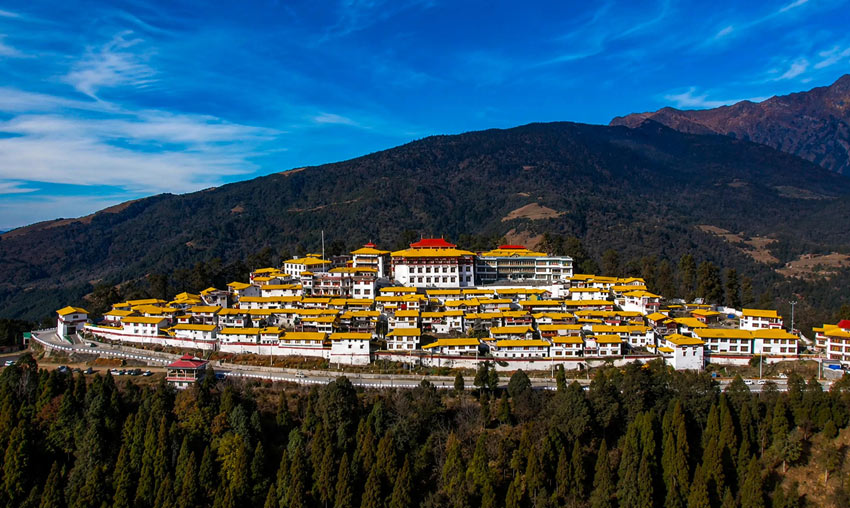
2. Tawang Monastery
Tawang Monastery is one of the most important Buddhist monasteries in India. It is known for its impressive architecture, large Buddha statue and rich spiritual heritage.
3. Urgelling Monastery
Urgelling Monastery is traditionally associated with the birthplace of the Sixth Dalai Lama, Tsangyang Gyatso. It is an important spiritual and historical site near Tawang town.
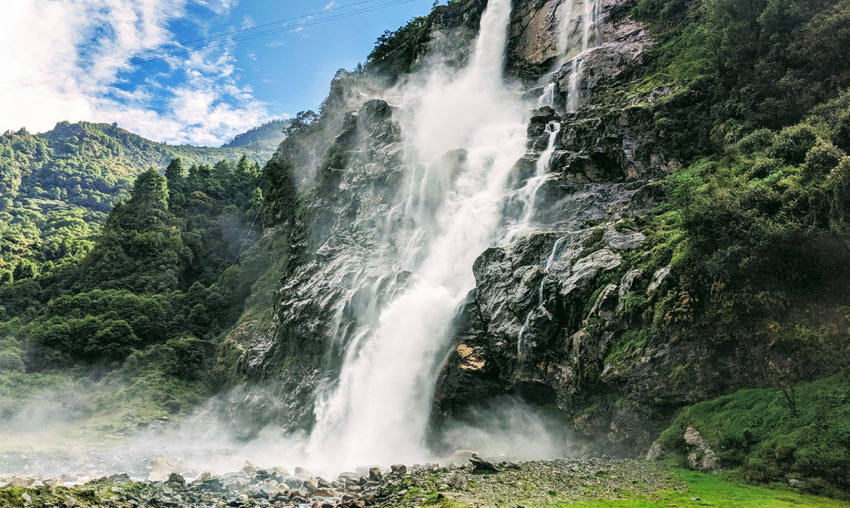
4. Nuranang Falls (Jang Falls)
Nuranang Falls is a spectacular waterfall near Jang town. Its impressive cascade and lush mountain surroundings make it one of the most beautiful natural attractions in the Tawang region.
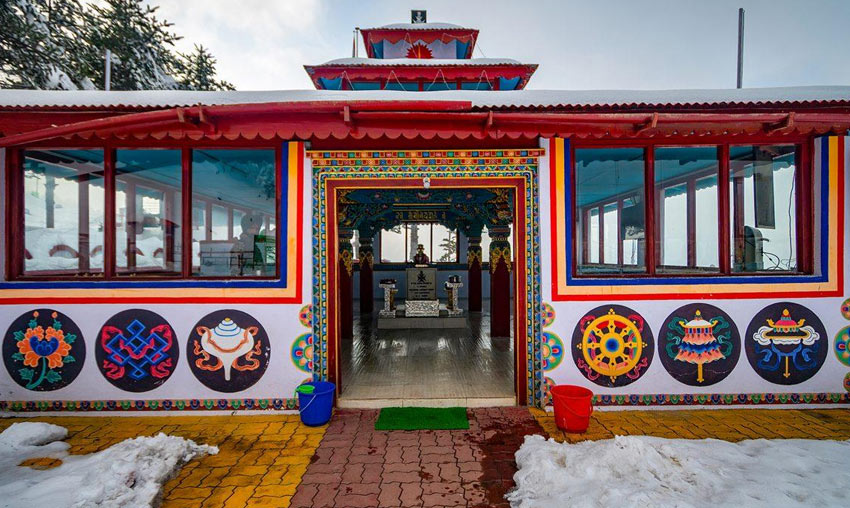
5. Jaswant Garh War Memorial
Jaswant Garh War Memorial honours Rifleman Jaswant Singh Rawat, who displayed exceptional courage during the 1962 Sino-Indian War.
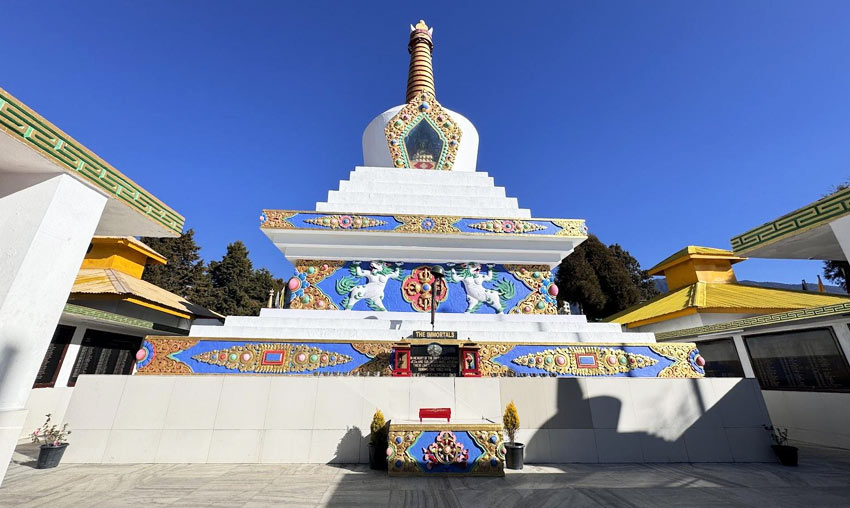
6. Tawang War Memorial
The Tawang War Memorial commemorates Indian soldiers who lost their lives during the 1962 war. It is an important destination for visitors interested in the military history of the region.
Suggested Tawang Sightseeing Plan
Chakzam Iron Bridge can be included in a local heritage sightseeing trip from Tawang. A possible plan is:
- Start from Tawang town.
- Visit Urgelling Monastery, if included in your route.
- Continue towards Chakzam Iron Bridge through the local approach road.
- Explore the bridge and surrounding river landscape, following local access instructions.
- Return to Tawang town.
The exact route and sequence depend on road conditions, opening arrangements and the time available. Confirm the plan with a local driver or tourism operator before departure.
Frequently Asked Questions About Chakzam Iron Bridge
1. Where is Chakzam Iron Bridge located?
Chakzam Iron Bridge is located across the Tawang Chu River in Tawang district, Arunachal Pradesh, India.
2. Who built Chakzam Iron Bridge?
The bridge is traditionally credited to Thangtong Gyalpo, a Tibetan Buddhist master, engineer and iron-chain bridge builder.
3. How old is Chakzam Iron Bridge?
The bridge is generally described as a 15th-century structure. Some historical references use a broader 15th–16th-century dating.
4. How far is Chakzam Iron Bridge from Tawang?
The bridge is approximately 25 kilometres from Tawang town, although the actual driving distance may depend on the approach route.
5. What is Chakzam Iron Bridge famous for?
It is famous for its historic iron-chain suspension design, its association with Thangtong Gyalpo and its importance in the history of Himalayan engineering.
6. Can visitors walk across Chakzam Iron Bridge?
The bridge is a historic crossing, but crossing conditions and visitor access should be confirmed locally. Follow the instructions of the bridge caretakers and do not cross if access is restricted or the structure is considered unsafe.
7. What is the best time to visit Chakzam Iron Bridge?
Spring and autumn are generally suitable seasons for exploring the Tawang region. Monsoon rain and winter weather may affect the road and bridge approach.
8. Do I need a permit to visit Chakzam Iron Bridge?
Visitors must follow Arunachal Pradesh’s applicable entry permit rules. Check current local access arrangements before travelling.
Chakzam Iron Bridge is one of the most interesting historical attractions in the Tawang district. Its traditional iron-chain suspension design, association with Thangtong Gyalpo and location above the Tawang Chu River make it a remarkable example of Himalayan engineering heritage.
For travellers interested in history, architecture, Buddhist culture and lesser-known destinations, Chakzam Iron Bridge offers a memorable experience beyond the popular monasteries and lakes of Tawang. Visit responsibly, respect local conservation efforts and follow the instructions of the bridge caretakers to help preserve this historic structure for future generations.
Nearby Places to Visit
Nearby Places to Visit