Tawang Monastery, Arunachal Pradesh – History, Architecture & Visitor Guide
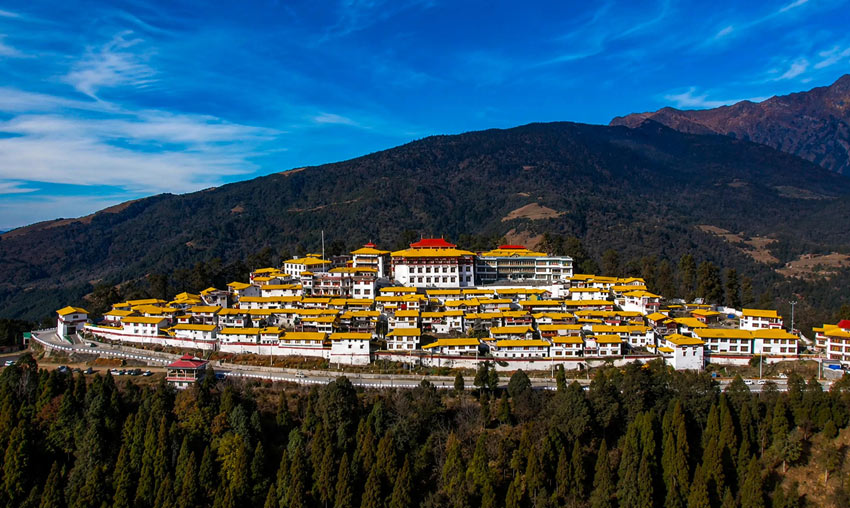
Tawang Monastery, located in the beautiful Himalayan region of Arunachal Pradesh, is one of India’s most important Buddhist spiritual centres. Also known as Gaden Namgyal Lhatse, this magnificent monastery is famous for its ancient Buddhist traditions, impressive architecture, sacred scriptures and peaceful mountain surroundings.
Founded in 1681 by Merak Lama Lodre Gyatso, Tawang Monastery is recognised as the largest Buddhist monastery in India. Situated at an elevation of more than 10,000 feet, it overlooks the picturesque Tawang Valley and offers visitors a wonderful combination of spirituality, history and Himalayan beauty.
Whether you are interested in Buddhist culture, historical architecture, photography or peaceful mountain destinations, Tawang Monastery is an essential attraction to include in your Arunachal Pradesh travel itinerary.
About Tawang Monastery
Tawang Monastery is an important centre of the Gelugpa school of Mahayana Buddhism. It has played a significant role in preserving Buddhist teachings, religious practices and the cultural traditions of the Monpa community.
The monastery is also known by its Tibetan name, Gaden Namgyal Lhatse, commonly translated as the divine paradise of complete victory. Its elevated location, traditional buildings and magnificent prayer halls make it one of the most recognisable landmarks in Northeast India.
The monastery complex includes a main assembly hall, residential buildings, a library containing important Buddhist scriptures and spaces used for religious learning and daily activities.
History of Tawang Monastery
The history of Tawang Monastery dates back to the 17th century. It was established in 1681 by Merak Lama Lodre Gyatso in accordance with the wishes of the Fifth Dalai Lama, Ngawang Lobsang Gyatso.
According to a popular local legend, Merak Lama was searching for a suitable location to establish a monastery. After offering prayers for guidance, he discovered that his horse had disappeared. During his search, he found the horse standing on a hill known as Tana Mandekhang. Considering this an auspicious sign, he selected the location for the monastery.
The story is closely connected with the name Tawang. In the commonly told interpretation, the word “Ta” means horse and “Wang” means chosen or blessed. The legend remains an important part of the region’s cultural identity.
Tawang Monastery is also associated with the birth of the Sixth Dalai Lama, Tsangyang Gyatso, who was born in the Tawang region. This connection gives the monastery additional importance in the history of Tibetan Buddhism.
Architecture of Tawang Monastery
The architecture of Tawang Monastery reflects traditional Tibetan Buddhist design. Its large complex is surrounded by a long compound wall and contains several buildings arranged around the main religious structures.
The monastery’s whitewashed walls, colourful decorations, traditional wooden elements and golden details create a distinctive appearance against the surrounding Himalayan landscape.
1. Main Assembly Hall – Dukhang
The Dukhang is the main prayer and assembly hall of the monastery. It is an important place where monks gather for prayers, religious ceremonies and Buddhist teachings.
The hall features traditional Buddhist artwork, colourful decorations and a large gilded statue of Buddha. Visitors can experience the peaceful atmosphere and learn about the monastery’s spiritual traditions.
2. The Colourful Kakaling Entrance
One of the most distinctive architectural features of Tawang Monastery is the Kakaling, a traditional hut-like entrance structure. Its decorated roof and colourful interior murals make it an interesting part of the monastery complex.
The artwork depicts religious figures and Buddhist themes, reflecting the artistic traditions associated with the monastery.
3. Buddhist Library
The monastery houses an important collection of Buddhist scriptures and religious manuscripts. Its library preserves traditional texts, including collections such as the Kangyur and Tengyur.
These scriptures are valuable for understanding Buddhist philosophy, religious teachings and the monastery’s role as a centre of learning.
4. Residential Buildings
The monastery complex includes residential buildings used by monks. These buildings form an important part of everyday monastic life and support religious education, meditation and community activities.
What to See at Tawang Monastery
Visitors can explore several interesting areas within the monastery. Each part offers a different perspective on its history, architecture and Buddhist traditions.
- Main Prayer Hall: Explore the central religious hall and its impressive Buddha statue.
- Kakaling Entrance: Admire the colourful traditional entrance and religious artwork.
- Monastery Library: Learn about the collection of ancient Buddhist scriptures.
- Monastery Courtyard: Observe the traditional buildings and peaceful surroundings.
- Monastic Life: Experience the calm atmosphere of a living Buddhist institution.
- Valley Views: Enjoy beautiful views of the surrounding mountains and Tawang Valley.
Religious and Cultural Importance
Tawang Monastery is more than a historical building. It is an important spiritual and cultural institution for the Monpa community and followers of Mahayana Buddhism.
The monastery has contributed to the preservation of Buddhist teachings, traditional learning, religious ceremonies and local cultural practices. Monks continue to study and follow Buddhist traditions within the complex.
Festivals and religious events bring additional life to the monastery. Torgya is one of the important Buddhist festivals celebrated in Tawang, featuring traditional rituals and masked dances.
Best Time to Visit Tawang Monastery
Tawang Monastery can be visited during different seasons, but the experience depends on weather, road conditions and the type of landscape you want to see.
March to June – Spring and Summer
These months are generally suitable for sightseeing and exploring the monastery. Visitors can enjoy relatively pleasant daytime conditions and views of the surrounding Himalayan landscape.
September to November – Autumn
Autumn is another popular period for visiting Tawang. Clearer skies and crisp mountain air can make sightseeing and photography particularly enjoyable when weather conditions are favourable.
December to February – Winter
Winter brings cold temperatures and snowfall to the Tawang region. The monastery and surrounding mountains can look especially beautiful during this season. However, snow and changing weather may affect road travel, so visitors should check local updates before planning a trip.
July to August – Monsoon
Heavy rainfall can affect road conditions in the region and may lead to travel delays. Visitors planning a monsoon trip should check weather forecasts and official travel advisories.
Tawang Monastery Timings
The Incredible India tourism listing currently gives the monastery’s visiting hours as 7:00 AM to 7:00 PM. Timings may change due to religious activities, local arrangements or special events. Visitors should confirm the latest schedule before travelling.
Entry Fee and Visitor Information
Check the latest visitor and entry arrangements locally before your visit. Do not assume that timings, access rules or photography permissions remain unchanged throughout the year.
Tawang Monastery is an active religious institution. Visitors should dress respectfully, maintain silence inside prayer areas and follow instructions given by monastery staff.
How to Reach Tawang Monastery
Tawang Monastery is located in Tawang town in the northwestern part of Arunachal Pradesh. Visitors generally reach Tawang by road from Assam and then travel locally to the monastery.
By Air
Lokpriya Gopinath Bordoloi International Airport in Guwahati is a major air gateway for visitors travelling to Tawang. Tezpur Airport may also be considered depending on flight availability. From the airport, travellers can continue towards Tawang by road.
By Train
Guwahati Railway Station is a major railhead for reaching the Tawang region. From Guwahati, visitors can hire a taxi or use other available road transport options.
By Road
The commonly used route from Guwahati is:
Guwahati → Bhalukpong → Bomdila → Dirang → Sela Pass / Sela Tunnel → Jang → Tawang → Tawang Monastery
The mountain journey is long and may take considerable time depending on road and weather conditions. An overnight stop at Bomdila or Dirang is a practical option before continuing towards Tawang.
Places to Visit Near Tawang Monastery
Tawang Monastery can be included in a wider sightseeing itinerary covering several cultural, historical and natural attractions in Tawang district.
- Tawang – Explore the main destination and its Himalayan attractions.
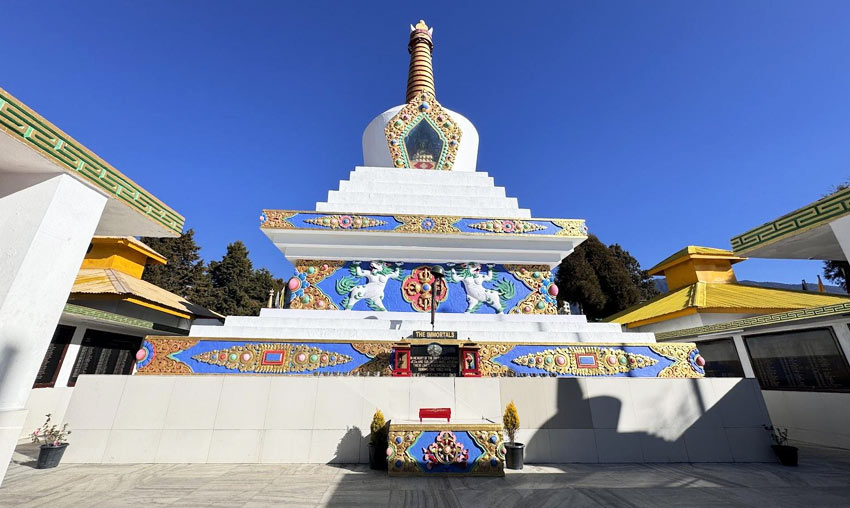
- Tawang War Memorial – Visit the memorial dedicated to Indian soldiers.
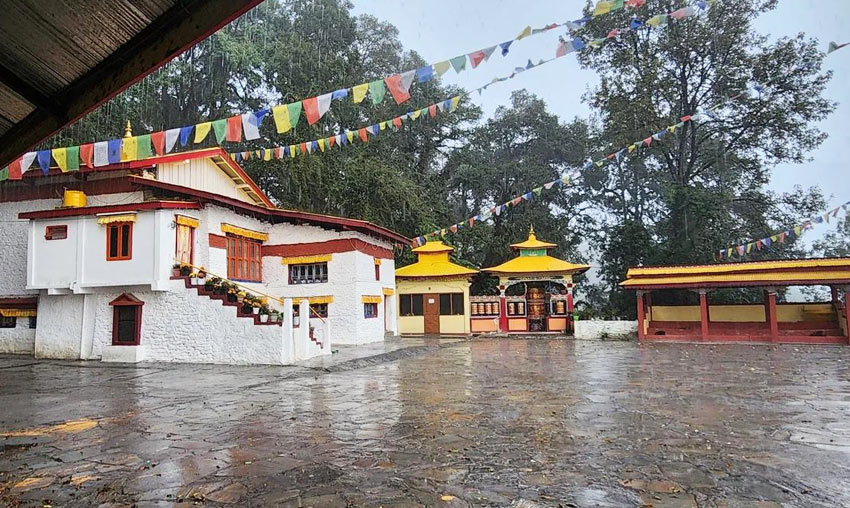
- Urgelling Monastery – Explore the monastery associated with the birth of the Sixth Dalai Lama.
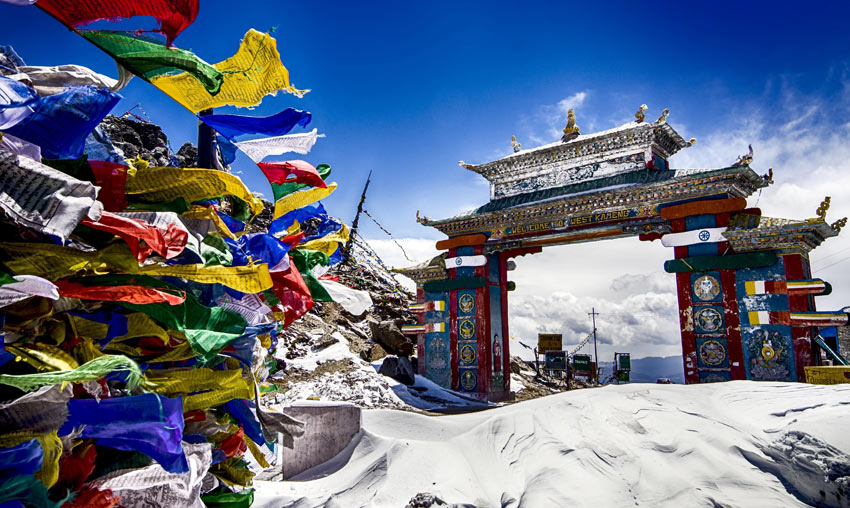
- Sela Pass – Discover a spectacular high-altitude mountain pass.
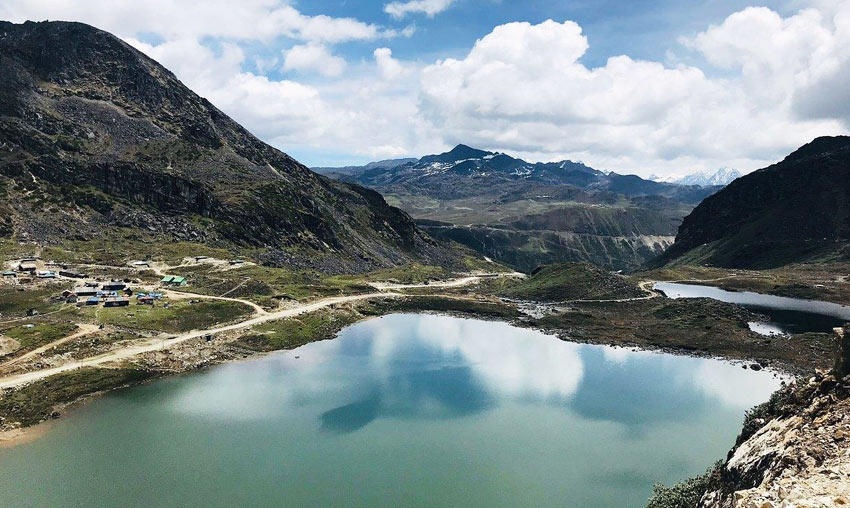
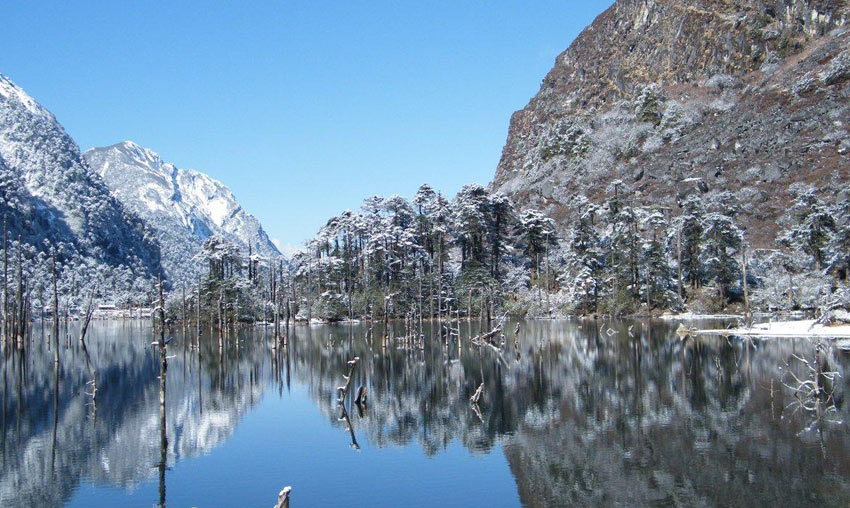
- Madhuri Lake – Enjoy the beautiful mountain lake scenery.
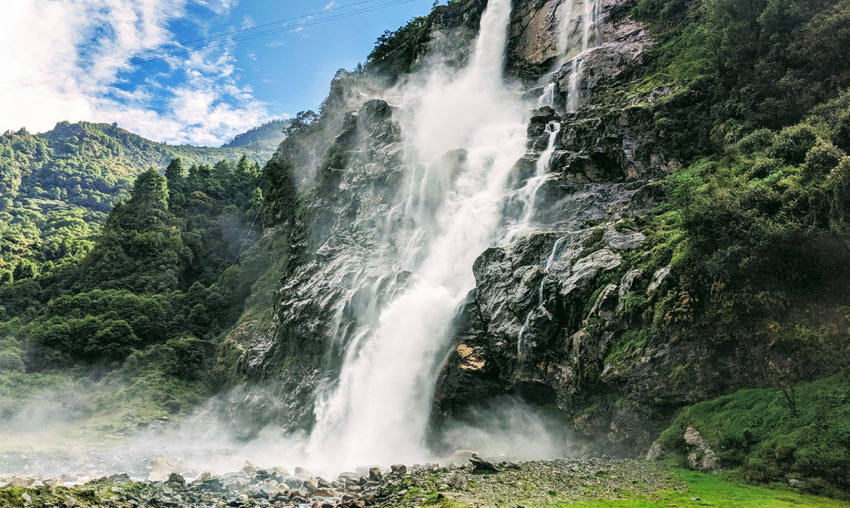
- Nuranang Falls – See one of the region’s impressive waterfalls.
Travel Tips for Visiting Tawang Monastery
- Carry valid identification and obtain the required Inner Line Permit before entering Arunachal Pradesh.
- Wear comfortable footwear while exploring the monastery complex.
- Dress modestly and respect local religious customs.
- Maintain silence inside prayer halls and meditation areas.
- Ask for permission before photographing monks or restricted areas.
- Carry warm clothing because temperatures can be low, even outside winter.
- Allow enough time to explore the monastery without rushing.
- Check road and weather conditions before travelling to Tawang.
- Respect the monastery’s rules and avoid disturbing religious activities.
Frequently Asked Questions About Tawang Monastery
1. Where is Tawang Monastery located?
Tawang Monastery is located in Tawang town in the northwestern part of Arunachal Pradesh, India, in the Eastern Himalayan region.
2. Who founded Tawang Monastery?
Tawang Monastery was founded by Merak Lama Lodre Gyatso in 1681, following the wishes of the Fifth Dalai Lama.
3. What is the other name of Tawang Monastery?
Tawang Monastery is also known as Gaden Namgyal Lhatse, a name associated with the divine paradise of complete victory.
4. Why is Tawang Monastery famous?
It is famous for being the largest Buddhist monastery in India, its 17th-century history, Buddhist scriptures, traditional architecture and its importance in the spiritual life of the Monpa community.
5. What is the best time to visit Tawang Monastery?
March to June and September to November are generally preferred for sightseeing. Winter is also popular for snowfall, but road conditions should be checked before travelling.
6. What are the visiting hours of Tawang Monastery?
The Incredible India listing gives visiting hours as 7:00 AM to 7:00 PM. Visitors should confirm current timings locally before planning their visit.
7. Is Tawang Monastery worth visiting?
Yes. It is one of the most important cultural and spiritual attractions in Arunachal Pradesh and offers a memorable experience for visitors interested in Buddhist heritage and Himalayan scenery.
8. Is a permit required to visit Tawang?
Indian citizens from outside Arunachal Pradesh generally need an Inner Line Permit to enter the state. Foreign nationals need the applicable Protected Area Permit. Check the latest official requirements before travelling.
Explore Tawang and Its Attractions
Tawang Monastery is one of the most remarkable attractions in Arunachal Pradesh. Its spiritual heritage, historic architecture and beautiful mountain setting make it an unforgettable part of a journey through Northeast India.
If you are planning a trip to the region, explore our complete Tawang Travel Guide to discover more monasteries, mountain passes, lakes, waterfalls and historical attractions.
Nearby Places to Visit
Nearby Places to Visit