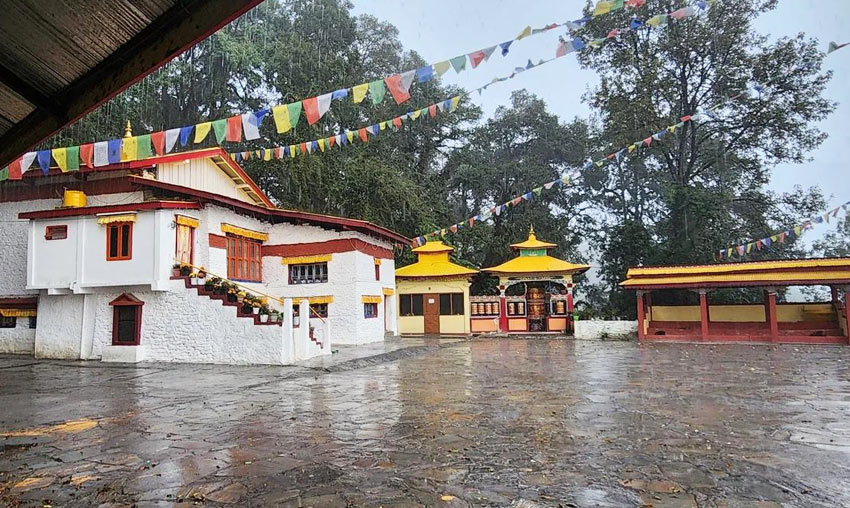
Urgelling Monastery, Tawang – Birthplace of the Sixth Dalai Lama
Urgelling Monastery, located near Tawang in Arunachal Pradesh, is one of the most historically significant Buddhist monasteries in Northeast India. This peaceful monastery is widely revered as the birthplace of the Sixth Dalai Lama, Tsangyang Gyatso, making it an important spiritual destination for followers of Tibetan Buddhism.
Dating back to the 15th century, Urgelling Monastery is believed to have been established by Lama Ugyen Sangpo. Unlike the larger and more famous Tawang Monastery, Urgelling Gompa offers a quieter atmosphere where visitors can explore Buddhist heritage, traditional architecture and the spiritual history of the Monpa region.
Surrounded by the beautiful Himalayan landscape, Urgelling Monastery is an interesting destination for history enthusiasts, Buddhist pilgrims, cultural travellers and anyone exploring the attractions around Tawang.
About Urgelling Monastery
Urgelling Monastery, also known as Urgelling Gompa or Urgyeling Monastery, is a historic Buddhist religious centre situated in Urgelling village near Tawang town.
The monastery holds special importance because of its association with Tsangyang Gyatso, the Sixth Dalai Lama, who was born in this region in 1683. His connection with Urgelling has made the monastery an important pilgrimage destination for Buddhist followers.
The present monastery is a relatively modest two-storey structure. Its peaceful surroundings, traditional prayer wheels, religious paintings and sacred images reflect the Buddhist traditions of the region.
History of Urgelling Monastery
The history of Urgelling Monastery dates back to the 15th century. Its foundation is traditionally attributed to Lama Ugyen Sangpo, and it is regarded as one of the oldest monasteries in the Tawang region.
The monastery originally belonged to the Nyingma tradition of Tibetan Buddhism. Over the centuries, it became closely associated with an important chapter in Buddhist history through the birth of the Sixth Dalai Lama.
According to historical accounts, the monastery was damaged during the early 18th century. It is reported to have been attacked around 1714 during the conflict involving the Dzongar Mongols. The monastery was subsequently restored, and it continues to represent the region’s religious and cultural heritage.
Urgelling Monastery and the Sixth Dalai Lama
The most important reason for the historical significance of Urgelling Monastery is its connection with the Sixth Dalai Lama, Tsangyang Gyatso.
Tsangyang Gyatso was born in 1683 in the Urgelling area to a Monpa family. He later became the Sixth Dalai Lama and is remembered as one of the most distinctive personalities in Tibetan Buddhist history.
Unlike many other Dalai Lamas, Tsangyang Gyatso is also remembered for his poetry and songs. His writings often explored love, spirituality, nature and human emotions, giving him a unique place in Tibetan literary and religious traditions.
His association with Tawang makes Urgelling Monastery an important destination for visitors interested in understanding the region’s connection with Tibetan Buddhism.
Architecture of Urgelling Monastery
Urgelling Monastery features traditional Himalayan Buddhist architecture. Although smaller than Tawang Monastery, its modest structure and religious details make it an interesting place to explore.
1. Traditional Two-Storey Structure
The monastery is a compact two-storey building with a simple traditional design. Its architecture reflects the historical monastic style of the Tawang region.
2. Prayer Wheels
Rows of traditional prayer wheels are placed along the outer walls of the monastery. These prayer wheels are an important part of Tibetan Buddhist religious practice. Devotees turn them while reciting prayers and mantras as an expression of devotion.
3. Buddhist Altar and Sacred Images
The monastery houses sacred Buddhist images, including representations of Buddha Shakyamuni and the Sixth Dalai Lama. These religious objects reflect the spiritual importance of the monastery.
4. Murals and Thangka Paintings
The interior walls feature traditional Buddhist murals and Thangka paintings. These artworks depict religious figures, spiritual themes and stories connected with Buddhist teachings.
5. Chortens
The monastery complex also contains traditional Buddhist chortens, which are sacred structures associated with Buddhist worship and remembrance.
Religious and Cultural Importance
Urgelling Monastery is an important part of the Buddhist heritage of Tawang. Its association with the Sixth Dalai Lama gives it a special place among the religious destinations of Arunachal Pradesh.
The monastery also reflects the influence of different Buddhist traditions in the region. Its historical connection with the Nyingma school and its later religious developments make it an interesting place for visitors who want to learn about Himalayan Buddhist history.
For the local Monpa community, the monastery represents a valuable part of their spiritual identity, traditions and cultural heritage.
What to See at Urgelling Monastery
Visitors can explore the monastery’s historic architecture and peaceful religious surroundings. Some of the interesting features to look for include:
- The historic monastery building and traditional architecture.
- Prayer wheels arranged along the outer walls.
- Sacred Buddhist images and the monastery altar.
- Traditional Buddhist murals and Thangka paintings.
- Chortens within the monastery complex.
- Religious elements associated with the Sixth Dalai Lama.
- The peaceful natural surroundings of Urgelling village.
Best Time to Visit Urgelling Monastery
Urgelling Monastery can be visited throughout much of the year, depending on weather and road conditions. Spring, summer and autumn are generally preferred for sightseeing around Tawang.
March to June – Spring and Summer
These months are generally suitable for exploring the monastery and other attractions around Tawang. Visitors can enjoy the mountain surroundings and relatively favourable sightseeing conditions.
September to November – Autumn
Autumn is another popular period to visit the region. The weather can be pleasant for sightseeing, and the surrounding Himalayan landscapes offer excellent photography opportunities.
December to February – Winter
Winter brings cold temperatures and possible snowfall to the Tawang region. The monastery can offer a beautiful winter experience, but visitors should check road and weather conditions before travelling.
July to August – Monsoon
Heavy rainfall can affect road conditions and create travel disruptions in the region. Visitors planning a monsoon trip should check weather forecasts and local travel advisories.
Urgelling Monastery Timings
The Incredible India tourism listing currently mentions the following visiting hours:
- Opening Time: 6:00 AM
- Closing Time: 6:00 PM
Timings may change due to religious activities or local arrangements. Visitors should confirm the current visiting schedule locally before planning their visit.
Entry Fee and Visitor Information
Visitors should check the current entry arrangements with the monastery or local tourism authorities before travelling. Do not assume that entry arrangements remain unchanged throughout the year.
Urgelling Monastery is an active religious site. Visitors should dress respectfully, maintain silence inside prayer areas and follow the instructions of monastery representatives.
How to Reach Urgelling Monastery
Urgelling Monastery is located in Urgelling village, a short drive from Tawang town in Arunachal Pradesh. It can easily be included in a local sightseeing itinerary covering the major monasteries and cultural attractions of Tawang.
By Air
Guwahati’s Lokpriya Gopinath Bordoloi International Airport is a major air gateway for travellers visiting Tawang. Tezpur Airport may also be considered depending on flight availability. From the airport, visitors can continue towards Tawang by road.
By Train
Guwahati and Rangapara are among the railway gateways that travellers may consider for reaching the Tawang region. From the railway station, visitors can arrange road transport towards Tawang.
By Road
Visitors travelling from Guwahati generally follow this route:
Guwahati → Bhalukpong → Bomdila → Dirang → Sela Pass / Sela Tunnel → Jang → Tawang → Urgelling Monastery
After reaching Tawang town, visitors can travel by local taxi or private vehicle towards Urgelling village. The monastery is only a short local drive from the main town.
Places to Visit Near Urgelling Monastery
Urgelling Monastery can be combined with other important attractions in and around Tawang. Travellers can explore Buddhist monasteries, historical memorials, lakes and beautiful mountain landscapes during the same trip.
- Tawang – Explore the main Himalayan destination and its popular tourist attractions.
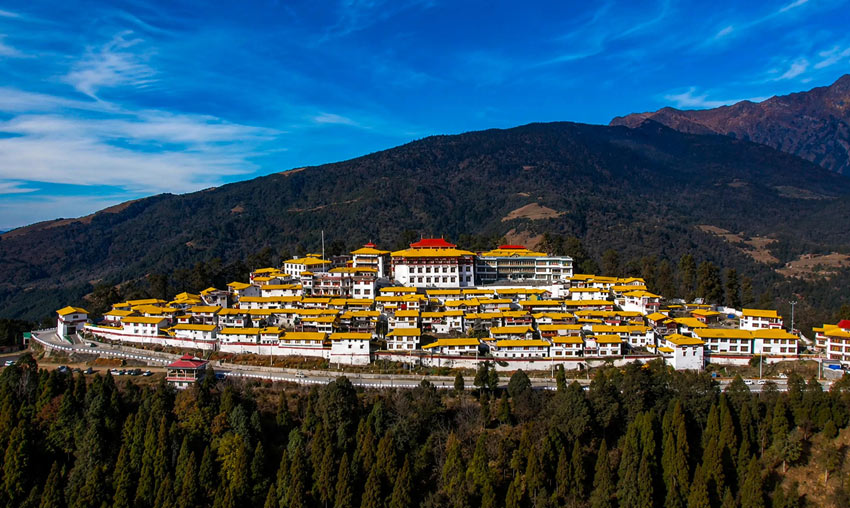
- Tawang Monastery – Visit India’s largest Buddhist monastery and an important centre of Buddhist learning.
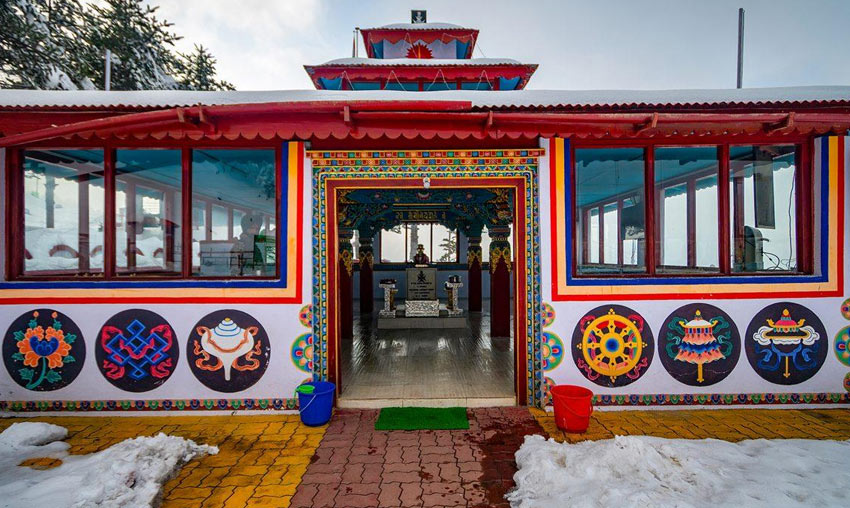
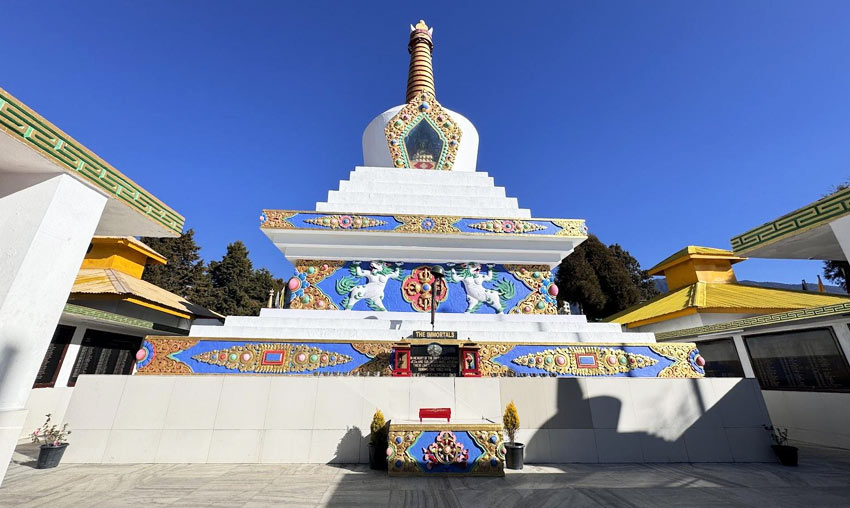
- Tawang War Memorial – Learn about the history and sacrifice of Indian soldiers.
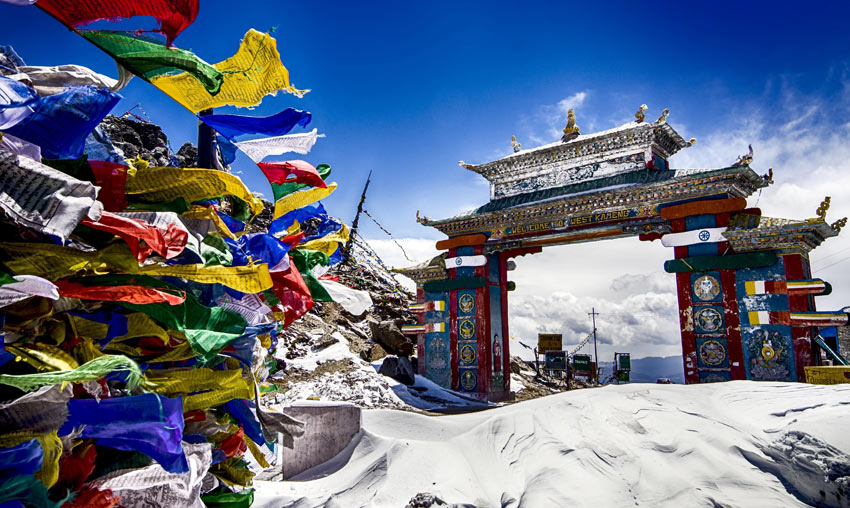
- Sela Pass – Experience spectacular mountain scenery and high-altitude landscapes.
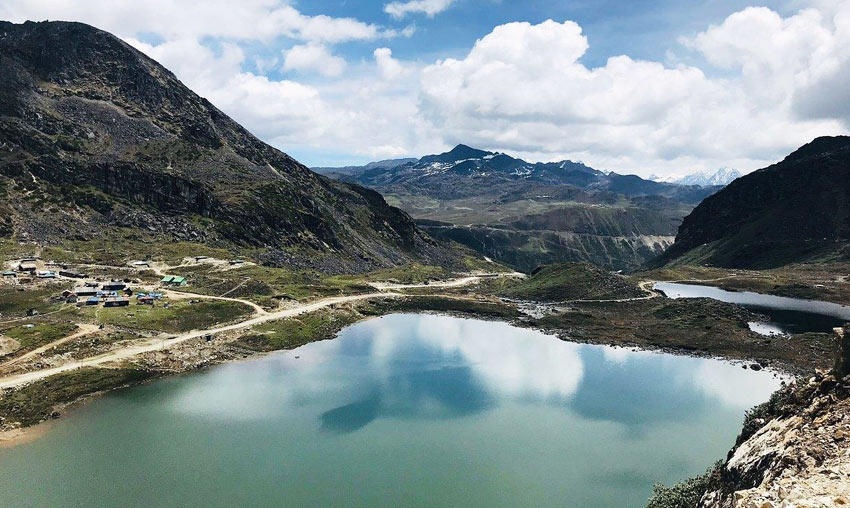
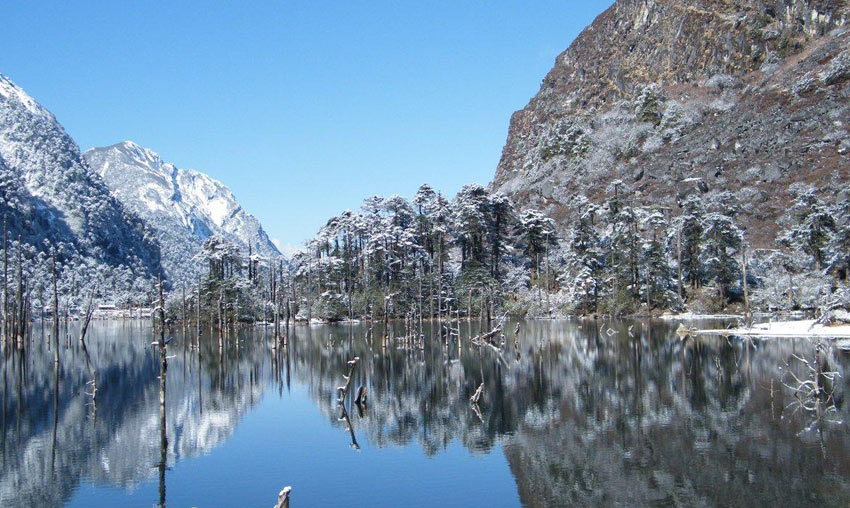
- Madhuri Lake – Discover the beautiful Sangetsar Lake surrounded by mountains.
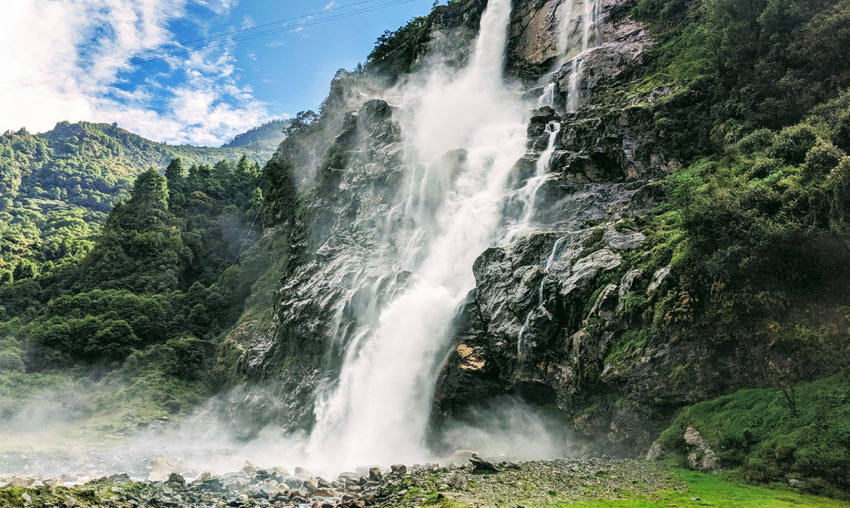
- Nuranang Falls – Enjoy the natural beauty of one of Tawang’s famous waterfalls.
Travel Tips for Visiting Urgelling Monastery
- Carry valid identification and obtain the required Inner Line Permit before entering Arunachal Pradesh.
- Wear comfortable footwear while exploring the monastery.
- Dress modestly and respect Buddhist religious customs.
- Maintain silence inside the prayer hall.
- Ask for permission before photographing monks or restricted areas.
- Carry warm clothing because mountain temperatures can change quickly.
- Check local road and weather conditions before travelling.
- Do not disturb religious activities or local residents.
- Keep the monastery surroundings clean and avoid littering.
Frequently Asked Questions About Urgelling Monastery
1. Where is Urgelling Monastery located?
Urgelling Monastery is located in Urgelling village near Tawang town in Arunachal Pradesh, Northeast India.
2. Why is Urgelling Monastery famous?
Urgelling Monastery is famous for its historical and spiritual connection with Tsangyang Gyatso, the Sixth Dalai Lama, who was born in the Urgelling area in 1683.
3. Who founded Urgelling Monastery?
The monastery’s foundation is traditionally attributed to Lama Ugyen Sangpo and dates back to the 15th century.
4. When was the Sixth Dalai Lama born?
Tsangyang Gyatso, the Sixth Dalai Lama, was born in 1683 in the Urgelling area near Tawang.
5. How far is Urgelling Monastery from Tawang?
Urgelling Monastery is located a short drive from Tawang town. Published tourism sources give slightly different distances, so visitors should use local directions when planning their journey.
6. What are the visiting hours of Urgelling Monastery?
The Incredible India tourism listing mentions visiting hours from 6:00 AM to 6:00 PM. It is advisable to confirm the latest timings locally.
7. What is the best time to visit Urgelling Monastery?
March to June and September to November are generally suitable for sightseeing. Winter is also an option for visitors who want to experience the snowy Himalayan landscape, subject to road conditions.
8. Is Urgelling Monastery worth visiting?
Yes. It is an important historical and religious attraction for anyone interested in Buddhist heritage, the history of the Sixth Dalai Lama and the culture of Tawang.
9. Is a permit required to visit Urgelling Monastery?
Indian visitors from outside Arunachal Pradesh generally require an Inner Line Permit to enter the state. Foreign nationals need the applicable Protected Area Permit. Check current official requirements before travelling.
Explore More Attractions in Tawang
Urgelling Monastery offers a meaningful glimpse into the Buddhist history and cultural heritage of Arunachal Pradesh. Its connection with the Sixth Dalai Lama makes it a special destination for travellers exploring the spiritual side of Tawang.
To discover more monasteries, mountain passes, lakes and historical landmarks, explore our complete Tawang Travel Guide and plan your journey through this beautiful Himalayan region.
Nearby Places to Visit
Nearby Places to Visit