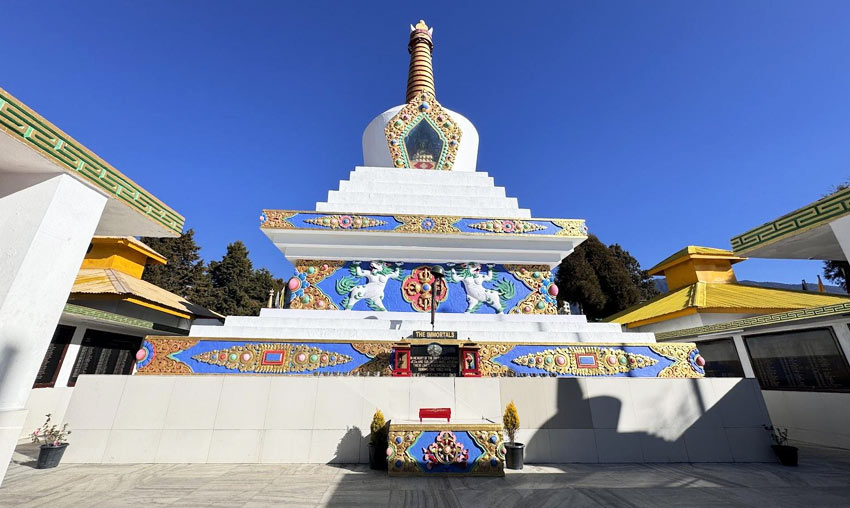
Tawang War Memorial, Arunachal Pradesh – A Tribute to the Heroes of 1962
Tawang War Memorial, also known as Namgyal Chorten, is one of the most important historical attractions in Tawang, Arunachal Pradesh. Located in the beautiful Himalayan town of Tawang, this memorial honours the Indian soldiers who sacrificed their lives during the 1962 Sino-Indian War.
The impressive 40-foot-high Buddhist-style stupa stands as a symbol of courage, sacrifice and national pride. Its walls carry the names of fallen soldiers, while the surrounding memorial complex preserves photographs, historical documents and military artefacts connected with the war.
Overlooking the scenic Tawang-Chu Valley, the memorial offers visitors an opportunity to understand an important chapter of India’s military history. It is a meaningful destination for history enthusiasts, families, students and travellers exploring the cultural and historical attractions of Arunachal Pradesh.
About Tawang War Memorial
Tawang War Memorial is situated in Tawang town in the northwestern part of Arunachal Pradesh. It was constructed to honour the Indian armed forces personnel who lost their lives during the 1962 India-China War, particularly in the Kameng sector.
The memorial is designed in the form of a traditional Buddhist stupa, also known as Namgyal Chorten. Its architecture reflects local Buddhist traditions and respects the cultural identity of the Monpa community.
The memorial commemorates 2,420 members of the armed forces who laid down their lives in the Kameng district during the 1962 war. Their names are preserved on black granite plaques, creating a permanent tribute to their courage and sacrifice.
The memorial was originally dedicated to the nation on 2 November 1999. It was later extended and renovated, with the renovated memorial dedicated to the nation in November 2022.
History of Tawang War Memorial
The history of Tawang War Memorial is closely connected with the 1962 Sino-Indian War, which was fought along India’s Himalayan frontier.
During the conflict, the Tawang and Kameng regions witnessed intense military operations. Indian soldiers faced extremely difficult conditions, including freezing temperatures, challenging mountain terrain and logistical difficulties.
The sacrifices made by the Indian armed forces during this conflict became an important part of the history of Arunachal Pradesh. The memorial was established to preserve their memory and recognise their contribution to the defence of the country.
Today, Tawang War Memorial serves as a place of remembrance where visitors can pay tribute to the soldiers and learn about the events of the 1962 war.
Architecture of Tawang War Memorial
The architecture of Tawang War Memorial combines Buddhist design elements with the purpose of a military memorial. The main structure is a 40-foot-high stupa that stands prominently above the surrounding landscape.
The Buddhist-inspired design was chosen to respect local religious traditions and create a peaceful atmosphere for remembrance.
1. The 40-Foot Namgyal Chorten
The main attraction is the impressive 40-foot-high stupa, which forms the centrepiece of the memorial complex. Its traditional design reflects the Buddhist cultural heritage of Tawang.
The stupa stands as a symbol of peace, courage and remembrance. It gives the memorial a distinctive appearance against the backdrop of the Himalayan valley.
2. Black Granite Memorial Plaques
One of the most significant features of the memorial is the collection of black granite plaques engraved with the names of fallen soldiers.
The plaques preserve the names of the 2,420 armed forces personnel commemorated by the memorial. Visitors can observe these inscriptions and pay their respects to the soldiers who made the ultimate sacrifice.
3. Statue of Lord Buddha
A golden-painted statue of Lord Buddha is installed within the dome of the memorial. The statue reflects the spiritual and cultural traditions of the region and contributes to the peaceful atmosphere of the complex.
4. Buddhist Symbols and Decorations
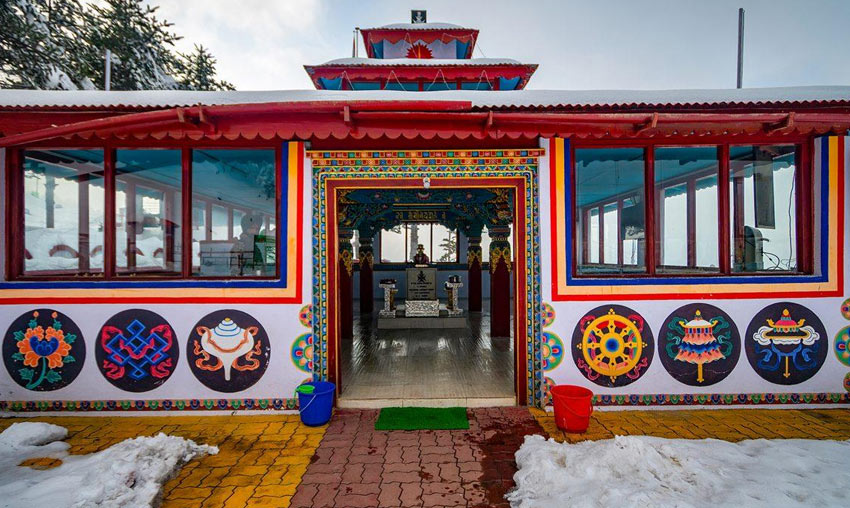
The memorial features traditional Buddhist symbols, including the eight auspicious symbols associated with Buddhist teachings. These symbols represent values such as wisdom, compassion, truth and the victory of dharma.
5. Flags and Military Honours
The memorial complex displays the National Flag, Army Flag, Air Force Flag and flags representing the regiments that participated in the 1962 conflict.
These flags create a powerful tribute to the different units and soldiers who served during the war.
War Museum at Tawang War Memorial
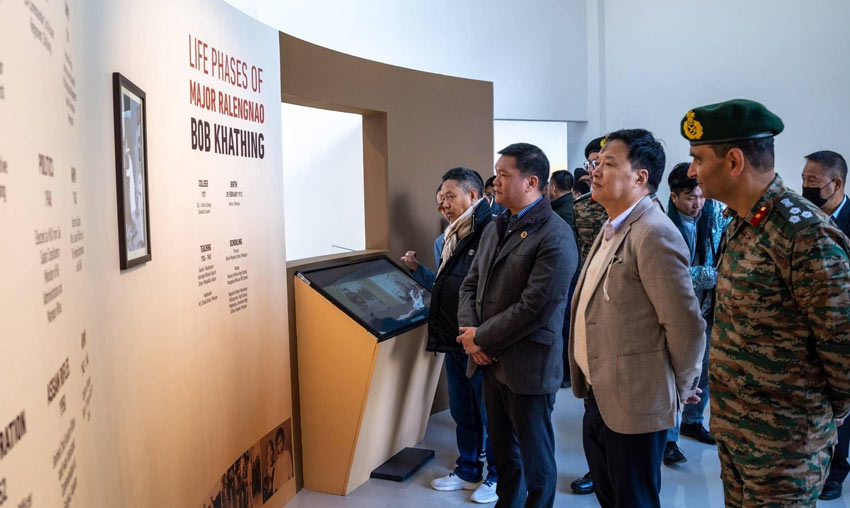
The memorial complex also includes museum spaces that help visitors understand the history of the 1962 India-China War.
The exhibits include photographs, historical documents, personal belongings of soldiers and military artefacts connected with the conflict.
Visitors can learn about the difficult conditions faced by Indian soldiers, the geography of the battlefield and the military operations that took place in the Himalayan region.
The museum adds educational value to the visit and makes the memorial an important destination for students and people interested in Indian military history.
Sound and Light Show at Tawang War Memorial
One of the notable visitor experiences at Tawang War Memorial is the sound and light presentation based on the events of the 1962 war.
The presentation uses narration and visual effects to explain the historical background of the conflict and the sacrifices made by Indian soldiers.
It offers visitors a more engaging way to understand the events that shaped the history of the Tawang region.
The show schedule and availability may change according to season, weather and local arrangements. Visitors should confirm the current timings at the memorial before planning an evening visit.
Religious and Cultural Significance
The Buddhist-style design of Tawang War Memorial reflects the cultural traditions of the Monpa community. The stupa form creates a connection between the purpose of remembrance and the spiritual heritage of the region.
The memorial was blessed by the 14th Dalai Lama, who sent sacred scriptures and Buddhist statues that were installed within the stupa.
The monument therefore holds significance beyond its military purpose. It also represents peace, respect and the cultural identity of the Tawang region.
Best Time to Visit Tawang War Memorial
Tawang War Memorial can be visited during different seasons of the year. The best time depends on the weather and your overall travel plans for Tawang.
March to June – Spring and Summer
These months are generally suitable for sightseeing around Tawang. Visitors can explore the memorial, museum and nearby attractions while enjoying the surrounding Himalayan scenery.
September to November – Autumn
Autumn is another popular season for visiting Tawang. Clear-weather days can provide beautiful views of the Tawang-Chu Valley and the surrounding mountains.
December to February – Winter
Winter brings cold temperatures and possible snowfall to Tawang. The memorial and surrounding landscape can look especially beautiful during this period.
Visitors should carry suitable winter clothing and check weather and road conditions before travelling.
July to August – Monsoon
Heavy rainfall can affect road conditions in the region. Travellers planning a monsoon visit should check local weather forecasts and road advisories before starting their journey.
Tawang War Memorial Timings
The Incredible India tourism listing currently mentions the following visiting hours:
- Opening Time: 7:45 AM
- Closing Time: 6:00 PM
These are published sightseeing hours and may change due to local arrangements or special events. The sound and light show may have a separate schedule.
Visitors should confirm the latest timings locally before travelling.
Entry Fee and Visitor Information
Check the latest entry arrangements at the memorial before your visit. Do not assume that the museum, special programmes and sound and light show always follow the same entry rules.
Visitors should maintain decorum throughout the complex, respect the memorial and follow any instructions provided by the Indian Army or the staff responsible for visitor management.
How to Reach Tawang War Memorial
Tawang War Memorial is located within Tawang town and can be reached easily by local taxi or private vehicle. It can be included in a local sightseeing itinerary along with Tawang Monastery and other nearby attractions.
By Air
Lokpriya Gopinath Bordoloi International Airport in Guwahati is a major air gateway for travellers visiting Tawang. Tezpur Airport may also be considered depending on flight availability.
From the airport, visitors can continue towards Tawang by road through Bhalukpong, Bomdila and Dirang.
By Train
Guwahati Railway Station is a major railway gateway for reaching Tawang. Travellers can also check connections to other railway stations in Assam before arranging road transport.
By Road
The popular road route from Guwahati is:
Guwahati → Bhalukpong → Bomdila → Dirang → Sela Pass / Sela Tunnel → Jang → Tawang → Tawang War Memorial
After reaching Tawang town, visitors can hire a local taxi or use a private vehicle to reach the memorial.
Places to Visit Near Tawang War Memorial
Tawang War Memorial is located close to several important cultural and natural attractions. Visitors can combine these destinations into a local sightseeing itinerary.
1. Tawang Monastery
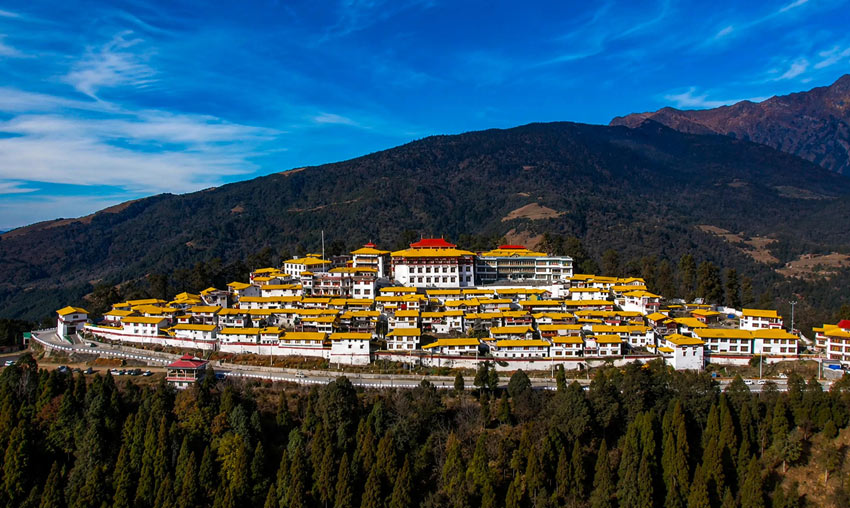
Tawang Monastery is one of the most famous Buddhist landmarks in India. It is recognised as the largest Buddhist monastery in the country and an important centre of Buddhist learning.
2. Urgelling Monastery
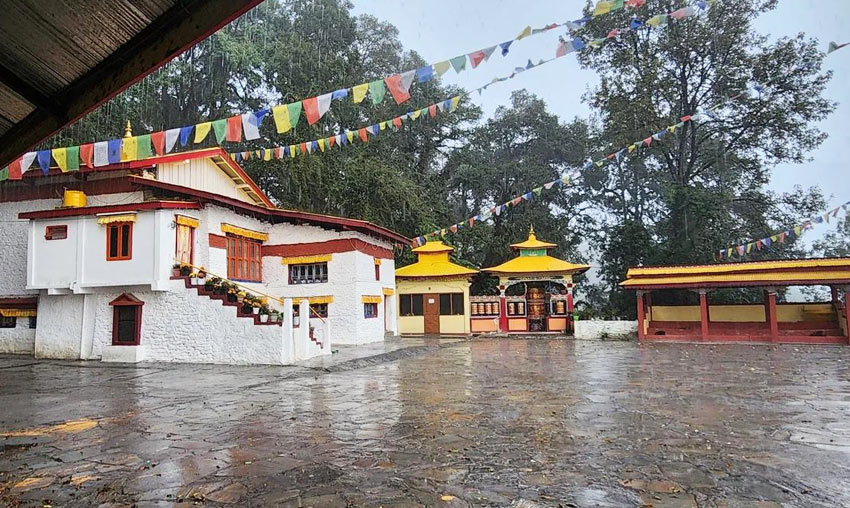
Urgelling Monastery is a historic Buddhist site associated with the birthplace of the Sixth Dalai Lama, Tsangyang Gyatso.
3. Sela Pass
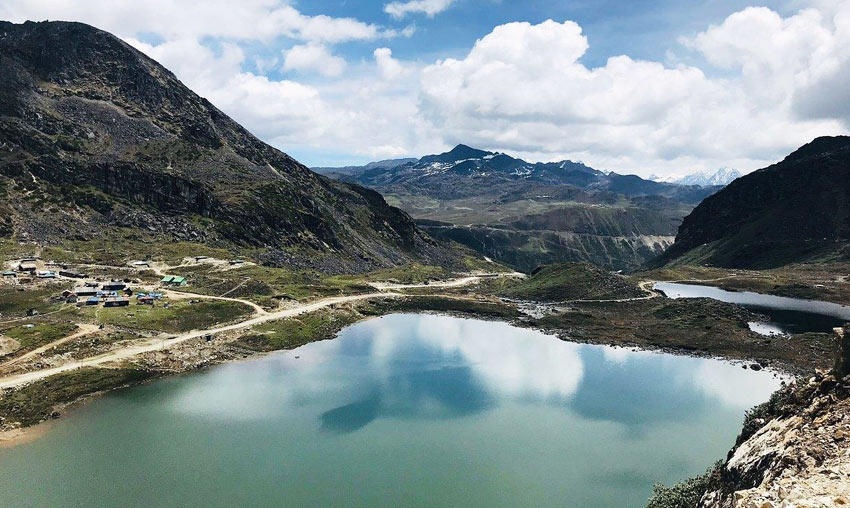
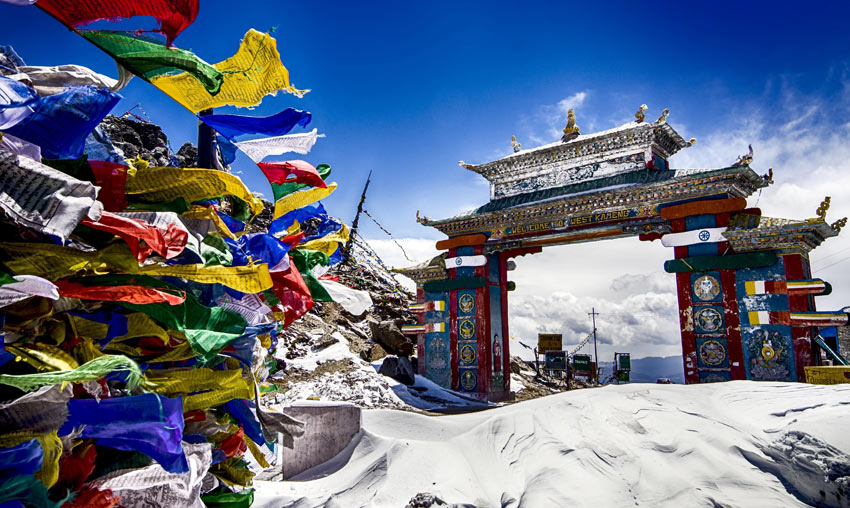
Sela Pass is a spectacular high-altitude mountain pass known for its Himalayan views, snow-covered landscape and beautiful Sela Lake.
4. Madhuri Lake
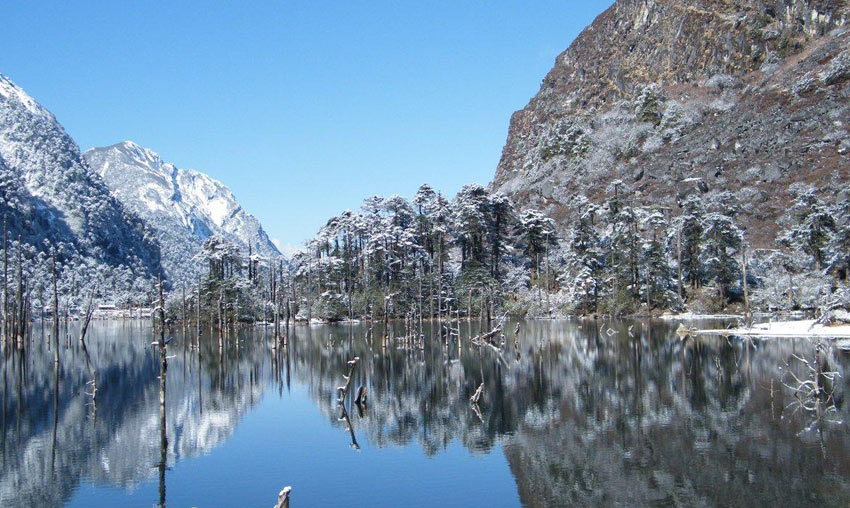
Madhuri Lake, also known as Sangetsar Lake, is famous for its unusual tree trunks rising from the water and its dramatic mountain surroundings.
5. Bumla Pass
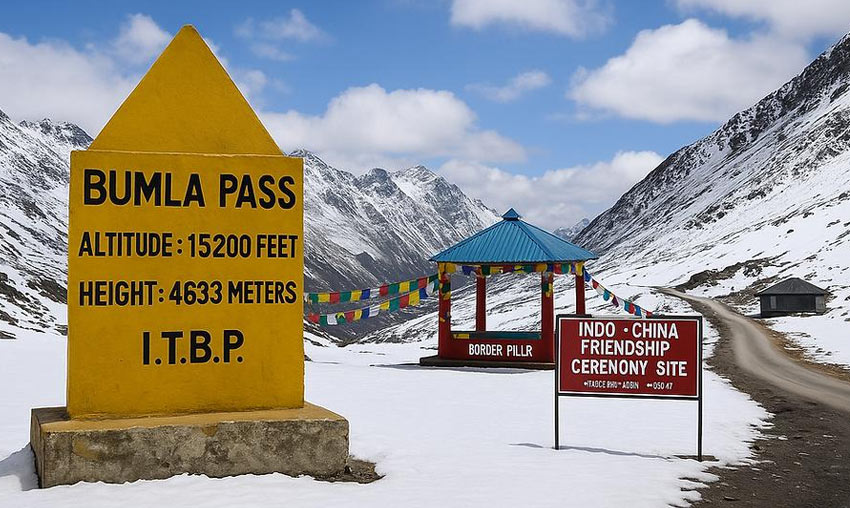
Bumla Pass is a high-altitude mountain pass near the India-China border. It is known for its strategic importance, military history and spectacular Himalayan scenery. Special permissions are required to visit.
6. Jaswant Garh War Memorial
Jaswant Garh War Memorial honours Rifleman Jaswant Singh Rawat of the 4th Garhwal Rifles, remembered for his bravery during the 1962 war.
Travel Tips for Visiting Tawang War Memorial
- Carry valid identification and obtain the required Inner Line Permit before entering Arunachal Pradesh.
- Wear comfortable footwear while exploring the memorial complex.
- Carry warm clothing because Tawang can experience cold weather throughout the year.
- Allow sufficient time to explore the stupa, museum and historical exhibits.
- Check the latest schedule for the sound and light show before planning an evening visit.
- Maintain silence and show respect while reading the names of fallen soldiers.
- Follow all photography instructions and restrictions at the site.
- Check weather and road conditions before travelling to Tawang.
- Respect the memorial and do not litter the premises.
Frequently Asked Questions About Tawang War Memorial
1. Where is Tawang War Memorial located?
Tawang War Memorial is located in Tawang town in the northwestern part of Arunachal Pradesh, India.
2. Why is Tawang War Memorial famous?
It is famous for commemorating Indian soldiers who lost their lives during the 1962 Sino-Indian War. It is also known for its Buddhist-style stupa, military museum and historical exhibits.
3. What is the height of Tawang War Memorial?
The main stupa of Tawang War Memorial is approximately 40 feet high.
4. How many soldiers are commemorated at Tawang War Memorial?
The memorial commemorates 2,420 members of the armed forces who lost their lives in the Kameng district during the 1962 war.
5. What is the other name of Tawang War Memorial?
Tawang War Memorial is also known as Namgyal Chorten because of its traditional Buddhist stupa design.
6. What are the visiting hours of Tawang War Memorial?
The Incredible India tourism listing mentions visiting hours from 7:45 AM to 6:00 PM. Visitors should confirm the current schedule locally before travelling.
7. Is there a museum at Tawang War Memorial?
Yes. The memorial complex includes museum spaces with photographs, documents, personal belongings and military artefacts related to the 1962 war.
8. Is there a sound and light show at Tawang War Memorial?
Yes. A sound and light presentation has been featured at the memorial to explain the events of the 1962 war. Its schedule and availability should be confirmed locally.
9. What is the best time to visit Tawang War Memorial?
March to June and September to November are generally suitable for sightseeing around Tawang. Winter is also an option for visitors who want to experience the snowy Himalayan landscape.
10. Is an ILP required to visit Tawang War Memorial?
Indian citizens from outside Arunachal Pradesh generally need an Inner Line Permit to enter the state. Foreign nationals need the applicable Protected Area Permit. Visitors should verify current official requirements before travelling.
Explore More Attractions in Tawang
Tawang War Memorial is an important destination for understanding the history and sacrifices of Indian soldiers during the 1962 war. Its peaceful atmosphere, Buddhist architecture and historical exhibits make it a meaningful part of any Tawang travel itinerary.
Explore our complete Tawang Travel Guide to discover more monasteries, mountain passes, lakes, waterfalls and historical attractions in this beautiful Himalayan region.
Nearby Places to Visit
Nearby Places to Visit