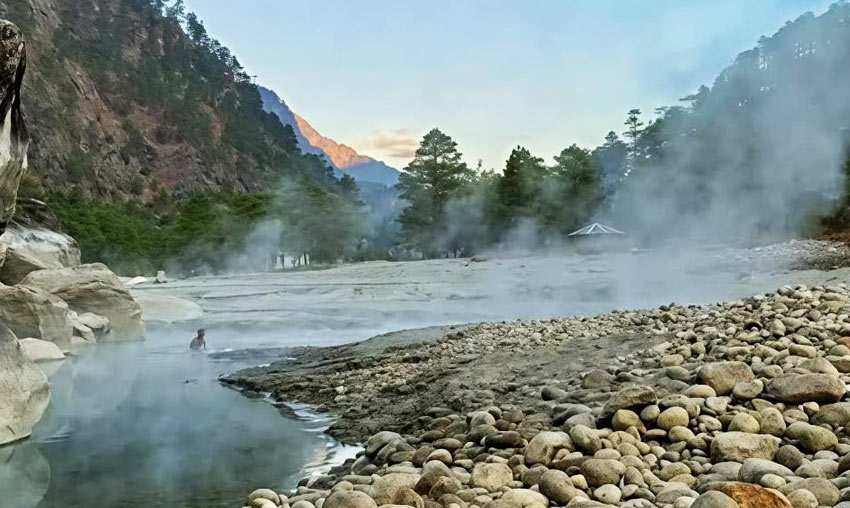
Thingbu Hot Spring (Tsachu), Tawang – A Natural Himalayan Hot Spring
Tucked away in the beautiful mountain landscape of Arunachal Pradesh, Thingbu Hot Spring is a natural thermal water destination in the Tawang district. Located near Thingbu village and the Mago Chu river, this lesser-known attraction offers visitors a chance to experience the natural hot springs and peaceful surroundings of the Eastern Himalayas.
Also searched for under the name Tsachu Hot Spring, this destination is known for its naturally heated water and scenic valley setting. Unlike the popular monasteries and high-altitude lakes around Tawang, Thingbu offers a different kind of travel experience, combining a mountain road journey with a short trek to the hot spring.
For travellers interested in nature, offbeat destinations and outdoor experiences, Thingbu Hot Spring is an interesting addition to a Tawang itinerary. The journey takes visitors through beautiful mountain landscapes and remote settlements, providing a glimpse of life in this part of Arunachal Pradesh.
About Thingbu Hot Spring
Thingbu Hot Spring is a natural geothermal spring located in the Tawang district of Arunachal Pradesh, near the Mago Chu river in the Nguikteng area.
The spring is known for naturally heated water emerging from underground geological formations. The surrounding area is characterised by mountain slopes, river valleys and remote Himalayan settlements.
According to Tawang Tourism, the hot spring can be reached by road from Jang followed by a short trek. The destination is suitable for travellers who want to explore an offbeat natural attraction beyond the usual sightseeing locations around Tawang.
The local community has traditionally valued natural hot springs for bathing and relaxation. However, visitors should follow local guidance about safe bathing areas and water temperatures.
Natural Features of Thingbu Hot Spring
Thingbu Hot Spring is a geothermal attraction where naturally heated water emerges from beneath the Earth’s surface. Its location in a mountain valley makes it an interesting natural destination for visitors exploring the Tawang region.
1. Naturally Heated Thermal Water
The main attraction is the naturally warm water produced by geothermal activity below the surface. The water temperature can vary between spring outlets and bathing areas, so visitors should never enter an unfamiliar pool without checking its temperature.
2. Scenic Mago Chu Valley
The hot spring is situated near the Mago Chu river in a beautiful mountain setting. The surrounding valley, flowing water and natural landscape make the journey particularly appealing to nature lovers.
3. Peaceful Natural Surroundings
Unlike busy tourist attractions, Thingbu is located in a relatively remote part of the district. Visitors can enjoy the quieter atmosphere of the valley and experience a less commercialised side of Tawang.
4. Short Trek to the Hot Spring
The final part of the journey involves a short trek from the road or hydel point. The walking route allows visitors to enjoy the natural scenery before reaching the thermal spring area.
Traditional Importance of Thingbu Hot Spring
Natural hot springs have been valued by communities in Himalayan regions for generations. They provide warm bathing water in cold mountain environments and form part of the traditional relationship between local communities and their natural surroundings.
Thingbu Hot Spring has traditionally been used by the local population. Its warm water is locally associated with relaxation and relief from certain skin complaints.
Some tourism descriptions refer to the medicinal value of Tawang’s sulphur-rich hot springs. However, such traditional claims should not be treated as proven medical benefits. Hot spring bathing is not a substitute for medical treatment, and people with skin conditions or other health concerns should seek medical advice.
Hot Spring Water and Geothermal Activity
Hot springs are formed when groundwater is heated by geothermal energy beneath the Earth’s surface. The heated water then rises through cracks and openings in rocks and emerges at the surface.
Scientific research on Himalayan thermal springs has documented high water temperatures at both Thingbu and Tsachu sites in Arunachal Pradesh. One published study lists a temperature of approximately 70°C for the Thingbu spring sample.
This is a scientific sampling measurement, not a recommended bathing temperature. Water emerging directly from a geothermal outlet can cause serious burns. Visitors should only use designated bathing pools after confirming that the water has been made safe for bathing.
Where Is Thingbu Hot Spring Located?
Thingbu Hot Spring is located in the Tawang district of Arunachal Pradesh, India, near the Mago Chu river in the Nguikteng area.
According to Tawang Tourism, the hot spring is approximately 20 kilometres from Jang and can be reached in about one hour by road from Jang, followed by a short trek of around 20 minutes.
The journey from Tawang town is longer and may take approximately three hours by road, depending on the route and road conditions. Older regional tourism references describe Thingbu as approximately 70 kilometres from Tawang, so travellers should confirm the current route and distance locally.
Best Time to Visit Thingbu Hot Spring
The best time to visit Thingbu Hot Spring depends on road accessibility, rainfall and local weather conditions. Spring and autumn are generally attractive seasons for exploring the mountain region.
- March to May: Spring brings fresh greenery and pleasant mountain scenery. It can be a suitable period for planning the road journey and short trek.
- June to August: Monsoon rainfall can make mountain roads and trekking paths slippery. Landslides and road disruptions may affect access.
- September to November: Autumn generally offers attractive mountain views and more comfortable sightseeing conditions.
- December to February: Winter brings cold temperatures and possible snow or ice. Check road accessibility and local advice before travelling.
For a comfortable visit, spring and autumn are good seasons to consider. Always check the local weather, road condition and trail accessibility before leaving.
How to Reach Thingbu Hot Spring
Thingbu Hot Spring can be reached through the Jang and Thingbu area of Tawang district. The journey involves road travel followed by a short walk to the hot spring.
By Road from Jang
According to Tawang Tourism, the hot spring is approximately 20 kilometres from Jang. The road journey takes around one hour, followed by a trek of approximately 20 minutes.
By Road from Tawang
The journey from Tawang town takes approximately three hours according to the Tawang Tourism information. Travellers should plan for a longer excursion and confirm the road route and vehicle requirements with a local driver.
By Air
The nearest practical airport options for many travellers are Tezpur Airport and Lokpriya Gopinath Bordoloi International Airport in Guwahati, Assam. From there, the onward journey towards Tawang and Thingbu is by road.
By Train
Guwahati is a major railway gateway for visitors travelling towards Tawang. Rangapara North and Bhalukpong are also railway access points used for journeys into the region. The remaining journey is completed by road.
Facilities at Thingbu Hot Spring
The official Tawang Tourism recommended itinerary mentions changing rooms and toilet facilities at the hot spring. Visitors are advised to bring their own towels and spare clothes.
The tourism itinerary also recommends carrying packed food from Tawang or a local market because there may not be an eatery nearby. Food arrangements may sometimes be possible through the nearby forest lodge in consultation with the District Tourism Officer.
Facilities and their availability can change. Confirm current arrangements before starting the journey.
Entry Permit for Visiting Thingbu Hot Spring
Visitors travelling to Arunachal Pradesh must follow the applicable state entry permit rules. Indian nationals from outside Arunachal Pradesh generally require an Inner Line Permit (ILP).
Foreign visitors should confirm the applicable Protected Area Permit (PAP) requirements before travelling.
Official Arunachal Pradesh ILP portal: Arunachal Pradesh e-ILP Portal.
Because Thingbu is in a remote part of Tawang district, check current local travel and security requirements with the district administration or an authorised local tour operator.
Travel Tips for Visiting Thingbu Hot Spring
- Start early because the journey from Tawang involves several hours of road travel.
- Arrange a suitable local vehicle and confirm road accessibility before departure.
- Carry your own towel, spare clothes and basic toiletries.
- Pack food and drinking water because nearby eating options may be limited.
- Wear comfortable trekking shoes for the final walking section.
- Check the water temperature before entering any bathing pool.
- Never bathe directly in a natural geothermal outlet or extremely hot water.
- Follow instructions from local caretakers and use only designated bathing areas.
- People with heart conditions, pregnancy, circulation problems or other medical concerns should consult a healthcare professional before using hot springs.
- Keep the riverbank and spring surroundings clean.
- Carry your waste back and avoid single-use plastic.
- Check weather and road conditions, especially during the monsoon and winter seasons.
Places to Visit Near Thingbu Hot Spring
Thingbu Hot Spring can be combined with other natural, cultural and historical attractions in the Tawang region. Depending on your route and available time, consider including the following places.
1. Tawang
Tawang is a beautiful Himalayan destination known for its Buddhist heritage, monasteries, mountain scenery and historic attractions. It is the main base for exploring the district.
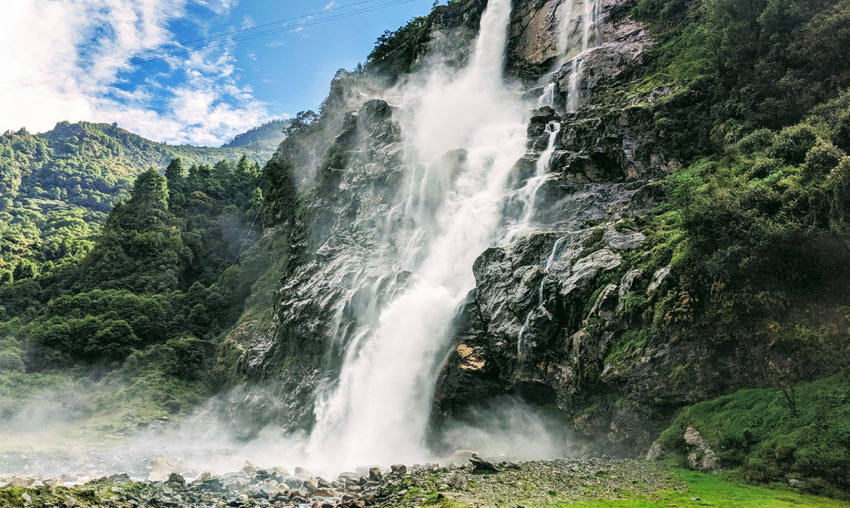
2. Nuranang Falls (Jang Falls)
Nuranang Falls is a spectacular waterfall near Jang town. Its impressive cascade and lush mountain surroundings make it one of the most beautiful natural attractions in the Tawang region.
3. Geshila Peak
Geshila Peak is known for its high-altitude mountain landscape and panoramic views. It is an interesting destination for travellers who enjoy mountain scenery and trekking.
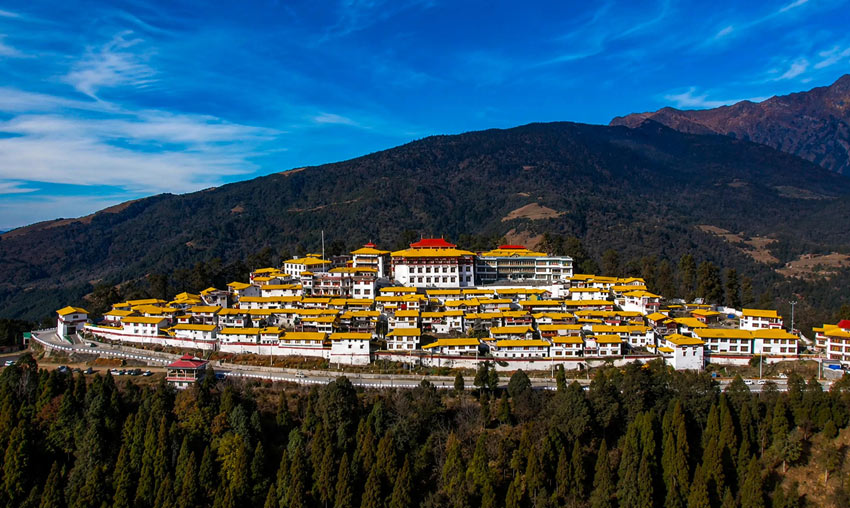
4. Tawang Monastery
Tawang Monastery is one of the most important Buddhist monasteries in India. Its impressive architecture, spiritual atmosphere and rich heritage make it a major attraction.
5. Chakzam Iron Bridge
Chakzam Iron Bridge is a historic iron-chain suspension bridge associated with the Tibetan engineer Thangtong Gyalpo. It is an interesting destination for visitors interested in traditional Himalayan engineering.
6. Regyaling Gompa
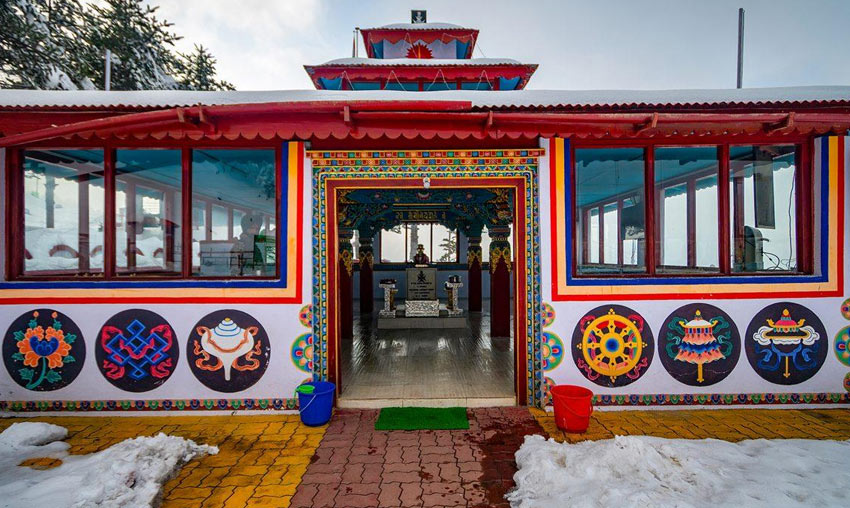
Regyaling Gompa is a peaceful Buddhist monastery near Tawang town, known for its pine-covered surroundings and association with Rigya Rinpoche.
Suggested Thingbu Hot Spring Day Trip
Thingbu Hot Spring is best planned as a dedicated excursion from Tawang because of the road journey and short trek involved.
- Start early from Tawang town.
- Travel towards Jang and continue along the route to Thingbu.
- Reach the designated Thingbu hydel point or local access area.
- Follow the marked or locally recommended walking route to the hot spring.
- Enjoy the natural surroundings and use only the designated safe bathing facilities.
- Change, pack your belongings and return along the same route.
- Travel back to Tawang with sufficient daylight remaining.
The official Tawang Tourism itinerary describes a drive to the Thingbu hydel point followed by a short trek of approximately 30 minutes. The exact route and duration can vary with road and trail conditions.
Frequently Asked Questions About Thingbu Hot Spring
1. Where is Thingbu Hot Spring located?
Thingbu Hot Spring is located in the Tawang district of Arunachal Pradesh, near the Mago Chu river in the Nguikteng area.
2. How far is Thingbu Hot Spring from Jang?
According to Tawang Tourism, it is approximately 20 kilometres from Jang, followed by a short trek of around 20 minutes.
3. How far is Thingbu Hot Spring from Tawang?
The road journey from Tawang takes approximately three hours according to the Tawang Tourism website. Actual travel time depends on road conditions and the selected route.
4. Is Thingbu Hot Spring a natural hot spring?
Yes. It is a natural geothermal spring where underground water is heated by geothermal activity and emerges at the surface.
5. Can visitors take a bath in Thingbu Hot Spring?
Tawang Tourism includes bathing at the spring in its recommended itinerary. Visitors should use only designated bathing areas after confirming water temperature and local safety instructions.
6. Is Thingbu Hot Spring the same as Tsechu Hot Spring?
No. Thingbu Hot Spring and Tsechu Hot Spring are listed as separate hot spring destinations in Tawang district. Their locations and access routes are different.
7. Is trekking required to reach Thingbu Hot Spring?
Yes. The official tourism description mentions a short trek of approximately 20 minutes from the road access point. The exact walking time may vary.
8. What should I carry when visiting Thingbu Hot Spring?
Carry a towel, spare clothes, comfortable trekking shoes, drinking water and packed food. Food outlets may not be available nearby.
9. What is the best time to visit Thingbu Hot Spring?
Spring and autumn are generally attractive seasons for exploring the region. Check local weather and road conditions before travelling.
10. Do I need a permit to visit Thingbu Hot Spring?
Visitors must follow Arunachal Pradesh’s applicable entry permit rules. Indian nationals from outside the state generally require an ILP, while foreign visitors should confirm the applicable PAP requirements.
Thingbu Hot Spring is an interesting offbeat destination in the Tawang district, offering a different experience from the region’s famous monasteries, lakes and mountain passes. Its naturally heated water, beautiful Mago Chu valley setting and short trekking approach make it a memorable attraction for travellers interested in nature and outdoor experiences.
Whether you are exploring the Jang region or planning a longer trip from Tawang, Thingbu Hot Spring deserves consideration in your itinerary. Carry the right essentials, follow local safety instructions and enjoy the natural beauty of this remote Himalayan destination responsibly.
Nearby Places to Visit
Nearby Places to Visit