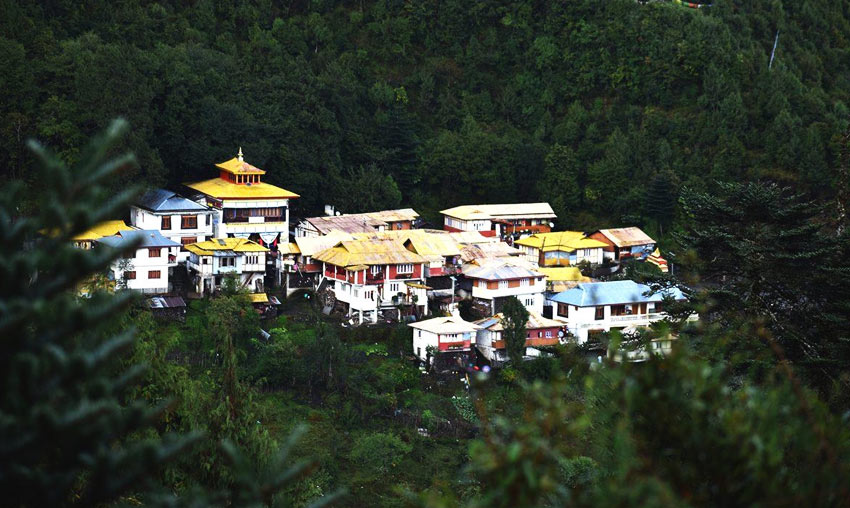
Brahma-dung-chung Ani Gompa (Nun Monastery), Tawang
Located in the peaceful Himalayan hills near Tawang in Arunachal Pradesh, Brahma-dung-chung Ani Gompa is a historic Buddhist nunnery known for its spiritual atmosphere, mountain surroundings and traditions of Buddhist learning. Also written as Brahmadungchung Ani Gompa or Bramadung Chung Ani Gompa, this monastery is home to Buddhist nuns who dedicate their lives to prayer, meditation and religious practice.
Away from the busier parts of Tawang, the monastery offers visitors an opportunity to experience another important part of the region’s Buddhist heritage. Its quiet setting, prayer spaces and connection with the local Monpa Buddhist community make it a meaningful stop for travellers interested in culture, spirituality and history.
Overview of Brahma-dung-chung Ani Gompa
Brahma-dung-chung Ani Gompa is recognised as one of the oldest nunneries in the Tawang region. The word “Ani Gompa” refers to a Buddhist monastery or nunnery associated with female monastic practitioners. The institution provides a place where nuns can follow Buddhist teachings, participate in religious activities and pursue a disciplined spiritual life.
The monastery is situated approximately 9 to 12 kilometres from Tawang, depending on the route and reference point used. It stands in a secluded hillside setting surrounded by the natural landscape of the Eastern Himalayas.
- Location: Near Tawang, Arunachal Pradesh, India
- Type: Buddhist nunnery (Ani Gompa)
- Historical period: Traditionally dated to the late 16th century
- Associated founder: Lama Karchen Yeshi Gelek
- Distance from Tawang: Approximately 9–12 km, depending on the source and route
- Known for: Buddhist nuns, prayer, meditation and cultural heritage
History of Brahma-dung-chung Ani Gompa
Brahma-dung-chung Ani Gompa has a long association with the Buddhist history of Tawang. Arunachal Pradesh tourism material dates its establishment to 1595 CE and attributes its foundation to Karchen Yeshi Gelek Lama, who came from the Tsang region of Tibet. Other Tawang tourism references describe it as a 16th-century nunnery.
The monastery developed as a religious space for Buddhist women who wished to dedicate themselves to spiritual learning and monastic life. Over generations, it became an important part of the region’s network of Buddhist monasteries and nunneries.
Historical references describe the institution as one of the oldest Ani Gompas in Tawang. The number of resident nuns mentioned in older tourism accounts is around 40 to 45, although the current number may change over time.
Why Is Brahma-dung-chung Ani Gompa Special?
An Important Buddhist Nunnery
Unlike monasteries primarily associated with monks, Brahma-dung-chung Ani Gompa is a nunnery where Buddhist women follow monastic traditions. It represents the contribution of women to the preservation and practice of Buddhist teachings in the Tawang region.
A Peaceful Himalayan Setting
The monastery’s hillside location provides a calm environment away from the activity of Tawang town. The surrounding mountain landscape and quiet atmosphere make it a place for reflection and cultural exploration.
Prayer and Meditation
Prayer, chanting and meditation are important parts of Buddhist monastic life. Visitors may find the atmosphere of the monastery very different from ordinary tourist attractions. Any observation of religious activities should be done respectfully and without disturbing the residents.
Connection with Tawang’s Buddhist Heritage
Brahma-dung-chung Ani Gompa forms part of the wider Buddhist cultural landscape of Tawang, a region known for its monasteries, nunneries, sacred sites and Monpa traditions.
Architecture and Religious Environment
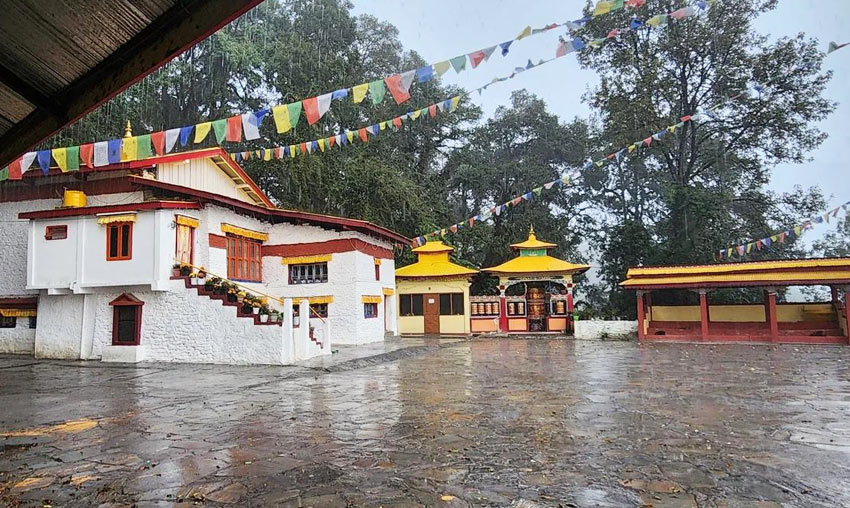
The monastery reflects the Buddhist religious architecture and cultural character of the Tawang region. Its prayer spaces and monastic buildings serve the daily needs of the nuns and their religious practices.
As a functioning religious institution, the monastery is more than a sightseeing location. Its prayer areas and living spaces are part of an active monastic environment. Visitors should follow local instructions and avoid entering private or restricted areas without permission.
Location of Brahma-dung-chung Ani Gompa
Brahma-dung-chung Ani Gompa is located in the hills near Tawang town in the Tawang district of Arunachal Pradesh, northeastern India. Tourism references place it roughly 9 to 12 kilometres from Tawang, although the exact distance depends on the route and starting point.
The monastery can be included in a cultural sightseeing plan covering the monasteries and spiritual attractions around Tawang. Check the road condition and local transport availability before setting out.
Best Time to Visit Brahma-dung-chung Ani Gompa
The more comfortable travel periods for exploring Tawang and its surrounding attractions are generally the spring, summer and autumn months. Weather in the Eastern Himalayas can change quickly, and road conditions may be affected by rain, fog or snowfall.
- March to May: A pleasant season for exploring the region as the weather gradually becomes milder.
- June to September: The monsoon period can bring rain, slippery roads and travel delays. Check local conditions before visiting.
- October to November: Often a good period for clear mountain views and sightseeing, subject to weather.
- December to February: Winter can bring very cold temperatures and snowfall. Confirm road access before travelling.
How to Reach Brahma-dung-chung Ani Gompa
By Road
The monastery is approached from Tawang by road. Visitors can enquire about a local taxi or arrange transport through a registered tour operator. Confirm the final approach and road condition locally, as mountain weather can affect accessibility.
By Air
The nearest commonly used airports for reaching the Tawang region include Tezpur Airport in Assam and Lokpriya Gopinath Bordoloi International Airport in Guwahati. From the airport, travellers need to continue by road towards Tawang.
By Train
Rangapara North is one of the railway stations used by travellers approaching the Tawang region. From there, the onward journey is by road. Train connections and onward transport should be checked before travel.
Permits and Travel Requirements
Tawang is in Arunachal Pradesh, where entry requirements apply to visitors. Indian citizens who are not residents of Arunachal Pradesh generally need an Inner Line Permit (ILP). Foreign nationals should check the applicable Protected Area Permit (PAP) requirements and current rules before travelling.
Permit requirements and procedures can change. Check the official Arunachal Pradesh permit portal and confirm any additional local instructions before starting your journey. Do not assume that a general state entry permit automatically provides access to restricted border areas.
Official ILP portal: Arunachal Pradesh eILP
Travel Tips for Visitors
- Respect the monastery as an active religious institution.
- Wear modest clothing and maintain a quiet atmosphere.
- Ask permission before photographing nuns, residents or religious ceremonies.
- Do not enter private living quarters or restricted areas without permission.
- Follow instructions from monastery representatives and local guides.
- Carry drinking water, warm clothing and basic essentials.
- Check road conditions and weather before leaving Tawang.
- Allow enough time for the visit rather than rushing through the monastery.
Nearby Attractions to Explore
Visitors can combine Brahma-dung-chung Ani Gompa with other cultural and natural attractions in and around Tawang. Depending on road conditions and available time, consider adding these places to your itinerary:
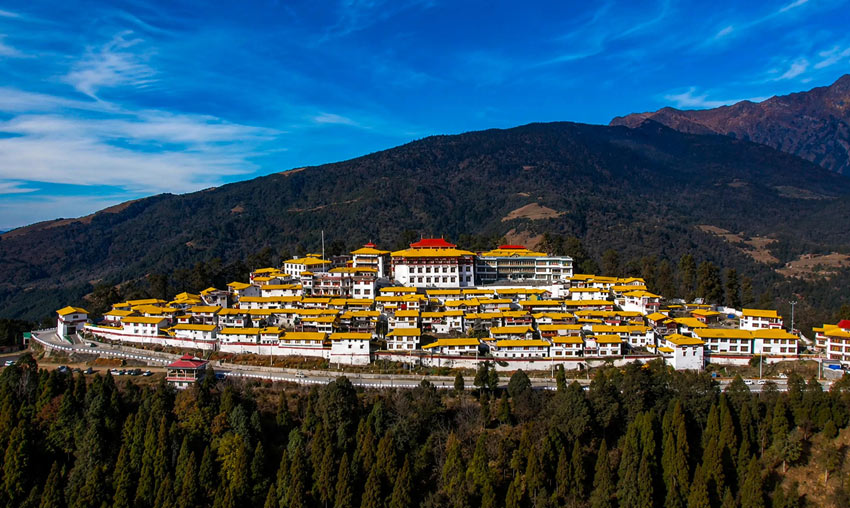
- Tawang Monastery – The region’s most prominent Buddhist monastery and an important centre of learning.
- Urgelling Monastery – A historic monastery traditionally associated with the birthplace of the Sixth Dalai Lama.
- Regyaling Gompa – A peaceful monastery near Tawang.
- Geshila Peak – A mountain destination known for its high-altitude scenery.
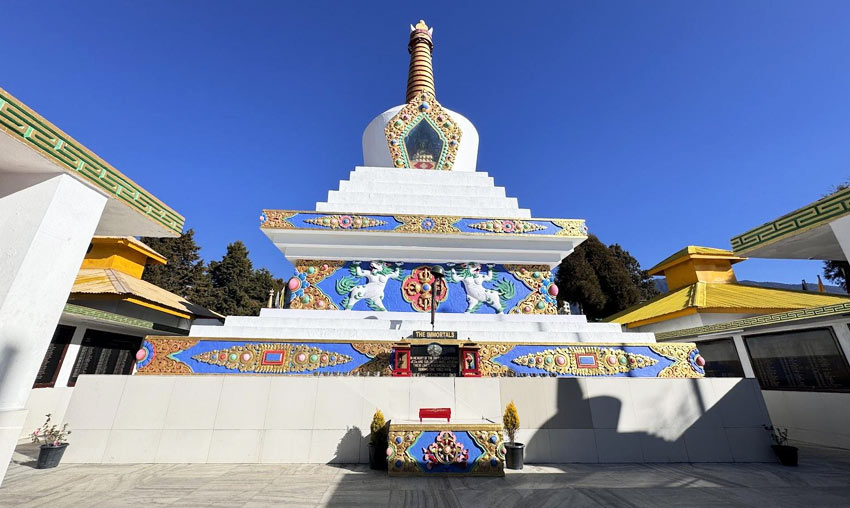
- Tawang War Memorial – A memorial dedicated to soldiers who lost their lives during the 1962 India-China War.
Suggested Tawang Sightseeing Plan
Brahma-dung-chung Ani Gompa can be included in a monastery-focused sightseeing plan around Tawang. One possible sequence is:
- Begin with Tawang Monastery.
- Visit Brahma-dung-chung Ani Gompa, subject to local access and available time.
- Explore another nearby monastery such as Regyaling Gompa or Urgelling Monastery.
- Return to Tawang town and explore local markets or cultural sites.
This is a suggested sequence, not a fixed route. Confirm the order with your local driver or guide according to road conditions and the time available.
Frequently Asked Questions
1. Where is Brahma-dung-chung Ani Gompa located?
Brahma-dung-chung Ani Gompa is located in the hills near Tawang town in Arunachal Pradesh, India. Tourism references place it approximately 9 to 12 kilometres from Tawang.
2. Why is Brahma-dung-chung Ani Gompa famous?
It is known as one of the oldest Buddhist nunneries in the Tawang region and for its role in preserving Buddhist monastic traditions among women.
3. Who established Brahma-dung-chung Ani Gompa?
Tourism references attribute its establishment to Lama Karchen Yeshi Gelek from Tibet. Arunachal Pradesh tourism material gives the year as 1595 CE.
4. How old is Brahma-dung-chung Ani Gompa?
It is traditionally dated to 1595 CE, which places its origins in the late 16th century. Some tourism references describe it more generally as a 16th-century institution.
5. Who lives at the monastery?
The monastery is a Buddhist nunnery where female monastic practitioners, known as nuns or anis, follow religious and spiritual practices. Older tourism references mention approximately 40 to 45 resident nuns; the current number may vary.
6. Is there an entry fee for Brahma-dung-chung Ani Gompa?
A reliable current entry-fee schedule is not confirmed in the sources consulted. Visitors should check with the monastery or a local tourism representative before visiting.
7. Can visitors take photographs inside the monastery?
Photography rules may vary by area and religious activity. Always ask permission before taking photographs, especially of nuns, prayer sessions or interior religious spaces.
8. Do Indian tourists need a permit to visit Tawang?
Indian citizens who are not residents of Arunachal Pradesh generally need an Inner Line Permit (ILP) to enter the state. Check the official portal for current requirements.
Brahma-dung-chung Ani Gompa is an important part of Tawang’s spiritual and cultural heritage. Its history as an old Buddhist nunnery, its quiet Himalayan setting and the religious life of its resident nuns make it a meaningful destination for visitors interested in more than scenic sightseeing.
If you are exploring the monasteries of Arunachal Pradesh, include Brahma-dung-chung Ani Gompa in your Tawang travel plan. Visit respectfully, follow local guidance and take time to appreciate the peaceful atmosphere of this historic nunnery.
Nearby Places to Visit
Nearby Places to Visit