P.T. Tso Lake (Pankang Teng Tso), Tawang – A Beautiful Himalayan Lake
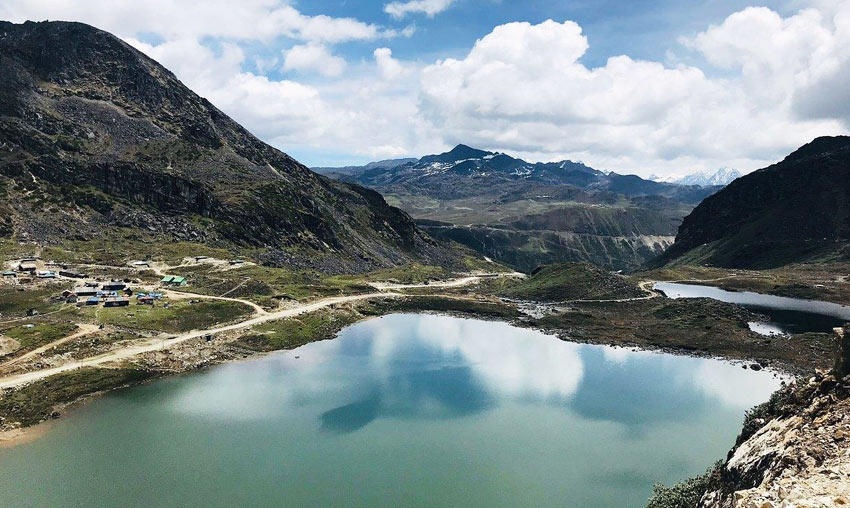
Surrounded by the breathtaking Himalayan mountains of Arunachal Pradesh, P.T. Tso Lake, also known as Pankang Teng Tso, is one of the beautiful high-altitude lakes near Tawang. Located on the scenic road towards Bumla Pass, this peaceful lake is known for its natural beauty, mountain reflections, surrounding forests and changing seasonal colours.
Unlike some of the more frequently visited attractions around Tawang, P.T. Tso offers a quieter mountain-lake experience. During warmer months, the lake is surrounded by alpine vegetation, rhododendron patches and colourful Himalayan flowers. In winter, the water can freeze completely, transforming the landscape into a beautiful but challenging high-altitude winter scene.
For travellers exploring Tawang and the Bumla Pass region, P.T. Tso Lake is a memorable stop that showcases the natural charm of the Eastern Himalayas.
About P.T. Tso Lake
P.T. Tso is the commonly used short name for Pankang Teng Tso, a high-altitude freshwater lake in the Tawang district of Arunachal Pradesh. It is located approximately 17 kilometres from Tawang town, according to the Tawang District Administration.
The lake is surrounded by mountain slopes, forested areas and open grassland. Its appearance changes with the weather and seasons, making it an attractive destination for nature lovers and photographers.
The lake is particularly popular as a sightseeing stop for visitors travelling towards Bumla Pass. Its peaceful setting and mountain scenery make it a lovely place to pause during a high-altitude road journey.
Where Is P.T. Tso Lake Located?
P.T. Tso Lake is situated in the Tawang district of Arunachal Pradesh, India, along the road leading towards Bumla Pass near the India-China border.
The lake is approximately 17 kilometres from Tawang town, as listed by the district’s official tourism website. The route climbs through a beautiful Himalayan landscape, with mountain views and changing vegetation along the way.
Because the lake lies on a sensitive border-area road, visitors should check current access permissions and local travel arrangements before starting their journey.
Natural Beauty and Landscape of P.T. Tso Lake
P.T. Tso Lake is known for its peaceful surroundings and beautiful natural setting. The lake sits within a mountain landscape where forested slopes, open grasslands and seasonal flowers create a striking combination.
1. Mountain Reflections
On calm days, the water can reflect the surrounding mountains and sky. These natural reflections create beautiful photography opportunities, especially when the weather is clear.
2. Rhododendron Groves
Rhododendron patches add colour to the landscape during their flowering season. These Himalayan plants are an important part of the natural beauty of the Tawang region.
3. Alpine Grasslands and Flowers
The open grassland around the lake provides a beautiful contrast to the surrounding mountain slopes. During the warmer months, seasonal Himalayan flowers may be visible in the open areas.
4. Frozen Lake in Winter
During the winter season, temperatures in this high-altitude region can fall significantly, and the lake may freeze completely. Snow-covered slopes and icy surroundings create a dramatic winter landscape.
Never walk on the frozen lake. Ice thickness can be unpredictable and the surface may be unsafe even when it appears solid.
Best Time to Visit P.T. Tso Lake
The best time to visit P.T. Tso Lake depends on the kind of mountain scenery you want to experience. Spring and autumn are generally attractive seasons for sightseeing, while winter offers frozen-lake scenery but can bring difficult road conditions.
- March to May: Spring scenery begins to appear, with fresh vegetation and seasonal flowers. Weather and road conditions should be checked before travelling.
- June: The landscape is generally greener, although rain and changing mountain weather may affect the journey.
- July to August: Monsoon rainfall can cause slippery roads, landslides and travel interruptions. Check local advisories carefully.
- September to November: Autumn can offer clearer mountain views, crisp weather and attractive scenery.
- December to February: The lake may freeze and nearby areas may receive snow. Access can be affected by snowfall, road closures and security instructions.
For most visitors, spring and autumn are practical seasons to consider. Always confirm road conditions and permissions locally because access to this high-altitude route can change with weather and security requirements.
How to Reach P.T. Tso Lake
P.T. Tso Lake is reached by road from Tawang town. It lies along the route towards Bumla Pass and is commonly included in a local sightseeing excursion.
By Road from Tawang
The lake is approximately 17 kilometres from Tawang town according to the district tourism listing. Visitors generally arrange a local vehicle and driver in Tawang for the journey towards the Bumla Pass area.
The road passes through high-altitude mountain terrain. Travel time depends on road conditions, weather, security checks and the vehicle being used.
By Air
Travellers can reach the Tawang region through airports in Assam, including Lokpriya Gopinath Bordoloi International Airport in Guwahati and Tezpur Airport. From there, the onward journey to Tawang is by road or other available regional transport connections.
By Train
Guwahati is a major railway gateway for travellers heading towards Tawang. Rangapara North and Bhalukpong are also railway access points used for journeys into the region. The remaining journey is completed by road.
Permits Required for Visiting P.T. Tso Lake
Visitors travelling to Arunachal Pradesh must follow the state’s applicable entry permit rules. Indian nationals from outside Arunachal Pradesh generally require an Inner Line Permit (ILP). Foreign nationals need to check the applicable Protected Area Permit (PAP) requirements.
P.T. Tso Lake lies on the Bumla Pass road, a sensitive border-area route. A separate local security clearance or travel permission may be required for access to this road. Confirm the latest procedure with the Tawang district administration or an authorised local tour operator before travelling.
Official ILP application portal: Arunachal Pradesh e-ILP Portal.
Do not assume that an ordinary Arunachal Pradesh entry permit automatically grants access to the Bumla road. Follow all instructions issued by local authorities and security personnel.
Travel Tips for Visiting P.T. Tso Lake
- Spend time acclimatising in Tawang before travelling to higher-altitude destinations.
- Arrange your vehicle and local travel permissions in advance.
- Carry warm clothing, even during the warmer months, as mountain weather can change quickly.
- Wear comfortable shoes suitable for uneven and potentially slippery ground.
- Carry drinking water, snacks and essential medicines.
- Keep your visit within the permitted sightseeing area and follow security instructions.
- Do not walk, play or stand on the frozen lake during winter.
- Avoid flying drones or photographing restricted military installations.
- Do not litter. Carry your waste back and respect the fragile mountain environment.
- Check road conditions before departure, especially during snowfall and monsoon periods.
High-Altitude Safety at P.T. Tso Lake
P.T. Tso is a high-altitude destination. Travellers may experience breathlessness, headache, dizziness or other symptoms associated with altitude exposure. The Tawang District Administration advises visitors to acclimatise before travelling to higher destinations and warns against entering frozen lakes.
People with heart or lung conditions and senior citizens should seek medical advice before visiting high-altitude areas. If you experience symptoms of altitude sickness, do not continue climbing; seek help and follow local medical advice.
Places to Visit Near P.T. Tso Lake
P.T. Tso Lake can be included in a sightseeing trip covering some of the most popular attractions around Tawang. Here are a few places worth exploring.
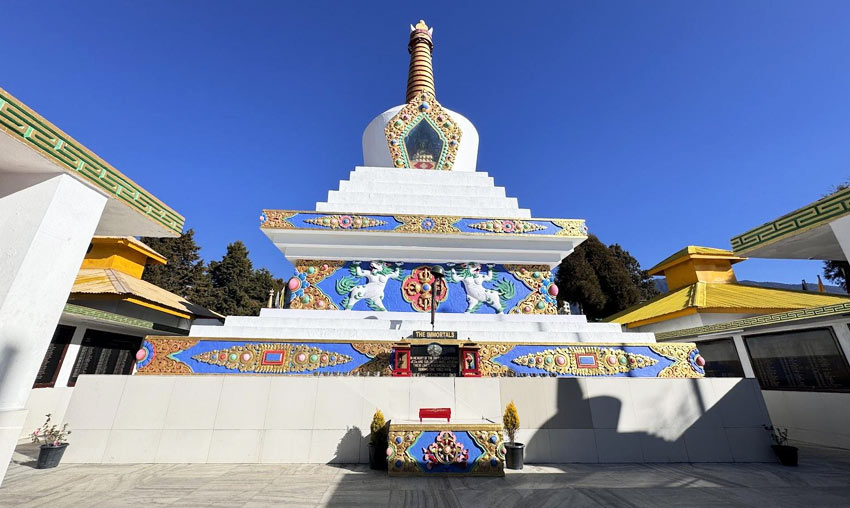
1. Tawang
Tawang is a beautiful Himalayan town known for its Buddhist heritage, monasteries, mountain scenery and historic attractions. It is the main base for exploring the surrounding region.
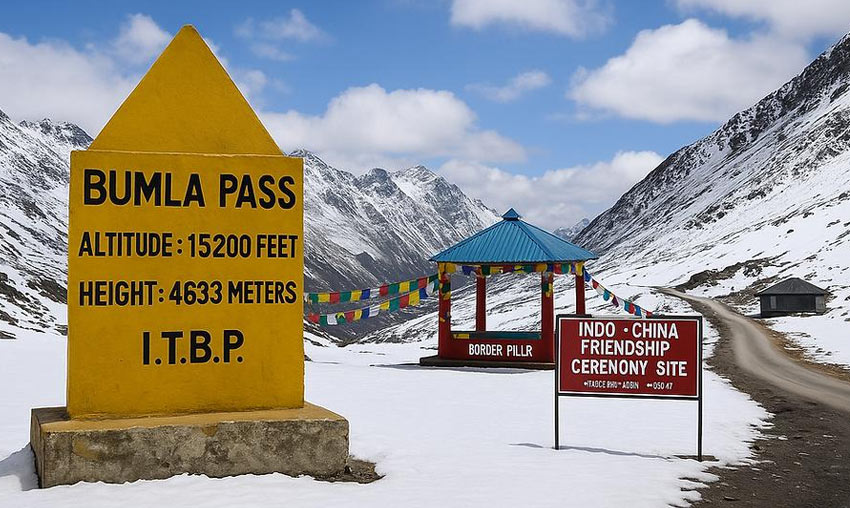
2. Bumla Pass
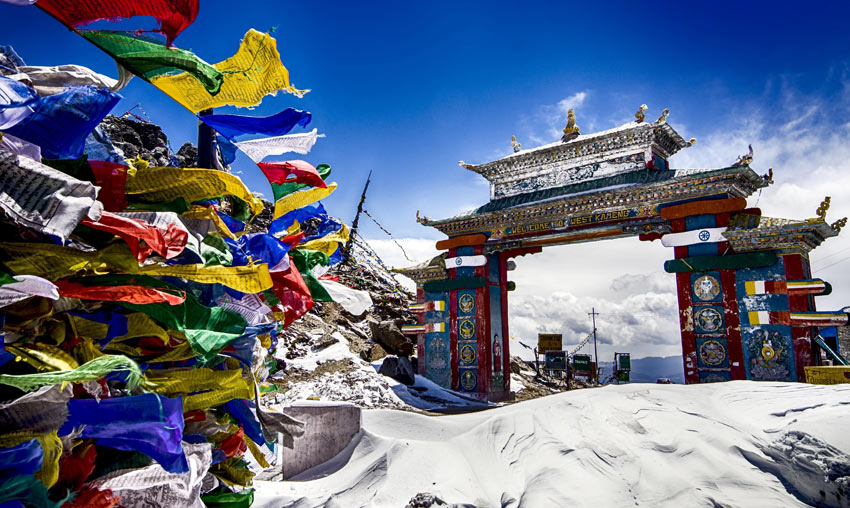
Bumla Pass is a high-altitude mountain pass near the India-China border. It is an important historical and strategic location and requires special permission for visitors.
3. Madhuri Lake (Sangetsar Lake)
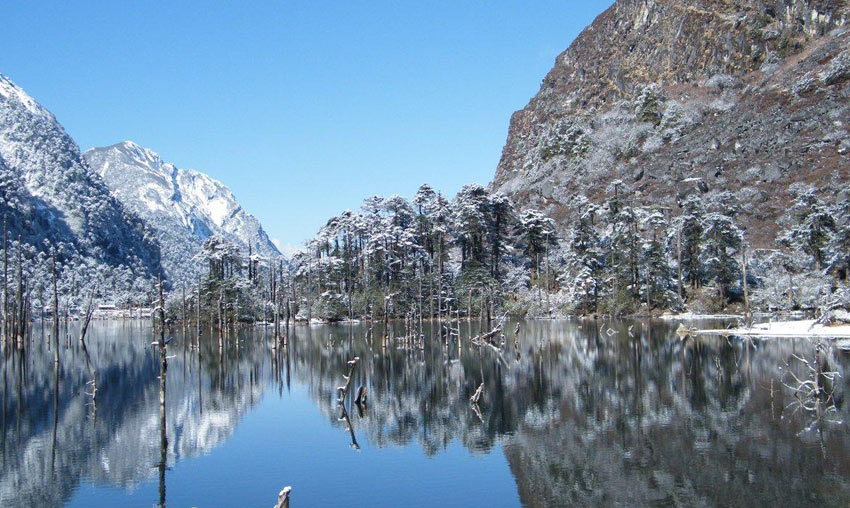
Madhuri Lake is famous for its striking mountain setting and tree trunks emerging from the water. It is one of the most photographed natural attractions near Tawang.
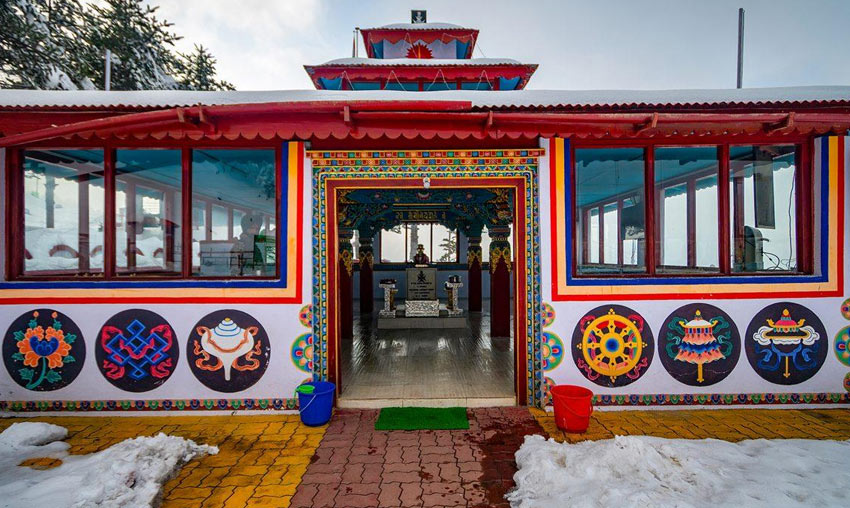
4. Tawang Monastery
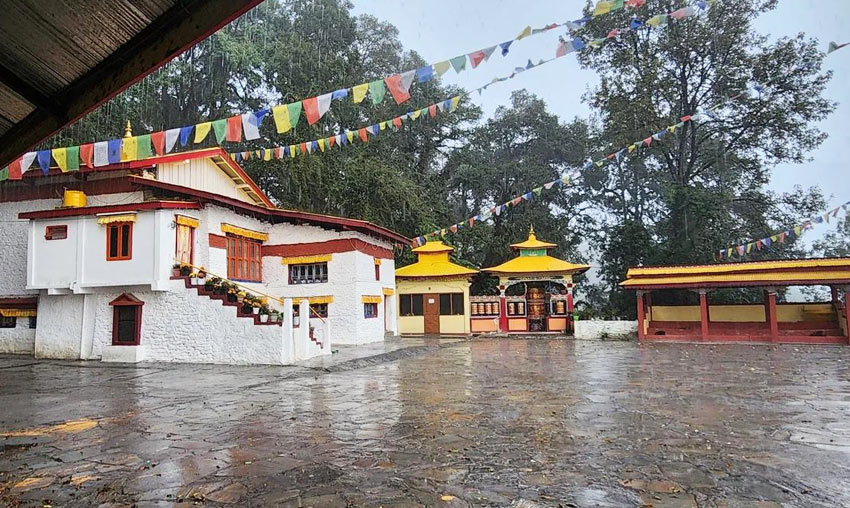
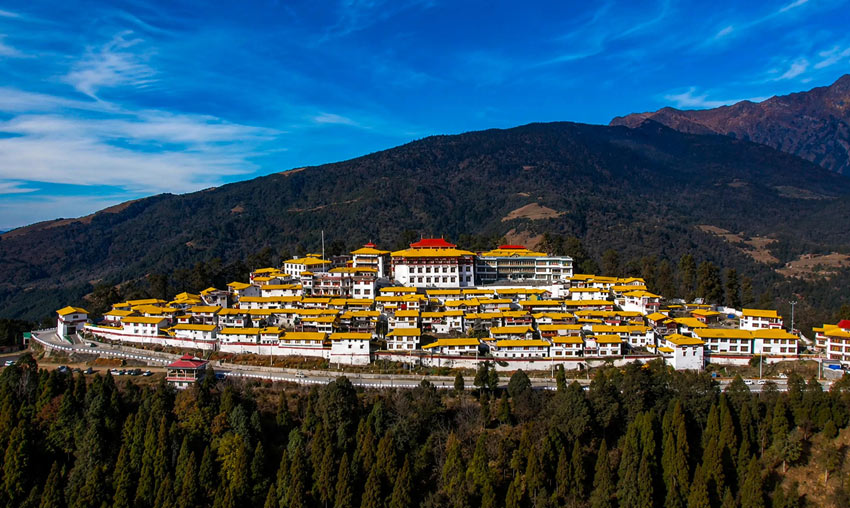
Tawang Monastery is one of India’s most important Buddhist monasteries. Its impressive architecture, spiritual atmosphere and mountain views attract visitors throughout the year.
5. Sela Pass
Sela Pass is a spectacular high-altitude mountain pass known for its snow-covered surroundings, dramatic landscapes and beautiful Sela Lake.
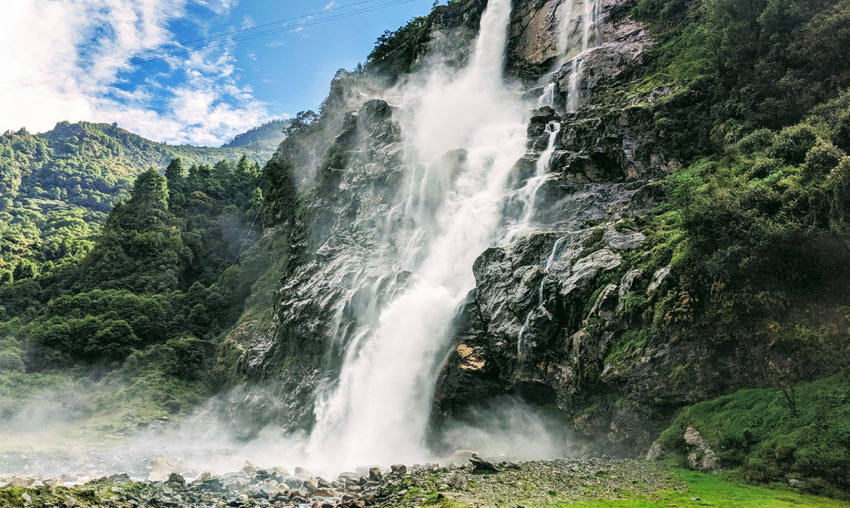
6. Nuranang Falls (Jang Falls)
Nuranang Falls is a magnificent waterfall near Jang town. Its impressive cascade and lush mountain surroundings make it a memorable stop on the Tawang road journey.
Suggested Tawang Sightseeing Plan
P.T. Tso Lake is usually included in a day trip towards Bumla Pass. Depending on the permissions granted and current road conditions, travellers may plan a route covering:
- Start from Tawang town.
- Visit P.T. Tso Lake.
- Continue towards Madhuri Lake, if access is permitted and the route is open.
- Proceed towards Bumla Pass only with the required permission.
- Return to Tawang according to the local travel schedule.
The order of sightseeing stops may change according to security instructions, road conditions and weather. Confirm the day’s permitted route with your local driver or tour operator.
Frequently Asked Questions About P.T. Tso Lake
1. Where is P.T. Tso Lake located?
P.T. Tso Lake is located in the Tawang district of Arunachal Pradesh, along the road towards Bumla Pass.
2. What is the full name of P.T. Tso Lake?
The full name is Pankang Teng Tso. P.T. Tso is the commonly used shortened name.
3. How far is P.T. Tso Lake from Tawang?
According to the Tawang District Administration’s tourism website, P.T. Tso Lake is approximately 17 kilometres from Tawang town.
4. Does P.T. Tso Lake freeze in winter?
Yes. The Tawang District Administration states that the lake freezes entirely during the winter season. Visitors must never walk on the frozen surface.
5. Do I need a permit to visit P.T. Tso Lake?
Visitors need to follow Arunachal Pradesh’s applicable entry permit requirements. Since the lake lies on the Bumla Pass road, additional local security clearance may also be required. Confirm the current rules before travelling.
6. Can P.T. Tso Lake be visited with Bumla Pass?
Yes. P.T. Tso Lake is located on the route towards Bumla Pass and is commonly included in the same sightseeing trip. Access to each location depends on current permissions and road conditions.
7. What is the best time to visit P.T. Tso Lake?
Spring and autumn are generally attractive seasons for sightseeing. Winter offers the possibility of seeing a frozen lake, but snowfall and road closures can affect access.
8. Is P.T. Tso Lake suitable for a family visit?
Families can enjoy the lake’s scenic surroundings, but its high altitude requires care. Children, senior citizens and travellers with existing medical conditions should take appropriate precautions and follow medical advice.
P.T. Tso Lake, also known as Pankang Teng Tso, is a beautiful high-altitude attraction that adds a special experience to any Tawang trip. Its peaceful waters, mountain scenery, seasonal flowers and winter landscape make it one of the memorable natural destinations in Arunachal Pradesh.
Whether you are travelling towards Bumla Pass or exploring the scenic lakes around Tawang, P.T. Tso is a wonderful place to appreciate the beauty of the Eastern Himalayas. Plan your visit responsibly, arrange the required permissions and respect the natural environment and local security guidelines.
Nearby Places to Visit
Nearby Places to Visit