Bumla Pass, Tawang – Explore the High-Altitude India-China Border
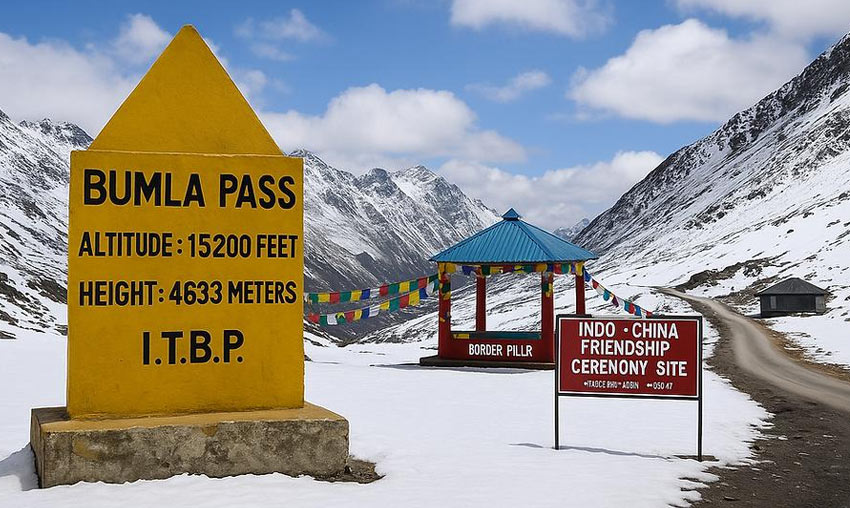
Bumla Pass is one of the most remarkable high-altitude destinations in Arunachal Pradesh. Located near Tawang in the Eastern Himalayas, this strategically important mountain pass lies along the India-China border and is known for its dramatic landscapes, military history and extreme weather conditions.
Situated at approximately 15,000 to 15,200 feet above sea level, Bumla Pass offers visitors a rare opportunity to experience the rugged beauty of the eastern Himalayan border region. Surrounded by snow-covered mountains and vast high-altitude terrain, it is one of the most memorable excursions from Tawang.
The pass is particularly significant because of its connection with the 1962 India-China War and its role as an officially agreed Border Personnel Meeting point. Due to its sensitive location, tourists can visit only after obtaining the required permissions and following the instructions of the district administration and security authorities.
About Bumla Pass
Bumla Pass is a high-altitude mountain pass located in Tawang district of Arunachal Pradesh, close to the India-China border. It is among the most strategically significant locations in the region and is maintained under strict security arrangements.
The journey from Tawang to Bumla Pass takes visitors through a spectacular Himalayan landscape featuring rugged mountains, high-altitude lakes and snow-covered slopes. The scenery changes with the seasons, making the route especially attractive to nature lovers and photographers.
Bumla Pass is also one of the officially agreed Border Personnel Meeting points between the Indian Army and the People’s Liberation Army of China. These meetings are intended to support communication and maintain peace along the border.
Why Is Bumla Pass Famous?
Bumla Pass is famous for its geographical location, historical importance and spectacular mountain scenery. It is one of the most distinctive destinations travellers can explore during a visit to Tawang.
- Located at approximately 15,000 to 15,200 feet above sea level.
- Situated near the India-China border in Arunachal Pradesh.
- Associated with important events during the 1962 India-China War.
- One of the officially agreed Border Personnel Meeting points.
- Known for its snow-covered mountains and high-altitude landscapes.
- Offers a unique experience of India’s Himalayan border region.
- Accessible to authorised visitors subject to special permits and security clearance.
History and Strategic Importance of Bumla Pass
Bumla Pass has considerable historical and strategic importance because of its location along the India-China border. The surrounding Tawang region witnessed important events during the 1962 India-China War.
The mountain route and surrounding terrain have played an important role in the movement of military personnel and the defence of the region. The difficult weather, high altitude and challenging mountain roads make this area particularly demanding.
Today, Bumla Pass remains an important location for border security and communication between the two countries. It is recognised as one of the officially agreed Border Personnel Meeting points where designated meetings between the Indian Army and China’s People’s Liberation Army take place.
Bumla Pass and the 1962 India-China War
The Tawang region holds an important place in the history of the 1962 India-China War. Its mountain passes, valleys and strategic routes were significant during the conflict.
Bumla Pass is associated with this historical period and remains a place of national and military importance. Visitors travelling to the area can gain a better understanding of the challenges faced by soldiers operating in the high-altitude Himalayan environment.
The nearby Jaswant Garh War Memorial is another important historical attraction dedicated to Rifleman Jaswant Singh Rawat of the 4th Garhwal Rifles, who is remembered for his bravery during the 1962 war.
Bumla Pass as a Border Personnel Meeting Point
Bumla Pass is one of the officially agreed Border Personnel Meeting points between India and China. These designated locations provide an opportunity for authorised military representatives from both countries to communicate and discuss border-related matters.
The meetings are part of the broader arrangements intended to maintain communication and reduce misunderstandings along the border.
Because the area has sensitive security restrictions, visitors must remain within authorised areas and follow all instructions issued by the Indian Army and local authorities.
Natural Beauty and Landscape of Bumla Pass
The natural landscape of Bumla Pass is one of its biggest attractions. The region is surrounded by rugged Himalayan mountains, high-altitude valleys and wide stretches of rocky terrain.
Snowfall and freezing temperatures are common during colder months. Depending on the weather, visitors may experience snow-covered roads, frozen water bodies and spectacular views of the surrounding mountains.
1. Snow-Covered Mountain Views
Bumla Pass is famous for its dramatic mountain scenery. During winter and other cold periods, snow covers large sections of the surrounding landscape, creating a striking Himalayan setting.
2. High-Altitude Himalayan Terrain
The journey towards Bumla Pass passes through rugged mountain terrain and open valleys. The changing elevation and dramatic scenery make the road trip an important part of the overall experience.
3. Border Region Landscape
The pass offers a glimpse of the remote Himalayan border region. Its geographical setting and strategic importance make it different from ordinary tourist destinations.
4. Photography Opportunities
The mountain scenery, snow-covered slopes and unique landscape offer excellent photography opportunities. However, photography may be restricted in certain military or sensitive areas. Always follow the instructions of security personnel.
Best Time to Visit Bumla Pass
The best time to visit Bumla Pass depends on weather, snowfall, road conditions and permit availability. The high-altitude region can experience sudden changes in temperature and visibility, so visitors should plan carefully.
March to June – Spring and Early Summer
These months are generally preferred for sightseeing in the Tawang region. Visitors may experience favourable weather on suitable days, although snow can remain in the higher mountain areas.
September to November – Autumn
Autumn is another popular period for exploring the Tawang region. Clear-weather days can provide impressive mountain views and good photography opportunities.
December to February – Winter
Winter brings extremely cold temperatures and heavy snowfall to the Bumla Pass region. The surrounding landscape can become completely snow-covered, offering a memorable Himalayan winter experience.
However, heavy snowfall and difficult road conditions can lead to temporary access restrictions or suspension of permits. Visitors should confirm the latest status before travelling.
July to August – Monsoon
Heavy rainfall, fog and difficult road conditions can affect travel in the Tawang region during the monsoon. Landslides and road disruptions may also occur, so visitors should check official travel advisories.
Things to Do at Bumla Pass
Bumla Pass is primarily a destination for sightseeing, history and experiencing the high-altitude Himalayan border region. Some experiences visitors may enjoy include:
- Enjoy Himalayan Views: Experience the dramatic mountain landscape surrounding the pass.
- Snow Experience: Witness snow-covered terrain during suitable winter conditions.
- Scenic Mountain Drive: Enjoy the high-altitude road journey from Tawang.
- Learn About Border History: Understand the strategic and historical importance of the region.
- Photography: Capture the mountain scenery from areas where photography is permitted.
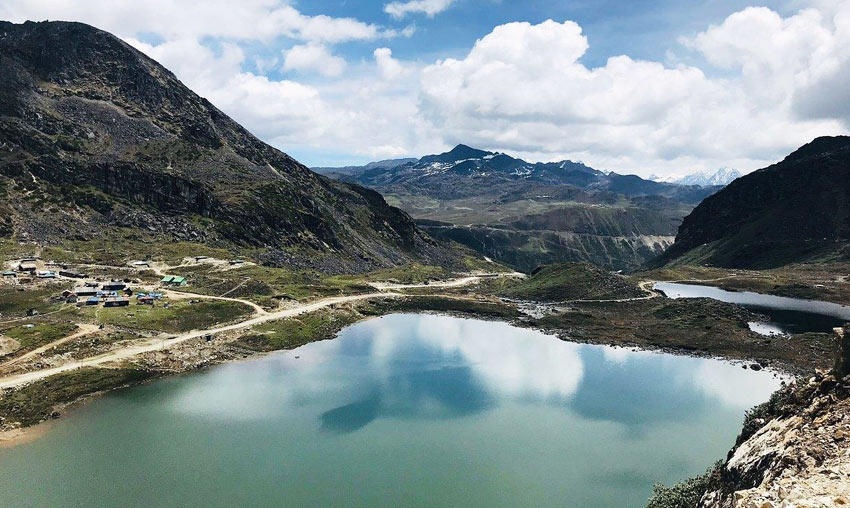
- Explore Nearby Lakes: Visit authorised nearby attractions such as Madhuri Lake when permissions allow.
How to Reach Bumla Pass
Bumla Pass is located in the high-altitude region north of Tawang town. Visitors generally reach Tawang first and then arrange a permitted local excursion towards the pass.
By Air
Lokpriya Gopinath Bordoloi International Airport in Guwahati is a major air gateway for travellers visiting Tawang. Tezpur Airport may also be considered depending on flight availability.
From the airport, visitors can continue towards Tawang by road through Bhalukpong, Bomdila and Dirang.
By Train
Guwahati Railway Station is a major railway gateway for reaching the Tawang region. Rangapara North and Bhalukpong are other railheads travellers may consider depending on available train connections.
From the railway station, travellers can arrange road transport towards Tawang.
By Road
The popular road route from Guwahati is:
Guwahati → Bhalukpong → Bomdila → Dirang → Sela Pass / Sela Tunnel → Jang → Tawang → Bumla Pass
After reaching Tawang, visitors must arrange an authorised vehicle and obtain the required Bumla Pass permit before proceeding. The final stretch involves high-altitude mountain roads and is subject to weather and security conditions.
The journey from Tawang to Bumla Pass generally takes around two hours or longer, depending on road conditions, traffic, weather and security checks.
Bumla Pass Permit and Entry Requirements
Bumla Pass is a restricted border destination. Visitors cannot simply travel to the pass using an ordinary tourist itinerary. A separate Bumla Pass tourist permit is required in addition to the applicable Arunachal Pradesh entry permit.
1. Inner Line Permit (ILP)
Indian citizens who are not residents covered by the applicable Arunachal Pradesh exemption generally need an Inner Line Permit to enter the state.
The ILP can be applied for through the official Arunachal Pradesh portal: Official Arunachal Pradesh eILP Portal.
2. Separate Bumla Pass Permit
A separate permit is required for visiting Bumla Pass. The permit is issued through the authorised process of the Tawang District Administration.
The district administration has published an order regarding issuance of Bumla Pass permits exclusively through authorised channels. Visitors should use the official permit facility or confirm the current procedure directly with the Deputy Commissioner’s Office in Tawang.
Official permit application: Bumla Pass Tourist Permit Portal.
3. Vehicle and Travel Arrangements
Visitors should follow the vehicle and driver conditions stated in the current permit portal. Local Tawang-registered taxis are used for the route, while other vehicle categories are subject to the portal’s eligibility and approval rules.
Do not assume that an ordinary taxi or private vehicle can travel to the pass without the required authorisation.
4. Foreign Tourist Restrictions
Bumla Pass is a sensitive border area. Foreign nationals should not assume that a general Protected Area Permit provides access to this location. They must confirm eligibility and restrictions directly with the Tawang District Administration before making travel plans.
Visitor Timings and Important Permit Information
The official Bumla Pass permit portal currently lists the following visitor schedule:
- Permitted entry window: 7:00 AM to 10:30 AM.
- Expected exit time: By 2:00 PM on the same day, unless otherwise authorised.
- Application limit: Up to six travellers per permit application.
- Visitor fee: The portal currently lists ₹50 per person for eligible non-APST visitors aged 12 years and above, payable after approval.
These details are subject to change. Confirm the latest permit instructions, fees, timings and eligibility before travelling.
Places to Visit Near Bumla Pass
The Bumla Pass excursion can be combined with other popular attractions in the Tawang region, subject to the day’s route, permissions and weather conditions.
1. Madhuri Lake (Sangetsar Lake)
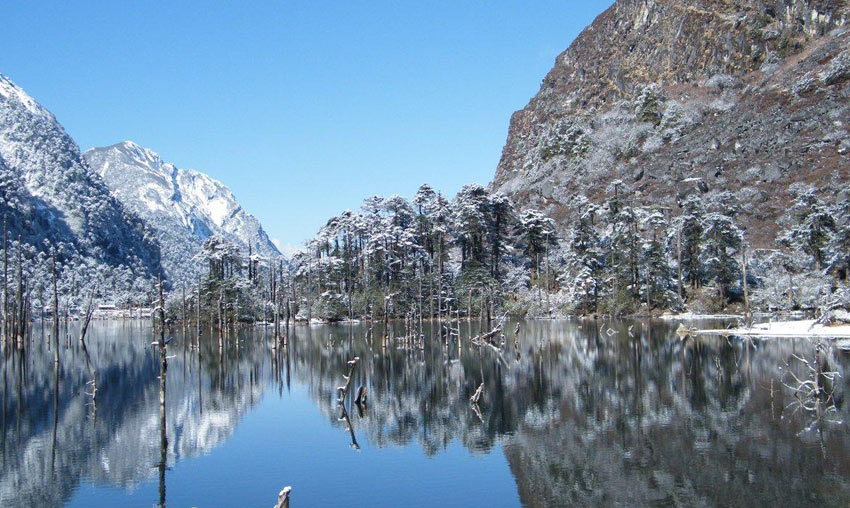
Madhuri Lake, also known as Sangetsar Lake, is a beautiful high-altitude lake famous for its unusual tree trunks rising from the water and dramatic mountain surroundings.
2. P.T. Tso Lake
P.T. Tso Lake is another scenic high-altitude lake in the Tawang region. It is known for its mountain setting and seasonal snow-covered landscape.
3. Sela Pass
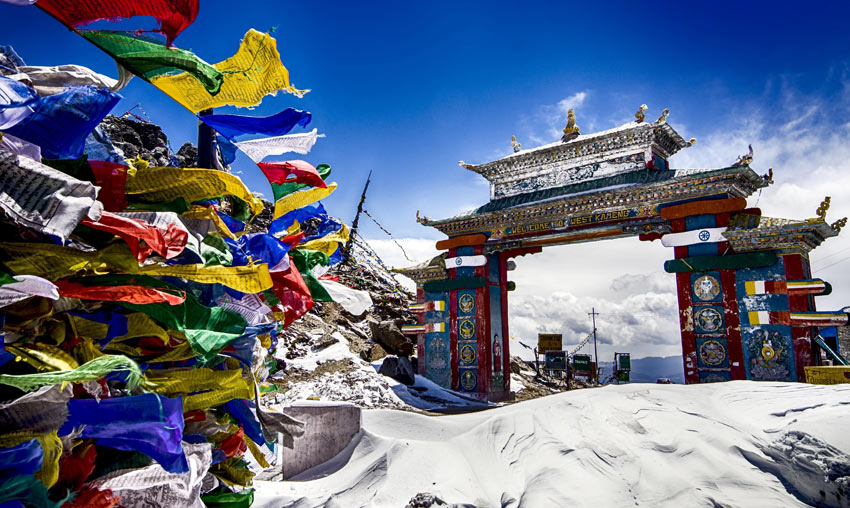
Sela Pass is one of the most famous mountain passes in Arunachal Pradesh. It offers beautiful Himalayan scenery and is an important part of the road journey to Tawang.
4. Tawang Monastery
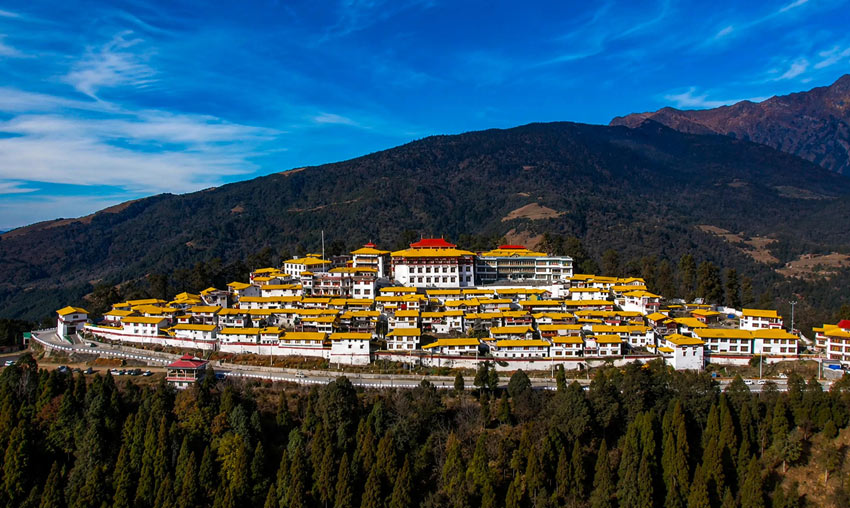
Tawang Monastery is India’s largest Buddhist monastery and one of the most important cultural landmarks in Northeast India.
5. Urgelling Monastery
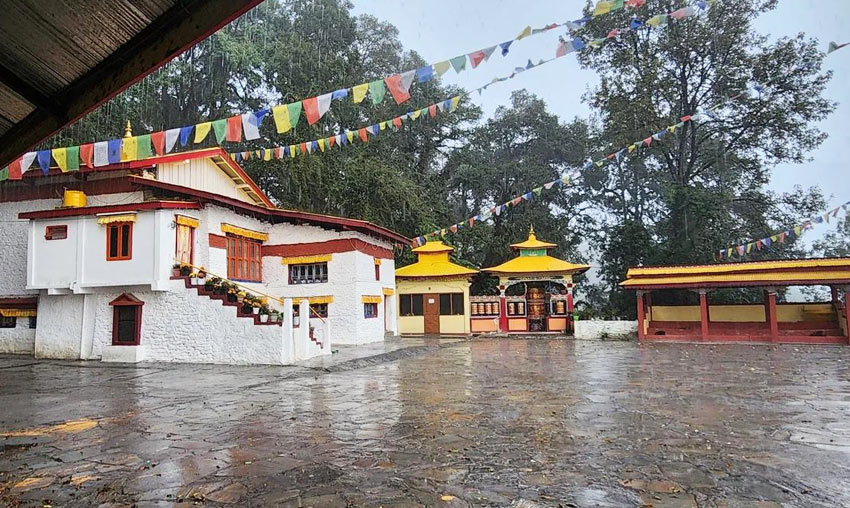
Urgelling Monastery is a historic Buddhist monastery associated with the birthplace of the Sixth Dalai Lama, Tsangyang Gyatso.
6. Tawang War Memorial
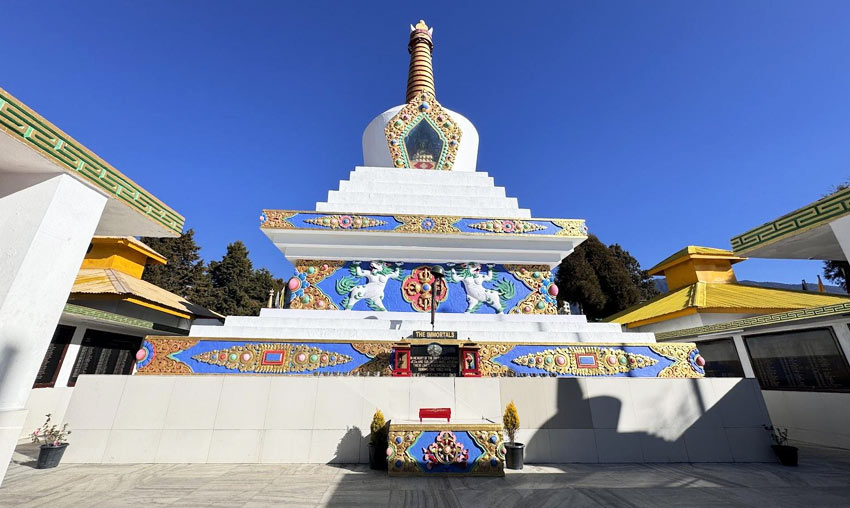
Tawang War Memorial is an important historical attraction dedicated to Indian soldiers who lost their lives during the 1962 India-China War.
Travel Tips for Visiting Bumla Pass
- Spend at least one full day in Tawang for acclimatisation before visiting higher-altitude destinations.
- Obtain the required ILP and separate Bumla Pass permit before departure.
- Use the authorised permit channel and follow the current vehicle requirements.
- Carry valid identification and the documents required by the permit authorities.
- Wear warm clothing, gloves and suitable footwear.
- Carry essential medicines and drinking water.
- Visitors with heart, lung or other significant medical conditions should consult a doctor before travelling to this altitude.
- Check weather and road conditions before starting the excursion.
- Mobile network connectivity may be limited or unavailable in the area.
- Complete online formalities before leaving Tawang town.
- Follow all Indian Army and district administration instructions.
- Do not photograph restricted military installations or sensitive areas.
- Do not walk on frozen lakes.
- Avoid littering and help preserve the fragile Himalayan environment.
Frequently Asked Questions About Bumla Pass
1. Where is Bumla Pass located?
Bumla Pass is located in Tawang district of Arunachal Pradesh, near the India-China border in the Eastern Himalayas.
2. What is the height of Bumla Pass?
Bumla Pass is situated at approximately 15,000 to 15,200 feet above sea level, depending on the source.
3. Why is Bumla Pass famous?
Bumla Pass is famous for its strategic location near the India-China border, its connection with the 1962 India-China War, its Border Personnel Meeting point and its beautiful high-altitude mountain scenery.
4. How far is Bumla Pass from Tawang?
Bumla Pass is approximately 37 kilometres from Tawang by road. Actual travel time depends on weather, road conditions and security checks.
5. Is a permit required to visit Bumla Pass?
Yes. Visitors generally need the applicable Arunachal Pradesh ILP as well as a separate Bumla Pass tourist permit. Additional security clearance and current eligibility conditions apply.
6. Can tourists visit Bumla Pass in a private vehicle?
Vehicle access is controlled. Visitors must follow the vehicle eligibility and approval rules shown on the official Bumla Pass permit portal. Do not assume that every private vehicle is permitted.
7. What is the best time to visit Bumla Pass?
March to June and September to November are generally preferred for sightseeing in the Tawang region. Winter offers snow-covered landscapes but may also bring temporary access restrictions due to severe weather.
8. Is Bumla Pass open throughout the year?
Access depends on weather, road conditions, security arrangements and permit approvals. Heavy snowfall may result in temporary closures or suspension of visitor permits.
9. Can Madhuri Lake and Bumla Pass be visited on the same day?
Both attractions are located along the general high-altitude excursion route from Tawang. They are often included in the same trip, subject to permits, the day’s route and local instructions.
10. Is mobile network available at Bumla Pass?
Mobile connectivity can be very limited or unavailable in the area. Complete online permit formalities and keep essential travel information available offline before leaving Tawang.
Explore More Places in Tawang
Bumla Pass is one of the most distinctive attractions in Arunachal Pradesh. Its historical significance, strategic location and dramatic Himalayan landscape make it a memorable part of a Tawang trip.
Explore our complete Tawang Travel Guide to discover more Buddhist monasteries, mountain passes, lakes, waterfalls and historical attractions in this beautiful Himalayan region.
Nearby Places to Visit
Nearby Places to Visit