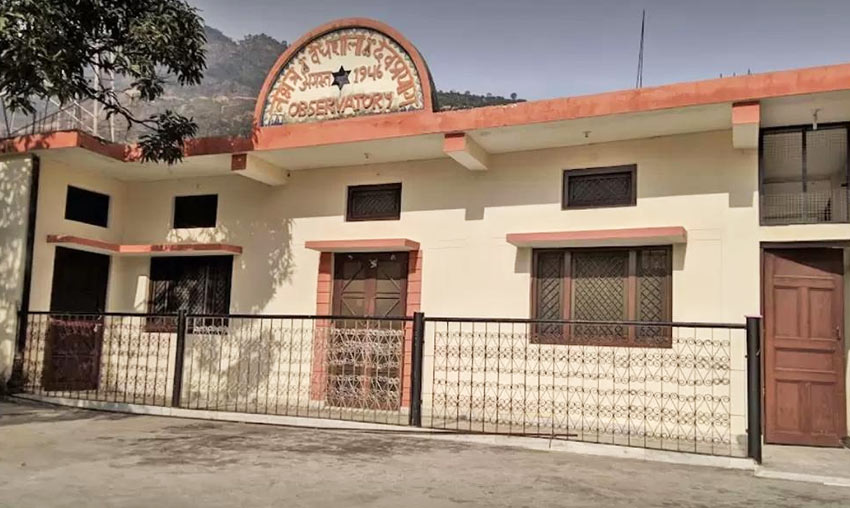
Nakshatra Vedh Shala Observatory, Devprayag – History, Astronomy & Travel Guide
Nakshatra Vedh Shala Observatory is a unique historical and astronomical attraction located on Dashrathanchal Hill in Devprayag, Tehri Garhwal district, Uttarakhand. Established in 1946 by renowned scholar Acharya Pandit Chakradhar Joshi, this observatory is known for its collection of astronomical instruments, telescopes, ancient manuscripts, and traditional Indian astronomical knowledge.
Situated above the sacred confluence of the Alaknanda and Bhagirathi rivers, Nakshatra Vedh Shala offers visitors an opportunity to explore India’s traditional approach to astronomy, astrology, and celestial observations. The observatory preserves an interesting collection of historical scientific instruments and manuscripts that reflect the country’s long-standing interest in studying planets, stars, constellations, and celestial movements.
Unlike conventional tourist attractions, Nakshatra Vedh Shala is a distinctive educational and heritage destination where visitors can discover the relationship between traditional Indian astronomy and modern observational instruments. It is one of the notable attractions included in our Devprayag Travel Guide.
History of Nakshatra Vedh Shala Observatory
Nakshatra Vedh Shala was established in 1946 by Acharya Pandit Chakradhar Joshi, a respected scholar of astronomy and astrology. His vision was to create a centre where students, researchers, and interested individuals could explore celestial bodies, planetary movements, and traditional Indian astronomical knowledge.
The observatory was established on Dashrathanchal Hill in Devprayag, a location that offers an elevated setting above the meeting point of the Alaknanda and Bhagirathi rivers. Its surroundings provide an interesting environment for observing the sky and studying celestial movements.
Over the years, the institution developed into a repository of astronomical instruments, rare manuscripts, books, and traditional knowledge related to astronomy and Jyotisha. Its collection reflects the efforts of Pandit Chakradhar Joshi to preserve historical scientific material and make it available for learning and research.
Today, Nakshatra Vedh Shala continues to be maintained by the Joshi family, who preserve its instruments, manuscripts, and historical legacy for future generations.
Who Was Pandit Chakradhar Joshi?
Acharya Pandit Chakradhar Joshi was a scholar known for his knowledge of traditional Indian astronomy, astrology, and related subjects. He established Nakshatra Vedh Shala in 1946 with the objective of promoting astronomical studies and preserving India’s traditional scientific heritage.
His interest in celestial observations, ancient texts, and astronomical instruments led to the development of this distinctive institution in Devprayag. He collected manuscripts, books, and scientific instruments that provide valuable insights into the history of Indian astronomy.
His contribution continues to be remembered through the observatory, which remains an important cultural and educational attraction in Uttarakhand.
Astronomical Instruments at Nakshatra Vedh Shala
One of the most interesting aspects of Nakshatra Vedh Shala is its collection of traditional Indian astronomical instruments and optical telescopes. These instruments represent different approaches to measuring time, observing celestial bodies, and understanding the movements of the Sun and stars.
1. Surya Ghati
Surya Ghati is a traditional astronomical instrument associated with observing the Sun and measuring time through shadows. It reflects the importance of solar observations in traditional Indian astronomy.
Such instruments demonstrate how ancient scholars used the apparent movement of the Sun to understand time and seasonal changes.
2. Dhruv Ghati
Dhruv Ghati is another traditional instrument preserved at the observatory. It is associated with astronomical observations and the study of celestial positions. The instrument reflects the traditional methods used by Indian scholars to understand the night sky and the movements of celestial objects.
3. Traditional Astronomical Yantras
The observatory preserves several traditional astronomical instruments and yantras that reflect the development of Indian astronomy. These instruments are important for understanding historical techniques used to study celestial movements and astronomical calculations.
4. Historical Telescopes
Nakshatra Vedh Shala also houses optical telescopes used for observing celestial bodies. Historical accounts describe a large telescope with German optical components and another smaller telescope imported from the United Kingdom.
These telescopes represent the combination of traditional astronomical knowledge and modern optical technology that formed part of the observatory’s research activities.
Rare Manuscripts and Historical Library
Another major attraction of Nakshatra Vedh Shala is its collection of rare manuscripts and historical books. The library preserves valuable written material related to astronomy, astrology, mathematics, Sanskrit literature, and other traditional subjects.
The collection includes handwritten manuscripts and old printed books that provide insights into India’s intellectual and scientific heritage. Some of these historical works are several centuries old.
The manuscripts are particularly important for researchers and scholars interested in traditional Indian astronomy, Jyotisha, and the history of scientific knowledge.
The preservation of these materials is an important part of the institution’s ongoing cultural and educational role.
Scientific and Cultural Importance of Nakshatra Vedh Shala
Nakshatra Vedh Shala is significant because it brings together traditional astronomical knowledge, historical scientific instruments, and rare written records. It offers an opportunity to understand how Indian scholars studied celestial bodies long before the development of modern astronomical research facilities.
The observatory also reflects the importance of preserving traditional knowledge systems and making historical scientific collections accessible to future generations.
Its collection provides valuable educational opportunities for students, astronomy enthusiasts, historians, and visitors interested in India’s scientific heritage.
What to See at Nakshatra Vedh Shala Observatory
Visitors interested in astronomy, history, and traditional knowledge can explore several interesting features at Nakshatra Vedh Shala.
1. Historical Telescopes
Explore the optical telescopes preserved at the observatory and learn about their role in celestial observations and astronomical studies.
2. Traditional Indian Astronomical Instruments
Discover historical instruments such as Surya Ghati and Dhruv Ghati, which demonstrate traditional methods of observing celestial movements and measuring time.
3. Rare Manuscript Collection
Explore the historical library containing manuscripts and books related to astronomy, astrology, mathematics, and traditional Indian knowledge.
4. Astronomy and Jyotisha Heritage
Learn about the connection between traditional Indian astronomy and Jyotisha, including the study of planets, constellations, and celestial calculations.
5. Scenic Views of Devprayag
The observatory’s elevated location on Dashrathanchal Hill offers beautiful views of the surrounding mountain landscape and the sacred river valley. Visitors can enjoy the scenic surroundings while exploring this heritage institution.
Things to Do at Nakshatra Vedh Shala
Nakshatra Vedh Shala offers an educational and cultural experience rather than conventional sightseeing activities. Visitors can enjoy the following experiences during their visit:
- Explore Historical Telescopes: Learn about the optical instruments preserved at the observatory and their role in astronomical observations.
- Discover Traditional Astronomy: Understand the historical methods used in India to study stars, planets, and celestial movements.
- Explore Rare Manuscripts: Learn about the historical collection of handwritten manuscripts and books preserved at the institution.
- Study Ancient Astronomical Instruments: Discover traditional instruments such as Surya Ghati and Dhruv Ghati.
- Understand Indian Jyotisha: Explore the traditional knowledge systems associated with astronomy and celestial calculations.
- Enjoy Mountain Views: Admire the scenic surroundings of Dashrathanchal Hill and the Devprayag river valley.
- Learn About Pandit Chakradhar Joshi: Discover the life, work, and legacy of the scholar who established the observatory.
Best Time to Visit Nakshatra Vedh Shala Observatory
Nakshatra Vedh Shala can be considered for a visit throughout the year, depending on the weather and access arrangements. However, March to May and mid-September to December are generally suitable periods for exploring Devprayag and its surrounding attractions.
Summer Season (March to June)
Summer offers comparatively pleasant weather for visiting Devprayag and exploring its historical and religious attractions. The comfortable daytime conditions make it suitable for sightseeing and educational visits.
Monsoon Season (July to September)
During the monsoon season, Devprayag receives rainfall, and road conditions in the surrounding hills may become challenging. Visitors should check weather forecasts and local travel updates before planning their journey.
Winter Season (October to February)
Winter provides a peaceful atmosphere for exploring the observatory and other attractions in Devprayag. Temperatures can become quite cold, especially during December and January, so visitors should carry warm clothing.
How to Reach Nakshatra Vedh Shala Observatory
Nakshatra Vedh Shala is situated on Dashrathanchal Hill in Devprayag, Tehri Garhwal district, Uttarakhand. It is accessible from Devprayag town through local approach roads and a short uphill walk. Visitors should confirm the current access route with the observatory before travelling.
By Air
The nearest airport is Jolly Grant Airport in Dehradun, approximately 90 kilometres from Devprayag. From the airport, visitors can hire a taxi or arrange private transportation to reach Devprayag. The observatory can then be approached through the local route towards Dashrathanchal Hill.
By Train
The nearest railway station is Rishikesh Railway Station, approximately 71 kilometres from Devprayag. From Rishikesh, visitors can continue their journey by taxi, bus, or private vehicle.
By Road
Devprayag is connected by road with Rishikesh, Haridwar, and Dehradun through the Rishikesh-Badrinath highway. Visitors can reach Devprayag by bus, taxi, or private vehicle and then follow local directions towards Dashrathanchal Hill.
Distance to Nakshatra Vedh Shala from Major Cities
- Rishikesh to Nakshatra Vedh Shala: Approximately 71–74 km to Devprayag.
- Haridwar to Nakshatra Vedh Shala: Approximately 95–100 km to Devprayag.
- Dehradun to Nakshatra Vedh Shala: Approximately 110–120 km to Devprayag.
- Srinagar Garhwal to Nakshatra Vedh Shala: Approximately 37 km to Devprayag.
- New Tehri to Nakshatra Vedh Shala: Approximately 50–60 km to Devprayag.
Note: These are approximate road distances to Devprayag town. The observatory is located on Dashrathanchal Hill and requires additional local travel and an uphill approach.
Visiting Information and Entry Guidelines
Nakshatra Vedh Shala is a family-maintained observatory and manuscript collection rather than a conventional public museum. Access arrangements may depend on the availability of the caretakers and prior permission.
- Contact the observatory before planning your visit.
- Confirm visiting hours and access arrangements in advance.
- Ask about telescope viewing sessions if you are interested in astronomical observations.
- Respect the historical instruments and manuscripts.
- Do not touch or handle equipment or manuscripts without permission.
- Follow the instructions of the observatory’s caretakers during your visit.
- Wear comfortable footwear for the uphill approach.
Opening hours, entry arrangements, and any applicable charges should be confirmed directly with the observatory before travelling.
Places to Visit Near Nakshatra Vedh Shala Observatory
Visitors can combine their trip to Nakshatra Vedh Shala with other religious, historical, and scenic attractions in Devprayag. These destinations provide a deeper understanding of the region’s cultural heritage and natural beauty.
1. Devprayag Sangam
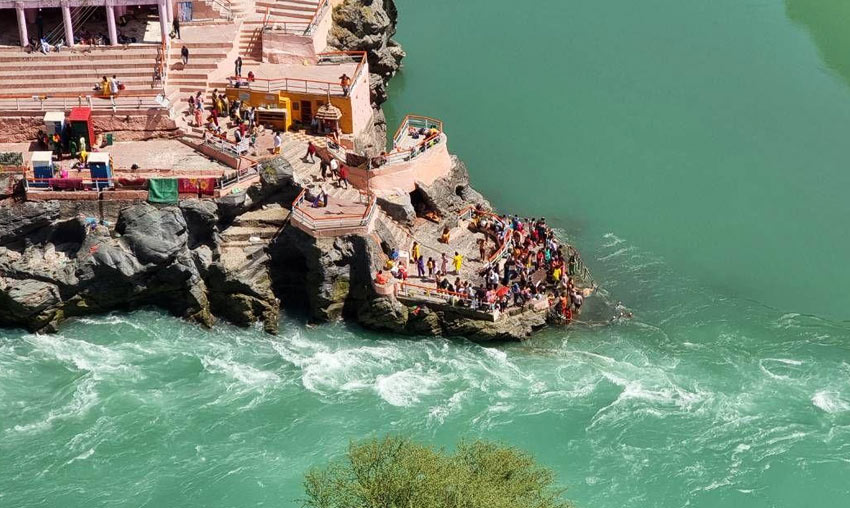
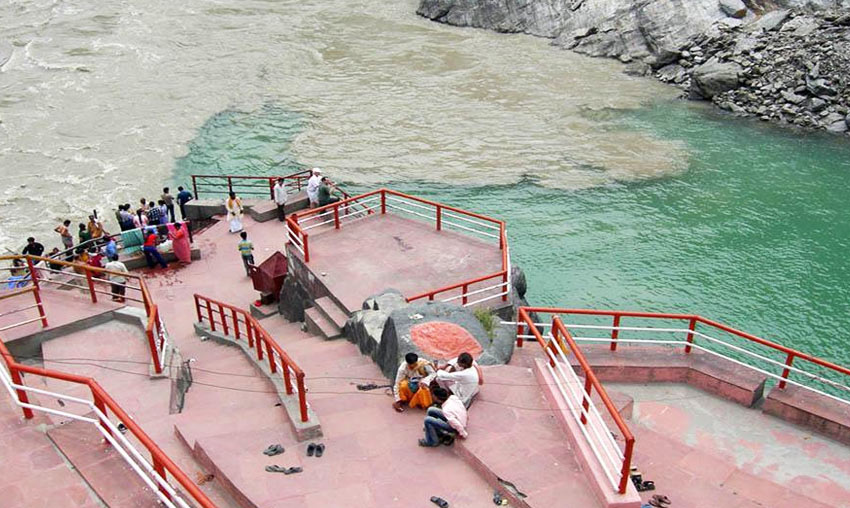
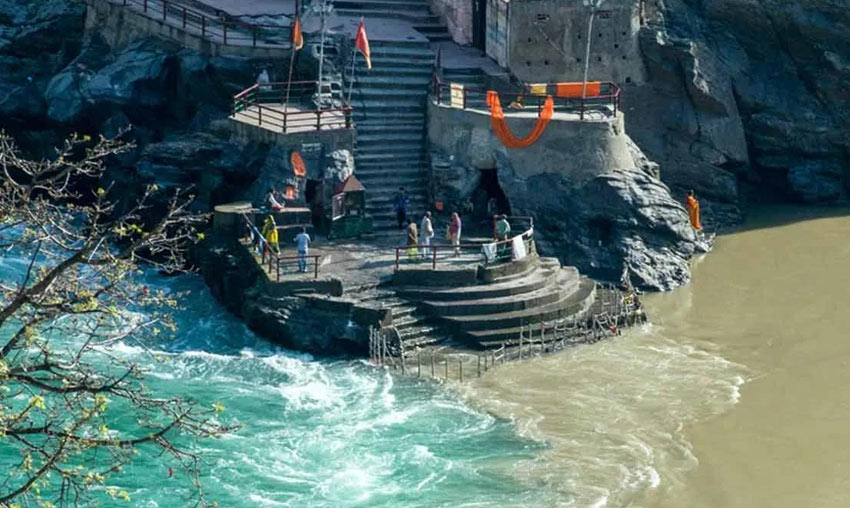
Devprayag Sangam is the sacred meeting point of the Alaknanda and Bhagirathi rivers, where their combined flow takes the name Ganga. It is one of the most important pilgrimage attractions in Uttarakhand.
Explore Devprayag Sangam to learn about its religious significance and natural beauty.
2. Raghunathji Temple
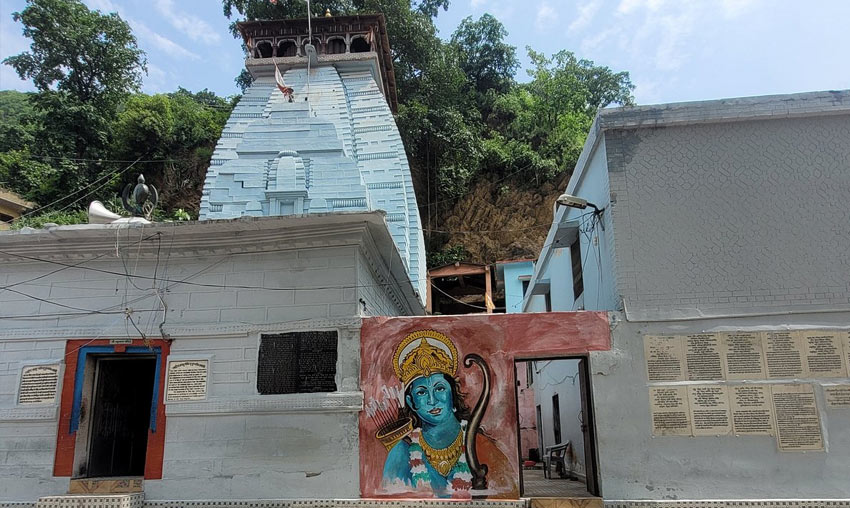
Raghunathji Temple is an ancient shrine dedicated to Lord Rama and one of the most important religious landmarks in Devprayag. It is known for its historical heritage, traditional stone architecture, and association with Hindu mythology.
Discover the history of Raghunathji Temple.
3. Dashrathshila
Dashrathshila is a sacred site associated with King Dasharatha, the father of Lord Rama. According to local religious traditions, King Dasharatha performed penance in this region near the Shanta stream.
Read more about Dashrathshila.
4. Sacred Kunds of Devprayag
Devprayag is home to several sacred water bodies associated with Hindu religious traditions. Brahm Kund, Vashisht Kund, and Suryakund are important religious sites near the river confluence.
Explore the Sacred Kunds of Devprayag.
5. Teen Dhara
Teen Dhara is a popular roadside stop located along the Rishikesh-Badrinath highway, near Devprayag. It is known for its natural springs and roadside eateries, making it a convenient resting point for travellers.
Discover more about Teen Dhara.
Travel Tips for Visiting Nakshatra Vedh Shala
- Confirm access and visiting arrangements with the observatory before starting your journey.
- Wear comfortable shoes for the uphill walk to Dashrathanchal Hill.
- Carry warm clothing, particularly if visiting during winter or evening hours.
- Ask for permission before photographing manuscripts and historical instruments.
- Avoid handling delicate equipment without the caretaker’s approval.
- Check local weather and road conditions during the monsoon season.
- Allow sufficient time to explore the collection and learn about the observatory’s history.
- Maintain cleanliness and respect the peaceful environment of the institution.
Frequently Asked Questions About Nakshatra Vedh Shala Observatory
1. Where is Nakshatra Vedh Shala Observatory located?
Nakshatra Vedh Shala Observatory is located on Dashrathanchal Hill in Devprayag, Tehri Garhwal district, Uttarakhand. It is situated above the sacred confluence of the Alaknanda and Bhagirathi rivers.
2. Who established Nakshatra Vedh Shala?
Nakshatra Vedh Shala was established in 1946 by Acharya Pandit Chakradhar Joshi, a scholar known for his knowledge of traditional Indian astronomy and astrology.
3. Why is Nakshatra Vedh Shala famous?
The observatory is famous for its historical telescopes, traditional astronomical instruments, rare manuscripts, and its contribution to preserving India’s traditional astronomical knowledge.
4. What can visitors see at Nakshatra Vedh Shala?
Visitors may explore historical telescopes, traditional instruments such as Surya Ghati and Dhruv Ghati, rare manuscripts, old books, and other materials related to astronomy and Jyotisha, subject to access permission.
5. What is the history of Nakshatra Vedh Shala?
The observatory was established in 1946 by Pandit Chakradhar Joshi on Dashrathanchal Hill in Devprayag. It developed as a centre for preserving astronomical instruments, historical manuscripts, and traditional Indian knowledge.
6. Is Nakshatra Vedh Shala open to tourists?
Visitors may be able to visit the observatory with appropriate access arrangements. Since it is a family-maintained institution, it is advisable to contact the caretakers and confirm permission and visiting hours before travelling.
7. Can visitors use the telescopes at Nakshatra Vedh Shala?
The observatory preserves historical telescopes for astronomical observations. Telescope viewing may depend on the caretaker’s availability, weather, and prior arrangements. Visitors should confirm this before their visit.
8. How far is Nakshatra Vedh Shala from Rishikesh?
Devprayag is approximately 71–74 kilometres from Rishikesh by road. Visitors need to continue towards Dashrathanchal Hill and follow the local uphill approach to reach the observatory.
9. What is the best time to visit Nakshatra Vedh Shala?
March to May and mid-September to December are generally suitable periods for exploring Devprayag and its attractions. Visitors interested in night-sky observations should confirm suitable dates and arrangements with the observatory.
10. How much time is required to explore Nakshatra Vedh Shala?
Visitors should allow approximately 45 minutes to one hour or more, depending on access, the available collections, and the time required for explanations by the caretakers.
Discover the Astronomical Heritage of Nakshatra Vedh Shala
Nakshatra Vedh Shala Observatory is a distinctive destination that offers a fascinating glimpse into India’s traditional astronomical heritage. Established by Acharya Pandit Chakradhar Joshi in 1946, the institution preserves historical telescopes, traditional astronomical instruments, rare manuscripts, and valuable records of scientific knowledge.
Whether you are interested in astronomy, history, traditional Indian knowledge, or cultural heritage, Nakshatra Vedh Shala offers an educational experience in the beautiful surroundings of the Garhwal Himalayas.
Plan your visit to this remarkable observatory and explore more historical, religious, and natural attractions through our complete Devprayag Tourism Guide.
Nearby Places to Visit