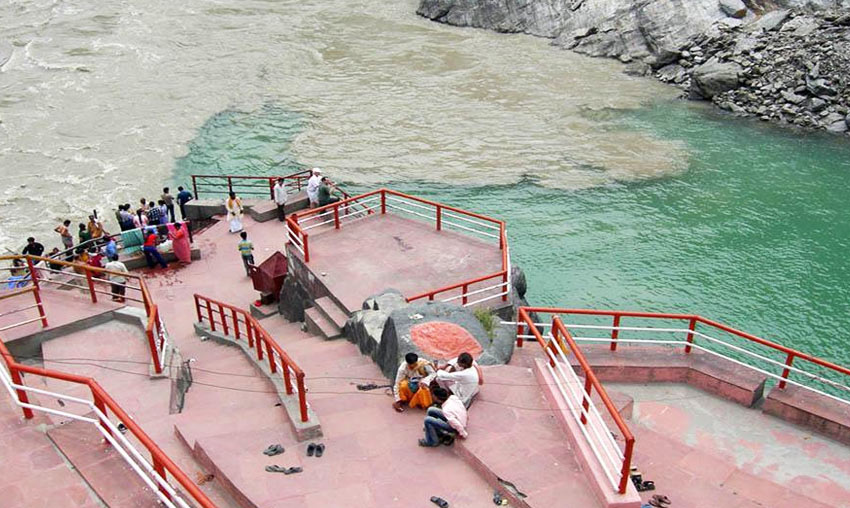
Dashrathshila, Devprayag – History, Mythology & Religious Significance
Dashrathshila is an ancient religious attraction located in Devprayag, in the Tehri Garhwal district of Uttarakhand. Situated on Dasharathachal Peak near the sacred Shanta stream, this site holds great importance in Hindu mythology. It is traditionally believed to be the place where King Dasharatha, the father of Lord Rama, performed penance and meditation.
Surrounded by the beautiful Himalayan landscape, Dashrathshila offers visitors a combination of spiritual significance, mythological heritage, and natural beauty. The sacred rock associated with King Dasharatha and the nearby Shanta stream make it an interesting destination for pilgrims and travellers exploring the religious landmarks of Garhwal.
Dashrathshila is one of the notable attractions included in our Devprayag Tourism Guide. Visitors can also explore nearby religious landmarks such as Raghunathji Temple and the famous Devprayag Sangam during their visit.
Religious Significance of Dashrathshila
Dashrathshila holds an important place in the religious traditions and mythology of Devprayag. The site is associated with King Dasharatha, who was the father of Lord Rama and an important character in the Hindu epic Ramayana.
According to local Hindu traditions, King Dasharatha performed penance at this sacred location. The rock known as Dashrathshila is traditionally believed to mark the place where he meditated and undertook spiritual practices.
The site is situated near the Shanta stream, which flows down from Dasharathachal Peak. The stream is traditionally associated with Shanta, the daughter of King Dasharatha, and is considered sacred by local devotees.
Because of these mythological associations, Dashrathshila attracts devotees who wish to explore places connected with the Ramayana and the religious history of Uttarakhand.
History and Mythology of Dashrathshila
The religious identity of Dashrathshila is closely connected with the legends of King Dasharatha and his family. In Hindu mythology, King Dasharatha was the ruler of Ayodhya and the father of Lord Rama, Bharata, Lakshmana, and Shatrughna.
According to local traditions, King Dasharatha visited the Devprayag region and performed penance on the hill now known as Dasharathachal. The sacred rock associated with this legend came to be known as Dashrathshila.
The nearby Shanta stream is another important part of this religious heritage. It is traditionally named after Shanta, who is described in Hindu traditions as the daughter of King Dasharatha.
These stories have contributed to the spiritual importance of the site and its association with the Ramayana. Although the legends are rooted in religious tradition, they continue to be an important part of the cultural identity of Devprayag.
Dasharathachal Peak and the Sacred Shanta Stream
Dashrathshila is associated with Dasharathachal Peak, a hill overlooking the sacred town of Devprayag. The peak holds religious importance because of its connection with the traditional account of King Dasharatha’s penance.
A small stream known as Shanta flows down from the Dasharathachal area. According to local belief, it is named after Shanta, the daughter of King Dasharatha.
The stream is regarded as sacred and forms an important part of the religious landscape surrounding Dashrathshila. The natural surroundings, flowing water, and mountain setting create a peaceful atmosphere for visitors.
The combination of the sacred rock, hilltop setting, and Shanta stream makes this location distinctive among the religious attractions of Devprayag.
What to See at Dashrathshila
Dashrathshila offers a peaceful sightseeing experience for visitors interested in Hindu mythology, religious heritage, and the natural beauty of the Garhwal Himalayas.
1. Sacred Rock of King Dasharatha
The main attraction is the sacred rock known as Dashrathshila. According to local tradition, this is the place where King Dasharatha performed penance. The rock holds religious importance among devotees and is the central focus of the site’s mythological identity.
2. Dasharathachal Peak
Dasharathachal Peak is the hill associated with the legend of King Dasharatha. Its natural setting and religious heritage make it an interesting location for visitors exploring the spiritual landmarks of Devprayag.
3. Shanta Stream
The Shanta stream flows down from the Dasharathachal region and is traditionally associated with Shanta, the daughter of King Dasharatha. The stream is considered sacred and adds to the religious significance of the surrounding landscape.
4. Natural Surroundings
The area around Dashrathshila offers views of the surrounding hills, natural vegetation, and the scenic landscape of Devprayag. Visitors can enjoy the peaceful environment while exploring this religious attraction.
Things to Do at Dashrathshila
Dashrathshila is primarily a religious and heritage destination. Visitors can enjoy several experiences while exploring the site and its surroundings.
- Explore the Sacred Rock: Visit the rock traditionally associated with King Dasharatha’s penance.
- Learn About Hindu Mythology: Discover the stories connecting Dasharatha, Shanta, and the Ramayana with Devprayag.
- Explore Dasharathachal Peak: Experience the natural surroundings of the hill associated with the sacred site.
- Visit the Shanta Stream: Explore the small sacred stream flowing from the Dasharathachal region.
- Enjoy Nature Photography: Capture the surrounding Himalayan landscape and natural scenery.
- Explore Nearby Temples: Combine your visit with Raghunathji Temple and other religious landmarks of Devprayag.
Best Time to Visit Dashrathshila
Dashrathshila can be visited throughout the year, but March to May and mid-September to December are generally suitable periods for exploring Devprayag and its surrounding attractions.
Summer Season (March to June)
Summer is a comfortable time for visiting Dashrathshila. The weather is generally pleasant, making it suitable for sightseeing, exploring the surrounding landscape, and visiting nearby religious sites.
Monsoon Season (July to September)
During the monsoon season, the region receives rainfall, which may affect road conditions and access to hilly areas. Visitors should check local weather forecasts and travel advisories before planning a visit. Extra care is recommended around streams and slippery paths.
Winter Season (October to February)
Winter offers a peaceful atmosphere for exploring Dashrathshila. Temperatures can become quite cold, especially in December and January, so visitors should carry suitable warm clothing.
How to Reach Dashrathshila
Dashrathshila is located in the Devprayag region of Tehri Garhwal district, Uttarakhand. The site is situated on Dasharathachal Peak and can be reached from Devprayag through the local road network and approach paths.
By Air
The nearest airport is Jolly Grant Airport in Dehradun, approximately 90 kilometres from Devprayag. From the airport, visitors can hire a taxi or arrange private transportation to reach Devprayag and continue towards Dashrathshila.
By Train
The nearest railway station is Rishikesh Railway Station, approximately 71 kilometres from Devprayag. From Rishikesh, visitors can travel by taxi, bus, or private vehicle to reach Devprayag.
By Road
Devprayag is connected by road with Rishikesh, Haridwar, and Dehradun. Visitors can reach the town using buses, taxis, or private vehicles. From Devprayag, local directions and guidance can help visitors locate Dashrathshila and its approach route.
Distance to Dashrathshila from Major Cities
- Rishikesh to Dashrathshila: Approximately 71–74 km to Devprayag.
- Haridwar to Dashrathshila: Approximately 95–100 km to Devprayag.
- Dehradun to Dashrathshila: Approximately 110–120 km to Devprayag.
- Srinagar Garhwal to Dashrathshila: Approximately 37 km to Devprayag.
- New Tehri to Dashrathshila: Approximately 50–60 km to Devprayag.
Note: These are approximate road distances to Devprayag town. The final approach to Dashrathshila may involve additional local travel and walking. Actual distances depend on the selected route.
Places to Visit Near Dashrathshila
Visitors can explore several religious, historical, and scenic attractions near Dashrathshila. These destinations provide an opportunity to discover the spiritual heritage and natural beauty of Devprayag.
1. Raghunathji Temple
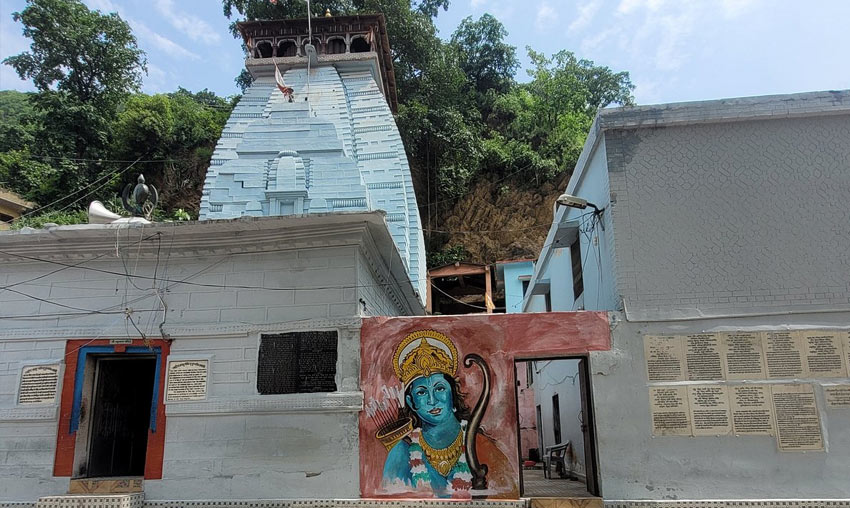
Raghunathji Temple is an ancient shrine dedicated to Lord Rama and one of the most important religious landmarks in Devprayag. It is traditionally associated with the legend of Lord Rama performing penance after defeating Ravana.
Explore the history and religious importance of Raghunathji Temple.
2. Devprayag Sangam
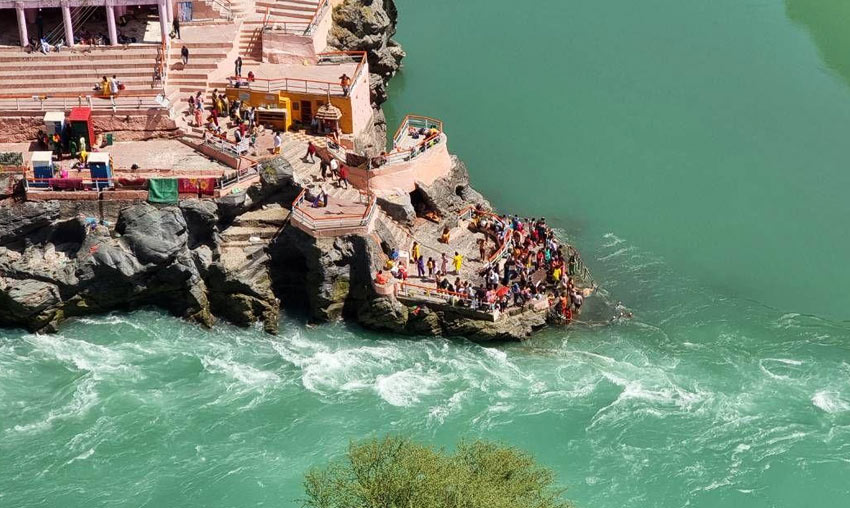
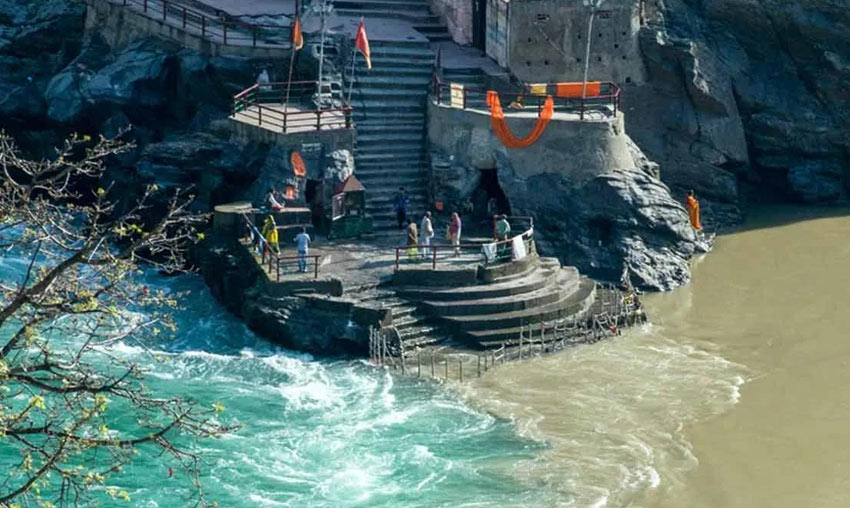
Devprayag Sangam is the sacred meeting point of the Alaknanda and Bhagirathi rivers. Their combined flow takes the name Ganga, making this one of the most important pilgrimage destinations in Uttarakhand.
Discover the beauty and religious significance of Devprayag Sangam.
3. Nakshatra Vedh Shala Observatory
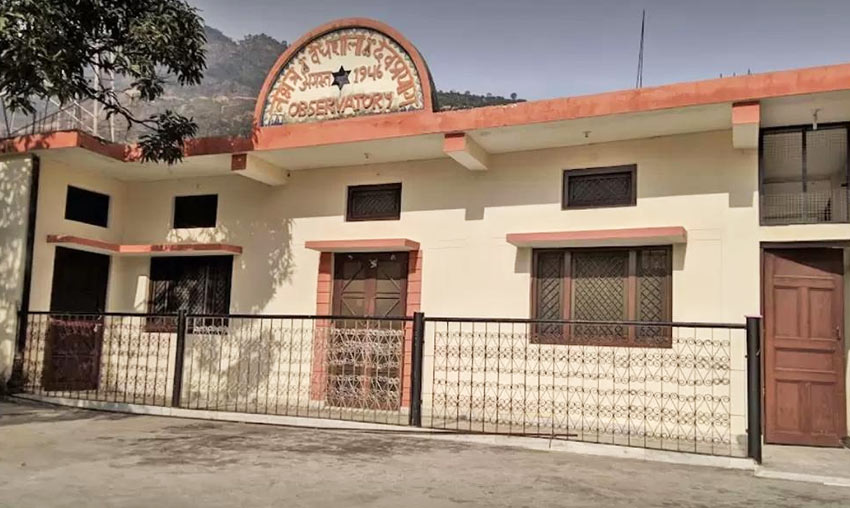
Nakshatra Vedh Shala is a historic astronomical observatory established in 1946 by Pandit Chakradhar Joshi. It houses astronomical instruments, telescopes, and historical manuscripts related to traditional Indian astronomy.
Read more about Nakshatra Vedh Shala Observatory.
4. Sacred Kunds of Devprayag
Devprayag is home to several sacred kunds associated with Hindu religious traditions. Brahm Kund, Vashisht Kund, and Suryakund are among the important sacred water bodies near the river confluence.
Explore the Sacred Kunds of Devprayag.
5. Chandrabadani Temple
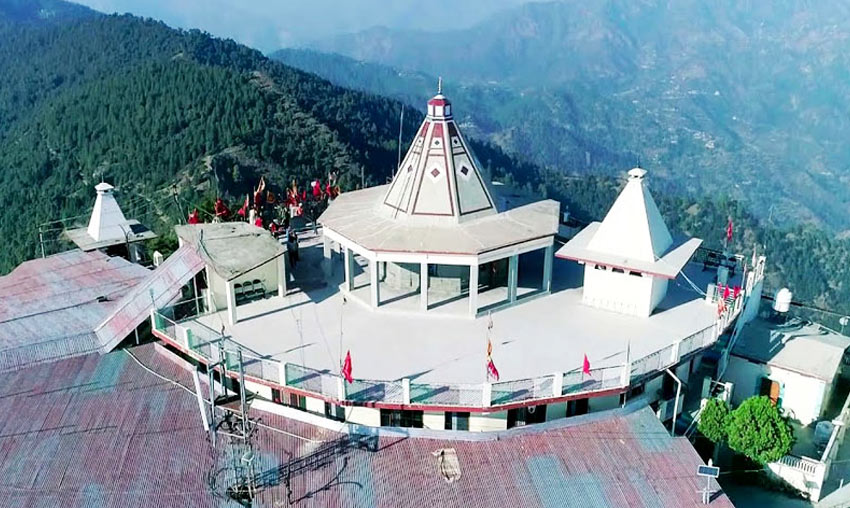
Chandrabadani Temple is a famous hilltop shrine dedicated to Goddess Sati. Located on Chandrakoot Mountain, it is known for its religious importance and panoramic views of the Garhwal Himalayan landscape.
Plan a visit to Chandrabadani Temple.
Travel Tips for Visiting Dashrathshila
- Wear comfortable walking shoes while exploring the hill and surrounding pathways.
- Be careful around the Shanta stream, especially during the monsoon season.
- Carry water and essential items during your visit.
- Check local road and weather conditions before travelling.
- Respect the religious traditions and maintain cleanliness around the sacred site.
- Carry warm clothing during the winter months.
- Ask local residents for directions to the sacred rock and the appropriate access route.
- Allow additional time for exploring nearby attractions in Devprayag.
Frequently Asked Questions About Dashrathshila
1. Where is Dashrathshila located?
Dashrathshila is located on Dasharathachal Peak in Devprayag, Tehri Garhwal district, Uttarakhand. It is situated near the sacred Shanta stream.
2. Why is Dashrathshila famous?
Dashrathshila is famous for its association with King Dasharatha, the father of Lord Rama. According to Hindu mythology and local traditions, King Dasharatha performed penance at this sacred location.
3. Who was King Dasharatha?
King Dasharatha was the ruler of Ayodhya and the father of Lord Rama, Bharata, Lakshmana, and Shatrughna in the Hindu epic Ramayana.
4. What is the Shanta stream near Dashrathshila?
The Shanta stream is a small stream flowing down from the Dasharathachal region. It is traditionally named after Shanta, the daughter of King Dasharatha, and is considered sacred.
5. What is Dasharathachal Peak?
Dasharathachal Peak is a hill in the Devprayag region associated with the religious legend of King Dasharatha’s penance. The sacred rock known as Dashrathshila is located on this hill.
6. What is the best time to visit Dashrathshila?
March to May and mid-September to December are generally suitable periods for visiting Dashrathshila and exploring the surrounding attractions.
7. How far is Dashrathshila from Rishikesh?
Devprayag is approximately 71–74 kilometres from Rishikesh by road. Visitors need to continue from Devprayag towards the local approach to Dashrathshila.
8. How much time is required to explore Dashrathshila?
Around 30 to 60 minutes may be sufficient for a basic visit, depending on the walking route, access conditions, and time spent exploring the surroundings.
9. Can Dashrathshila be visited along with Devprayag Sangam?
Yes. Visitors can include Dashrathshila and Devprayag Sangam in the same sightseeing itinerary, along with Raghunathji Temple and other attractions in Devprayag.
Explore the Mythological Heritage of Dashrathshila
Dashrathshila is a unique religious destination that connects the spiritual heritage of Devprayag with the ancient stories of the Ramayana. Its association with King Dasharatha, the sacred Shanta stream, and the surrounding Dasharathachal landscape make it an interesting place for pilgrims and travellers.
Whether you are interested in Hindu mythology, religious heritage, or exploring the scenic Himalayan region, Dashrathshila offers a peaceful experience away from the busy tourist destinations.
Plan your visit to Dashrathshila and discover more sacred attractions through our complete Devprayag Travel Guide.
Nearby Places to Visit