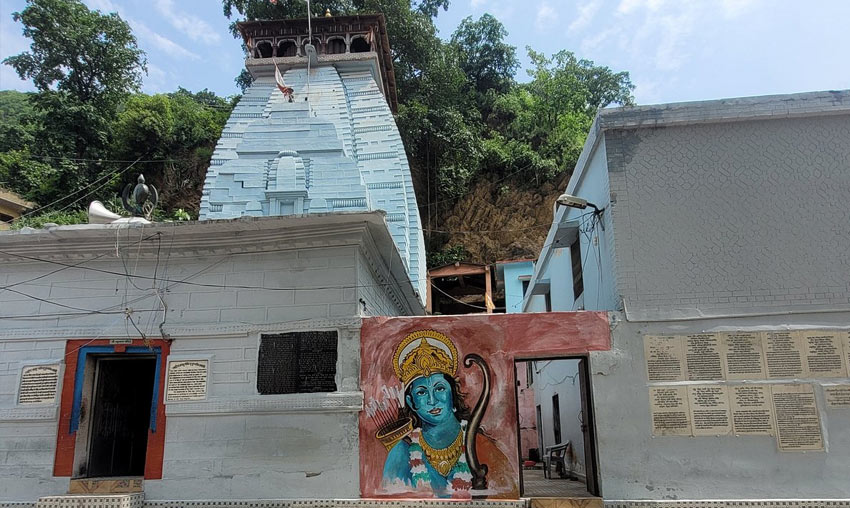
Raghunathji Temple, Devprayag – History, Religious Significance & Travel Guide
Raghunathji Temple is one of the most important religious landmarks in Devprayag, a sacred pilgrimage town in the Tehri Garhwal district of Uttarakhand. Dedicated to Lord Rama, an incarnation of Lord Vishnu, this ancient temple holds immense religious, historical, and cultural significance. Situated above the sacred confluence of the Alaknanda and Bhagirathi rivers, the temple offers a peaceful spiritual atmosphere along with beautiful views of the surrounding Himalayan landscape.
Believed to be more than a thousand years old, Raghunathji Temple is traditionally associated with the legends of Lord Rama and his penance after defeating Ravana. Built using massive stone blocks, the temple reflects the traditional architectural heritage of the Garhwal region. Its religious importance makes it an essential destination for pilgrims and travellers exploring the sacred town of Devprayag.
Whether you are a devotee of Lord Rama, a history enthusiast, or a traveller discovering the spiritual destinations of Uttarakhand, Raghunathji Temple offers a memorable experience. It is one of the major attractions covered in our Devprayag Travel Guide and is located close to the famous Devprayag Sangam, where the holy River Ganga begins.
Religious Significance of Raghunathji Temple
Raghunathji Temple is dedicated to Lord Rama, who is worshipped here as Raghunathji. According to Hindu mythology, Lord Rama performed penance at this sacred location to seek absolution for the sin associated with killing Ravana, who was a Brahmin by birth.
The temple is therefore closely connected with the Ramayana and the religious traditions of Lord Rama. Devotees visit the shrine to seek blessings, offer prayers, and experience the spiritual atmosphere of this ancient pilgrimage centre.
Raghunathji Temple also holds an important place in the religious heritage of Devprayag. The town is one of the five sacred Panch Prayag of Uttarakhand, where the Alaknanda and Bhagirathi rivers meet to form the Ganga. The presence of this ancient temple near the sacred confluence adds to the spiritual importance of the destination.
The temple is also associated with the Vaishnava tradition and is traditionally regarded as one of the important Divya Desam shrines dedicated to Lord Vishnu, worshipped here in the form of Raghunathji.
History of Raghunathji Temple
Raghunathji Temple is considered one of the oldest and most significant temples in the Garhwal region. Local traditions and historical accounts associate the temple with a very ancient religious heritage. Its origins are traditionally linked to Adi Shankaracharya, who is believed to have established or revived the shrine during his travels through the Himalayan region.
The temple has witnessed several historical changes over the centuries. One of the major events in its history was the devastating earthquake of 1803, which caused considerable damage to the temple and other structures in Devprayag.
According to the historical account published by the Tehri Garhwal district administration, the temple was subsequently repaired with the support of Daulat Rao Scindia. These restoration efforts helped preserve the shrine as an important centre of worship and pilgrimage.
Today, Raghunathji Temple continues to attract devotees from different parts of India, particularly during religious festivals and pilgrimage seasons.
Architecture of Raghunathji Temple
Raghunathji Temple is known for its distinctive traditional stone architecture. The structure is built using massive stone blocks placed together to create a strong and impressive religious monument.
The temple stands on an elevated terrace in the upper part of Devprayag, overlooking the sacred river confluence. Its distinctive pyramidal form, topped with a white cupola and golden finial, gives it a prominent appearance against the surrounding mountain landscape.
The architectural features reflect the traditional temple-building practices of the Himalayan region. The use of heavy stone construction and the elevated setting give the shrine a remarkable historical character.
Inside the temple, the principal deity is worshipped as Raghunathji, representing Lord Rama. The temple complex and its surrounding shrines reflect the religious traditions and spiritual heritage of Devprayag.
Mythological Story Associated with Raghunathji Temple
One of the most popular legends associated with Raghunathji Temple relates to Lord Rama’s return to Ayodhya after defeating Ravana in the Ramayana.
According to Hindu mythology, Ravana was a Brahmin by birth and a great scholar. Although Lord Rama defeated him to restore dharma, the act of killing Ravana was associated with the religious concept of Brahmahatya. To seek purification, Lord Rama is believed to have performed penance at Devprayag.
This legend is an important part of the temple’s religious identity and continues to inspire devotees who visit the shrine.
The surrounding region also has several places connected with the legends of King Dasharatha and the Ramayana. One such attraction is Dashrathshila, which is traditionally associated with the penance of King Dasharatha.
What to See at Raghunathji Temple
Visitors to Raghunathji Temple can explore its ancient architecture, religious shrines, and scenic surroundings. The temple’s elevated location also provides beautiful views of Devprayag and its surrounding Himalayan landscape.
1. Main Shrine of Lord Raghunathji
The main attraction of the temple is the sacred shrine dedicated to Lord Rama in his form as Raghunathji. Devotees visit the sanctum to offer prayers and seek blessings from the deity.
2. Traditional Stone Architecture
The temple’s massive stone construction and distinctive architectural form make it an interesting attraction for visitors interested in historical monuments and traditional Himalayan temple architecture.
3. Elevated Temple Location
The temple is situated above the river confluence, offering beautiful views of the surrounding hills and the traditional settlements of Devprayag. Visitors can enjoy the peaceful atmosphere and observe the natural beauty of the region.
4. Spiritual Atmosphere
The temple provides an opportunity to experience traditional Hindu worship and religious practices. The sound of prayers, devotional activities, and the peaceful surroundings create a spiritual environment for visitors.
Things to Do at Raghunathji Temple
A visit to Raghunathji Temple can be combined with religious activities and sightseeing around Devprayag. Some of the experiences visitors can enjoy include:
- Offer Prayers to Lord Rama: Visit the main shrine and seek blessings from Raghunathji.
- Explore Ancient Architecture: Observe the massive stone structure and traditional Himalayan architectural features.
- Learn About Mythology: Discover the stories associated with Lord Rama and the religious history of Devprayag.
- Enjoy Scenic Views: Admire the surrounding mountains, river valleys, and traditional townscape.
- Visit Nearby Religious Sites: Explore the sacred river confluence and other temples around Devprayag.
- Experience Local Traditions: Observe the religious customs and cultural heritage of this important pilgrimage town.
Best Time to Visit Raghunathji Temple
Raghunathji Temple can be visited throughout the year. However, March to May and mid-September to December are generally suitable periods for temple visits and sightseeing in Devprayag.
Summer Season (March to June)
Summer is a comfortable period for visiting the temple and exploring nearby attractions. The weather is generally pleasant compared to the hotter plains, making it suitable for pilgrimage and sightseeing.
Monsoon Season (July to September)
During the monsoon, Devprayag receives rainfall, and road conditions may become challenging due to landslides or heavy rain. Visitors should check weather forecasts and local travel advisories before planning their journey.
Winter Season (October to February)
Winter offers a peaceful atmosphere for visiting Raghunathji Temple. However, temperatures can drop considerably, especially during December and January. Visitors should carry warm clothing while exploring the temple and surrounding areas.
Festivals Celebrated at Raghunathji Temple
Religious festivals and Hindu celebrations are important parts of the cultural life of Devprayag. Raghunathji Temple attracts devotees during special occasions associated with Lord Rama and other Hindu religious traditions.
Ram Navami
Ram Navami celebrates the birth of Lord Rama and is an important occasion for devotees of Raghunathji. Special prayers, devotional activities, and religious observances are associated with this festival.
Diwali
Diwali celebrates the return of Lord Rama to Ayodhya after his victory over Ravana. The festival holds special significance at temples dedicated to Lord Rama, including Raghunathji Temple.
Vijayadashami
Vijayadashami commemorates the victory of good over evil and the defeat of Ravana by Lord Rama. It is an important festival in the Ramayana tradition and is celebrated across India with religious enthusiasm.
How to Reach Raghunathji Temple
Raghunathji Temple is located in Devprayag town in the Tehri Garhwal district of Uttarakhand. The temple can be reached by road from Rishikesh, Haridwar, and Dehradun. Visitors travelling to the temple generally reach Devprayag first and then proceed towards the shrine through the local town roads and pathways.
By Air
The nearest airport is Jolly Grant Airport in Dehradun, approximately 90 kilometres from Devprayag. From the airport, visitors can hire a taxi or arrange private transportation to reach the town.
By Train
The nearest railway station is Rishikesh Railway Station, approximately 71 kilometres from Devprayag. Visitors can continue their journey by taxi, bus, or other local transportation options.
By Road
Devprayag is connected by road with Rishikesh, Haridwar, and Dehradun. Regular buses, taxis, and private vehicles are available for reaching the town. After arriving in Devprayag, visitors can follow the local approach roads and pedestrian routes to reach Raghunathji Temple.
Distance to Raghunathji Temple from Major Cities
- Rishikesh to Raghunathji Temple: Approximately 71–74 km.
- Haridwar to Raghunathji Temple: Approximately 95–100 km.
- Dehradun to Raghunathji Temple: Approximately 110–120 km.
- Srinagar Garhwal to Raghunathji Temple: Approximately 37 km.
- New Tehri to Raghunathji Temple: Approximately 50–60 km.
Note: Distances are approximate and may vary depending on the selected route and local road conditions.
Places to Visit Near Raghunathji Temple
Visitors can explore several important religious and scenic attractions near Raghunathji Temple. These places offer an opportunity to discover the spiritual heritage, mythology, and natural beauty of Devprayag.
1. Devprayag Sangam
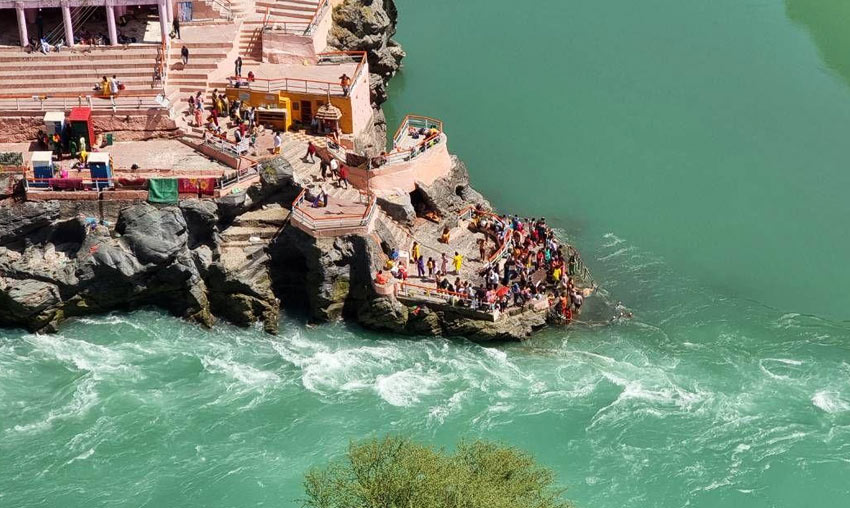
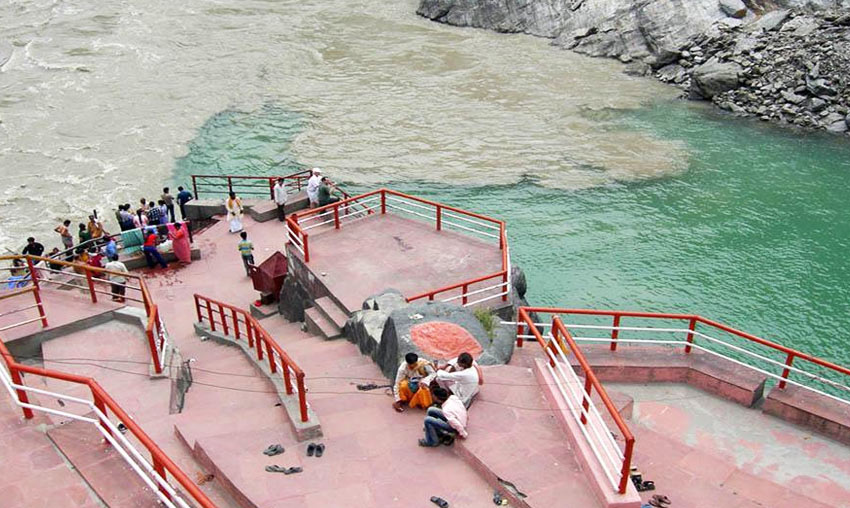
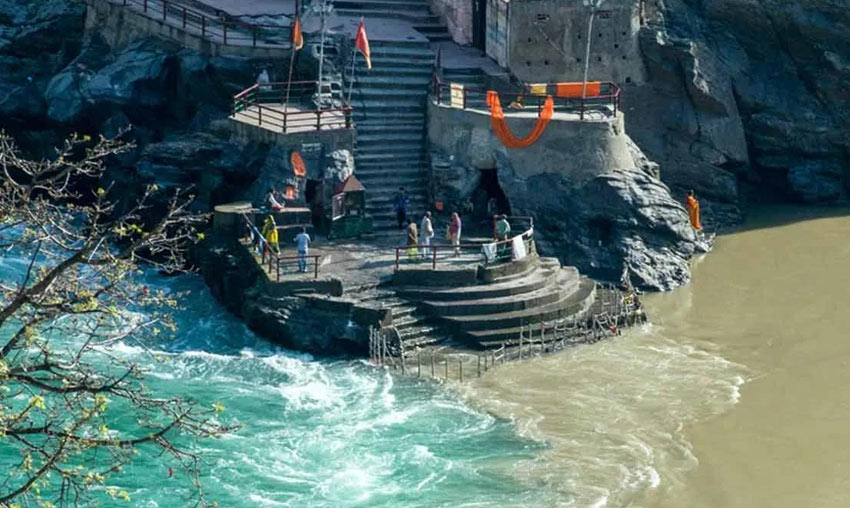
Devprayag Sangam is the sacred meeting point of the Alaknanda and Bhagirathi rivers, where the combined river takes the name Ganga. It is one of the most important pilgrimage attractions in Uttarakhand and is located close to Raghunathji Temple.
Explore the Devprayag Sangam to discover its religious importance, river confluence, and scenic surroundings.
2. Dashrathshila
Dashrathshila is an important religious attraction associated with King Dasharatha, the father of Lord Rama. According to local traditions, the site is connected with his penance in the Devprayag region.
Learn more about Dashrathshila and its mythological significance.
3. Nakshatra Vedh Shala Observatory
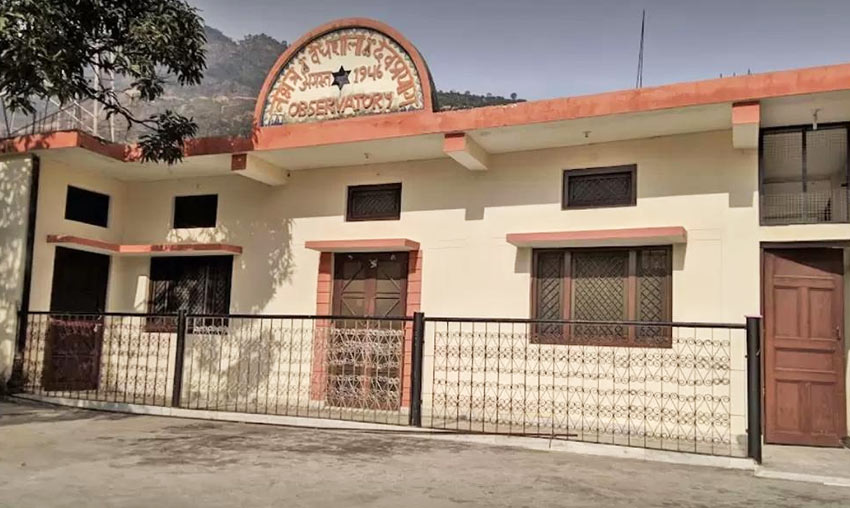
Nakshatra Vedh Shala is a historic astronomical observatory established by Pandit Chakradhar Joshi in 1946. It is known for its collection of astronomical instruments, telescopes, and historical manuscripts.
Discover the scientific heritage of Devprayag at Nakshatra Vedh Shala Observatory.
4. Sacred Kunds of Devprayag
Devprayag has several sacred water bodies associated with Hindu religious traditions. Brahm Kund, Vashisht Kund, and Suryakund are among the important pilgrimage spots near the river confluence.
Explore the Sacred Kunds of Devprayag to learn about their religious importance.
Travel Tips for Visiting Raghunathji Temple
- Wear comfortable clothing and footwear while exploring the temple and surrounding pathways.
- Respect the religious customs and traditions followed inside the temple.
- Check locally for current temple opening hours and special darshan arrangements before travelling.
- Maintain cleanliness and avoid littering in the temple premises.
- Carry warm clothes during winter, particularly in the early morning and evening.
- Check road and weather conditions during the monsoon season.
- Allow sufficient time to explore the nearby Sangam and other attractions.
- Follow any photography restrictions or instructions issued by temple authorities.
Frequently Asked Questions About Raghunathji Temple
1. Where is Raghunathji Temple located?
Raghunathji Temple is located in Devprayag town in the Tehri Garhwal district of Uttarakhand. It stands above the sacred confluence of the Alaknanda and Bhagirathi rivers.
2. Which deity is worshipped at Raghunathji Temple?
Lord Rama is worshipped at Raghunathji Temple in his form as Raghunathji. He is revered as an incarnation of Lord Vishnu.
3. Why is Raghunathji Temple famous?
Raghunathji Temple is famous for its ancient religious heritage, association with Lord Rama, traditional stone architecture, and location near the sacred Devprayag Sangam.
4. What is the history of Raghunathji Temple?
The temple is traditionally believed to be more than a thousand years old and is associated with the religious traditions of Adi Shankaracharya. It suffered damage during the 1803 earthquake and was subsequently repaired.
5. What is the mythological significance of Raghunathji Temple?
According to Hindu mythology, Lord Rama performed penance at this location to seek absolution after defeating Ravana. This legend is an important part of the temple’s religious identity.
6. What is the best time to visit Raghunathji Temple?
March to May and mid-September to December are generally suitable periods for visiting Raghunathji Temple and exploring Devprayag.
7. How far is Raghunathji Temple from Rishikesh?
Raghunathji Temple is approximately 71–74 kilometres from Rishikesh by road. The journey usually takes around two to three hours depending on traffic and road conditions.
8. How much time is required to visit Raghunathji Temple?
Most visitors can explore the temple in approximately 30 to 60 minutes, depending on darshan arrangements, religious activities, and sightseeing preferences.
9. Is there an entry fee for Raghunathji Temple?
Raghunathji Temple is a religious shrine and generally does not require an entry ticket for darshan. Visitors should confirm any specific local arrangements before their visit.
Explore the Spiritual Heritage of Raghunathji Temple
Raghunathji Temple is a remarkable symbol of the religious and cultural heritage of Devprayag. Its association with Lord Rama, ancient stone architecture, and beautiful location above the sacred river confluence make it one of the most significant pilgrimage destinations in Uttarakhand.
Whether you are visiting for religious purposes, exploring the history of the Garhwal Himalayas, or discovering the sacred places associated with the Ramayana, Raghunathji Temple offers a meaningful travel experience.
Plan your visit to this ancient shrine and explore more religious and scenic attractions through our complete Devprayag Tourism Guide.
Nearby Places to Visit