Vyas Gaddi Naimisharanya – History, Religious Significance, Timings & Travel Guide
Vyas Gaddi Naimisharanya is one of the most important religious and spiritual attractions in Naimisharanya, Sitapur district, Uttar Pradesh. Dedicated to Maharishi Ved Vyasa, the great sage traditionally associated with the compilation of the Vedas and the composition of the Mahabharata and Puranas, this sacred site holds a special place in Hindu religious traditions. Also known as Ved Vyas Ashram, Vyas Gaddi is a popular pilgrimage destination for devotees, spiritual seekers and travellers interested in India’s ancient history.
Situated near the Manu-Shatrupa Temple and approximately one kilometre south of the famous Chakra Tirth, Vyas Gaddi is particularly known for its ancient banyan tree and a small shrine dedicated to Maharishi Ved Vyasa. According to local religious traditions, the sage sat beneath this sacred tree and shared knowledge of Hindu scriptures with his disciples.
The peaceful surroundings, religious atmosphere and association with ancient Hindu literature make Vyas Gaddi an important stop during a Naimisharanya pilgrimage. Whether you are exploring the history of Maharishi Ved Vyasa, visiting ancient ashrams or discovering the best religious places in Sitapur, Vyas Gaddi offers a meaningful spiritual experience.
Where is Vyas Gaddi Located?
Vyas Gaddi is located in Naimisharanya, also known as Neemsar or Nimsar, in Sitapur district of Uttar Pradesh, India. The sacred site is situated near the Manu-Shatrupa Temple and is approximately one kilometre south of Chakra Tirth.
Its location makes it convenient for visitors to explore several important pilgrimage destinations in the region. Travellers can combine their visit to Vyas Gaddi with nearby attractions such as Chakra Tirth, Lalita Devi Temple, Soot Gaddi and Manu-Shatrupa Tapasthali.
Naimisharanya is situated approximately 94 kilometres from Lucknow according to the Sitapur district administration. The town is well connected by road to Lucknow, Sitapur and other nearby destinations in Uttar Pradesh.
History of Vyas Gaddi Naimisharanya
The history of Vyas Gaddi is closely associated with Maharishi Ved Vyasa, one of the most respected sages in Hindu tradition. Also known as Krishna Dvaipayana Vyasa, Maharishi Ved Vyasa is traditionally credited with organising the Vedas into four divisions and composing or compiling several important Hindu scriptures.
According to local religious beliefs, Naimisharanya was an important centre of spiritual learning where Maharishi Ved Vyasa stayed, meditated and shared sacred knowledge with his disciples. Vyas Gaddi is traditionally identified as the place where the great sage sat and delivered religious teachings.
It is believed that Maharishi Ved Vyasa composed and organised important scriptures, including the four Vedas, eighteen Puranas and the Mahabharata, in this sacred region. He is also associated with teaching the Bhagavad Gita and other religious texts to his disciples.
Over generations, this place became known as Vyas Gaddi. The word Gaddi means a seat or place of sitting, referring to the traditional belief that Maharishi Ved Vyasa used to sit here while sharing spiritual knowledge.
Today, Vyas Gaddi remains an important destination for pilgrims who wish to connect with the spiritual and literary heritage of ancient India.
Who Was Maharishi Ved Vyasa?
Maharishi Ved Vyasa is one of the most revered sages in Hinduism and is traditionally regarded as the compiler of the Vedas and the author of the Mahabharata. His contribution to Hindu philosophy, religious literature and spiritual knowledge has influenced generations of devotees and scholars.
He is also known as Krishna Dvaipayana Vyasa. The title Vyasa is associated with arranging, dividing or compiling knowledge. According to Hindu tradition, he organised the Vedas into four parts so that their knowledge could be preserved and passed on to future generations.
The four Vedas associated with Maharishi Ved Vyasa are:
- Rigveda – One of the oldest collections of Vedic hymns and prayers.
- Yajurveda – A collection of sacred formulas and instructions associated with Vedic rituals.
- Samaveda – A collection of hymns arranged for chanting and musical recitation.
- Atharvaveda – A collection of hymns, prayers and traditional knowledge.
Maharishi Ved Vyasa is also traditionally associated with the Mahabharata, the Bhagavata Purana and other important Hindu texts. His connection with Naimisharanya makes Vyas Gaddi a significant place for people interested in Hindu scriptures and ancient Indian knowledge.
Religious Significance of Vyas Gaddi
Vyas Gaddi holds great religious importance because of its association with Maharishi Ved Vyasa and the spiritual traditions of Naimisharanya. It is considered a sacred place of learning, meditation and religious teachings.
According to traditional beliefs, Maharishi Ved Vyasa shared the knowledge of the Vedas, Puranas and other scriptures with his disciples at this location. This association makes Vyas Gaddi an important destination for devotees who wish to understand the spiritual heritage of Hinduism.
The site also represents the ancient Guru-Shishya tradition, in which spiritual knowledge was passed from teachers to disciples through oral teachings, discussions and religious practices.
Visitors often come to Vyas Gaddi to offer prayers, meditate and experience the peaceful surroundings associated with the great sage.
Akshay Vat – The Sacred Banyan Tree at Vyas Gaddi
One of the most distinctive attractions of Vyas Gaddi is its ancient banyan tree, which is traditionally associated with Maharishi Ved Vyasa. Known locally as a sacred tree, it holds special religious importance among pilgrims visiting the site.
According to local traditions, Maharishi Ved Vyasa used to sit beneath this tree while sharing religious knowledge with his disciples. The tree is popularly believed to be thousands of years old, and some local accounts associate its age with the time of the Mahabharata. However, its exact age has not been independently established.
Devotees visit the banyan tree to offer prayers, perform parikrama and tie sacred threads known as Kalava around its branches. According to local beliefs, these rituals are performed to seek blessings and fulfilment of wishes.
The large tree provides shade to the shrine and creates a peaceful atmosphere for visitors. It is one of the most memorable features of Vyas Gaddi Naimisharanya.
Ved Vyas Temple at Vyas Gaddi
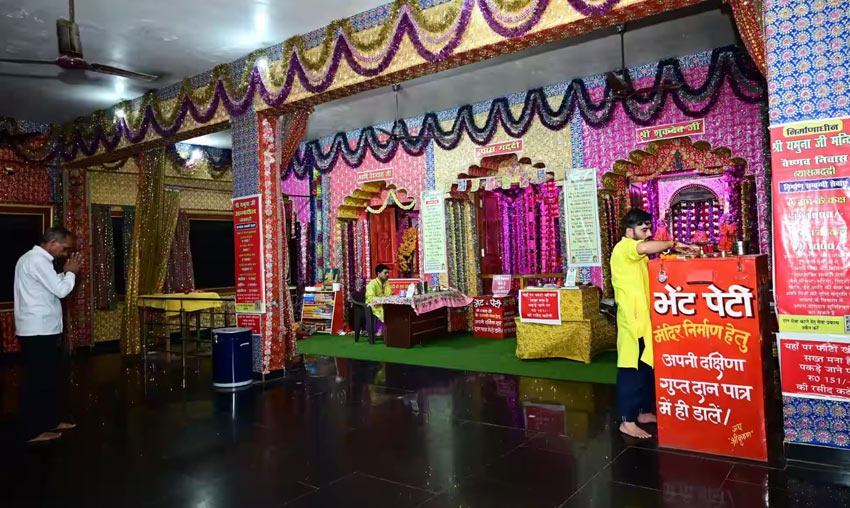
A small shrine dedicated to Maharishi Ved Vyasa is situated beneath the sacred banyan tree. The temple is an important centre of worship for devotees who visit Naimisharanya to explore the places associated with ancient Hindu sages.
According to the Sitapur district tourism description, the temple is built on a raised mound and visitors reach the shrine by climbing approximately 10 to 12 steps. A statue of Maharishi Ved Vyasa is installed inside the temple.
The shrine offers a peaceful environment where visitors can offer prayers and learn about the traditional association of Naimisharanya with the great sage.
Vyas Gaddi and the Ancient Hindu Scriptures
Vyas Gaddi is traditionally associated with the preservation and transmission of ancient Hindu knowledge. Maharishi Ved Vyasa is credited in Hindu tradition with organising sacred texts and sharing their teachings with his disciples.
Some of the important scriptures associated with Maharishi Ved Vyasa include:
1. The Four Vedas
The Rigveda, Yajurveda, Samaveda and Atharvaveda form the foundation of Vedic religious knowledge. Maharishi Ved Vyasa is traditionally credited with arranging these four collections.
2. The Mahabharata
The Mahabharata is one of the greatest epics of Hindu literature. It narrates the story of the Kauravas and Pandavas and contains important teachings about duty, righteousness and human values.
3. The Bhagavad Gita
The Bhagavad Gita is a sacred philosophical text presented as a conversation between Lord Krishna and Arjuna on the battlefield of Kurukshetra. It discusses karma, dharma, devotion and spiritual wisdom.
4. The Eighteen Puranas
The eighteen Mahapuranas contain stories of Hindu deities, creation, cosmology, ancient dynasties, religious traditions and spiritual teachings. Maharishi Ved Vyasa is traditionally associated with their compilation.
5. Shrimad Bhagavata Purana
The Shrimad Bhagavata Purana is an important Hindu scripture that describes the glory of Lord Vishnu and his incarnations, particularly the life and teachings of Lord Krishna.
Connection Between Vyas Gaddi and Manu-Shatrupa Tapasthali
Vyas Gaddi is located near Manu-Shatrupa Tapasthali, another important religious destination in Naimisharanya. According to Hindu traditions, Swayambhuva Manu and his wife Shatrupa performed intense penance at this sacred location.
They are traditionally regarded as the first human couple in Hindu cosmology. Their association with Naimisharanya makes the region an important destination for devotees interested in the ancient stories of creation.
The close proximity of Vyas Gaddi and Manu-Shatrupa Tapasthali makes it convenient for pilgrims to explore both sites during the same visit.
Visitors can also read our detailed guide to Manu-Shatrupa Tapasthali Naimisharanya.
What to See at Vyas Gaddi?
Vyas Gaddi offers several religious and cultural attractions that help visitors understand its importance in Naimisharanya.
1. Sacred Banyan Tree
The ancient banyan tree is the main highlight of Vyas Gaddi. Devotees visit the tree to perform parikrama, tie sacred threads and offer prayers according to local traditions.
2. Maharishi Ved Vyasa Shrine
The small shrine dedicated to Maharishi Ved Vyasa is the main place of worship at the site. Visitors can offer prayers and pay their respects to the revered sage.
3. Religious Information Boards
Information boards at the site provide visitors with details about Maharishi Ved Vyasa and the sacred scriptures traditionally associated with Naimisharanya.
4. Spiritual Surroundings
The peaceful atmosphere around Vyas Gaddi makes it a suitable place for prayer, meditation and spiritual reflection.
Vyas Gaddi Timings and Entry Fees
Vyas Gaddi is generally open to visitors from sunrise to sunset. According to the Uttar Pradesh tourism destination master plan, the site is typically accessible throughout daylight hours and does not require an entry ticket.
- Opening time: Sunrise
- Closing time: Sunset
- Entry fee: Generally free
- Visiting days: All days of the week
- Best time for visit: Morning and late afternoon
Timings and access arrangements may change during special religious occasions. Visitors should confirm local arrangements before travelling.
Best Time to Visit Vyas Gaddi Naimisharanya
The best time to visit Vyas Gaddi is between October and March, when the weather in Uttar Pradesh is generally pleasant. During this period, visitors can comfortably explore the sacred shrine, banyan tree and other religious attractions of Naimisharanya.
Winter Season (October to March)
Winter is an ideal time for sightseeing and pilgrimage. Pleasant temperatures make it easier to explore Vyas Gaddi and other nearby temples.
Summer Season (April to June)
Summer temperatures can become quite high in the region. Visitors should prefer early morning visits and carry drinking water.
Monsoon Season (July to September)
Monsoon brings rainfall and greenery to Naimisharanya. Visitors should check the weather and local travel conditions before planning their trip.
How to Reach Vyas Gaddi Naimisharanya
Vyas Gaddi is situated in Naimisharanya, Sitapur district, Uttar Pradesh. Visitors can reach the pilgrimage town by road and rail from Lucknow, Sitapur and other nearby cities.
By Air
The nearest major airport is Chaudhary Charan Singh International Airport in Lucknow. From the airport, visitors can hire a taxi or use road transport to reach Naimisharanya.
By Train
Naimisharanya Railway Station is an option for visitors travelling by train. Sitapur and Balamau are other railway connections that travellers can consider depending on their starting location and available train services.
By Road
Naimisharanya is connected by road to Lucknow, Sitapur, Hardoi and other cities in Uttar Pradesh. Visitors can travel by private car, taxi or available bus services. From Chakra Tirth, Vyas Gaddi can be reached by a short local journey towards the south.
Places to Visit Near Vyas Gaddi
Vyas Gaddi is surrounded by several important religious attractions. Visitors planning a Naimisharanya temple tour can explore these destinations to experience the complete spiritual heritage of the region.
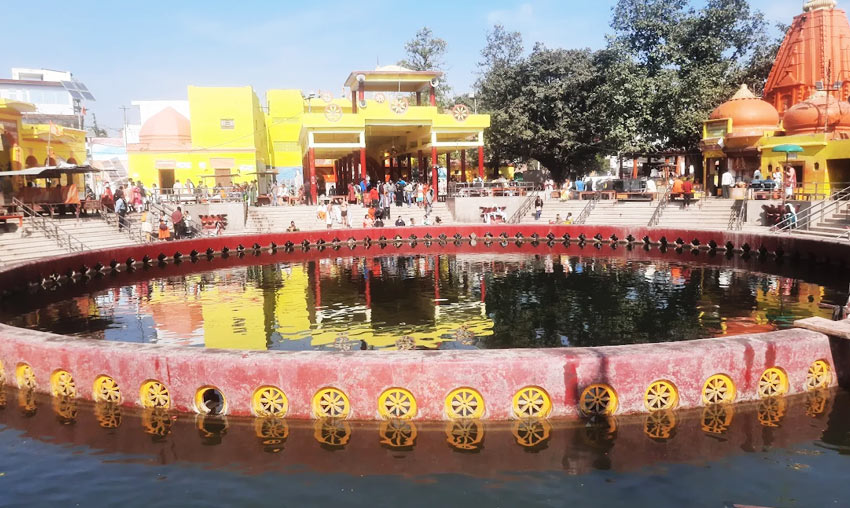
1. Chakra Tirth Naimisharanya
Chakra Tirth is one of the most famous pilgrimage attractions in Naimisharanya. It is associated with the divine chakra of Lord Brahma and is known for its distinctive circular sacred kund. Devotees visit this site for holy bathing and religious rituals.
Read more: Chakra Tirth Naimisharanya – History and Travel Guide.
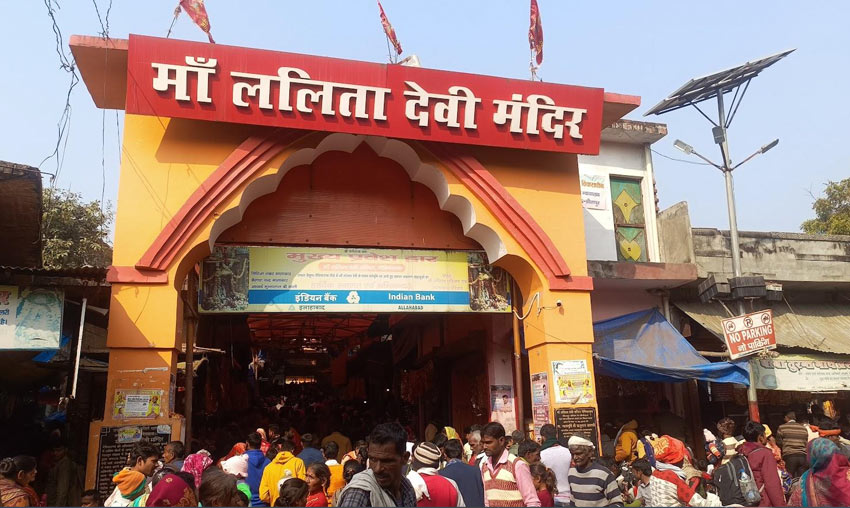
2. Lalita Devi Temple
Lalita Devi Temple is a major Shakti worship centre traditionally counted among the 51 Shakti Peethas. The temple is dedicated to Goddess Lalita Devi and attracts devotees throughout the year.
Read more: Lalita Devi Temple Naimisharanya.
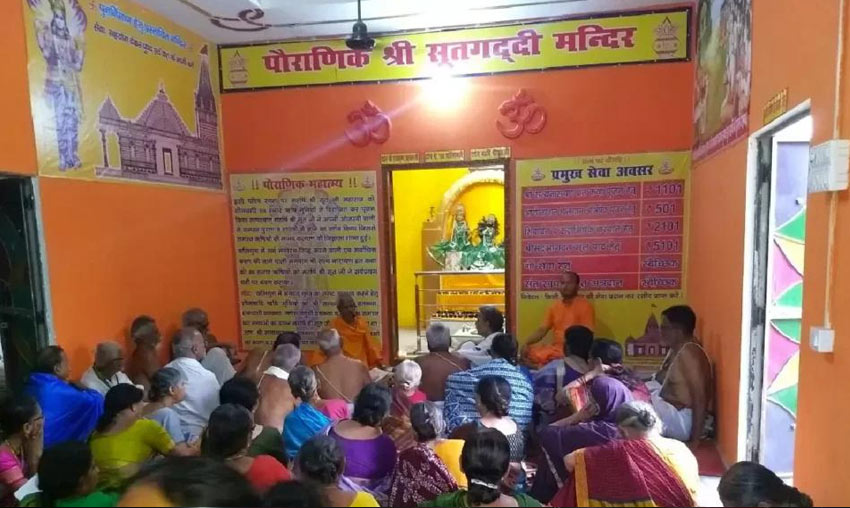
3. Soot Gaddi
Soot Gaddi is associated with Sage Suta and Maharishi Shaunaka. According to traditional beliefs, Sage Suta narrated sacred Puranic stories to assembled sages at this religious site.
Read more: Soot Gaddi Naimisharanya.
4. Manu-Shatrupa Tapasthali
Manu-Shatrupa Tapasthali is a sacred place associated with Swayambhuva Manu and his wife Shatrupa. It is traditionally believed that they performed penance here to seek the blessings of Lord Vishnu.
Read more: Manu-Shatrupa Tapasthali Naimisharanya.
5. Hanuman Garhi
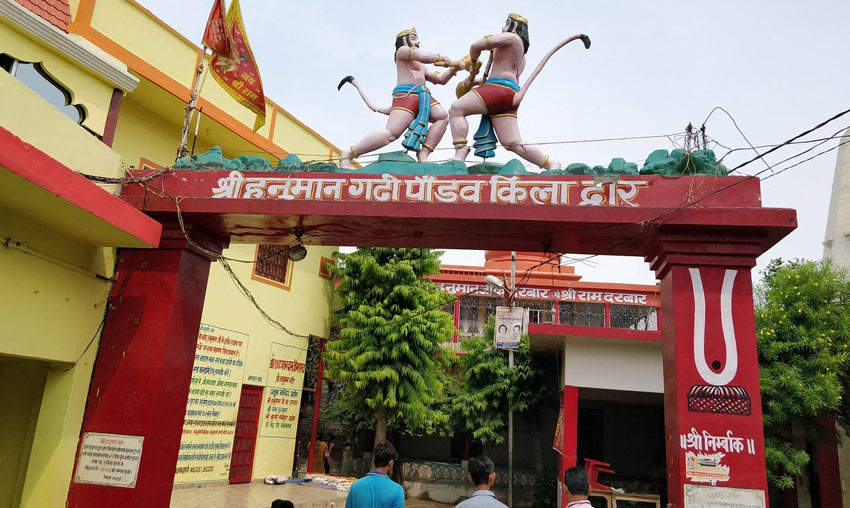
Hanuman Garhi is a popular temple dedicated to Lord Hanuman. The temple is an important stop for devotees exploring the religious heritage of Naimisharanya.
Read more: Hanuman Garhi Naimisharanya.
Travel Tips for Visiting Vyas Gaddi
- Visit early in the morning for a peaceful experience.
- Wear comfortable clothing and footwear suitable for walking.
- Remove footwear before entering the shrine.
- Respect the religious traditions followed at the site.
- Keep the temple surroundings clean.
- Carry drinking water during summer visits.
- Ask local authorities before taking photographs inside the shrine.
- Combine your visit with Manu-Shatrupa Tapasthali and other nearby attractions.
- Check local transport availability before planning your journey.
Why Should You Visit Vyas Gaddi?
Vyas Gaddi is more than just a religious shrine. It represents the ancient knowledge traditions and spiritual heritage associated with Maharishi Ved Vyasa. The sacred banyan tree, the shrine dedicated to the great sage and its connection with important Hindu scriptures make this destination special for devotees and history enthusiasts.
For anyone exploring Naimisharanya, Vyas Gaddi offers an opportunity to understand the traditional connection between this holy land and the development of Hindu religious literature. Its peaceful atmosphere and nearby pilgrimage attractions make it a worthwhile destination during a spiritual journey through Sitapur.
Frequently Asked Questions About Vyas Gaddi Naimisharanya
1. Where is Vyas Gaddi located?
Vyas Gaddi is located in Naimisharanya, Sitapur district, Uttar Pradesh, India, near Manu-Shatrupa Temple and approximately one kilometre south of Chakra Tirth.
2. Why is Vyas Gaddi famous?
Vyas Gaddi is famous for its association with Maharishi Ved Vyasa, who is traditionally believed to have composed and compiled important Hindu scriptures in Naimisharanya.
3. Who was Maharishi Ved Vyasa?
Maharishi Ved Vyasa was a revered sage in Hindu tradition, traditionally credited with arranging the four Vedas and composing or compiling the Mahabharata and several Puranas.
4. What is the meaning of Vyas Gaddi?
The word Vyas Gaddi refers to the seat or place associated with Maharishi Ved Vyasa. According to local beliefs, the sage used to sit here and share religious knowledge with his disciples.
5. What is Akshay Vat at Vyas Gaddi?
Akshay Vat refers to the sacred banyan tree associated with Maharishi Ved Vyasa. Devotees visit this tree to perform parikrama, tie sacred threads and offer prayers.
6. What are the timings of Vyas Gaddi?
Vyas Gaddi is generally open from sunrise to sunset. Visitors should confirm local arrangements before travelling.
7. Is there an entry fee for Vyas Gaddi?
Generally, there is no entry fee for visiting Vyas Gaddi. It is a religious pilgrimage site with free public access.
8. How far is Vyas Gaddi from Chakra Tirth?
Vyas Gaddi is approximately one kilometre south of Chakra Tirth, making both attractions convenient to visit during the same pilgrimage.
9. What are the nearby places to visit from Vyas Gaddi?
Popular nearby attractions include Chakra Tirth, Lalita Devi Temple, Soot Gaddi, Manu-Shatrupa Tapasthali and Hanuman Garhi.
10. What is the best time to visit Vyas Gaddi?
October to March is generally considered the best time to visit Vyas Gaddi because of the pleasant winter weather.
Vyas Gaddi Naimisharanya is one of the most significant spiritual destinations in Sitapur, Uttar Pradesh. Its association with Maharishi Ved Vyasa, the ancient banyan tree and the traditional history of Hindu scriptures make it an important pilgrimage site for devotees and travellers.
Whether you are interested in the history of Ved Vyasa, the sacred traditions of Naimisharanya or the ancient heritage of Hindu literature, Vyas Gaddi deserves a place in your travel itinerary. Combine your visit with Chakra Tirth, Lalita Devi Temple and Manu-Shatrupa Tapasthali to experience the spiritual beauty of this holy destination.
Nearby Places to Visit