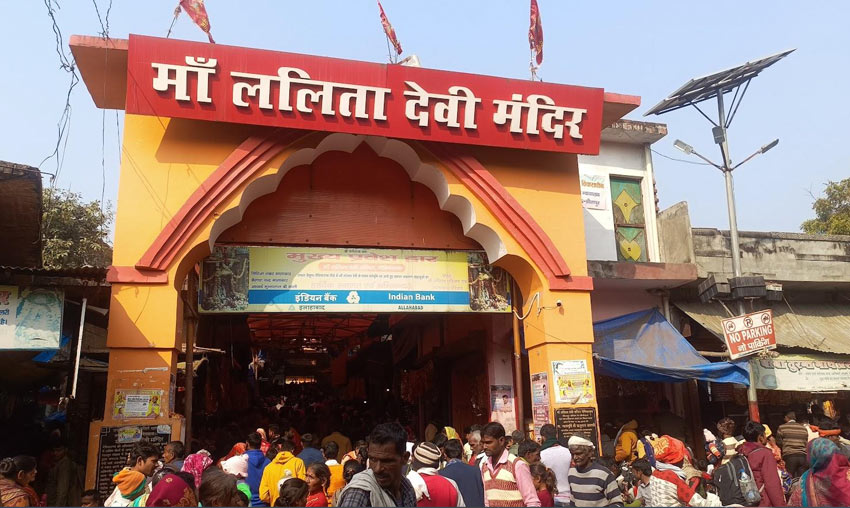
Lalita Devi Temple Naimisharanya – History, Shakti Peeth, Timings and Travel Guide
Lalita Devi Temple Naimisharanya is one of the most important Hindu pilgrimage destinations in Sitapur district, Uttar Pradesh. Dedicated to Goddess Lalita Devi, this sacred temple is traditionally counted among the 51 Shakti Peethas and is considered the presiding shrine of Naimisharanya. Devotees from different parts of India visit this holy temple to seek the blessings of Maa Lalita Devi and experience the spiritual atmosphere of this ancient pilgrimage town.
Also known as Maa Lalita Devi Mandir or Lalita Devi Shakti Peeth, the temple holds great importance in Hindu mythology and Shakti worship. According to religious beliefs, the heart of Goddess Sati is believed to have fallen at this sacred location, making it an important centre of devotion for followers of Goddess Durga and Adi Shakti.
Located within walking distance of the famous Chakra Tirth Naimisharanya, Lalita Devi Temple is an essential stop for anyone exploring the religious attractions of Naimisharanya. Its beautifully designed entrance, elephant statues and peaceful temple surroundings make it a memorable destination for pilgrims and spiritual travellers.
Where is Lalita Devi Temple Located?
Lalita Devi Temple is situated in Naimisharanya, also known as Neemsar or Nimsar, in Sitapur district of Uttar Pradesh, India. The temple is located near Chakra Tirth, one of the most famous sacred water bodies in the region.
The temple’s central location makes it convenient for visitors to explore several important religious attractions in Naimisharanya. Pilgrims can easily combine their visit with Chakra Tirth, Vyas Gaddi, Soot Gaddi and other nearby temples.
Naimisharanya is approximately 94 kilometres from Lucknow, making Lalita Devi Temple accessible for a day trip or a longer religious pilgrimage from the state capital.
History of Lalita Devi Temple Naimisharanya
The history of Lalita Devi Temple is closely connected with the ancient religious traditions and mythology of Naimisharanya. Goddess Lalita Devi is worshipped as a powerful manifestation of Adi Shakti, the supreme feminine divine energy in Hinduism.
According to Hindu mythology, King Daksha organised a great yajna but did not invite Lord Shiva. Goddess Sati, the daughter of Daksha and wife of Lord Shiva, attended the yajna despite the absence of an invitation. During the ceremony, she was deeply hurt by the disrespect shown towards Lord Shiva and sacrificed her life in the sacred fire.
After learning about Sati’s death, Lord Shiva became overwhelmed with grief and began performing the cosmic Tandava while carrying her body. To restore universal balance, Lord Vishnu used his Sudarshan Chakra to divide Goddess Sati’s body into several parts. These sacred locations later became known as Shakti Peethas.
According to the religious tradition associated with Naimisharanya, the heart of Goddess Sati is believed to have fallen at the site of Lalita Devi Temple. This belief gives the temple its importance as a revered Shakti Peeth and a major centre of Goddess worship.
Religious Significance of Lalita Devi Shakti Peeth
Lalita Devi Temple is regarded as one of the most sacred Shakti worship centres in Uttar Pradesh. Goddess Lalita Devi is considered the presiding deity of Naimisharanya and is worshipped as a form of Adi Parashakti.
The temple is traditionally counted among the 51 Shakti Peethas of Hindu tradition. Devotees believe that Maa Lalita Devi blesses her followers with strength, protection, happiness and spiritual well-being.
For devotees of Shaktism, visiting Lalita Devi Shakti Peeth is an important spiritual experience. Many pilgrims include the temple in their Naimisharanya pilgrimage itinerary along with Chakra Tirth and other sacred destinations.
The temple is especially important during Navratri, when devotees gather to worship the Goddess through prayers, devotional songs and traditional ceremonies.
Legend of Goddess Lalita Devi and Chakra Tirth
A popular legend connects Goddess Lalita Devi with the creation and spiritual importance of Naimisharanya.
According to the traditional story, ancient sages approached Lord Brahma seeking a peaceful place where they could perform religious activities and spiritual practices. Lord Brahma released a divine chakra and instructed the sages to follow it. The chakra eventually stopped at Naimisharanya, identifying the land as a sacred place for meditation and yajna.
The chakra created a sacred water body that later became famous as Chakra Tirth. However, the water flow was believed to be difficult to control. The sages then sought divine assistance, and Goddess Lalita Devi is traditionally believed to have helped restore balance and control the flow of water.
This legend connects the two most important pilgrimage attractions of Naimisharanya: Lalita Devi Temple and Chakra Tirth. Both places hold a special position in the religious traditions of this sacred town.
Visitors can explore our detailed guide to Chakra Tirth Naimisharanya to learn more about its history and religious significance.
Architecture of Lalita Devi Temple
Lalita Devi Temple is admired for its distinctive architectural design and religious atmosphere. The temple entrance is particularly noticeable because of the elephant statues positioned on both sides of the gateway.
The structure features a balanced cantilever design, which is one of the architectural elements highlighted in the official Sitapur district tourism description. The temple’s entrance and surrounding religious structures create an impressive setting for visitors arriving for darshan.
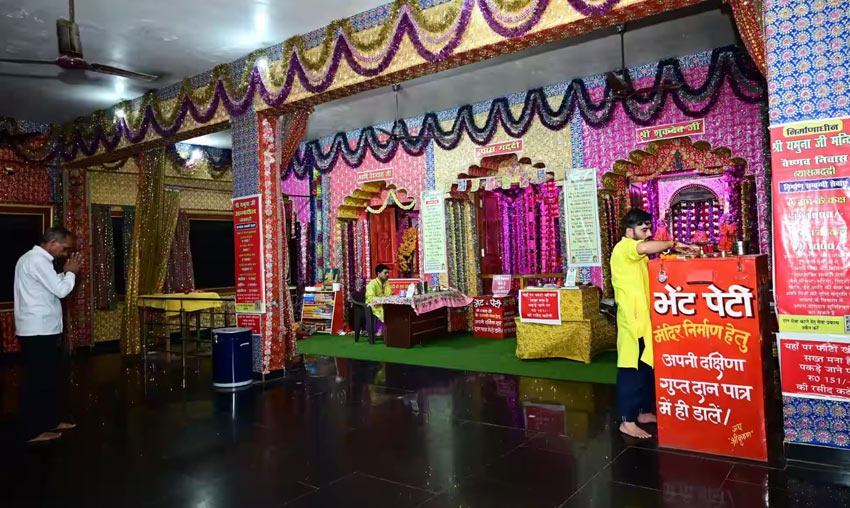
Inside the temple complex, devotees visit the main shrine dedicated to Maa Lalita Devi and offer prayers according to traditional Hindu customs. The overall atmosphere reflects the importance of Shakti worship in Naimisharanya.
Darshan and Worship at Lalita Devi Temple
Devotees visiting Lalita Devi Temple perform traditional worship and seek the blessings of Maa Lalita Devi. The temple is an important place for people who follow the Shakti tradition and worship the divine feminine energy.
Common devotional activities include offering flowers, fruits, coconuts and other traditional offerings. Devotees also participate in prayers and aarti according to the temple’s daily religious schedule.
Many pilgrims visit the temple after taking a holy dip or offering prayers at Chakra Tirth. This combination is considered an important part of the traditional Naimisharanya pilgrimage experience.
Lalita Devi Temple Timings and Entry Fees
Lalita Devi Temple is generally open to devotees throughout the week, from morning to evening. According to the Uttar Pradesh tourism destination master plan, the typical visiting hours are approximately 6:00 AM to 8:00 PM, and entry is free.
Darshan timings may change during festivals, special pujas and other religious occasions. Visitors should confirm the latest temple schedule locally before planning their visit.
- Opening time: Approximately 6:00 AM
- Closing time: Approximately 8:00 PM
- Entry fee: Generally free
- Visiting days: All days of the week
- Best visiting time: Early morning and evening
Best Time to Visit Lalita Devi Temple
The best time to visit Lalita Devi Temple Naimisharanya is between October and March. During these months, the weather is generally pleasant and suitable for temple visits, religious activities and exploring other attractions in Naimisharanya.
Winter Season (October to March)
Winter is a comfortable season for visiting the temple. The pleasant weather allows pilgrims to explore nearby religious destinations and spend more time at the temple complex.
Summer Season (April to June)
Summers in Sitapur can be quite hot. Visitors travelling during this period should prefer early morning darshan and carry drinking water.
Monsoon Season (July to September)
The monsoon season brings rainfall and a greener environment to Naimisharanya. Visitors should check local weather conditions before travelling.
Major Festivals Celebrated at Lalita Devi Temple
Several Hindu festivals and religious occasions are celebrated with devotion at Lalita Devi Temple. These occasions attract devotees from nearby towns and distant parts of India.
Navratri
Navratri is one of the most important festivals at Lalita Devi Temple. During these nine sacred days, devotees worship the different forms of Goddess Durga and seek the blessings of Maa Lalita Devi. The temple experiences increased religious activity and a large number of visitors during this period.
Chaitra Navratri
Chaitra Navratri is celebrated during the Hindu month of Chaitra. Devotees visit the temple to offer prayers, perform puja and participate in special religious ceremonies.
Sharad Navratri
Sharad Navratri is another major festival dedicated to Goddess Durga. The temple becomes an important destination for devotees during this auspicious period.
Somvati Amavasya
Somvati Amavasya is considered an auspicious day for religious bathing and worship. Many devotees visit Naimisharanya during this occasion and combine their visit to Chakra Tirth with darshan at Lalita Devi Temple.
Places to Visit Near Lalita Devi Temple Naimisharanya
Lalita Devi Temple is located close to several famous religious destinations in Naimisharanya. Visitors can explore these attractions as part of a complete pilgrimage tour.
1. Chakra Tirth
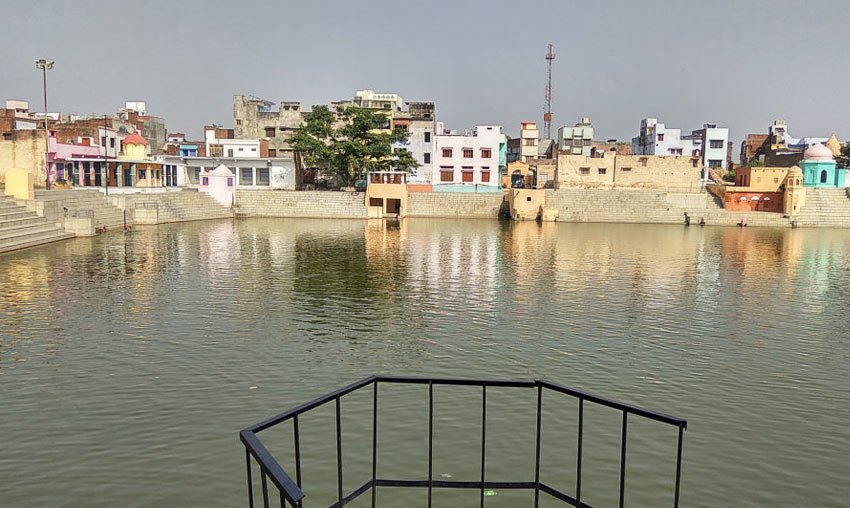
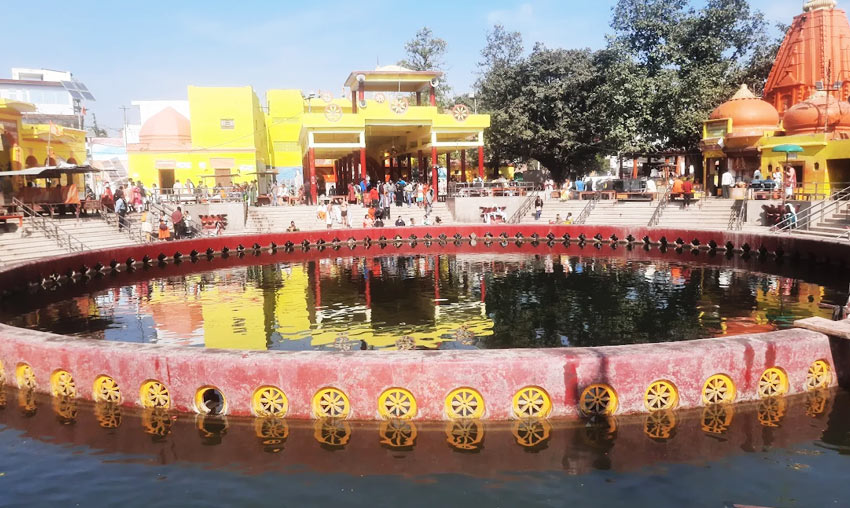
Chakra Tirth is one of the holiest places in Naimisharanya. It is associated with the divine chakra of Lord Brahma and features a distinctive circular sacred kund. Devotees visit the site to perform prayers and traditional bathing rituals.
Read our detailed travel guide: Chakra Tirth Naimisharanya.
2. Vyas Gaddi
Vyas Gaddi is a sacred site associated with Maharishi Ved Vyasa. According to religious traditions, the great sage compiled important Hindu scriptures and divided the Vedas into four parts at this holy place.
Explore more: Vyas Gaddi Naimisharanya.
3. Soot Gaddi
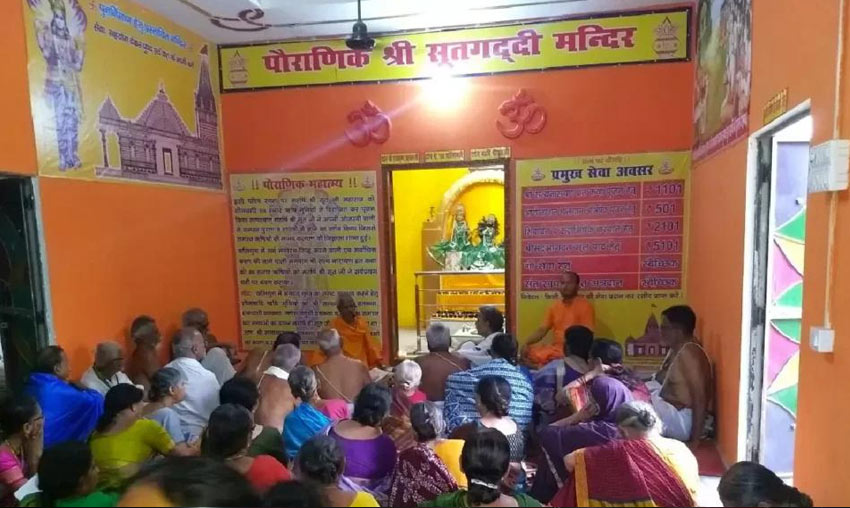
Soot Gaddi is associated with Sage Suta and Maharishi Shaunaka. It is traditionally believed to be the place where sacred religious discussions and Puranic narrations took place.
Read more: Soot Gaddi Naimisharanya.
4. Hanuman Garhi
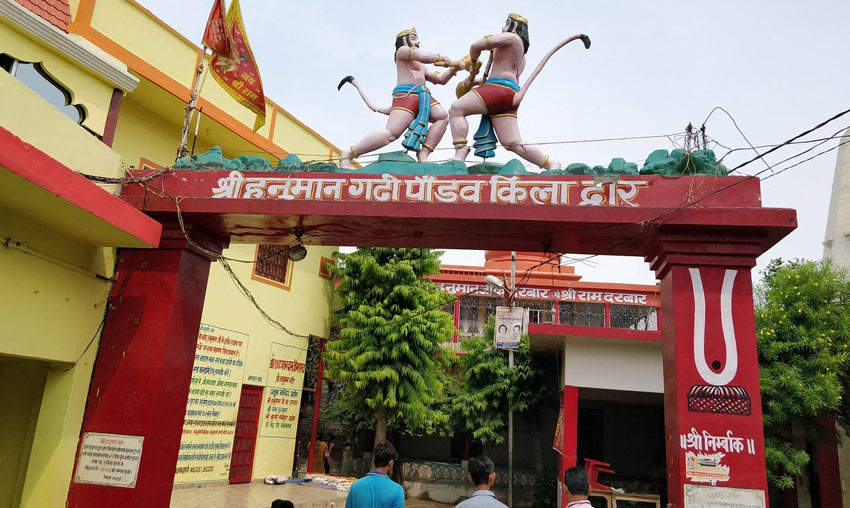
Hanuman Garhi is a popular religious attraction dedicated to Lord Hanuman. Devotees visit the temple to seek blessings and experience its devotional atmosphere.
Explore more: Hanuman Garhi Naimisharanya.
5. Dadhichi Kund
Dadhichi Kund, situated in the nearby Mishrikh area, is associated with Maharishi Dadhichi and his legendary sacrifice for the welfare of the gods. It is an important religious destination near Naimisharanya.
Explore more: Dadhichi Kund.
6. Char Dham Temple
Char Dham Temple is another notable attraction in Naimisharanya. It is associated with the traditional belief that visiting the temple offers devotees the spiritual experience of the four sacred pilgrimage destinations of India.
How to Reach Lalita Devi Temple
Lalita Devi Temple is accessible through road and railway connections in Uttar Pradesh. Visitors can reach Naimisharanya from Lucknow, Sitapur and nearby towns using public and private transport.
By Air
The nearest major airport is Chaudhary Charan Singh International Airport in Lucknow. From the airport, visitors can hire a taxi or use road transport to reach Naimisharanya.
By Train
Naimisharanya Railway Station serves the pilgrimage town. Visitors can also check train connections through nearby railway stations, including Sitapur and other regional railway stations. Local transport is available for reaching the temple.
By Road
Naimisharanya is connected by road to Lucknow, Sitapur and nearby towns. Visitors can travel by private car, taxi or available bus services. Once in Naimisharanya, Lalita Devi Temple can be reached conveniently from Chakra Tirth and other central pilgrimage locations.
Travel Tips for Visiting Lalita Devi Temple
- Visit early in the morning for a peaceful darshan experience.
- Wear comfortable and modest clothing inside the temple.
- Remove footwear before entering the temple premises.
- Follow temple rules and respect local religious traditions.
- Carry drinking water during summer visits.
- Expect larger crowds during Navratri and other major festivals.
- Ask temple authorities before taking photographs inside the shrine.
- Combine your visit with nearby attractions such as Chakra Tirth and Vyas Gaddi.
Why Visit Lalita Devi Temple in Naimisharanya?
Lalita Devi Temple is an important destination for anyone interested in Hindu spirituality, Shakti worship and ancient pilgrimage traditions. Its association with Goddess Sati, its traditional recognition as a Shakti Peeth and its connection with the sacred land of Naimisharanya make it a significant religious attraction.
Whether you are a devotee of Goddess Durga, a spiritual traveller or someone exploring the religious heritage of Uttar Pradesh, a visit to Lalita Devi Temple offers an opportunity to experience the devotion and traditions of this holy town.
Frequently Asked Questions About Lalita Devi Temple
1. Where is Lalita Devi Temple located?
Lalita Devi Temple is located in Naimisharanya, Sitapur district, Uttar Pradesh, India, near the famous Chakra Tirth pilgrimage site.
2. Why is Lalita Devi Temple famous?
The temple is famous as a major Shakti worship centre and is traditionally counted among the 51 Shakti Peethas. It is dedicated to Goddess Lalita Devi, the presiding deity of Naimisharanya.
3. Is Lalita Devi Temple one of the 51 Shakti Peethas?
Yes. According to the traditional religious belief recognised by the Sitapur district administration, Lalita Devi Temple is counted among the 51 Shakti Peethas. It is believed that the heart of Goddess Sati fell at this sacred location.
4. What are the timings of Lalita Devi Temple?
The temple generally remains open from approximately 6:00 AM to 8:00 PM. Timings can vary during special occasions, so visitors should confirm locally.
5. Is there an entry fee for Lalita Devi Temple?
Generally, there is no entry fee for visiting Lalita Devi Temple. Devotees can visit for darshan and prayers without purchasing an admission ticket.
6. What is the best time to visit Lalita Devi Temple?
October to March is generally the best time to visit because of the pleasant weather. Navratri is also a significant period for devotees.
7. How far is Lalita Devi Temple from Chakra Tirth?
Lalita Devi Temple is within walking distance of Chakra Tirth, making it convenient to visit both religious destinations together.
8. Which goddess is worshipped at Lalita Devi Temple?
Goddess Lalita Devi, regarded as a manifestation of Adi Shakti, is the main deity worshipped at the temple.
9. How can I reach Lalita Devi Temple from Lucknow?
Visitors can reach Naimisharanya from Lucknow by road using a private car, taxi or available public transport services. The distance is approximately 94 kilometres to the Naimisharanya area.
10. Can I visit Lalita Devi Temple and Chakra Tirth on the same day?
Yes. Both attractions are located close to each other, making it easy to include them in the same pilgrimage itinerary.
Lalita Devi Temple Naimisharanya is one of the most revered religious destinations in Uttar Pradesh. Dedicated to Maa Lalita Devi and traditionally recognised as a Shakti Peeth, the temple represents the deep spiritual traditions and religious heritage of Naimisharanya.
From its mythological connection with Goddess Sati to its beautiful architecture and important festivals, the temple offers a meaningful experience for devotees and travellers. If you are planning a visit to Naimisharanya, make sure to include Lalita Devi Temple in your pilgrimage itinerary along with Chakra Tirth and other nearby sacred attractions.
Nearby Places to Visit