Soot Gaddi Naimisharanya – History, Religious Significance and Complete Travel Guide
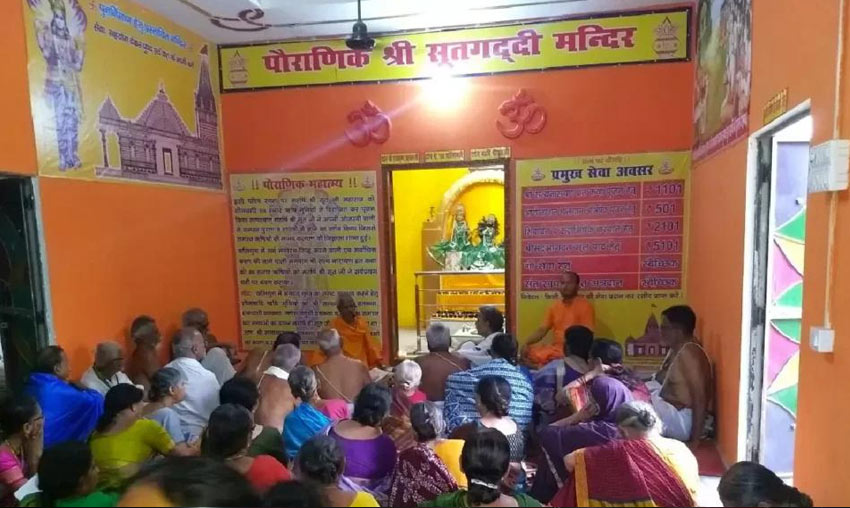
Soot Gaddi Naimisharanya is one of the most sacred religious attractions in Naimisharanya, Sitapur district, Uttar Pradesh. Also known as Suta Gaddi, this holy place is associated with Maharishi Soot (Suta Goswami), who is traditionally believed to have narrated the Vedas, Puranas and other sacred Hindu scriptures to Rishi Shaunak and 88,000 sages. The site holds immense importance in Hindu mythology and represents the ancient tradition of spiritual learning and religious knowledge.
Located in the sacred pilgrimage region of Naimisharanya, Soot Gaddi is an important destination for devotees, spiritual seekers and visitors interested in ancient Hindu literature. According to traditional beliefs, this was the place where Maharishi Soot shared spiritual teachings and answered questions raised by the assembled sages about dharma, devotion and the challenges of Kaliyuga.
Soot Gaddi is particularly associated with the traditional narration of the Satyanarayan Vrat Katha and the preservation of Puranic knowledge. Its connection with 88,000 sages, Maharishi Soot and Rishi Shaunak makes it one of the most significant religious places to visit in Naimisharanya.
Whether you are planning a religious pilgrimage, exploring the history of Hindu scriptures or visiting the famous temples of Sitapur, Soot Gaddi Naimisharanya offers a meaningful spiritual experience.
Where is Soot Gaddi Located?
Soot Gaddi is located in Naimisharanya, also known as Neemsar or Nimsar, in Sitapur district of Uttar Pradesh, India. It is one of the important pilgrimage attractions in this ancient religious town, which is situated near the holy Gomti River.
The location is associated with the ancient religious gatherings of Maharishi Soot and Rishi Shaunak. Visitors exploring Soot Gaddi can also visit several famous attractions in Naimisharanya, including Chakra Tirth, Lalita Devi Temple and Vyas Gaddi.
Naimisharanya is approximately 94 kilometres from Lucknow according to the Sitapur district administration. Visitors can reach the pilgrimage town by road from Lucknow, Sitapur and other nearby cities.
History of Soot Gaddi Naimisharanya
The history of Soot Gaddi is closely connected with ancient Hindu religious traditions and the narration of sacred scriptures. According to Hindu mythology, Naimisharanya was an important centre of spiritual learning where thousands of sages gathered to perform yajnas, meditate and discuss religious knowledge.
Rishi Shaunak and 88,000 sages are traditionally believed to have gathered in Naimisharanya to perform a long religious yajna. During this sacred gathering, the sages wanted to understand the principles of dharma and discover a suitable path of devotion for people living in Kaliyuga.
Maharishi Soot, also known as Suta Goswami, arrived at the gathering and shared the knowledge of sacred Hindu scriptures with the assembled sages. He narrated stories from the Puranas, explained religious principles and answered questions about devotion, karma and spiritual liberation.
The place associated with these spiritual discourses became known as Soot Gaddi. The word Gaddi refers to a seat or elevated platform from which a respected spiritual teacher delivers religious teachings.
Over generations, Soot Gaddi became an important pilgrimage destination for devotees interested in the teachings of Maharishi Soot and the ancient spiritual heritage of Naimisharanya.
Who Was Maharishi Soot (Suta Goswami)?
Maharishi Soot, also known as Suta Goswami, is an important figure in Hindu religious literature and Puranic traditions. He is traditionally recognised as a knowledgeable narrator of sacred scriptures who shared spiritual wisdom with sages and seekers.
According to Hindu tradition, Suta Goswami was a disciple of Maharishi Ved Vyasa and received knowledge of the Vedas, Puranas and other religious teachings. He played an important role in transmitting this knowledge to future generations through narration and spiritual discussions.
His association with Naimisharanya is particularly important because he is believed to have narrated sacred Puranic stories to Rishi Shaunak and thousands of other sages gathered at this holy place.
These narrations helped preserve religious knowledge and explain important aspects of Hindu philosophy, including dharma, karma, devotion and the path to moksha.
Religious Significance of Soot Gaddi
Soot Gaddi holds great religious importance because of its association with Maharishi Soot, Rishi Shaunak and the 88,000 sages of Naimisharanya. It is considered a sacred centre of Vedic wisdom, Puranic knowledge and spiritual learning.
According to traditional beliefs, the religious discussions held at this place helped explain the importance of devotion and righteous living during Kaliyuga. The teachings of Maharishi Soot are closely associated with the spiritual development of devotees and the preservation of ancient Hindu traditions.
Soot Gaddi is also associated with the narration of the eighteen Mahapuranas and the traditional practice of listening to religious stories for spiritual knowledge and well-being.
For pilgrims visiting Naimisharanya, Soot Gaddi represents the importance of knowledge, devotion and the Guru-Shishya tradition in Hindu culture.
Connection Between Soot Gaddi and 88,000 Rishis
One of the most important aspects of Soot Gaddi is its connection with 88,000 sages who are traditionally believed to have gathered in Naimisharanya under the guidance of Rishi Shaunak.
According to religious traditions, these sages wanted to understand how people could follow dharma and attain spiritual well-being during Kaliyuga. They approached Maharishi Soot with questions about religious practices, devotion and the path to liberation.
Maharishi Soot responded by narrating sacred stories and explaining the importance of worship, religious discipline and devotion to Lord Vishnu.
This spiritual gathering is an important part of the mythology associated with Naimisharanya and makes Soot Gaddi a significant destination for devotees interested in ancient Hindu traditions.
Soot Gaddi and the Tradition of Satyanarayan Vrat Katha
Soot Gaddi is closely associated with the traditional narration of Satyanarayan Vrat Katha. According to the Uttar Pradesh tourism destination master plan, Rishi Shaunak and the assembled sages wanted to know about a form of worship that could help people overcome the difficulties of Kaliyuga.
Their questions and the spiritual teachings shared at this sacred gathering are traditionally connected with the practice of Satyanarayan Vrat Katha. This religious observance is dedicated to Lord Satyanarayan, a form of Lord Vishnu.
Satyanarayan Vrat Katha is widely performed by Hindu families to express gratitude, seek divine blessings and pray for happiness, peace and prosperity.
The traditional connection between Soot Gaddi and Satyanarayan Vrat Katha makes this place especially meaningful for devotees who regularly perform the vrat and listen to the sacred story of Lord Satyanarayan.
What to See at Soot Gaddi?
Visitors exploring Soot Gaddi can experience the spiritual atmosphere and religious heritage associated with this sacred destination. The site is an important part of the Naimisharanya pilgrimage circuit.
1. Sacred Seat of Maharishi Soot
The main religious attraction of Soot Gaddi is the sacred seat associated with Maharishi Soot. According to local traditions, this is where the sage narrated sacred scriptures and shared spiritual knowledge with Rishi Shaunak and the assembled sages.
2. Religious Shrine and Temple Complex
The site has a religious shrine where devotees visit to offer prayers and remember the spiritual teachings associated with Maharishi Soot. The temple surroundings reflect the traditional religious importance of this pilgrimage destination.
3. Sacred Tree and Spiritual Surroundings
The Soot Gaddi complex is also associated with a sacred old tree that attracts the attention of visitors. The peaceful surroundings make the place suitable for prayer, reflection and experiencing the spiritual atmosphere of Naimisharanya.
4. Puranic Knowledge and Religious Traditions
Visitors can learn about the connection of Soot Gaddi with the narration of the Vedas and Puranas. The site represents the ancient Indian tradition of sharing religious knowledge through spiritual discussions and storytelling.
Importance of the Eighteen Mahapuranas
The eighteen Mahapuranas form an important part of Hindu religious literature. These ancient scriptures contain stories about Hindu deities, the creation of the universe, ancient dynasties, religious traditions and spiritual teachings.
Maharishi Soot is traditionally associated with narrating Puranic knowledge to the assembled sages at Naimisharanya. The eighteen Mahapuranas are:
- Brahma Purana
- Padma Purana
- Vishnu Purana
- Shiva Purana
- Bhagavata Purana
- Narada Purana
- Markandeya Purana
- Agni Purana
- Bhavishya Purana
- Brahmavaivarta Purana
- Lingapurana
- Varaha Purana
- Skanda Purana
- Vamana Purana
- Kurma Purana
- Matsya Purana
- Garuda Purana
- Brahmanda Purana
These scriptures continue to influence Hindu religious practices, festivals, philosophy and spiritual traditions. Their association with the sacred gatherings of Naimisharanya adds to the religious importance of Soot Gaddi.
Soot Gaddi Timings and Entry Fees
Soot Gaddi is a religious pilgrimage site that visitors can generally explore throughout the week. According to available visitor information, the site is usually accessible from morning to evening.
- Opening time: Generally around 6:00 AM
- Closing time: Generally around 8:00 PM
- Entry fee: Generally free
- Visiting days: All days of the week
- Best visiting time: Morning and evening
Timings may vary depending on local arrangements, religious ceremonies and special occasions. Visitors should confirm the latest information locally before planning their visit.
Best Time to Visit Soot Gaddi Naimisharanya
The best time to visit Soot Gaddi is between October and March, when the weather in Uttar Pradesh is generally pleasant. These months are suitable for exploring religious sites, attending prayers and visiting the other attractions of Naimisharanya.
Winter Season (October to March)
Winter is an ideal time for visiting Soot Gaddi. The comfortable weather allows visitors to explore the temple complex and other pilgrimage attractions without excessive heat.
Summer Season (April to June)
Summer temperatures can become high in Sitapur. Visitors planning a trip during this season should prefer early morning visits and carry drinking water.
Monsoon Season (July to September)
During the monsoon season, Naimisharanya receives rainfall and the surrounding area becomes greener. Visitors should check weather conditions before travelling.
Religious Festivals and Occasions at Soot Gaddi
Soot Gaddi is visited by devotees throughout the year, particularly during important Hindu religious occasions and pilgrimage events in Naimisharanya.
Satyanarayan Puja
Satyanarayan Puja is a popular Hindu religious observance dedicated to Lord Vishnu. Devotees perform the puja at homes and temples and listen to Satyanarayan Vrat Katha for spiritual blessings and well-being.
Ekadashi
Ekadashi is considered an important day for devotees of Lord Vishnu. Many followers observe fasting, perform prayers and listen to religious stories on this auspicious occasion.
Somvati Amavasya
Somvati Amavasya is considered an auspicious occasion for holy bathing, prayers and religious activities. Many devotees visit Naimisharanya during this period to explore its sacred pilgrimage destinations.
Naimisharanya Parikrama
The traditional Naimisharanya Parikrama is an important religious journey covering several sacred sites in the region. Soot Gaddi is among the important attractions that pilgrims can include in their spiritual visit.
Places to Visit Near Soot Gaddi Naimisharanya
Soot Gaddi is surrounded by several important religious destinations. Visitors can explore these attractions as part of a complete Naimisharanya pilgrimage tour.
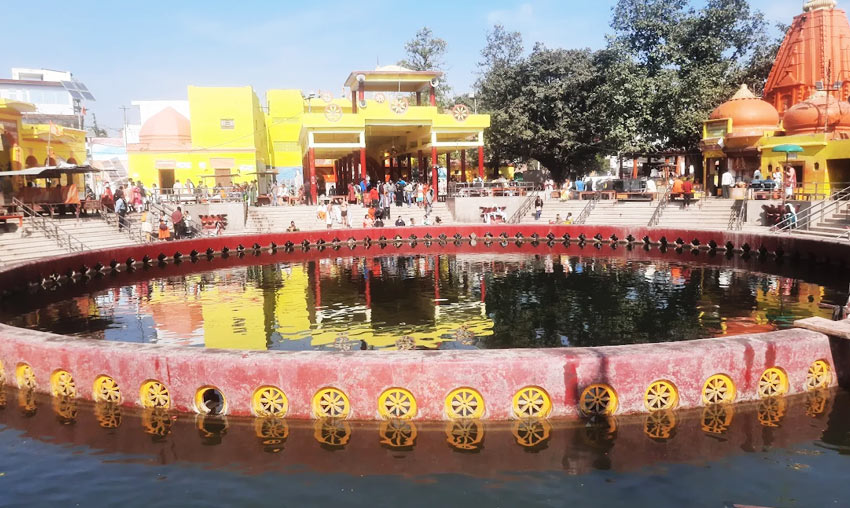
1. Chakra Tirth
Chakra Tirth is one of the most famous sacred attractions in Naimisharanya. It is traditionally associated with the divine chakra of Lord Brahma and is known for its circular holy kund. Devotees visit this place to perform prayers and religious bathing rituals.
Read our detailed guide: Chakra Tirth Naimisharanya – History and Travel Guide.
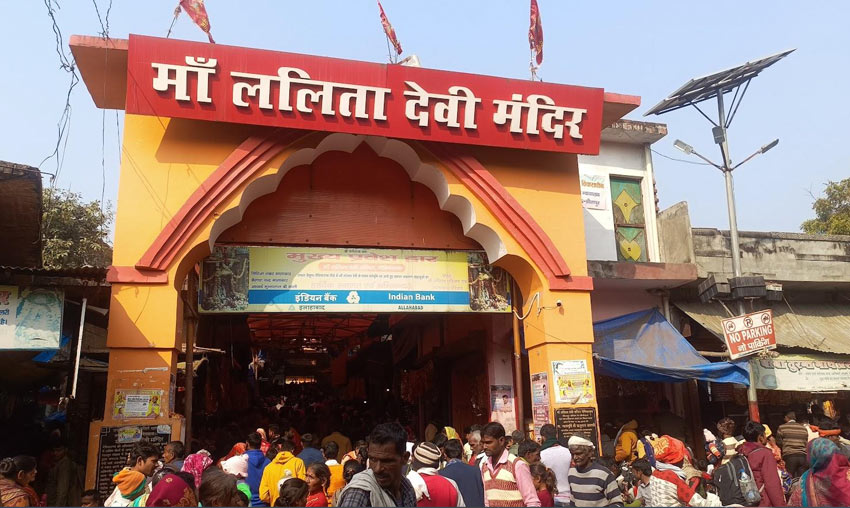
2. Lalita Devi Temple
Lalita Devi Temple is one of the most important Shakti worship centres in Naimisharanya. Dedicated to Goddess Lalita Devi, it is traditionally counted among the 51 Shakti Peethas and attracts devotees throughout the year.
Read more: Lalita Devi Temple Naimisharanya.
3. Vyas Gaddi
Vyas Gaddi is a sacred site associated with Maharishi Ved Vyasa. According to Hindu traditions, the great sage is believed to have organised and shared the knowledge of important Hindu scriptures in this holy region.
Explore more: Vyas Gaddi Naimisharanya.
4. Manu-Shatrupa Tapasthali
Manu-Shatrupa Tapasthali is associated with Swayambhuva Manu and his wife Shatrupa, who are traditionally regarded as the first human couple in Hindu cosmology. The site is an important destination for devotees interested in the ancient stories of creation.
Read more: Manu-Shatrupa Tapasthali Naimisharanya.
5. Hanuman Garhi
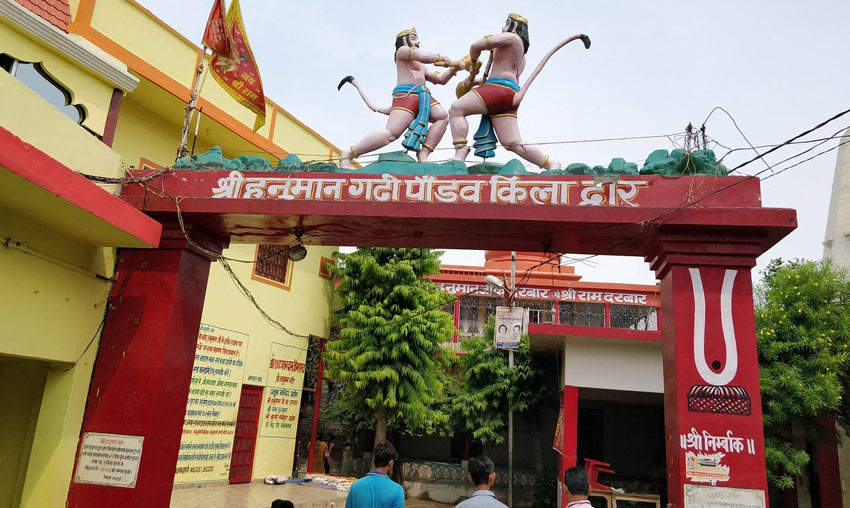
Hanuman Garhi is a popular religious attraction dedicated to Lord Hanuman. Devotees visit the temple to offer prayers and seek blessings for strength, courage and protection.
Explore more: Hanuman Garhi Naimisharanya.
6. Dadhichi Kund
Dadhichi Kund is located in the nearby Mishrikh area and is associated with Maharishi Dadhichi. According to Hindu mythology, the sage sacrificed his bones for the creation of Lord Indra’s powerful Vajra weapon.
Read more: Dadhichi Kund.
How to Reach Soot Gaddi Naimisharanya
Soot Gaddi is located in Naimisharanya, Sitapur district, Uttar Pradesh. Visitors can reach the pilgrimage town through road and railway connections from Lucknow and nearby cities.
By Air
The nearest major airport is Chaudhary Charan Singh International Airport in Lucknow. From the airport, visitors can hire a taxi or use road transport to reach Naimisharanya.
By Train
Naimisharanya Railway Station serves the pilgrimage town. Visitors can also check railway connections through Sitapur and Balamau depending on their starting location and available train services. Local transport can be used to reach Soot Gaddi.
By Road
Naimisharanya is connected by road to Lucknow, Sitapur, Hardoi and other nearby cities. Visitors can travel by private car, taxi or available bus services. Once in Naimisharanya, Soot Gaddi can be reached using local transport.
Travel Tips for Visiting Soot Gaddi
- Visit early in the morning for a peaceful spiritual experience.
- Wear comfortable and modest clothing while visiting religious places.
- Remove footwear before entering the shrine.
- Respect local religious customs and traditions.
- Keep the temple surroundings clean.
- Carry drinking water during summer visits.
- Ask local authorities before taking photographs inside the shrine.
- Combine your visit with Chakra Tirth and Vyas Gaddi.
- Check local arrangements during major festivals and religious occasions.
Why Should You Visit Soot Gaddi?
Soot Gaddi is more than just a religious attraction. It represents the ancient Indian tradition of spiritual learning, religious discussions and the preservation of sacred knowledge.
Its association with Maharishi Soot, Rishi Shaunak and the 88,000 sages makes it a significant destination for people interested in Hindu mythology and Puranic literature.
For devotees visiting Naimisharanya, Soot Gaddi provides an opportunity to understand the importance of Vedic wisdom, Satyanarayan Vrat Katha and the spiritual heritage of this sacred land.
Frequently Asked Questions About Soot Gaddi Naimisharanya
1. Where is Soot Gaddi located?
Soot Gaddi is located in Naimisharanya, Sitapur district, Uttar Pradesh, India. It is one of the important religious attractions in this ancient pilgrimage town.
2. Why is Soot Gaddi famous?
Soot Gaddi is famous for its association with Maharishi Soot, who is traditionally believed to have narrated the Vedas and Puranas to Rishi Shaunak and 88,000 sages.
3. Who was Maharishi Soot?
Maharishi Soot, also known as Suta Goswami, was a respected narrator of Hindu scriptures. He is traditionally associated with sharing Puranic knowledge with the sages gathered in Naimisharanya.
4. What is the connection between Soot Gaddi and 88,000 Rishis?
According to Hindu traditions, Rishi Shaunak and 88,000 sages gathered in Naimisharanya and listened to the spiritual teachings and Puranic narrations of Maharishi Soot.
5. What is the religious significance of Soot Gaddi?
Soot Gaddi represents Vedic wisdom, spiritual learning and the ancient tradition of religious storytelling. It is an important pilgrimage site associated with the preservation of Hindu scriptures.
6. Is Soot Gaddi connected with Satyanarayan Vrat Katha?
Yes. Traditional accounts associated with Naimisharanya connect the questions of Rishi Shaunak and the sages with the practice of Satyanarayan Vrat Katha.
7. What are the timings of Soot Gaddi?
Soot Gaddi is generally accessible from morning to evening. Visitors should confirm the latest timings locally before planning their visit.
8. Is there an entry fee at Soot Gaddi?
Generally, there is no entry fee for visiting Soot Gaddi. Visitors should check local arrangements for any special religious activities.
9. What is the best time to visit Soot Gaddi?
October to March is generally the best time to visit Soot Gaddi because of the pleasant weather in Uttar Pradesh.
10. What are the nearby attractions of Soot Gaddi?
Popular nearby religious attractions include Chakra Tirth, Lalita Devi Temple, Vyas Gaddi, Manu-Shatrupa Tapasthali and Hanuman Garhi.
Soot Gaddi Naimisharanya is one of the most significant spiritual destinations in Sitapur, Uttar Pradesh. Its association with Maharishi Soot, Rishi Shaunak and the 88,000 sages makes it an important centre of Hindu religious traditions and ancient spiritual knowledge.
From the narration of sacred Puranas to the traditional connection with Satyanarayan Vrat Katha, Soot Gaddi represents the importance of devotion, wisdom and religious learning in Indian culture.
Whether you are a devotee, a spiritual traveller or someone interested in Hindu mythology, Soot Gaddi deserves a place in your Naimisharanya travel itinerary. Combine your visit with Chakra Tirth, Lalita Devi Temple and Vyas Gaddi to explore the spiritual heritage of this ancient pilgrimage destination.

Nearby Places to Visit