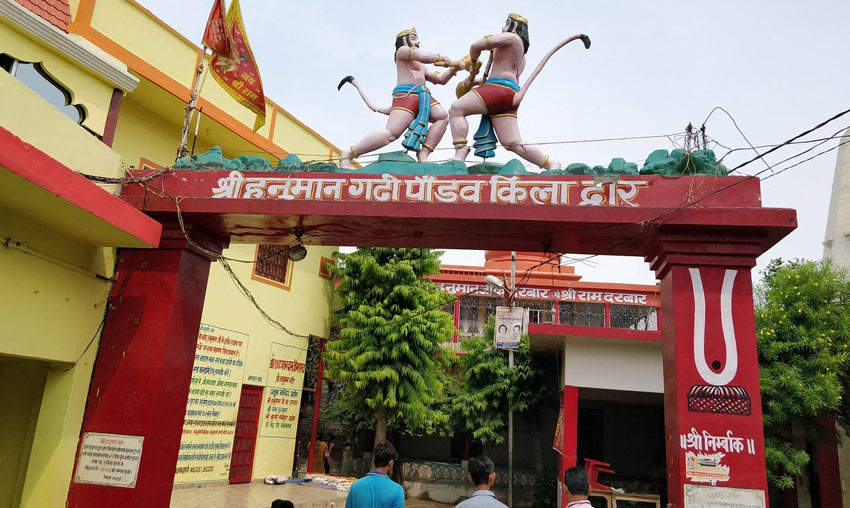
Hanuman Garhi Naimisharanya – History, Religious Significance, Timings and Travel Guide
Hanuman Garhi Naimisharanya is one of the most famous Hindu pilgrimage attractions in Naimisharanya, Sitapur district, Uttar Pradesh. Dedicated to Lord Hanuman, this ancient temple is known for its magnificent 12-foot-tall stone idol depicting Lord Hanuman carrying Lord Rama and Lakshmana on his shoulders. Also known as Bade Hanuman Temple and Dakshineshwar Temple, Hanuman Garhi holds great religious and mythological importance among devotees visiting this sacred pilgrimage town.
According to Hindu mythology, the temple is associated with the legendary story of Lord Hanuman rescuing Lord Rama and Lakshmana from Ahiravana, who had taken them to Patal Lok. After defeating Ahiravana, Lord Hanuman emerged from the underworld carrying both brothers on his shoulders. This divine event is traditionally associated with the appearance of Lord Hanuman at Naimisharanya.
Situated on an elevated mound near the famous Chakra Tirth, Hanuman Garhi is an important stop for pilgrims exploring the religious heritage of Naimisharanya. Its impressive idol, peaceful surroundings and connection with the Ramayana make it a must-visit destination for devotees of Lord Hanuman and travellers interested in Hindu mythology.
Where is Hanuman Garhi Located?
Hanuman Garhi is located in Naimisharanya, also known as Neemsar or Nimsar, in Sitapur district of Uttar Pradesh, India. The temple is situated on Hanuman Garhi Road and is approximately 500 metres from the famous Chakra Tirth, according to the Sitapur district tourism description.
The temple stands on an elevated mound, making it a distinctive religious landmark in the pilgrimage town. Visitors can explore the temple along with other important attractions, including Chakra Tirth, Lalita Devi Temple, Vyas Gaddi and Soot Gaddi.
Naimisharanya is approximately 94 kilometres from Lucknow according to the Sitapur district tourism information, although the actual road distance may vary depending on the route.
History of Hanuman Garhi Naimisharanya
The history of Hanuman Garhi is deeply connected with Hindu mythology and the religious traditions of Naimisharanya. The temple is traditionally associated with an important event from the Ramayana, involving Lord Rama, Lakshmana, Lord Hanuman and the demon Ahiravana.
According to the popular mythological account, during the battle between Lord Rama and Ravana, Ahiravana, a powerful ruler of Patal Lok, used his magical powers to take Lord Rama and Lakshmana to the underworld.
Lord Hanuman discovered their disappearance and decided to rescue them. He entered Patal Lok, where he faced Ahiravana and defeated him after a fierce battle. After successfully rescuing Lord Rama and Lakshmana, Lord Hanuman brought them back from the underworld.
According to the traditional legend associated with Hanuman Garhi, Lord Hanuman appeared at Naimisharanya while carrying Lord Rama and Lakshmana on his shoulders. This event is believed to be represented by the distinctive stone idol worshipped at the temple.
Over generations, Hanuman Garhi became an important pilgrimage destination for devotees of Lord Hanuman. The temple continues to attract pilgrims who visit to seek the blessings of Bade Hanuman and experience the spiritual atmosphere of Naimisharanya.
Religious Significance of Hanuman Garhi Temple
Hanuman Garhi is one of the most important temples dedicated to Lord Hanuman in Naimisharanya. The temple represents the devotion, courage, strength and loyalty of Lord Hanuman towards Lord Rama.
Devotees believe that worshipping Lord Hanuman helps overcome fear, difficulties and negative influences. Many people visit the temple to seek blessings for courage, protection, good health and peace in their lives.
The temple is particularly important for followers of the Ramayana tradition. Its main idol depicts a special mythological scene in which Lord Hanuman carries Lord Rama and Lakshmana on his shoulders after rescuing them from Patal Lok.
The religious importance of Hanuman Garhi makes it an essential destination for pilgrims visiting Naimisharanya and other sacred places in Sitapur.
Why is Hanuman Garhi Also Known as Bade Hanuman?
Hanuman Garhi is popularly known as Bade Hanuman because of its impressive stone idol of Lord Hanuman, which is approximately 12 feet tall.
The large idol is one of the main attractions of the temple. It depicts Lord Hanuman carrying Lord Rama and Lakshmana on his shoulders, representing the legendary rescue from Patal Lok.
The size and unique appearance of the idol make the temple especially popular among devotees and visitors. People from different parts of Uttar Pradesh and other states come here to offer prayers and seek the blessings of Bade Hanuman.
Why is Hanuman Garhi Called Dakshineshwar Temple?
Hanuman Garhi is also known as Dakshineshwar Temple because the main deity faces the southern direction. The word Dakshin means south in Sanskrit and Hindi.
In Hindu religious traditions, south-facing forms of Lord Hanuman are considered spiritually significant. Devotees worship Dakshin Mukhi Hanuman for protection, strength and relief from difficulties.
This unique orientation gives Hanuman Garhi another important religious identity and makes it a notable destination for devotees interested in different forms of Hanuman worship.
The Story of Ahiravana and Lord Hanuman
One of the most popular legends associated with Hanuman Garhi is the story of Ahiravana and the rescue of Lord Rama and Lakshmana from Patal Lok.
According to a traditional version of the Ramayana story, Ahiravana was a powerful ruler of the underworld and was associated with Ravana. He used his magical powers to take Lord Rama and Lakshmana to Patal Lok while they were resting during the battle in Lanka.
When Lord Hanuman learned about the incident, he entered the underworld to rescue the two brothers. He fought Ahiravana and eventually defeated him, freeing Lord Rama and Lakshmana from captivity.
After the successful rescue, Lord Hanuman carried both brothers on his shoulders and emerged from Patal Lok. This divine scene is traditionally associated with the main idol of Hanuman Garhi Naimisharanya.
The story symbolises the unconditional devotion of Lord Hanuman and his dedication to protecting Lord Rama and his family.
The Famous 12-Foot Idol of Lord Hanuman
The main attraction of Hanuman Garhi is its magnificent stone idol of Lord Hanuman, which is approximately 12 feet tall. Unlike many traditional Hanuman temples where the deity is depicted standing with a mace or carrying the Sanjeevani mountain, this temple features a distinctive representation of Lord Hanuman carrying Lord Rama and Lakshmana on his shoulders.
The idol represents the mythological event associated with Ahiravana and the rescue of the two brothers from Patal Lok.
Its impressive size and unique religious symbolism make it one of the most recognisable features of the Hanuman Garhi Temple in Naimisharanya.
Devotees visit the shrine to offer flowers, sweets, sindoor and other traditional offerings to Lord Hanuman.
Hanuman Garhi and the Religious Heritage of Naimisharanya
Naimisharanya is one of the most sacred pilgrimage destinations in Uttar Pradesh. The region is traditionally associated with ancient sages, religious discussions, yajnas and important events from Hindu mythology.
Hanuman Garhi forms an important part of this spiritual landscape. Its association with the Ramayana adds another dimension to the religious importance of Naimisharanya, which is already famous for its ancient temples and sacred water bodies.
Visitors can explore Hanuman Garhi along with Chakra Tirth, Lalita Devi Temple, Vyas Gaddi and Soot Gaddi to understand the religious and cultural heritage of this ancient pilgrimage destination.
Read our complete destination guide: Naimisharanya Tourism – Best Places to Visit and Travel Guide.
What to See at Hanuman Garhi?
Hanuman Garhi offers several religious and cultural highlights for devotees and visitors.
1. Giant Idol of Lord Hanuman
The 12-foot-tall stone idol of Lord Hanuman is the main attraction of the temple. It depicts the deity carrying Lord Rama and Lakshmana on his shoulders and represents the traditional story of their rescue from Patal Lok.
2. Dakshin Mukhi Hanuman
The main deity faces south, giving the temple its popular name Dakshineshwar. Devotees consider this form of Lord Hanuman especially significant for prayers seeking protection and strength.
3. Elevated Temple Location
Hanuman Garhi is situated on an elevated mound. Visitors approach the temple through its raised entrance and can enjoy the peaceful religious atmosphere surrounding the shrine.
4. Religious Prayers and Worship
Devotees visit the temple to offer flowers, sweets, sindoor and other traditional offerings. Hanuman Chalisa, Sundarkand Path and other devotional prayers are important parts of Hanuman worship.
5. Peaceful Spiritual Environment
The temple offers a devotional atmosphere where visitors can spend time in prayer and reflection. Its location near other sacred attractions makes it an important stop during a Naimisharanya pilgrimage.
Hanuman Garhi Temple Timings and Entry Fees
Hanuman Garhi is generally accessible to visitors throughout the year. According to the Uttar Pradesh tourism destination master plan, the temple is typically open from sunrise to sunset and does not require an entry ticket.
- Opening time: Sunrise
- Closing time: Sunset
- Entry fee: Generally free
- Visiting days: All days of the week
- Best time for darshan: Early morning and evening
Actual darshan and aarti timings may vary according to local temple arrangements and special religious occasions. Visitors should confirm the latest schedule locally before travelling.
Best Time to Visit Hanuman Garhi Naimisharanya
The best time to visit Hanuman Garhi is between October and March, when the weather in Uttar Pradesh is generally pleasant. These months are suitable for temple visits, sightseeing and exploring other pilgrimage attractions in Naimisharanya.
Winter Season (October to March)
Winter is an ideal season for visiting Hanuman Garhi. The comfortable weather makes it easier for families and pilgrims to explore the temple and nearby religious destinations.
Summer Season (April to June)
Summer temperatures can become quite high in Sitapur. Visitors planning a trip during this period should prefer early morning darshan and carry sufficient drinking water.
Monsoon Season (July to September)
The monsoon season brings rainfall and greenery to the surrounding region. Visitors should check local weather conditions and road accessibility before travelling.
Festivals Celebrated at Hanuman Garhi
Hanuman Garhi attracts devotees throughout the year, especially during festivals and religious occasions dedicated to Lord Hanuman.
Hanuman Jayanti
Hanuman Jayanti is one of the most important festivals celebrated by devotees of Lord Hanuman. The occasion marks the traditional birth anniversary of Lord Hanuman and is observed with prayers, devotional songs and special worship.
Devotees visit Hanuman Garhi to offer prayers and seek the blessings of Bade Hanuman. The temple may experience increased footfall during this festival.
Tuesday and Saturday Worship
Tuesday and Saturday are traditionally considered important days for Lord Hanuman worship. Devotees visit the temple on these days to offer sindoor, flowers and sweets and recite Hanuman Chalisa.
Ram Navami
Ram Navami celebrates the birth of Lord Rama and holds special significance for devotees of Lord Hanuman, who is regarded as the greatest devotee of Lord Rama. Visitors may combine their temple visit with prayers dedicated to Lord Rama.
Diwali
Diwali is an important Hindu festival associated with the return of Lord Rama to Ayodhya. The festival also has special religious significance for devotees who worship Lord Rama and Lord Hanuman.
Places to Visit Near Hanuman Garhi Naimisharanya
Hanuman Garhi is located near several famous religious attractions in Naimisharanya. Visitors can explore these destinations as part of a complete pilgrimage tour.
1. Chakra Tirth
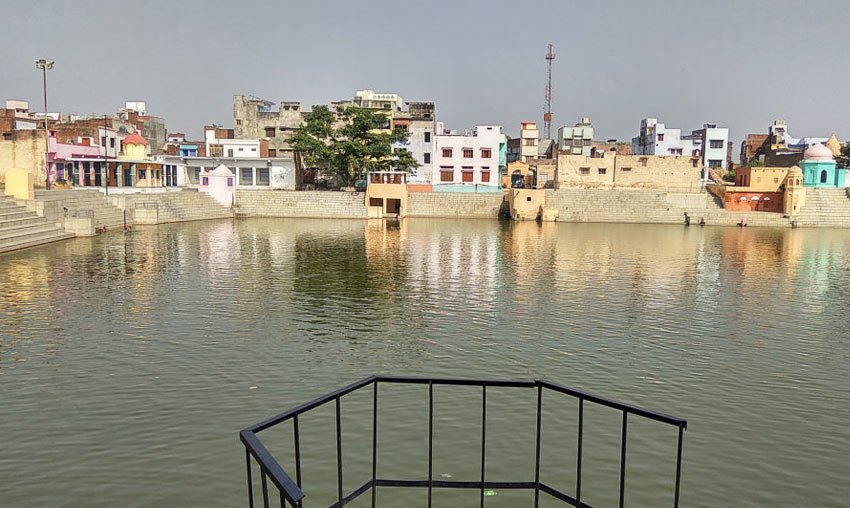
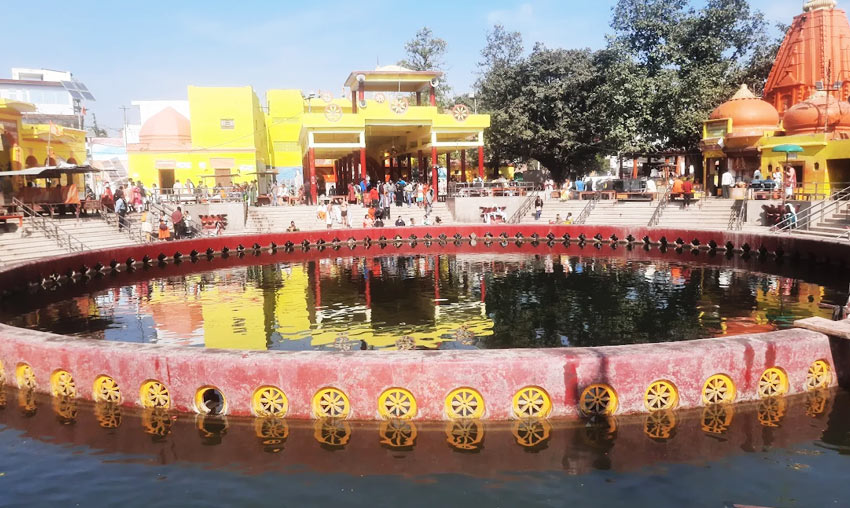
Chakra Tirth is one of the most famous religious destinations in Naimisharanya. It is associated with the divine chakra of Lord Brahma and is known for its circular sacred kund. Devotees visit this holy site for religious bathing and prayers.
Read more: Chakra Tirth Naimisharanya – History and Travel Guide.
2. Lalita Devi Temple
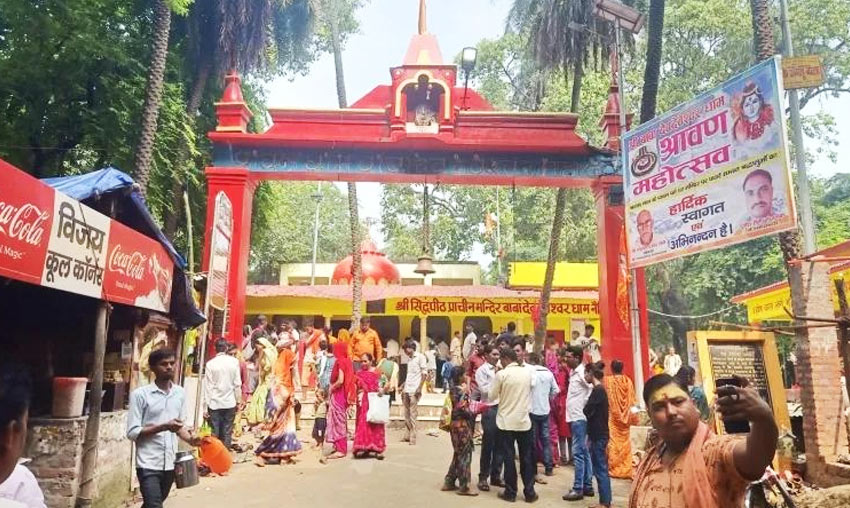
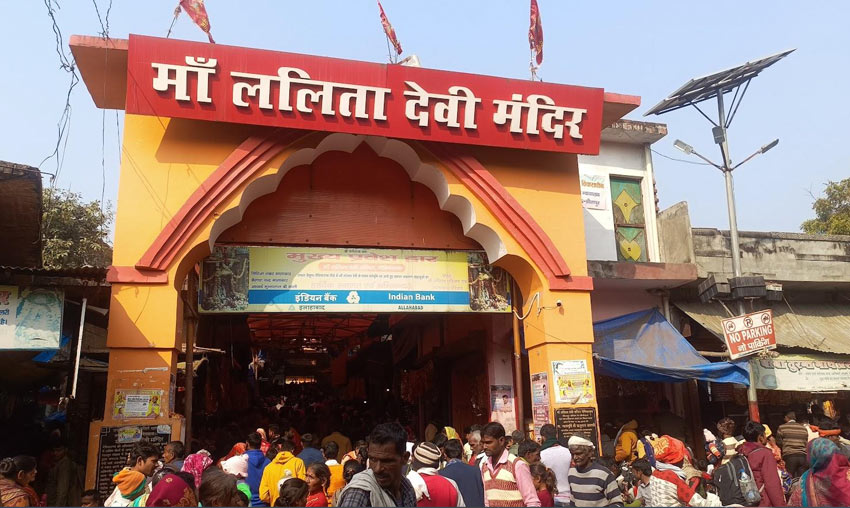
Lalita Devi Temple is an important Shakti worship centre traditionally counted among the 51 Shakti Peethas. Dedicated to Goddess Lalita Devi, the temple attracts devotees throughout the year.
Explore more: Lalita Devi Temple Naimisharanya.
3. Vyas Gaddi
Vyas Gaddi is associated with Maharishi Ved Vyasa and the ancient tradition of Hindu scriptures. It is an important destination for visitors interested in the spiritual and literary heritage of Naimisharanya.
Read more: Vyas Gaddi Naimisharanya.
4. Soot Gaddi
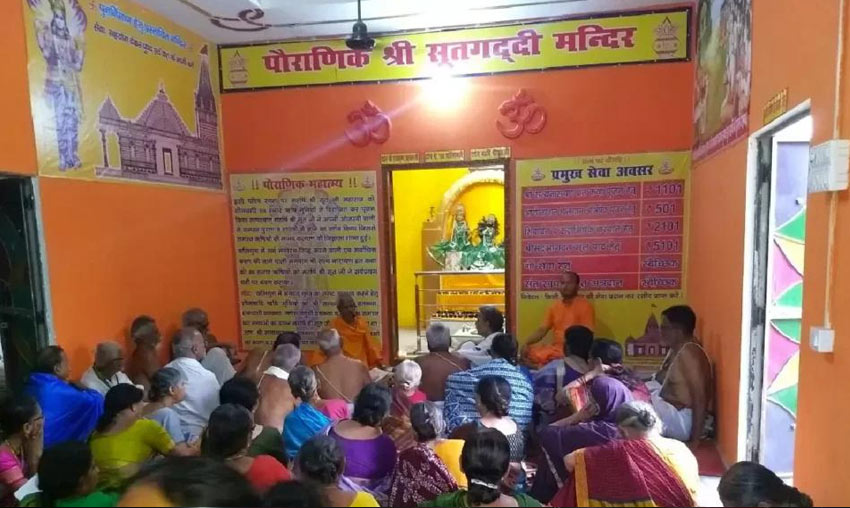
Soot Gaddi is associated with Maharishi Soot, who is traditionally believed to have narrated sacred Puranic stories to Rishi Shaunak and thousands of assembled sages.
Explore more: Soot Gaddi Naimisharanya.
5. Panchmukhi Hanuman Temple
Panchmukhi Hanuman Temple is another important religious attraction in Naimisharanya. It is located near Lalita Devi Shakti Peeth and is dedicated to the five-faced form of Lord Hanuman. The temple represents the forms of Hanuman, Narasimha, Garuda, Varaha and Hayagriva.
Read more: Panchmukhi Hanuman Temple Naimisharanya.
6. Pandav Kila
Pandav Kila is a religious attraction traditionally associated with the Pandavas of the Mahabharata. It is an interesting destination for visitors exploring the ancient mythological heritage of Naimisharanya.
Read more: Pandav Kila Naimisharanya.
How to Reach Hanuman Garhi Naimisharanya
Hanuman Garhi is situated in Naimisharanya, Sitapur district, Uttar Pradesh. Visitors can reach the pilgrimage town through road and railway connections from Lucknow, Sitapur and nearby cities.
By Air
The nearest major airport is Chaudhary Charan Singh International Airport in Lucknow. From the airport, visitors can hire a taxi or use road transport to reach Naimisharanya.
By Train
Naimisharanya Railway Station serves the pilgrimage town. Sitapur is another important railway connection. Visitors can also check train availability through Balamau Junction, depending on their starting location.
By Road
Naimisharanya is connected by road to Lucknow, Sitapur, Hardoi and other nearby cities. Visitors can travel by private car, taxi or available bus services. Local rickshaws and other transport options can be used to reach Hanuman Garhi from the main bus stand or nearby pilgrimage areas.
Travel Tips for Visiting Hanuman Garhi
- Visit early in the morning for a peaceful darshan experience.
- Wear comfortable and modest clothing while visiting the temple.
- Be prepared for an elevated approach to the temple.
- Remove footwear before entering the temple premises.
- Respect temple traditions and follow local instructions.
- Carry drinking water during summer visits.
- Keep your belongings safe during busy festival periods.
- Check local aarti timings before planning your visit.
- Combine your visit with Chakra Tirth and other nearby religious attractions.
- Maintain cleanliness around the temple premises.
Why Should You Visit Hanuman Garhi Naimisharanya?
Hanuman Garhi is a significant religious destination for devotees of Lord Hanuman and anyone interested in the mythology of the Ramayana. Its unique 12-foot stone idol, traditional story of the rescue from Patal Lok and south-facing form of Lord Hanuman make it a distinctive pilgrimage site.
The temple also offers visitors an opportunity to explore the broader spiritual heritage of Naimisharanya, which is known for its ancient sages, sacred temples and mythological traditions.
Whether you are travelling with family, undertaking a religious pilgrimage or exploring the famous temples of Uttar Pradesh, Hanuman Garhi deserves a place on your Naimisharanya travel itinerary.
Frequently Asked Questions About Hanuman Garhi Naimisharanya
1. Where is Hanuman Garhi located?
Hanuman Garhi is located in Naimisharanya, Sitapur district, Uttar Pradesh, India. It is situated approximately 500 metres from Chakra Tirth.
2. Why is Hanuman Garhi Naimisharanya famous?
Hanuman Garhi is famous for its approximately 12-foot-tall stone idol of Lord Hanuman carrying Lord Rama and Lakshmana on his shoulders. It is also associated with the mythological story of Ahiravana and Patal Lok.
3. Why is Hanuman Garhi called Bade Hanuman?
The temple is popularly known as Bade Hanuman because of its impressive 12-foot-tall idol of Lord Hanuman.
4. Why is Hanuman Garhi also known as Dakshineshwar?
Hanuman Garhi is also known as Dakshineshwar because the main idol of Lord Hanuman faces the southern direction.
5. What is the story of Hanuman Garhi?
According to traditional mythology, Lord Hanuman defeated Ahiravana in Patal Lok and rescued Lord Rama and Lakshmana. The temple’s main idol represents the scene of Lord Hanuman carrying the two brothers on his shoulders.
6. What are the timings of Hanuman Garhi?
The temple is generally accessible from sunrise to sunset. Exact darshan and aarti timings may vary according to local temple arrangements.
7. Is there an entry fee for Hanuman Garhi?
Generally, there is no entry fee for visiting Hanuman Garhi. Devotees can visit the temple for darshan and prayers without purchasing an admission ticket.
8. What is the best time to visit Hanuman Garhi?
October to March is generally considered the best time to visit because of the pleasant weather. Early mornings are suitable for a peaceful darshan.
9. How far is Hanuman Garhi from Chakra Tirth?
According to the Sitapur district tourism description, Hanuman Garhi is situated approximately 500 metres from Chakra Tirth.
10. What are the nearby places to visit from Hanuman Garhi?
Popular nearby attractions include Chakra Tirth, Lalita Devi Temple, Vyas Gaddi, Soot Gaddi, Panchmukhi Hanuman Temple and Pandav Kila.
11. Is Hanuman Garhi suitable for a family pilgrimage?
Yes, Hanuman Garhi is a popular family pilgrimage destination. Visitors can explore the temple and other nearby religious attractions during the same trip.
Hanuman Garhi Naimisharanya is one of the most remarkable religious attractions in Sitapur, Uttar Pradesh. Dedicated to Lord Hanuman, the temple is known for its giant stone idol, its association with the story of Ahiravana and the traditional belief that Lord Hanuman emerged from Patal Lok carrying Lord Rama and Lakshmana.
Also known as Bade Hanuman and Dakshineshwar Temple, this sacred destination reflects the devotion, strength and courage of Lord Hanuman. Its location near Chakra Tirth makes it easy to include in a wider Naimisharanya pilgrimage.
If you are planning to explore the religious heritage of Uttar Pradesh, make sure to include Hanuman Garhi in your travel itinerary along with Chakra Tirth, Lalita Devi Temple, Vyas Gaddi and other famous attractions of Naimisharanya.
Nearby Places to Visit