Tungnath Temple, Uttarakhand – History, Significance & Trek Guide
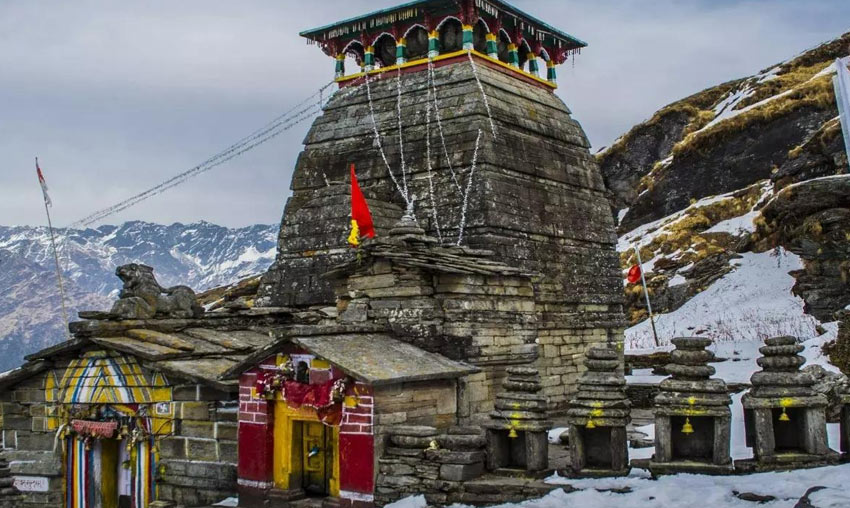
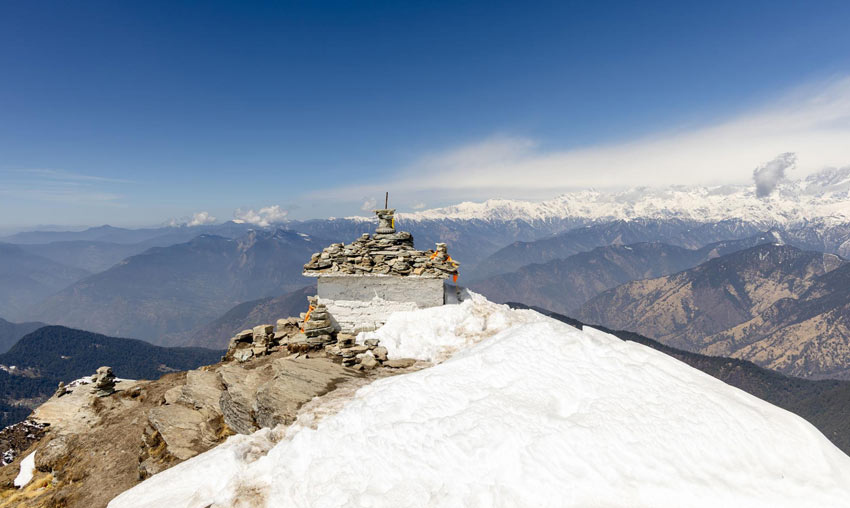
Located high in the Garhwal Himalayas of Uttarakhand, Tungnath Temple is one of the most sacred Hindu temples dedicated to Lord Shiva. Surrounded by magnificent mountain peaks, alpine meadows and beautiful Himalayan landscapes, this ancient stone temple is an important pilgrimage destination as well as a popular trekking attraction.
Situated at an altitude of approximately 3,680 metres above sea level, Tungnath is recognised as one of the highest Shiva temples in the world. It is also one of the five sacred shrines of Panch Kedar, a pilgrimage circuit associated with the legends of Lord Shiva and the Pandavas.
The trek to Tungnath begins from Chopta and takes visitors through scenic mountain trails, green meadows and beautiful forest landscapes. Many trekkers continue beyond the temple to Chandrashila Peak, which offers spectacular panoramic views of the Himalayan ranges.
Whether you are a devotee seeking spiritual blessings or an adventure enthusiast looking for a memorable Himalayan trek, Tungnath Temple is a remarkable destination to explore in Uttarakhand.
Where is Tungnath Temple Located?
Tungnath Temple is located on Chandranath Parvat in the Rudraprayag district of Uttarakhand, India. It lies in the Garhwal Himalayas, above the scenic mountain destination of Chopta.
The temple is situated at approximately 3,680 metres above sea level and can be reached by trekking from Chopta. The route passes through beautiful alpine landscapes and offers views of several prominent Himalayan peaks.
Chopta serves as the main starting point for visitors travelling to Tungnath. The temple is also an important stop on the route towards Chandrashila Peak.
Why is Tungnath Temple Famous?
Tungnath Temple is famous for its religious significance, high-altitude location and beautiful Himalayan surroundings. It holds a special position in Hindu mythology and is an important part of the Panch Kedar pilgrimage.
- One of the Highest Shiva Temples: Tungnath stands at approximately 3,680 metres above sea level.
- Panch Kedar Shrine: It is one of the five sacred temples dedicated to different manifestations of Lord Shiva in the Garhwal Himalayas.
- Mythological Significance: According to local religious tradition, the arms of Lord Shiva are worshipped at Tungnath.
- Ancient Stone Architecture: The temple is known for its traditional Himalayan stone construction.
- Popular Trekking Route: The trail from Chopta to Tungnath attracts pilgrims, trekkers and nature lovers.
- Chandrashila Connection: The temple lies on the popular trekking route towards Chandrashila Peak.
History of Tungnath Temple
Tungnath Temple has a long-standing place in the religious heritage of Uttarakhand. It is traditionally associated with the legends of the Mahabharata and the Pandavas.
According to Hindu mythology, after the Kurukshetra war, the Pandavas sought forgiveness from Lord Shiva for the destruction caused during the battle. Lord Shiva did not wish to meet them and is believed to have taken the form of a bull before disappearing into the earth.
According to the popular Panch Kedar legend, different parts of Lord Shiva appeared at five locations in the Garhwal Himalayas. These locations became the sacred Panch Kedar temples.
At Tungnath, the arms or Bahu of Lord Shiva are traditionally worshipped. The other four temples are Kedarnath, Madhyamaheshwar, Rudranath and Kalpeshwar.
The exact historical construction date of the present temple is not firmly established. Its traditional architecture and religious associations make it an important heritage site in the Himalayan region.
Religious Significance of Tungnath – The Panch Kedar Temple
Tungnath is one of the five sacred temples collectively known as Panch Kedar. These temples are located in the Garhwal Himalayas of Uttarakhand and are dedicated to different manifestations of Lord Shiva.
According to the traditional legend, the body parts of Lord Shiva appeared at five different locations after he disappeared in the form of a bull.
- Kedarnath: The hump of Lord Shiva is worshipped here.
- Tungnath: The arms of Lord Shiva are worshipped here.
- Madhyamaheshwar: The navel or middle part of Lord Shiva is worshipped here.
- Rudranath: The face of Lord Shiva is worshipped here.
- Kalpeshwar: The matted hair or Jata of Lord Shiva is worshipped here.
Pilgrims visiting Tungnath often consider it an important part of their spiritual journey through the Panch Kedar circuit.
Architecture of Tungnath Temple
Tungnath Temple is a beautiful example of traditional Himalayan stone architecture. The structure is built using stone blocks and reflects the architectural style commonly found in ancient mountain temples of Uttarakhand.
The temple has a compact structure with a traditional stone exterior and a small entrance leading towards the sanctum. Its simple yet distinctive design blends naturally with the rugged mountain surroundings.
A Nandi figure is traditionally associated with the temple entrance, reflecting the connection with Lord Shiva. Smaller shrines and religious structures can also be found in the temple complex.
The temple’s mountain setting, stone construction and centuries-old religious traditions make it an interesting destination for visitors interested in Himalayan heritage and architecture.
Tungnath Trek from Chopta
The trek from Chopta to Tungnath Temple is one of the most popular short Himalayan trekking routes in Uttarakhand. It is approximately 3 to 4 kilometres one way, depending on the exact starting point and trail conditions.
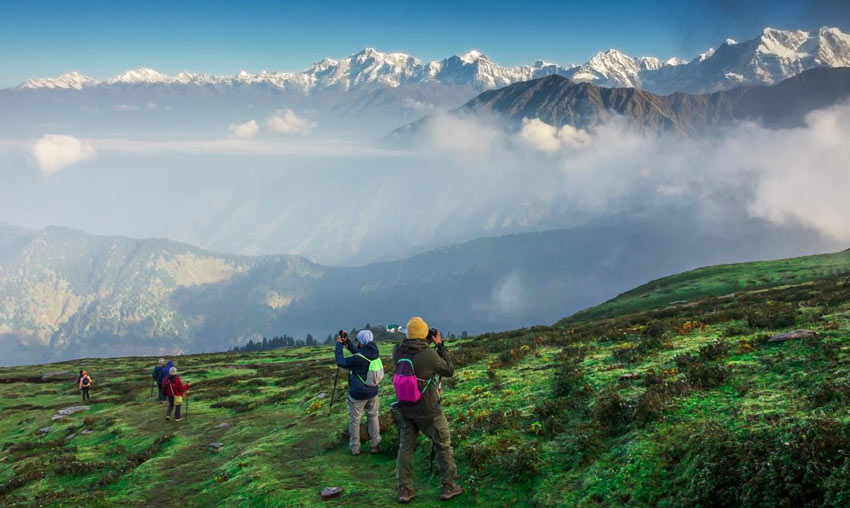
The trail follows a gradual uphill route through open mountain landscapes, green meadows and sections of alpine vegetation. Along the way, trekkers can enjoy spectacular views of the surrounding Himalayan ranges.
Trek Route
The usual trekking route is:
Chopta → Tungnath Temple → Return to Chopta
The trail is generally considered easy to moderate for reasonably fit visitors. However, the high altitude and continuous uphill climb can make the journey physically demanding for some people.
Trek Distance and Duration
- Starting Point: Chopta
- Destination: Tungnath Temple
- One-Way Distance: Approximately 3–4 kilometres
- Altitude: Approximately 3,680 metres
- Difficulty: Easy to moderate, depending on fitness and conditions
- Typical Walking Time: Around 2–3 hours uphill for many visitors
Walking time varies according to fitness, weather, snow conditions and the number of breaks. Visitors should allow enough time for the return journey and avoid rushing.
Chandrashila Trek from Tungnath
Chandrashila Peak is one of the most famous attractions near Tungnath Temple. Located above the temple, the summit is known for its breathtaking views of the Garhwal Himalayas.
The trail from Tungnath continues uphill towards Chandrashila and involves a steeper climb. The additional distance is approximately 1 to 1.5 kilometres one way, depending on the route and conditions.
From the summit, trekkers may enjoy views of prominent Himalayan peaks such as Nanda Devi, Trishul, Chaukhamba and Neelkanth on clear days.
The Chandrashila section can become challenging during winter because of snow and ice. Visitors should check local conditions and avoid attempting the summit without suitable preparation and equipment.
Best Time to Visit Tungnath Temple
The best time to visit Tungnath depends on the temple’s seasonal opening schedule and the weather conditions on the trekking route. The temple generally opens during spring and remains accessible until autumn, before closing for winter.
- April to May: The temple usually opens during this period, depending on the annual religious calendar. Snow may still be present on parts of the trail.
- May to June: A popular period for pilgrimage and trekking, with comparatively pleasant daytime weather.
- July to August: Monsoon rainfall can make the trail slippery and affect road access. Check weather and local advisories before travelling.
- September to October: Clearer skies and beautiful mountain views make this an attractive period for visiting.
- November to March: The temple remains closed for winter, and the route may experience heavy snowfall and difficult conditions.
Opening and closing dates are announced each year by the temple authorities. Visitors should confirm the current pilgrimage schedule before planning their journey.
Winter Worship of Tungnath
Tungnath Temple remains closed during the winter months because of heavy snowfall and difficult weather conditions at high altitude.
During this period, the deity is traditionally moved to Makkumath village, which serves as the winter seat for worship. Devotees can visit the winter worship location according to the local religious schedule.
This seasonal tradition allows devotees to continue their worship even when the high-altitude temple is inaccessible during winter.
Places to Visit Near Tungnath Temple
The Chopta region has several beautiful natural and religious attractions that can be explored during a visit to Tungnath.
- Chopta: The scenic mountain destination and starting point for the Tungnath trek, known for its meadows and Himalayan views.
- Chandrashila Peak: A popular mountain summit above Tungnath, offering panoramic views of the Himalayan ranges.
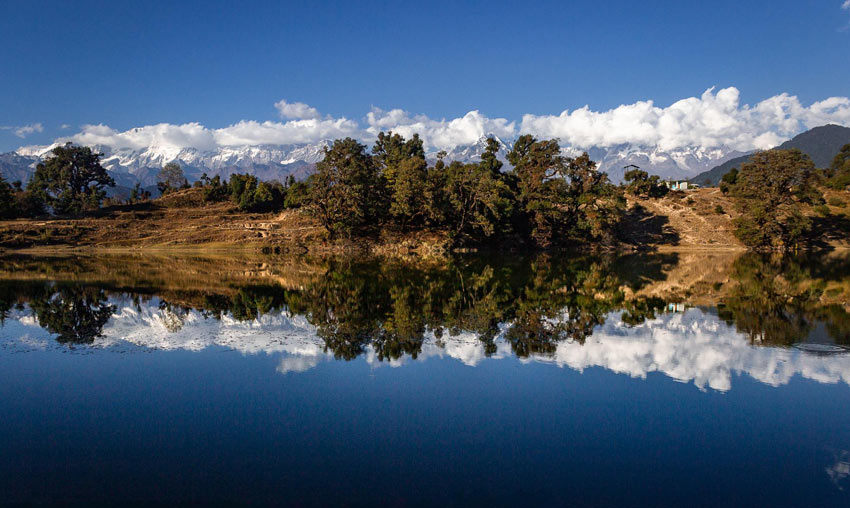
- Deoria Tal: A beautiful high-altitude lake near Sari village, famous for its mountain reflections and peaceful surroundings.
- Rohini Bugyal: A scenic alpine meadow associated with the trekking routes around Chopta.
- Ukhimath: An important religious town known for its connection with the winter worship traditions of Kedarnath and Madhyamaheshwar.
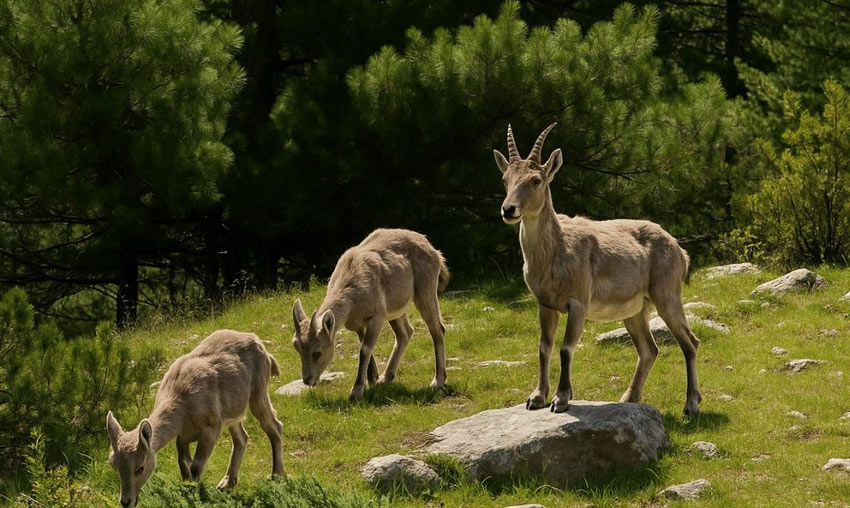
- Kanchula Korak Musk Deer Sanctuary: A protected forest area near Chopta known for its Himalayan wildlife habitat.
How to Reach Tungnath Temple
By Road
The nearest road access point for Tungnath Temple is Chopta. Visitors can reach Chopta by road from Rishikesh, Rudraprayag, Ukhimath or Gopeshwar, depending on their starting point.
A common route from Rishikesh is:
Rishikesh → Devprayag → Srinagar → Rudraprayag → Ukhimath → Chopta.
From Chopta, visitors must continue on foot along the trekking trail to reach Tungnath Temple.
By Train
Rishikesh is one of the nearest major railway stations for travellers heading towards Chopta. From Rishikesh, visitors can continue by bus or taxi towards Rudraprayag, Ukhimath and Chopta.
By Air
Jolly Grant Airport in Dehradun is the nearest airport for most visitors travelling to the Chopta region. From the airport, travellers can hire a taxi or continue towards Rishikesh and then travel by road to Chopta.
Suggested One-Day Tungnath Trek Itinerary
Early Morning
- Start from your accommodation in Chopta.
- Reach the Tungnath trekking starting point.
- Begin the uphill trek after checking weather and trail conditions.
Late Morning
- Reach Tungnath Temple and spend time exploring the temple complex.
- Offer prayers and enjoy the surrounding Himalayan views.
- If conditions permit and you are adequately prepared, consider continuing towards Chandrashila.
Afternoon
- Begin the return journey towards Chopta.
- Walk carefully, particularly on steep or slippery sections.
- Reach Chopta and return to your accommodation.
The itinerary should be adjusted according to the season, temple timings, weather and individual fitness. Avoid starting the trek late in the day.
Travel Tips for Visiting Tungnath Temple
- Check the annual temple opening and closing dates before planning your visit.
- Wear comfortable trekking shoes with good grip.
- Carry warm clothes even during summer, as temperatures can fall quickly at high altitude.
- Start the trek early to allow enough time for the ascent and descent.
- Carry drinking water, snacks and essential medicines.
- Walk at a comfortable pace and take breaks when needed.
- Acclimatise properly and pay attention to symptoms of altitude sickness.
- Do not attempt the Chandrashila climb during unsafe weather or icy trail conditions.
- Respect temple customs and follow instructions from temple authorities.
- Keep the trekking trail clean and avoid disturbing wildlife.
Frequently Asked Questions About Tungnath Temple
1. Where is Tungnath Temple located?
Tungnath Temple is located on Chandranath Parvat in Rudraprayag district, Uttarakhand, above the mountain destination of Chopta.
2. What is the altitude of Tungnath Temple?
Tungnath Temple is situated at approximately 3,680 metres above sea level.
3. Why is Tungnath Temple famous?
Tungnath is famous as one of the highest Shiva temples in the world and as one of the five sacred Panch Kedar shrines. It is also popular for its scenic trek from Chopta.
4. How far is Tungnath Temple from Chopta?
The trek from Chopta to Tungnath Temple is approximately 3 to 4 kilometres one way, depending on the starting point and route conditions.
5. How difficult is the Tungnath trek?
The Tungnath trek is generally considered easy to moderate for reasonably fit visitors. However, the uphill climb and high altitude can make it challenging for beginners.
6. How much time does it take to reach Tungnath?
Many visitors take approximately 2 to 3 hours to reach Tungnath from Chopta. Walking time varies according to fitness, weather and trail conditions.
7. Can Chandrashila be visited along with Tungnath?
Yes. Chandrashila Peak lies above Tungnath Temple and can be included in the same trekking route. The final climb is steeper and should only be attempted when conditions are safe.
8. Is Tungnath Temple open throughout the year?
No. Tungnath Temple generally opens during spring and closes for winter because of heavy snowfall. During winter, worship takes place at Makkumath according to local religious traditions.
9. What is the best time to visit Tungnath Temple?
May to June and September to October are popular periods for visiting Tungnath, subject to the temple’s annual opening schedule and weather conditions.
10. Is Tungnath one of the Panch Kedar temples?
Yes. Tungnath is one of the five sacred Panch Kedar temples of Uttarakhand, where the arms of Lord Shiva are traditionally worshipped.
Tungnath Temple is one of the most remarkable spiritual and trekking destinations in Uttarakhand. Its sacred connection with the Panch Kedar, ancient stone architecture and spectacular Himalayan location make it an unforgettable place for pilgrims and travellers.
The journey from Chopta to Tungnath offers a wonderful combination of natural beauty, mountain adventure and religious heritage. Visitors can also extend their trek to Chandrashila Peak for breathtaking views of the Himalayan ranges.
Whether you are planning a spiritual pilgrimage or a Himalayan trekking adventure, Tungnath Temple deserves a place on your Uttarakhand travel itinerary.
Nearby Places to Visit