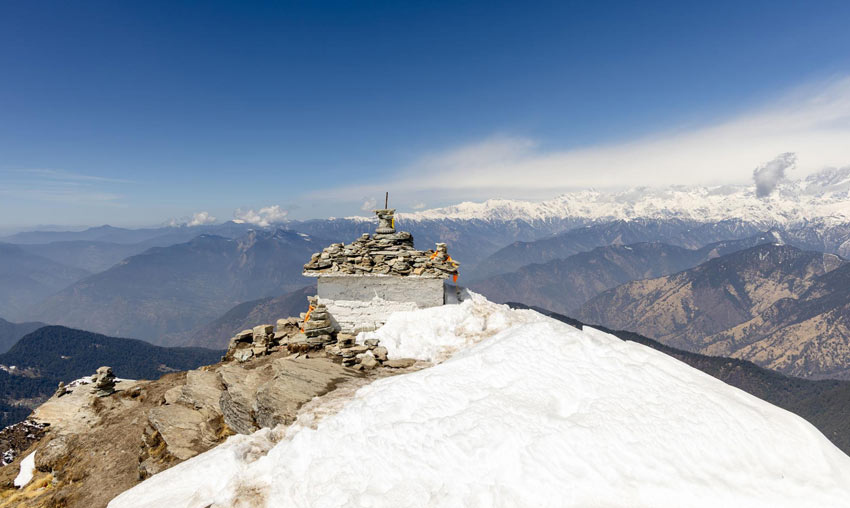
Chandrashila Peak, Uttarakhand – Trek to the Himalayan Summit
Rising high above the Garhwal Himalayas of Uttarakhand, Chandrashila Peak is one of the most spectacular trekking destinations in the Chopta region. Famous for its breathtaking panoramic views of snow-covered Himalayan mountains, this beautiful summit attracts trekkers, photographers, adventure lovers and nature enthusiasts throughout the year.
Located at an altitude of approximately 4,000 metres, Chandrashila is reached by following the popular trekking route from Chopta through the sacred Tungnath Temple. The journey takes visitors through beautiful mountain meadows, forest landscapes and high-altitude trails before reaching the summit.
From the top, trekkers can enjoy magnificent views of prominent Himalayan peaks, including Nanda Devi, Trishul, Chaukhamba, Kedar Dome and other mountain ranges on clear days. The sunrise experience from Chandrashila is particularly memorable, as the first rays of sunlight illuminate the snow-covered mountains.
Whether you are planning a Himalayan trekking adventure or exploring the natural beauty of Uttarakhand, Chandrashila Peak deserves a place on your Chopta travel itinerary.
Where is Chandrashila Peak Located?
Chandrashila Peak is located in the Rudraprayag district of Uttarakhand, India, in the Garhwal Himalayan region. It forms the summit of Chandranath Parvat and lies above the famous Tungnath Temple.
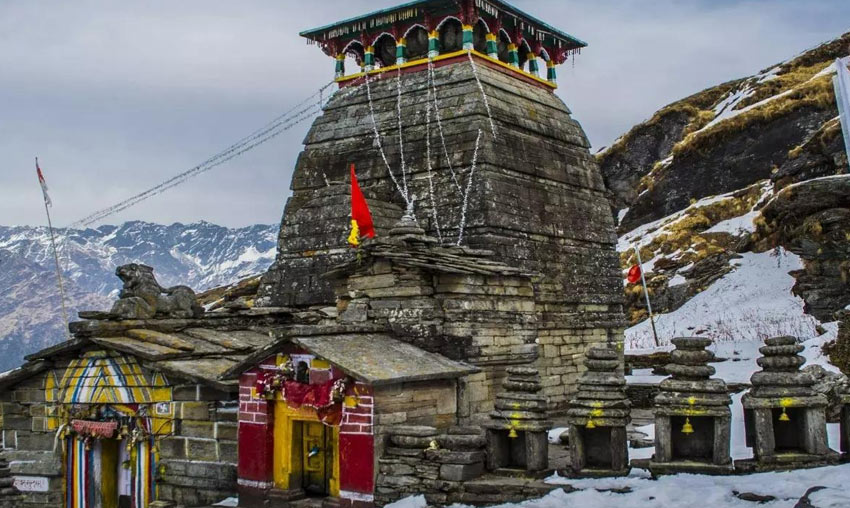
The peak is situated near Chopta, which serves as the main starting point for the trek. The route passes through Tungnath, one of the sacred Panch Kedar temples dedicated to Lord Shiva.
The surrounding landscape includes alpine meadows, mountain forests, rocky slopes and snow-covered Himalayan peaks. Its elevated location provides some of the most impressive mountain views in the Chopta region.
Why is Chandrashila Peak Famous?
Chandrashila Peak is famous for its spectacular Himalayan views, trekking opportunities and religious legends. Its location above Tungnath Temple makes it an important destination for both pilgrims and adventure travellers.
- Panoramic Himalayan Views: The summit offers beautiful views of Nanda Devi, Trishul, Chaukhamba and other Himalayan peaks.
- Popular Trekking Destination: The trek from Chopta through Tungnath is one of the best-known mountain trails in Uttarakhand.
- Sunrise Experience: Early morning views from the summit are especially beautiful when the first sunlight reaches the mountain peaks.
- Religious Legends: Chandrashila is associated with traditional stories about Lord Rama and Chandra, the Moon God.
- Snow Trekking: During winter, the trail can be covered in snow, offering a different experience for properly equipped trekkers.
- Chopta and Tungnath Connection: The peak is reached through the scenic Chopta–Tungnath trekking route.
Meaning and Legends of Chandrashila
The name Chandrashila is commonly interpreted as “Moon Rock”. The peak is associated with several traditional Hindu legends that add spiritual significance to this beautiful Himalayan summit.
Legend of Chandra, the Moon God
According to one popular belief, Chandra, the Moon God, performed penance at this mountain. The name Chandrashila is traditionally connected with this story and is an important part of the local religious folklore.
Connection with Lord Rama
Another traditional legend associates Chandrashila with Lord Rama. According to this belief, Lord Rama meditated at the summit after defeating Ravana.
These stories are part of the religious traditions associated with the mountain and contribute to its spiritual importance among visitors and devotees.
Chandrashila Trek from Chopta
The Chandrashila trek is one of the most popular Himalayan trekking routes in Uttarakhand. The journey starts from Chopta and follows an uphill trail towards Tungnath Temple before continuing to the Chandrashila summit.
The route combines beautiful mountain scenery, religious heritage and a rewarding summit experience. Trekkers pass through open meadows, forested slopes and rocky mountain sections along the way.
Chopta to Tungnath
The first section of the trek takes visitors from Chopta to Tungnath Temple. The route is approximately 3 to 3.5 kilometres one way and follows a well-known uphill trail through the Himalayan landscape.
Tungnath is one of the five sacred Panch Kedar temples and is an important religious stop on the journey. Trekkers often take a break here before continuing towards Chandrashila.
Tungnath to Chandrashila Summit
Beyond Tungnath Temple, the trail continues uphill towards Chandrashila Peak. This final section is approximately 1.5 kilometres one way and involves a steeper climb.
The route can become particularly challenging during winter because of snow and ice. Trekkers should check trail conditions and use appropriate equipment before attempting this section.
Chandrashila Trek Distance, Altitude and Difficulty
The Chopta–Tungnath–Chandrashila route is a popular day trek for visitors with reasonable fitness and adequate preparation.
- Starting Point: Chopta
- Route: Chopta – Tungnath – Chandrashila
- Summit Altitude: Approximately 4,000 metres
- Chopta to Tungnath: Approximately 3–3.5 kilometres one way
- Tungnath to Chandrashila: Approximately 1.5 kilometres one way
- Total Distance: Around 9–10 kilometres for the round trip, depending on the starting point and route
- Difficulty: Moderate; conditions can make the trek considerably harder
- Typical Duration: Around 7–8 hours for the round trip, including breaks, depending on fitness and weather
The final climb to the summit is steep, and the high altitude can make walking more demanding. Visitors should maintain a comfortable pace and allow enough time for the return journey.
Himalayan Peaks Visible from Chandrashila
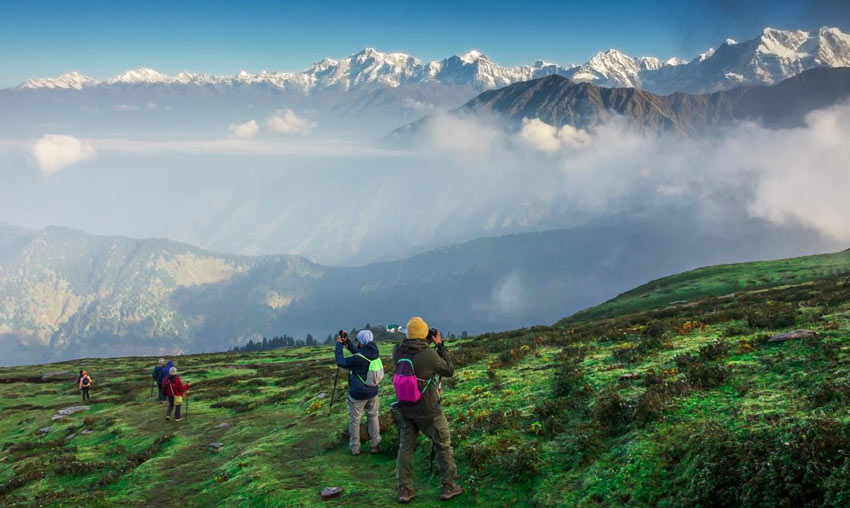
One of the biggest rewards of reaching Chandrashila is the panoramic view of the Himalayan mountain ranges. On clear days, visitors can enjoy an impressive collection of snow-covered peaks stretching across the horizon.
- Nanda Devi: One of India’s most famous and majestic Himalayan mountain peaks.
- Trishul: A striking group of Himalayan peaks with a distinctive mountain profile.
- Chaukhamba: A prominent mountain massif known for its impressive snow-covered summits.
- Kedar Dome: A beautiful mountain peak in the Garhwal Himalayas.
- Bandarpoonch: A notable Himalayan mountain massif visible from some viewpoints in the region.
- Neelkanth: A well-known Himalayan peak associated with the Badrinath region.
Visibility depends on weather conditions, cloud cover and the season. Clear mornings generally provide better opportunities to enjoy the distant mountain views.
Sunrise at Chandrashila Peak
Watching the sunrise from Chandrashila is one of the most memorable experiences of the trek. As the first rays of sunlight reach the Himalayan peaks, the snow-covered mountains gradually change colour, creating a spectacular natural display.
The summit is especially popular among photographers and trekkers who want to experience the beauty of the Himalayas during early morning hours.
However, reaching the summit before sunrise requires starting very early and trekking in darkness. Visitors should only attempt this with proper lighting, suitable clothing, knowledge of the route and favourable weather conditions. In winter, snow and ice can make an early morning ascent particularly risky.
Chandrashila Temple
A small temple dedicated to Goddess Ganga is located near the Chandrashila summit. This simple stone shrine adds to the religious character of the mountain.
The temple is associated with the spiritual traditions of the region and is an interesting stop for visitors reaching the summit.
Visitors should respect the religious setting, avoid littering and follow local instructions when visiting the shrine.
Best Time to Visit Chandrashila Peak
Chandrashila can be visited in different seasons, but the experience varies considerably depending on snowfall, rainfall and trail conditions.
- March to April: Rhododendron forests around the Chopta region begin flowering. Snow may still be present on higher sections of the trail.
- May to June: Pleasant weather and relatively accessible trails make this a popular period for trekking and sightseeing.
- July to August: Monsoon rainfall can make the mountain trail slippery and increase the risk of landslides on approach roads.
- September to October: Clearer skies and beautiful Himalayan views make this an attractive period for trekking.
- November to February: Snowfall can cover the trail and create challenging winter trekking conditions. Proper equipment, local guidance and updated weather information are essential.
The best period for a comfortable trek is generally during the clearer spring and autumn windows, subject to current weather and trail conditions. Winter offers beautiful snow landscapes but requires additional preparation.
Chandrashila Trek in Winter
During winter, Chandrashila Peak can become covered in snow, transforming the landscape into a beautiful white Himalayan setting. The snow-covered trail attracts adventure enthusiasts looking for a winter trekking experience.
However, winter trekking is more demanding than trekking during warmer months. The route beyond Tungnath can become steep, icy and difficult to navigate.
Tungnath Temple generally closes for winter, but this does not automatically mean that every part of the mountain trail is accessible or safe. Visitors should confirm current access restrictions and conditions with local authorities before attempting the trek.
Do not attempt the summit in heavy snowfall, poor visibility or icy conditions without appropriate winter equipment and experienced guidance.
How to Reach Chandrashila Peak
By Road
Chopta is the main road-accessible starting point for the Chandrashila trek. Travellers can reach Chopta from Rishikesh, Rudraprayag, Ukhimath or Gopeshwar by road.
A common route from Rishikesh is:
Rishikesh → Devprayag → Srinagar → Rudraprayag → Ukhimath → Chopta.
From Chopta, visitors must complete the trek to Tungnath and continue uphill towards Chandrashila Peak.
By Train
Rishikesh is one of the nearest major railway stations for travellers heading towards Chopta. From Rishikesh, visitors can continue by bus or taxi towards Rudraprayag and Ukhimath.
By Air
Jolly Grant Airport in Dehradun is the nearest airport for most travellers visiting the Chopta region. From the airport, visitors can continue towards Rishikesh and then travel by road to Chopta.
Places to Visit Near Chandrashila Peak
The Chandrashila trekking route is surrounded by several beautiful natural and religious attractions. Visitors can explore these places as part of a wider Chopta itinerary.
- Chopta: The scenic mountain destination and starting point for the Chandrashila trek, known for its green meadows and Himalayan landscapes.
- Tungnath Temple: A sacred Panch Kedar shrine located along the trekking route to Chandrashila.
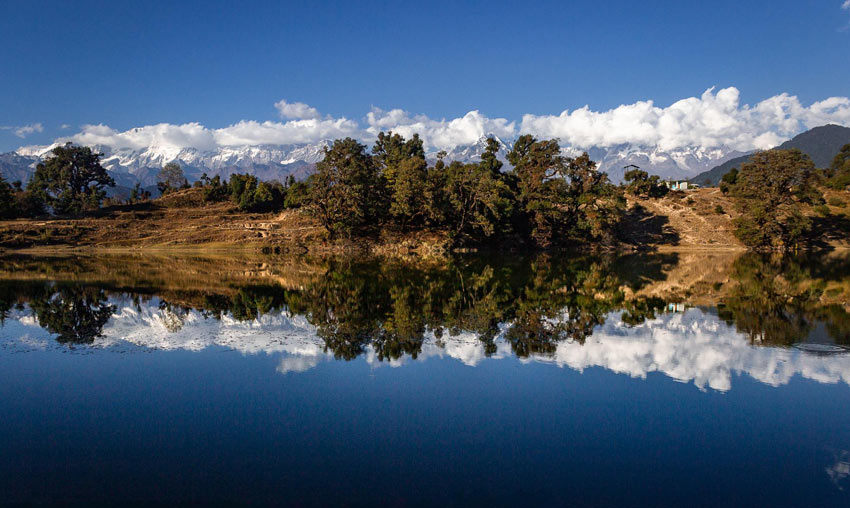
- Deoria Tal: A beautiful high-altitude lake near Sari village, famous for its reflection of the surrounding Himalayan mountains.
- Rohini Bugyal: A scenic Himalayan meadow surrounded by forests and mountain views.
- Ukhimath: An important religious town known for its winter worship traditions associated with Lord Kedarnath.
- Kanchula Korak Musk Deer Sanctuary: A protected forest area near Chopta known for its Himalayan wildlife habitat.
Suggested One-Day Chandrashila Trek Itinerary
Early Morning – Start from Chopta
- Begin the trek early from Chopta after checking weather and trail conditions.
- Follow the uphill trail towards Tungnath Temple.
- Take short breaks and maintain a comfortable walking pace.
Morning – Visit Tungnath Temple
- Reach Tungnath and spend time exploring the temple surroundings.
- Enjoy the Himalayan views and take a short rest.
- Check the final trail conditions before continuing towards Chandrashila.
Late Morning – Reach Chandrashila Summit
- Continue along the steeper trail towards the summit.
- Enjoy the mountain panorama and visit the small summit shrine.
- Spend some time taking photographs while staying away from exposed edges.
Afternoon – Return to Chopta
- Start the descent carefully and avoid rushing.
- Follow the same route back through Tungnath.
- Reach Chopta with sufficient daylight remaining.
This itinerary is suitable only when the route is open and weather conditions are safe. Snow, ice and poor visibility may require additional time or make the summit attempt unsuitable.
Travel Tips for Chandrashila Trek
- Wear sturdy trekking shoes with good grip.
- Carry warm layers, gloves, a cap and rain protection.
- Start early and allow enough time for the return journey.
- Carry drinking water, energy snacks and essential medicines.
- Acclimatise properly before attempting this high-altitude trek.
- Walk slowly and take breaks when required.
- Carry a headlamp or torch if trekking during early morning hours.
- Check weather, snow conditions and local route restrictions before departure.
- Do not attempt the summit during heavy snowfall, thunderstorms or poor visibility.
- Consider an experienced local guide for winter or unfamiliar trail conditions.
- Respect the mountain environment and carry all waste back with you.
- Do not disturb wildlife or damage alpine plants and vegetation.
Frequently Asked Questions About Chandrashila Peak
1. Where is Chandrashila Peak located?
Chandrashila Peak is located in Rudraprayag district, Uttarakhand, above Tungnath Temple in the Garhwal Himalayas.
2. What is the altitude of Chandrashila Peak?
Chandrashila Peak is commonly described as being approximately 4,000 metres above sea level. Published trekking itineraries may use slightly different rounded altitude figures.
3. How far is Chandrashila from Chopta?
The trek from Chopta to Chandrashila via Tungnath is approximately 5 kilometres one way. The round trip is generally around 9–10 kilometres, depending on the starting point and trail conditions.
4. How far is Chandrashila from Tungnath?
Chandrashila Peak is approximately 1.5 kilometres uphill from Tungnath Temple.
5. How difficult is the Chandrashila trek?
The Chandrashila trek is generally considered moderate. The final climb is steep, and high altitude, snow and icy conditions can make it considerably more challenging.
6. What is the best time to visit Chandrashila?
Spring and autumn are popular periods for trekking, especially when weather and trail conditions are favourable. Winter offers snow-covered landscapes but requires additional preparation and caution.
7. Can beginners do the Chandrashila trek?
Beginners with reasonable fitness can attempt the trek in favourable conditions, provided they walk at a comfortable pace and prepare adequately. Those unfamiliar with high-altitude trekking should consider local guidance.
8. Can Chandrashila be visited during winter?
Winter visits may be possible depending on snowfall, trail conditions and local restrictions. Snow and ice can make the final ascent dangerous, so visitors should confirm current conditions before starting.
9. Can Tungnath and Chandrashila be covered in one day?
Yes. Many visitors complete the Chopta–Tungnath–Chandrashila route as a day trek. It generally requires around 7–8 hours for the round trip, depending on fitness, weather and breaks.
10. What can visitors see from Chandrashila Peak?
On clear days, visitors can enjoy views of Himalayan peaks such as Nanda Devi, Trishul, Chaukhamba, Kedar Dome and other mountain ranges.
Chandrashila Peak is one of the most rewarding trekking destinations in Uttarakhand, offering a combination of Himalayan adventure, spiritual traditions and spectacular mountain scenery. The journey from Chopta through Tungnath Temple to the summit provides an unforgettable experience for nature lovers and trekking enthusiasts.
From the panoramic views of Nanda Devi and Chaukhamba to the peaceful atmosphere of the mountain summit, Chandrashila offers a special glimpse into the beauty of the Garhwal Himalayas.
If you are planning a trip to Chopta, make sure to include Chandrashila Peak in your itinerary, provided the weather and trail conditions are safe for trekking.
Nearby Places to Visit