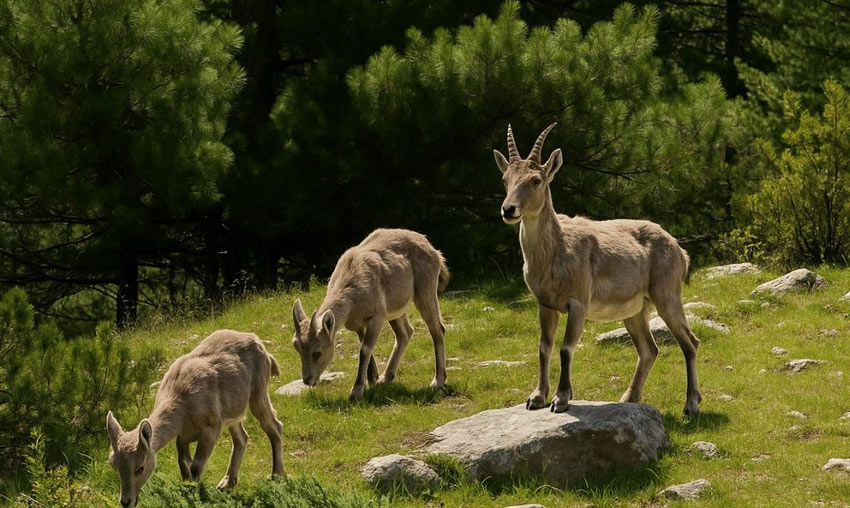
Kanchula Korak Musk Deer Sanctuary, Uttarakhand – Explore Himalayan Wildlife
Located amidst the beautiful forests of the Garhwal Himalayas, Kanchula Korak Musk Deer Sanctuary is an interesting wildlife destination near Chopta in Uttarakhand. Known for its dense forest landscape and association with the rare Himalayan musk deer, the sanctuary offers nature lovers an opportunity to explore the quieter side of the region.
Spread across approximately 6 square kilometres, this forest area is situated along the Chopta–Gopeshwar road. Its peaceful surroundings, mountain vegetation and natural habitats make it an attractive stop for travellers interested in Himalayan wildlife, forest walks and nature photography.
The sanctuary is particularly associated with musk deer conservation. A musk deer breeding centre was established at Kanchula Kharak in 1982 as part of conservation efforts in the region. The wider landscape forms part of the ecologically important Kedarnath Wildlife Sanctuary.
Whether you are travelling to Chopta, exploring the forests of Uttarakhand or interested in Himalayan wildlife, Kanchula Korak Musk Deer Sanctuary is worth including in your travel itinerary.
Where is Kanchula Korak Musk Deer Sanctuary Located?
Kanchula Korak Musk Deer Sanctuary is located in the Rudraprayag region of Uttarakhand, along the Chopta–Gopeshwar road. It is approximately 7 kilometres from Chopta, making it a convenient nature attraction for travellers exploring the area.
The sanctuary is surrounded by dense Himalayan forests and lies within the broader landscape of Kedarnath Wildlife Sanctuary. The region is known for its rich vegetation, mountain habitats and diverse wildlife.
Chopta is the nearest popular tourist destination and an important base for visitors exploring this part of the Garhwal Himalayas.
Why is Kanchula Korak Musk Deer Sanctuary Famous?
Kanchula Korak is particularly known for its association with musk deer conservation and its forest environment. It is one of the notable wildlife-related attractions near Chopta.
- Musk Deer Conservation: The area is associated with conservation efforts for the rare Himalayan musk deer.
- Dense Himalayan Forests: The sanctuary is surrounded by beautiful forest landscapes and mountain vegetation.
- Wildlife Habitat: The wider region supports a variety of Himalayan wildlife and bird species.
- Nature Exploration: Its forest surroundings make it an interesting destination for nature lovers.
- Location Near Chopta: It is approximately 7 kilometres from Chopta along the Chopta–Gopeshwar road.
- Conservation History: A musk deer breeding centre was established at Kanchula Kharak in 1982.
Himalayan Musk Deer – The Main Wildlife Attraction
The Himalayan musk deer is one of the most interesting mammals associated with the forests of Uttarakhand. Unlike true deer, musk deer belong to a separate family of mammals and are known for their distinctive physical characteristics.
They generally inhabit dense mountain forests and steep Himalayan slopes. Their natural habitat includes forested areas with suitable vegetation and shelter.
Musk deer are especially known for the musk gland found in adult males. Historically, musk has been highly valued in traditional perfumery, which has contributed to hunting pressure on these animals.
The species faces conservation challenges because of illegal hunting and habitat-related pressures. Protected forest areas such as Kedarnath Wildlife Sanctuary play an important role in safeguarding Himalayan wildlife.
Conservation History of Kanchula Kharak
Kanchula Kharak has an important place in the conservation history of musk deer in Uttarakhand. A musk deer breeding centre was established here in 1982 to support conservation efforts involving this rare Himalayan animal.
The breeding programme was intended to support the captive breeding and conservation of musk deer, with the broader aim of helping protect the species in its natural environment.
Historical environmental documentation records the establishment of this centre as part of the conservation activities associated with Kedarnath Wildlife Sanctuary.
However, historical references to the breeding centre should not be interpreted as confirmation that an active breeding or public viewing facility is currently operating. Visitors should check with the Forest Department for the latest information about its status and public access.
Kedarnath Wildlife Sanctuary – The Larger Natural Habitat
Kanchula Korak is associated with the wider Kedarnath Wildlife Sanctuary, one of the important protected areas in Uttarakhand. The larger sanctuary was established in 1972 and covers extensive forest and mountain habitats across the Garhwal Himalayas.
The protected landscape includes parts of Rudraprayag and Chamoli districts and supports a wide range of Himalayan plants, birds and mammals.
The varied elevation and vegetation of the larger sanctuary create habitats for different wildlife species. Its forests, alpine vegetation and mountain ecosystems are important for biodiversity conservation in the region.
Wildlife Found in the Region
The wider Kedarnath Wildlife Sanctuary is known for its rich Himalayan biodiversity. Depending on habitat and elevation, the region supports several species of mammals and birds.
Himalayan Musk Deer
Musk deer are the most closely associated species with Kanchula Kharak. These shy animals are adapted to forested mountain habitats and are generally difficult to observe in the wild.
Himalayan Monal
The Himalayan Monal is the colourful state bird of Uttarakhand. It is associated with forested mountain slopes and is one of the most attractive birds for wildlife photographers and birdwatchers.
Himalayan Black Bear
The Himalayan Black Bear inhabits suitable forest habitats in the wider Garhwal Himalayan region. It is an important part of the mountain ecosystem and should always be observed from a safe distance.
Leopard
Leopards are among the large carnivores found in the wider Himalayan forest landscape. They are elusive animals and are rarely seen by ordinary visitors.
Other Himalayan Wildlife
The larger Kedarnath Wildlife Sanctuary also supports other mountain mammals and bird species. Wildlife distribution varies according to altitude, season and habitat conditions.
Visitors should remember that the presence of a species in the wider sanctuary does not guarantee sightings at Kanchula Korak itself.
Birdwatching Around Kanchula Korak
The forested landscape around Kanchula Korak and Chopta is interesting for birdwatchers. The wider region has a variety of Himalayan forest habitats that support resident and seasonal bird species.
The Himalayan Monal is one of the most recognised birds associated with the Chopta region. Other forest birds and mountain species can also be observed in suitable habitats.
Nearby areas such as Dugalbitta, Mandal and the Tungnath trekking route are also recognised birdwatching locations in the Chopta region.
Early morning is often a rewarding time for birdwatching. Carry binoculars, keep noise to a minimum and avoid disturbing birds or their nesting areas.
Forests and Natural Vegetation
Kanchula Korak is surrounded by dense Himalayan forest vegetation. The broader Chopta and Kedarnath Wildlife Sanctuary landscape includes different forest types that change with elevation and local climate.
- Oak Forests: Broadleaf forests that form an important part of the Himalayan mountain ecosystem.
- Rhododendron Trees: Known for their colourful flowers during the spring season.
- Maple Forests: Trees that add seasonal colours to the mountain landscape.
- Coniferous Vegetation: Different Himalayan conifer species grow in suitable higher forest zones.
- Mountain Shrubs and Herbs: The region supports a variety of plants adapted to mountain conditions.
The diversity of forest vegetation provides shelter and food resources for wildlife and contributes to the ecological importance of the wider sanctuary.
Things to Do at Kanchula Korak Musk Deer Sanctuary
1. Explore the Forest Landscape
Enjoy the peaceful mountain forest environment and observe the natural vegetation of the Chopta region. Follow only permitted paths and forest access instructions.
2. Learn About Musk Deer Conservation
The sanctuary’s conservation history makes it an interesting place for visitors who want to understand the challenges faced by Himalayan musk deer and the importance of wildlife protection.
3. Birdwatching
The surrounding forest landscape provides opportunities to observe Himalayan birds. Carry binoculars and maintain a quiet approach.
4. Nature Photography
The dense forests, mountain vegetation and natural scenery offer interesting opportunities for landscape and nature photography. Avoid using flash near wildlife.
5. Explore Nearby Chopta
Combine a visit to the sanctuary with other attractions in the Chopta region, including meadows, mountain viewpoints and trekking destinations.
Best Time to Visit Kanchula Korak Musk Deer Sanctuary
Kanchula Korak can be included in a Chopta trip during different seasons. Weather and road conditions should be checked before travelling, especially during the monsoon and winter.
- March to April: Spring brings fresh greenery and rhododendron flowers to the surrounding forest landscape.
- May to June: Pleasant daytime weather makes this a popular period for exploring Chopta and nearby forest attractions.
- July to August: The forests become lush and green, but monsoon rainfall may affect road access and outdoor activities.
- September to October: Clearer weather and comfortable daytime conditions make autumn an attractive period for nature exploration.
- November to February: Winter brings colder temperatures and possible snowfall in the surrounding mountain region. Check road conditions before travelling.
The best time for a visit depends on your interests and current access conditions. Visitors planning a wildlife-focused trip should confirm forest access and available facilities in advance.
How to Reach Kanchula Korak Musk Deer Sanctuary
By Road
Kanchula Korak Musk Deer Sanctuary is located on the Chopta–Gopeshwar road, approximately 7 kilometres from Chopta according to Uttarakhand Tourism.
A common road route from Rishikesh is:
Rishikesh → Devprayag → Srinagar → Rudraprayag → Ukhimath → Chopta → Kanchula Korak.
Visitors can travel by private car or taxi. Local transport availability may vary, so it is advisable to arrange return transport in advance.
By Train
Rishikesh is one of the nearest major railway stations for travellers visiting the Chopta region. From Rishikesh, visitors can continue by road towards Rudraprayag, Ukhimath and Chopta.
By Air
Jolly Grant Airport in Dehradun is the nearest major airport for most travellers. From the airport, visitors can continue towards Rishikesh and then travel by road to Chopta and Kanchula Korak.
Places to Visit Near Kanchula Korak Musk Deer Sanctuary
The sanctuary is located near several popular natural and religious attractions in the Chopta region. Visitors can combine these destinations into a wider sightseeing itinerary.
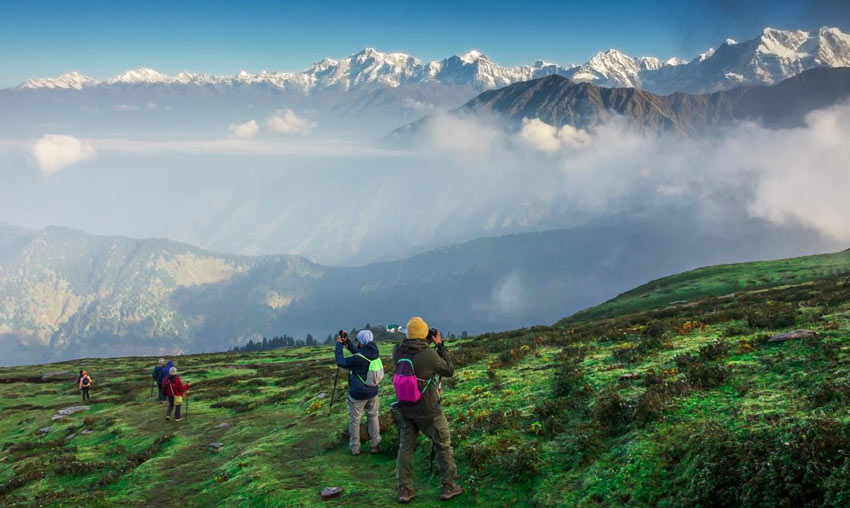
- Chopta: A scenic Himalayan destination known for green meadows, forests and mountain views.
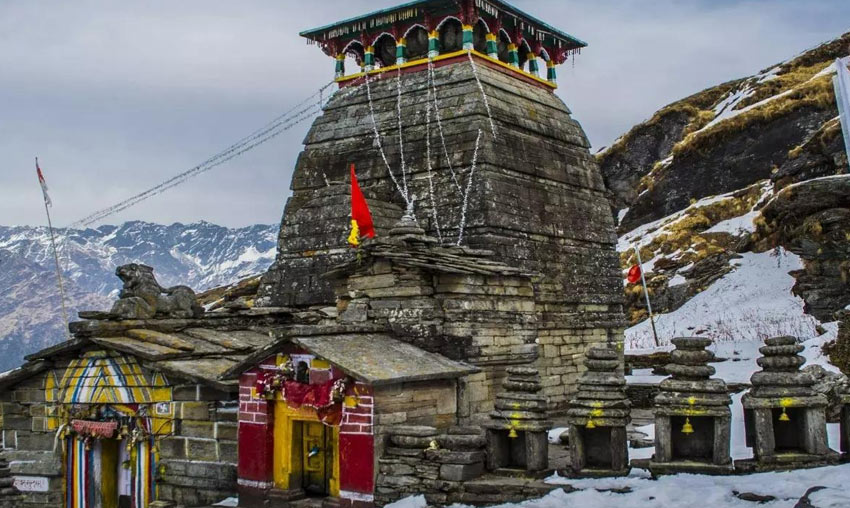
- Tungnath Temple: One of the sacred Panch Kedar temples, reached through a trekking route from Chopta.
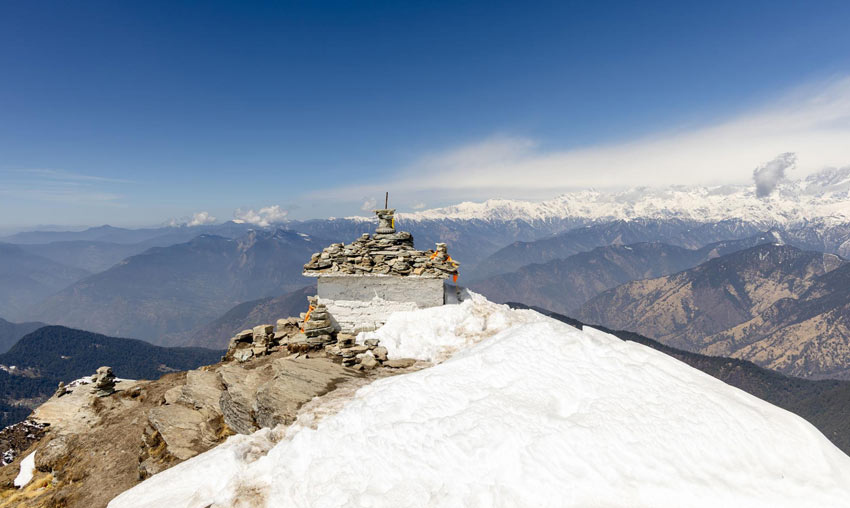
- Chandrashila Peak: A beautiful Himalayan summit offering panoramic views of snow-covered mountain ranges.
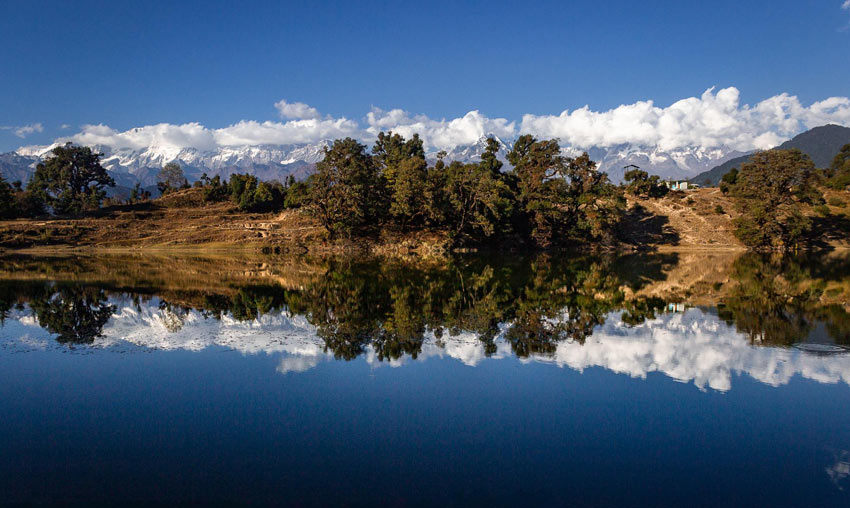
- Deoria Tal: A scenic high-altitude lake near Sari village, famous for its reflection of the Chaukhamba mountain range.
- Rohini Bugyal: A peaceful Himalayan meadow associated with the Deoria Tal–Chandrashila trekking route.
- Ukhimath: An important religious town known for its winter worship traditions associated with Lord Kedarnath.
- Dugalbitta: A scenic forested area near Chopta known for nature exploration and birdwatching.
Suggested One-Day Chopta and Kanchula Korak Itinerary
Morning – Explore the Forest Area
- Start from your accommodation in Chopta.
- Travel along the Chopta–Gopeshwar road towards Kanchula Korak.
- Check local access arrangements and explore only permitted areas.
- Enjoy the forest landscape and learn about musk deer conservation.
Afternoon – Explore Nearby Attractions
- Return towards Chopta.
- Enjoy the scenic mountain surroundings and nearby forest viewpoints.
- Visit Dugalbitta or other accessible nature locations if time permits.
- Return to your accommodation before evening.
This is a suggested sightseeing plan. Actual activities depend on current sanctuary access, available facilities and local forest regulations.
Travel Tips for Visitors
- Check with the Forest Department before visiting the sanctuary.
- Confirm whether the breeding centre or any visitor facility is currently operational.
- Do not assume that musk deer can be easily spotted during an ordinary visit.
- Maintain a safe distance from wildlife and never attempt to feed animals.
- Avoid loud music, shouting and unnecessary noise in forest areas.
- Do not litter or leave plastic waste behind.
- Follow local forest rules and use only permitted paths.
- Carry warm clothing because temperatures can fall quickly in the mountains.
- Check road and weather conditions before travelling during the monsoon and winter.
- Respect wildlife habitats and avoid disturbing vegetation.
Frequently Asked Questions About Kanchula Korak Musk Deer Sanctuary
1. Where is Kanchula Korak Musk Deer Sanctuary located?
Kanchula Korak Musk Deer Sanctuary is located on the Chopta–Gopeshwar road in the Rudraprayag region of Uttarakhand, approximately 7 kilometres from Chopta.
2. What is Kanchula Korak Musk Deer Sanctuary famous for?
The sanctuary is known for its association with Himalayan musk deer conservation and its dense forest surroundings.
3. What is the area of Kanchula Korak Musk Deer Sanctuary?
Uttarakhand Tourism describes the sanctuary as a dense forest spread over approximately 6 square kilometres.
4. Can visitors see musk deer at the sanctuary?
Musk deer are associated with the sanctuary, but sightings are not guaranteed. Visitors should confirm current visitor facilities and wildlife viewing arrangements with the Forest Department.
5. Is there a musk deer breeding centre at Kanchula Korak?
A musk deer breeding centre was established at Kanchula Kharak in 1982. Historical reports have described changes in the breeding programme, so visitors should confirm its current operational status before planning a visit.
6. How far is Kanchula Korak from Chopta?
The sanctuary is approximately 7 kilometres from Chopta along the Chopta–Gopeshwar road.
7. What is the best time to visit Kanchula Korak?
March to June and September to October are generally attractive periods for exploring the Chopta region, subject to local access and weather conditions.
8. Is Kanchula Korak part of Kedarnath Wildlife Sanctuary?
Kanchula Kharak is associated with the wider Kedarnath Wildlife Sanctuary landscape, which protects important Himalayan forest and wildlife habitats.
9. Can Kanchula Korak be visited with Chopta?
Yes. It is located approximately 7 kilometres from Chopta and can be included in a local sightseeing itinerary.
10. Is there an entry fee for Kanchula Korak Musk Deer Sanctuary?
Current entry fees and visitor arrangements should be confirmed with the local Forest Department. Do not rely on outdated online fee information.
Kanchula Korak Musk Deer Sanctuary is an interesting wildlife destination near Chopta, Uttarakhand. Its dense forest landscape and association with Himalayan musk deer conservation make it an important part of the region’s natural heritage.
The sanctuary also offers visitors an opportunity to learn about the wider Kedarnath Wildlife Sanctuary ecosystem and the importance of protecting Himalayan wildlife.
If you are exploring Chopta and its surrounding attractions, consider including Kanchula Korak in your itinerary. Travel responsibly, follow forest regulations and help protect the natural environment of the Garhwal Himalayas.
Nearby Places to Visit
Nearby Places to Visit