Kalo Dungar – Explore the Black Hill and Panoramic Views of Kutch
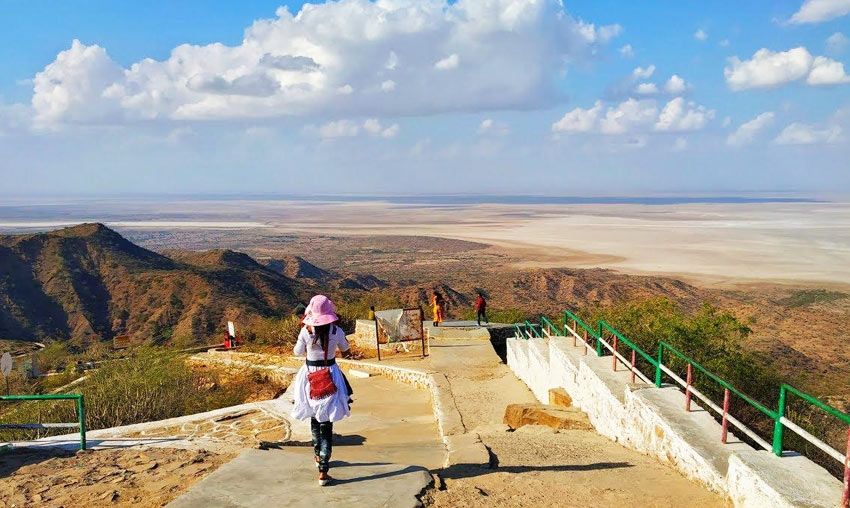
Kalo Dungar, also known as Black Hill, is one of the most spectacular natural attractions in the Kutch district of Gujarat. Rising approximately 462 metres above sea level, it is the highest point in Kutch and offers breathtaking panoramic views of the vast Great Rann of Kutch.
Located near Khavda village in northern Kutch, Kalo Dungar is famous for its elevated viewpoint, the historic Dattatreya Temple, a traditional jackal-feeding ritual and the curious Magnetic Hill phenomenon. The contrast between the dark rocky hills and the enormous white salt plains below creates a remarkable landscape, especially during sunset.
Whether you are a nature lover, photographer, spiritual traveller or road trip enthusiast, Kalo Dungar offers a memorable experience in the heart of the Kutch region.
About Kalo Dungar – The Black Hill of Kutch
Kalo Dungar translates to Black Hill in the local language. It is situated in the northern part of the Kutch district, north of Khavda village. At approximately 462 metres above sea level, it is recognised as the highest point in Kutch.
The hill stands out from the surrounding flat salt desert and provides an elevated viewpoint overlooking the Great Rann. From the summit visitor area, travellers can admire the vast landscape of white salt flats, distant horizons and the rugged terrain of northern Kutch.
Kalo Dungar is also an important cultural and religious destination because of the Dattatreya Temple located on the hill. Its natural scenery, local legends and distinctive experiences make it one of the most popular stops on a Kutch sightseeing itinerary.
Why Is Kalo Dungar Famous?
Kalo Dungar attracts visitors for its combination of natural beauty, religious heritage and unusual local attractions.
- Highest Point in Kutch: At approximately 462 metres, it offers an elevated perspective of the surrounding region.
- Great Rann Viewpoint: The hill provides wide panoramic views of the seasonal salt flats.
- Dattatreya Temple: A well-known hilltop temple associated with local religious traditions and legends.
- Jackal-Feeding Tradition: The temple is known for the custom of offering food to wild jackals after the evening aarti.
- Magnetic Hill: A nearby stretch of road is known for an optical illusion in which vehicles appear to roll uphill.
- Sunset Photography: The changing colours of the sky over the Great Rann make the hill a popular photography destination.
Panoramic Views of the Great Rann of Kutch
The main attraction of Kalo Dungar is its panoramic viewpoint overlooking the Great Rann of Kutch. From this elevated location, visitors can see the vast seasonal salt marsh extending towards the distant horizon.
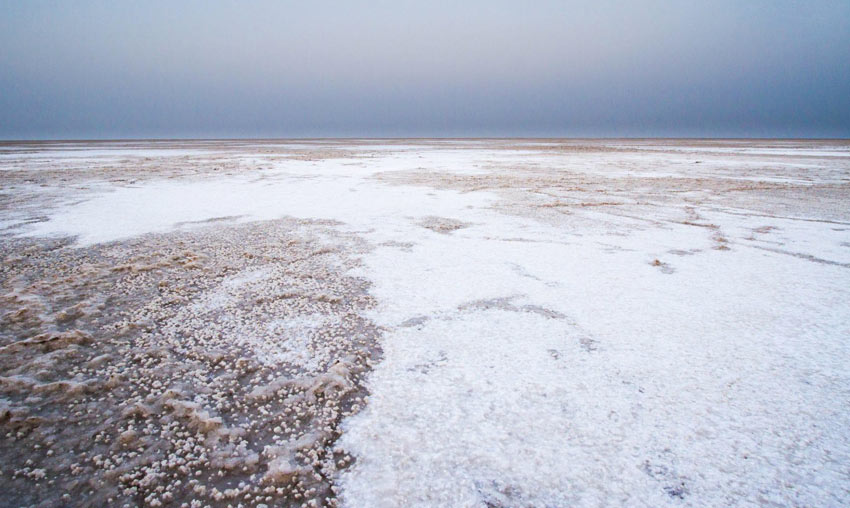
The view changes with the seasons. During the dry months, the white salt-covered landscape creates a striking contrast with the darker hills. During the monsoon, parts of the Rann may hold water, giving the landscape a different appearance.
The viewpoint is particularly beautiful during the late afternoon, when sunlight creates changing shades across the salt plains. On clear days, the open landscape gives visitors an impressive sense of the scale of the Great Rann.
Dattatreya Temple at Kalo Dungar
The Dattatreya Temple is one of the most important landmarks on Kalo Dungar. Dedicated to Lord Dattatreya, the temple is traditionally believed to be around 400 years old and attracts both devotees and tourists.
Lord Dattatreya is revered as a divine form associated with the combined aspects of the Hindu trinity – Brahma, Vishnu and Shiva. The hilltop temple adds a spiritual dimension to the visit and is an important part of the cultural identity of Kalo Dungar.
Visitors can spend time at the temple, offer prayers and enjoy the peaceful surroundings of the hill. The temple is also associated with a distinctive local tradition involving the feeding of jackals.
The Unique Jackal-Feeding Tradition
One of the most unusual traditions associated with Kalo Dungar is the feeding of wild jackals near the Dattatreya Temple.
According to local legend, Lord Dattatreya once encountered a group of hungry jackals on the hill. The story says that he offered his own body to feed the animals and that it miraculously regenerated. This legend is remembered through a long-standing temple tradition.
As part of the custom, temple priests prepare food, traditionally cooked rice, which is offered to jackals after the aarti. Visitors sometimes gather to witness this ritual, which has become a distinctive attraction of Kalo Dungar.
The jackals are wild animals. Visitors should observe them from a safe distance, avoid approaching or touching them and follow the instructions of temple authorities. The feeding ritual is a local religious tradition, not a wildlife interaction activity for tourists.
Magnetic Hill – The Curious Road Illusion
Kalo Dungar is also associated with a nearby stretch of road popularly known as Magnetic Hill. At this location, vehicles placed in neutral gear may appear to move uphill without engine power.
The experience is commonly described as a gravity or magnetic hill phenomenon. However, the apparent uphill movement is an optical illusion created by the surrounding landscape and the visual perception of the road’s slope.
This unusual experience attracts curious travellers and makes an interesting short stop while exploring the hill. Visitors should only attempt to observe the phenomenon at a safe, designated location and must follow traffic and local safety instructions.
Sunset at Kalo Dungar
Sunset is one of the most memorable experiences at Kalo Dungar. As the sun moves towards the horizon, the Great Rann gradually changes colour, creating shades of gold, orange and pink across the salt plains.
The elevated viewpoint provides an excellent setting for landscape photography and quiet moments overlooking the vast desert. The combination of rugged hills, open skies and white salt flats makes this one of the most attractive sunset locations in Kutch.
Visitors should arrive with sufficient time before sunset to explore the temple and viewpoint. Remember to plan the return journey according to local access conditions and available daylight.
Best Time to Visit Kalo Dungar
The winter season is generally considered the best time to visit Kalo Dungar. The weather is more comfortable for sightseeing, and clear skies can offer better visibility across the Great Rann.
- October to March: A popular period for visiting because of relatively pleasant weather and favourable sightseeing conditions.
- November to February: Ideal for combining Kalo Dungar with the White Rann and the seasonal Rann Utsav experience.
- Late Afternoon: A good time to explore the viewpoint and enjoy the changing colours of the landscape.
- Sunset: Particularly popular with photographers and travellers who want to see the Great Rann under golden evening light.
Summer temperatures can be high, and the hilltop may become uncomfortable during the hottest part of the day. Check weather conditions and local access information before travelling.
How to Reach Kalo Dungar
Kalo Dungar is located near Khavda village in northern Kutch. It is commonly reached by road from Bhuj or Dhordo. Private transport is generally the most convenient option for visiting the hill and planning a sunset trip.
By Air
Bhuj Airport is the nearest airport commonly used by travellers visiting Kalo Dungar. From the airport, visitors can hire a taxi or arrange a private vehicle for the journey towards Khavda and the hill.
By Train
Bhuj Railway Station is the nearest major railway station for visitors travelling to Kalo Dungar. Taxis and private vehicles can be arranged for the onward road journey.
By Road
Kalo Dungar is approximately 97 kilometres from Bhuj and around 25 kilometres from Khavda, depending on the exact route and destination point.
The road journey from Bhuj generally passes through the northern Kutch region towards Khavda. Visitors can travel by private car, taxi or an organised sightseeing tour. Public transport options for the final stretch are limited, so arranging transport in advance is recommended.
Places to Visit Near Kalo Dungar
Kalo Dungar can be combined with several important attractions in northern Kutch. Visitors can explore the White Rann, cultural villages and other destinations depending on their travel schedule.
1. Great Rann of Kutch – White Desert
The Great Rann of Kutch is the famous seasonal salt marsh that can be viewed from Kalo Dungar. Its white salt plains, open horizon and beautiful sunsets make it one of Gujarat’s most recognisable natural attractions.
Explore our Great Rann of Kutch – White Desert travel guide.
2. Dhordo Village
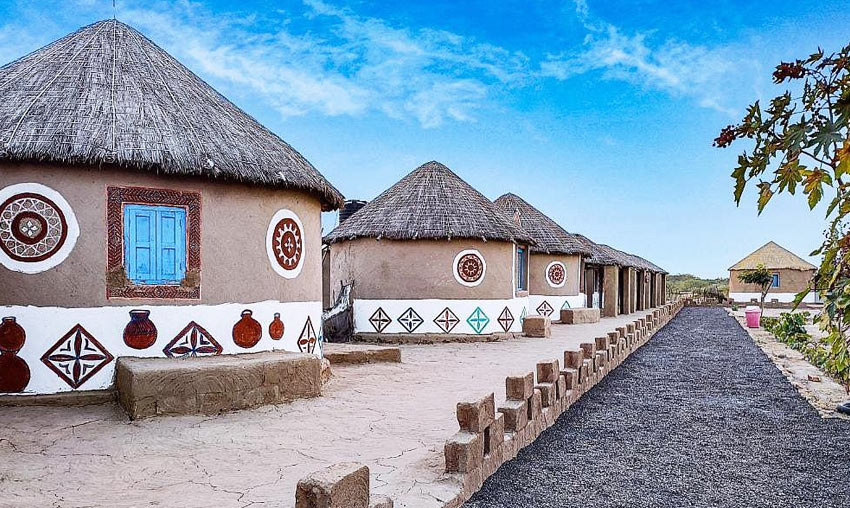
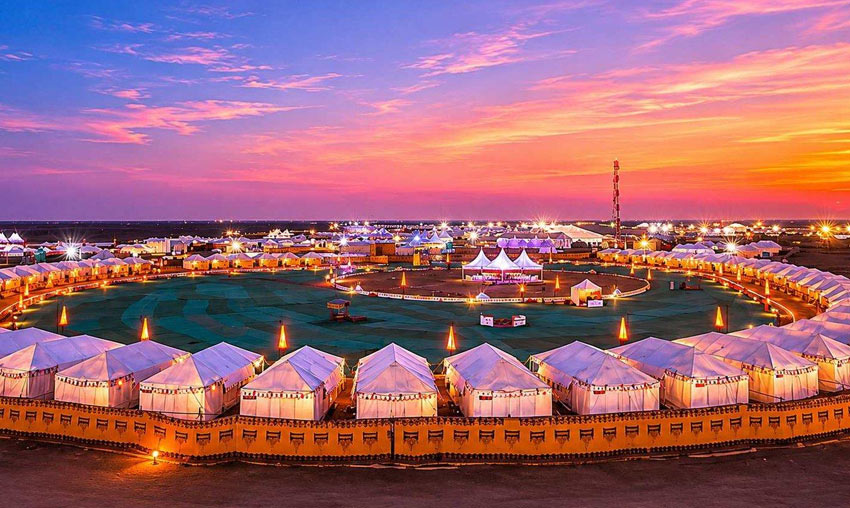
Dhordo is the main visitor hub for the White Rann and the location of Rann Utsav – The Tent City. The village is known for its traditional Kutchi culture, local handicrafts and rural tourism experiences.
Read our complete Dhordo Village travel guide.
3. Khavda Village
Khavda is the nearest town commonly used as a reference point for reaching Kalo Dungar. It is part of the northern Kutch landscape and can be included as a stop while exploring the region.
4. Dholavira
Dholavira is an important archaeological site associated with the ancient Indus Valley Civilisation. It is recognised as a UNESCO World Heritage Site and is one of the most significant historical attractions in Kutch.
5. Nirona Village
Nirona is known for traditional Kutch crafts, including Rogan art, copper bell making and lacquer work. It is an interesting destination for visitors who want to explore the region’s artistic heritage.
Travel Tips for Visiting Kalo Dungar
- Plan your visit during the winter months for more comfortable sightseeing.
- Try to arrive in the late afternoon if you want to enjoy the sunset.
- Carry sufficient drinking water, especially during warmer months.
- Wear comfortable footwear for walking around the temple and viewpoint.
- Carry a light jacket because the hilltop can be windy and cool during winter evenings.
- Keep a valid government-issued photo identity document with you.
- Follow instructions at military and security checkpoints.
- Do not photograph restricted military installations or prohibited areas.
- Observe jackals from a safe distance and never try to approach or feed them yourself.
- Check local road and access conditions before starting your journey.
- Plan your return drive carefully, especially if you are visiting around sunset.
Suggested Half-Day Itinerary for Kalo Dungar
A half-day trip is a practical way to explore Kalo Dungar, its temple and the surrounding viewpoint. The following is a suggested plan; actual timings should be adjusted according to the season, sunset and local conditions.
- Early Afternoon: Start from Bhuj or Dhordo and travel towards Kalo Dungar via Khavda.
- En Route: Stop at the designated Magnetic Hill location if access and road conditions permit.
- Afternoon: Reach the hilltop and visit the Dattatreya Temple.
- Late Afternoon: Explore the viewpoint and enjoy panoramic views of the Great Rann.
- Sunset: Spend time photographing the changing colours of the salt desert.
- Evening: Begin the return journey according to local access conditions and available daylight.
If you are travelling from Dhordo, you can combine Kalo Dungar with a White Rann visit, but allow enough time for road travel and the permitted visiting hours of both places.
Frequently Asked Questions About Kalo Dungar
1. Where is Kalo Dungar located?
Kalo Dungar is located near Khavda village in the northern part of Kutch district, Gujarat, India.
2. What is the height of Kalo Dungar?
Kalo Dungar rises approximately 462 metres above sea level and is recognised as the highest point in Kutch.
3. Why is Kalo Dungar called Black Hill?
Kalo Dungar means Black Hill in the local language. The name refers to the dark appearance of the hill in contrast to the surrounding landscape.
4. What is Kalo Dungar famous for?
Kalo Dungar is famous for its panoramic views of the Great Rann, the Dattatreya Temple, the traditional jackal-feeding ritual, the Magnetic Hill phenomenon and its spectacular sunset views.
5. How far is Kalo Dungar from Bhuj?
Kalo Dungar is approximately 97 kilometres from Bhuj by road, depending on the route and exact destination.
6. How far is Kalo Dungar from Khavda?
Kalo Dungar is approximately 25 kilometres from Khavda village.
7. Is there a temple at Kalo Dungar?
Yes. The Dattatreya Temple is located on the hill and is traditionally believed to be around 400 years old.
8. Why are jackals fed at Kalo Dungar?
According to local legend, Lord Dattatreya offered food to starving jackals. In remembrance of this story, temple priests follow a tradition of offering cooked rice to jackals after the aarti.
9. Is the Magnetic Hill phenomenon real?
The apparent uphill movement of vehicles is an optical illusion caused by the surrounding landscape and the visual perception of the road’s slope. It is not evidence of an actual magnetic force pulling vehicles uphill.
10. What is the best time to visit Kalo Dungar?
October to March is generally a popular period for visiting. Late afternoon is especially suitable for enjoying the panoramic views and sunset.
11. Can visitors access the entire hilltop?
No. Certain areas near the summit are restricted because of the nearby military presence and border sensitivity. Visitors must remain within authorised public areas and follow official instructions.
Kalo Dungar is one of the most remarkable destinations in the Kutch region, offering a combination of natural scenery, religious heritage and unusual local experiences. As the highest point in Kutch, it provides sweeping views of the Great Rann and a unique perspective of the region’s vast salt landscape.
From the Dattatreya Temple and its traditional jackal-feeding custom to the curious Magnetic Hill and beautiful sunset views, Kalo Dungar offers plenty of reasons to include it in a Gujarat travel itinerary.
Whether you are exploring Kutch during Rann Utsav or planning a road trip through the White Desert region, a visit to Kalo Dungar is a memorable way to discover the natural and cultural beauty of northern Gujarat.
Nearby Places to Visit
Nearby Places to Visit