Dhordo Village – Discover the Cultural Heart of Kutch, Gujarat
Dhordo Village, located in the Kutch district of Gujarat, is a remarkable rural destination known for its traditional architecture, rich cultural heritage and proximity to the famous White Rann of Kutch. Once a quiet village in the Banni region, Dhordo has gained international recognition for showcasing the traditions, craftsmanship and hospitality of rural Kutch.
In 2023, Dhordo was recognised as one of the Best Tourism Villages by the United Nations World Tourism Organization (UNWTO), now known as UN Tourism. This recognition highlights the village’s efforts to preserve its cultural identity, promote rural tourism and support local communities.
Dhordo is also widely known as the location of Rann Utsav – The Tent City, a seasonal cultural celebration that attracts visitors from across India and abroad. From traditional Bhunga houses and colourful handicrafts to the nearby white salt desert, the village offers a memorable introduction to the distinctive lifestyle of Kutch.
About Dhordo Village
Dhordo is a village in the Banni region of Kutch, Gujarat, situated near the Great Rann of Kutch and the India-Pakistan border. Its location makes it an important gateway for travellers visiting the White Rann and exploring the cultural landscape of northern Kutch.
The village is known for its traditional Kutchi lifestyle, distinctive mud architecture, local craftsmanship and community-based tourism. Its cultural identity is closely connected with the wider Banni region, where traditional homes, embroidery, textiles, folk traditions and local food reflect generations of regional heritage.
Tourism has created new opportunities for local residents, artisans and hospitality businesses. Visitors can discover the village’s traditional character while learning how local communities are participating in the development of rural tourism.
Dhordo – UN Tourism Best Tourism Village 2023
Dhordo received international recognition in 2023 when it was selected as one of the Best Tourism Villages by the United Nations World Tourism Organization (UNWTO).
The recognition celebrates villages that preserve their cultural and natural resources while developing tourism in a way that supports local communities and sustainable rural development.
Dhordo’s selection reflects several aspects of its identity, including its traditional architecture, local handicrafts, cultural heritage, natural surroundings and the role of tourism in creating opportunities for residents.
The village’s recognition also brought greater international attention to the Banni region and the cultural traditions of Kutch. It is an important example of how rural destinations can welcome visitors while maintaining their local character.
Traditional Bhunga Houses of Dhordo
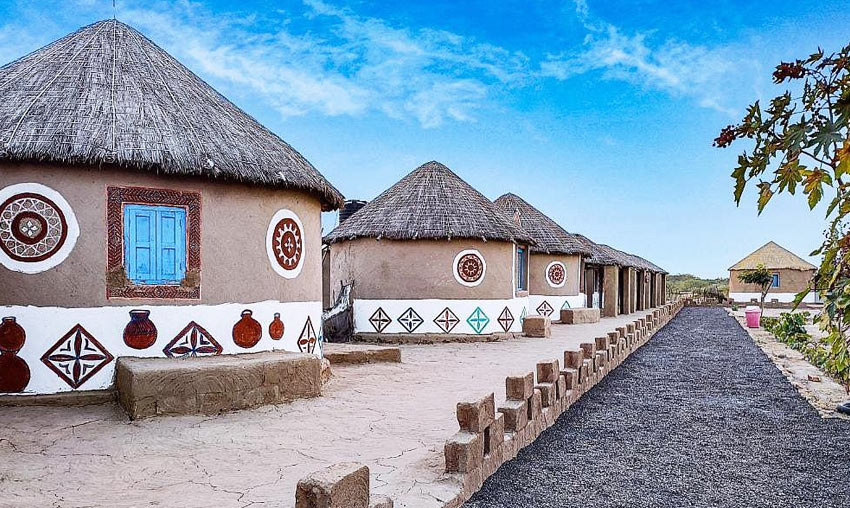
One of the most distinctive features of Dhordo and the wider Kutch region is the traditional Bhunga – a circular mud house with a conical thatched or tiled roof.
Bhungas are an important part of the traditional architecture of Kutch. Their circular design, thick walls and locally sourced materials reflect the practical knowledge of communities living in a region that experiences harsh weather conditions, strong winds and seismic activity.
These houses are valued for their traditional construction techniques and their ability to remain comfortable in the local climate. Their distinctive shape and decorative interiors also make them an important part of the region’s architectural heritage.
Many traditional Bhungas feature colourful wall decorations, mirror work and painted patterns. Some properties in the Kutch region have adapted this architectural style into rural tourism accommodation, allowing visitors to experience local design and hospitality.
Culture and Lifestyle of Dhordo
The cultural identity of Dhordo is closely connected with the traditions of the Banni region and the wider Kutch district. Local lifestyles reflect a strong relationship with the surrounding landscape, traditional occupations, craftsmanship and community customs.
Visitors can discover aspects of rural Kutchi life through local homes, artisan traditions, textiles, food and cultural activities. The village is particularly associated with the artistic heritage of the region, where traditional skills continue to be practised and passed between generations.
Traditional Clothing and Embroidery
Colourful clothing and intricate embroidery are important elements of Kutchi cultural identity. Traditional garments often feature detailed stitching, bright colours, geometric patterns and mirror work.
Different communities in Kutch have their own embroidery styles and decorative traditions. These textiles are used in garments, bags, home furnishings and other handmade products.
Local Customs and Hospitality
Hospitality is an important part of the visitor experience in the villages of Kutch. Travellers may get opportunities to learn about local customs, traditional food, everyday lifestyles and the cultural practices of artisan communities.
Visitors should respect local traditions and seek permission before photographing residents, homes or private spaces.
Traditional Handicrafts of Dhordo and Kutch
Kutch is one of Gujarat’s best-known regions for traditional handicrafts. The villages around Dhordo and the wider Banni region are connected with a variety of textile, embroidery and craft traditions.
Exploring local crafts gives visitors a deeper understanding of the artistic skills and cultural heritage of the region.
1. Kutchi Embroidery
Kutchi embroidery is known for its colourful threads, detailed patterns, mirror work and decorative stitching. It is used in traditional clothing, wall hangings, bags, cushions and other handmade products.
2. Mirror Work
Mirror work is a distinctive decorative feature found in many traditional Kutchi textiles and craft products. Small mirrors are incorporated into embroidered designs, creating colourful patterns that reflect the region’s artistic style.
3. Traditional Textiles
The Kutch region is known for several textile traditions, including Bandhani tie-dye and Ajrakh block printing. These crafts use distinctive patterns and techniques and are an important part of the region’s cultural economy.
4. Lippan Art
Lippan art is a traditional mud-and-mirror decorative craft associated with the Kutch region. It is commonly seen in decorative wall panels and traditional interiors, where patterns are created using mud and small mirrors.
5. Handmade Souvenirs
Visitors exploring craft markets and artisan outlets may find embroidered accessories, textiles, decorative items and other handmade products. Purchasing directly from local artisans, where possible, can help support traditional skills and community livelihoods.
Rann Utsav – The Cultural Celebration of Dhordo
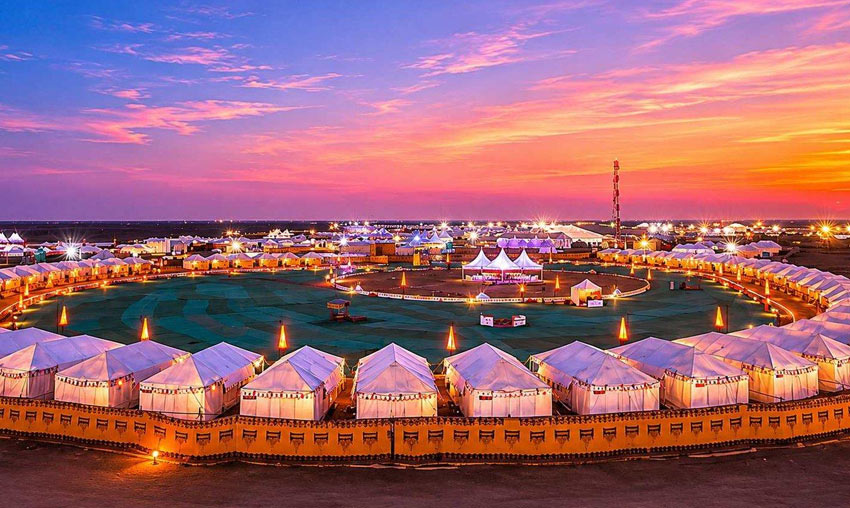
Dhordo is internationally known as the main location of Rann Utsav – The Tent City, a seasonal cultural festival organised near the White Rann of Kutch.
The festival celebrates the traditions of Kutch through folk music, traditional dance, handicrafts, regional food and organised visitor experiences. A seasonal Tent City provides accommodation for visitors who want to stay close to the White Rann and enjoy the festival atmosphere.
Rann Utsav has played an important role in bringing tourism opportunities to Dhordo. It has helped introduce the village’s cultural heritage and local craftsmanship to a wider audience.
Visitors planning a winter trip can combine a stay around Dhordo with a visit to the White Rann and nearby attractions.
Read our detailed Rann Utsav travel guide for festival information, accommodation and experiences.
Places to Visit in and Around Dhordo Village
Dhordo is an excellent base for discovering the natural and cultural attractions of the Kutch region. Visitors can explore the White Rann, scenic viewpoints, craft villages and historical destinations depending on their available time.
1. White Rann of Kutch
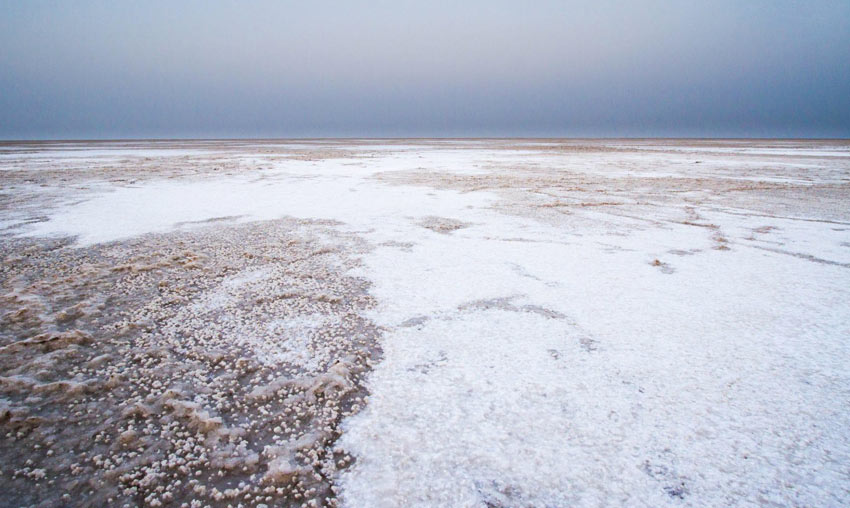
The White Rann is the most famous natural attraction near Dhordo. This seasonal salt landscape is known for its bright white surface, open horizon and spectacular sunset views. The experience is particularly popular during the winter tourist season.
Explore our Great Rann of Kutch – White Desert guide.
2. Kalo Dungar
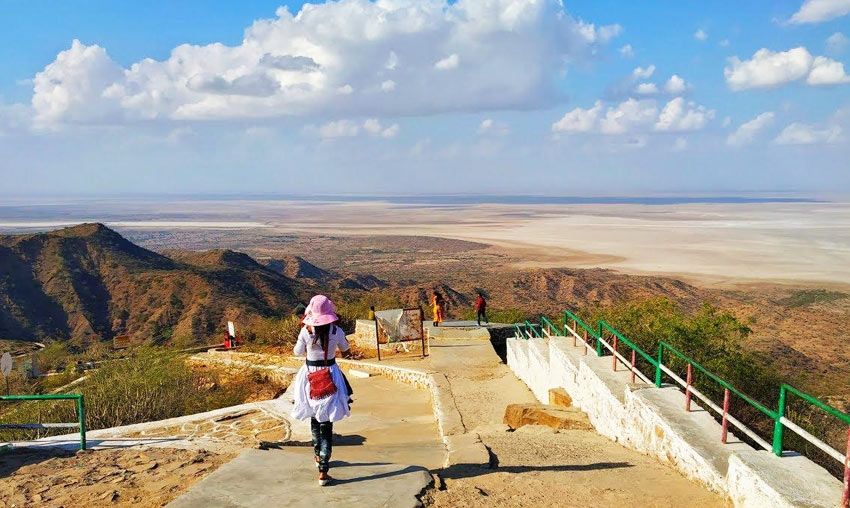
Kalo Dungar, also known as Black Hill, is a popular viewpoint in Kutch. Its elevated position offers wide views of the surrounding landscape and the Great Rann. It is a favourite stop for visitors exploring the northern part of the region.
3. Gandhi Nu Gaam
Gandhi Nu Gaam is a craft-focused village experience where visitors can discover traditional Kutchi embroidery, handmade textiles and local artisan work. It is a useful stop for travellers interested in the cultural traditions of the region.
4. Dholavira
Dholavira is an important archaeological site associated with the Indus Valley Civilisation. Recognised as a UNESCO World Heritage Site, it offers insight into one of the most significant ancient urban settlements of the Indian subcontinent.
5. Nirona Village
Nirona is known for distinctive traditional crafts, including Rogan art, copper bell making and lacquer work. It is a popular cultural stop for visitors interested in the craftsmanship of Kutch.
Best Time to Visit Dhordo Village
The winter season is generally the most popular time to visit Dhordo. The weather is usually more comfortable for sightseeing, exploring local villages and visiting the White Rann.
- November to February: A popular period for exploring Dhordo, the White Rann and the seasonal Rann Utsav experience.
- December and January: These months attract many winter visitors and are suitable for combining village exploration with cultural activities.
- February to early March: Visitors can plan a late-season trip, depending on the annual festival schedule and local access conditions.
- Monsoon season: Parts of the surrounding Rann may become wet or marshy, and the familiar white salt landscape may not be available in the same way.
Festival dates and visitor facilities vary by season. Check the current Rann Utsav schedule and White Rann access arrangements before travelling.
How to Reach Dhordo Village
Dhordo is located in the Kutch district of Gujarat and is commonly accessed from Bhuj, the main transport hub for visitors exploring the region.
By Air
Bhuj Airport is the nearest airport commonly used by visitors travelling to Dhordo. From the airport, taxis and pre-arranged vehicles can be used for the onward road journey.
By Train
Bhuj Railway Station is a convenient railhead for reaching Dhordo. Visitors can arrange a private taxi, local transport or a pre-booked transfer from Bhuj.
By Road
Dhordo is connected to Bhuj by road. The distance is approximately 80–90 kilometres, depending on the route and exact destination. Travellers can reach the village by private car, taxi or organised tour.
During the Rann Utsav season, transport services and accommodation transfers may be available through selected packages. Confirm the pickup point and travel arrangements before booking.
Travel Tips for Visiting Dhordo
- Plan your visit during the winter season for comfortable sightseeing.
- Check the Rann Utsav schedule if you want to experience the seasonal festival.
- Carry valid government-issued photo identification.
- Check White Rann entry and permit requirements before travelling.
- Wear comfortable footwear for village walks and outdoor exploration.
- Carry sunglasses, sunscreen and drinking water.
- Pack warm clothes for winter evenings and nights.
- Ask permission before photographing local residents or private homes.
- Support local artisans by purchasing authentic handmade products where possible.
- Respect local customs and help keep the village and surrounding desert clean.
Suggested One-Day Itinerary for Dhordo Village
A one-day visit can offer an introduction to the traditional culture of Dhordo and the nearby White Rann. The following is a suggested plan and can be adjusted according to your starting point, transport and visitor access timings.
- Morning: Arrive in Dhordo and explore the village surroundings and traditional architecture.
- Late Morning: Discover local handicrafts and learn about Kutchi embroidery and traditional craft practices.
- Afternoon: Enjoy a regional meal and explore selected cultural experiences.
- Evening: Visit the authorised White Rann area and enjoy the sunset.
- Night: Return to your accommodation or stay at the seasonal Tent City if booked.
If you want to visit Kalo Dungar or Dholavira as well, consider extending your trip rather than rushing through several attractions in one day.
Frequently Asked Questions About Dhordo Village
1. Where is Dhordo Village located?
Dhordo Village is located in the Banni region of Kutch district, Gujarat, near the Great Rann of Kutch and the White Rann.
2. Why is Dhordo Village famous?
Dhordo is famous for its traditional Kutchi culture, Bhunga houses, local handicrafts, proximity to the White Rann and its role as the host location for Rann Utsav – The Tent City.
3. Why did Dhordo receive the Best Tourism Village award?
Dhordo was recognised as one of the Best Tourism Villages by UNWTO in 2023 for its cultural heritage, traditional lifestyle, natural surroundings and contribution to rural tourism.
4. What are Bhunga houses?
Bhungas are traditional circular mud houses found in Kutch. They are known for their distinctive shape, locally sourced construction materials and traditional design suited to the region’s environmental conditions.
5. What is the best time to visit Dhordo?
November to February is generally the most popular period to visit Dhordo because of the winter weather, White Rann tourism and seasonal Rann Utsav celebrations.
6. How far is Dhordo from Bhuj?
Dhordo is approximately 80–90 kilometres from Bhuj by road, depending on the route and exact destination.
7. Can visitors stay in traditional Bhunga houses?
Some accommodation properties in the Kutch region offer Bhunga-style stays. Availability and facilities vary by property, so visitors should confirm the accommodation details before booking.
8. Is Dhordo the location of Rann Utsav?
Yes. Dhordo is the main location of Rann Utsav – The Tent City, a seasonal cultural celebration held near the White Rann of Kutch.
9. What handicrafts are famous in Dhordo and Kutch?
The wider Kutch region is known for traditional embroidery, mirror work, Bandhani textiles, Ajrakh printing, Lippan art, Rogan painting and other handmade crafts.
10. Can Dhordo and the White Rann be visited on the same trip?
Yes. Dhordo is a convenient base for visiting the White Rann. Visitors can explore the village and the salt desert during the same trip, subject to the applicable entry and permit arrangements.
Dhordo Village is much more than a gateway to the White Rann of Kutch. It is a destination where traditional architecture, local craftsmanship, rural hospitality and cultural heritage come together to create a distinctive travel experience.
Its recognition as a UN Tourism Best Tourism Village in 2023 reflects the importance of preserving local traditions while creating sustainable opportunities through tourism. From traditional Bhunga houses and colourful handicrafts to the seasonal celebrations of Rann Utsav, Dhordo offers visitors an authentic glimpse into the cultural heart of Kutch.
Whether you are exploring the village, meeting local artisans or planning a visit to the nearby White Rann, Dhordo deserves a place on your Gujarat travel itinerary.
Nearby Places to Visit
Nearby Places to Visit