Great Rann of Kutch – Explore the Mesmerising White Desert of Gujarat
The Great Rann of Kutch, located in the Kutch district of Gujarat, is one of India’s most extraordinary natural landscapes. Famous for its endless white salt plains, dramatic sunsets and magical full moon views, this vast seasonal salt marsh attracts travellers, photographers and nature lovers from across the world.
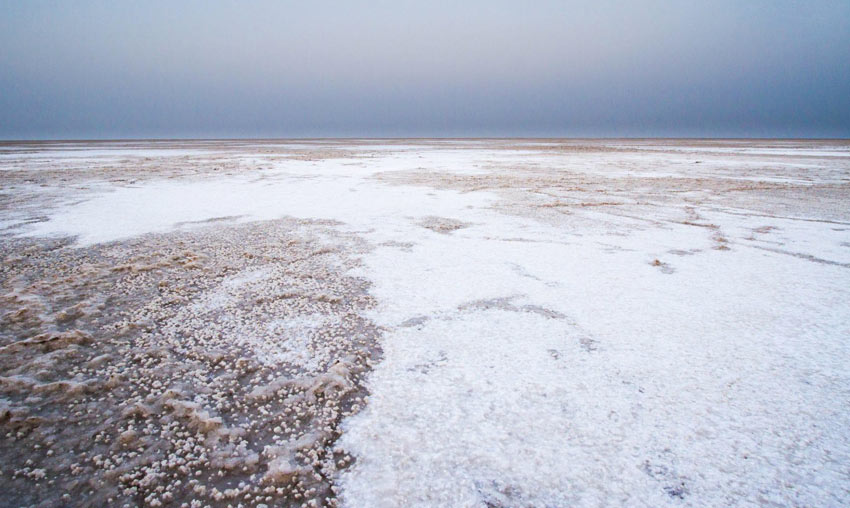
Often called the White Desert of Kutch, this remarkable landscape transforms with the seasons. During the monsoon, large parts of the Rann become covered with water. As the water recedes, a bright layer of salt forms across the land, creating the spectacular white landscape that makes this region so famous.
The White Rann near Dhordo village is one of the most popular places to experience this natural wonder. Visitors come here to walk across the salt flats, enjoy the changing colours of the sky, photograph the unique landscape and experience the cultural celebrations of the region during Rann Utsav.
About the Great Rann of Kutch
The Great Rann of Kutch is a vast seasonal salt marsh situated in the north of Gujarat, close to the India-Pakistan border. It forms part of the larger Rann of Kutch region, which is divided into the Great Rann and the Little Rann.
Unlike a conventional sandy desert, the Great Rann is a flat, saline landscape made up of mud, clay and salt deposits. Its appearance changes throughout the year. During the rainy season, parts of the region become marshy and waterlogged. In the drier months, the water evaporates and leaves behind a striking white salt crust.
The White Rann near Dhordo is the best-known visitor area, offering expansive views of the salt desert, especially during the winter tourist season.
Why Is the Great Rann of Kutch Famous?
The Great Rann of Kutch is famous for its unusual natural beauty and the unique experiences it offers visitors.
- White Salt Desert: A seemingly endless landscape covered with a bright white salt crust.
- Sunset Views: The changing colours of the sky create beautiful reflections and photography opportunities.
- Full Moon Nights: Moonlight illuminates the white salt plains, creating a memorable desert experience.
- Rann Utsav: A seasonal celebration of Kutchi culture, traditional music, dance, handicrafts and food.
- Photography: The open horizon and unusual terrain make the Rann a popular destination for landscape photography.
- Local Culture: Nearby villages offer opportunities to discover traditional crafts, textiles, embroidery and local lifestyles.
White Rann of Kutch – The Famous White Desert
The White Rann is the most recognisable visitor area of the Great Rann of Kutch. Located near Dhordo village, this vast salt plain is known for its bright white surface and uninterrupted horizon.
During the winter months, the salt crust creates a striking landscape that looks almost like a sheet of white snow stretching into the distance. The experience changes throughout the day. Morning light gives the desert a soft appearance, while sunset brings warm shades of orange, pink and gold to the horizon.
Visitors can enjoy the unusual landscape from designated visitor areas, subject to local access rules and permits. The White Rann is particularly popular with travellers who want to experience the natural beauty of Gujarat beyond its cities and historic monuments.
Best Things to Do at the Great Rann of Kutch
1. Walk Across the White Salt Desert
Walking across the designated visitor area of the White Rann is one of the main experiences here. The flat white landscape, open sky and distant horizon create a feeling of being surrounded by an endless natural canvas. Follow marked access routes and local instructions while exploring the salt flats.
2. Enjoy a Beautiful Desert Sunset
Sunset is one of the most memorable times to visit the Great Rann. As the sun moves towards the horizon, the white salt surface takes on changing shades of gold, pink and orange. Visitors often arrive well before sunset to enjoy the landscape and find a suitable photography spot.
3. Experience a Full Moon Night
The White Rann is especially popular during full moon nights. The moonlight creates a soft glow across the salt plains and offers a different atmosphere from the daytime landscape. If you are planning a full moon visit, check the official access timings and permit conditions in advance, as night access may be regulated.
4. Enjoy Photography
The Great Rann offers excellent opportunities for landscape, travel and cultural photography. The white salt surface, colourful local clothing, changing skies and traditional surroundings create a variety of photographic subjects. Sunrise and sunset are particularly attractive times for outdoor photography.
5. Experience Local Kutchi Culture
The villages around the Rann are known for their traditional crafts, including embroidery, bandhani textiles, leatherwork, pottery and other handmade products. Visitors can explore nearby craft villages and learn more about the artistic traditions of Kutch.
Rann Utsav – The Festival of the White Desert
Rann Utsav is a major seasonal cultural festival held near Dhordo village against the backdrop of the White Rann. Organised with the support of Gujarat Tourism, the festival celebrates the traditions, music, dance, crafts and cuisine of Kutch.
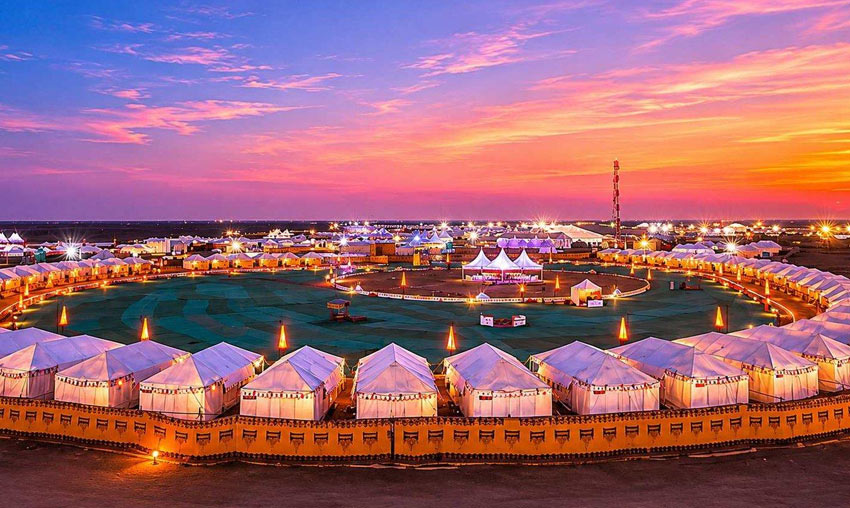
During the festival season, visitors can experience traditional folk performances, cultural programmes, handicraft displays and local food. The seasonal Tent City at Dhordo offers accommodation options for visitors who want to stay close to the festival activities.
Rann Utsav is a separate cultural experience from simply visiting the White Rann. Travellers can plan a White Rann visit without necessarily booking a stay at the Tent City, subject to the applicable entry and access arrangements.
For festival dates and accommodation information, visit the official Rann Utsav website.
Best Time to Visit the Great Rann of Kutch
The winter season is generally the most popular time to visit the Great Rann of Kutch. During this period, the salt marsh is comparatively dry and the White Rann offers the familiar white desert landscape.
- November to February: A popular period for visiting the White Rann and experiencing Rann Utsav, depending on the annual festival schedule and local access conditions.
- December and January: Popular winter months for pleasant daytime exploration and clear desert views.
- Full Moon Nights: A special time for visitors interested in seeing the salt plains under moonlight. Check permitted visiting hours before planning.
- Monsoon Season: Much of the Rann can become wet or marshy, so the classic white salt desert experience may not be available.
For the best experience, check the current White Rann access arrangements and Rann Utsav schedule before travelling.
How to Reach the Great Rann of Kutch
The White Rann visitor area is commonly accessed through Dhordo village in the Kutch district of Gujarat. Bhuj is the main travel base for many visitors.
By Air
Bhuj Airport is the nearest airport commonly used by visitors travelling to the White Rann. From Bhuj, travellers can hire a taxi or arrange a private vehicle for the journey towards Dhordo.
By Train
Bhuj Railway Station is a convenient railhead for reaching the Kutch region. From the station, taxis and other local transport options can be arranged for the onward journey.
By Road
Dhordo is accessible by road from Bhuj. Visitors can travel by private car, taxi or an organised tour. The journey time depends on the chosen route, road conditions and traffic, especially during Rann Utsav.
It is advisable to plan the return journey in advance, particularly if you intend to stay for sunset or an authorised evening visit.
White Rann Permit and Entry Information
Visitors may need an entry permit to access the White Rann because of its location in a sensitive border region. Permit requirements, entry arrangements and visiting rules can change.
- Check the latest permit instructions before travelling.
- Carry a valid government-issued photo identity document.
- Follow the designated visitor route and instructions from local authorities.
- Check current entry timings and any restrictions on evening or night visits.
- Do not enter restricted areas or cross safety barriers.
For current booking and permit information, check the official White Rann booking portal and Gujarat Tourism updates.
Places to Visit Near the Great Rann of Kutch
The White Rann can be combined with several important attractions across the Kutch region. Depending on the length of your trip, you can explore viewpoints, historic sites, cultural villages and coastal destinations.
1. Dhordo Village
Dhordo is the main visitor base for the White Rann and the location of the seasonal Rann Utsav Tent City. The village is an important starting point for exploring the white salt desert and nearby cultural attractions.
2. Kalo Dungar
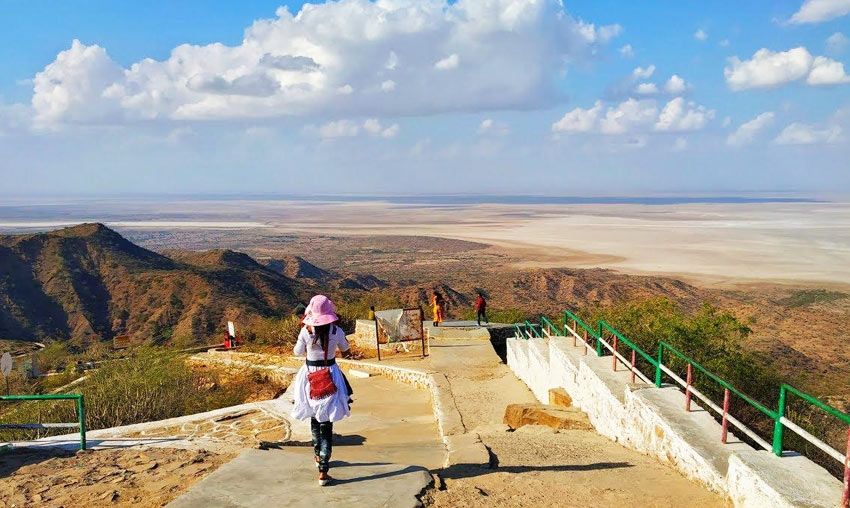
Kalo Dungar, also known as Black Hill, is one of the best-known viewpoints in Kutch. Its elevated location offers wide views of the surrounding landscape and the Great Rann.
3. Dholavira
Dholavira is an important archaeological site associated with the ancient Indus Valley Civilisation. It is recognised as a UNESCO World Heritage Site and is a major historical attraction in Kutch.
4. Nirona Village
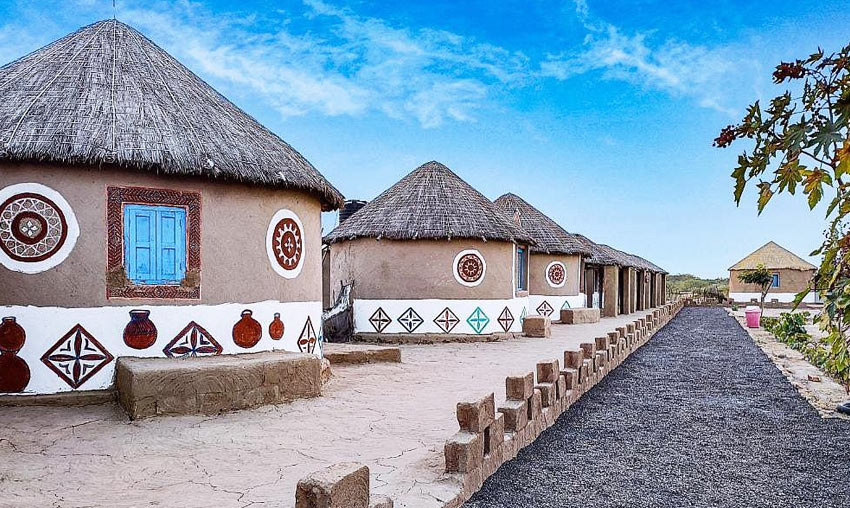
Nirona is known for traditional crafts, including Rogan art, copper bell making and lacquer work. It offers visitors an opportunity to discover the distinctive craftsmanship of Kutch.
5. Gandhi Nu Gaam
Gandhi Nu Gaam is known for its traditional crafts and local artisan communities. Visitors can explore handmade textiles, embroidery and other Kutchi handicrafts.
Explore our detailed Rann of Kutch travel guide for more places, experiences and trip-planning information.
Travel Tips for Visiting the White Desert
- Visit during the winter season for the classic white salt desert landscape.
- Check the official permit and entry requirements before leaving Bhuj.
- Carry a valid photo identity document.
- Wear comfortable footwear suitable for walking on the salt surface.
- Carry drinking water, sunglasses and sunscreen.
- Winter evenings and nights can be cold, so bring warm clothing.
- Arrive early if you want to enjoy the sunset without rushing.
- For full moon visits, confirm whether night access is permitted on your chosen date.
- Respect the natural environment and do not leave plastic or other waste behind.
- Book accommodation early during popular festival dates.
Suggested One-Day Itinerary for the Great Rann of Kutch
If you are staying in Bhuj, you can plan a day trip to the White Rann and nearby attractions. The following is a suggested outline; actual travel times depend on road conditions and the places you choose to visit.
- Morning: Start from Bhuj and travel towards the Dhordo region.
- Late Morning: Explore Dhordo and nearby handicraft or cultural stops.
- Afternoon: Enjoy local food and spend time exploring the surrounding region.
- Evening: Visit the authorised White Rann area and enjoy the sunset.
- Night: Return to Bhuj or stay at accommodation booked in the Dhordo region.
If you want to visit Kalo Dungar as well, consider allowing additional time or planning an overnight stay. Avoid trying to cover too many distant attractions in one day.
Frequently Asked Questions About the Great Rann of Kutch
1. Where is the Great Rann of Kutch located?
The Great Rann of Kutch is located in the Kutch district of Gujarat, in western India, near the India-Pakistan border.
2. Is the Great Rann of Kutch the same as the White Rann?
The White Rann is the famous white salt landscape within the larger Great Rann region. The terms are closely associated, but the White Rann generally refers to the popular visitor area near Dhordo.
3. What is the best time to visit the White Rann of Kutch?
Winter, particularly from November to February, is generally the most popular period. The exact experience depends on seasonal conditions, access arrangements and the annual Rann Utsav schedule.
4. Why is the Great Rann of Kutch white?
As seasonal water recedes and evaporates, salt is left behind on the surface of the marsh. This salt crust gives the landscape its distinctive white appearance.
5. Can visitors see the White Rann at night?
Full moon nights are popular for their beautiful views, but night access is subject to current local rules and permitted visiting hours. Confirm the arrangements before planning an evening visit.
6. Is a permit required to visit the White Rann?
Visitors may need a permit to enter the White Rann area. Check the latest official instructions and carry valid photo identification.
7. How far is the White Rann from Bhuj?
The White Rann visitor area near Dhordo is roughly 80–90 kilometres from Bhuj by road, depending on the access point and route.
8. What is Rann Utsav?
Rann Utsav is a seasonal cultural festival held near Dhordo. It showcases the traditional music, dance, handicrafts, food and cultural heritage of Kutch.
9. Can I visit the White Rann without staying at Tent City?
Yes. A Tent City stay is not necessarily required for a White Rann visit. However, visitors must follow the current entry, permit and access arrangements.
10. How much time should I spend at the White Rann?
Allow a few hours to explore the visitor area and enjoy the landscape. If you are travelling from Bhuj, plan the full outing around road travel, entry arrangements and your preferred sunset or authorised evening visit.
The Great Rann of Kutch is one of Gujarat’s most remarkable natural attractions. Its vast white salt plains, colourful sunsets, full moon views and rich local culture make it a memorable destination for travellers of all kinds.
Whether you visit for photography, the natural beauty of the White Desert or the cultural celebrations of Rann Utsav, the White Rann near Dhordo offers a unique experience in western India. Plan your visit during the winter season, check the latest permit rules and take time to explore the wider attractions of Kutch.
Nearby Places to Visit
Nearby Places to Visit