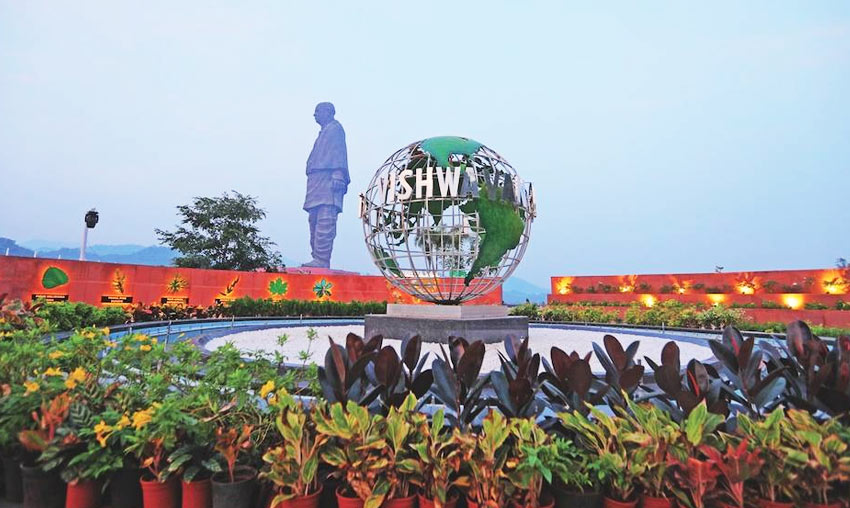
Vishwa Van Ekta Nagar – Explore the Global Forest of Seven Continents
Vishwa Van is a unique botanical attraction near the Statue of Unity in Ekta Nagar (Kevadia), Gujarat. Known as the Global Forest, it brings together herbs, shrubs and trees native to all seven continents of the world. The garden celebrates the theme of “Unity in Biodiversity” and highlights the importance of forests in sustaining life on Earth.
Unlike a conventional botanical garden, Vishwa Van introduces visitors to the vegetation and forest environments of different geographical regions. The plants are arranged in a way that represents the natural forest character of particular zones, allowing visitors to discover the diversity of global plant life in one destination.
With its international botanical theme, landscaped pathways and cultural structures representing traditional dwellings from different parts of the world, Vishwa Van offers an educational and enjoyable experience for families, students, nature lovers and travellers exploring Ekta Nagar.
About Vishwa Van, Ekta Nagar
Vishwa Van, meaning Global Forest, is a nature-based attraction developed around the idea of showcasing the vegetation of all seven continents. It highlights the relationship between forests, biodiversity and the survival of different life forms on the planet.
The garden features a diverse collection of herbs, shrubs and trees representing different parts of the world. Its landscape is organised into sections inspired by the continents, with vegetation arranged to resemble the natural forests of particular geographical zones.
The concept also reflects the idea that forests are not limited to providing greenery. They support ecosystems, protect biodiversity, contribute to environmental balance and play an essential role in sustaining life.
Key Highlights of Vishwa Van
- Location: Near the Statue of Unity, Ekta Nagar, Gujarat
- Theme: Global Forest and Unity in Biodiversity
- Plant collection: Herbs, shrubs and trees native to all seven continents
- Landscape design: Vegetation arranged to represent different natural forest zones
- Cultural features: Structures inspired by traditional dwellings from different parts of the world
- Main experience: Discovering global plant diversity in one garden
- Suitable for: Families, students, nature lovers and botanical enthusiasts
The Concept of Unity in Biodiversity
The central idea behind Vishwa Van is “Unity in Biodiversity”. The garden demonstrates how different regions of the world have their own distinctive vegetation, yet all forests contribute to the same global ecological system.
Every continent has different climatic conditions, landscapes and plant communities. From tropical vegetation to plants adapted to colder environments, the world’s forests display remarkable diversity.
Vishwa Van brings these different botanical identities together in one place. It encourages visitors to appreciate the variety of plant life across the planet and understand why protecting forests is important for the future of humanity.
Explore the Flora of Seven Continents
One of the main attractions of Vishwa Van is its representation of plant life from all seven continents. The garden showcases herbs, shrubs and trees associated with different geographical regions.
1. Asia
Asia has a wide range of forest ecosystems, from tropical rainforests and subtropical vegetation to temperate forests and mountain landscapes. Its plant diversity reflects the continent’s varied climate and geography.
The Asian section represents the importance of forests in the region’s natural environment and cultural traditions.
2. Africa
Africa is known for its diverse natural landscapes, including tropical forests, savannas and dry woodland ecosystems. Its vegetation has adapted to different rainfall patterns and climatic conditions.
The African representation at Vishwa Van introduces visitors to the continent’s distinctive botanical character.
3. Europe
European forests include temperate broadleaf woodlands, coniferous forests and mixed vegetation. These ecosystems support a variety of trees, shrubs, birds and other wildlife.
The European theme adds another perspective to the garden’s global collection of vegetation.
4. North America
North America features a wide range of forest environments, from evergreen coniferous forests to temperate woodlands. Its natural vegetation varies according to altitude, rainfall and temperature.
The North American representation helps visitors understand the diversity of forest ecosystems across the continent.
5. South America
South America is home to some of the world’s richest tropical forest ecosystems. The Amazon rainforest is particularly important for its biodiversity and role in the global environment.
The continent’s botanical identity highlights the importance of protecting tropical forests and their remarkable plant diversity.
6. Australia
Australia has distinctive vegetation adapted to its varied climate, including eucalyptus woodlands, tropical forests and dryland plant communities.
Its plant life demonstrates how vegetation develops unique adaptations to survive in different environmental conditions.
7. Antarctica
Antarctica has an extremely cold environment and limited vegetation compared with the other continents. Its plant life is largely restricted to simple organisms such as mosses, lichens and algae in suitable ice-free areas.
Its inclusion in the global theme helps visitors understand that every continent has a distinct ecological character and that biodiversity depends on environmental conditions.
Landscape Design Inspired by Global Forests
The vegetation at Vishwa Van is arranged to resemble the natural forests of particular geographical zones. This approach helps visitors understand the relationship between plants and their natural habitats.
The garden’s layout uses continent-inspired sections to present the diversity of global vegetation. The arrangement gives visitors an opportunity to explore different botanical themes while walking through a single landscaped attraction.
Informational signage placed around the garden helps explain the concept and provides details about the flora represented in different sections.
Traditional Dwellings and Cultural Structures
Vishwa Van also includes structures inspired by the traditional homes and living environments of communities from different parts of the world. These installations add a cultural dimension to the garden and help visitors understand how people have adapted their homes to local environments and lifestyles.
Published descriptions of the garden mention structures such as:
- Fiji House: Inspired by traditional dwelling styles associated with Fiji.
- Bali House: Represents traditional architectural influences from Bali, Indonesia.
- African-Louisiana Conference Area: A cultural structure included among the garden’s international-themed installations.
- Maloca House: Inspired by traditional communal dwellings associated with Indigenous communities in parts of South America.
- Pagoda: A traditional architectural form associated with several Asian cultures.
These structures provide a visual introduction to the cultural diversity of different regions and complement the garden’s botanical theme.
Forests and Their Importance for the Planet
Vishwa Van also communicates an important environmental message: forests are essential for maintaining ecological balance and supporting life on Earth.
Forests perform several important functions:
- Biodiversity conservation: They provide habitats for countless plant and animal species.
- Climate regulation: Forest ecosystems help influence local and global climate patterns.
- Carbon storage: Trees and other vegetation store carbon and contribute to climate regulation.
- Soil protection: Forest vegetation helps reduce soil erosion and supports healthy land ecosystems.
- Water cycle: Forests influence rainfall, groundwater recharge and water movement through landscapes.
- Human livelihoods: Forests provide resources and support the livelihoods and cultures of many communities.
By presenting vegetation from different continents, Vishwa Van encourages visitors to recognise the importance of protecting forests and preserving biodiversity.
Souvenir Shopping and Local Products
Vishwa Van also offers a souvenir-shopping experience associated with local tribal self-help groups. Visitors can explore locally made products and souvenirs that reflect regional craftsmanship and traditional skills.
Purchasing locally made products can help support artisan communities and promote traditional livelihoods. Product availability and shop operating hours may vary.
Educational Importance of Vishwa Van
Vishwa Van is an educational attraction for visitors interested in botany, geography, ecology and environmental conservation. Its global forest concept provides an opportunity to learn about the relationship between geographical regions and their vegetation.
Students and nature enthusiasts can explore several important topics:
- Plant diversity across the seven continents
- Differences between forest ecosystems
- How climate influences vegetation
- The importance of native plant species
- The relationship between forests and biodiversity
- The role of forests in supporting human and animal life
- The importance of environmental conservation
The garden offers a practical way to connect classroom learning about geography and ecology with a real-world botanical experience.
Best Time to Visit Vishwa Van
Vishwa Van can be visited throughout the year according to its operating schedule. However, the cooler months are generally more comfortable for exploring the outdoor garden and its landscaped pathways.
Winter Season – October to February
Winter is one of the most pleasant periods to visit Vishwa Van. Comfortable temperatures make it easier to walk through the garden, explore the continent-inspired sections and enjoy the natural surroundings.
Summer Season – March to June
Summer temperatures can be high in Ekta Nagar. Visitors should prefer morning or late-afternoon hours, carry drinking water and take breaks while exploring the outdoor sections.
Monsoon Season – July to September
The monsoon brings greenery to the Narmada region and can make the garden surroundings particularly refreshing. However, rainfall may affect outdoor sightseeing, so visitors should check the weather forecast before travelling.
Vishwa Van Timings and Entry Tickets
The official Statue of Unity attractions portal currently lists the following visitor information for Vishwa Van:
- Operating days: Tuesday to Sunday
- Opening time: 8:00 AM
- Closing time: 7:00 PM
- Last entry: 6:45 PM
- Adult ticket: ₹30
- Child ticket: ₹20
Ticket prices and visiting arrangements may change. Confirm the latest rates, availability and entry conditions through the official Statue of Unity ticket portal before planning your visit.
How to Reach Vishwa Van
Vishwa Van is located in the Statue of Unity tourism area at Ekta Nagar, Narmada district, Gujarat. It can be included in a sightseeing trip covering the Statue of Unity and nearby gardens.
By Road
Visitors can reach Ekta Nagar by road from Vadodara, Rajpipla and other nearby towns. From the Statue of Unity tourism area, follow the local signboards and designated visitor transport arrangements to reach Vishwa Van.
By Train
Ekta Nagar Railway Station, formerly known as Kevadia railway station, is the nearest railway station for visitors travelling by train. From the station, visitors can use local taxis or available transport services to reach the garden.
By Air
Vadodara Airport is the nearest major airport commonly used by visitors travelling to Ekta Nagar. From the airport, the remaining journey can be completed by taxi or other road transport.
Places to Visit Near Vishwa Van
Vishwa Van is part of the wider Statue of Unity tourism destination. Visitors can combine it with several other attractions to explore the natural, cultural and sightseeing highlights of Ekta Nagar.
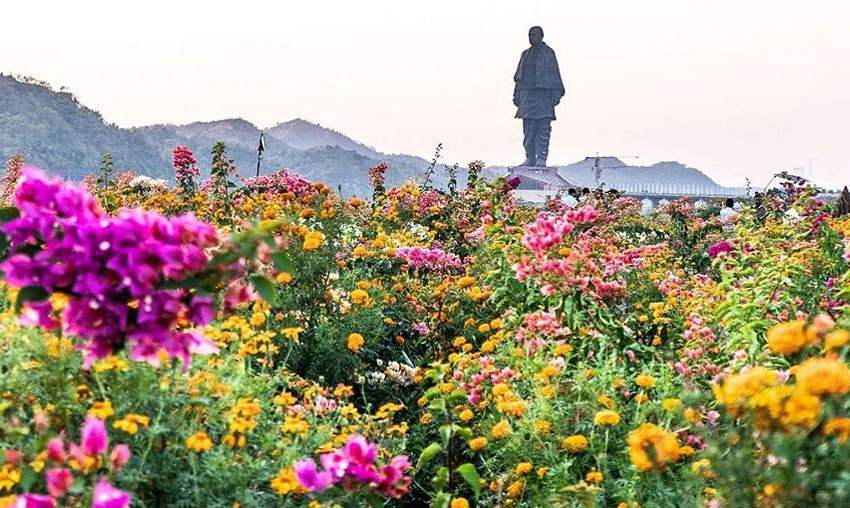
1. Statue of Unity
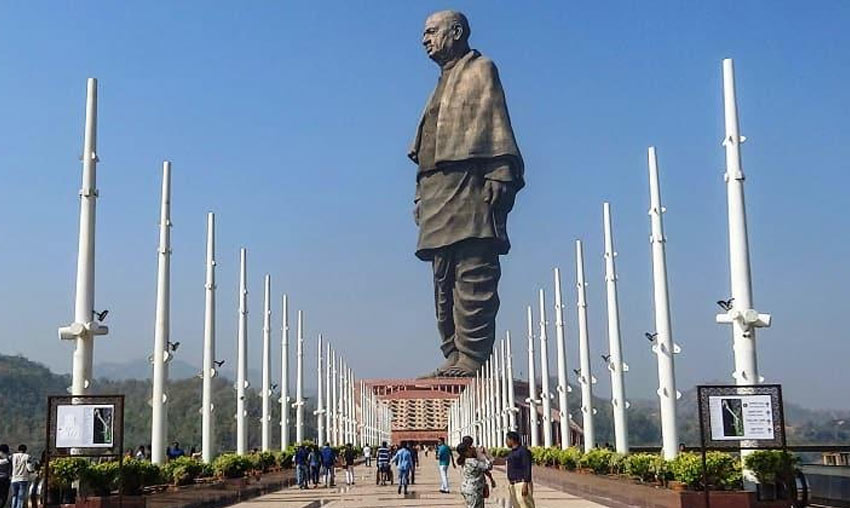
The Statue of Unity is the iconic landmark of Ekta Nagar. Standing at 182 metres, it is dedicated to Sardar Vallabhbhai Patel and is one of India’s most recognised tourist attractions.
2. Valley of Flowers
Valley of Flowers is a landscaped garden featuring colourful flower displays, walking paths and scenic views of the surrounding area.
3. Arogya Van
Arogya Van is a herbal and medicinal plant garden showcasing traditional Indian wellness concepts, themed gardens and botanical displays.
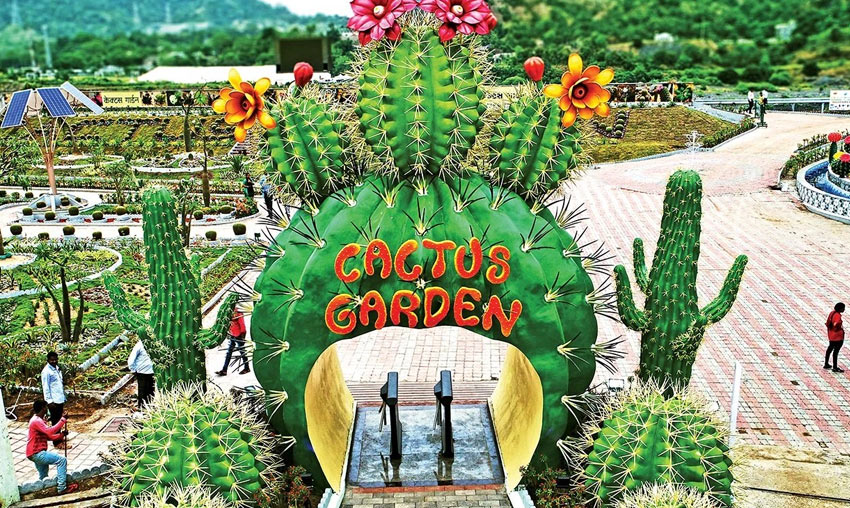
4. Cactus Garden
Cactus Garden showcases an extensive collection of cacti and succulent plants from different parts of the world. Its greenhouse dome and landscaped displays make it a unique botanical attraction.
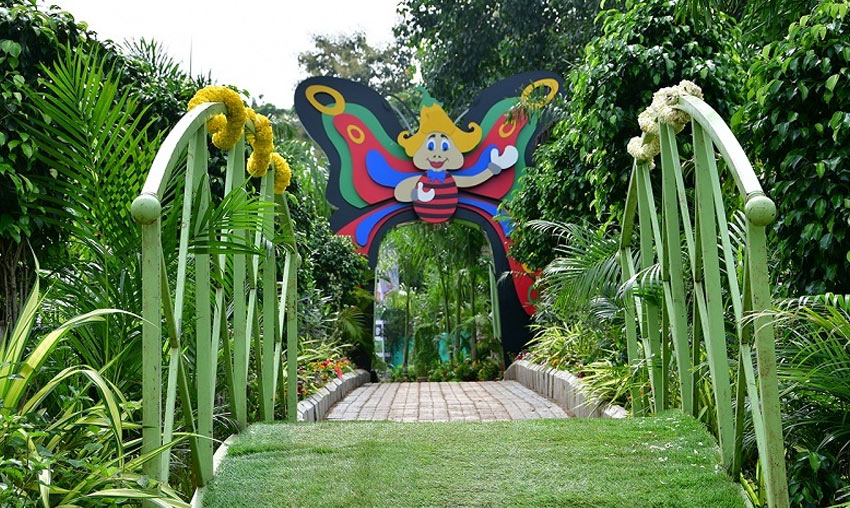
5. Butterfly Garden
Butterfly Garden is a specially developed habitat featuring flowering plants and host plants that attract different butterfly species.
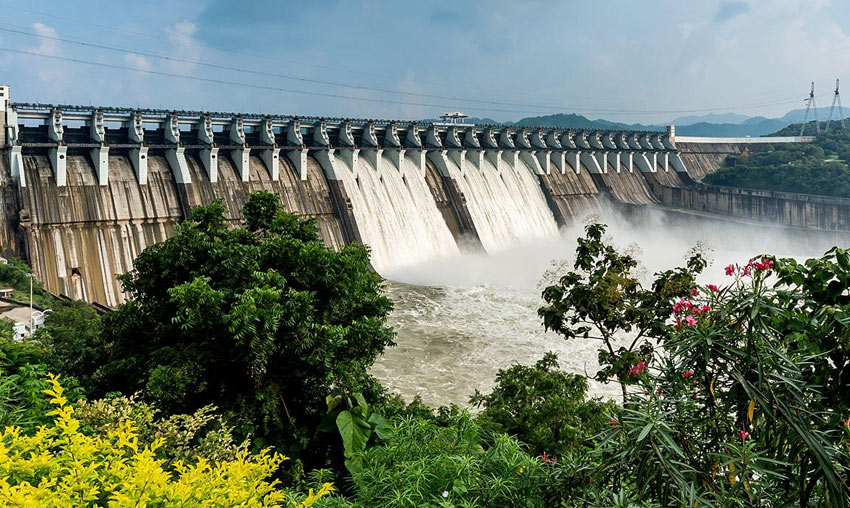
6. Sardar Sarovar Dam
Sardar Sarovar Dam is a major multipurpose project on the Narmada River. Visitors can explore its engineering significance and surrounding landscape from designated viewpoints.
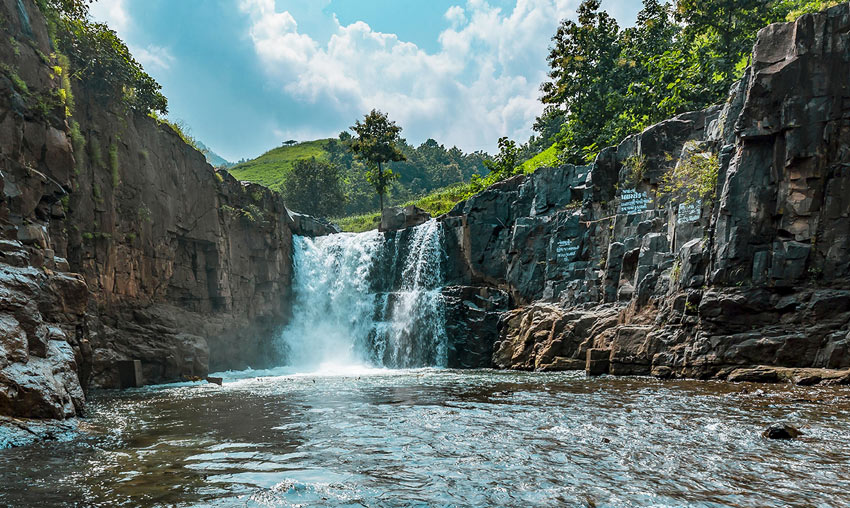
7. Zarwani Waterfall
Zarwani Waterfall is a natural attraction in the Shoolpaneshwar forest region, known for its seasonal water flow and green surroundings.
8. Explore More Attractions in Ekta Nagar
Discover more gardens, viewpoints and visitor experiences through our complete Ekta Nagar travel guide.
Suggested One-Day Itinerary
Visitors can include Vishwa Van in a one-day sightseeing plan covering the major attractions of Ekta Nagar. The following is a suggested outline and should be adjusted according to current ticket availability and travel time.
- Morning: Begin your day with a visit to the Statue of Unity complex.
- Late Morning: Explore Vishwa Van and discover its global plant collections and cultural structures.
- Afternoon: Enjoy lunch and visit Arogya Van or Valley of Flowers.
- Later Afternoon: Explore Cactus Garden and Butterfly Garden, depending on ticket availability and your schedule.
- Evening: Enjoy other visitor experiences available in the Ekta Nagar tourism area.
Travel Tips for Visiting Vishwa Van
- Check the latest ticket prices and operating schedule before travelling.
- Wear comfortable footwear for walking around the garden.
- Carry drinking water, especially during summer.
- Read the information boards to understand the different botanical sections.
- Do not pluck leaves, flowers or plants.
- Stay on designated pathways and avoid damaging landscaped areas.
- Respect the cultural structures and do not climb on installations.
- Keep the garden clean and use designated waste bins.
- Supervise children while exploring the garden.
- Allow enough time to explore the different sections without rushing.
Why Visit Vishwa Van, Ekta Nagar?
Vishwa Van is a unique attraction that brings the botanical diversity of seven continents together in one landscaped global forest. Its collection of herbs, shrubs and trees, continent-inspired garden sections and cultural structures makes it an interesting destination for visitors of all ages.
Whether you are a nature enthusiast, a student interested in geography and biodiversity, or a traveller exploring the Statue of Unity region, Vishwa Van offers a meaningful experience focused on the importance of forests and environmental conservation.
Its central theme of Unity in Biodiversity makes it a special addition to the attractions of Ekta Nagar and an enjoyable place to explore during your Gujarat trip.
Frequently Asked Questions About Vishwa Van
1. Where is Vishwa Van located?
Vishwa Van is located in the Statue of Unity tourism area at Ekta Nagar, Narmada district, Gujarat.
2. What is Vishwa Van famous for?
Vishwa Van is famous for its global forest concept, showcasing herbs, shrubs and trees native to all seven continents.
3. What does Vishwa Van mean?
Vishwa Van means Global Forest. It represents the idea of bringing together plant diversity from different continents in one place.
4. How many continents are represented at Vishwa Van?
Vishwa Van represents all seven continents: Asia, Africa, Europe, North America, South America, Australia and Antarctica.
5. What is the main theme of Vishwa Van?
The main theme is Unity in Biodiversity. The garden highlights the importance of global plant diversity and the role of forests in supporting life on Earth.
6. What can visitors see at Vishwa Van?
Visitors can explore herbs, shrubs and trees representing different continents, continent-inspired landscaped sections, informational signage and cultural structures inspired by traditional dwellings from different parts of the world.
7. What are the timings of Vishwa Van?
The official Statue of Unity attractions portal currently lists Vishwa Van from 8:00 AM to 7:00 PM, Tuesday to Sunday, with last entry at 6:45 PM.
8. What is the entry fee for Vishwa Van?
The currently listed ticket price is ₹30 for adults and ₹20 for children. Check the official ticket portal for the latest prices and entry conditions.
9. Is Vishwa Van suitable for children?
Yes. Children can learn about plants, continents, forest ecosystems and biodiversity through the garden’s botanical displays and educational information boards.
10. How much time is required to explore Vishwa Van?
Visitors can plan approximately 30–60 minutes for a relaxed visit. Additional time may be needed if you want to explore the garden in detail and read its informational displays.
11. Can Vishwa Van be visited along with the Statue of Unity?
Yes. Vishwa Van is part of the Ekta Nagar tourism area and can be included in the same sightseeing trip as the Statue of Unity and other nearby attractions.
Plan Your Visit to Ekta Nagar
Vishwa Van offers a fascinating journey through the world’s botanical diversity. Explore plants from seven continents, discover the importance of forests and experience the idea of Unity in Biodiversity in a beautiful landscaped setting.
Combine your visit with other popular attractions and explore our complete Ekta Nagar Travel Guide to plan your trip.
Nearby Places to Visit

Nearby Places to Visit