Statue of Unity – History, Height, Architecture, Tickets & Complete Travel Guide
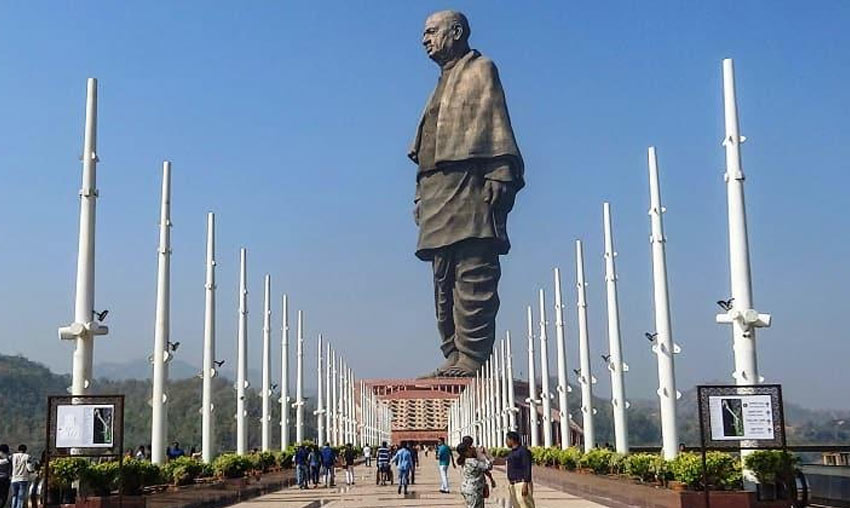
The Statue of Unity is one of India’s most remarkable landmarks and the world’s tallest statue. Located at Ekta Nagar, formerly known as Kevadia, in the Narmada district of Gujarat, this magnificent monument is dedicated to Sardar Vallabhbhai Patel, India’s first Deputy Prime Minister and Home Minister. Standing at an impressive height of 182 metres, the statue represents the ideals of national unity, leadership, determination and the integration of India.
Set on Sadhu Bet, an island in the Narmada River, the Statue of Unity overlooks the spectacular landscape of the Sardar Sarovar Dam, the Narmada Valley and the surrounding Vindhya and Satpura hill ranges. Its extraordinary height, bronze-clad exterior, innovative engineering and historical significance make it a major attraction for tourists, students, history enthusiasts and architecture lovers.
Inaugurated on 31 October 2018, the birth anniversary of Sardar Vallabhbhai Patel, the monument has transformed the surrounding region into a major tourism destination. Visitors can explore the statue’s museum, exhibition areas, audio-visual gallery and viewing gallery located at a height of 153 metres. The surrounding tourism zone also features landscaped gardens, viewpoints, recreational attractions and nature experiences.
Whether you are planning a family holiday, a weekend trip or a historical journey through Gujarat, the Statue of Unity deserves a special place in your itinerary. This detailed travel guide covers its history, construction, architecture, visitor attractions, ticket options, timings, best time to visit and everything you should know before planning your trip.
Statue of Unity – Quick Facts
- Attraction Name: Statue of Unity
- Location: Sadhu Bet, Ekta Nagar, Narmada district, Gujarat, India
- Dedicated To: Sardar Vallabhbhai Patel
- Height: 182 metres (597 feet approximately)
- Inauguration Date: 31 October 2018
- Statue Sculptor: Ram V. Sutar
- Engineering and Construction: Larsen & Toubro, with specialist engineering support
- River: Narmada River
- Island Location: Sadhu Bet
- Viewing Gallery Height: Approximately 153 metres
- Nearby Landmark: Sardar Sarovar Dam
- District: Narmada
- State: Gujarat
- Nearest Major Airport: Vadodara Airport
- Nearest Railway Station: Ekta Nagar Railway Station
- Popular For: World’s tallest statue, history, museum, viewing gallery, engineering and panoramic views
Where Is the Statue of Unity Located?
The Statue of Unity is located on Sadhu Bet, a river island in the Narmada River near Ekta Nagar in Gujarat’s Narmada district. The monument stands approximately 3.5 kilometres downstream from the Sardar Sarovar Dam and faces the vast reservoir and surrounding hills.
Earlier known as Kevadia, Ekta Nagar has developed into an important tourism destination centred around the Statue of Unity. The monument is connected to the mainland through a bridge, allowing visitors to reach the statue complex from the designated visitor area.
The natural setting is one of the major highlights of the destination. The Narmada River, surrounding hills, reservoir views and landscaped tourism areas create an impressive backdrop for the monument. The location also makes it a starting point for exploring other attractions in the region.
Visitors planning a wider trip can explore our Ekta Nagar travel guide to discover gardens, wildlife experiences, viewpoints, temples and other popular attractions around the Statue of Unity.
History of the Statue of Unity
The Statue of Unity was built as a tribute to Sardar Vallabhbhai Patel, one of the most influential leaders of India’s freedom movement and the country’s first Deputy Prime Minister and Home Minister. Popularly known as the Iron Man of India, Patel played a historic role in bringing hundreds of princely states together after independence and helping shape the political unity of modern India.
The idea behind the monument was to create a lasting national memorial that would recognise Patel’s contribution to India’s unity and inspire future generations. The project became a major national initiative, bringing together engineers, architects, sculptors, construction specialists and government institutions.
Who Was Sardar Vallabhbhai Patel?
Sardar Vallabhbhai Patel was born on 31 October 1875 in Nadiad, Gujarat. He became an important leader of India’s freedom movement and worked closely with Mahatma Gandhi. Patel gained national recognition through his leadership in the Kheda Satyagraha, Bardoli Satyagraha and other movements against British rule.
After India’s independence in 1947, Patel became the country’s first Deputy Prime Minister and Home Minister. One of his most important responsibilities was the integration of princely states into the Indian Union. Through negotiations, political leadership and administrative efforts, he played a central role in bringing hundreds of princely states together to form a united nation.
His contribution to national integration earned him the title of the Iron Man of India. His leadership, administrative vision and commitment to national unity remain important parts of India’s modern history.
Why Was the Statue of Unity Built?
The Statue of Unity was created to honour Sardar Vallabhbhai Patel’s extraordinary contribution to India’s freedom struggle and national integration. The monument represents the strength and unity of the country and serves as a reminder of the leadership that helped bring the princely states together after independence.
The project also aimed to establish a major landmark in Gujarat and develop the surrounding region as an important tourism destination. The monument and its surrounding attractions have helped create opportunities for tourism, hospitality, transport, local businesses and regional development.
Inauguration of the Statue of Unity
The Statue of Unity was officially inaugurated on 31 October 2018 by Prime Minister Narendra Modi on the 143rd birth anniversary of Sardar Vallabhbhai Patel. The occasion was also celebrated as Rashtriya Ekta Diwas, or National Unity Day.
The inauguration ceremony included national celebrations, cultural performances and the dedication of the monument to the nation. The Wall of Unity was also inaugurated during the event. The museum, exhibition area and viewing gallery were among the major visitor facilities highlighted during the dedication ceremony.
The inauguration marked an important moment in India’s modern architectural and tourism history. Since then, the Statue of Unity has become an internationally recognised landmark and one of the most prominent attractions in Gujarat.
Height of the Statue of Unity – How Tall Is It?
The Statue of Unity stands 182 metres tall, or approximately 597 feet. It is recognised as the world’s tallest statue and is nearly twice the height of the Statue of Liberty in the United States.
The impressive height was selected to create a landmark that would be visible across the surrounding Narmada landscape. The statue rises above the river island and dominates the skyline, with the Sardar Sarovar reservoir and the Vindhya and Satpura hill ranges forming its backdrop.
The monument’s height is not just an architectural achievement. It also represents the scale of Sardar Vallabhbhai Patel’s contribution to India’s national integration and his lasting place in the country’s history.
Important Height and Structure Details
- The statue itself measures 182 metres in height.
- Its overall scale makes it the world’s tallest statue.
- The viewing gallery is located approximately 153 metres above ground level.
- The monument stands on Sadhu Bet, an island in the Narmada River.
- A bridge connects the island with the mainland visitor area.
- The statue faces the Sardar Sarovar Dam and the surrounding Narmada Valley.
Architecture and Design of the Statue of Unity
The Statue of Unity is an outstanding example of large-scale modern sculpture combined with advanced structural engineering. It was designed to portray Sardar Vallabhbhai Patel in a dignified and determined standing posture, with his head held high and his hands positioned naturally at his sides.
The statue was designed by renowned Indian sculptor Ram V. Sutar. The engineering and construction involved Larsen & Toubro, supported by specialist teams responsible for structural engineering, geotechnical design, seismic safety, wind engineering, materials and vertical transportation.
Design Inspiration and Posture
The sculptural design presents Sardar Patel in traditional Indian attire, including a dhoti and shawl. His expression and posture reflect confidence, determination and leadership. The slightly forward position of one leg gives the impression of movement, creating a dynamic appearance rather than a static standing figure.
The design was developed to capture Patel’s personality and historical importance while maintaining the proportions and visual balance required for a monument of this extraordinary scale.
Bronze Cladding and External Appearance
The outer appearance of the statue is created through bronze cladding supported by an internal structural framework. The bronze-coloured exterior gives the monument its distinctive visual character and helps it stand out against the natural landscape.
The external surface was divided into large prefabricated sections so that components could be manufactured separately and assembled at the site. This approach helped manage the complex construction process and reduced the need for conventional full-height scaffolding.
Internal Structural Engineering
Inside the statue, the structure uses reinforced concrete cores and a steel framework to support the enormous external form. The internal cores extend upwards through the statue and also accommodate the elevator systems used by visitors travelling to the viewing gallery.
Structural engineers had to consider the effects of strong winds, seismic activity, temperature changes and the movement of such a tall structure. Special engineering solutions were incorporated to control vibration and improve the stability and comfort of the visitor areas.
Construction and Assembly
The construction process involved extensive off-site manufacturing and carefully planned assembly. According to the structural engineering team, the exterior was divided into approximately 600 large panels arranged in 27 rings of modules. These panels were manufactured separately and then transported and lifted into position.
Each large panel was made from smaller sections that were assembled to reproduce the sculptor’s design. Flexible connections between the panels helped accommodate movement caused by wind and temperature changes. More detailed areas, including the face, hands and feet, required specialised finishing and assembly techniques.
The project was especially challenging because of the river-island location, ground conditions, high winds and the need to manage construction at an extremely large scale. The successful completion of the monument demonstrated the combined capabilities of modern engineering, fabrication and construction planning.
Major Attractions Inside the Statue of Unity Complex
A visit to the Statue of Unity is not limited to viewing the monument from outside. The complex includes several visitor experiences that explain Sardar Patel’s life, showcase the engineering behind the statue and provide panoramic views of the surrounding region.
1. Viewing Gallery at 153 Metres
The Viewing Gallery is one of the most exciting attractions inside the Statue of Unity. Located approximately 153 metres above ground level, it provides visitors with panoramic views of the Narmada River, Sardar Sarovar reservoir, dam and surrounding hill ranges.
The gallery is situated around the chest level of the statue. Visitors reach it through high-speed elevators installed inside the monument’s structural cores. The elevated viewpoint allows tourists to experience the scale of the statue and enjoy a unique perspective of the surrounding landscape.
The viewing gallery is a particularly popular part of the visit, so visitors should check the available ticket category and time slot before booking. Access may depend on ticket availability, operational conditions and visitor management arrangements.
2. Sardar Vallabhbhai Patel Memorial Museum
The museum inside the monument complex is dedicated to the life, achievements and historical contribution of Sardar Vallabhbhai Patel. It provides visitors with an opportunity to understand his early life, political journey, role in India’s freedom movement and contribution to national integration.
The museum uses displays, photographs, information panels and historical material to introduce visitors to important events in Patel’s life. It helps explain why he is remembered as the Iron Man of India and why his contribution remains significant in the history of modern India.
For students, history enthusiasts and families, the museum adds educational value to the visit and makes the monument more meaningful than a simple sightseeing attraction.
3. Exhibition Hall
The Exhibition Hall introduces visitors to the concept, planning, design and construction of the Statue of Unity. It helps explain how the monument was developed and how different engineering and artistic disciplines came together to complete the project.
Visitors can learn about the statue’s design, scale, construction techniques and the work involved in creating such a large monument. The exhibition experience provides useful context before or after visiting the viewing gallery.
4. Audio-Visual Gallery
The audio-visual gallery presents information about Sardar Patel through multimedia displays and visual storytelling. It highlights his contribution to the freedom movement, his leadership during the period of independence and his role in the integration of princely states.
The presentation makes the historical information more accessible for visitors of different age groups. It is particularly useful for people who want to understand the story behind the monument rather than only admire its height and appearance.
5. Statue Precinct and Memorial Area
The area around the monument includes landscaped spaces, pedestrian routes and visitor facilities. Visitors can walk through the designated precinct, admire the statue from different viewpoints and take photographs of the monument against the Narmada landscape.
The scale of the statue becomes especially impressive when viewed from the lower levels. The surrounding open spaces also provide opportunities to appreciate the monument’s design, posture and bronze-clad exterior.
6. Wall of Unity
The Wall of Unity is associated with the national message of unity and collective participation behind the Statue of Unity project. The inauguration ceremony in 2018 included the dedication of this feature along with the main monument.
The idea of national unity is central to the identity of the Statue of Unity. The monument and its associated memorial elements celebrate the values of national integration, cooperation and shared responsibility.
Light and Sound Show at the Statue of Unity
The evening light and sound experience is another attraction associated with the Statue of Unity. Through projection and lighting effects, the monument becomes part of a visual presentation that tells the story of Sardar Vallabhbhai Patel and his contribution to India’s unity.
The presentation uses the statue as a large visual backdrop and combines narration, lighting and projected imagery to create an engaging experience for visitors. It provides an opportunity to learn about Patel’s life in a different format after exploring the monument during the day.
Projection mapping and show schedules can change according to operational arrangements, weather and special events. Visitors should check the current show availability and timing on the official ticket booking portal before planning an evening visit.
Best Viewpoints for Photographing the Statue of Unity
The Statue of Unity can be admired from several viewpoints around the tourism area. Each location offers a different perspective of the monument, the Narmada River and the surrounding landscape.
1. Main Statue Viewing Area
The main visitor precinct provides a close view of the statue and allows visitors to appreciate its enormous scale. It is one of the best places to capture photographs showing the full monument.
2. Narmada River and Bridge View
The river-facing areas and bridge approach offer interesting angles of the statue against the water and surrounding hills. These viewpoints are particularly attractive for landscape photography.
3. Sardar Sarovar Dam Viewpoint
The designated dam viewpoints provide a wider perspective of the reservoir and the surrounding valley. From suitable viewing locations, visitors can appreciate the relationship between the monument, river and dam landscape.
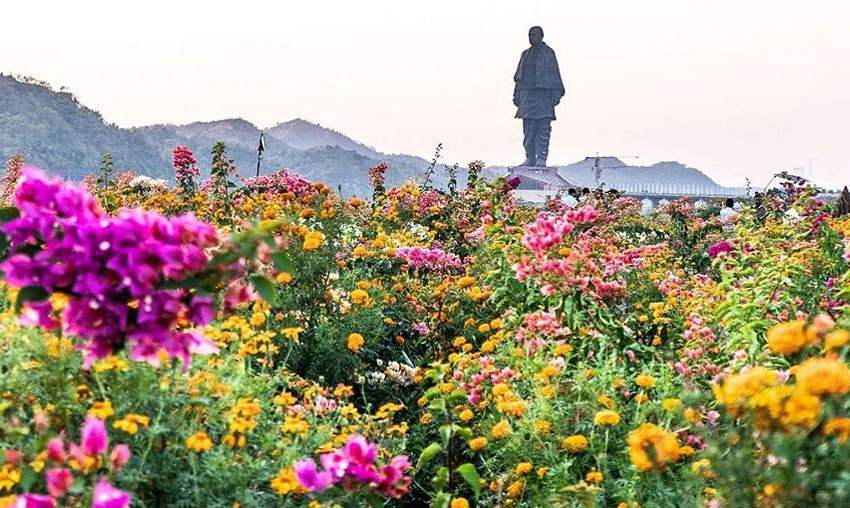
4. Valley of Flowers
The landscaped surroundings of the Valley of Flowers offer colourful garden scenery and attractive views of the monument area. It is a pleasant location for relaxed photography and nature walks.
Nearby Places to Visit Around the Statue of Unity
The Statue of Unity is the central attraction of a much larger tourism destination. Visitors can combine their monument visit with gardens, wildlife experiences, eco-tourism locations, viewpoints and recreational attractions around Ekta Nagar.
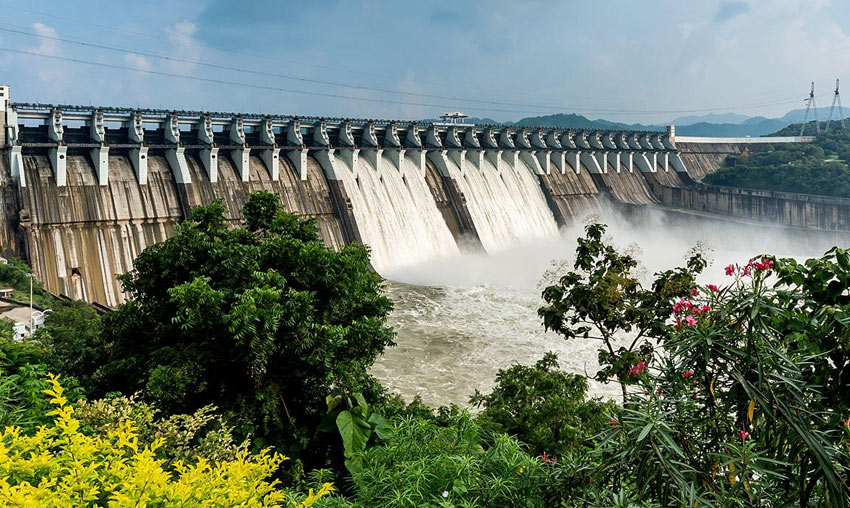
1. Sardar Sarovar Dam
The Sardar Sarovar Dam is one of the most important engineering landmarks in Gujarat. Built across the Narmada River, it is a major multipurpose project associated with irrigation, drinking water supply and hydroelectric power generation. The surrounding viewpoints offer impressive views of the river and reservoir.
2. Valley of Flowers
The Valley of Flowers is a landscaped garden along the Narmada River. It features colourful seasonal flowers, walking paths and green spaces, making it a pleasant attraction for families and nature lovers.
3. Jungle Safari
The Jungle Safari, also known as Sardar Patel Zoological Park, offers visitors an opportunity to explore a wildlife attraction with different animal and bird species. It is a popular experience for families and children.
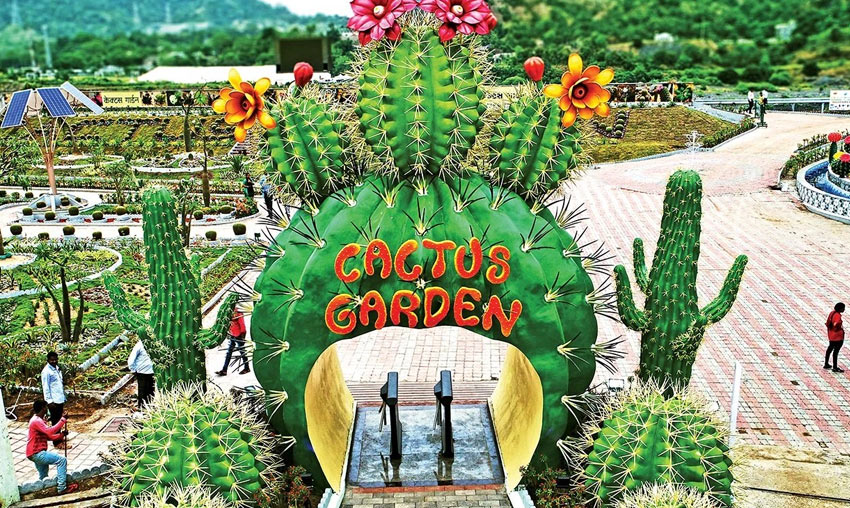
4. Cactus Garden
The Cactus Garden showcases a variety of cactus and succulent plants from different environments. It is an interesting stop for visitors who enjoy botanical attractions and unusual plant collections.
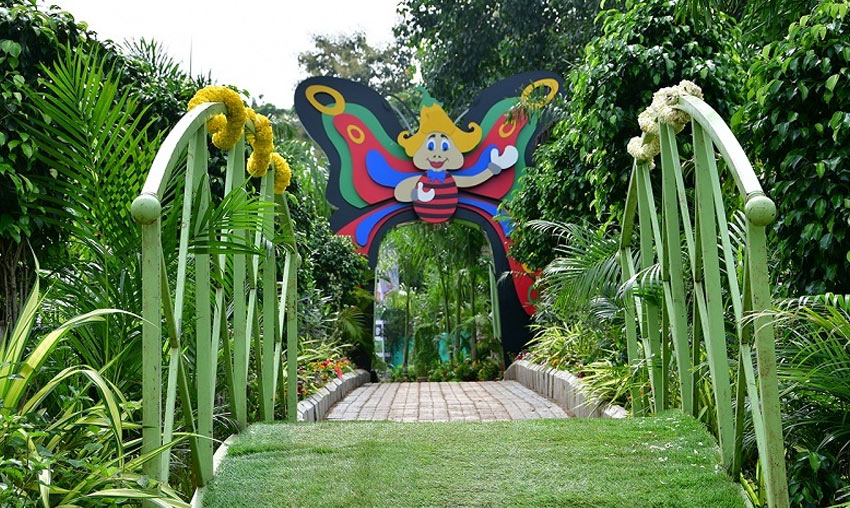
5. Butterfly Garden
The Butterfly Garden is a nature-focused attraction where visitors can observe butterflies and learn about their habitats and ecological importance.
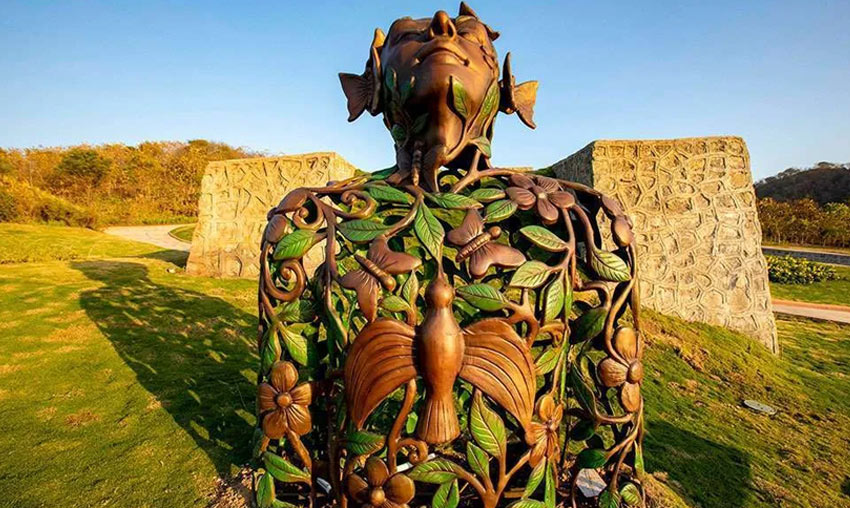
6. Arogya Van
Arogya Van is a themed garden dedicated to medicinal plants and traditional wellness knowledge. It offers an educational experience for visitors interested in Ayurveda, plants and nature.
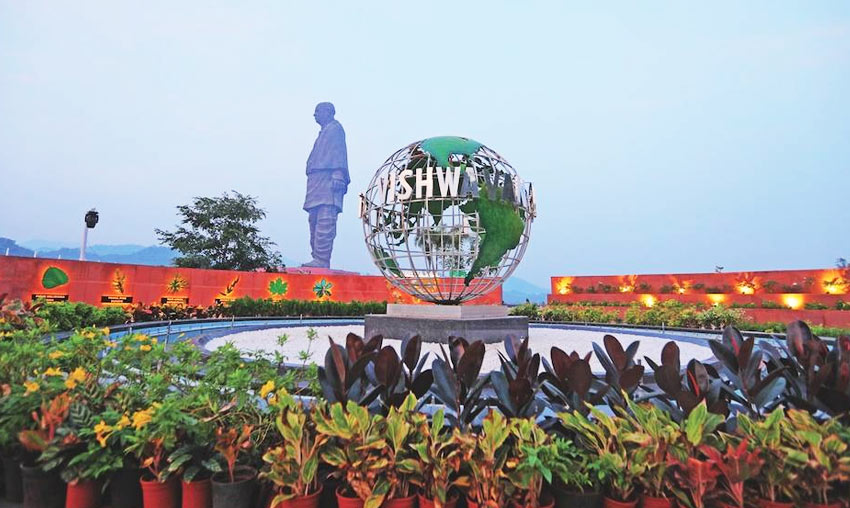
7. Vishwa Van
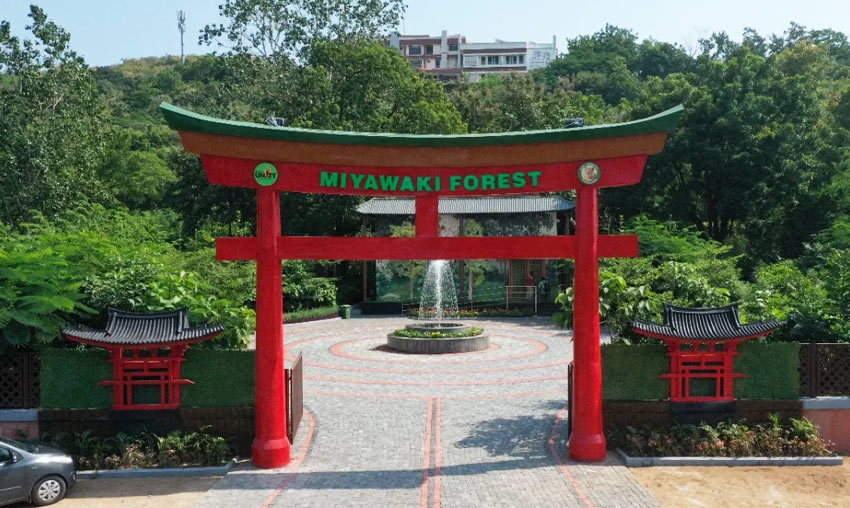
Vishwa Van is a themed botanical attraction representing plant life from different parts of the world. It highlights biodiversity and the importance of forests.
8. Glow Garden
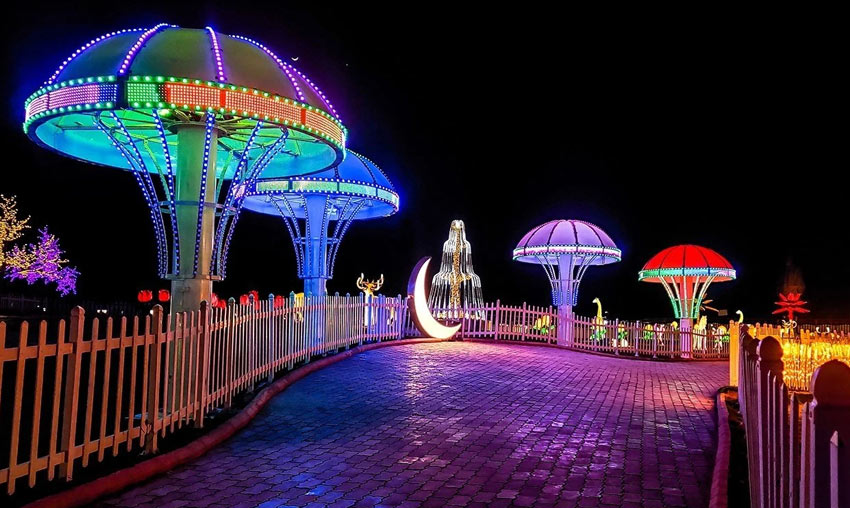
Glow Garden is known for its illuminated installations and decorative displays. It is particularly suited to visitors looking for an evening attraction.
9. Maze Garden
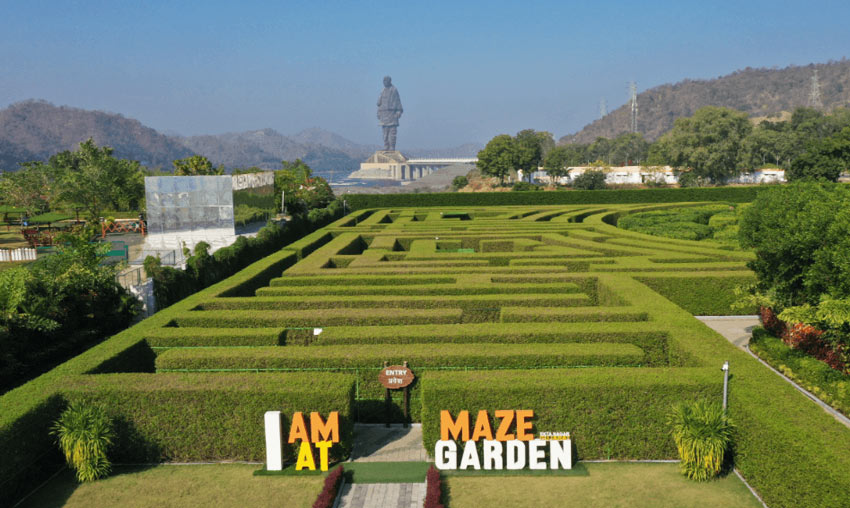
The Maze Garden is a recreational attraction featuring winding pathways and a landscaped maze. It offers a fun outdoor experience for families and children.
10. Children’s Nutrition Park
Children’s Nutrition Park combines interactive entertainment and educational experiences to introduce children to nutrition and healthy eating habits.
11. Ekta Mall
Ekta Mall is a shopping destination where visitors can explore handicrafts, souvenirs and products representing traditional Indian craftsmanship.
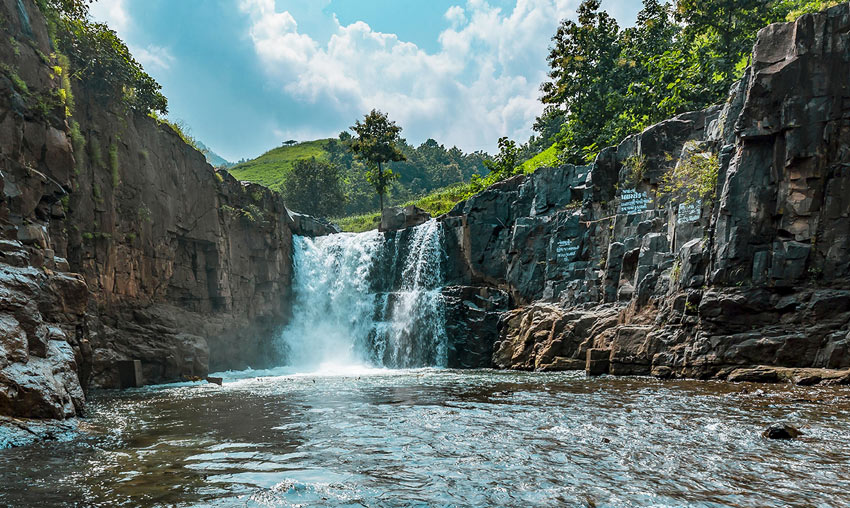
12. Zarwani Waterfall
Zarwani Waterfall is a natural attraction in the Narmada region, surrounded by greenery and forest landscapes. It is particularly appealing during the monsoon season, subject to local access and weather conditions.
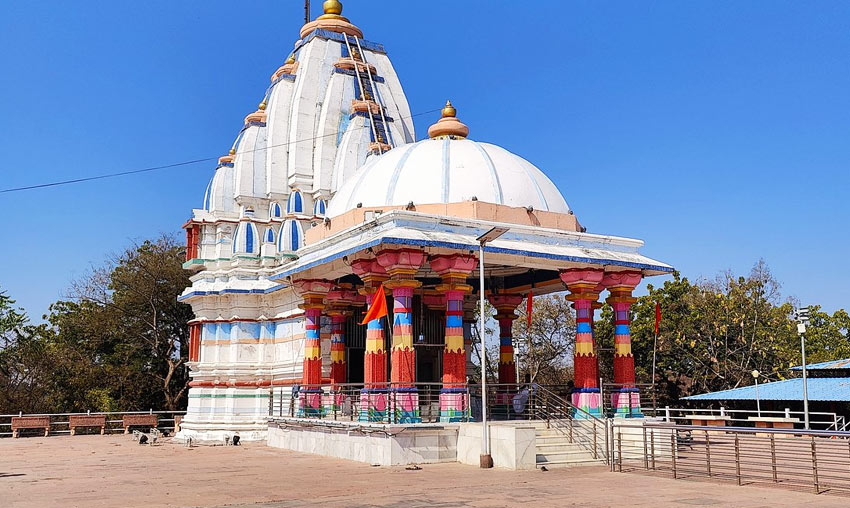
13. Shoolpaneshwar Mahadev Temple
Shoolpaneshwar Mahadev Temple is a religious attraction dedicated to Lord Shiva in the wider Narmada region. It can be included in a sightseeing plan for visitors interested in spirituality and local religious traditions.
To explore all the attractions in this region, visit our complete Ekta Nagar destination guide.
Statue of Unity Ticket Booking
Visitors need to select the appropriate ticket category according to the areas and experiences they wish to access. The ticket options may include entry to the monument precinct, access to the viewing gallery and priority or express entry facilities. Certain evening experiences and other attractions may require separate booking or additional tickets.
Ticket prices, inclusions, visitor slots and availability may change. It is always advisable to check the official online booking portal before travelling rather than relying on old ticket prices published on other websites.
1. Statue of Unity Entry Ticket
The basic entry ticket provides access to the designated monument precinct and the facilities included in that ticket category. Depending on the current ticket rules, the package may include access to the exhibition and audio-visual areas and selected nearby visitor zones.
2. Viewing Gallery Ticket
The viewing gallery ticket is designed for visitors who want to travel to the observation area located approximately 153 metres above ground level. It provides access to the elevated gallery, subject to the selected time slot and availability.
3. Express Entry Ticket
Express entry is a premium option intended for visitors who want priority access to selected entry or queue areas. Its inclusions, restrictions and availability should be checked carefully on the booking portal before purchase.
4. Projection Mapping or Light and Sound Show
The evening projection mapping experience may be offered as a separate ticket or as part of a specified booking arrangement. Visitors should confirm the show schedule and ticket requirements for their selected date.
Important Ticket Booking Tips
- Book tickets through the official Statue of Unity ticket portal.
- Choose the viewing gallery option if you want to access the observation deck.
- Check the date and time slot before completing payment.
- Confirm the age categories and applicable ticket rates.
- Check whether transport between included attractions is part of your ticket.
- Keep the booking confirmation and required identification details available.
- Review cancellation, rescheduling and refund rules before booking.
- Check availability in advance during weekends, public holidays and school vacations.
Official ticket booking: Book Statue of Unity and Ekta Nagar attraction tickets online.
Statue of Unity Timings and Weekly Closing Day
The Statue of Unity visitor complex is generally listed as open from Tuesday to Sunday, with Monday observed as the weekly closure day. Published visitor information commonly lists the monument’s visiting hours from 8:00 AM to 6:00 PM.
Entry to the viewing gallery may have a separate last-entry time or pre-booked time slot. The evening projection mapping experience also follows a separate schedule. These timings can change due to maintenance, weather, special events or operational arrangements.
Visitors should verify the latest opening hours, last entry, viewing gallery slots and show timings on the official ticket booking website before starting their journey.
Best Time to Visit the Statue of Unity
The Statue of Unity can be visited throughout the year, but the weather and surrounding landscape can make certain seasons more comfortable for sightseeing.
Winter Season – October to February
Winter is generally one of the most comfortable periods to visit the Statue of Unity. The weather is comparatively pleasant, making it easier to explore the monument, viewing gallery, gardens and nearby attractions. This season is suitable for families, senior citizens and travellers planning a full day of outdoor sightseeing.
Summer Season – March to June
Summer temperatures in the Narmada region can become high, especially during the afternoon. Visitors travelling in these months should plan outdoor activities early in the morning or later in the day. Carrying drinking water, sunscreen, sunglasses and comfortable clothing is recommended.
Monsoon Season – July to September
The monsoon season brings greenery to the surrounding hills and river landscape. The Narmada Valley can look especially scenic during and after rainfall. Nearby waterfalls and natural attractions may become more attractive, but heavy rain can also affect outdoor activities and access to forest locations.
For a comfortable combination of sightseeing and outdoor activities, October to February is generally a good period to plan your trip.
How to Reach the Statue of Unity
The Statue of Unity is located near Ekta Nagar in Gujarat’s Narmada district. Visitors can reach the destination by air, train or road. The nearest major city and transport hub is Vadodara, while Ekta Nagar Railway Station provides direct rail access to the tourism region.
By Air
Vadodara Airport is the nearest major airport, located approximately 90 to 95 kilometres from the Statue of Unity area, depending on the route. Visitors arriving by flight can hire a taxi or arrange road transport from the airport to Ekta Nagar.
Ahmedabad Airport is another option for travellers who want to combine the Statue of Unity with a wider Gujarat itinerary. However, the road journey from Ahmedabad is longer than the journey from Vadodara.
By Train
Ekta Nagar Railway Station, formerly associated with Kevadia, is the main railway gateway for visitors travelling to the Statue of Unity. The station connects the tourism destination with selected cities through direct and connecting train services.
From the railway station, visitors can continue by taxi, local transport or available tourist mobility services to reach the monument and nearby attractions. Train schedules and connectivity should be checked for the intended travel date.
By Road
The Statue of Unity is accessible by road from Vadodara, Ahmedabad, Surat, Bharuch and Rajpipla. Visitors can travel by private car, taxi or bus, depending on their starting location.
- From Vadodara: Approximately 90 kilometres.
- From Ahmedabad: Approximately 200 to 210 kilometres.
- From Surat: Approximately 160 to 175 kilometres.
- From Rajpipla: Approximately 25 kilometres.
- From Bharuch: Approximately 75 to 80 kilometres.
Distances and travel times may vary according to the selected route, traffic and road conditions.
Local Transport Around the Statue of Unity
The Statue of Unity tourism zone covers several attractions spread across the Ekta Nagar area. Visitors arriving in private vehicles generally use the designated parking areas and follow the authorised transport arrangements for reaching the monument and other visitor zones.
Electric buses and other authorised local mobility options may be available for travel between selected attractions. E-rickshaws and other transport services may also operate from designated locations. Availability, routes and charges can change, so visitors should check the current transport information at the visitor centre or through official channels.
Suggested One-Day Itinerary for the Statue of Unity
If you have only one day, it is possible to explore the main monument and a selection of nearby attractions. The actual number of places you can cover will depend on ticket slots, waiting times, transport availability and the operating schedule of each attraction.
Morning – Explore the Main Monument
- Reach the Statue of Unity visitor area in the morning.
- Complete the entry and security formalities.
- Explore the monument precinct and exhibition areas.
- Visit the Sardar Vallabhbhai Patel Memorial Museum.
- Experience the audio-visual gallery.
- Visit the viewing gallery if your ticket includes access and the selected slot is available.
Afternoon – Gardens and Nearby Attractions
- Explore the Valley of Flowers.
- Visit Sardar Sarovar Dam viewpoints, subject to visitor access.
- Choose a garden or another attraction according to your interests and available time.
- Enjoy lunch and take a short break before continuing sightseeing.
Evening – Enjoy the Surroundings
- Explore an evening attraction if it is operating on your visit date.
- Enjoy the illuminated views of the Statue of Unity.
- Attend the projection mapping or light and sound show if scheduled and available.
Suggested Two-Day Itinerary for Ekta Nagar
A two-day trip is a better option for visitors who want to explore the Statue of Unity along with several gardens, wildlife attractions and nearby natural locations without rushing.
Day 1 – Statue of Unity and Major Attractions
- Visit the Statue of Unity and explore the monument complex.
- Spend time at the museum, exhibition hall and audio-visual gallery.
- Visit the viewing gallery according to your ticket slot.
- Explore the Valley of Flowers and selected viewpoints.
- Enjoy an evening experience if available.
Day 2 – Nature, Wildlife and Gardens
- Visit Jungle Safari, subject to availability and operating hours.
- Explore the Cactus Garden or Butterfly Garden.
- Visit Arogya Van or Vishwa Van.
- Explore other family attractions according to your interests.
- Shop for souvenirs and handicrafts at Ekta Mall.
Visitors who want to include Zarwani Waterfall or other forest-based attractions should allow additional travel time and check local access conditions in advance.
How Much Time Is Required to Visit the Statue of Unity?
The time required depends on the experiences you want to include. Visitors interested mainly in the monument, museum and viewing gallery may plan a substantial part of the day for the visit. Those who also want to explore the gardens, wildlife attractions, viewpoints and evening experiences should consider staying for two days.
- Quick monument visit: Allow a few hours, depending on entry and viewing gallery slots.
- Monument with museum and viewing gallery: Keep a larger part of the day available.
- Monument with selected nearby attractions: Plan a full day.
- Complete Ekta Nagar sightseeing: Consider a two-day or longer trip.
Facilities Available for Visitors
The Statue of Unity tourism area has been developed with facilities intended to make the visit more convenient for domestic and international tourists. Facilities may include designated parking, visitor assistance, drinking water, washrooms, food outlets, local transport and information services.
Accessibility arrangements such as wheelchair assistance may be available subject to the facility’s current rules and availability. Visitors who require mobility assistance should contact the visitor centre or check the official website before arrival.
Security checks and restrictions may apply inside the monument complex. Travellers should follow the instructions provided by the authorities and avoid carrying prohibited items.
Travel Tips for Visiting the Statue of Unity
- Book your tickets online in advance, particularly if you want to visit the viewing gallery.
- Check the weekly closing day and latest operating hours before travelling.
- Keep your ticket confirmation and valid identification details available.
- Reach the visitor area early to allow enough time for security and transport formalities.
- Wear comfortable walking shoes because the visit may involve considerable walking.
- Carry drinking water and sun protection, especially during summer.
- Keep additional time for transport between the different attractions.
- Check the weather forecast before planning outdoor activities during the monsoon.
- Follow all safety instructions near the river, dam viewpoints and restricted areas.
- Confirm the evening show schedule before planning to stay late.
- Senior citizens and visitors with mobility needs should check accessibility arrangements in advance.
- Do not rely on old ticket prices or timings published on unofficial websites.
Places to Stay Near the Statue of Unity
Ekta Nagar offers accommodation options for visitors with different budgets and travel preferences. Travellers can choose from hotels, resorts, tent-style stays and other accommodation facilities in the wider Statue of Unity tourism area.
Staying near the tourism zone can make it easier to explore the monument, gardens and other attractions over one or two days. Visitors planning a weekend trip, holiday-season visit or special-event stay should book accommodation in advance.
Before confirming a hotel or resort, compare its distance from the Statue of Unity, transport arrangements, meal options, room facilities and cancellation policy. Visitors travelling with children or senior citizens may prefer accommodation with convenient access to transport and visitor facilities.
Food and Shopping Near the Statue of Unity
Visitors can find food options at designated restaurants, food courts and accommodation properties around Ekta Nagar. Depending on the outlet, choices may include Gujarati food, vegetarian meals, snacks, refreshments and other popular Indian dishes.
For shopping, Ekta Mall is one of the popular places to explore handicrafts, souvenirs and traditional products. Visitors can look for decorative items, textiles, craft products and mementoes associated with Indian culture and craftsmanship.
Why Is the Statue of Unity an Important Tourist Attraction?
The Statue of Unity is important not only because of its height but also because of its historical, cultural, architectural and national significance. It celebrates the contribution of Sardar Vallabhbhai Patel, whose leadership played a central role in the integration of India after independence.
From an engineering perspective, the monument demonstrates how modern structural systems, prefabrication, bronze cladding and advanced construction planning can be combined to create a landmark of extraordinary scale.
As a tourism destination, the Statue of Unity has encouraged the development of gardens, museums, wildlife attractions, accommodation, transport facilities and recreational experiences around Ekta Nagar. It has become a major reason for visitors to explore the Narmada district and the wider Gujarat region.
Frequently Asked Questions About the Statue of Unity
1. Where is the Statue of Unity located?
The Statue of Unity is located on Sadhu Bet in the Narmada River near Ekta Nagar, formerly known as Kevadia, in Gujarat’s Narmada district.
2. What is the height of the Statue of Unity?
The Statue of Unity is 182 metres tall, approximately 597 feet, making it the world’s tallest statue.
3. Whose statue is the Statue of Unity?
The monument is dedicated to Sardar Vallabhbhai Patel, India’s first Deputy Prime Minister and Home Minister, who played a major role in the integration of princely states after independence.
4. When was the Statue of Unity inaugurated?
The Statue of Unity was inaugurated on 31 October 2018, the birth anniversary of Sardar Vallabhbhai Patel.
5. Who designed the Statue of Unity?
The statue was designed by renowned Indian sculptor Ram V. Sutar. Its construction involved Larsen & Toubro and specialist engineering teams.
6. Why is the Statue of Unity famous?
It is famous as the world’s tallest statue and as a national tribute to Sardar Vallabhbhai Patel. Its 182-metre height, bronze-clad design, viewing gallery, museum and engineering achievements make it a major tourist attraction.
7. Can visitors go inside the Statue of Unity?
Yes. Visitors with the appropriate ticket can access designated internal areas, including the museum, exhibition and viewing gallery, subject to current ticket rules and availability.
8. How high is the viewing gallery?
The viewing gallery is located approximately 153 metres above ground level, around the chest level of the statue.
9. Is the viewing gallery included in the basic entry ticket?
Ticket inclusions depend on the selected category. Visitors should check the official booking portal and choose a ticket that specifically includes viewing gallery access.
10. What are the opening hours of the Statue of Unity?
Published visitor information generally lists the monument as open from Tuesday to Sunday, with Monday as the weekly closing day. The commonly listed visiting hours are 8:00 AM to 6:00 PM. Visitors should confirm the latest timings before travelling.
11. Is the Statue of Unity closed on Monday?
Yes. Monday is generally listed as the weekly closure day for the monument. Visitors should verify the current schedule before making travel arrangements.
12. How much time is required to visit the Statue of Unity?
A visit to the main monument, museum and viewing gallery can take a substantial part of the day. Visitors who also want to explore gardens, wildlife attractions and other places around Ekta Nagar should plan a two-day trip.
13. Which is the nearest railway station to the Statue of Unity?
Ekta Nagar Railway Station is the nearest railway gateway for visitors travelling to the Statue of Unity tourism area.
14. Which is the nearest airport to the Statue of Unity?
Vadodara Airport is the nearest major airport, approximately 90 to 95 kilometres from the Statue of Unity area, depending on the route.
15. How far is the Statue of Unity from Vadodara?
The Statue of Unity is approximately 90 kilometres from Vadodara by road. The actual travel time depends on traffic and the selected route.
16. How far is the Statue of Unity from Ahmedabad?
The Statue of Unity is approximately 200 to 210 kilometres from Ahmedabad by road. Travel time varies according to traffic and road conditions.
17. What are the best places to visit near the Statue of Unity?
Popular nearby attractions include Sardar Sarovar Dam, Valley of Flowers, Jungle Safari, Cactus Garden, Butterfly Garden, Arogya Van, Vishwa Van, Glow Garden and Zarwani Waterfall.
18. Is the Statue of Unity suitable for a family trip?
Yes. The monument, museum, viewing gallery, gardens and nearby family attractions make the destination suitable for visitors travelling with children and family members of different age groups.
19. What is the best time to visit the Statue of Unity?
October to February is generally a comfortable period for sightseeing. The monsoon season also offers beautiful green landscapes, although heavy rain may affect outdoor activities.
20. Where can I book Statue of Unity tickets?
Visitors can check ticket categories, available slots and current prices through the official online booking portal at soutickets.in.
Plan Your Visit to the Statue of Unity
The Statue of Unity is more than a monumental structure. It is a tribute to one of India’s most important national leaders, an example of modern engineering and a major destination for history, culture and tourism. Its 182-metre height, bronze-clad exterior, museum, exhibition areas and viewing gallery create a memorable experience for visitors.
Located amid the beautiful landscape of the Narmada River and the Sardar Sarovar Dam, the monument also provides access to a wider range of attractions around Ekta Nagar. From landscaped gardens and wildlife experiences to natural viewpoints and cultural attractions, the region offers enough experiences for a memorable holiday.
Plan your visit in advance, select the right ticket category, check the latest opening schedule and allow enough time to explore the monument and its surroundings. Whether you are visiting for its historical importance, architectural achievement or scenic beauty, the Statue of Unity is one of the must-visit attractions in Gujarat.
Explore more attractions and travel information in our complete Ekta Nagar (Kevadia) travel guide.
Official Visitor Information: Statue of Unity Ticket Booking | Gujarat Tourism – Statue of Unity | Narmada District Tourism Information
Nearby Places to Visit
Nearby Places to Visit