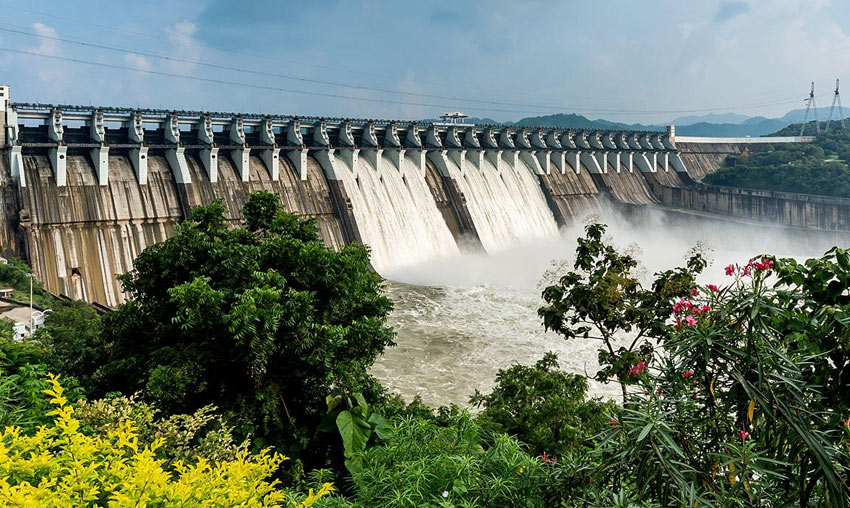
Sardar Sarovar Dam – History, Height, Architecture, Reservoir & Complete Travel Guide
The Sardar Sarovar Dam is one of India’s most significant multipurpose river valley projects, built across the Narmada River in Gujarat. Located near Ekta Nagar in the Narmada district, this massive concrete gravity dam is an important landmark for irrigation, drinking water supply and hydroelectric power generation. Surrounded by the scenic landscape of the Narmada Valley, the dam is also one of the major attractions for visitors exploring the famous Statue of Unity region.
Known for its impressive engineering, enormous reservoir and large-scale water management system, the Sardar Sarovar Dam represents a major chapter in India’s infrastructure development. The project was envisioned as a way to utilise the waters of the Narmada River for the benefit of several states, particularly Gujarat and Rajasthan, while also supporting power generation.
The dam is approximately 1,210 metres long and has a maximum structural height of 163 metres above its deepest foundation level. Its reservoir stretches for approximately 214 kilometres, creating a vast water landscape surrounded by hills and valleys. The project also includes powerhouses, an extensive canal network and associated water distribution infrastructure.
For tourists, the Sardar Sarovar Dam offers an opportunity to understand the scale of India’s water infrastructure while enjoying views of the Narmada River and its surrounding landscape. Visitors can combine a visit to the dam region with the nearby Statue of Unity, gardens, viewpoints and other attractions around Ekta Nagar.
Sardar Sarovar Dam – Quick Facts
- Name: Sardar Sarovar Dam
- Location: Narmada River, near Ekta Nagar, Narmada district, Gujarat, India
- River: Narmada River
- Type: Concrete Gravity Dam
- Maximum Structural Height: 163 metres above deepest foundation level
- Full Reservoir Level: 138.68 metres
- Dam Length: Approximately 1,210 metres
- Project Foundation Stone: 5 April 1961
- Project Inauguration at Full Height: 17 September 2017
- Installed Hydroelectric Capacity: 1,450 MW
- Reservoir Length: Approximately 214 kilometres
- Primary Purposes: Irrigation, drinking water supply and hydroelectric power generation
- Project States: Gujarat, Madhya Pradesh, Maharashtra and Rajasthan
- Nearest Major City: Vadodara
- Nearby Major Attraction: Statue of Unity
- District: Narmada
- State: Gujarat
Where Is Sardar Sarovar Dam Located?
The Sardar Sarovar Dam is constructed across the Narmada River near Navagam in Gujarat’s Narmada region. It is situated close to Ekta Nagar, formerly known as Kevadia, which has developed into a major tourism destination because of the Statue of Unity and surrounding attractions.
The dam lies in the lower part of the Narmada Valley, where the river flows westwards towards the Arabian Sea. Its reservoir extends upstream through a long stretch of the Narmada Valley, creating a large water body surrounded by hills, forests and rural landscapes.
The location is particularly popular among visitors because of its proximity to the Statue of Unity. The combination of the world’s tallest statue, the massive dam and the scenic Narmada landscape makes this region one of Gujarat’s important tourism circuits.
Travellers planning a complete trip can explore our Ekta Nagar travel guide for information about nearby gardens, wildlife attractions, viewpoints, accommodation and other sightseeing options.
History of Sardar Sarovar Dam
The history of the Sardar Sarovar Project is closely connected with the idea of harnessing the waters of the Narmada River for irrigation, drinking water and electricity. The river flows through central India before reaching Gujarat and draining into the Arabian Sea. Its water resources were considered important for supporting agriculture and development in the western parts of the country.
The project was envisioned by Sardar Vallabhbhai Patel, who recognised the potential of the Narmada River for regional development. After independence, surveys and planning activities were undertaken to explore the possibility of developing major water projects along the river.
Early Vision of the Narmada Project
The idea of developing the Narmada River for irrigation and power generation gained importance during the early years after India’s independence. Sardar Vallabhbhai Patel supported the development of a major dam in Gujarat to help address water requirements and improve agricultural conditions.
The proposed project was expected to provide water to areas that faced challenges due to limited rainfall and water availability. It was also planned as a source of hydroelectric power and a means of supporting the long-term development of the region.
Foundation Stone Laid in 1961
A major milestone in the history of the project came on 5 April 1961, when India’s first Prime Minister, Pandit Jawaharlal Nehru, laid the foundation stone of the project at the Gora site in Gujarat.
The ceremony marked the beginning of a major national infrastructure initiative. However, the project faced several challenges related to the sharing of river water, the height of the dam, costs and the distribution of benefits among the states associated with the Narmada basin.
Narmada Water Disputes Tribunal
The Narmada River flows through multiple states, and its water resources are important to several regions. Disagreements arose between the states regarding water allocation, project costs and the development of the river valley.
To resolve these inter-state disputes, the Government of India constituted the Narmada Water Disputes Tribunal on 6 October 1969 under the Inter-State River Water Disputes Act, 1956.
The Tribunal examined the issues concerning the sharing of Narmada waters and the development of related projects. It delivered its final award in December 1979, which was notified on 12 December 1979. The award established important arrangements regarding water allocation, the dam’s reservoir level, project costs and the sharing of benefits.
Construction of the Sardar Sarovar Dam
Following the Tribunal’s award and the subsequent planning and approval processes, construction activities progressed in phases. Major construction work began in the late 1980s, with the project requiring extensive engineering, financial resources and coordination between different government institutions.
The project also faced legal challenges, environmental concerns and debates regarding the rehabilitation of communities affected by the reservoir. These issues became an important part of the wider history of the Narmada Valley development programme.
Completion at Full Height in 2017
Over several decades, the dam was developed through different construction stages. In September 2017, the newly constructed gates were dedicated to the nation, marking a major milestone in the completion of the dam at its approved height.
On 17 September 2017, Prime Minister Narendra Modi inaugurated the completed dam structure and the newly installed gates. This event marked an important stage in the development of the Sardar Sarovar Project and its water management infrastructure.
Why Was Sardar Sarovar Dam Built?
The Sardar Sarovar Project was developed as a multipurpose river valley project. Its main purpose is to use the water resources of the Narmada River to support irrigation, drinking water supply and hydroelectric power generation.
1. Irrigation for Agriculture
One of the major objectives of the project is to provide irrigation water to agricultural areas in Gujarat and Rajasthan. The extensive canal network distributes water across different regions, helping farmers access water for cultivation.
The project is particularly important for areas that experience irregular rainfall or face water shortages during dry periods. Irrigation infrastructure helps support agricultural activity, improve water availability and reduce dependence on seasonal rainfall.
2. Drinking Water Supply
The project also plays an important role in supplying drinking water to villages and towns across Gujarat and parts of Rajasthan. The canal and distribution network carries water to areas where local water resources may be limited.
Access to reliable drinking water is one of the major development benefits associated with the project. The infrastructure supports domestic water requirements as well as the needs of communities in water-stressed regions.
3. Hydroelectric Power Generation
The Sardar Sarovar Project includes hydroelectric power stations that use the energy of flowing water to generate electricity. The installed capacity of the project is approximately 1,450 MW, making it an important contributor to the regional power system.
The electricity generated through the project is shared among participating states according to the applicable arrangements. Hydroelectric power generation also forms an important part of the wider multipurpose design of the dam.
Height and Dimensions of Sardar Sarovar Dam
The Sardar Sarovar Dam is one of India’s major concrete gravity dams. Its enormous dimensions reflect the scale of engineering and construction required to control and utilise the water resources of the Narmada River.
How High Is Sardar Sarovar Dam?
The maximum structural height of the Sardar Sarovar Dam is 163 metres when measured from its deepest foundation level. The approved Full Reservoir Level, or FRL, is 138.68 metres.
These figures describe two different measurements. The 163-metre figure refers to the structural height above the deepest foundation, while 138.68 metres refers to the designated full reservoir level. Both are important engineering measurements and should not be confused with each other.
Length of the Dam
The main concrete gravity dam is approximately 1,210 metres long. Its large concrete structure is designed to resist the pressure of the stored water through its mass and structural form.
Reservoir Length
The Sardar Sarovar Reservoir extends approximately 214 kilometres upstream. Its long and narrow shape follows the natural course of the Narmada River through the valley, creating a vast reservoir landscape.
Storage Capacity
The project has a live storage capacity of approximately 4.7 million acre-feet, according to published project specifications. The reservoir also provides space for water storage and regulated releases as part of the wider river management system.
Spillway Capacity
The dam includes a large spillway system designed to release excess water safely when reservoir levels rise. The published project specifications list a spillway discharge capacity of approximately 30 lakh cusecs, equivalent to around 85,000 cubic metres per second.
Architecture and Engineering of Sardar Sarovar Dam
The Sardar Sarovar Dam is a concrete gravity dam, a type of structure that relies primarily on its own weight to resist the pressure exerted by the water stored behind it.
The design and construction required extensive geological investigations, foundation preparation, concrete engineering, water-flow calculations and structural planning. Engineers had to consider the river’s seasonal flow, the pressure of stored water, flood management and the long-term stability of the dam.
Concrete Gravity Dam Structure
A concrete gravity dam is designed with a massive structure that uses its weight to withstand the horizontal force of reservoir water. The Sardar Sarovar Dam uses this engineering principle to maintain stability while controlling the flow of the Narmada River.
The main concrete structure is one of the most important components of the wider Sardar Sarovar Project, which also includes powerhouses, spillway systems, canals and other supporting infrastructure.
Spillway Gates
The spillway system is designed to manage excess water and regulate releases from the reservoir. Large gates control the movement of water through the spillway during periods when discharge is required.
The spillway capacity is an important part of flood management and reservoir operation. Actual gate operation depends on water levels, inflow conditions and the decisions of the authorities responsible for managing the dam.
Powerhouse Infrastructure
The Sardar Sarovar Project includes two major hydroelectric power components: the River Bed Power House and the Canal Head Power House. These facilities use water released through the project infrastructure to generate electricity.
The powerhouses are equipped with turbines and generators designed to convert the energy of flowing water into electrical energy. Their operation is coordinated with reservoir management and the requirements of the wider power system.
Canal Network
The canal system is one of the most extensive parts of the Sardar Sarovar Project. It carries water from the dam towards agricultural and drinking water distribution areas.
The Narmada Main Canal is the principal channel of this system, with branch canals and a large distribution network extending across different regions. The canal infrastructure is designed to deliver water to areas that need irrigation and domestic supply.
Hydroelectric Power Generation at Sardar Sarovar Dam
Hydroelectric power generation is one of the important functions of the Sardar Sarovar Project. Water stored in the reservoir is released through the power generation system, where turbines convert the energy of moving water into electricity.
River Bed Power House – 1,200 MW
The River Bed Power House has an installed capacity of 1,200 MW. It consists of six generating units, each designed to produce 200 MW of electricity.
The power station forms a major part of the project’s hydroelectric infrastructure and uses water released through the dam system for electricity generation.
Canal Head Power House – 250 MW
The Canal Head Power House has an installed capacity of 250 MW. It consists of five generating units, each with a capacity of 50 MW.
Together, the River Bed Power House and Canal Head Power House provide a combined installed capacity of 1,450 MW.
Sharing of Electricity
The electricity generated through the Sardar Sarovar Project is shared among the participating states under the arrangements established through the Narmada Water Disputes Tribunal. The project is therefore not limited to Gujarat alone but forms part of a wider inter-state water and energy development system.
Sardar Sarovar Canal Network and Irrigation System
The canal system is a major part of the Sardar Sarovar Project. It is designed to distribute water from the reservoir to agricultural areas and settlements across Gujarat and Rajasthan.
The Narmada Main Canal serves as the primary channel for water distribution. From the main canal, water moves into branch canals, distributaries and smaller channels that carry it towards different regions.
Narmada Main Canal
The Narmada Main Canal is a major irrigation canal associated with the project. It extends across Gujarat and continues towards Rajasthan, helping deliver water to areas that depend on the system for agricultural and domestic requirements.
The canal network supports irrigation across a large command area and forms an important part of the regional water distribution infrastructure.
Benefits for Farmers
The irrigation system is intended to improve access to water for farming communities. Reliable irrigation can help farmers manage crop cycles, reduce dependence on uncertain rainfall and support agricultural productivity.
The project is particularly relevant for semi-arid and water-stressed regions where water availability can have a major impact on rural livelihoods.
Environmental and Social Aspects of the Sardar Sarovar Project
The Sardar Sarovar Project has been one of India’s most widely discussed large infrastructure projects. Alongside its intended benefits in irrigation, drinking water and power generation, the project has also involved important environmental and social considerations.
Environmental Considerations
The creation of a large reservoir changes the natural landscape of a river valley. Reservoir development can affect forests, wildlife habitats, river ecosystems and the movement of water and sediment.
Environmental management, catchment-area treatment, monitoring and related measures form important aspects of large dam development and operation.
Rehabilitation and Resettlement
The development of the reservoir and related infrastructure affected communities living in areas that were required for the project. Rehabilitation and resettlement became major issues during the project’s development and were central to public debate and legal proceedings.
The concerns of affected families, land acquisition, compensation and rehabilitation arrangements have been an important part of the wider history of the Narmada Valley development programme.
Public Debate and Narmada Bachao Andolan
The project attracted national and international attention because of debates over displacement, environmental impact, water allocation and the development model for large dams. The Narmada Bachao Andolan became one of the prominent movements associated with these issues.
The history of the Sardar Sarovar Project therefore includes both its intended development benefits and the social and environmental questions that accompanied its construction.
Tourism and Visitor Attractions Around Sardar Sarovar Dam
The Sardar Sarovar Dam is an important attraction in the Ekta Nagar tourism region. Visitors come to the area to understand the scale of the project, enjoy views of the Narmada River and explore the nearby attractions.
1. Sardar Sarovar Dam Viewpoints
Designated viewpoints around the tourism region allow visitors to appreciate the vast reservoir and the surrounding landscape. Depending on the access arrangements, visitors may get views of the dam structure, spillway and water body from approved viewing locations.
Access to operational areas of the dam is controlled. Visitors should use designated viewpoints and follow the instructions provided by the authorities.
2. Dam View Yacht Experience
A yacht experience may be offered through the official Ekta Nagar tourism booking system, providing a water-based perspective of the Sardar Sarovar Dam. The experience allows visitors to enjoy the reservoir landscape and view the dam from the water, subject to operating schedules, weather and ticket availability.
Visitors should check the current activity details and ticket information through the official booking platform before planning this experience.
3. Statue of Unity
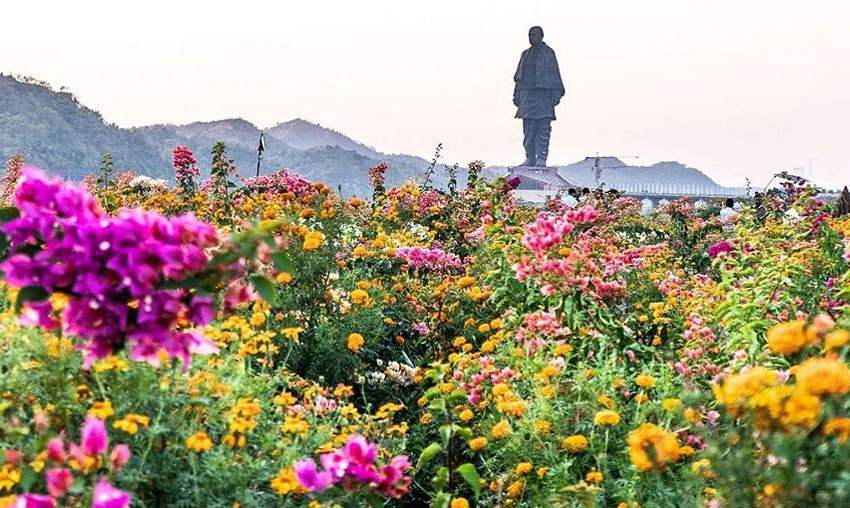
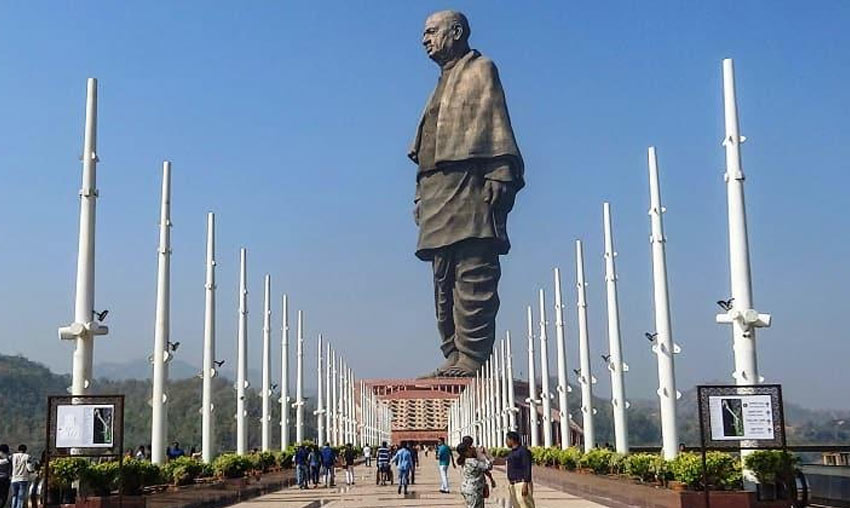
The Statue of Unity is the most famous attraction in the region. Standing 182 metres tall, the monument is dedicated to Sardar Vallabhbhai Patel and overlooks the Narmada Valley and Sardar Sarovar reservoir.
Visitors can explore the museum, exhibition areas and viewing gallery, subject to ticket availability. The statue and dam together form the main highlights of the Ekta Nagar tourism circuit.
4. Valley of Flowers
The Valley of Flowers is a landscaped garden along the Narmada River. It features colourful seasonal flowers, walking paths and attractive green spaces, making it a pleasant stop for families and nature lovers.
5. Jungle Safari
The Jungle Safari is a wildlife attraction near the Statue of Unity. It offers visitors an opportunity to see different animal and bird species in specially developed habitats.
6. Cactus Garden
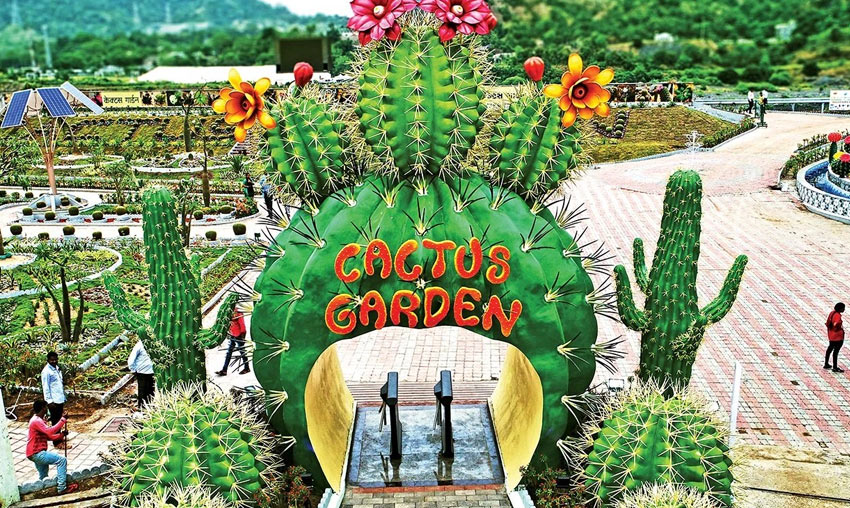
The Cactus Garden showcases a collection of cactus and succulent plants. It is an interesting attraction for botanical enthusiasts, students and visitors who enjoy exploring unusual plant species.
7. Butterfly Garden
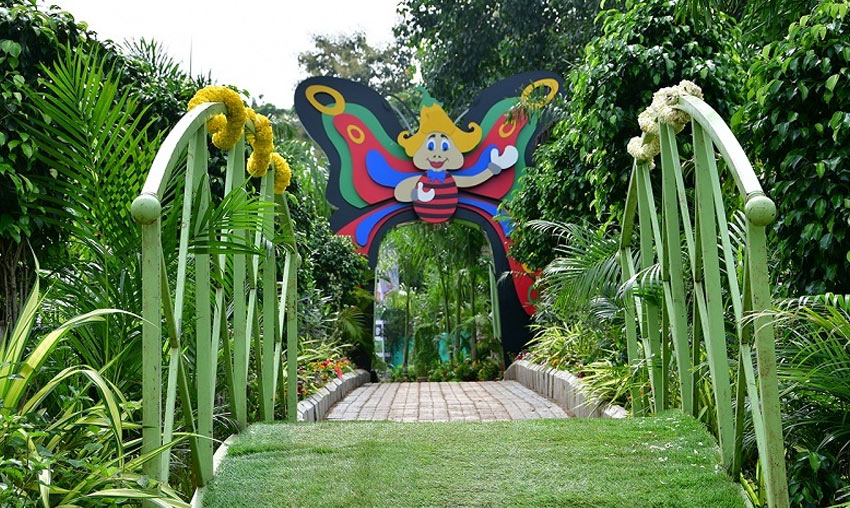
The Butterfly Garden is designed to highlight butterfly diversity and the importance of suitable habitats for pollinating insects. It provides a peaceful nature-based experience for visitors.
8. Arogya Van
Arogya Van is a themed garden dedicated to medicinal plants and traditional wellness knowledge. Visitors can learn about different plants and their historical associations with traditional systems of health.
9. Zarwani Waterfall
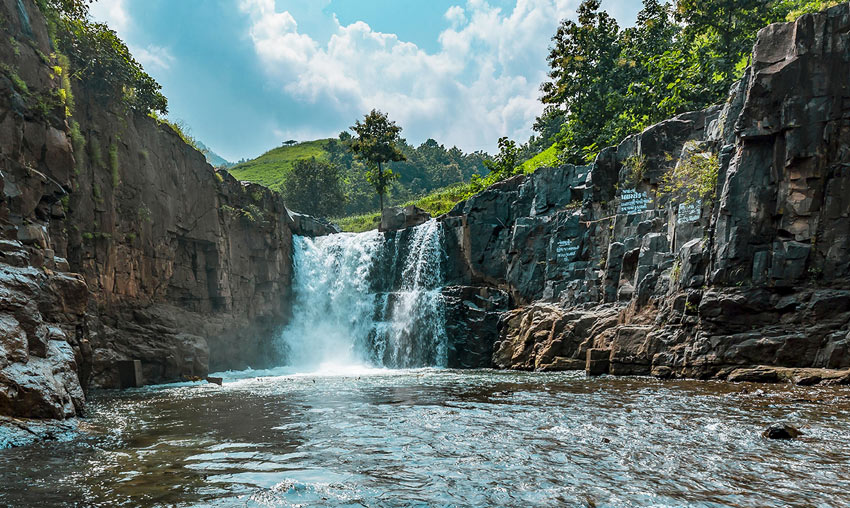
Zarwani Waterfall is a natural attraction in the wider Narmada region. Surrounded by greenery and forest landscapes, it is particularly appealing during the monsoon season, subject to local access and weather conditions.
10. Shoolpaneshwar Mahadev Temple
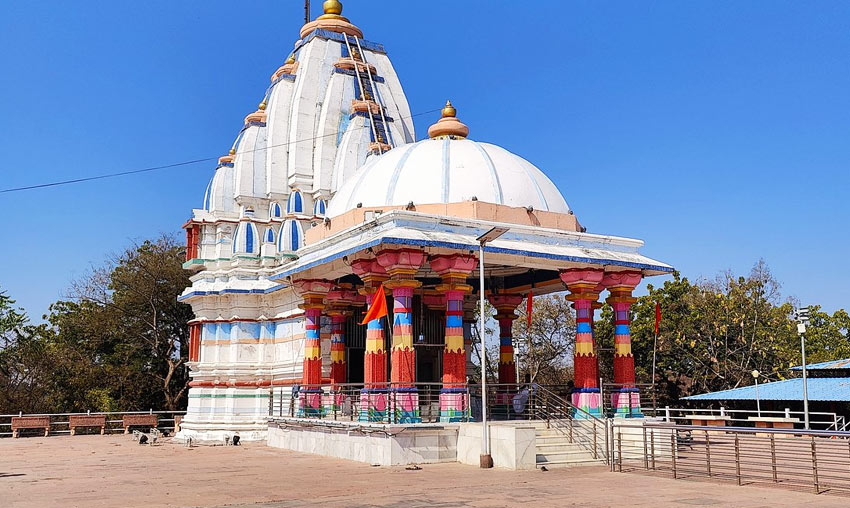
Shoolpaneshwar Mahadev Temple is a religious attraction dedicated to Lord Shiva in the Narmada region. It can be included in a wider sightseeing itinerary for visitors interested in temples and local religious traditions.
For more attractions, sightseeing suggestions and travel information, explore our complete Ekta Nagar destination guide.
Best Time to Visit Sardar Sarovar Dam
The Sardar Sarovar Dam region can be visited throughout the year, but the weather and reservoir conditions influence the overall sightseeing experience. October to March is generally considered a comfortable period for exploring the area.
Winter Season – October to February
Winter is generally a pleasant time to visit the Sardar Sarovar Dam. Temperatures are comparatively comfortable, making it easier to explore viewpoints, gardens and nearby attractions.
This period is suitable for families, photographers and travellers who want to combine the dam visit with the Statue of Unity and other places around Ekta Nagar.
Summer Season – March to June
Summer temperatures can become high in the Narmada region, particularly during the afternoon. Visitors travelling in summer should plan outdoor sightseeing during the morning or evening and carry drinking water, sunscreen and comfortable clothing.
Monsoon Season – July to September
The monsoon season brings greenery to the Narmada Valley and can make the surrounding hills and reservoir landscape particularly attractive. The river and nearby natural attractions may look very scenic during and after rainfall.
However, water levels, dam operations, rainfall and local safety conditions can affect access to viewpoints and outdoor activities. Visitors should follow official instructions and avoid restricted areas.
How to Reach Sardar Sarovar Dam
The Sardar Sarovar Dam is located near Ekta Nagar in Gujarat’s Narmada district. It can be reached by air, rail and road through nearby transport hubs, with Vadodara being one of the most convenient major cities for visitors.
By Air
Vadodara Airport is the nearest major airport for most visitors travelling to the Sardar Sarovar Dam region. It is approximately 95 to 100 kilometres away by road, depending on the route.
From the airport, visitors can hire a taxi or arrange private transport to reach Ekta Nagar and the designated dam viewpoints.
Ahmedabad Airport is another option for travellers planning a wider Gujarat trip, although the road journey to Ekta Nagar is longer.
By Train
Ekta Nagar Railway Station is a convenient rail gateway for visitors travelling to the Statue of Unity and Sardar Sarovar Dam region. The station is connected with selected cities through direct and connecting train services.
Visitors can continue from the station using taxis, local transport or authorised tourist mobility services, depending on the destination and available arrangements.
By Road
The Sardar Sarovar Dam region is connected by road with Vadodara, Ahmedabad, Bharuch, Rajpipla and other parts of Gujarat.
- From Vadodara: Approximately 95 to 100 kilometres.
- From Ahmedabad: Approximately 200 to 210 kilometres.
- From Rajpipla: Approximately 25 to 30 kilometres.
- From Bharuch: Approximately 75 to 85 kilometres.
Road distances may vary according to the selected route and exact visitor destination. Travel time also depends on traffic and road conditions.
Is Sardar Sarovar Dam Open for Tourists?
The Sardar Sarovar Dam is an important operational infrastructure facility, so access to its restricted and working areas is controlled. Visitors should not assume that every part of the dam is freely accessible to the public.
Tourism experiences may include designated viewpoints, approved visitor areas and separately ticketed activities such as the dam view yacht experience, depending on current arrangements.
Before travelling, visitors should check the latest information through the official Ekta Nagar ticketing website and follow all security and safety instructions at the site.
Suggested One-Day Itinerary – Sardar Sarovar Dam and Statue of Unity
Visitors who have one day in Ekta Nagar can combine the Sardar Sarovar Dam region with the main monument and selected nearby attractions. The itinerary should be adjusted according to ticket slots, transport availability and operating schedules.
Morning – Statue of Unity
- Reach the Statue of Unity visitor area in the morning.
- Explore the monument precinct and museum.
- Visit the exhibition and audio-visual areas.
- Access the viewing gallery if your ticket includes it and a suitable slot is available.
Afternoon – Sardar Sarovar Dam
- Proceed towards the designated dam viewing area.
- Enjoy the views of the Narmada River and reservoir.
- Explore an available dam-view experience if it is operating on your visit date.
- Have lunch and take a short break.
Evening – Gardens and Local Attractions
- Visit the Valley of Flowers or another garden attraction.
- Explore the surrounding tourism zone.
- Enjoy the evening atmosphere around the Statue of Unity area.
Suggested Two-Day Itinerary – Explore Ekta Nagar
A two-day trip is a better option for visitors who want to explore the Sardar Sarovar Dam and Statue of Unity along with several gardens, wildlife attractions and nearby natural locations.
Day 1 – Monument and Dam
- Explore the Statue of Unity, museum and viewing gallery.
- Visit the designated Sardar Sarovar Dam viewpoints.
- Enjoy the reservoir landscape and available water-based activities.
- Explore the Valley of Flowers.
Day 2 – Gardens, Wildlife and Nature
- Visit Jungle Safari, subject to availability.
- Explore Cactus Garden or Butterfly Garden.
- Visit Arogya Van or Vishwa Van.
- Explore other family attractions around Ekta Nagar.
- Consider a trip to Zarwani Waterfall if access and weather conditions permit.
Facilities and Visitor Information
The wider Ekta Nagar tourism region has been developed with facilities to support visitors travelling to the Statue of Unity and Sardar Sarovar Dam. These may include parking areas, visitor assistance, food outlets, washrooms, drinking water facilities and authorised local transport.
Facilities and access arrangements can vary between individual attractions. Visitors should check the instructions at the visitor centre and follow the designated routes to reach approved sightseeing locations.
Since the dam is an operational water infrastructure facility, security restrictions may apply. Photography, vehicle access and entry into certain areas may be regulated by the authorities.
Important Travel Tips for Visiting Sardar Sarovar Dam
- Check the current visitor access arrangements before travelling to the dam.
- Use only designated viewpoints and authorised visitor areas.
- Do not enter restricted or operational sections of the dam.
- Follow safety instructions near the reservoir and river.
- Check weather conditions before planning a monsoon visit.
- Wear comfortable walking shoes for sightseeing.
- Carry drinking water and sun protection during summer.
- Allow additional time for travel between different Ekta Nagar attractions.
- Book separately ticketed experiences through the official booking portal.
- Check the latest availability and schedules for dam-view activities.
- Do not approach spillways, gates or water channels without authorisation.
- Plan your dam visit along with the Statue of Unity for a more complete sightseeing experience.
Where to Stay Near Sardar Sarovar Dam
Ekta Nagar offers different accommodation options for visitors exploring the Sardar Sarovar Dam and Statue of Unity region. Travellers can choose from hotels, resorts, tent-style stays and other accommodation facilities located in the wider tourism area.
Staying near the main tourism zone is convenient for visitors who want to explore the dam, monument and gardens over one or two days. Accommodation should be selected according to budget, transport access, facilities and the distance from the attractions.
During weekends, public holidays and peak tourist seasons, booking accommodation in advance is recommended. Families and senior travellers may prefer properties with convenient transport arrangements and easy access to visitor facilities.
Food and Shopping Near Sardar Sarovar Dam
Visitors can explore food options at designated restaurants, food courts and hotels around Ekta Nagar. Depending on the outlet, choices may include Gujarati food, vegetarian meals, snacks, refreshments and other popular Indian dishes.
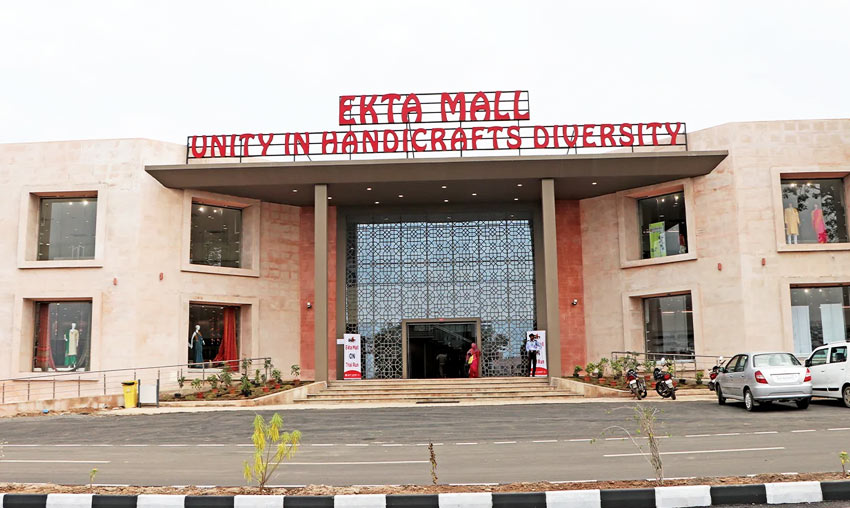
For shopping, Ekta Mall is a popular place to explore handicrafts, souvenirs and traditional products. Visitors can look for decorative items, textiles, locally inspired products and memorable souvenirs from the region.
Why Is Sardar Sarovar Dam Important?
The Sardar Sarovar Dam is important because it supports several major development objectives through a single river valley project. Its irrigation system helps deliver water to agricultural areas, its distribution infrastructure supports drinking water supply and its powerhouses generate hydroelectricity.
The project also represents a major achievement in India’s water infrastructure development. Its engineering scale, reservoir, canal network and power generation facilities make it an important example of large multipurpose dam construction.
At the same time, its history reflects the complex challenges associated with large infrastructure projects, including inter-state water sharing, environmental considerations and rehabilitation of affected communities.
For visitors, the dam provides a valuable opportunity to understand how a major river project works while experiencing the scenic beauty of the Narmada Valley. Its proximity to the Statue of Unity further increases its importance as a tourism attraction in Gujarat.
Frequently Asked Questions About Sardar Sarovar Dam
1. Where is Sardar Sarovar Dam located?
Sardar Sarovar Dam is built across the Narmada River near Navagam in Gujarat’s Narmada district. It is located close to Ekta Nagar and the Statue of Unity tourism area.
2. On which river is Sardar Sarovar Dam built?
The Sardar Sarovar Dam is built across the Narmada River, one of India’s major west-flowing rivers.
3. What is the height of Sardar Sarovar Dam?
The maximum structural height of the dam is 163 metres above its deepest foundation level. Its approved Full Reservoir Level is 138.68 metres.
4. What is the length of Sardar Sarovar Dam?
The main concrete gravity dam is approximately 1,210 metres long.
5. When was the foundation stone of Sardar Sarovar Dam laid?
The foundation stone of the project was laid by Prime Minister Jawaharlal Nehru on 5 April 1961.
6. When was Sardar Sarovar Dam inaugurated at full height?
The completed dam structure and newly installed gates were inaugurated by Prime Minister Narendra Modi on 17 September 2017.
7. Why was Sardar Sarovar Dam built?
The project was developed for irrigation, drinking water supply and hydroelectric power generation. It supports water distribution across parts of Gujarat, Rajasthan and other participating states.
8. What is the power generation capacity of Sardar Sarovar Dam?
The project has a combined installed hydroelectric capacity of 1,450 MW, consisting of a 1,200 MW River Bed Power House and a 250 MW Canal Head Power House.
9. What is the reservoir length of Sardar Sarovar Dam?
The reservoir extends approximately 214 kilometres upstream along the Narmada Valley.
10. Is Sardar Sarovar Dam open to tourists?
Visitors can explore approved viewpoints and designated tourism experiences around the dam. Access to operational and restricted areas is controlled, so visitors should check current access arrangements before travelling.
11. Can visitors see Sardar Sarovar Dam from the Statue of Unity?
The Statue of Unity viewing gallery provides panoramic views of the Narmada Valley and surrounding reservoir landscape. The exact view depends on weather, visibility and viewing conditions.
12. Is there a boating or yacht experience near Sardar Sarovar Dam?
A dam-view yacht experience may be offered through the official Ekta Nagar tourism booking system. Availability, ticket prices and operating schedules should be checked before visiting.
13. What is the best time to visit Sardar Sarovar Dam?
October to March is generally a comfortable period for sightseeing. The monsoon season can also offer beautiful green landscapes, but visitors should check weather and access conditions.
14. Which is the nearest railway station to Sardar Sarovar Dam?
Ekta Nagar Railway Station is a convenient rail gateway for visitors travelling to the Sardar Sarovar Dam and Statue of Unity tourism region.
15. Which is the nearest airport to Sardar Sarovar Dam?
Vadodara Airport is one of the nearest major airports, approximately 95 to 100 kilometres away by road, depending on the route.
16. How far is Sardar Sarovar Dam from the Statue of Unity?
The dam and the Statue of Unity are located in the same wider Ekta Nagar tourism region. The actual distance and travel time depend on the selected viewpoint and access route.
17. Can Sardar Sarovar Dam be visited in one day?
Yes. Visitors can combine a visit to the dam viewpoints with the Statue of Unity and selected nearby attractions in one day. A two-day trip is more suitable for exploring the wider tourism region.
18. Which places can be visited near Sardar Sarovar Dam?
Popular nearby attractions include the Statue of Unity, Valley of Flowers, Jungle Safari, Cactus Garden, Butterfly Garden, Arogya Van, Ekta Mall and other attractions around Ekta Nagar.
19. Is Sardar Sarovar Dam an irrigation project?
Yes. Irrigation is one of the primary purposes of the Sardar Sarovar Project. Its canal network distributes water to agricultural areas in Gujarat and Rajasthan.
20. Where can I find official information about Sardar Sarovar Dam?
Visitors can consult the Sardar Sarovar Narmada Nigam Limited website, the Narmada District Administration website and the official Ekta Nagar ticket booking portal for project and visitor information.
Plan Your Visit to Sardar Sarovar Dam
The Sardar Sarovar Dam is an extraordinary example of India’s large-scale water infrastructure development. Built across the Narmada River, it plays an important role in irrigation, drinking water supply and hydroelectric power generation. Its massive concrete structure, extensive canal network and long reservoir make it one of the most significant multipurpose projects in the country.
For travellers, the dam offers a combination of engineering interest and natural beauty. The surrounding Narmada Valley, reservoir landscape and nearby Statue of Unity make the region an excellent destination for a memorable sightseeing trip.
Whether you are interested in history, engineering, water management or photography, a visit to the Sardar Sarovar Dam can add an informative and scenic experience to your Gujarat holiday. Plan your trip in advance, check current visitor access and explore the other attractions around Ekta Nagar for a complete travel experience.
Explore more places and travel information in our complete Ekta Nagar (Kevadia) travel guide.
Official Information: Sardar Sarovar Narmada Nigam Limited | Narmada District – Sardar Sarovar Dam | Ekta Nagar Official Attraction and Ticket Information
Nearby Places to Visit
Nearby Places to Visit