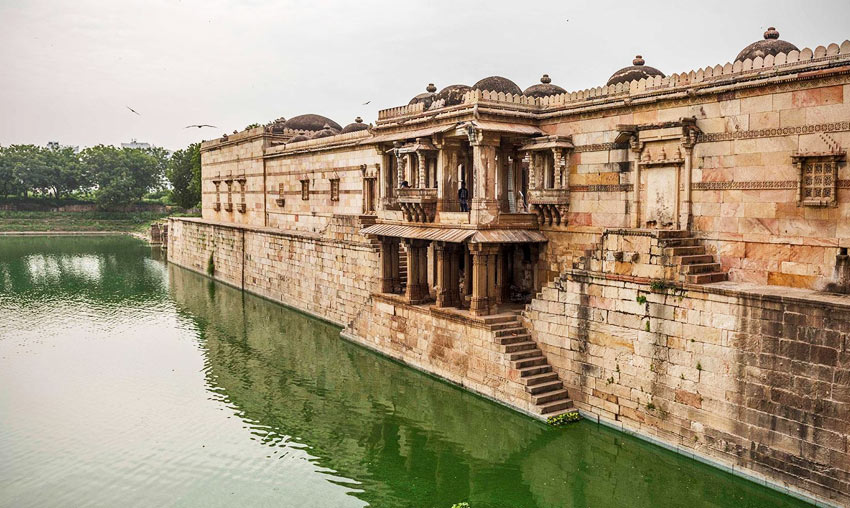
Sarkhej Roza Ahmedabad – A Magnificent Heritage Complex of Mosques, Tombs and Palaces
Sarkhej Roza is one of the most remarkable historical monuments in Ahmedabad, Gujarat. Located in the Makarba area, this magnificent architectural complex is known for its beautiful mosque, royal mausoleums, historic lake, palaces and intricately carved stone screens. It represents an important chapter in the cultural and architectural history of the Gujarat Sultanate.
Often described as the Acropolis of Ahmedabad, Sarkhej Roza brings together religious, royal and social spaces within a single heritage complex. Its architecture combines Islamic design influences with traditional Hindu and Jain craftsmanship, creating a distinctive style that makes the monument especially fascinating.
Dedicated to the memory of the Sufi saint Shaikh Ahmed Khattu Ganj Bakhsh, Sarkhej Roza is an important destination for history lovers, architecture enthusiasts, photographers and travellers exploring Ahmedabad’s heritage.
About Sarkhej Roza
Sarkhej Roza is a historic mosque, tomb and palace complex situated at Makarba, in the south-western part of Ahmedabad. The complex developed around the tomb of Shaikh Ahmed Khattu Ganj Bakhsh, a respected Sufi saint and spiritual adviser associated with Sultan Ahmad Shah I, the founder of Ahmedabad.
The monument includes the saint’s mausoleum, a mosque, royal tombs, palaces, pavilions and a large stepped lake. These structures were developed over different phases during the 15th century, particularly under the Gujarat Sultanate.
The complex is admired for its elegant proportions, open courtyards, stone pillars, geometric patterns and intricate jali screens. Its design reflects a distinctive combination of Persian and Islamic influences with local Hindu and Jain artistic traditions.
History of Sarkhej Roza
The history of Sarkhej Roza is closely connected with Shaikh Ahmed Khattu Ganj Bakhsh, a prominent Sufi saint who was a friend and spiritual adviser of Sultan Ahmad Shah I. During the later years of his life, the saint settled in Sarkhej, which was then a village outside the main city of Ahmedabad.
Shaikh Ahmed Khattu Ganj Bakhsh died in 1445. Following his death, Sultan Muhammad Shah II commissioned a mausoleum and mosque in his honour. These structures were completed in 1451 during the reign of Sultan Qutb-ud-Din Ahmad Shah II.
During the second half of the 15th century, Sultan Mahmud Begada expanded the complex. He developed the large lake, added pavilions and palatial structures, and commissioned royal mausoleums for himself and his family.
The complex gradually became an important religious and royal retreat. Its buildings, water structures and open spaces reflect the architectural ambitions and cultural life of the Gujarat Sultanate.
Shaikh Ahmed Khattu Ganj Bakhsh
Shaikh Ahmed Khattu Ganj Bakhsh was a highly respected Sufi saint associated with the early history of Ahmedabad. He was known for his spiritual influence and relationship with Sultan Ahmad Shah I.
After moving to Sarkhej, he spent his final years in the peaceful surroundings of the village. Following his death in 1445, his followers and the ruling dynasty ensured that a grand mausoleum was constructed in his memory. His tomb remains one of the most important religious and historical features of Sarkhej Roza.
Contribution of Sultan Mahmud Begada
Sultan Mahmud Begada played a major role in transforming Sarkhej into an impressive architectural complex. He developed the large stepped lake and added palaces, pavilions and other structures around it.
He also commissioned a royal mausoleum for himself and his family opposite the tomb of the Sufi saint. His son Muzaffar Shah II and Queen Rajbai are also associated with the royal burial complex.
Architecture of Sarkhej Roza
Sarkhej Roza is one of the finest examples of the distinctive architectural traditions that developed in Gujarat during the Sultanate period. Its buildings combine Islamic spatial planning and geometric design with the craftsmanship of local Hindu and Jain artisans.
Indo-Saracenic Architectural Style
The complex is known for its distinctive architectural fusion, often described as an early Indo-Saracenic style. The buildings reflect Islamic influences from Persia while incorporating local decorative traditions, stone craftsmanship and structural techniques.
Unlike many other Islamic monuments, several structures at Sarkhej Roza are notable for their restrained use of arches and their extensive use of pillars, stone screens and open spaces.
Intricate Stone Jali Work
The stone jali screens are among the most attractive architectural features of Sarkhej Roza. These finely carved screens allow natural light and air to enter the buildings while creating beautiful geometric patterns.
The craftsmanship of the jalis reflects the artistic skills of local stone carvers and gives the monument its distinctive visual character.
Domes and Pillared Halls
The mausoleums feature impressive domed roofs supported by numerous stone pillars. The arrangement of pillars creates spacious interiors and gives visitors an opportunity to appreciate the structural design of the period.
Open Courtyards and Pavilions
The complex includes large open courtyards, terraces and pavilions that connect its religious and royal structures. These spaces once served different social, ceremonial and recreational purposes.
Major Attractions Inside Sarkhej Roza
1. Tomb of Shaikh Ahmed Khattu Ganj Bakhsh
The mausoleum of Shaikh Ahmed Khattu Ganj Bakhsh is the spiritual centre of Sarkhej Roza. It is a large and beautifully designed tomb featuring stone pillars, a domed roof and intricate decorative screens.
The tomb is an important place of reverence for devotees and visitors interested in Sufi history. Its architectural design also makes it one of the most significant examples of the region’s historic craftsmanship.
2. Historic Mosque
The mosque is another major structure within the complex. Its pillared prayer hall reflects the distinctive architectural style of Gujarat’s Sultanate period.
The simple yet elegant design, detailed stonework and open spaces create a peaceful atmosphere. Visitors should respect the religious nature of the mosque and follow the instructions of the site authorities.
3. Royal Mausoleums
Sarkhej Roza contains royal tombs associated with Sultan Mahmud Begada and members of his family. The royal mausoleum complex stands opposite the tomb of Shaikh Ahmed Khattu Ganj Bakhsh.
The tombs reflect the importance of Sarkhej as a royal retreat and a place of remembrance during the Gujarat Sultanate.
4. Tomb of Queen Rajbai
Queen Rajbai, associated with the royal family of Sultan Mahmud Begada, is buried within the royal mausoleum complex. Her tomb forms part of the historic group of royal burial structures at Sarkhej Roza.
5. Sarkhej Lake
The large historic lake is one of the defining features of the Sarkhej Roza complex. Developed during the reign of Sultan Mahmud Begada, the lake was surrounded by steps, pavilions and other architectural structures.
The water body played an important role in the design and atmosphere of the complex. It also reflects the significance of water management and landscape planning in the architecture of the Gujarat Sultanate.
6. Royal Palace and Queen’s Palace
The complex includes palace structures associated with the royal family. These buildings reflect the use of Sarkhej as a retreat for rulers and members of the royal household.
The palace areas add an important social and residential dimension to the monument, showing that Sarkhej Roza was more than just a religious site.
7. Pavilions and Open Courtyard
The pavilions and open courtyards connect different parts of the complex. Their open design, stone columns and surrounding architectural features create a sense of space and balance.
These areas are also useful for understanding how religious, royal and social activities were organised within the historic complex.
Why Visit Sarkhej Roza?
- Explore one of Ahmedabad’s most important historic architectural complexes.
- Discover the legacy of the Sufi saint Shaikh Ahmed Khattu Ganj Bakhsh.
- Admire the intricate stone jali work and pillared structures.
- Learn about the history of the Gujarat Sultanate.
- Explore historic mosques, mausoleums, palaces and pavilions.
- Understand the architectural fusion of Hindu, Jain and Islamic traditions.
- Enjoy the peaceful atmosphere and heritage surroundings.
- Capture photographs of the monument’s historic architecture, subject to visitor rules.
Best Time to Visit Sarkhej Roza
The best time to visit Sarkhej Roza is between October and March, when Ahmedabad generally experiences pleasant weather. These months are suitable for exploring the outdoor courtyards, historic lake and architectural structures.
Late afternoon is a particularly attractive time to visit because natural light highlights the stone carvings and jali screens. Visitors should allow enough time to explore the different sections of the complex without rushing.
Sarkhej Roza Timings and Entry Fee
The Sarkhej Roza visitor website lists visiting hours from 9:00 AM to 6:00 PM, Monday to Sunday. Gujarat Tourism’s heritage information has also listed free entry to the monument. Visitors should confirm the latest arrangements locally, as access to individual structures and religious areas may be subject to site rules.
- Location: Makarba, Ahmedabad, Gujarat
- Visiting hours listed by the monument website: 9:00 AM to 6:00 PM
- Opening days: Monday to Sunday, according to the monument website
- Entry fee: Gujarat Tourism has listed free entry; confirm current arrangements before visiting
- Suggested visit duration: Around 1.5–2 hours
How to Reach Sarkhej Roza
Sarkhej Roza is located in the Makarba area of Ahmedabad and is accessible by road from different parts of the city.
By Air
The nearest airport is Sardar Vallabhbhai Patel International Airport in Ahmedabad. Visitors can hire a taxi or use local transport to reach Sarkhej Roza from the airport.
By Train
Ahmedabad Junction, also known as Kalupur Railway Station, is the main railway station serving the city. From the station, visitors can reach Sarkhej Roza by taxi, auto-rickshaw or other local transport.
By Road
Sarkhej Roza is well connected to the Ahmedabad road network. Visitors can travel by private car, taxi, auto-rickshaw or local bus services. The monument is situated near the Sarkhej-Gandhinagar Highway area.
Places to Visit Near Sarkhej Roza
Visitors can combine Sarkhej Roza with other historical and recreational attractions in Ahmedabad to create a well-planned sightseeing itinerary.
- Ahmedabad – Explore the historic city, its heritage buildings, temples, museums and traditional markets.
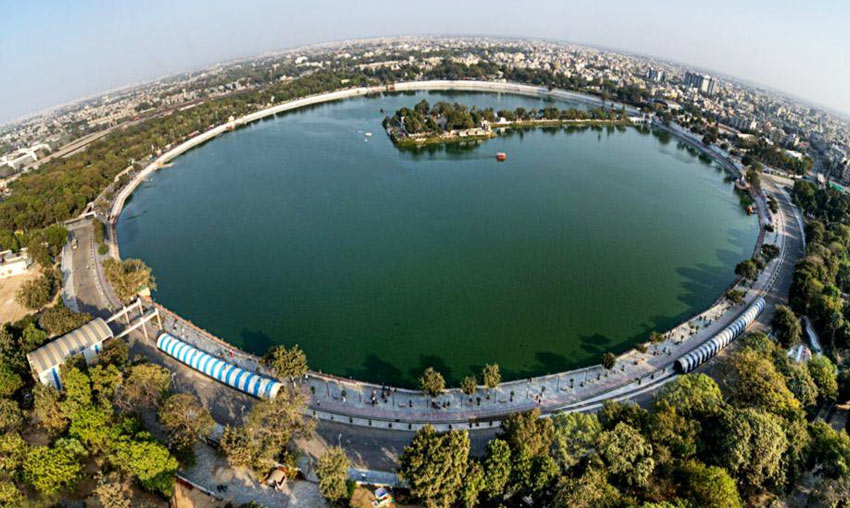
- Kankaria Lake – Enjoy a popular recreational destination featuring gardens, family attractions and a historic lakefront.
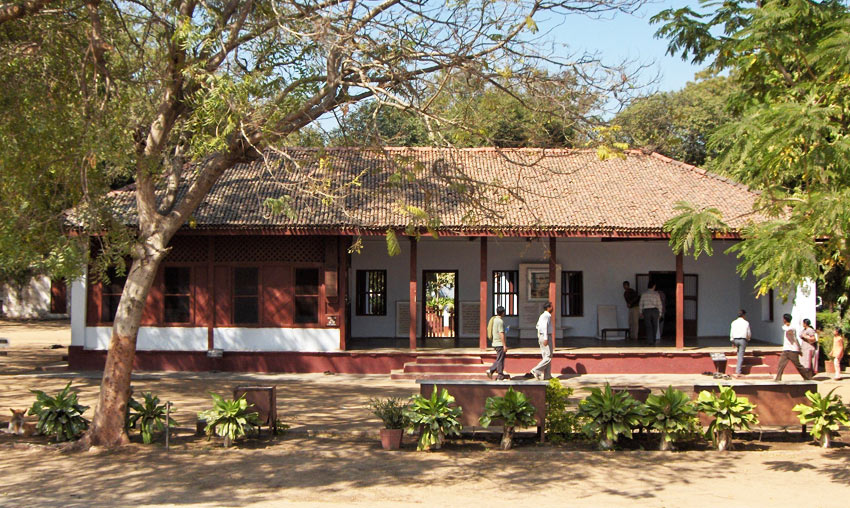
- Sabarmati Gandhi Ashram – Discover the historic ashram associated with Mahatma Gandhi and India’s freedom movement.
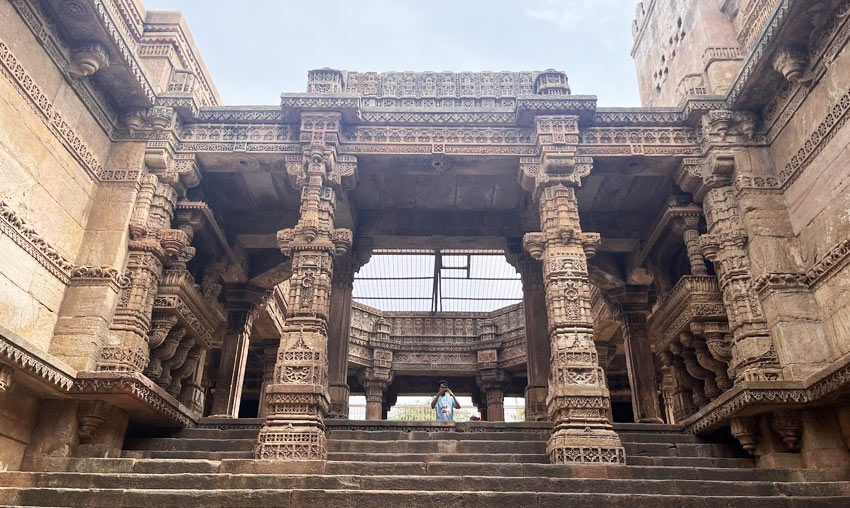
- Adalaj Stepwell – Visit the magnificent five-storey historic stepwell near Ahmedabad.
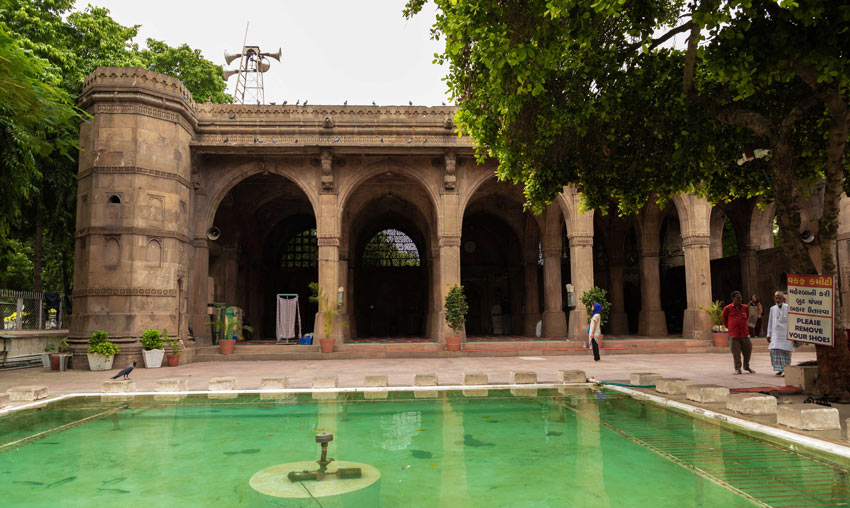
- Sidi Saiyyed Mosque – Admire the famous stone lattice windows and historic architecture.
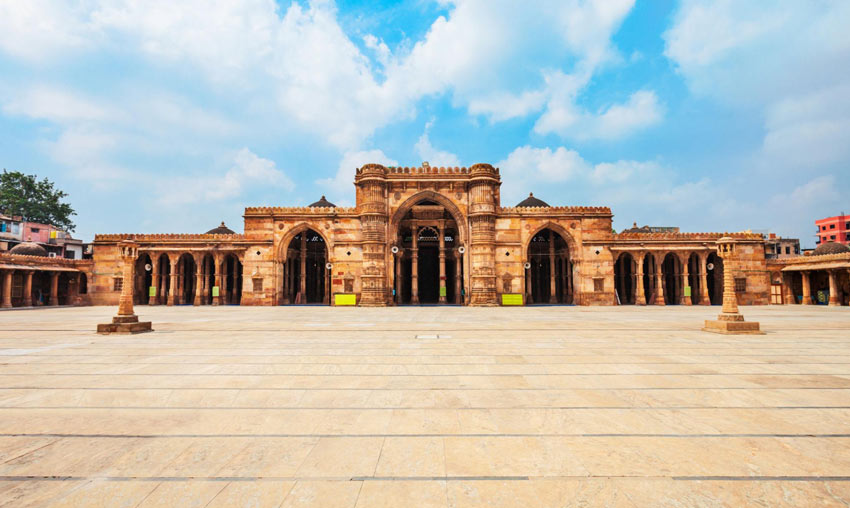
- Jama Masjid – Explore one of Ahmedabad’s most important historic mosques.
Travel Tips for Visiting Sarkhej Roza
- Wear modest and respectful clothing because the complex includes religious structures and a shrine.
- Remove footwear where required by the site authorities.
- Maintain silence and respectful behaviour around the tombs and prayer areas.
- Follow photography restrictions and instructions provided at the monument.
- Wear comfortable footwear for exploring the large complex.
- Carry drinking water, especially during warmer months.
- Visit in the morning or late afternoon for a more comfortable sightseeing experience.
- Do not damage or touch the historic stone carvings and structures.
Frequently Asked Questions About Sarkhej Roza
1. Where is Sarkhej Roza located?
Sarkhej Roza is located in Makarba, in the south-western part of Ahmedabad, Gujarat, India.
2. Who is buried at Sarkhej Roza?
The complex includes the tomb of the Sufi saint Shaikh Ahmed Khattu Ganj Bakhsh, along with royal mausoleums associated with Sultan Mahmud Begada and his family.
3. When was Sarkhej Roza built?
The tomb and mosque of Shaikh Ahmed Khattu Ganj Bakhsh were commissioned after his death in 1445 and completed in 1451. Sultan Mahmud Begada expanded the complex during the latter half of the 15th century.
4. Who built Sarkhej Roza?
The original tomb and mosque were commissioned by Sultan Muhammad Shah II and completed during the reign of Sultan Qutb-ud-Din Ahmad Shah II. Sultan Mahmud Begada later developed the lake, palaces and royal mausoleums.
5. Why is Sarkhej Roza famous?
Sarkhej Roza is famous for its historic mosque, Sufi saint’s tomb, royal mausoleums, large lake, palaces and distinctive combination of Islamic, Hindu and Jain architectural elements.
6. What is the architectural style of Sarkhej Roza?
The complex is known for its early Indo-Saracenic architectural character, combining Persian and Islamic design influences with traditional Hindu and Jain craftsmanship.
7. Is there an entry fee for Sarkhej Roza?
Gujarat Tourism has listed free entry to Sarkhej Roza. Visitors should check the latest arrangements at the monument before travelling.
8. How much time is needed to explore Sarkhej Roza?
Around 1.5 to 2 hours is a useful estimate for exploring the main structures, tombs, mosque and lake surroundings.
9. Is Sarkhej Roza worth visiting?
Yes. It is an excellent destination for travellers interested in medieval history, Sufi heritage, traditional stone craftsmanship and the architectural history of Gujarat.
Sarkhej Roza is one of Ahmedabad’s finest examples of historic architecture and cultural heritage. Its impressive mosque, Sufi mausoleum, royal tombs, palace structures and stepped lake reveal the artistic and architectural achievements of the Gujarat Sultanate.
The monument’s distinctive blend of Hindu, Jain and Islamic influences makes it especially important for understanding the region’s shared cultural history. Its peaceful courtyards and intricate stonework offer visitors a memorable experience away from the busy streets of the city.
If you are exploring Ahmedabad, make sure to include Sarkhej Roza in your travel itinerary and discover one of Gujarat’s most fascinating heritage complexes.
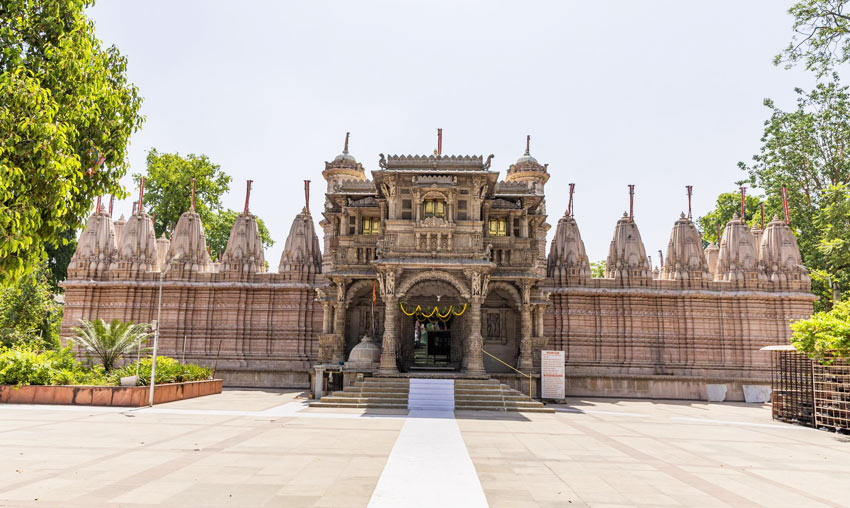
Nearby Places to Visit