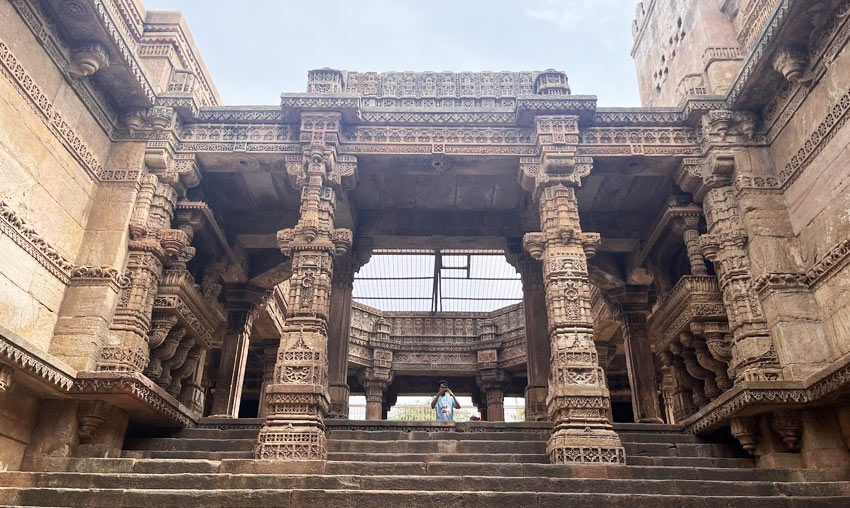
Adalaj Stepwell – A Magnificent Five-Storey Heritage Monument Near Ahmedabad
Adalaj Stepwell, also known as Adalaj ni Vav or Rudabai Stepwell, is one of Gujarat’s most remarkable examples of traditional water architecture. Located in Adalaj village near Ahmedabad and Gandhinagar, this magnificent five-storey stepwell is admired for its intricate stone carvings, elegant pillars, underground galleries and fascinating history.
Built in the late 15th century, Adalaj Stepwell reflects the architectural excellence and cultural influences of its time. The monument was designed not only to conserve water but also to provide a cool resting place for travellers, traders and local residents. Today, it is one of the most popular heritage attractions for visitors exploring Ahmedabad and Gandhinagar.
Whether you are interested in history, architecture, photography or Gujarat’s cultural heritage, a visit to Adalaj Stepwell offers a memorable experience.
About Adalaj Stepwell
Adalaj Stepwell is a historic water structure situated in Adalaj village in Gandhinagar district, Gujarat. Locally known as Adalaj ni Vav, it is a five-storey stepwell that combines practical water conservation with extraordinary architectural beauty.
The structure features beautifully carved pillars, ornamental walls, galleries and stairways that descend towards the well. Its design reflects a blend of Hindu, Jain and Islamic architectural elements, making it an important example of Gujarat’s cultural and artistic heritage.
Unlike an ordinary well, a stepwell allowed people to descend gradually towards the water level. It also served as a social gathering place where travellers and residents could rest, especially during the hot summer months.
History of Adalaj Stepwell
The history of Adalaj Stepwell dates back to the late 15th century. It is traditionally associated with Queen Rudabai, also known as Rudadevi, the wife of Veer Singh, a ruler of the Vaghela dynasty.
Historical accounts associate the construction of the stepwell with the year 1498–1499. The project was initiated during the rule of Veer Singh and was completed during the reign of Sultan Mahmud Begada. The monument was created to address the region’s water needs and provide a resting place for people travelling through the area.
Adalaj Stepwell became an important community structure because water was a valuable resource in Gujarat’s dry climate. Its underground levels helped maintain a cooler environment, while its architectural design made access to water possible throughout different seasons.
The Legend of Queen Rudabai
Adalaj Stepwell is also associated with a popular local legend about Queen Rudabai. According to the traditional story, Veer Singh was killed during a conflict with Sultan Mahmud Begada before the stepwell could be completed.
The legend says that Sultan Mahmud Begada later agreed to complete the stepwell and wished to marry the queen. Rudabai is said to have accepted his proposal on the condition that he first finish the construction. After the stepwell was completed, the queen is believed to have taken her own life by jumping into the well.
This emotional story has become an important part of the monument’s local folklore. However, visitors should understand that the romantic and tragic details are traditionally narrated as a legend rather than established historical fact.
Architectural Beauty of Adalaj Stepwell
Adalaj Stepwell is widely admired for its five-storey underground structure and elaborate stone craftsmanship. Its architecture combines functional engineering with artistic decoration, demonstrating how traditional Indian structures could serve practical and cultural purposes at the same time.
Five-Storey Underground Structure
The stepwell descends through five levels, connected by stairways, platforms and pillared galleries. Each level reveals different details of the structure, allowing visitors to appreciate its depth and architectural planning.
Three Entrance Stairways
One of the most distinctive features of Adalaj Stepwell is its three entrance stairways. These stairways meet at a common platform supported by beautifully carved pillars. This arrangement creates an impressive architectural composition and distinguishes the monument from many other stepwells in Gujarat.
Intricate Stone Carvings
The walls, pillars and decorative panels feature detailed carvings of flowers, leaves, birds, elephants, religious symbols and scenes from everyday life. These designs provide a glimpse into the artistic traditions and cultural influences of the period.
Octagonal Well and Natural Lighting
The central well area features an octagonal design with openings that allow natural light and air to enter the underground structure. The arrangement creates an interesting play of light and shadow across the stone surfaces.
Indo-Islamic Architectural Influence
The monument displays a distinctive combination of Hindu and Jain decorative motifs with architectural elements associated with the Islamic traditions of the Gujarat Sultanate. This fusion makes Adalaj Stepwell an important example of the region’s shared artistic heritage.
Famous Attractions Inside Adalaj Stepwell
1. The Grand Entrance
The entrance is an impressive introduction to the monument. Its stairways, stone pillars and decorative details reflect the craftsmanship used throughout the stepwell.
2. Carved Pillars and Galleries
The pillared galleries are among the most attractive features of Adalaj Stepwell. Visitors can observe detailed carvings and the arrangement of the columns that support the different levels.
3. The Octagonal Well
The central octagonal well is the main architectural feature of the monument. Its depth and surrounding stonework demonstrate the engineering knowledge used in traditional water structures.
4. Kalp Vriksha Carving
The Kalp Vriksha, or tree of life, is one of the notable decorative motifs associated with Adalaj Stepwell. It represents the artistic and symbolic traditions reflected in the monument’s stonework.
5. Ami Khumbor Carving
Ami Khumbor, traditionally associated with the pot of life-giving water, is another remarkable decorative feature. It reflects the cultural importance of water and its symbolism in Indian traditions.
6. Decorative Wall Sculptures
The stepwell contains numerous decorative carvings depicting flowers, animals, religious motifs and scenes of daily life. These details make the monument especially interesting for history and architecture enthusiasts.
Why Visit Adalaj Stepwell?
- Explore one of Gujarat’s most beautiful historic stepwells.
- Discover the architectural heritage of the 15th century.
- Admire detailed stone carvings and traditional craftsmanship.
- Learn about the history and folklore associated with Queen Rudabai.
- Understand the importance of traditional water conservation systems.
- Enjoy photography opportunities inside a unique heritage monument.
- Include an interesting historical attraction in an Ahmedabad and Gandhinagar sightseeing trip.
Best Time to Visit Adalaj Stepwell
The best time to visit Adalaj Stepwell is from October to March, when the weather in Gujarat is generally more comfortable for sightseeing.
Early morning and late afternoon are suitable periods for exploring the monument and enjoying its architectural details. During summer, the outdoor surroundings can become hot, so visitors should plan their trip accordingly.
Adalaj Stepwell Timings and Entry Fee
Visitors should check the latest opening hours and entry charges before travelling, as ticketing arrangements and visitor rules may change. Gujarat Tourism’s published visitor brochure lists visiting hours as 8:30 AM to 5:30 PM and indicates free entry for Indian visitors and a fee for foreign visitors. Please confirm the current details at the monument before your visit.
- Location: Adalaj village, Gandhinagar district, Gujarat
- Published visiting hours: 8:30 AM to 5:30 PM
- Entry fee: Check the latest ticket information at the entrance
- Suggested visit duration: Around 1–2 hours
How to Reach Adalaj Stepwell
Adalaj Stepwell is conveniently located between Ahmedabad and Gandhinagar, making it accessible by road from both cities.
By Air
The nearest major airport is Sardar Vallabhbhai Patel International Airport in Ahmedabad. From the airport, visitors can hire a taxi or use local transport to reach Adalaj Stepwell.
By Train
Ahmedabad Junction is a major railway station serving the region. Gandhinagar Capital Railway Station is another option for visitors travelling from other cities. From either station, Adalaj can be reached by taxi or road transport.
By Road
Adalaj Stepwell is connected to Ahmedabad and Gandhinagar through the regional road network. Visitors can travel by private car, taxi, auto-rickshaw or suitable local bus services.
Places to Visit Near Adalaj Stepwell
Visitors can combine Adalaj Stepwell with other attractions in Ahmedabad and Gandhinagar to plan a convenient heritage and sightseeing trip.
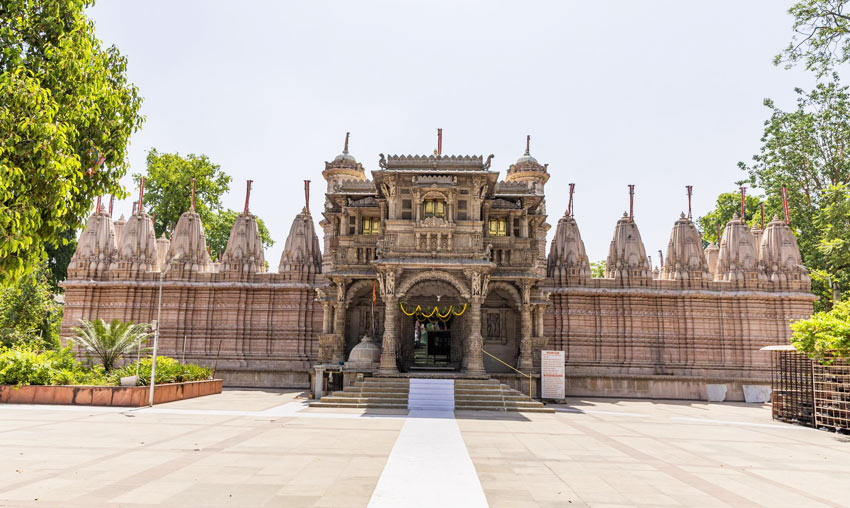
- Ahmedabad – Explore the historic city, its heritage sites, temples, museums and vibrant local markets.
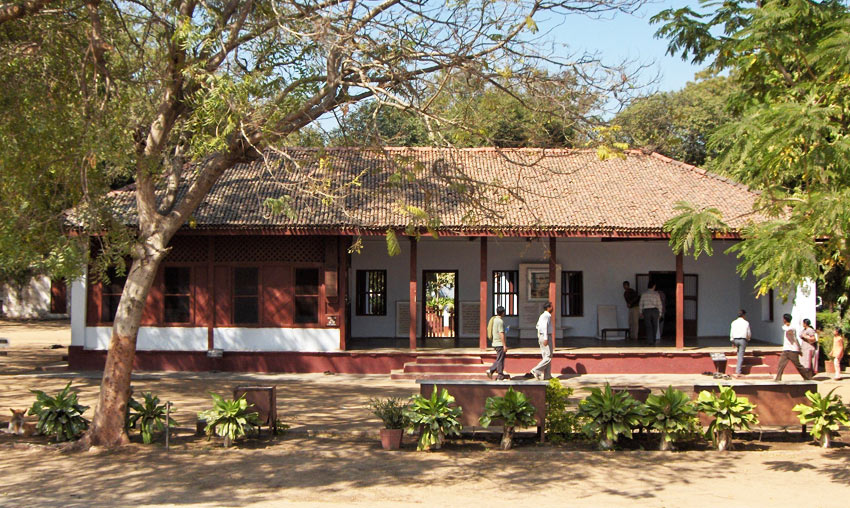
- Sabarmati Gandhi Ashram – Visit the historic ashram associated with Mahatma Gandhi and India’s freedom movement.
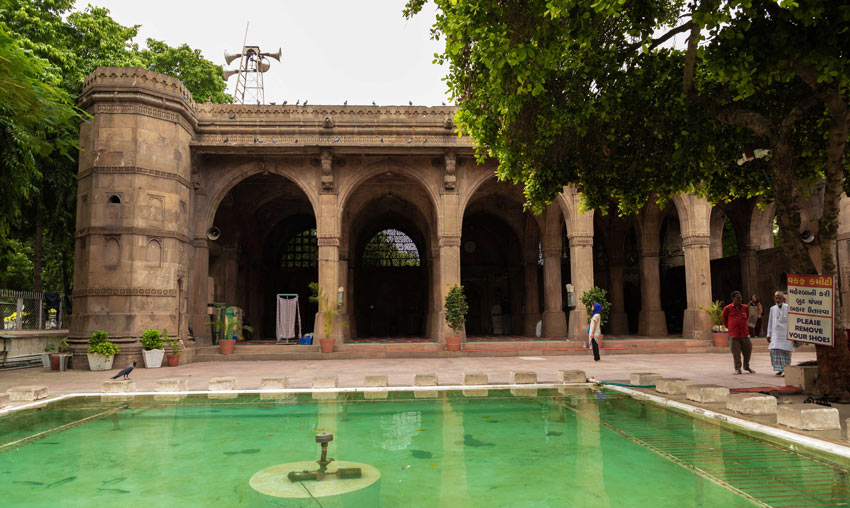
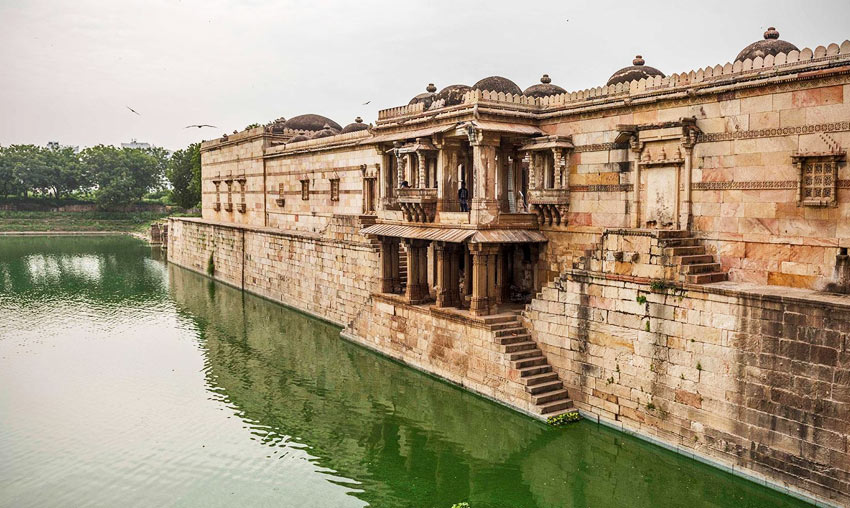
- Sidi Saiyyed Mosque – Admire the famous stone latticework and historic architecture of Ahmedabad.
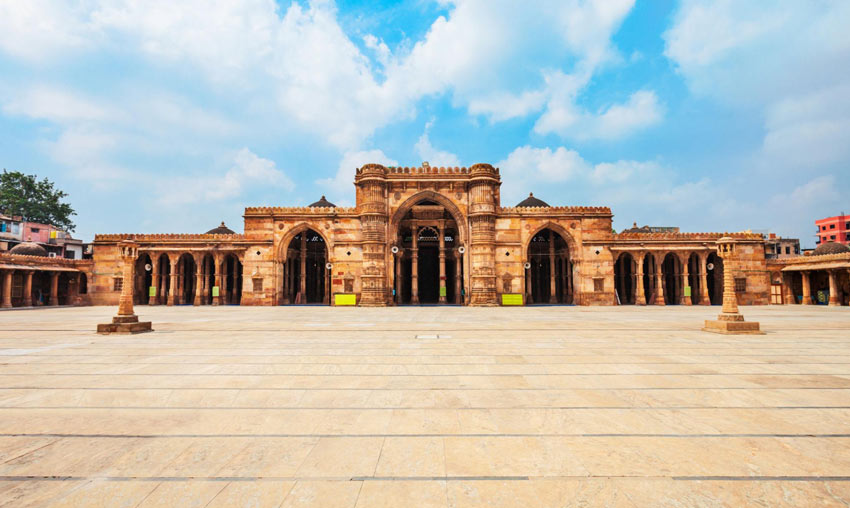
- Jama Masjid – Discover one of the city’s important historic mosques.
- Sabarmati Riverfront – Enjoy the landscaped riverfront and views along the Sabarmati River.
Travel Tips for Visiting Adalaj Stepwell
- Wear comfortable footwear suitable for walking and descending steps.
- Be careful while using the stairways, as some stone surfaces may be uneven or slippery.
- Respect the heritage structure and avoid touching or damaging the carvings.
- Follow the instructions provided by site authorities.
- Carry drinking water, especially when visiting during warmer months.
- Allow sufficient time to explore the different levels and architectural details.
- Check the latest visiting hours and entry charges before starting your journey.
Frequently Asked Questions About Adalaj Stepwell
1. Where is Adalaj Stepwell located?
Adalaj Stepwell is located in Adalaj village in Gandhinagar district, Gujarat, near Ahmedabad and Gandhinagar.
2. Who built Adalaj Stepwell?
Adalaj Stepwell is associated with Queen Rudabai, also known as Rudadevi, the wife of Veer Singh of the Vaghela dynasty. It was completed during the rule of Sultan Mahmud Begada.
3. When was Adalaj Stepwell built?
The monument dates to the late 15th century, with historical and government tourism references associating its construction with 1498–1499.
4. How many floors does Adalaj Stepwell have?
Adalaj Stepwell is a five-storey underground structure featuring stairways, platforms and pillared galleries.
5. Why is Adalaj Stepwell famous?
It is famous for its five-storey design, three entrance stairways, intricate stone carvings, octagonal well and distinctive blend of architectural influences.
6. What is the story of Queen Rudabai?
According to local legend, Queen Rudabai was associated with the completion of the stepwell after her husband Veer Singh died. The tragic ending of her story is part of local folklore.
7. How far is Adalaj Stepwell from Ahmedabad?
Adalaj Stepwell is approximately 18–20 km from central Ahmedabad, depending on the starting point and route.
8. How much time is needed to explore Adalaj Stepwell?
Most visitors can plan around one to two hours to explore the architecture, carvings and different levels of the monument.
9. Is Adalaj Stepwell worth visiting?
Yes. It is an excellent destination for visitors interested in Gujarat’s history, traditional water architecture, heritage monuments and stone craftsmanship.
Adalaj Stepwell is much more than an ancient water structure. It is a remarkable combination of history, engineering, architecture and cultural heritage. Its five-storey design, intricate carvings and association with Queen Rudabai make it one of the most memorable historical attractions near Ahmedabad.
For travellers exploring Ahmedabad and Gandhinagar, Adalaj Stepwell is a worthwhile addition to the sightseeing itinerary. A visit to this magnificent monument offers an opportunity to appreciate Gujarat’s architectural traditions and understand the importance of water conservation in India’s past.
Plan your visit to Adalaj Stepwell and discover one of Gujarat’s finest examples of historic craftsmanship.
Nearby Places to Visit