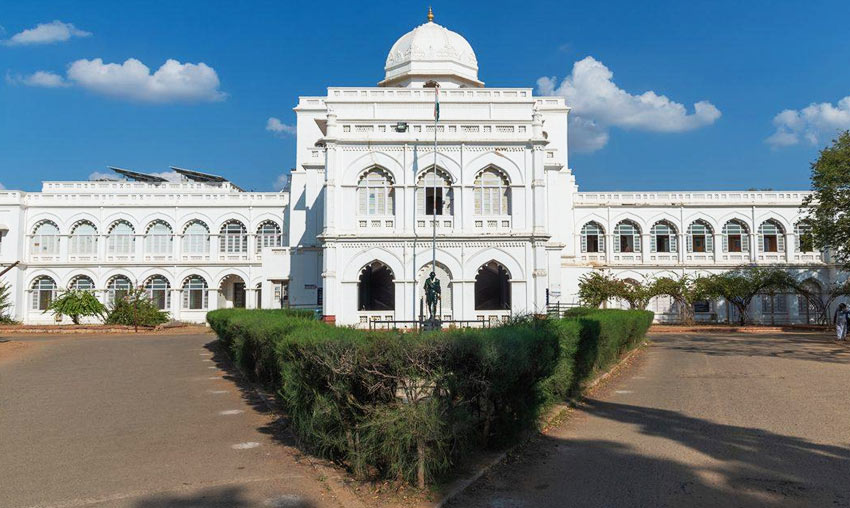
Gandhi Memorial Museum, Madurai – History, Exhibitions and Travel Guide
Gandhi Memorial Museum is one of the most important historical and cultural attractions in Madurai, Tamil Nadu. Dedicated to the life, philosophy and legacy of Mahatma Gandhi, the museum offers visitors an opportunity to understand India’s struggle for independence and the principles of truth, peace and non-violence. Located in the historic Tamukkam Palace, the museum preserves rare photographs, historical documents, personal belongings and exhibits associated with Gandhi and the Indian freedom movement.
Established in 1959, Gandhi Memorial Museum is an important destination for history enthusiasts, students and travellers interested in India’s national heritage. Its galleries provide a visual journey through Gandhi’s life and the country’s freedom struggle. If you are exploring the best places to visit in Madurai, this museum offers a different experience beyond the city’s famous temples and palaces.
History of Gandhi Memorial Museum
The building that houses Gandhi Memorial Museum is the historic Tamukkam Palace, which belonged to Rani Mangammal of the Nayak dynasty and was constructed around 1670 AD. Over the years, the palace served different administrative purposes and was eventually used as the official residence of the British District Collector of Madurai.
In 1955, the Tamil Nadu State Government gifted the palace and its surrounding land to the All India Gandhi Smarak Nidhi for establishing a museum dedicated to Mahatma Gandhi. Following renovation and development work, Gandhi Memorial Museum was officially inaugurated by India’s first Prime Minister, Jawaharlal Nehru, on 15 April 1959.
Since its establishment, the museum has played an important role in preserving Gandhian history, promoting the ideals of non-violence and educating visitors about India’s freedom movement.
What to See at Gandhi Memorial Museum
Gandhi Memorial Museum houses several interesting galleries and historical collections that provide insight into the life of Mahatma Gandhi and the struggle for India’s independence.
1. Visual Biography of Mahatma Gandhi
One of the main attractions of the museum is the Visual Biography of Bapuji. This gallery presents different stages of Gandhi’s life through photographs, paintings, illustrations, sculptures, manuscripts and selected copies of his letters.
Visitors can explore his childhood, education, experiences in South Africa, involvement in India’s freedom movement and his journey as a national leader. The collection provides an informative introduction to Gandhi’s philosophy and public life.
2. Historical Relics of Mahatma Gandhi
The museum preserves important relics and personal objects associated with Mahatma Gandhi. One of its most notable exhibits is a blood-stained piece of cloth associated with the clothes Gandhi wore on the day of his assassination on 30 January 1948.
Other historical displays and documents help visitors understand Gandhi’s personal life, political journey and commitment to truth and non-violence. These collections make the museum an important place for learning about modern Indian history.
3. India Struggles for Freedom Gallery
The India Struggles for Freedom gallery presents the major events and movements that shaped India’s independence. Through historical photographs, illustrations and information panels, visitors can learn about the freedom struggle and the contributions of different national leaders.
The gallery helps explain important events such as the Non-Cooperation Movement, Civil Disobedience Movement and Quit India Movement, along with the wider role played by ordinary citizens in the independence movement.
4. Khadi and Village Industries Exhibition
The museum also highlights Gandhi’s vision of self-reliance through its Khadi and Village Industries exhibition. Gandhi strongly supported traditional handicrafts, village-based production and the use of Khadi as symbols of economic independence.
This section introduces visitors to traditional Indian crafts and the importance of rural industries in Gandhian philosophy.
5. Gandhi Library and Research Collection
Gandhi Memorial Museum also houses a library dedicated to Gandhian studies, Indian history and peace studies. It contains books, publications and research material related to Gandhi’s life, writings and philosophy.
The library and research facilities are valuable resources for students, scholars and people interested in understanding the social and political ideas associated with Mahatma Gandhi.
Why Is Gandhi Memorial Museum Important?
Gandhi Memorial Museum is more than a traditional historical museum. It serves as an important educational institution dedicated to preserving the legacy of one of India’s most influential leaders.
The museum promotes Gandhi’s principles of truth, non-violence, peace, equality and self-reliance. Its exhibitions encourage visitors to understand the historical events that shaped modern India and the importance of peaceful social change.
For students and international visitors, the museum provides a valuable introduction to India’s independence movement and the ideas that influenced political and social movements around the world.
Gandhi Memorial Museum Timings
Visitors planning a trip to Gandhi Memorial Museum should check the latest opening schedule before arriving. According to the museum’s official contact information, the working hours are:
- Morning: 10:00 AM to 1:00 PM
- Lunch Break: 1:00 PM to 2:00 PM
- Afternoon: 2:00 PM to 5:45 PM
- Weekly Holiday: Sunday
Opening hours and visitor arrangements may change during special occasions or administrative activities. Visitors should confirm the latest information through the official museum website before travelling.
Best Time to Visit Gandhi Memorial Museum
The best time to visit Gandhi Memorial Museum is between October and March, when Madurai generally experiences more comfortable weather for sightseeing.
Morning visits are recommended for travellers who want sufficient time to explore the different galleries and historical exhibits. Visitors should allow approximately one to two hours to experience the museum comfortably.
How to Reach Gandhi Memorial Museum
Gandhi Memorial Museum is located in the Tamukkam area of Madurai and is easily accessible from the city’s major transport facilities.
By Air
Madurai International Airport is the nearest airport. Visitors can hire a taxi or use local transport to reach the museum from the airport.
By Train
Madurai Junction Railway Station is the nearest major railway station. Taxis, auto-rickshaws and local buses are available to reach Gandhi Memorial Museum from the station.
By Road
The museum is well connected by local roads and can be reached by private vehicles, taxis and auto-rickshaws. Regular local transport services are also available from different parts of Madurai.
Places to Visit Near Gandhi Memorial Museum
Visitors can combine their museum visit with other famous historical and religious attractions in Madurai. These destinations offer a broader understanding of the city’s cultural and architectural heritage.
1. Meenakshi Amman Temple
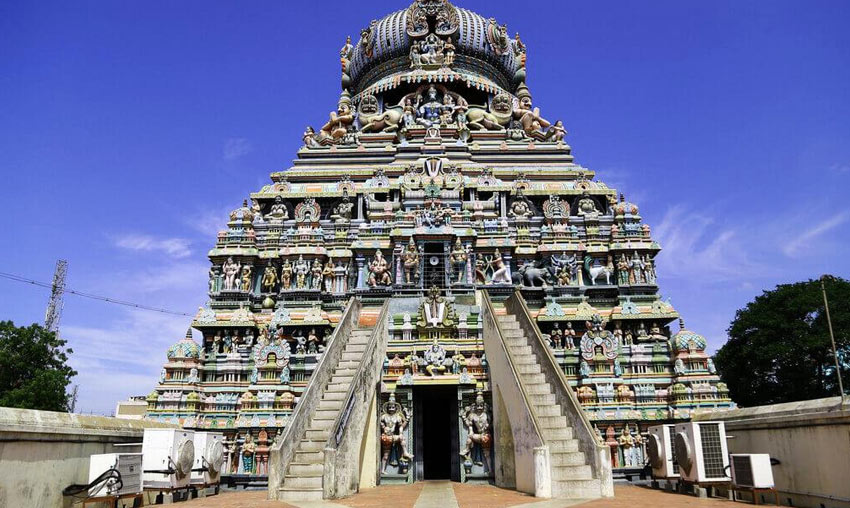
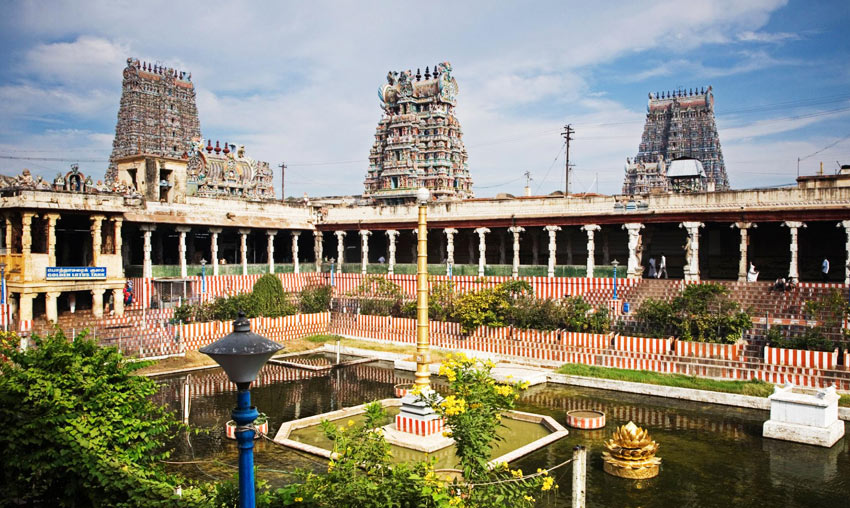
Meenakshi Amman Temple is the most iconic landmark of Madurai. Dedicated to Goddess Meenakshi and Lord Sundareswarar, the temple is famous for its colourful gopurams, magnificent sculptures and Dravidian architecture.
2. Thirumalai Nayakkar Mahal
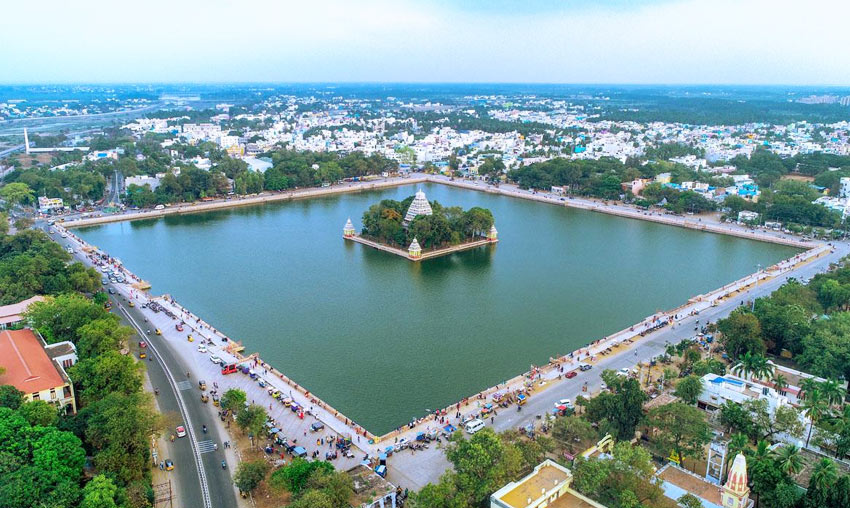
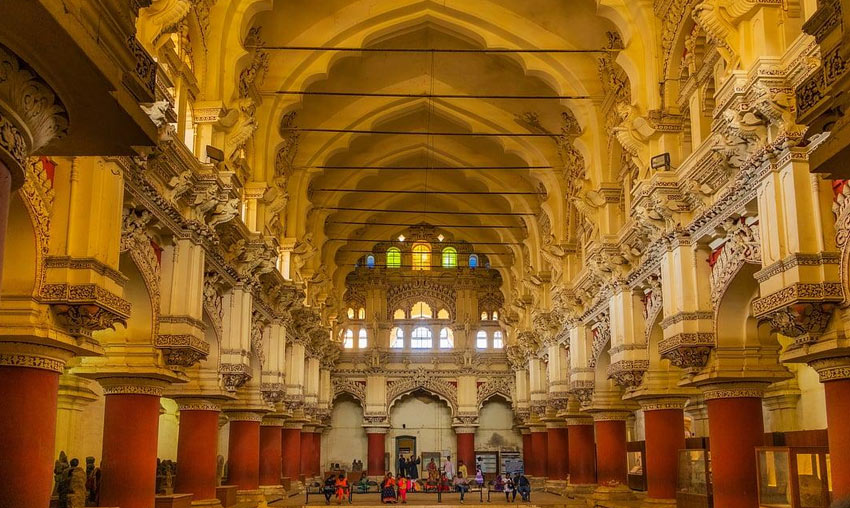
Thirumalai Nayakkar Mahal is a historic 17th-century palace built by King Thirumalai Nayak. Its impressive pillars, beautiful arches and royal architectural features make it an important historical attraction.
3. Thiruparankundram Murugan Temple
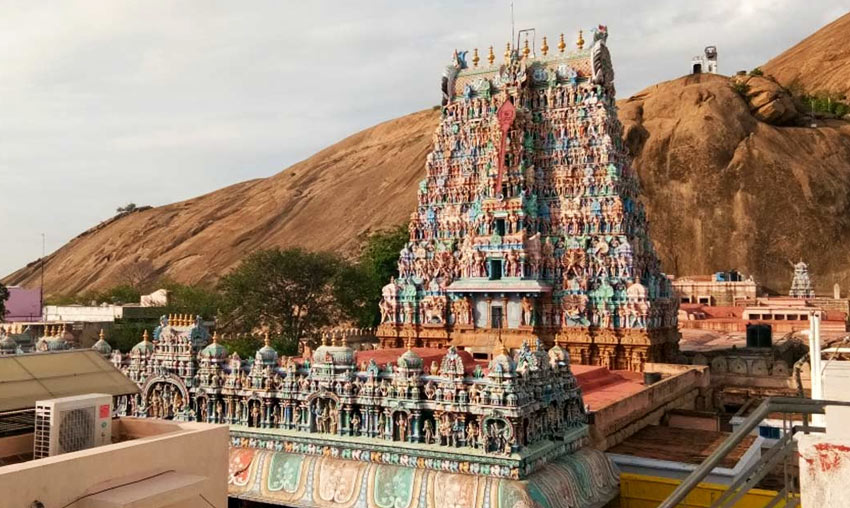
Thiruparankundram Murugan Temple is an ancient rock-cut temple dedicated to Lord Murugan. It is one of the six sacred abodes of Lord Murugan and an important pilgrimage destination near Madurai.
4. Azhagar Kovil
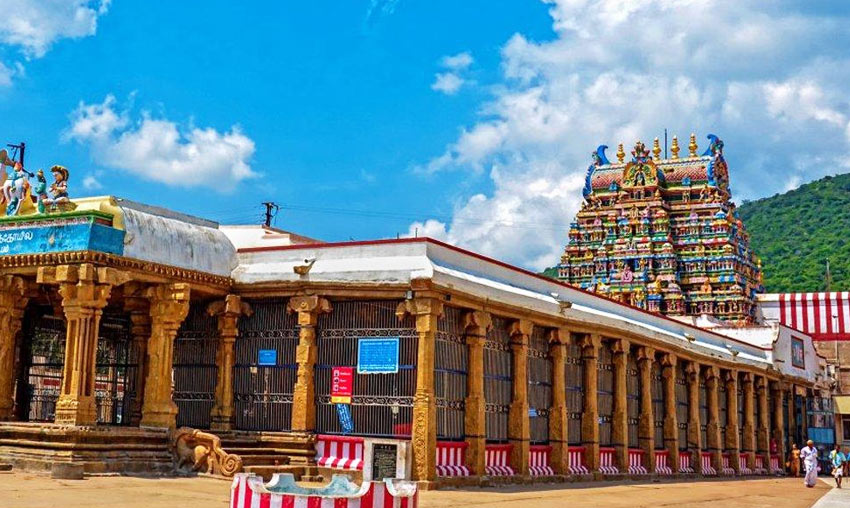
Azhagar Kovil is a famous temple dedicated to Lord Vishnu, located in the scenic Alagar Hills near Madurai. The temple is particularly known for its traditional architecture and association with the Chithirai Festival.
For more sightseeing ideas, explore our complete Madurai travel guide and discover the city’s major attractions.
Travel Tips for Visitors
- Visit during the morning to explore the galleries comfortably.
- Allow at least one to two hours for the museum visit.
- Check the latest museum timings and weekly holiday before travelling.
- Follow the museum’s rules regarding photography and mobile cameras.
- Read the information panels to understand the historical significance of the exhibits.
- Students and history enthusiasts can explore the library and research resources subject to access rules.
- Combine your visit with other major attractions in Madurai to make the most of your trip.
Explore Gandhi Memorial Museum in Madurai
Gandhi Memorial Museum is a meaningful destination for anyone interested in India’s history, freedom movement and the life of Mahatma Gandhi. Housed in the historic Tamukkam Palace, the museum brings together photographs, historical documents, personal relics and educational exhibitions that preserve an important chapter of India’s national heritage.
Whether you are a student, history enthusiast or traveller, a visit to Gandhi Memorial Museum offers an opportunity to understand the values and events that shaped modern India. Include this important historical attraction in your Madurai travel itinerary and discover another side of Tamil Nadu’s cultural heritage.
Frequently Asked Questions
1. Where is Gandhi Memorial Museum located?
Gandhi Memorial Museum is located at Tamukkam, Madurai, Tamil Nadu, India.
2. When was Gandhi Memorial Museum established?
The museum was inaugurated by Prime Minister Jawaharlal Nehru on 15 April 1959.
3. Which historic building houses Gandhi Memorial Museum?
The museum is housed in the historic Tamukkam Palace, which belonged to Rani Mangammal of the Nayak dynasty.
4. What are the opening timings of Gandhi Memorial Museum?
According to the official museum contact information, the working hours are 10:00 AM to 1:00 PM and 2:00 PM to 5:45 PM. Sunday is the weekly holiday.
5. What can visitors see at Gandhi Memorial Museum?
Visitors can explore Gandhi’s visual biography, historical photographs, personal relics, freedom movement exhibits, Khadi and Village Industries displays and a library dedicated to Gandhian studies.
6. What is the most notable exhibit at Gandhi Memorial Museum?
One of its most notable exhibits is a blood-stained piece of cloth associated with the clothes Mahatma Gandhi wore on the day of his assassination.
7. How much time is needed to explore Gandhi Memorial Museum?
Approximately one to two hours is a useful estimate for exploring the main galleries and historical exhibitions.
8. Is Gandhi Memorial Museum worth visiting in Madurai?
Yes. It is an important destination for visitors interested in Mahatma Gandhi, Indian independence, historical documents and the cultural heritage of Tamil Nadu.
Nearby Places to Visit