Meenakshi Amman Temple, Madurai – History, Architecture and Travel Guide
Meenakshi Amman Temple is one of the most famous Hindu temples in India and a major landmark of Madurai, Tamil Nadu. Also known as Arulmigu Meenakshi Sundaraswarar Temple, this magnificent temple is dedicated to Goddess Meenakshi, an incarnation of Goddess Parvati, and Lord Sundareswarar, a form of Lord Shiva. Known for its colourful gopurams, intricate sculptures and impressive Dravidian architecture, the temple attracts millions of devotees and tourists every year.
Located in the heart of Madurai, Meenakshi Amman Temple is not only an important religious destination but also a remarkable example of South Indian art, architecture and cultural heritage. Its grand temple complex, beautifully decorated pillars, sacred corridors and traditional festivals make it one of the must-visit attractions in Madurai.
History of Meenakshi Amman Temple
Meenakshi Amman Temple has a long and fascinating history associated with the ancient city of Madurai and the Pandya dynasty. The temple and its presiding deities have been celebrated in ancient Tamil literature, reflecting the religious and cultural importance of the site over many centuries.
According to Hindu mythology, Goddess Meenakshi was born as a princess of the Pandya kingdom. She later married Lord Shiva, who came to Madurai in the form of Sundareswarar. Their divine wedding is an important part of the temple’s religious tradition and is celebrated every year during the famous Meenakshi Thirukalyanam festival.
The temple complex underwent several stages of construction, expansion and restoration under different rulers. The Nayak dynasty played a particularly important role in developing its present architectural grandeur. King Thirumalai Nayak and other Nayak rulers contributed significantly to the temple’s towers, halls and sculptures.
Architecture of Meenakshi Amman Temple
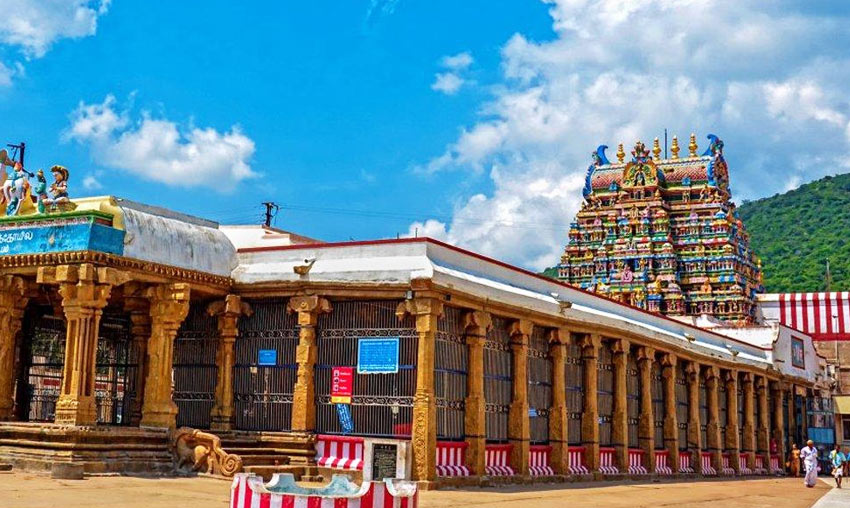
Meenakshi Amman Temple is an outstanding example of traditional Dravidian temple architecture. The complex is spread across approximately 14 acres and features magnificent gateway towers, beautifully carved pillars, spacious mandapams and detailed sculptures depicting Hindu mythology.
1. Magnificent Gopurams
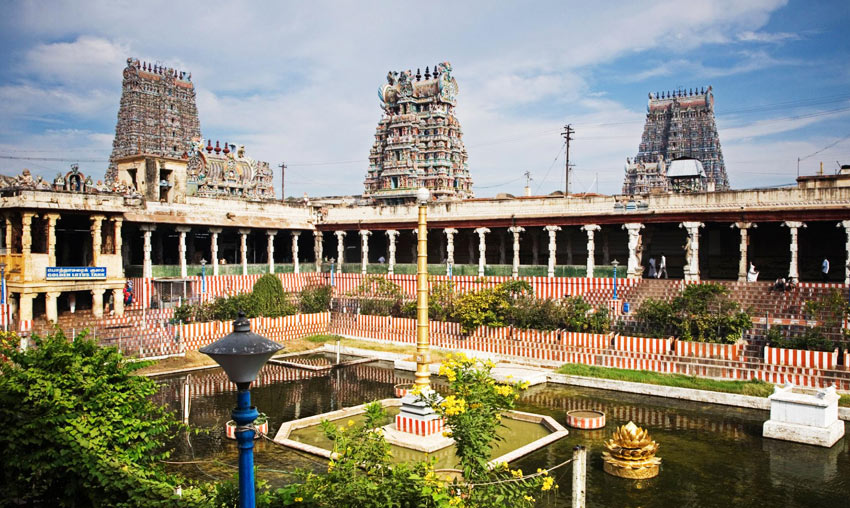
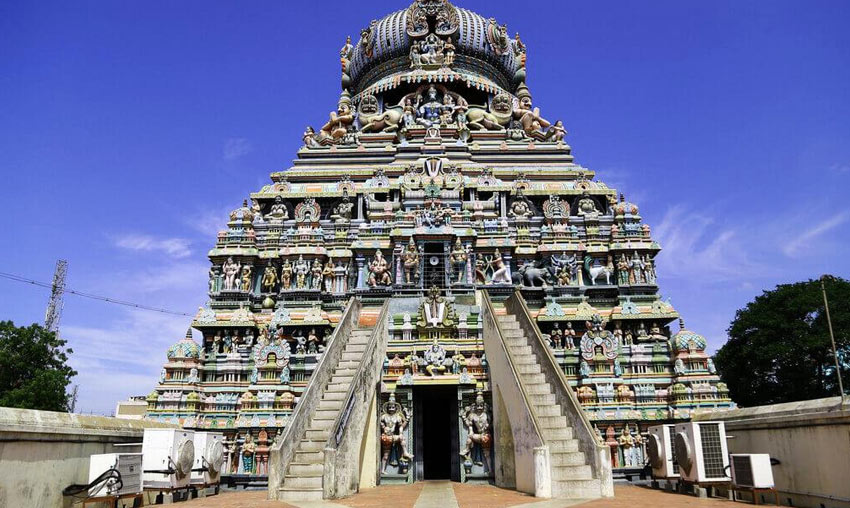
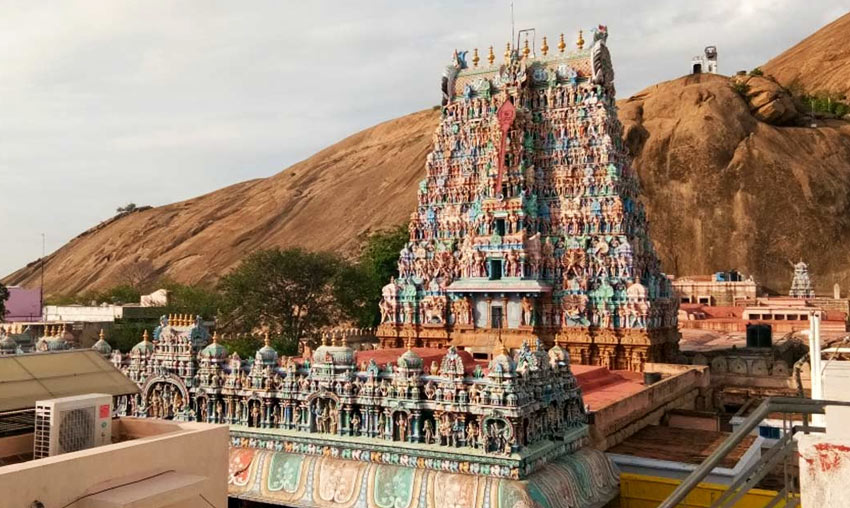
The temple is surrounded by 14 impressive gopurams, which are decorated with thousands of colourful sculptures depicting gods, goddesses, mythological figures and religious stories. The southern gopuram is the tallest, rising approximately 51.9 metres above the temple complex. These towering gateways are among the most recognisable architectural features of Madurai.
2. Hall of Thousand Pillars
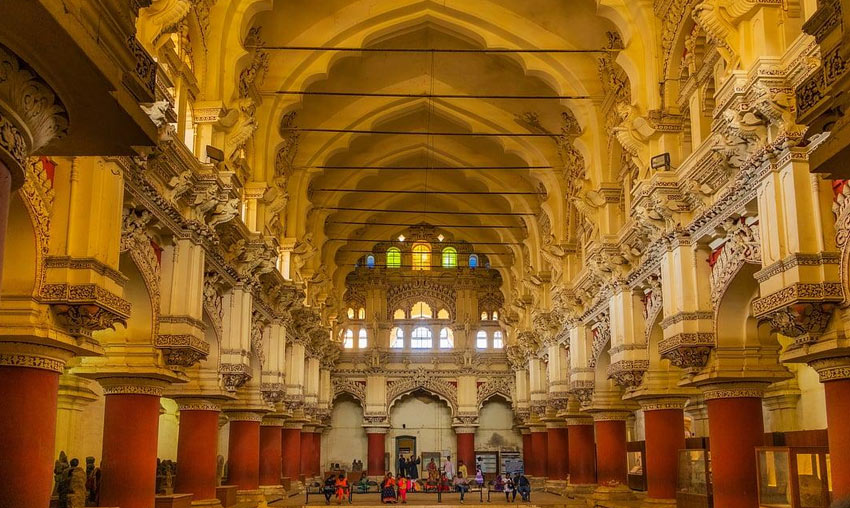
The Aayiram Kaal Mandapam, popularly known as the Hall of Thousand Pillars, is one of the most fascinating sections of the temple. Its beautifully carved pillars showcase remarkable craftsmanship and depict various figures from Hindu mythology. The hall also features musical pillars that produce different musical notes when gently tapped, making it a special attraction for visitors interested in traditional Indian architecture.
3. Golden Lotus Pond
The Golden Lotus Pond, also known as Potramarai Kulam, is a sacred temple tank surrounded by traditional corridors. According to local religious tradition, the pond is associated with the legend of Lord Shiva and the golden lotus. It adds to the spiritual atmosphere of the temple and is one of its most memorable features.
4. Shrines of Goddess Meenakshi and Lord Sundareswarar
The principal shrines are dedicated to Goddess Meenakshi and Lord Sundareswarar. Devotees visit these sacred shrines to offer prayers and seek blessings. The temple holds special significance because Goddess Meenakshi occupies a central position in its religious tradition.
Religious Significance of Meenakshi Amman Temple
Meenakshi Amman Temple is one of the most important spiritual centres in Tamil Nadu. It represents the divine union of Goddess Meenakshi and Lord Sundareswarar and is closely connected with the religious traditions of Madurai.
The temple is particularly famous for celebrating the divine marriage of the deities, symbolising love, devotion and the sacred bond between Shiva and Parvati. Throughout the year, devotees visit the temple to participate in daily worship, special poojas and important religious celebrations.
Famous Festivals Celebrated at Meenakshi Amman Temple
Chithirai Festival
The Chithirai Festival is the most famous annual celebration associated with Meenakshi Amman Temple. Usually celebrated during April and May, the festival includes the grand celestial wedding of Goddess Meenakshi and Lord Sundareswarar, known as Meenakshi Thirukalyanam. The celebrations attract thousands of devotees and visitors to Madurai.
Navaratri
Navaratri is celebrated with great devotion at the temple. Special decorations, religious ceremonies and traditional worship are organised in honour of Goddess Meenakshi during this festival.
Float Festival
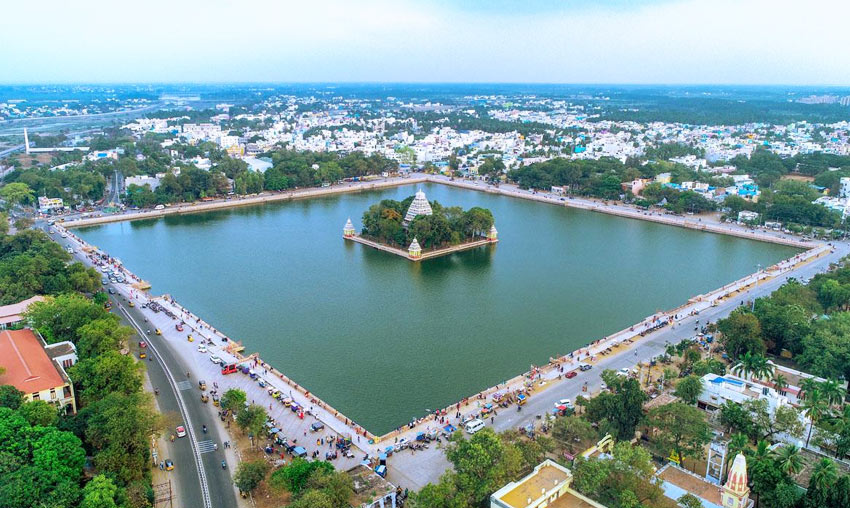
The Float Festival is another important celebration in Madurai, traditionally associated with the temple’s deities. The festival takes place at Vandiyur Mariamman Teppakulam, where beautifully decorated idols are taken on a ceremonial float across the temple tank.
Meenakshi Amman Temple Timings
Visitors planning a trip to Meenakshi Amman Temple should check the darshan timings before arriving. According to the official temple website, the regular opening hours are:
- Morning: 5:00 AM to 12:30 PM
- Afternoon Closure: 12:30 PM to 4:00 PM
- Evening: 4:00 PM to 10:00 PM
Temple timings and pooja schedules may change during festivals and special religious occasions. Visitors are advised to check the official temple website before planning their visit.
Best Time to Visit Meenakshi Amman Temple
The best time to visit Meenakshi Amman Temple is between October and March, when the weather in Madurai is generally more comfortable for sightseeing and temple visits. Early morning is a good time to explore the temple and experience its peaceful spiritual atmosphere.
Visitors interested in experiencing the city’s religious traditions can also plan their trip during the Chithirai Festival, when Madurai hosts grand celebrations and traditional ceremonies.
How to Reach Meenakshi Amman Temple
Meenakshi Amman Temple is centrally located in Madurai and is easily accessible by road, rail and air.
By Air
The nearest airport is Madurai International Airport, which connects the city with several major destinations. From the airport, visitors can hire a taxi or use local transport to reach the temple.
By Train
Madurai Junction Railway Station is the nearest major railway station. It is located approximately 2 kilometres from the temple, making rail travel a convenient option for visitors arriving from other cities.
By Road
Madurai has good road connectivity with major cities across Tamil Nadu. Regular buses, taxis and private vehicles provide convenient access to the temple from different parts of the city.
Travel Tips for Visitors
- Visit early in the morning to avoid heavy crowds.
- Wear modest and respectful clothing when visiting the temple.
- Follow the temple’s rules regarding footwear, mobile phones and photography.
- Check the latest darshan timings before travelling.
- Allow sufficient time to explore the temple’s architecture, shrines and historic halls.
- During major festivals, expect larger crowds and plan your visit accordingly.
Explore Meenakshi Amman Temple in Madurai
Meenakshi Amman Temple is much more than a religious landmark. It is a living symbol of Tamil Nadu’s cultural heritage, artistic excellence and spiritual traditions. From its magnificent gopurams and beautifully carved pillars to the sacred shrines and colourful festivals, every part of the temple reflects the rich history of Madurai.
Whether you are a devotee, a history enthusiast or a traveller interested in exploring South India’s architectural wonders, Meenakshi Amman Temple deserves a place on your Madurai travel itinerary.
Frequently Asked Questions
1. Where is Meenakshi Amman Temple located?
Meenakshi Amman Temple is located in the heart of Madurai city in Tamil Nadu, India.
2. Who are the main deities of Meenakshi Amman Temple?
The temple is dedicated to Goddess Meenakshi, an incarnation of Goddess Parvati, and Lord Sundareswarar, a form of Lord Shiva.
3. What are the opening timings of Meenakshi Amman Temple?
The temple is generally open from 5:00 AM to 12:30 PM and 4:00 PM to 10:00 PM, with an afternoon closure.
4. What is Meenakshi Amman Temple famous for?
The temple is famous for its colourful gopurams, Dravidian architecture, Hall of Thousand Pillars, Golden Lotus Pond and the annual Chithirai Festival.
5. How far is Meenakshi Amman Temple from Madurai Railway Station?
Madurai Junction Railway Station is approximately 2 kilometres from the temple.
6. What is the best time to visit Meenakshi Amman Temple?
October to March is generally considered a pleasant period to visit Madurai. Early mornings are also suitable for temple visits.
7. Which is the most famous festival of Meenakshi Amman Temple?
The Chithirai Festival, especially the celestial wedding of Goddess Meenakshi and Lord Sundareswarar, is the most famous annual celebration.
Nearby Places to Visit