Vandiyur Mariamman Teppakulam, Madurai – History, Architecture and Travel Guide
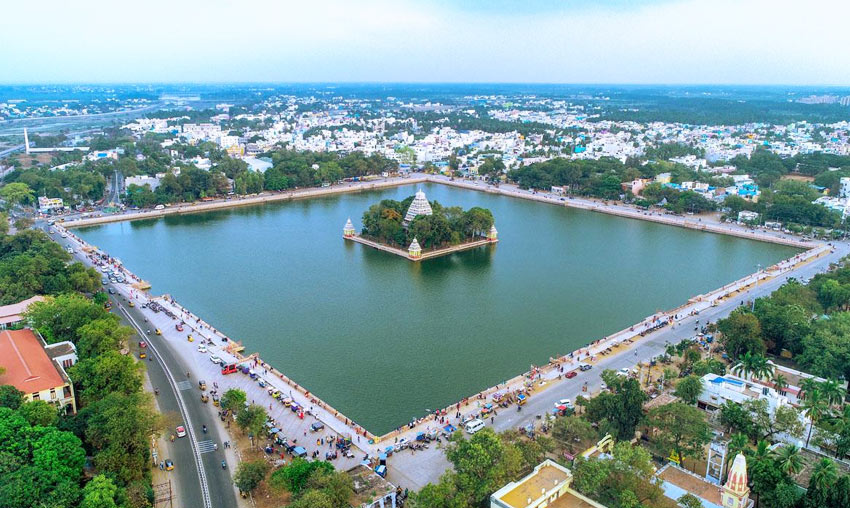
Vandiyur Mariamman Teppakulam is one of the most famous historical and cultural attractions in Madurai, Tamil Nadu. Located in the eastern part of the city, this magnificent temple tank is known for its enormous water reservoir, beautiful central mandapam and the spectacular annual Float Festival. Spread across approximately 16 acres, Teppakulam is an important landmark that reflects the traditional water architecture and religious heritage of South India.
Built during the reign of King Thirumalai Nayak in the 17th century, Vandiyur Mariamman Teppakulam is closely associated with the history of the famous Thirumalai Nayakkar Mahal. The tank attracts visitors throughout the year, while its colourful Float Festival brings thousands of devotees and tourists to Madurai. If you are exploring the best places to visit in Madurai, this historic attraction deserves a place on your itinerary.
History of Vandiyur Mariamman Teppakulam
Vandiyur Mariamman Teppakulam was constructed during the reign of King Thirumalai Nayak, one of the most prominent rulers of the Madurai Nayak dynasty. The historic water tank dates back to the 17th century and is associated with the development of the king’s magnificent palace in Madurai.
According to a popular historical tradition, the excavation site was used to obtain earth for making bricks and other construction materials required for building Thirumalai Nayakkar Mahal. The resulting excavation was later developed into a large temple tank, creating one of the most remarkable water structures in the region.
The tank was designed with granite steps and a central island pavilion, reflecting the engineering and architectural skills of the Nayak period. Over the centuries, it has remained an important religious, cultural and historical landmark of Madurai.
Architecture of Vandiyur Mariamman Teppakulam
Vandiyur Mariamman Teppakulam is a remarkable example of traditional South Indian temple tank architecture. Its large square layout, granite steps, surrounding ghats and central mandapam create a distinctive architectural setting.
1. Massive Square Temple Tank
The Teppakulam covers approximately 16 acres and is one of the largest temple tanks in Tamil Nadu. Its impressive size and carefully designed structure make it an important example of traditional water management and architectural planning.
The tank has wide granite steps on all four sides, allowing devotees and visitors to approach the water from different directions. Its symmetrical layout creates an impressive visual appearance, particularly when viewed from the surrounding banks.
2. Maiya Mandapam – Central Island Pavilion
One of the most attractive features of Vandiyur Mariamman Teppakulam is the central island pavilion, commonly known as Maiya Mandapam. Surrounded by water, this beautiful structure features a small Vinayagar shrine and a garden.
The pavilion becomes particularly attractive during the Float Festival, when the surrounding water and illuminated decorations create a spectacular setting for religious celebrations.
3. Granite Steps and Surrounding Ghats
The temple tank is surrounded by granite steps and traditional ghats on all four sides. These steps provide access to the water and reflect the thoughtful design of historic temple tanks in South India.
The symmetrical arrangement of the steps, water edges and surrounding structures adds to the architectural beauty of the entire complex.
4. Mariamman Temple
A temple dedicated to Goddess Mariamman is situated on the northern side of the tank. Mariamman is a popular village deity worshipped across Tamil Nadu, and devotees visit the shrine to offer prayers and seek blessings.
The presence of the temple gives the historic water tank its religious identity and makes the area an important spiritual destination for local residents and pilgrims.
Famous Float Festival at Vandiyur Mariamman Teppakulam
The Float Festival, locally known as Teppam or Teppa Thiruvizha, is the most famous event associated with Vandiyur Mariamman Teppakulam. It is traditionally celebrated during the Tamil month of Thai, generally falling in January or February, and is associated with the birth anniversary of King Thirumalai Nayak.
During this grand celebration, the processional deities of Goddess Meenakshi and Lord Sundareswarar from Meenakshi Amman Temple are placed on a beautifully decorated floating platform known as Teppam. The float is illuminated with lights and decorated with colourful flowers before being taken around the large temple tank.
Traditional music, devotional activities and festive decorations create a wonderful atmosphere during the celebration. Thousands of devotees and visitors gather around the tank to witness this spectacular religious event.
The Float Festival is one of the most distinctive cultural experiences in Madurai and highlights the city’s long-standing religious traditions.
Religious and Cultural Significance
Vandiyur Mariamman Teppakulam holds an important place in the religious and cultural life of Madurai. The tank is closely associated with the city’s temple traditions and the annual celebrations dedicated to Goddess Meenakshi and Lord Sundareswarar.
It also reflects the importance of traditional water reservoirs in South Indian temple towns. Apart from serving religious purposes, historic temple tanks were important parts of urban water management, community life and cultural celebrations.
Today, Teppakulam continues to be a popular place for devotees, families, photographers and travellers interested in exploring the heritage of Madurai.
Best Time to Visit Vandiyur Mariamman Teppakulam
The best time to visit Vandiyur Mariamman Teppakulam is generally between October and March, when the weather in Madurai is comparatively pleasant for sightseeing.
Visitors interested in experiencing the famous Float Festival should plan their trip during the Tamil month of Thai, usually in January or February. Festival dates vary each year according to the Tamil calendar, so visitors should check the official announcements before planning their journey.
Early mornings and evenings are suitable for enjoying the surroundings, photographing the central pavilion and experiencing the peaceful atmosphere of the tank.
Vandiyur Mariamman Teppakulam Timings
The Teppakulam is a public heritage and religious attraction in Madurai. Visitors should check local access arrangements and temple schedules before travelling.
- Temple tank: Access arrangements may vary depending on local conditions and maintenance.
- Mariamman Temple: Darshan timings should be confirmed locally.
- Float Festival: Usually celebrated during January or February.
Visitors should follow local instructions and avoid entering restricted areas or the water. Special arrangements may apply during the annual festival and other religious occasions.
How to Reach Vandiyur Mariamman Teppakulam
Vandiyur Mariamman Teppakulam is located approximately 4 kilometres east of Meenakshi Amman Temple in Madurai. It is easily accessible from the major areas of the city by road.
By Air
Madurai International Airport is located approximately 12 kilometres from the city centre. Visitors can hire a taxi or use local transport to reach Vandiyur Mariamman Teppakulam.
By Train
Madurai Junction is the major railway station serving the city. From the railway station, visitors can reach the Teppakulam by taxi, auto-rickshaw or local bus services.
By Road
Vandiyur Mariamman Teppakulam is well connected by local roads. Visitors can travel by private vehicle, taxi, auto-rickshaw or local buses operating towards the Vandiyur area.
Places to Visit Near Vandiyur Mariamman Teppakulam
Visitors exploring Vandiyur Mariamman Teppakulam can also discover several famous temples and historical attractions across Madurai.
1. Meenakshi Amman Temple
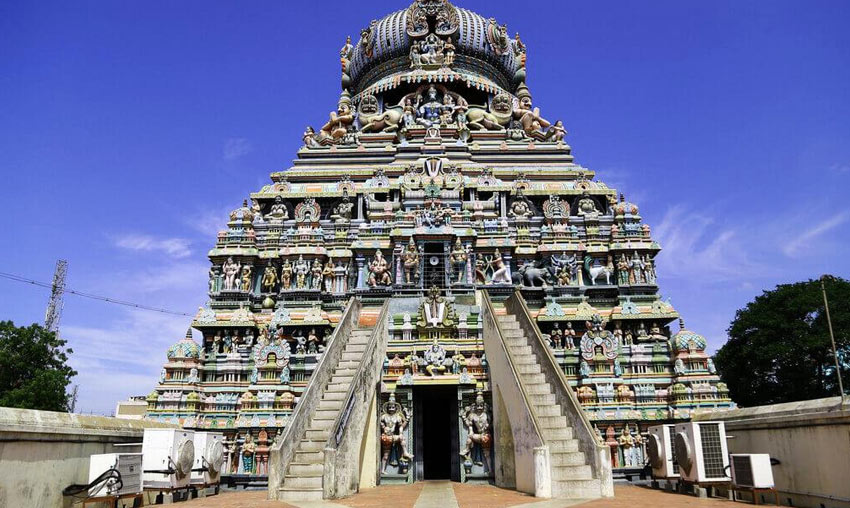
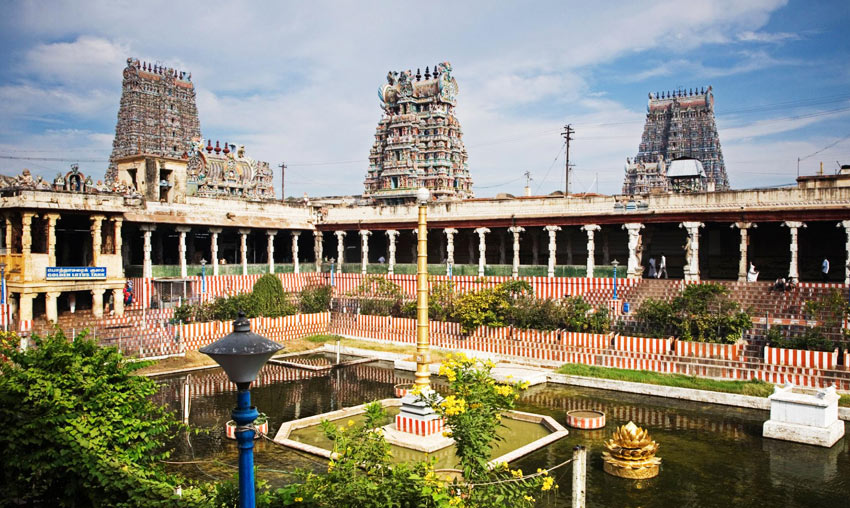
Meenakshi Amman Temple is the most famous religious landmark in Madurai. Dedicated to Goddess Meenakshi and Lord Sundareswarar, it is renowned for its colourful gopurams, intricate sculptures and magnificent Dravidian architecture.
2. Thirumalai Nayakkar Mahal
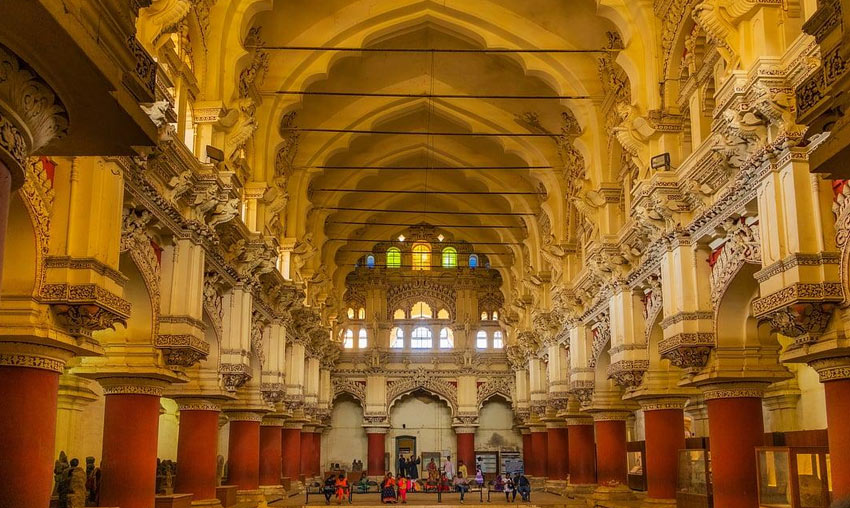
Thirumalai Nayakkar Mahal is a magnificent 17th-century royal palace built by King Thirumalai Nayak. Its grand pillars, impressive arches and historic architecture make it an important attraction for visitors interested in Madurai’s royal heritage.
3. Gandhi Memorial Museum
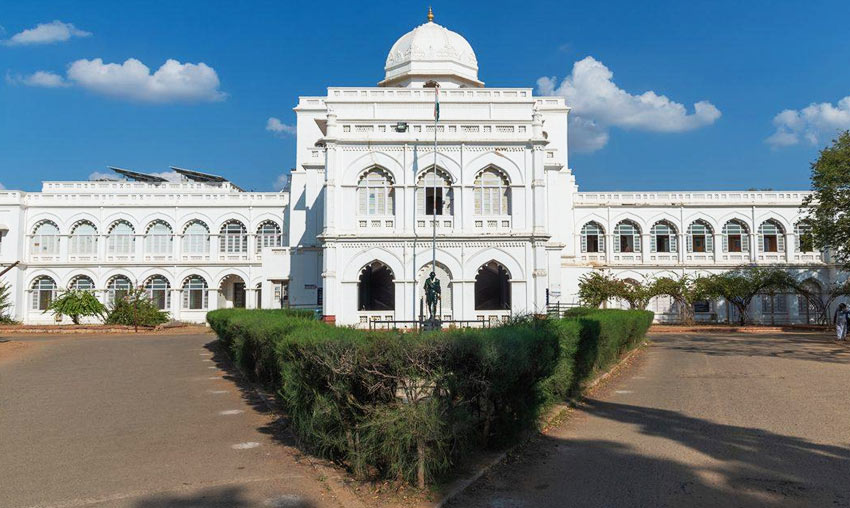
Gandhi Memorial Museum is an important historical attraction dedicated to Mahatma Gandhi and India’s freedom struggle. Located inside the historic Tamukkam Palace, it features photographs, documents and exhibits related to the country’s independence movement.
4. Thiruparankundram Murugan Temple
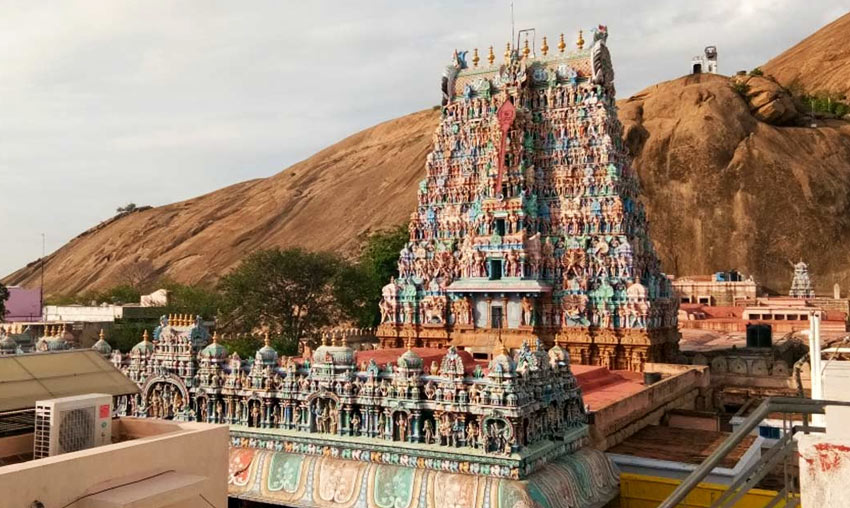
Thiruparankundram Murugan Temple is an ancient rock-cut temple dedicated to Lord Murugan. It is recognised as the first of the six sacred abodes of Lord Murugan and is an important pilgrimage destination near Madurai.
5. Azhagar Kovil
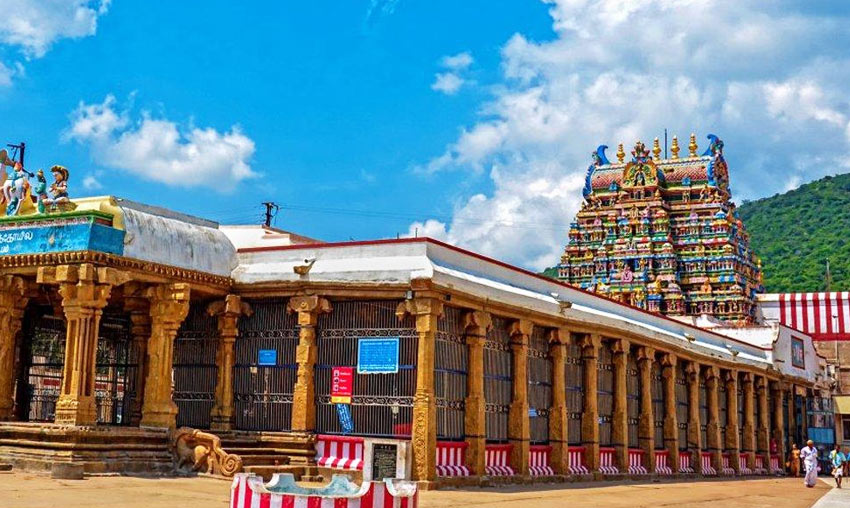
Azhagar Kovil is a famous temple dedicated to Lord Vishnu, situated in the scenic Alagar Hills near Madurai. It is known for its traditional architecture and association with the famous Chithirai Festival.
For more sightseeing ideas, explore our complete Madurai travel guide and discover the city’s important temples, historical monuments and cultural attractions.
Travel Tips for Visitors
- Visit during the morning or evening for a comfortable sightseeing experience.
- Carry drinking water, particularly during warmer months.
- Visit during the Float Festival if you want to experience Madurai’s traditional celebrations.
- Check the annual festival schedule before planning your trip.
- Respect religious customs and follow local instructions.
- Avoid entering the water or restricted areas of the tank.
- Carry a camera to capture the central mandapam and the surrounding architecture.
- Combine your visit with nearby attractions to explore more of Madurai.
Explore Vandiyur Mariamman Teppakulam in Madurai
Vandiyur Mariamman Teppakulam is a fascinating combination of historical architecture, religious traditions and traditional water management. Built during the reign of King Thirumalai Nayak, the magnificent temple tank continues to be one of Madurai’s most recognisable cultural landmarks.
From its enormous square water reservoir and central island pavilion to the spectacular annual Float Festival, every feature reflects the rich heritage of the city. Whether you are interested in history, photography, religious celebrations or traditional architecture, Vandiyur Mariamman Teppakulam offers a memorable experience.
Include this remarkable attraction in your Madurai travel itinerary and explore the cultural beauty of Tamil Nadu.
Frequently Asked Questions
1. Where is Vandiyur Mariamman Teppakulam located?
Vandiyur Mariamman Teppakulam is located in the eastern part of Madurai, Tamil Nadu, approximately 4 kilometres from Meenakshi Amman Temple.
2. Who built Vandiyur Mariamman Teppakulam?
The historic temple tank was built during the reign of King Thirumalai Nayak in the 17th century.
3. What is Vandiyur Mariamman Teppakulam famous for?
It is famous for its enormous square temple tank, central island pavilion, granite steps and annual Float Festival.
4. What is the Float Festival at Teppakulam?
The Float Festival is an annual religious celebration in which the processional deities of Goddess Meenakshi and Lord Sundareswarar are taken around the tank on a beautifully decorated floating platform.
5. When is the Teppam Festival celebrated?
The festival is traditionally celebrated during the Tamil month of Thai, usually in January or February. Exact dates change every year.
6. How large is Vandiyur Mariamman Teppakulam?
The temple tank covers approximately 16 acres, making it one of the largest historic temple tanks in Tamil Nadu.
7. Is there a temple inside the Teppakulam?
Yes. A central island pavilion called Maiya Mandapam contains a small Vinayagar shrine and a garden. A separate Mariamman Temple is located on the northern side of the tank.
8. What is the best time to visit Vandiyur Mariamman Teppakulam?
October to March is generally a pleasant period for sightseeing. January and February are particularly interesting for visitors who want to experience the Float Festival.
Nearby Places to Visit