Thiruparankundram Murugan Temple, Madurai – History, Architecture and Travel Guide
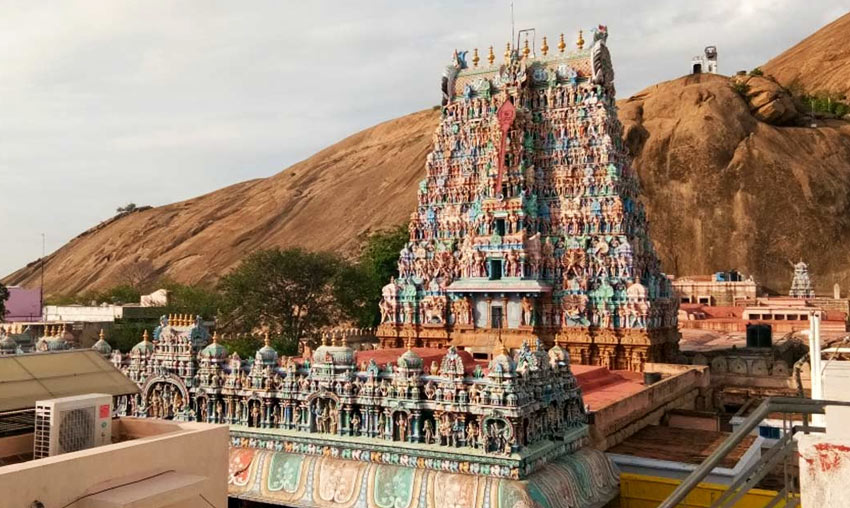
Thiruparankundram Murugan Temple is one of the most important Hindu pilgrimage destinations in Tamil Nadu, located approximately 8 kilometres south of Madurai. Dedicated to Lord Murugan, also known as Lord Subramanya, this ancient temple is recognised as the first of the six sacred abodes of Lord Murugan, collectively known as Arupadai Veedu. Famous for its rock-cut architecture, religious significance and association with the divine marriage of Lord Murugan and Goddess Deivanai, the temple attracts devotees and travellers throughout the year.
Built into a massive granite hill, Thiruparankundram Murugan Temple is an extraordinary example of ancient South Indian temple architecture. Its carved sanctuaries, beautiful pillars, traditional sculptures and peaceful spiritual atmosphere make it one of the must-visit attractions near Madurai. Visitors exploring the famous places to visit in Madurai should include this historic temple in their travel itinerary.
History of Thiruparankundram Murugan Temple
Thiruparankundram Murugan Temple has a long history associated with the Pandya dynasty and the religious traditions of ancient Tamil Nadu. The temple’s rock-cut cave shrines are generally dated to the early medieval period, with the Madurai District Administration identifying them as an eighth-century creation of the Pandyas.
The temple is closely connected with the ancient worship of Lord Murugan in Tamil culture. Over the centuries, the temple complex received additions and renovations, including pillared halls and other architectural features developed during different historical periods.
According to Hindu tradition, Thiruparankundram is the sacred place where Lord Murugan married Goddess Deivanai, the daughter of Lord Indra, following his victory over the demon Surapadman. This divine marriage gives the temple exceptional religious importance among Murugan devotees.
Religious Significance of Thiruparankundram Temple
Thiruparankundram is recognised as the first of the six sacred abodes of Lord Murugan, known as Arupadai Veedu. These six temples hold a special place in Tamil Hindu tradition and are important pilgrimage destinations for devotees of Lord Murugan.
The temple is particularly associated with the divine marriage of Lord Murugan and Goddess Deivanai. Devotees visit this sacred place to offer prayers and seek blessings for peace, prosperity and family well-being. The temple also has shrines dedicated to other important Hindu deities, making it a significant centre of worship.
Architecture of Thiruparankundram Murugan Temple
The most distinctive feature of Thiruparankundram Murugan Temple is its ancient rock-cut architecture. Unlike conventional temples constructed entirely with separate stone blocks, the main cave shrines are carved directly into the natural granite hill. The complex combines these ancient rock-cut sanctuaries with later structural additions and beautifully decorated halls.
1. Ancient Rock-Cut Sanctum
The main sanctum is carved directly into the hillside, showcasing the remarkable stone-cutting skills of ancient artisans. The natural rock formations form an integral part of the temple’s architectural design. These cave shrines are among the most fascinating historical features of the temple.
2. Magnificent Rajagopuram
The temple entrance is marked by an impressive gateway tower known as the Rajagopuram. Decorated with traditional sculptures and architectural details, it welcomes devotees into the sacred temple complex and reflects the artistic traditions of South Indian temple construction.
3. Beautiful Pillared Mandapams
The temple features several pillared halls, known as mandapams, decorated with intricate carvings and traditional sculptures. These halls reflect the craftsmanship of different historical periods and provide a beautiful setting for religious ceremonies and temple activities.
4. Shrines of Other Hindu Deities
Along with Lord Murugan, the temple complex includes shrines associated with Lord Shiva, Goddess Durga, Lord Ganesha and Lord Vishnu. The presence of multiple deities makes the temple an important destination for devotees following different Hindu traditions.
Festivals Celebrated at Thiruparankundram Murugan Temple
Several important religious festivals are celebrated at Thiruparankundram throughout the year. These celebrations attract large numbers of devotees and feature special poojas, traditional rituals and religious processions.
1. Skanda Sashti
Skanda Sashti is one of the most important festivals dedicated to Lord Murugan. Celebrated during the Tamil month of Aippasi, usually in October or November, it commemorates Lord Murugan’s victory over the demon Surapadman. Devotees participate in special prayers and religious ceremonies during the festival.
2. Panguni Uthiram
Panguni Uthiram is an important celebration associated with divine marriages in Hindu tradition. At Thiruparankundram, the festival has special significance because of the traditional belief that Lord Murugan married Goddess Deivanai at this sacred place. Devotees visit the temple to participate in the celebrations and seek blessings.
3. Vaikasi Visakam
Vaikasi Visakam is celebrated to mark the birth of Lord Murugan. Special worship, abhishekams and religious activities are organised during this occasion, attracting devotees from Madurai and neighbouring regions.
4. Karthigai Deepam
Karthigai Deepam is a traditional festival celebrated with the lighting of lamps. The celebration holds special importance for devotees of Lord Murugan and Lord Shiva. The hill and temple surroundings become part of the devotional celebrations during this festival.
Thiruparankundram Murugan Temple Timings
Visitors planning a visit should check the temple’s latest darshan and pooja schedule. Commonly published daily visiting hours are:
- Morning: 5:30 AM to 1:00 PM
- Afternoon Closure: 1:00 PM to 4:00 PM
- Evening: 4:00 PM to 9:00 PM
Darshan timings may change during special festivals, religious ceremonies and other temple occasions. Visitors should confirm the latest schedule through the official temple administration before travelling.
Best Time to Visit Thiruparankundram Murugan Temple
The best time to visit Thiruparankundram Murugan Temple is generally between October and March, when the weather around Madurai is more comfortable for sightseeing and temple visits.
Early morning is a good time for devotees who prefer a relatively peaceful darshan experience. Visitors interested in traditional religious celebrations can also plan their trip during Skanda Sashti or Panguni Uthiram, although these festivals may attract larger crowds.
How to Reach Thiruparankundram Murugan Temple
Thiruparankundram Murugan Temple is situated approximately 8 kilometres from central Madurai and is accessible by road, rail and air.
By Air
Madurai International Airport is the nearest airport, located approximately 12 kilometres from Madurai city. Visitors can hire taxis or use local transport to reach Thiruparankundram.
By Train
Madurai Junction is the major railway station serving the region. Local passenger trains also connect nearby Thiruparankundram station. Taxis, auto-rickshaws and buses are available for the remaining journey.
By Road
Regular buses operate between Madurai city and Thiruparankundram. Visitors can also reach the temple by taxi, auto-rickshaw or private vehicle. Its convenient location makes it suitable for a half-day trip from Madurai.
Places to Visit Near Thiruparankundram Murugan Temple
Visitors can explore several important attractions in Madurai while planning a trip to Thiruparankundram. The following destinations are worth including in a sightseeing itinerary.
1. Meenakshi Amman Temple
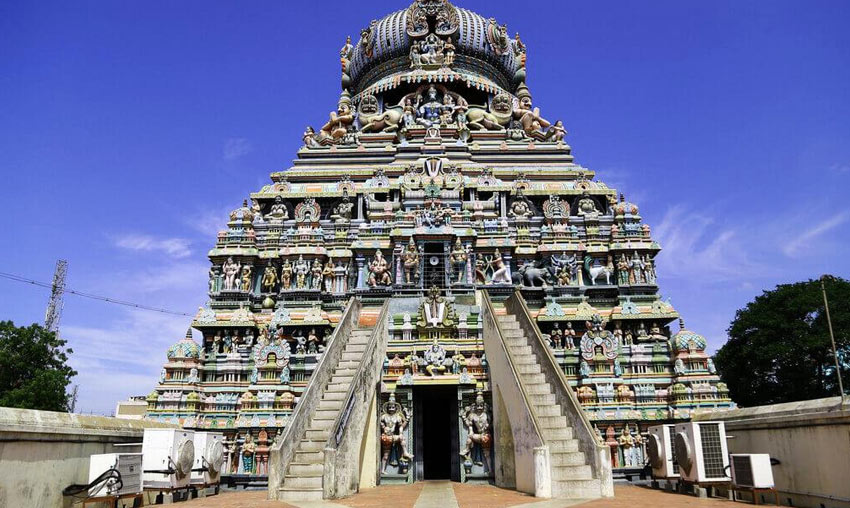
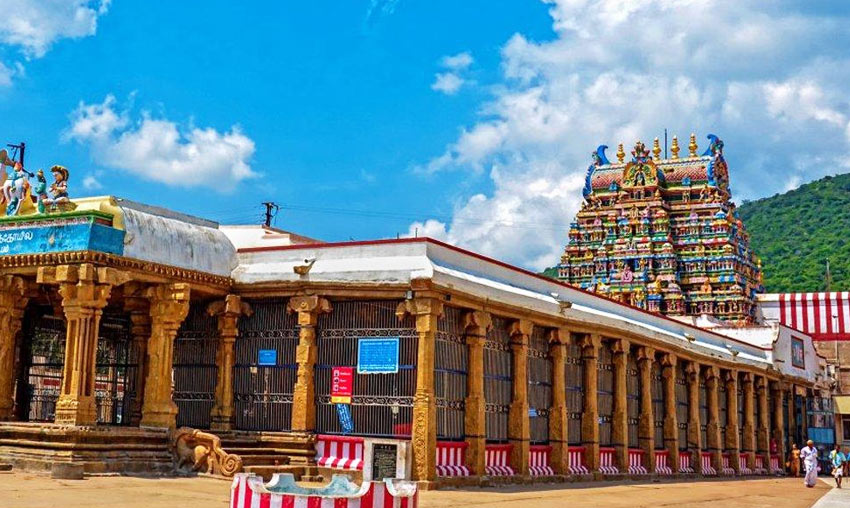
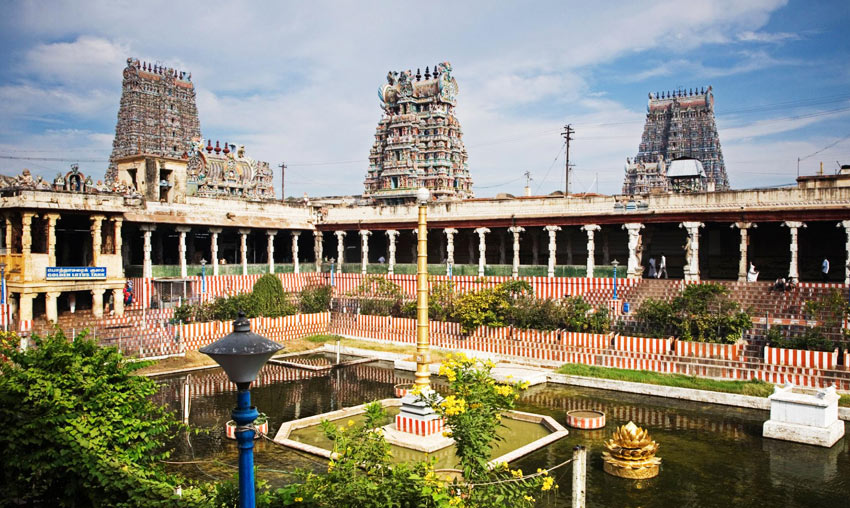
Meenakshi Amman Temple is one of the most famous religious landmarks in Madurai. Dedicated to Goddess Meenakshi and Lord Sundareswarar, it is admired for its colourful gopurams, magnificent sculptures and Dravidian architecture.
2. Thirumalai Nayakkar Mahal
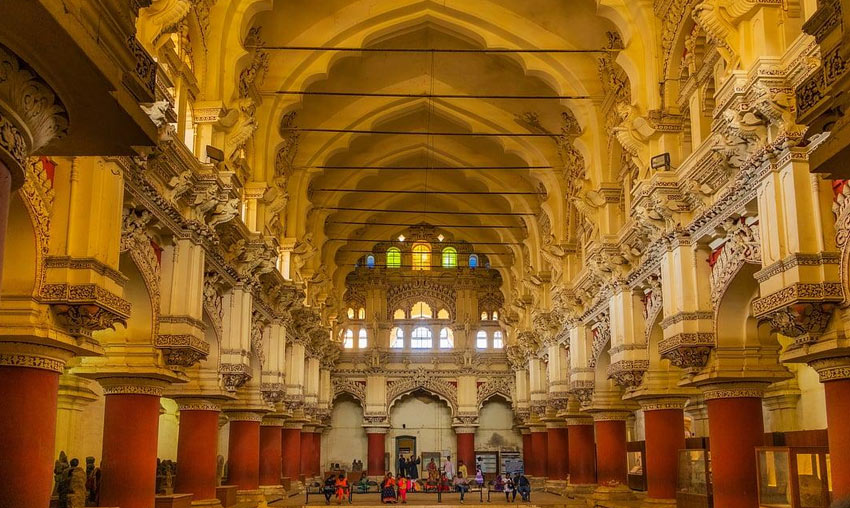
Thirumalai Nayakkar Mahal is a historic 17th-century palace built by King Thirumalai Nayak. It is famous for its grand pillars, impressive arches and beautiful royal architecture.
3. Explore More Attractions in Madurai
Discover more temples, historical monuments and cultural landmarks through our complete Madurai travel guide, featuring the city’s most important attractions.
Travel Tips for Visitors
- Visit early in the morning to enjoy a more comfortable temple visit.
- Wear modest clothing and respect local religious customs.
- Leave footwear at the designated areas outside the temple.
- Follow the temple’s rules regarding photography and mobile phones.
- Check temple timings before travelling, especially during festivals.
- Allow enough time to explore the rock-cut shrines and architectural details.
- Carry drinking water, particularly during warmer months.
Explore Thiruparankundram Murugan Temple in Madurai
Thiruparankundram Murugan Temple is a remarkable combination of spiritual heritage, ancient rock-cut architecture and Tamil religious traditions. Its association with the divine marriage of Lord Murugan and Goddess Deivanai makes it one of the most sacred destinations for Murugan devotees.
Whether you are interested in religious history, ancient architecture or cultural exploration, this temple offers a memorable experience near Madurai. Include Thiruparankundram Murugan Temple in your Madurai travel itinerary and discover one of the most important spiritual landmarks of Tamil Nadu.
Frequently Asked Questions
1. Where is Thiruparankundram Murugan Temple located?
The temple is located in Thiruparankundram, approximately 8 kilometres south of Madurai in Tamil Nadu, India.
2. Why is Thiruparankundram Murugan Temple famous?
It is famous as the first of the six sacred abodes of Lord Murugan and for its ancient rock-cut architecture and association with the divine marriage of Lord Murugan and Goddess Deivanai.
3. Who is the main deity of Thiruparankundram Temple?
The main deity is Lord Murugan, also known as Lord Subramanya.
4. What are the temple timings?
Commonly published visiting hours are 5:30 AM to 1:00 PM and 4:00 PM to 9:00 PM. Timings may vary on special occasions.
5. Which is the best time to visit Thiruparankundram Temple?
October to March is generally a pleasant period to visit the temple. Early mornings are also suitable for darshan.
6. What is the significance of the temple’s rock-cut architecture?
The main cave shrines are carved directly into a natural granite hill, demonstrating the remarkable craftsmanship of ancient Pandya-period artisans.
7. Which festivals are celebrated at Thiruparankundram Temple?
Important festivals include Skanda Sashti, Panguni Uthiram, Vaikasi Visakam and Karthigai Deepam.
Nearby Places to Visit