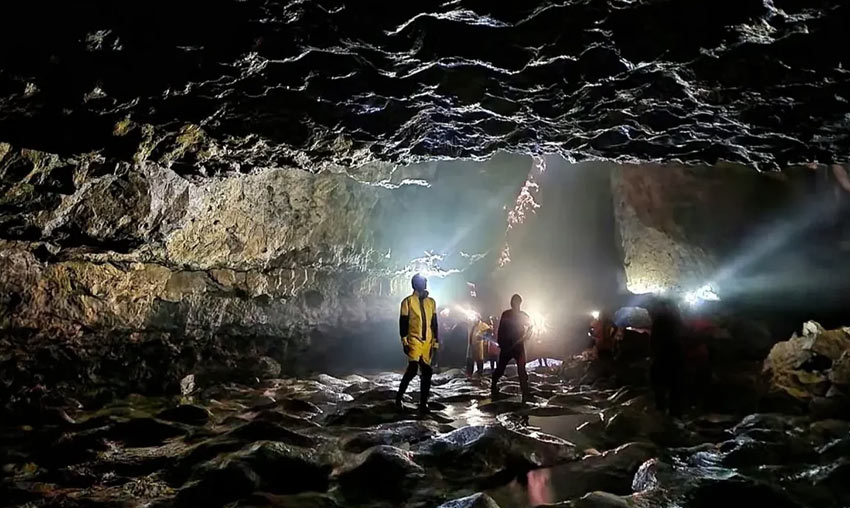
Mawmluh Cave, Cherrapunji – Explore the Geological Wonder of Meghalaya
Mawmluh Cave, also known as Krem Mawmluh, is one of the most fascinating limestone cave systems in Meghalaya. Located near Sohra (Cherrapunji) in the East Khasi Hills, this underground natural wonder is famous for its winding passages, underground streams, stalactites, stalagmites and remarkable geological significance.
Mawmluh Cave is particularly important to the scientific world because a stalagmite recovered from the cave helped define the beginning of the Meghalayan Age, the current geological age that began approximately 4,200 years ago. This makes the cave much more than an adventure destination: it is an internationally recognised site for understanding Earth’s climate history.
For visitors, Mawmluh Cave offers an opportunity to discover the underground landscape of Meghalaya. Depending on the selected guided route, exploration may involve walking through rocky passages, crossing shallow water, negotiating narrow sections and observing impressive mineral formations.
Where Is Mawmluh Cave Located?
Mawmluh Cave is located near Mawmluh Village in the Sohra region, popularly known as Cherrapunji, in the East Khasi Hills district of Meghalaya, India.
The cave is approximately 58 km from Shillong according to Meghalaya Tourism. From Sohra town, the cave access area is around 2.9 km by road, although the final approach may involve a walk or locally arranged transfer depending on the operating route.
The cave is connected to the wider limestone landscape of the Khasi Hills, a region known for its extensive underground cave systems and natural geological formations.
Why Is Mawmluh Cave Famous?
Mawmluh Cave is famous for two major reasons: its extensive underground passages and its exceptional importance in geological research.
The cave system is approximately 7.2 km long and is described in tourism and geological sources as one of the longest cave systems in the Indian subcontinent. Its underground landscape includes winding tunnels, chambers, underground streams and mineral formations developed over long periods.
Its international scientific importance comes from a stalagmite that preserves evidence of past climate conditions. Researchers studied this natural record to identify a major climatic shift around 4,200 years ago, which helped establish the Meghalayan Age.
The Meghalayan Age and the Mawmluh Cave Connection
One of the most remarkable facts about Mawmluh Cave is its connection with the Meghalayan Age, the latest geological age in the history of the Earth.
A stalagmite from Mawmluh Cave preserves a record of changes in rainfall and climate over thousands of years. Scientists analysed the chemical signals in this mineral formation to identify a major climate event approximately 4,200 years ago.
This evidence was used to define the beginning of the Meghalayan Age. The cave’s geological record therefore became an important reference point for the international geological timescale.
The boundary is recognised as a Global Boundary Stratotype Section and Point (GSSP), often called a geological golden spike. It marks the beginning of the Meghalayan Age and gives Mawmluh Cave a special place in global geological research.
Major Attractions and Geological Features Inside Mawmluh Cave
1. Stalactites and Stalagmites
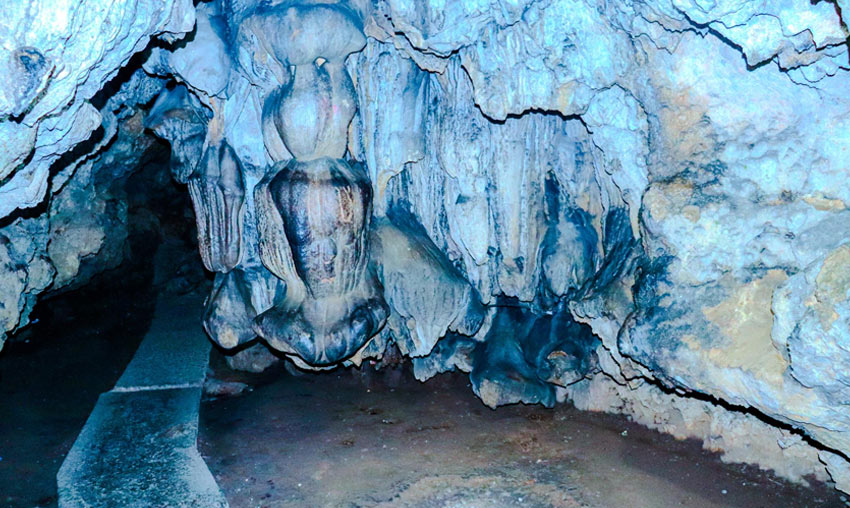
Mawmluh Cave contains naturally formed mineral structures created by the slow deposition of minerals from dripping water. Stalactites hang from the cave ceiling, while stalagmites rise from the floor. These formations develop over long periods and are among the most interesting features of limestone caves.
2. Underground Rivers and Water Passages
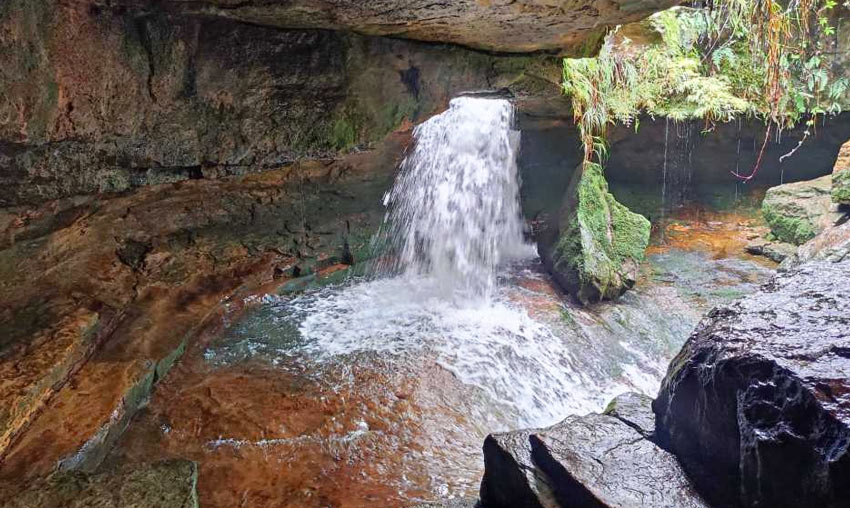
Water has played a major role in shaping Mawmluh Cave. The cave system includes underground water passages and river sections that have gradually carved through the limestone landscape. Some exploration routes may involve wading through water, depending on the season and water levels.
3. Large Underground Chambers
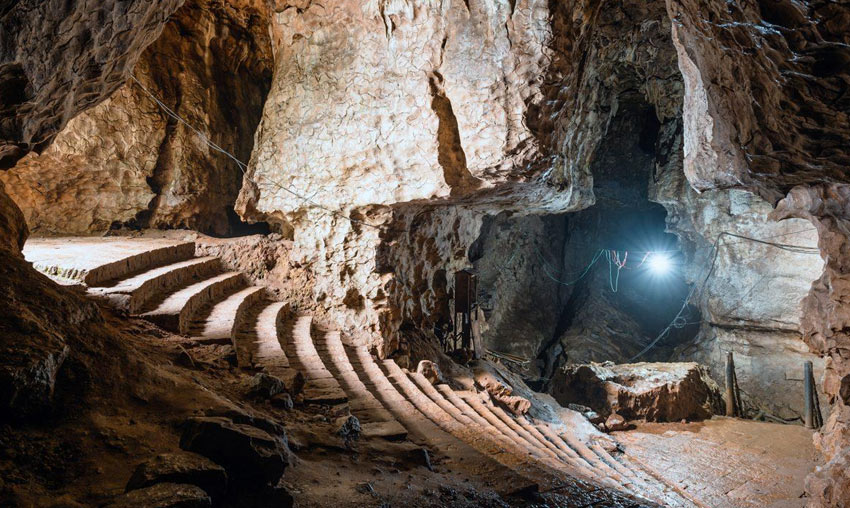
Some parts of the cave open into wider chambers with impressive natural rock formations and echoing spaces. These underground rooms offer a striking contrast to the narrow tunnels found elsewhere in the cave.
4. Narrow Tunnels and Low Ceilings
Several sections of Mawmluh Cave are narrow and have low ceilings. Certain routes may require visitors to bend, crouch or crawl through tight spaces. This is why choosing an appropriate guided tour according to your fitness and experience is important.
5. Limestone Rock Layers
The cave reveals different rock layers and sediment patterns that help explain the geological history of the Khasi Hills. The formations provide a natural record of processes that have shaped the underground landscape over millions of years.
6. Moonmilk and Other Mineral Deposits
Geological descriptions of Mawmluh Cave mention moonmilk, a soft white mineral deposit found in some limestone caves. Along with calcite formations, columns and draperies, these deposits contribute to the cave’s distinctive underground appearance.
Mawmluh Cave Exploration and Trek
Visiting Mawmluh Cave is different from visiting a conventional tourist cave with a short, illuminated walkway. The cave is a large natural system, and exploration should be undertaken through an authorised or locally organised guided experience.
The route to the cave may involve a short road transfer or shuttle followed by a walk through rocky terrain. Inside, the difficulty depends on the route selected. Some cave passages may involve uneven rocks, water, low ceilings, narrow openings and short crawling sections.
What to Expect During Cave Exploration
- A walk through the natural landscape near Mawmluh Village.
- Guided entry into selected sections of the limestone cave.
- Underground passages with different ceiling heights and rock formations.
- Possible water crossings or wet cave floors depending on conditions.
- Natural chambers, mineral deposits and underground geological features.
- Some routes may require bending, crouching or crawling.
An older Meghalaya Adventurers’ Tours package describes a 4–5 hour round trip, including a jungle approach walk and exploration of selected passages. This is an example of a longer caving experience, not a guaranteed duration for every current tour.
Always confirm the route, duration, difficulty level, equipment and weather-related restrictions with the local guide or tour operator before booking.
Best Time to Visit Mawmluh Cave
Meghalaya Tourism recommends November to February for Mawmluh Cave exploration because of the cooler and drier weather conditions.
The dry season can make the approach through rocky terrain and riverbeds more manageable. However, underground water conditions can change, and visitors should always follow the guide’s assessment before entering.
During the monsoon months, heavy rainfall can increase water levels and make cave passages and outdoor trails more difficult. Do not enter the cave during unsafe weather or when local guides advise against exploration.
Mawmluh Cave Timings
Mawmluh Cave is a natural cave system rather than a conventional monument with a clearly established public visiting schedule. Guided exploration arrangements may operate on a daily basis through local organisers, but available tour slots, route access and seasonal conditions can vary.
Incredible India lists 9:00 AM to 7:00 PM as visiting hours. However, this should not be treated as a guaranteed cave-entry or tour schedule. Contact the local tour organiser in advance and confirm your reporting time and return schedule.
Mawmluh Cave Entry Fee and Guided Tour Charges
The current official entry fee and guided tour charges could not be reliably confirmed while preparing this guide. Charges may depend on the selected route, duration, guide arrangements and equipment provided.
Advance enquiry is recommended, particularly during the October–March peak travel period. Ask whether the quoted amount includes a guide, safety equipment, transfers and any local fees.
How to Reach Mawmluh Cave
By Road
Mawmluh Cave is accessible from Shillong and Sohra by road. From Shillong, travel along the Shillong–Sohra route and continue towards Mawmluh Village. Meghalaya Tourism lists the distance from Shillong at approximately 58 km, with a road journey of around 2.5 to 3 hours.
From Sohra, the cave is approximately 2.9 km away by road according to Meghalaya Tourism. Local taxis and private vehicles can be used to reach the access point. The final approach may involve a shuttle or walk, depending on current arrangements.
By Air
The nearest major airport commonly used by travellers is Lokpriya Gopinath Bordoloi International Airport in Guwahati, Assam. From Guwahati, continue by road towards Shillong and then Sohra.
Shillong Airport is another option, but flight availability may be limited. Meghalaya Tourism lists the distance from Shillong Airport to the cave at approximately 79 km.
By Train
Guwahati Railway Station is the main railway station commonly used by visitors travelling to Meghalaya. From Guwahati, travel by road to Shillong and then continue towards Sohra and Mawmluh Village.
Safety Tips for Visiting Mawmluh Cave
- Explore the cave only with a trained local guide or authorised tour organiser.
- Confirm the difficulty level and route before choosing a cave tour.
- Wear sturdy footwear with a good grip, suitable for wet and rocky surfaces.
- Use the safety equipment provided by the guide or tour operator.
- Carry a headlamp or torch only as advised by the guide; do not rely on a mobile phone flashlight.
- Be prepared for low ceilings, narrow passages and possible crawling sections.
- Do not enter underground water passages when water levels are high or conditions are unsafe.
- Avoid touching stalactites, stalagmites and other delicate mineral formations.
- Do not remove rocks, fossils or other natural material from the cave.
- Carry drinking water and essential personal medicines for the approach and return journey.
- Inform your guide about any mobility limitations, medical concerns or fear of confined spaces before starting.
- Follow all local instructions and never separate from your group inside the cave.
Places to Visit Near Mawmluh Cave
Mawmluh Cave can be combined with other natural attractions around Sohra. If you are planning a Cherrapunji trip, consider including the following places in your itinerary.
- Mawsmai Cave – A popular limestone cave with a shorter visitor route and natural rock formations.
- Arwah Cave – Known for fossil-bearing limestone walls and its scenic forest approach.
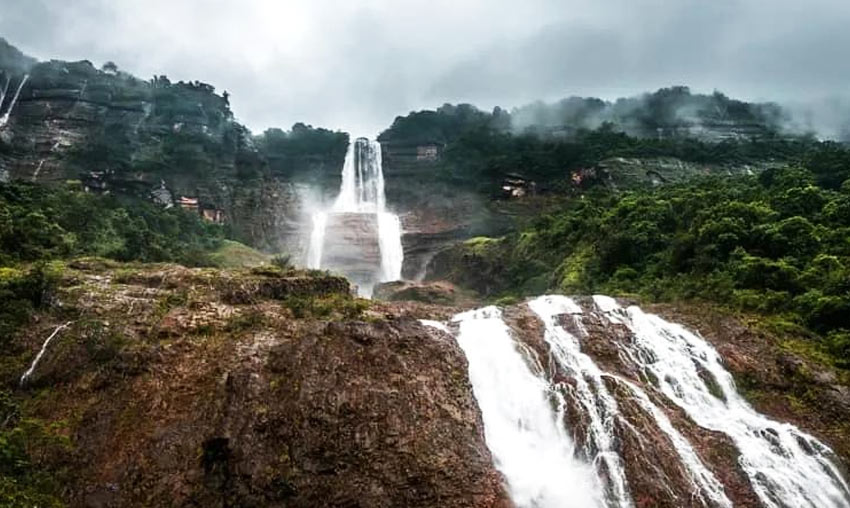
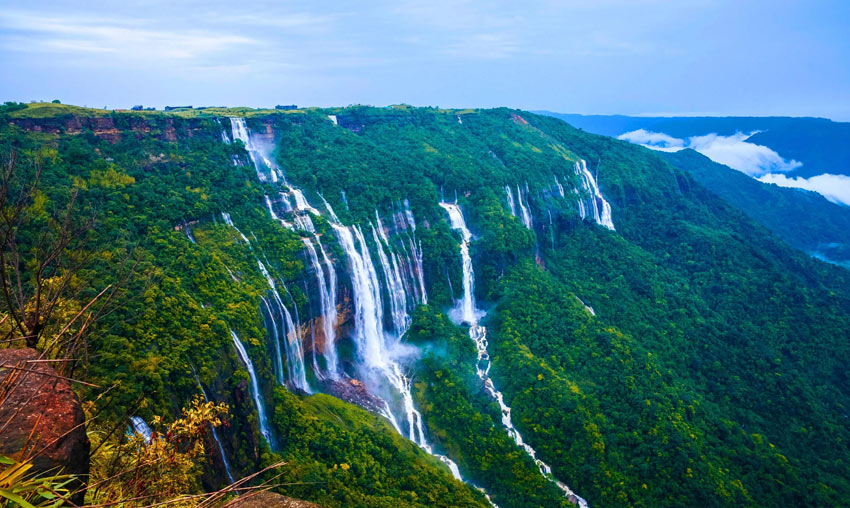
- Seven Sisters Falls – Also known as Nohsngithiang Falls, famous for its multiple streams cascading down a cliff.
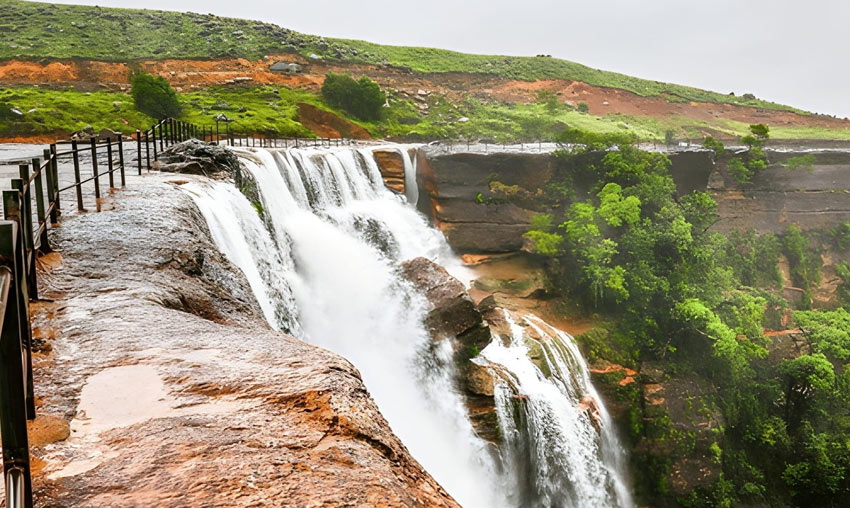
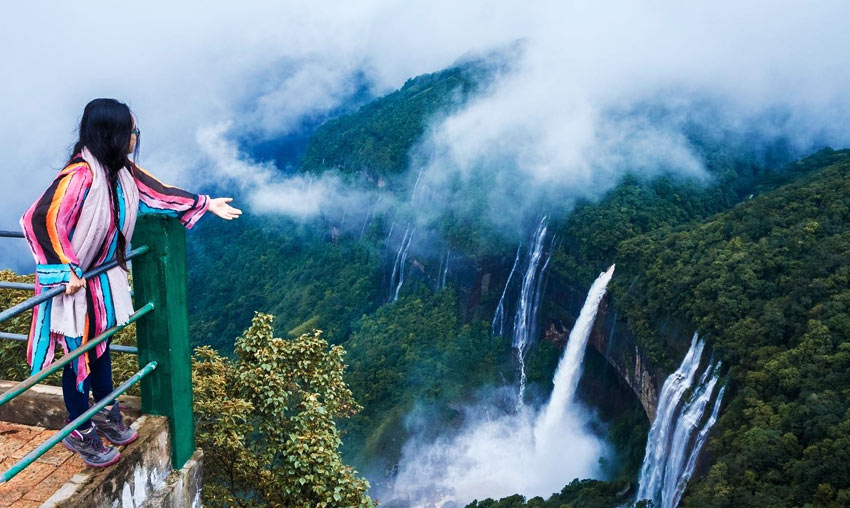
- Nohkalikai Falls – One of Meghalaya’s most famous waterfalls, known for its dramatic plunge and scenic viewpoint.
- Dainthlen Falls – A scenic waterfall associated with the Khasi folk legend of Thlen.
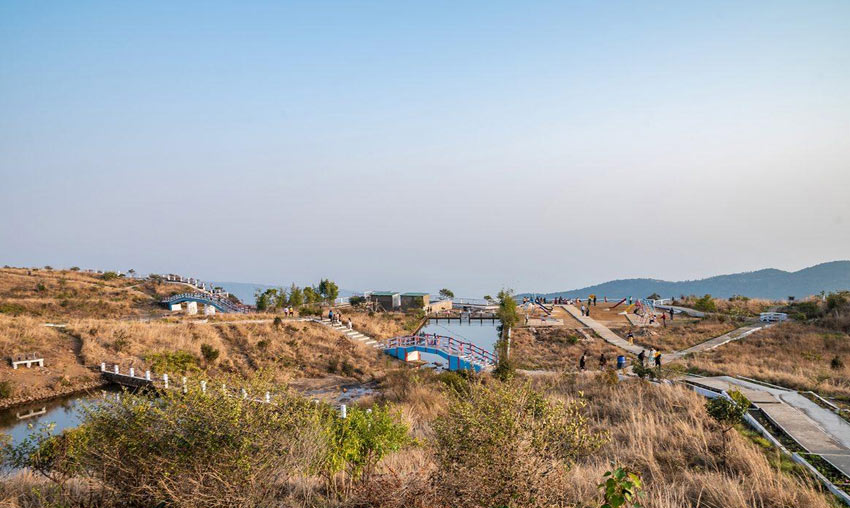
- Eco Park – A scenic park known for its Green Canyon views, greenhouse and landscaped surroundings.
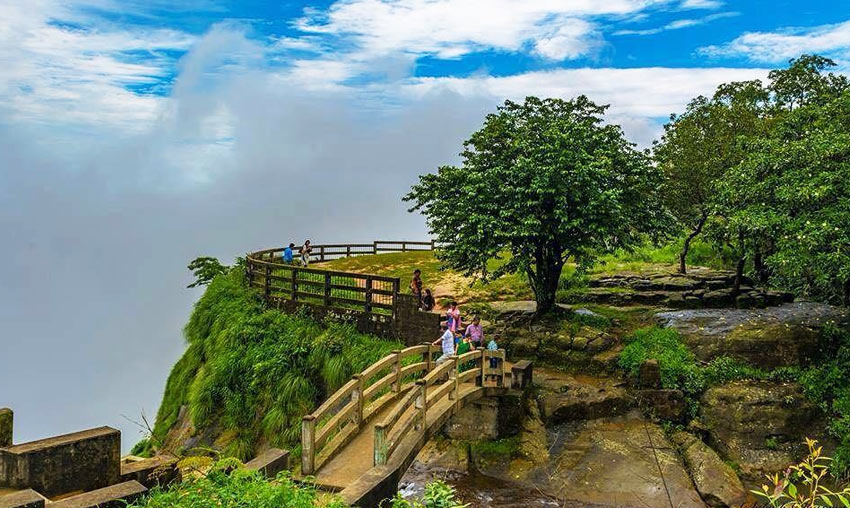
- Thangkharang Park – A viewpoint park offering panoramic valley scenery and views of Kynrem Falls.
Explore our complete Cherrapunji Travel Guide for more sightseeing ideas, attractions and travel information.
Suggested Cherrapunji Sightseeing Plan
Mawmluh Cave exploration can take several hours depending on the selected route. It is better to keep a separate time block for the cave rather than trying to combine a long caving tour with too many other attractions.
Option 1: Cave Exploration Day
- Start from your accommodation in Sohra early in the day.
- Reach Mawmluh Village and meet your local guide or tour organiser.
- Complete the safety briefing and equipment check.
- Explore the selected sections of Mawmluh Cave with your guide.
- Return from the cave and allow time for rest.
- If time and energy permit, visit a nearby viewpoint or local attraction.
Option 2: Two-Day Cherrapunji Plan
Day 1: Explore Mawmluh Cave with a guided tour. Keep the rest of the day flexible for relaxation and nearby sightseeing.
Day 2: Visit Mawsmai Cave, Arwah Cave, Seven Sisters Falls and Nohkalikai Falls, depending on your schedule and local conditions.
Frequently Asked Questions About Mawmluh Cave
1. Where is Mawmluh Cave located?
Mawmluh Cave is located near Mawmluh Village in the Sohra (Cherrapunji) region of the East Khasi Hills district, Meghalaya.
2. How long is Mawmluh Cave?
Tourism and geological sources describe the mapped cave system as approximately 7.2 km long. This is the length of the cave system, not the distance covered by every visitor tour.
3. Why is Mawmluh Cave important?
Mawmluh Cave is internationally important because a stalagmite from the cave helped define the beginning of the Meghalayan Age, approximately 4,200 years ago. It is recognised as a geological reference site known as a GSSP.
4. What is the best time to visit Mawmluh Cave?
Meghalaya Tourism recommends November to February for cooler, drier weather and more suitable cave exploration conditions.
5. Is Mawmluh Cave suitable for beginners?
Some guided routes may be suitable for visitors with basic fitness, but the difficulty depends on the selected passage. Narrow tunnels, low ceilings, wet rocks and crawling sections may be involved. Ask the local guide about the route before booking.
6. Do I need a guide to explore Mawmluh Cave?
Yes. A trained local guide or organised cave tour is strongly recommended for safety, route selection and understanding the cave’s geological features.
7. What should I wear for Mawmluh Cave?
Wear sturdy shoes with good grip and comfortable clothing that can get wet or dirty. Follow the tour operator’s advice about helmets, lights and other protective equipment.
8. Are there underground rivers inside Mawmluh Cave?
Yes. The cave system includes underground water passages and river sections. Water levels and access conditions can vary with rainfall and season.
9. What are the opening hours of Mawmluh Cave?
Incredible India lists 9:00 AM to 7:00 PM, but guided tour reporting times and access arrangements may differ. Confirm the schedule with the local organiser before visiting.
10. Can Mawmluh Cave and Mawsmai Cave be visited on the same day?
It may be possible, depending on the duration of the Mawmluh guided tour and your available time. A longer cave exploration can take several hours, so plan the day carefully.
Discover the Geological Wonders of Meghalaya
Mawmluh Cave is one of the most remarkable natural attractions in Meghalaya. Its extensive limestone passages, underground streams and impressive mineral formations make it an exciting destination for nature lovers and adventure travellers. Its role in defining the Meghalayan Age also gives it an extraordinary place in the scientific understanding of Earth’s climate history.
Whether you are interested in geology, cave exploration or discovering the hidden landscapes of Sohra, Mawmluh Cave offers a memorable experience. Plan your visit with a local guide, respect the fragile underground environment and explore more destinations with our Cherrapunji Travel Guide.
Nearby Places to Visit
Nearby Places to Visit