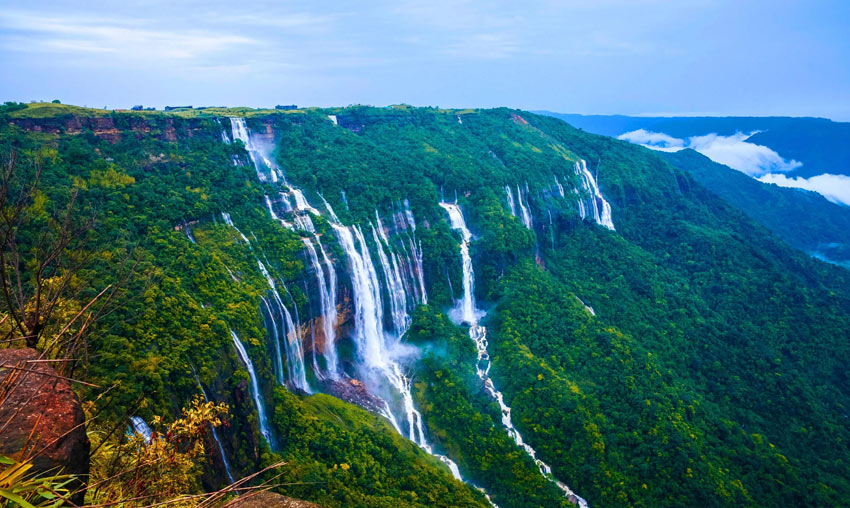
Seven Sisters Falls (Nohsngithiang Falls), Cherrapunji
Seven Sisters Falls, officially known as Nohsngithiang Falls, is one of the most spectacular waterfalls in Meghalaya. Located near Mawsmai village in the Sohra region, popularly known as Cherrapunji, this magnificent waterfall is famous for its seven distinct streams cascading down a massive limestone cliff. With a drop of more than 300 metres, it is among the most impressive waterfalls in Northeast India.
During the monsoon season, the waterfall becomes especially dramatic as rainwater flows over the cliff in seven separate sections. The white streams contrast beautifully with the green landscape and dark limestone rock, creating a memorable sight for visitors. The surrounding valley, mist-covered hills and spectacular sunsets make Seven Sisters Falls a favourite destination for nature lovers and photographers.
Whether you are exploring the waterfalls of Sohra or planning a Meghalaya holiday, Nohsngithiang Falls is a must-visit attraction for anyone who appreciates natural beauty and scenic landscapes.
Overview of Seven Sisters Falls
Nohsngithiang Falls is a segmented waterfall situated along the southern escarpment of the Khasi Hills. Water flows from the plateau above and descends over a tall limestone cliff in seven distinct sections. This unusual formation gives the waterfall its popular name, Seven Sisters Falls.
The waterfall is also known as Mawsmai Falls because of its location near Mawsmai village. It is one of the signature natural attractions of Sohra and is particularly famous for its appearance during the rainy season.
- Official name: Nohsngithiang Falls
- Popular name: Seven Sisters Falls
- Other name: Mawsmai Falls
- Location: Near Mawsmai village, Sohra, East Khasi Hills, Meghalaya, India
- Waterfall height: More than 300 metres; some tourism references cite approximately 315 metres
- Waterfall type: Segmented multi-stream waterfall
- Nearest town: Sohra (Cherrapunji)
- Known for: Seven cascades, limestone cliffs, monsoon scenery and sunset views
Why Is Seven Sisters Falls Famous?
Seven Distinct Water Streams
The most recognisable feature of Nohsngithiang Falls is its seven separate streams. During periods of strong water flow, these streams descend side by side over the cliff, forming a spectacular natural curtain of water.
More Than 300 Metres of Waterfall Height
The waterfall drops more than 300 metres from the plateau towards the forested valley below. Its height and broad cliff face make it one of the most striking waterfall landscapes in Meghalaya.
Beautiful Limestone Cliff Landscape
The waterfall flows over a dramatic limestone escarpment surrounded by green hills and deep valleys. The combination of white water, dark rock and lush vegetation creates excellent scenery for photography.
Spectacular Sunset Views
Seven Sisters Falls is especially popular for sunset photography. When the weather is clear, the setting sun can illuminate the waterfall and surrounding cliffs with warm golden and orange colours.
Connection with Northeast India’s Seven Sister States
The modern name Seven Sisters Falls is commonly associated with the seven northeastern states of India: Arunachal Pradesh, Assam, Manipur, Meghalaya, Mizoram, Nagaland and Tripura. The seven streams are often described as symbolising the region’s shared identity and diversity.
The Legend of Seven Sisters Falls
Nohsngithiang Falls is also associated with a local folklore story about seven sisters. According to a version of the legend shared in tourism accounts, seven sisters were pursued by a single suitor. In the story, they transformed into seven streams of water, becoming part of the natural landscape.
This tale adds a cultural and imaginative dimension to the waterfall. It should be understood as folklore rather than a documented historical event. The name is also popularly connected with the seven northeastern states of India, giving the waterfall a wider regional identity.
What Can You See at Seven Sisters Falls?
The Seven Cascades
The main attraction is the sight of seven streams flowing down the limestone cliff. The streams are most clearly visible when the waterfall carries enough water, particularly during and after the monsoon.
Panoramic Valley Views
The viewpoint overlooks a broad valley with forested slopes and distant hills. On clear days, visitors may also see the plains towards Bangladesh beyond the southern ranges of Meghalaya.
Sunset and Changing Colours
The late afternoon can be a rewarding time to visit. Sunlight falling across the cliff and flowing water creates changing colours, making the waterfall particularly attractive for photography.
Sohra Eco Park Viewpoints
Sohra Eco Park is a nearby sightseeing stop known for its viewpoints overlooking the waterfalls, canyons and green slopes of the region. Visitors can include it in the same sightseeing plan, subject to current access arrangements.
Best Time to Visit Seven Sisters Falls
The appearance of Seven Sisters Falls changes significantly with rainfall. During the monsoon, all seven streams can become fuller and more dramatic. In the drier months, water flow may reduce, although clearer skies can improve the overall valley views.
June to September – Monsoon Season
The monsoon is generally the most impressive season for seeing the waterfall in full flow. Heavy rainfall brings more water over the cliff, creating a powerful natural spectacle. However, rain, fog and clouds may reduce visibility, and roads and viewpoints can become slippery.
October to November – Post-Monsoon Season
The post-monsoon period can offer a good combination of greenery, waterfall flow and improved sightseeing conditions. The amount of water depends on rainfall in the preceding weeks.
December to February – Winter Season
Winter is generally drier, and visitors may enjoy clearer views of the surrounding hills and valleys. Water flow can be considerably lower than during the monsoon.
March to May – Spring and Early Summer
These months can be suitable for exploring the viewpoints and nearby attractions. The waterfall’s flow varies depending on recent rainfall and seasonal conditions.
Meghalaya Tourism particularly recommends visiting between June and September for the dramatic monsoon waterfall. For a more comfortable sightseeing experience, post-monsoon months may also be worth considering.
How to Reach Seven Sisters Falls
By Road from Sohra (Cherrapunji)
Seven Sisters Falls is located near Mawsmai village, a short drive from Sohra town. Meghalaya Tourism references place the falls approximately 3.7 kilometres from Sohra, while its visitor guidance suggests around a 20-minute drive. The actual journey time depends on the starting point, traffic and road conditions.
Local taxis and sightseeing vehicles can take visitors from Sohra to the waterfall viewpoint. The attraction is commonly included in sightseeing circuits covering Mawsmai Cave, Nohkalikai Falls and other nearby attractions.
By Road from Shillong
Shillong is a common starting point for travellers visiting Seven Sisters Falls. The journey to Sohra follows the scenic road through the Khasi Hills. Visitors can hire a private taxi or arrange a local sightseeing vehicle for the onward journey to Mawsmai village.
By Air
Lokpriya Gopinath Bordoloi International Airport in Guwahati, Assam, is a commonly used airport for visitors travelling to Meghalaya. From Guwahati, travellers can continue by road towards Shillong and then Sohra.
By Train
Guwahati Railway Station is the main railway gateway commonly used by visitors to Meghalaya. From the station, taxis and other road transport options are available towards Shillong and Sohra.
Timings and Entry Information
Meghalaya Tourism’s current destination information highlights the waterfall viewpoint and recommends visiting during daylight, with time to enjoy the sunset. An older official tourism listing gives opening hours of 6:00 AM to 6:00 PM for the location.
- Location: Mawsmai-Nongthymmai Road, Sohra region
- Older published opening hours: 6:00 AM to 6:00 PM
- Best viewing period: Daytime, especially late afternoon for sunset views
- Entry fee: Confirm current charges locally
- Photography: Follow the rules displayed at the viewpoint and any nearby park
Opening arrangements and fees can change. Confirm the latest information locally before travelling, particularly if you plan to visit Sohra Eco Park as well.
Travel Tips for Visitors
- Check the weather forecast before travelling to the waterfall.
- Carry a waterproof jacket or umbrella during the monsoon.
- Wear comfortable footwear with a good grip.
- Allow extra time if you want to enjoy the sunset.
- Carry a camera or phone for landscape photography.
- Stay within designated viewing areas and do not cross safety barriers.
- Be careful around wet steps and slippery surfaces.
- Do not throw litter into the valley or surrounding landscape.
- Keep children under supervision near the viewpoint.
- Consider arranging local transport for a sightseeing circuit around Sohra.
Photography at Seven Sisters Falls
Seven Sisters Falls is one of the most photogenic waterfall locations in Meghalaya. The seven streams, tall limestone cliff and deep green valley create a distinctive landscape that changes with the weather and sunlight.
- Morning: A good option when visibility is clear and the viewpoint is quieter.
- Afternoon: Useful for capturing the waterfall and surrounding valley in daylight.
- Sunset: A popular time for warm colours and dramatic landscape photographs.
- Monsoon: The strongest seasonal water flow often makes the seven cascades especially impressive, although mist may obstruct views.
For the best experience, check the cloud cover and visibility before visiting. Do not leave designated paths or climb onto unsafe rocks for photographs.
Nearby Attractions to Explore
Seven Sisters Falls is located in a popular sightseeing area of Sohra. Visitors can combine the waterfall with nearby caves, viewpoints and other natural attractions.
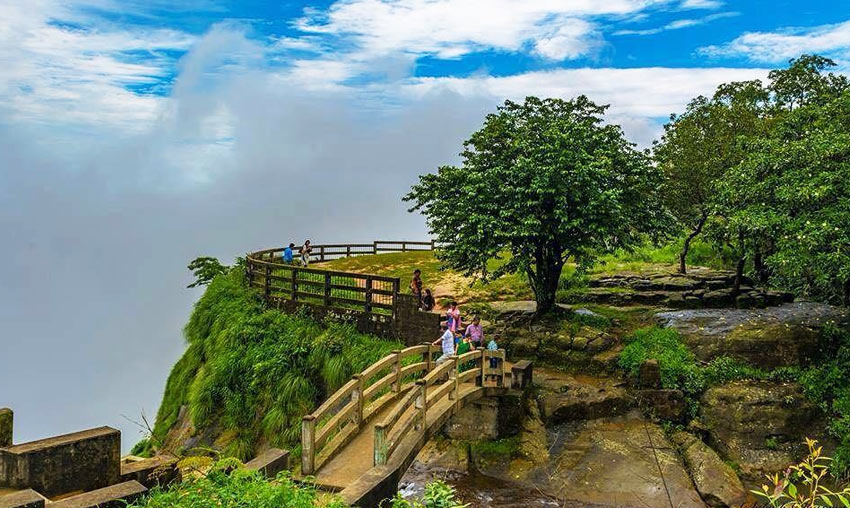
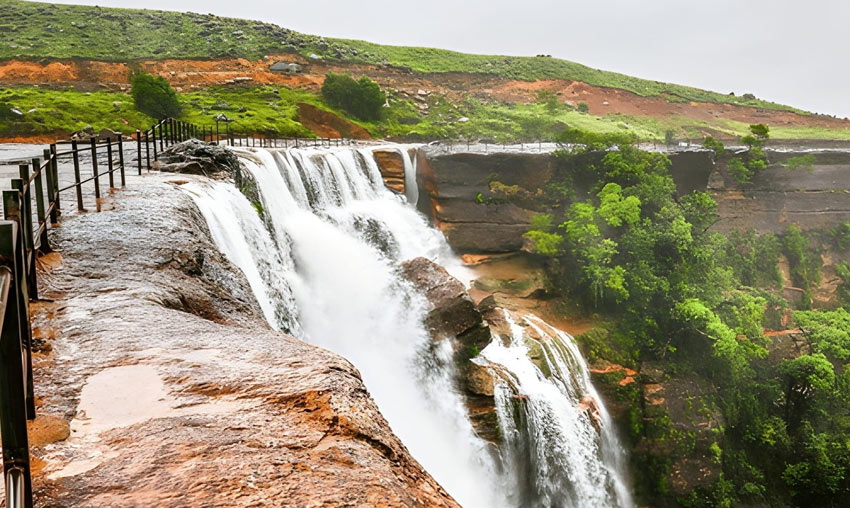
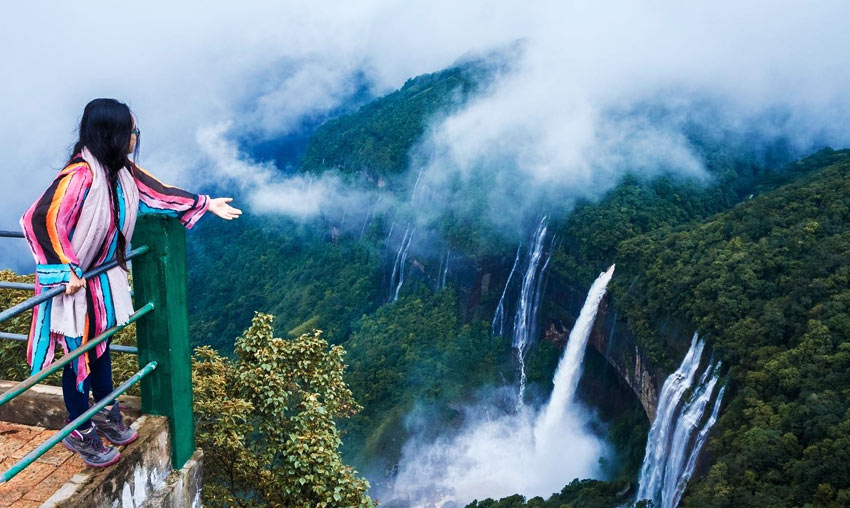
- Nohkalikai Falls: One of India’s most famous plunge waterfalls, known for its dramatic height and blue-green pool.
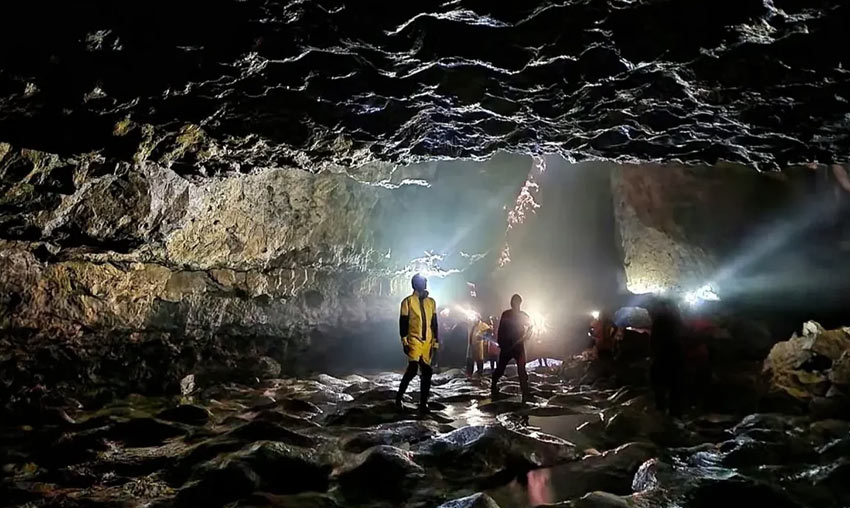
- Mawsmai Cave: A well-known limestone cave with natural rock formations and narrow passages.
- Arwah Cave: A limestone cave known for geological formations and fossil-bearing surfaces.
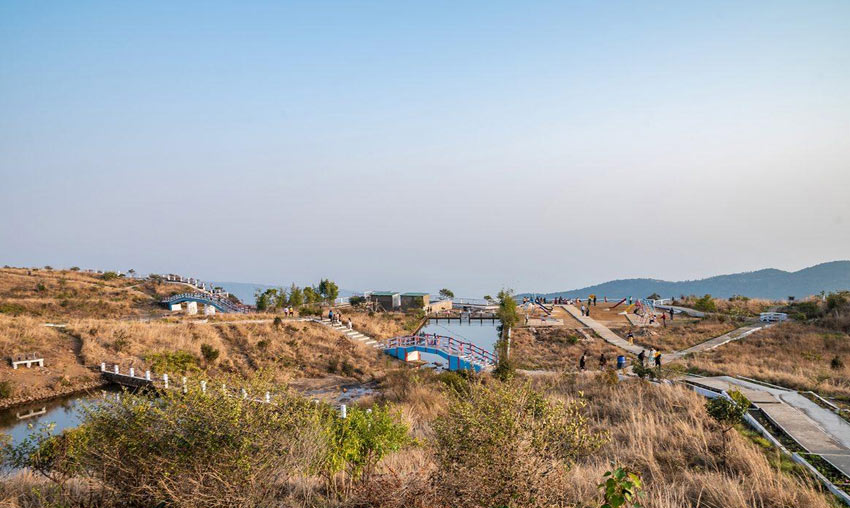
- Sohra Eco Park: A nearby park with viewpoints overlooking the canyons and waterfalls of Sohra.
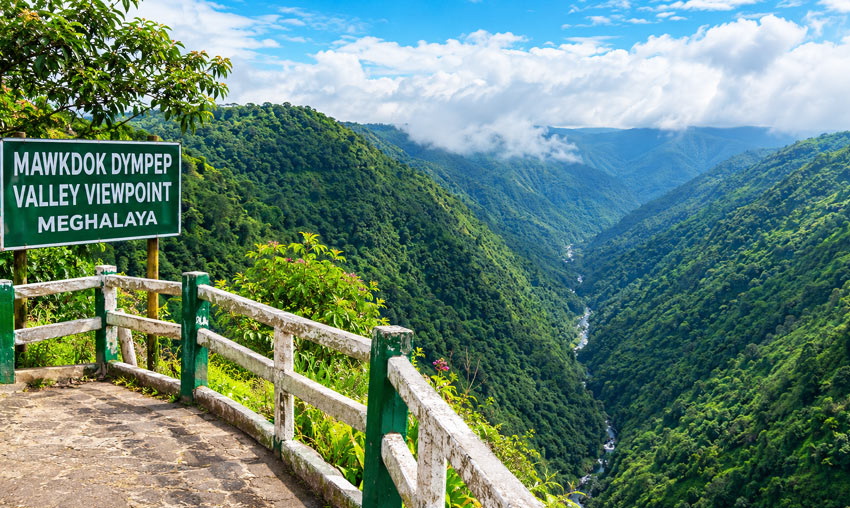
- Mawkdok Dympep Valley Viewpoint: A scenic stop on the road between Shillong and Sohra.
- Khoh Ramhah: A distinctive rock formation and viewpoint in the Sohra region.
Suggested Seven Sisters Falls Sightseeing Plan
If you are staying in Sohra, you can include Seven Sisters Falls in a half-day or full-day sightseeing trip.
- Start from Sohra town in the morning.
- Visit Seven Sisters Falls and enjoy the main viewpoint.
- Explore Mawsmai Cave if it is open and time permits.
- Continue to Sohra Eco Park for valley and waterfall views.
- Visit Nohkalikai Falls or another nearby attraction.
- Return to your accommodation after sightseeing.
If you want to photograph the sunset at Seven Sisters Falls, plan the route and return transport accordingly. This is a suggested itinerary, not a fixed route. Confirm local opening arrangements, weather and road conditions before setting out.
Frequently Asked Questions About Seven Sisters Falls
1. Where is Seven Sisters Falls located?
Seven Sisters Falls is located near Mawsmai village in the Sohra region of East Khasi Hills district, Meghalaya, India.
2. What is the real name of Seven Sisters Falls?
Its official name is Nohsngithiang Falls. It is also popularly known as Seven Sisters Falls and Mawsmai Falls.
3. How tall is Seven Sisters Falls?
Meghalaya Tourism describes the waterfall as having a drop of more than 300 metres. Some tourism references give an approximate height of 315 metres.
4. Why is it called Seven Sisters Falls?
The waterfall is divided into seven distinct streams that flow down the cliff. The name is also popularly associated with the seven northeastern states of India.
5. What is the best time to visit Seven Sisters Falls?
June to September is generally recommended for seeing the waterfall during strong monsoon flow. October and November can also be attractive, depending on recent rainfall and visibility.
6. How far is Seven Sisters Falls from Sohra?
Meghalaya Tourism references place it approximately 3.7 kilometres from Sohra. The road journey is often described as taking around 20 minutes, depending on the starting point and conditions.
7. Can visitors see all seven streams throughout the year?
The visibility and strength of the seven streams depend on seasonal rainfall. They are generally more prominent during the monsoon, while water flow may reduce during the drier months.
8. Is Seven Sisters Falls good for sunset photography?
Yes. Meghalaya Tourism highlights the waterfall as a location for spectacular sunsets. Clear weather and good visibility help create the best photography conditions.
9. Is there an entry fee for Seven Sisters Falls?
A reliable current entry fee is not confirmed here. Check any applicable charges at the viewpoint or nearby park before entering.
10. Can Seven Sisters Falls be visited with Nohkalikai Falls?
Yes. Both waterfalls are popular attractions in the Sohra region and can be included in the same sightseeing itinerary, depending on the time available and local conditions.
Seven Sisters Falls, or Nohsngithiang Falls, is one of the most beautiful natural attractions in Cherrapunji and Meghalaya. Its seven distinct streams, towering limestone cliff, lush valley and memorable sunset views make it a highlight of any trip to Sohra.
The waterfall is particularly impressive during the monsoon, when rainwater transforms the cliff into a spectacular series of cascades. Its connection with the identity of Northeast India’s seven sister states also gives it a special place in the region’s tourism story.
If you are exploring Meghalaya, include Seven Sisters Falls in your Cherrapunji itinerary and experience one of the region’s most remarkable natural landscapes.
Nearby Places to Visit
Nearby Places to Visit