Nohkalikai Falls, Cherrapunji – Complete Travel Guide
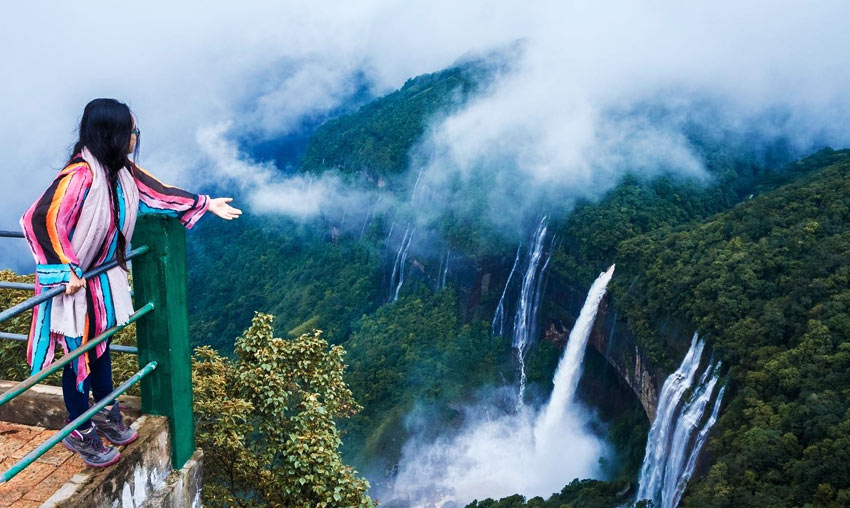
Nohkalikai Falls is one of the most spectacular natural attractions in Meghalaya, located near Sohra, popularly known as Cherrapunji, in the East Khasi Hills district. With an impressive plunge of approximately 340 metres, this waterfall is widely recognised as India’s tallest plunge waterfall. Surrounded by dramatic cliffs, dense greenery and mist-covered hills, Nohkalikai Falls offers an unforgettable experience for nature lovers and travellers exploring Northeast India.
The waterfall drops from a high plateau into a striking blue-green plunge pool below. During the rainy season, the flow becomes especially powerful, creating a dramatic scene against the rugged landscape of the Khasi Hills. Along with its natural beauty, Nohkalikai Falls is associated with a tragic Khasi folk legend that gives the place a distinctive cultural and emotional significance.
Whether you are planning a sightseeing trip from Shillong or exploring the attractions of Sohra, Nohkalikai Falls deserves a place on your Meghalaya travel itinerary.
Overview of Nohkalikai Falls
Nohkalikai Falls is a major tourist attraction in the Sohra region of Meghalaya. It is a plunge waterfall, meaning the water falls almost vertically from a cliff rather than flowing down a long series of rocky steps. The waterfall is fed by rainwater collected across the plateau, so its appearance and water flow change with the seasons.
The viewpoint overlooks the waterfall, the deep valley and the plunge pool at its base. On clear days, visitors can enjoy wide views of the surrounding green hills and cliffs. During cloudy or rainy weather, mist may partially cover the waterfall, creating a different but equally atmospheric landscape.
- Location: Near Sohra (Cherrapunji), East Khasi Hills, Meghalaya, India
- Waterfall height: Approximately 340 metres (1,115 feet)
- Waterfall type: Plunge waterfall
- Nearest town: Sohra (Cherrapunji)
- Distance from Sohra: Approximately 7.5 km
- Known for: Tall vertical drop, blue-green plunge pool, dramatic cliffs and local legend
- Best sightseeing season: Depends on rainfall, visibility and weather conditions
Why Is Nohkalikai Falls Famous?
Nohkalikai Falls is famous for its remarkable height and dramatic natural setting. Its approximately 340-metre plunge makes it one of India’s most impressive waterfalls and a major highlight of Meghalaya tourism.
One of India’s Tallest Plunge Waterfalls
The waterfall descends approximately 340 metres from the edge of a high plateau. Its nearly vertical drop creates a spectacular sight, especially when the water flow is strong after rainfall.
Beautiful Blue-Green Plunge Pool
At the bottom of the waterfall is a deep plunge pool that is often described as emerald or turquoise in colour. The pool, surrounded by steep cliffs and greenery, adds to the distinctive appearance of Nohkalikai Falls.
Dramatic Khasi Hills Landscape
The waterfall is surrounded by rugged cliffs, forested slopes and deep valleys. Changing clouds and mist often transform the scenery, making the viewpoint especially attractive for landscape photography.
A Famous Local Legend
Nohkalikai Falls is also known for a tragic Khasi folk story about a woman named Ka Likai. The legend is closely connected with the name of the waterfall and is an important part of its local cultural identity.
The Legend Behind the Name Nohkalikai Falls
The name Nohkalikai is associated with a tragic local legend about a woman named Ka Likai, who lived in a village near the waterfall. According to the popular version of the story, Likai was a widow who worked hard to support herself and her young daughter.
After remarrying, her second husband reportedly became jealous of the attention she gave to her child. One day, while Likai was away working, he committed a terrible crime against the child. When she returned home, she unknowingly ate food prepared from the remains of her daughter.
After discovering the horrifying truth, Likai was overcome with grief. In despair, she ran towards the edge of the cliff and jumped. The waterfall is said to have been named Nohkalikai in memory of this tragic event.
The name is commonly interpreted as “the leap of Ka Likai” in Khasi. This account is a traditional folk legend, not a verified historical record. It remains one of the most widely told stories associated with the waterfall.
What Can You See at Nohkalikai Falls?
The Main Waterfall Viewpoint
The main viewpoint provides a panoramic view of the waterfall as it plunges down the cliff. Visitors can observe the height of the falls, the surrounding rock formations and the pool below from the designated viewing area.
The Plunge Pool
The blue-green pool at the base is one of the most recognisable features of Nohkalikai Falls. It is best admired from the designated viewpoint. Do not attempt to reach the pool by climbing down unsafe slopes or crossing restricted areas.
Surrounding Cliffs and Forests
The area around the waterfall features steep cliffs and lush vegetation. The combination of green hills, exposed rock and drifting clouds creates excellent opportunities for landscape photography.
Changing Views in Different Seasons
The waterfall changes considerably throughout the year. During the monsoon, water flow is generally stronger, while the drier months may offer clearer skies and better visibility. The experience depends on recent rainfall and local weather.
Best Time to Visit Nohkalikai Falls
The best time to visit Nohkalikai Falls depends on whether you prefer a powerful waterfall or clearer views of the valley. Meghalaya receives heavy monsoon rainfall, and weather conditions can change quickly around Sohra.
June to September – Monsoon Season
During the monsoon, the waterfall usually carries a strong volume of water. The surrounding hills become lush and green, creating a dramatic landscape. However, heavy rainfall, mist, slippery surfaces and reduced visibility can affect sightseeing.
October to December – Post-Monsoon Period
The post-monsoon months can offer a good balance between waterfall flow and sightseeing conditions. The landscape remains green, and clearer weather may provide better views of the falls and valley. Actual water flow depends on recent rainfall.
January to February – Winter Season
Winter is generally drier than the monsoon period. Visitors may experience clearer skies and more comfortable conditions for exploring the viewpoint, although the waterfall can have less water.
March to May – Spring and Early Summer
These months can be suitable for sightseeing when weather conditions are favourable. The waterfall’s flow may vary as the region moves towards the monsoon season.
For a combination of scenic waterfall flow and sightseeing opportunities, October to December is a useful period to consider. Always check the weather forecast before travelling.
How to Reach Nohkalikai Falls
By Road from Sohra (Cherrapunji)
Nohkalikai Falls is approximately 7.5 kilometres from Sohra town. The journey from the town to the waterfall viewpoint generally takes around 20 minutes by road, depending on traffic, weather and road conditions.
Visitors can hire a local taxi or arrange a sightseeing vehicle in Sohra. The viewpoint is accessible by road, but follow local signs and instructions for the final approach.
By Road from Shillong
Shillong is a common starting point for travellers visiting Nohkalikai Falls. The road journey goes towards Sohra through the scenic Khasi Hills. The total road distance depends on the starting point and route, so allow extra time for sightseeing stops and changing weather.
By Air
Lokpriya Gopinath Bordoloi International Airport in Guwahati, Assam, is a commonly used airport for travellers visiting Meghalaya. From Guwahati, visitors can continue by road towards Shillong and Sohra.
Shillong Airport at Umroi is another option, but flight availability is limited. Check the current flight schedule before making travel arrangements.
By Train
Guwahati Railway Station is the main railway gateway commonly used by visitors travelling to Meghalaya. From Guwahati, taxis and other road transport options are available towards Shillong and Sohra.
Timings and Entry Information
The Meghalaya Tourism website lists visiting hours for Nohkalikai Falls as 8:00 AM to 5:00 PM daily. Another official visitor listing gives a 9:00 AM opening time, so travellers should confirm the current schedule locally before visiting.
- Published visiting hours: 8:00 AM to 5:00 PM on the Meghalaya Tourism listing
- Alternative published opening time: 9:00 AM
- Entry fee: Confirm the current fee at the viewpoint entrance
- Photography charges: Check locally, as charges and rules may change
Entry fees and visitor arrangements can change. Do not rely on older online prices; confirm the latest charges at the site before entering.
Travel Tips for Visitors
- Check the weather forecast before leaving Sohra.
- Carry a rain jacket or umbrella, especially during the monsoon.
- Wear comfortable footwear with good grip because surfaces can become slippery.
- Stay behind safety railings and follow all viewpoint instructions.
- Never cross barriers or stand close to the cliff edge for photographs.
- Do not attempt to climb down the cliff to reach the plunge pool.
- Carry drinking water and basic essentials.
- Keep children under close supervision near viewing areas.
- Allow extra time if mist or rain temporarily reduces visibility.
- Respect the local environment and avoid littering.
Photography at Nohkalikai Falls
Nohkalikai Falls is a favourite destination for landscape photography because of its dramatic vertical drop, green cliffs and colourful plunge pool. The waterfall can look very different depending on sunlight, rainfall and cloud cover.
- Morning: A useful time to visit if visibility is clear and you want to avoid some crowds.
- After rainfall: The waterfall may appear fuller and more powerful, but mist can reduce visibility.
- Clear weather: Offers better opportunities to capture the surrounding valley and plunge pool.
- Photography safety: Use designated viewing areas and never cross safety barriers for a photograph.
Nearby Attractions to Explore
Nohkalikai Falls can be included in a sightseeing trip covering other popular attractions in the Sohra region. Visitors can explore caves, waterfalls and viewpoints during the same trip, depending on the time available and road conditions.
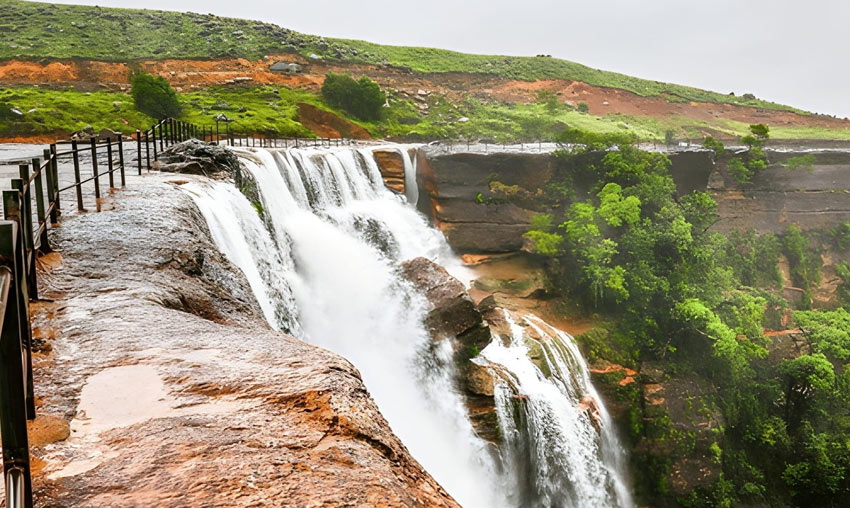
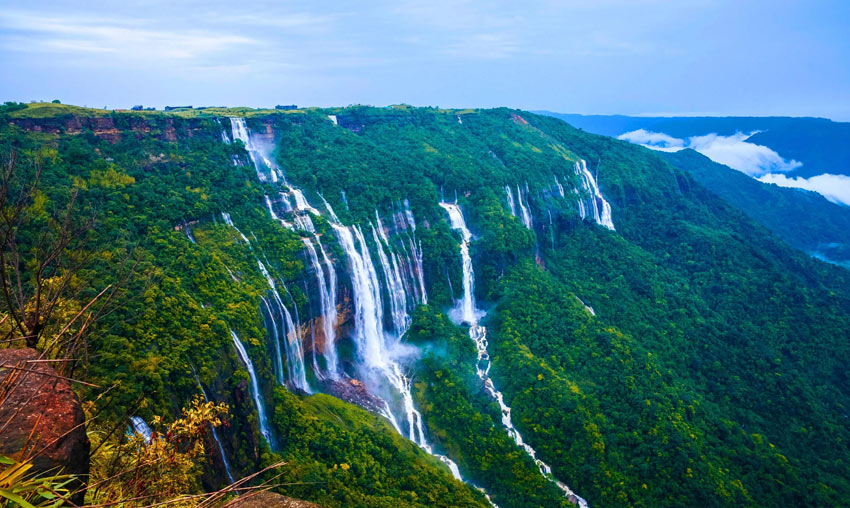
- Seven Sisters Falls (Nohsngithiang): A spectacular waterfall flowing down a limestone cliff in several distinct streams.
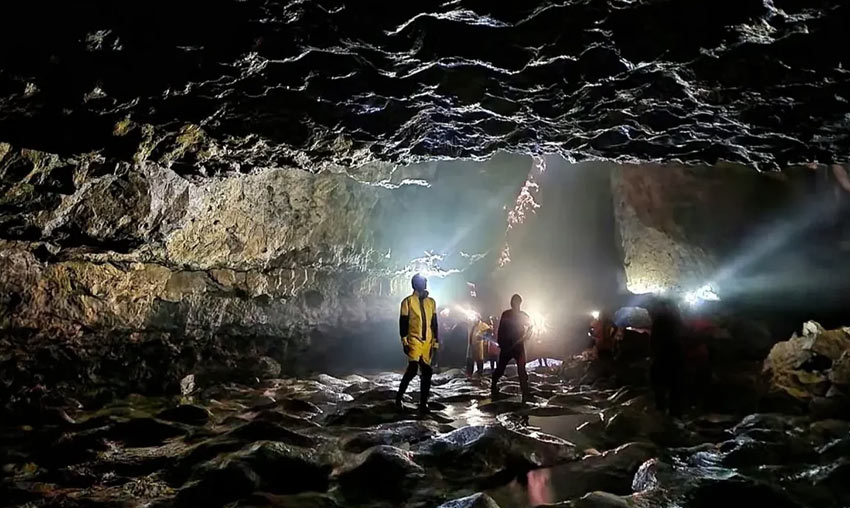
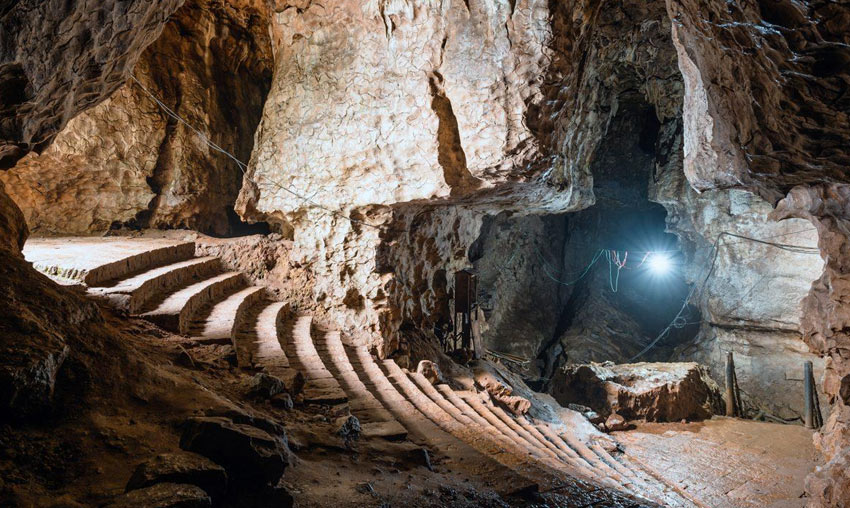
- Mawsmai Cave: A popular limestone cave known for its natural rock formations and passages.
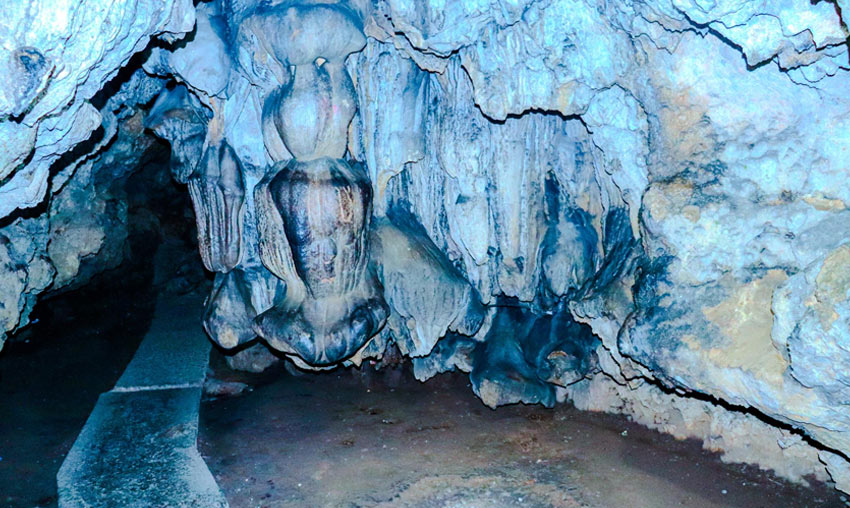
- Arwah Cave: A cave attraction known for limestone formations and fossil-bearing surfaces.
- Dainthlen Falls: A scenic waterfall associated with a well-known Khasi legend.
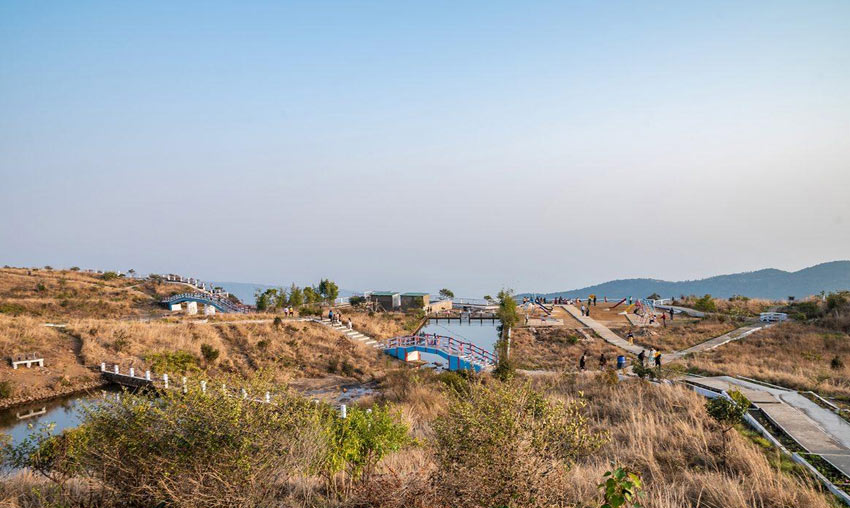
- Thangkharang Park: A viewpoint destination offering views of the surrounding landscape.
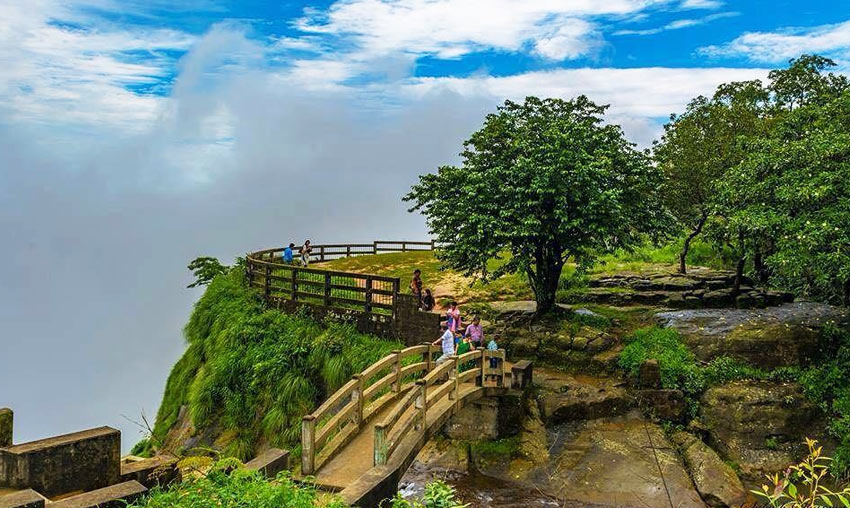
- Sohra Eco Park: A landscaped attraction with viewpoints overlooking the valleys and waterfalls.
Suggested Nohkalikai Falls Sightseeing Plan
If you are staying in Sohra, you can combine Nohkalikai Falls with nearby attractions in a half-day or full-day sightseeing plan.
- Start from Sohra town in the morning.
- Visit the Nohkalikai Falls viewpoint.
- Continue towards Mawsmai Cave, subject to its current opening arrangements.
- Explore Seven Sisters Falls and its viewpoint.
- Visit Dainthlen Falls or another nearby attraction if time permits.
- Return to your accommodation in Sohra.
This is a suggested sightseeing sequence, not a fixed route. Confirm local road conditions, opening arrangements and weather before starting.
Frequently Asked Questions About Nohkalikai Falls
1. Where is Nohkalikai Falls located?
Nohkalikai Falls is located near Sohra, popularly known as Cherrapunji, in the East Khasi Hills district of Meghalaya, India.
2. How tall is Nohkalikai Falls?
Nohkalikai Falls has an approximate height of 340 metres or 1,115 feet. It is widely recognised as India’s tallest plunge waterfall.
3. Why is Nohkalikai Falls famous?
The waterfall is famous for its dramatic vertical drop, blue-green plunge pool, rugged cliffs and the tragic Khasi folk legend associated with its name.
4. What does Nohkalikai mean?
The name is commonly interpreted as “the leap of Ka Likai” and refers to a tragic local legend about a woman named Likai.
5. What is the best time to visit Nohkalikai Falls?
October to December can offer a useful balance of waterfall flow and sightseeing conditions. The monsoon months generally bring stronger water flow but can also bring heavy rain and mist.
6. How far is Nohkalikai Falls from Cherrapunji?
The waterfall is approximately 7.5 kilometres from Sohra town, and the road journey generally takes around 20 minutes, depending on conditions.
7. Can visitors reach the base of Nohkalikai Falls?
The main tourist experience is from the designated viewpoint above the waterfall. The plunge pool is not easily accessible to ordinary visitors. Do not attempt an unsafe descent from the cliff.
8. What are the opening hours of Nohkalikai Falls?
Meghalaya Tourism lists 8:00 AM to 5:00 PM, while another official listing gives 9:00 AM as the opening time. Confirm the current hours locally before visiting.
9. Is there an entry fee at Nohkalikai Falls?
Entry charges may apply, but a reliable current fee is not confirmed here. Check the latest fee at the viewpoint entrance.
10. Can Nohkalikai Falls be visited from Shillong in one day?
Yes. Visitors can travel from Shillong to Sohra and include Nohkalikai Falls in a day trip. Allow enough time for the road journey, sightseeing and other planned stops.
Nohkalikai Falls is one of the most unforgettable natural attractions in Meghalaya. Its approximately 340-metre plunge, striking blue-green pool and dramatic Khasi Hills setting make it a must-see destination for travellers exploring Cherrapunji and Sohra.
Beyond its natural beauty, the waterfall’s connection with the tragic legend of Ka Likai gives the destination a distinctive cultural identity. Whether you visit during the powerful monsoon flow or in the clearer post-monsoon months, Nohkalikai Falls offers a memorable experience.
Plan your visit carefully, follow viewpoint safety instructions and take time to enjoy one of Northeast India’s most remarkable waterfalls.
Nearby Places to Visit
Nearby Places to Visit