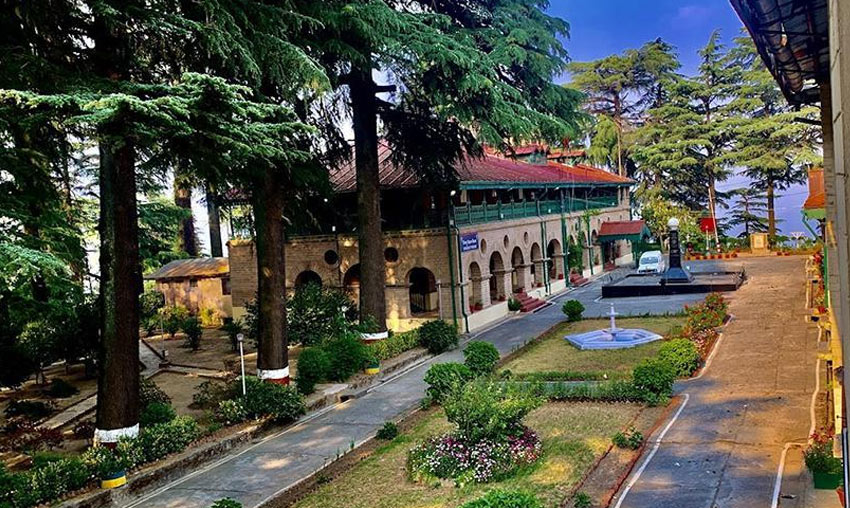
Indian Veterinary Research Institute (IVRI), Mukteshwar – History, Research and Travel Guide
The Indian Veterinary Research Institute (IVRI) at Mukteswar is one of the most historically significant scientific institutions in Uttarakhand. Located amidst the peaceful hills and forests of the Kumaon region, the Mukteswar Campus has an important place in the development of veterinary science and animal disease research in India.
The history of IVRI dates back to 1889, when the Imperial Bacteriological Laboratory was established in Pune. The laboratory was shifted to Mukteswar in 1893, where it became an important centre for research into livestock diseases, vaccines and animal health. Today, the Mukteswar Campus continues to contribute to veterinary research through specialised divisions working in virology and temperate animal husbandry.
For visitors exploring Mukteshwar, IVRI represents a different side of the destination beyond temples, viewpoints and waterfalls. Its scientific heritage, historic association with the region and forested surroundings make it an interesting landmark to learn about during a trip to the Kumaon hills.
About Indian Veterinary Research Institute, Mukteshwar
The Indian Veterinary Research Institute, commonly known as IVRI, is a leading institution dedicated to veterinary and animal sciences. Its Mukteswar Campus is located in the Nainital district of Uttarakhand and is historically associated with the early development of veterinary research in India.
The institution was originally established as the Imperial Bacteriological Laboratory at Pune on 9 December 1889. In 1893, the laboratory was shifted to Mukteswar in the Kumaon hills. The location was selected because its relatively isolated environment and natural conditions were considered suitable for research involving infectious microorganisms and animal diseases.
The Mukteswar Campus is spread across a large estate of approximately 3,450 acres, according to the institute’s official campus information. It houses specialised research divisions and facilities that support veterinary science and livestock research.
IVRI operates under the Indian Council of Agricultural Research (ICAR), Government of India. Its headquarters are at Izatnagar, Bareilly, Uttar Pradesh, while Mukteswar is one of its important campuses.
History of IVRI Mukteshwar
The history of IVRI Mukteswar is closely connected with India’s early efforts to understand and control serious livestock diseases. During the late nineteenth century, cattle diseases caused major difficulties for livestock owners and agricultural communities. There was a growing need for organised scientific research, disease investigation and the development of preventive treatments.
Establishment of the Imperial Bacteriological Laboratory in 1889
The institution began as the Imperial Bacteriological Laboratory in Pune on 9 December 1889. Dr Alfred Lingard played an important role in its early development and scientific work. The laboratory initially focused on bacteriological research and the preparation of biological products for controlling animal diseases.
Shifting of the Laboratory to Mukteswar in 1893
In 1893, the laboratory was shifted from Pune to Mukteswar in the Kumaon hills. The move was considered important because the isolated location and natural environment were more suitable for handling infectious microorganisms and pathological materials.
The institute’s official history explains that the cold climate, natural surroundings and distance from densely populated areas were among the reasons for selecting Mukteswar. The location also offered conditions considered suitable for research involving vaccines, sera and infectious diseases.
Early Research on Livestock Diseases
One of the major challenges during the early years was rinderpest, also known as cattle plague. It was a highly destructive disease affecting cattle and other livestock. The institute gave priority to research aimed at controlling this disease.
According to the institute’s historical records, the first batch of anti-rinderpest serum was produced in 1899. By 1906, the institution had also begun producing antisera against diseases such as anthrax, haemorrhagic septicaemia and tetanus, along with other veterinary biological products.
Development of the Izatnagar Campus in 1913
As research and production activities expanded, a sub-centre was established at Izatnagar near Bareilly in 1913. This campus supported large-scale production of sera and vaccines and allowed certain research and manufacturing activities to be carried out in the plains.
Over the following decades, Izatnagar expanded and eventually became the headquarters of the institute. Mukteswar, however, retained its importance as a specialised research campus.
From Imperial Veterinary Research Institute to Indian Veterinary Research Institute
The institution underwent several name changes during its development. It was renamed the Imperial Institute of Veterinary Research in 1925 and later became the Imperial Veterinary Research Institute in 1936.
After India’s independence, the institute was renamed the Indian Veterinary Research Institute. Its headquarters were shifted to Izatnagar, while the Mukteswar Campus continued its scientific and research activities.
Research Activities at IVRI Mukteshwar Campus
The Mukteswar Campus continues to play a specialised role in veterinary research. According to the institute’s official campus information, two important divisions operating here are the Division of Virology and the Division of Temperate Animal Husbandry.
1. Division of Virology
The Division of Virology conducts basic, adaptive and applied research on viral diseases affecting animals. Its work contributes to understanding animal viruses and supporting the development of scientific approaches for disease diagnosis, prevention and control.
The campus also houses the Central Typing Laboratory, which is being developed as an International Centre for Foot-and-Mouth Disease (FMD) virus typing. This work is important for understanding different types of the virus and supporting research related to livestock disease management.
2. Division of Temperate Animal Husbandry
The Division of Temperate Animal Husbandry focuses on livestock production under temperate climatic conditions. Its research includes the improvement of goats for pashmina production and other aspects of livestock development suited to hill and temperate environments.
This research is relevant to mountain communities where animal husbandry forms an important part of rural livelihoods. Scientific improvements in livestock management can contribute to better productivity and sustainable animal-based farming practices.
3. Extension Education and Research Support
The Mukteswar Campus also has facilities and sections supporting extension education, administration and other institutional activities. These functions help connect scientific research with practical veterinary and livestock-related requirements.
Why Was Mukteshwar Selected for Veterinary Research?
The selection of Mukteswar as a research location was closely linked to the scientific challenges of the late nineteenth century. Research involving infectious microorganisms required a setting that could offer a degree of isolation from densely populated areas.
The institute’s official history identifies several reasons for selecting Mukteswar:
- Isolated location: Its distance from densely populated areas was considered useful for research involving infectious materials.
- Cool climate: The climate was considered suitable for preserving certain vaccines and sera.
- Natural surroundings: The forested environment provided a relatively undisturbed setting for scientific work.
- Research facilities: The estate offered space for experimental activities and livestock-related research.
- Mountain environment: The natural conditions supported research activities connected with animal health and livestock production in hill regions.
IVRI Mukteshwar and Its Historical Importance
IVRI Mukteswar is an important part of India’s scientific history. Its development reflects the country’s early efforts to establish organised veterinary research and address diseases that threatened livestock and rural economies.
The institute’s work on rinderpest, anthrax and other livestock diseases contributed to the growth of veterinary science and the development of biological products for animal health.
The Mukteswar Campus also represents the scientific heritage of the Kumaon region. Its association with early bacteriological research makes it a distinctive landmark among the many natural and religious attractions of Mukteshwar.
What Makes IVRI Mukteshwar Interesting for Travellers?
IVRI is primarily a research institution, not a conventional tourist attraction. However, its historical significance makes it an interesting landmark for travellers who enjoy learning about the heritage and institutions of the places they visit.
1. A Landmark with a Long Scientific History
The campus is associated with the development of veterinary research in India from the nineteenth century onwards. Its history offers a glimpse into the early scientific efforts to control livestock diseases.
2. Connection with the Kumaon Hills
The location of the campus reflects the importance of Mukteswar in the history of Indian veterinary science. The surrounding hills and forested landscape also show why the region was considered suitable for an isolated research establishment.
3. A Different Side of Mukteshwar
Most visitors explore Mukteshwar for its temples, viewpoints, orchards and mountain scenery. IVRI adds a scientific and historical dimension to the destination and provides a different perspective on the region.
Can Tourists Visit IVRI Mukteshwar Campus?
IVRI Mukteswar is an institutional research campus with scientific facilities, administrative areas and other restricted sections. It should not be treated as an unrestricted public sightseeing attraction.
Visitors interested in exploring the campus should contact the institute or obtain the necessary permission before planning an entry. Access to research buildings, laboratories, animal facilities and other institutional areas may be restricted.
Do not assume that photography, guided tours or entry into the campus are permitted without authorisation. Follow the instructions of campus authorities and security personnel.
- Type: Government veterinary research institution
- Campus: Mukteswar Campus of ICAR-IVRI
- Location: Mukteshwar, Nainital district, Uttarakhand
- Public entry: Confirm permission and access rules with the institute
- Research areas: Virology and Temperate Animal Husbandry
- Visitor timings: No general tourist visiting schedule should be assumed; contact the institute
Best Time to Explore the Mukteshwar Region
Although access to the IVRI campus depends on institutional permission, the wider Mukteshwar region can be explored during different seasons. The best time depends on the weather and the type of sightseeing experience you prefer.
March to June
Spring and summer are popular periods for visiting Mukteshwar. The weather is generally pleasant compared with the plains, making this season suitable for sightseeing, temple visits and exploring nearby attractions.
July to September
The monsoon season brings greenery to the Kumaon hills. However, rainfall can make mountain roads slippery and may cause travel delays. Check weather and road conditions before starting your journey.
October to November
Autumn is a pleasant season for exploring the region. Visitors may enjoy comfortable weather and clearer views of the surrounding hills, depending on local conditions.
December to February
Winter brings cold weather to Mukteshwar. Carry warm clothing and check road conditions before travelling. Frost, snow or icy patches may affect some routes during certain weather conditions.
How to Reach IVRI Mukteshwar
The IVRI Mukteswar Campus is located in the Nainital district of Uttarakhand. Visitors can reach the Mukteshwar region by road from nearby towns and railway stations.
By Road
Mukteshwar is connected by road with Nainital, Bhowali, Bhimtal, Haldwani and Kathgodam. Private vehicles and taxis are commonly used to reach the destination. The final part of the journey involves hilly roads, so drive carefully.
By Train
Kathgodam is a major railway station serving the Nainital region. From Kathgodam, visitors can hire a taxi or use available road transport to reach Mukteshwar.
By Air
Pantnagar Airport is commonly used for reaching the Nainital region by air. From the airport, visitors need to continue by road to Mukteshwar. Check available flights and road transport options before planning your trip.
Places to Visit Near IVRI Mukteshwar
There are several attractions around Mukteshwar that visitors can explore during the same trip. These include religious landmarks, natural viewpoints, waterfalls and places connected with local history.
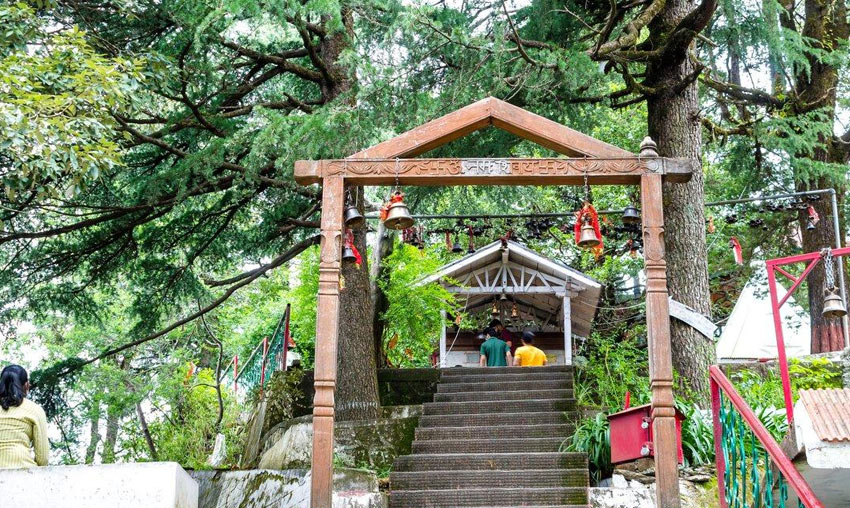
- Mukteshwar Dham Temple – A well-known Shiva temple and an important religious landmark of the region.
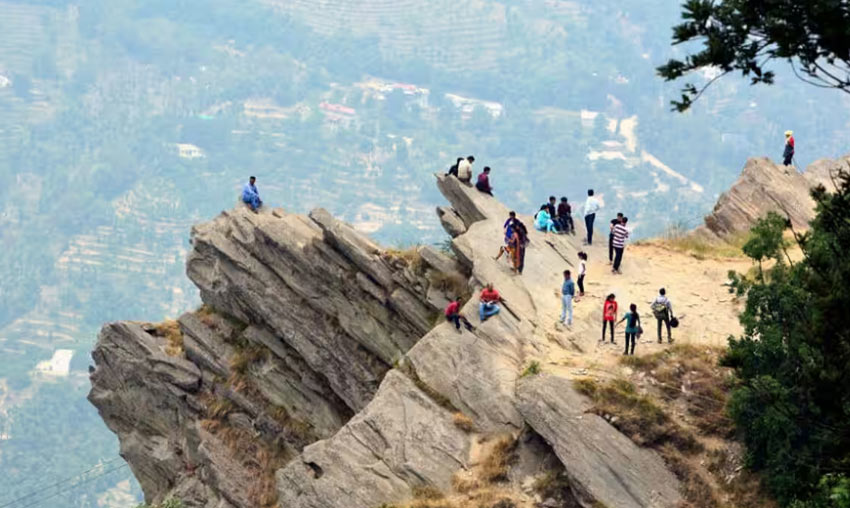
- Chauli Ki Jali – A dramatic natural rock formation known for its openings, cliffside setting and valley views.
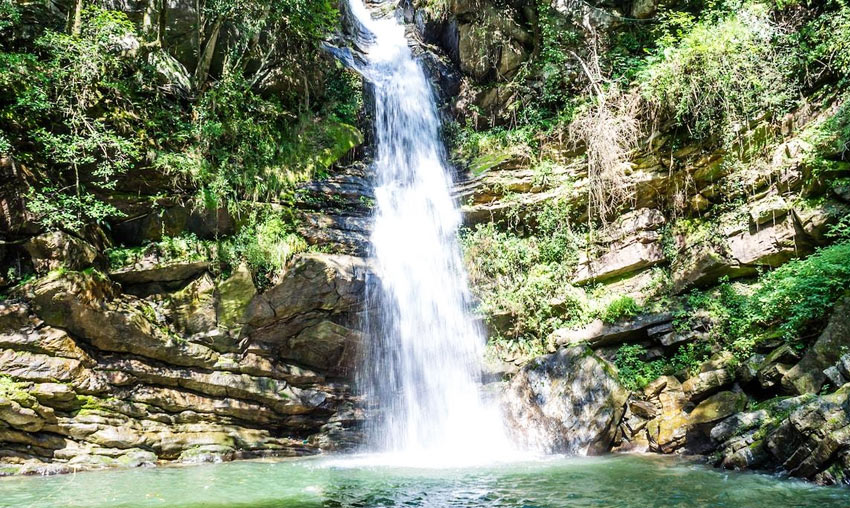
- Bhalu Gaad Waterfall – A natural waterfall surrounded by forested scenery near Mukteshwar.
- Starscapes Observatory – An astronomy-related attraction offering sky observation experiences subject to operating schedules.
For a complete list of sightseeing attractions, read our Mukteshwar Tourism Guide.
Suggested Mukteshwar Sightseeing Itinerary
If you are planning a day around Mukteshwar, you can combine nearby public attractions in a convenient sightseeing plan. Remember that visiting the IVRI campus itself requires confirmation of entry permission.
- Morning: Visit Mukteshwar Dham Temple and offer prayers.
- Late Morning: Explore Chauli Ki Jali and enjoy the natural rock formations and valley views.
- Afternoon: If you have prior permission, visit the IVRI Mukteswar Campus according to the institute’s visitor instructions.
- Later in the Day: Explore Mukteshwar market or another nearby attraction depending on your available time.
This is a suggested sightseeing plan, not an official IVRI tour schedule. Actual access and travel time may vary depending on permissions, weather and local conditions.
Travel Tips for Visiting IVRI Mukteshwar
- Contact the institute before planning a campus visit.
- Carry valid identification if required by the campus authorities.
- Follow all security and visitor instructions.
- Do not enter laboratories, animal facilities or restricted areas without permission.
- Ask for approval before taking photographs or recording videos.
- Wear comfortable shoes suitable for walking in a hill environment.
- Carry warm clothing during winter and early morning visits.
- Check weather and road conditions during the monsoon and winter seasons.
- Keep the surrounding environment clean and avoid disturbing wildlife.
Frequently Asked Questions About IVRI Mukteshwar
1. What is the full form of IVRI?
IVRI stands for Indian Veterinary Research Institute. It is an institution dedicated to research, education and development in veterinary and animal sciences.
2. Where is IVRI Mukteshwar located?
The IVRI Mukteswar Campus is located in Mukteswar, Nainital district, Uttarakhand, in the Kumaon Himalayan region.
3. When was IVRI shifted to Mukteshwar?
The Imperial Bacteriological Laboratory was established in Pune in 1889 and shifted to Mukteswar in 1893.
4. Why was IVRI established in Mukteshwar?
Mukteswar was selected because its isolated location, cool climate and natural surroundings were considered suitable for research involving infectious microorganisms, animal diseases, vaccines and sera.
5. What research is conducted at IVRI Mukteshwar?
The Mukteswar Campus houses the Division of Virology and the Division of Temperate Animal Husbandry. Research includes animal viral diseases and livestock production under temperate conditions.
6. Is IVRI Mukteshwar open to tourists?
IVRI is an institutional research campus, not an unrestricted tourist attraction. Visitors should contact the institute and obtain permission before entering the campus.
7. Is there a museum at IVRI Mukteshwar?
The institute’s campus information has mentioned a proposal to develop a National Veterinary Museum at Mukteswar. Visitors should not assume that a public museum is currently operational without checking with the institute.
8. What is the connection between IVRI Mukteshwar and Izatnagar?
The original laboratory was shifted to Mukteswar in 1893. A sub-centre was established at Izatnagar in 1913 for large-scale production of sera and vaccines. Izatnagar later became the institute’s headquarters, while Mukteswar continued as a specialised research campus.
9. What are the nearby attractions of IVRI Mukteshwar?
Nearby attractions include Mukteshwar Dham Temple, Chauli Ki Jali, Bhalu Gaad Waterfall and Starscapes Observatory.
The Indian Veterinary Research Institute at Mukteswar is an important landmark in the scientific history of India. Established through the early development of the Imperial Bacteriological Laboratory, the campus became a major centre for veterinary research after its relocation to the Kumaon hills in 1893.
Its work in animal virology, livestock research and temperate animal husbandry continues to connect the region with India’s wider scientific and agricultural development. Although the campus is primarily a research institution and requires permission for entry, its historical importance makes it a noteworthy part of Mukteshwar’s identity.
While exploring this beautiful hill destination, visitors can also discover Mukteshwar Dham Temple, Chauli Ki Jali and other attractions through our complete Mukteshwar Tourism Guide.

Nearby Places to Visit