Haridwar Kumbh Mela 2027 – Complete Guide to Dates, Amrit Snan, Ghats & Travel
Haridwar Kumbh Mela 2027 is one of the most significant religious gatherings scheduled to take place in the holy city of Haridwar, Uttarakhand. Celebrated on the sacred banks of the River Ganga, the event will bring together millions of devotees, saints, spiritual leaders, pilgrims and international visitors for holy bathing rituals, religious ceremonies and spiritual celebrations.
Also known as the Haridwar Ardh Kumbh Mela 2027, this grand religious gathering will transform the ancient pilgrimage city into a major centre of spirituality and devotion. Devotees will travel from different parts of India and abroad to take a sacred dip in the Ganga, visit important temples, participate in religious events and seek blessings from saints and Akharas.
The Kumbh Mela is not just a religious event but also a remarkable celebration of India’s ancient traditions, spiritual heritage and cultural diversity. From the famous Har Ki Pauri Ganga Ghat to the grand processions of saints and the peaceful atmosphere of ashrams, Haridwar offers a unique spiritual experience during this historic gathering.
Whether you are planning a pilgrimage, a family visit or a cultural journey, this complete guide to Haridwar Kumbh Mela 2027 covers important bathing dates, Amrit Snan, religious significance, major ghats, temples, accommodation, travel information, safety guidelines and useful visitor tips.
Haridwar Kumbh Mela 2027 – Important Highlights
| Travel Information | Details |
|---|---|
| Event Name | Haridwar Ardh Kumbh Mela 2027 |
| Location | Haridwar, Uttarakhand, India |
| River | River Ganga |
| Event Period | 1 January to 30 April 2027 (announced) |
| Major Bathing Dates | 11 dates listed on the official Kumbh portal |
| Amrit Snan | 6 March, 8 March, 15 March and 14 April 2027 (current portal listing) |
| Main Bathing Ghat | Har Ki Pauri and Brahmakund |
| Organising Authority | Haridwar Kumbh Mela Administration, Government of Uttarakhand |
| Nearest Airport | Jolly Grant Airport, Dehradun |
| Nearest Railway Station | Haridwar Junction |
| Official Website | https://haridwarkumbh.uk.gov.in/ |
What Is Haridwar Kumbh Mela?
Kumbh Mela is one of the largest religious gatherings in the Hindu tradition. It is organised at four sacred pilgrimage destinations in India: Haridwar, Prayagraj, Ujjain and Nashik. Each location has a special religious and astrological significance associated with the festival.
Haridwar is considered one of the most sacred places for the Kumbh Mela because the River Ganga flows through this ancient pilgrimage city. According to Hindu beliefs, taking a holy dip in the Ganga during an auspicious Kumbh bathing period helps devotees seek spiritual purification and divine blessings.
The 2027 gathering is being organised as an Ardh Kumbh Mela. The term Ardh Kumbh traditionally refers to the six-year Kumbh cycle observed at Haridwar and Prayagraj between the larger twelve-year Kumbh gatherings.
During the event, devotees participate in sacred bathing rituals, prayers, religious discourses, spiritual gatherings and processions organised by different Akharas. The city becomes a meeting point for India’s diverse spiritual traditions.
Haridwar Kumbh Mela 2027 Dates and Schedule
Haridwar Kumbh Mela 2027 is scheduled from January to April 2027. The Mela administration has announced important bathing festivals based on religious traditions and auspicious dates.
The official Haridwar Kumbh portal currently lists 11 major bathing dates, including four Amrit Snan occasions. Visitors should check the latest official notifications before finalising their travel plans because the bathing arrangements and operational schedule may be updated.
Complete Haridwar Kumbh Mela 2027 Bathing Dates
| Date | Occasion | Bathing Significance |
|---|---|---|
| 14 January 2027 | Makar Sankranti | Important sacred bathing festival |
| 6 February 2027 | Mauni Amavasya | Important Amavasya bathing day |
| 11 February 2027 | Basant Panchami | Auspicious bathing occasion |
| 20 February 2027 | Magh Purnima | Sacred full moon bathing festival |
| 6 March 2027 | Maha Shivratri | Amrit Snan |
| 8 March 2027 | Phalguna Amavasya | Amrit Snan |
| 15 March 2027 | Dev Doli | Amrit Snan |
| 7 April 2027 | Nav Samvatsar | Important bathing festival |
| 14 April 2027 | Mesh Sankranti / Baisakhi | Main Amrit Snan |
| 15 April 2027 | Ram Navami | Sacred bathing occasion |
| 20 April 2027 | Chaitra Purnima | Final listed bathing festival |
Important: An earlier official announcement described 10 bathing festivals and four Amrit Snans, while the subsequently published official portal schedule lists 11 bathing dates. This table follows the newer portal listing. Check the official website for the latest confirmed schedule and bathing arrangements.
What Is Amrit Snan During Kumbh Mela?
Amrit Snan is one of the most spiritually significant rituals associated with Kumbh Mela. It refers to the sacred bathing ceremony performed on specially designated auspicious occasions.
During an Amrit Snan, saints and members of different Akharas participate in traditional processions before taking a holy dip in the River Ganga. These processions may feature religious flags, traditional music, Naga Sadhus, spiritual leaders and ceremonial arrangements.
Thousands of devotees gather to witness these religious processions and participate in the sacred bathing ceremonies. Amrit Snan days are generally among the busiest periods of the Kumbh Mela, requiring special crowd management and security arrangements.
Amrit Snan Dates in Haridwar Kumbh 2027
- 6 March 2027: Maha Shivratri Amrit Snan.
- 8 March 2027: Phalguna Amavasya Amrit Snan.
- 15 March 2027: Dev Doli Amrit Snan.
- 14 April 2027: Mesh Sankranti or Baisakhi, the main Amrit Snan.
These dates follow the current official portal listing. Bathing timings, procession schedules and access to individual ghats should be checked through official announcements.
Religious Significance of Haridwar Kumbh Mela
Haridwar holds a special position in Hindu religious traditions. The city’s name is often interpreted as the gateway to Hari, or Lord Vishnu, and it is also known as Gangadwar because the sacred River Ganga enters the plains of northern India through this region.
According to Hindu mythology, the Kumbh tradition is connected with the Samudra Manthan, or the churning of the cosmic ocean by the Devas and Asuras. During this event, a pot containing Amrit, the divine nectar of immortality, emerged from the ocean.
According to the traditional story, drops of Amrit fell at four sacred places: Haridwar, Prayagraj, Ujjain and Nashik. These destinations subsequently became important centres for the Kumbh celebrations.
For millions of Hindu devotees, taking a dip in the holy Ganga during an auspicious Kumbh bathing occasion represents spiritual purification, devotion and the pursuit of liberation.
The gathering also provides an opportunity to listen to religious teachings, participate in prayers and connect with saints, spiritual teachers and different Hindu traditions.
Har Ki Pauri – The Main Bathing Ghat of Kumbh Mela
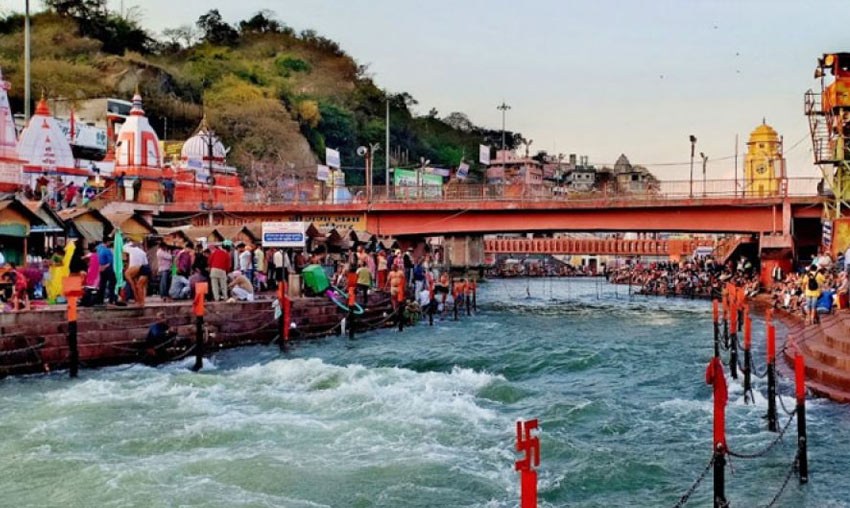
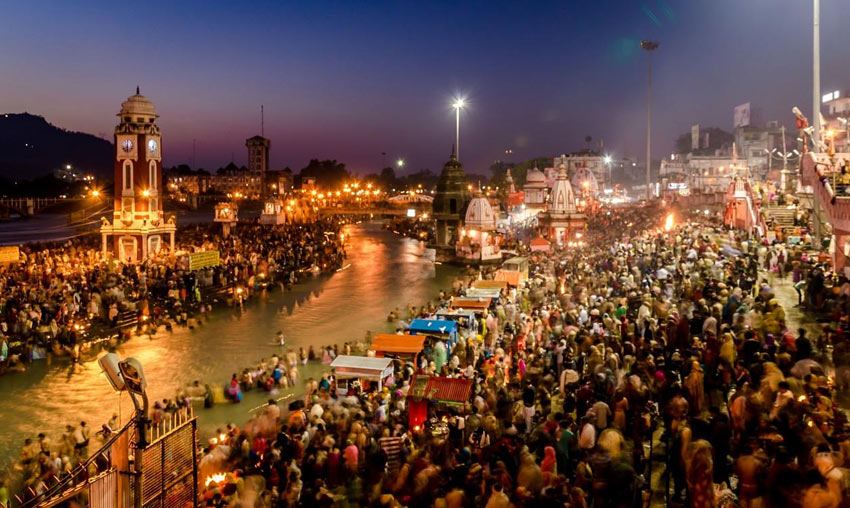
Har Ki Pauri is the most famous and spiritually significant ghat in Haridwar. Located along the banks of the River Ganga, it is the primary centre for religious bathing, prayers and Ganga Aarti ceremonies.
The name Har Ki Pauri is traditionally associated with the sacred footprints of Lord Vishnu. The ghat is also closely connected with Brahmakund, which is regarded as an especially sacred bathing area.
During Haridwar Kumbh Mela 2027, Har Ki Pauri and the surrounding Ganga ghats are expected to attract large numbers of pilgrims. Devotees visit the area to take a holy dip, offer prayers and experience the spiritual atmosphere of the gathering.
The evening Ganga Aarti is another major attraction. Priests perform the ritual with illuminated lamps, devotional chants and traditional prayers, creating a memorable spiritual experience.
During major bathing festivals, access to the ghat may be controlled through designated routes and security arrangements. Visitors should follow the instructions of the Mela administration and police.
Important Ghats to Visit During Haridwar Kumbh Mela
Haridwar has several important bathing ghats along the River Ganga. Each ghat has its own religious significance and attracts devotees throughout the year.
1. Har Ki Pauri Ghat
Har Ki Pauri is the most popular bathing destination in Haridwar. It is known for Brahmakund, sacred bathing rituals and the famous evening Ganga Aarti. During Kumbh Mela, it becomes one of the central areas for religious activities.
2. Brahmakund
Brahmakund is located within the Har Ki Pauri complex and is regarded as one of the most sacred bathing areas in Haridwar. Devotees consider bathing here during auspicious occasions particularly significant.
3. Gau Ghat
Gau Ghat is another important religious bathing location in Haridwar. It is associated with traditional Hindu rituals and is visited by devotees seeking spiritual blessings.
4. Vishnu Ghat
Vishnu Ghat is a well-known bathing ghat situated near the main religious areas of Haridwar. It attracts pilgrims who visit the city for prayers and sacred bathing.
5. Subhash Ghat
Subhash Ghat is located close to Har Ki Pauri and forms part of the important Ganga riverfront area. Its location makes it a familiar place for pilgrims exploring the central ghats.
6. Kushavarta Ghat
Kushavarta Ghat is an important religious location in Haridwar, particularly associated with traditional Hindu rites and rituals. Pilgrims visit this ghat for spiritual ceremonies and prayers.
During Kumbh Mela, bathing access at individual ghats may change according to crowd management, water conditions and official arrangements. Always use designated bathing areas.
Important Temples to Visit During Haridwar Kumbh Mela 2027
A pilgrimage to Haridwar is incomplete without visiting its famous temples. During Kumbh Mela, devotees often combine sacred bathing rituals with temple visits and religious activities.
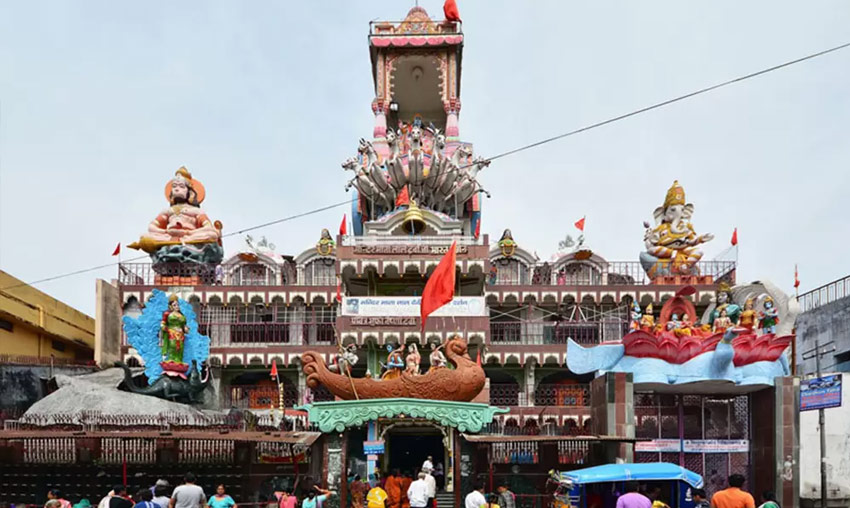
1. Mansa Devi Temple
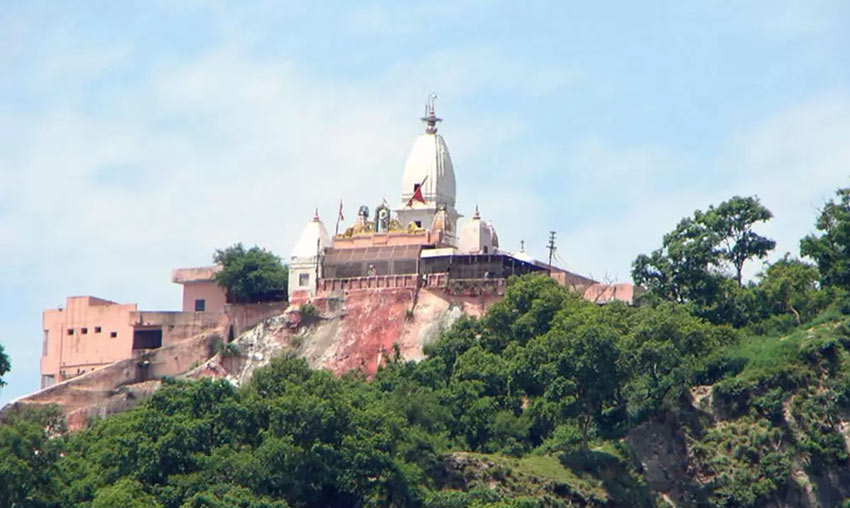
Mansa Devi Temple is one of the most important Hindu temples in Haridwar. Located on Bilwa Parvat, the temple is dedicated to Goddess Mansa Devi, who is worshipped as a form of Shakti.
Devotees visit the temple to offer prayers and seek blessings for the fulfilment of their wishes. Visitors can reach the temple through a trekking route or the ropeway service, subject to operational availability and crowd restrictions.
2. Chandi Devi Temple
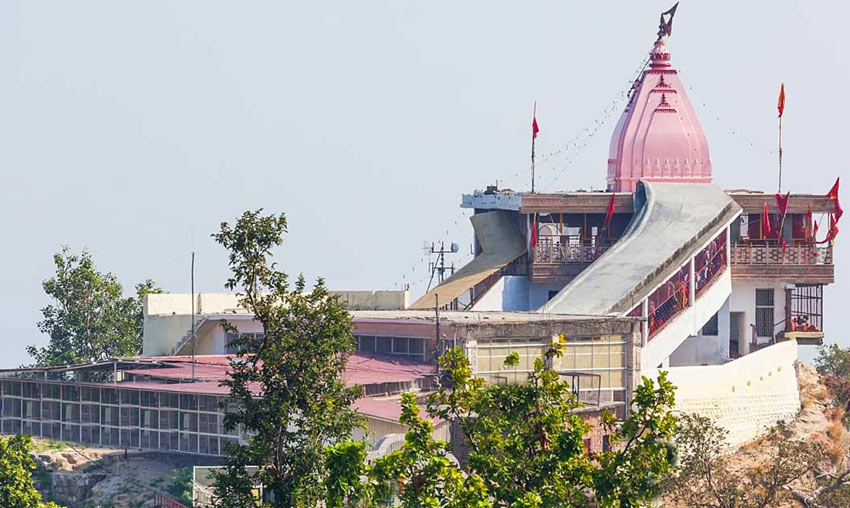
Chandi Devi Temple is situated on Neel Parvat and is dedicated to Goddess Chandi. It is one of the prominent Shakti temples in Haridwar and attracts pilgrims throughout the year.
The temple can be reached by trekking or through the ropeway service when operational. It also offers beautiful views of the surrounding hills and the holy city.
3. Maya Devi Temple
Maya Devi Temple is an ancient religious shrine dedicated to Goddess Maya. It is considered one of the important Shakti Peethas associated with Haridwar and holds great religious significance among devotees.
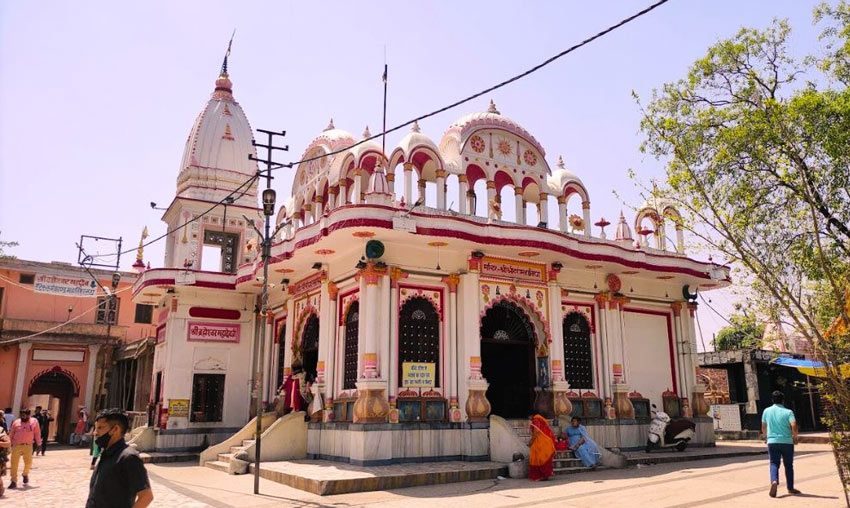
4. Daksh Mahadev Temple
Daksh Mahadev Temple is located in Kankhal, an important religious neighbourhood of Haridwar. Dedicated to Lord Shiva, the temple is associated with the story of King Daksha and Goddess Sati in Hindu mythology.
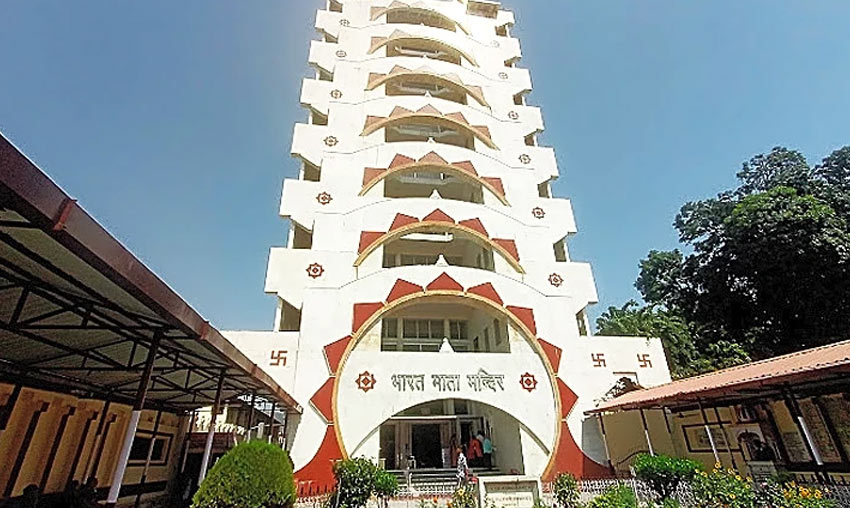
5. Bharat Mata Mandir
Bharat Mata Mandir is a unique multi-storey temple dedicated to Mother India. It celebrates the country’s cultural heritage, history and spiritual traditions through different floors and displays.
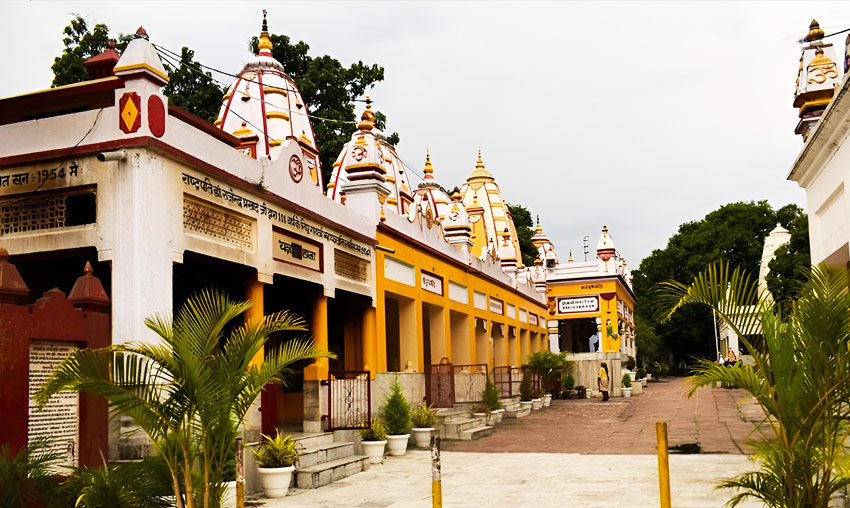
6. Shantikunj
Shantikunj is a well-known spiritual and cultural centre associated with the All World Gayatri Pariwar. It is visited by devotees interested in meditation, spiritual learning, prayers and Indian traditions.
Akharas and Naga Sadhus During Kumbh Mela
Akharas play an important role in the traditions and organisation of Kumbh Mela. They are traditional religious institutions associated with different orders of Hindu saints and spiritual communities.
During Kumbh celebrations, representatives of different Akharas participate in religious ceremonies, spiritual discussions and ceremonial processions.
Naga Sadhus are among the most recognisable groups associated with Kumbh Mela. They are traditionally known for their ascetic lifestyle, spiritual discipline and association with Shaivite traditions.
Their participation in Amrit Snan processions attracts considerable attention from pilgrims, photographers and visitors. These processions form an important part of the religious and cultural atmosphere of the Kumbh.
Visitors should respect the privacy, customs and religious practices of saints and Akharas while observing or photographing ceremonies.
Major Religious Activities and Events During Kumbh Mela
Haridwar Kumbh Mela is much more than a bathing festival. It brings together several religious and cultural activities that reflect India’s spiritual traditions.
Holy Ganga Snan
The sacred bath in the River Ganga is the central activity of Kumbh Mela. Devotees visit designated ghats on auspicious bathing days to perform religious rituals and offer prayers.
Ganga Aarti
Ganga Aarti is one of the most beautiful spiritual experiences in Haridwar. During the evening ceremony, priests perform traditional prayers using illuminated lamps, accompanied by devotional chants and bells.
Shobha Yatras and Religious Processions
Different Akharas and religious groups organise traditional processions during important Kumbh occasions. These ceremonies feature spiritual leaders, devotional music, religious flags and traditional customs.
Bhajan and Kirtan
Devotional singing, bhajans and kirtans are an important part of the spiritual environment during Kumbh Mela. Devotees gather at temples, ashrams and religious camps to participate in devotional programmes.
Spiritual Discourses and Pravachans
Saints, religious scholars and spiritual teachers conduct discourses on Hindu philosophy, religious texts, meditation and spiritual practices. These gatherings provide visitors with opportunities to learn about India’s ancient traditions.
Yajnas and Religious Rituals
Various religious institutions organise yajnas, prayers and traditional ceremonies during the Mela. These activities form an important part of the spiritual celebrations.
Things to Do During Haridwar Kumbh Mela 2027
- Take a sacred dip in the River Ganga at an officially designated bathing ghat.
- Attend the famous Ganga Aarti at Har Ki Pauri when access is available.
- Witness traditional Akhara processions and religious ceremonies.
- Visit important temples such as Mansa Devi and Chandi Devi.
- Attend spiritual discourses and devotional programmes.
- Explore traditional ashrams and religious centres.
- Experience the cultural diversity of pilgrims and saints from different parts of India.
- Explore the local markets for religious items, souvenirs and traditional products.
- Discover the historical and spiritual attractions of Haridwar.
Best Time to Visit Haridwar Kumbh Mela 2027
The main Kumbh gathering will take place from January to April 2027. The ideal time to visit depends on whether you want to experience the major Amrit Snan ceremonies, attend other bathing festivals or explore Haridwar with relatively flexible sightseeing arrangements.
January 2027
The Mela begins during January, with Makar Sankranti on 14 January listed as an important bathing festival. January weather in Haridwar is generally cold, especially during early mornings and evenings. Visitors should carry warm clothing.
February 2027
February includes Mauni Amavasya, Basant Panchami and Magh Purnima. These occasions attract pilgrims interested in sacred bathing rituals and traditional religious ceremonies.
March 2027
March is particularly significant because it includes the listed Amrit Snan occasions on Maha Shivratri, Phalguna Amavasya and Dev Doli. Visitors can expect substantial pilgrim activity and potentially heavy crowds around major ghats.
April 2027
April includes Nav Samvatsar, Mesh Sankranti, Ram Navami and Chaitra Purnima. The main Amrit Snan is listed for 14 April 2027. This is expected to be an important period for pilgrims planning their Kumbh visit.
For a quieter sightseeing experience, consider visiting outside the major bathing dates, while still checking local traffic, ghat access and security arrangements.
How to Reach Haridwar Kumbh Mela 2027
Haridwar is well connected to major Indian cities by rail and road. Visitors travelling for Kumbh Mela can reach the city through different transport options. However, special traffic restrictions and temporary transport arrangements may operate during major bathing festivals.
By Air
The nearest airport is Jolly Grant Airport in Dehradun, approximately 35–40 km from Haridwar, depending on the route. From the airport, visitors can hire a taxi or use available transport services to reach Haridwar.
Travellers arriving from distant cities can also use Delhi’s Indira Gandhi International Airport and continue towards Haridwar by road or train.
By Train
Haridwar Junction Railway Station is the main railway station serving the city. It is connected to several important destinations across India, including Delhi, Dehradun, Mumbai and other major railway centres.
During Kumbh Mela, Indian Railways may operate special trains and make temporary arrangements for passenger movement. Check the latest railway announcements before booking your journey.
By Road
Haridwar is connected by road to Delhi, Dehradun, Rishikesh, Roorkee and other major destinations in northern India.
- Delhi to Haridwar: Approximately 210–230 km.
- Dehradun to Haridwar: Approximately 50–55 km.
- Rishikesh to Haridwar: Approximately 20–25 km.
- Roorkee to Haridwar: Approximately 30–35 km.
Distances are approximate and depend on the selected route. During Kumbh, traffic diversions, restricted vehicle entry and parking arrangements may increase travel time.
Accommodation During Haridwar Kumbh Mela 2027
Accommodation is an important consideration for visitors planning to attend Haridwar Kumbh Mela. The city offers different types of accommodation, including hotels, guest houses, dharamshalas, ashrams and other pilgrimage stays.
The Mela administration is also preparing temporary tent cities and other accommodation-related facilities for pilgrims. Availability, locations, charges and booking procedures should be confirmed through official or verified providers.
Hotels and Guest Houses
Haridwar has hotels and guest houses in different price categories. Visitors looking for private rooms and modern facilities should make advance arrangements, particularly for the major bathing festivals.
Dharamshalas
Dharamshalas are popular accommodation options among pilgrims visiting Haridwar. They generally provide basic facilities and may offer an economical stay depending on availability and their individual policies.
Ashrams
Haridwar is home to several spiritual ashrams that provide accommodation and opportunities for religious activities. Some ashrams have specific rules regarding visitors, meals and length of stay.
Tent Cities and Temporary Camps
Temporary tent accommodation is being developed as part of the Kumbh arrangements. Visitors should check the official Mela website for verified accommodation information and current booking availability.
Use the official portal to check accommodation information: Haridwar Kumbh Mela 2027 Official Website.
Food and Prasad During Haridwar Kumbh Mela
Food is an important part of the pilgrimage experience in Haridwar. Visitors can explore traditional North Indian vegetarian food, local sweets, snacks and religious prasad during their visit.
Several temples, religious institutions and community organisations may arrange bhandaras and food distribution programmes during the Mela, subject to their individual schedules.
Visitors should prefer clean and hygienic food establishments, drink safe water and follow instructions issued by the local health authorities.
Travel Tips for Haridwar Kumbh Mela 2027
- Plan your journey well in advance, especially if travelling on major Amrit Snan dates.
- Check the official bathing calendar before booking transport and accommodation.
- Carry a valid government-issued photo identification document.
- Follow the official traffic diversion and parking instructions.
- Use designated bathing ghats and follow police instructions.
- Avoid entering restricted areas and overcrowded river sections.
- Keep children and elderly family members under supervision.
- Carry essential medicines and basic personal supplies.
- Wear comfortable footwear and weather-appropriate clothing.
- Keep your mobile phone charged and save important emergency numbers.
- Do not leave valuables unattended in crowded areas.
- Maintain cleanliness and avoid throwing plastic or waste into the River Ganga.
- Follow official announcements if crowd restrictions or temporary closures are imposed.
Safety and Security Arrangements During Kumbh Mela
Managing a large religious gathering requires extensive planning, coordination and public safety arrangements. The Uttarakhand government and Mela administration are preparing infrastructure, security and crowd-management measures for Haridwar Kumbh 2027.
According to the Uttarakhand Lok Bhavan update dated 30 September 2026, the Kumbh area is planned to be divided into four districts and 32 sectors. Infrastructure development includes ghats, bridges, roads, temporary tent cities and essential public facilities.
Security planning also includes modern surveillance, crowd management, coordination among police and emergency response agencies, and mock drills.
Important Emergency Numbers
- 112: National emergency response number.
- 108: Ambulance emergency service.
- 101: Fire emergency service.
- 1098: Child helpline.
- 181: Women helpline.
Visitors should save these numbers and follow the instructions of police, medical teams and authorised Mela personnel.
Nearby Tourist Attractions Around Haridwar
Haridwar offers several religious, cultural and natural attractions that visitors can explore before or after attending Kumbh Mela. Travellers can extend their pilgrimage to nearby destinations and experience the spiritual heritage of Uttarakhand.
1. Har Ki Pauri
Har Ki Pauri is the most famous religious destination in Haridwar. Known for its sacred bathing area, Brahmakund and evening Ganga Aarti, it is an essential stop for pilgrims visiting the city.
2. Mansa Devi Temple
Mansa Devi Temple is situated on Bilwa Parvat and is dedicated to Goddess Mansa Devi. It is one of the most popular pilgrimage attractions in Haridwar.
3. Chandi Devi Temple
Located on Neel Parvat, Chandi Devi Temple is an important Shakti shrine. Its scenic location and religious significance make it a popular destination among visitors.
4. Daksh Mahadev Temple
Daksh Mahadev Temple in Kankhal is associated with Lord Shiva and the story of King Daksha. It is an important religious destination for devotees.
5. Bharat Mata Mandir
Bharat Mata Mandir is known for its unique multi-storey structure celebrating India’s spiritual and cultural heritage.
6. Shantikunj
Shantikunj is a major spiritual centre where visitors can learn about meditation, Gayatri Mantra, spiritual practices and Indian traditions.
7. Rishikesh
Located approximately 20–25 km from Haridwar, Rishikesh is famous for its spiritual centres, yoga institutions, riverfront ghats and suspension bridges. Visitors can extend their journey to explore this popular Himalayan gateway. See complete Rishikesh travel guide
For more travel information and attractions, explore our complete Haridwar travel guide and discover the city’s famous temples, ghats and pilgrimage destinations.
Suggested Two-Day Haridwar Kumbh Mela Itinerary
Visitors with limited time can plan a two-day pilgrimage covering the main religious attractions and Kumbh-related activities. The itinerary should remain flexible because ghat access and traffic arrangements may change during the Mela.
Day 1: Haridwar Religious Sightseeing
- Arrive in Haridwar and check into your accommodation.
- Visit Har Ki Pauri and explore the main Ganga ghats, subject to access arrangements.
- Visit Mansa Devi Temple if ropeway and temple services are operational.
- Explore the local religious markets and nearby temples.
- Attend the evening Ganga Aarti if the ghat is accessible.
Day 2: Temples and Spiritual Attractions
- Begin the day with prayers and a visit to a designated Ganga ghat.
- Explore Chandi Devi Temple.
- Visit Daksh Mahadev Temple in Kankhal.
- Explore Bharat Mata Mandir or Shantikunj.
- Spend time exploring local markets before departure.
If your visit coincides with an Amrit Snan, prioritise the official bathing schedule and crowd-management instructions instead of following a regular sightseeing itinerary.
Official Website and Latest Updates for Haridwar Kumbh 2027
The Government of Uttarakhand has launched a dedicated official website for Haridwar Kumbh Mela 2027. Visitors can use it to follow announcements, event information, bathing schedules, safety guidance and other official arrangements.
For authentic and updated information, use the following government resources:
- Haridwar Kumbh Mela 2027 Official Website
- Haridwar District Administration
- Government of Uttarakhand
Visitors should rely on official announcements for final traffic plans, parking locations, bathing access, accommodation arrangements and security instructions.
Frequently Asked Questions About Haridwar Kumbh Mela 2027
1. When will Haridwar Kumbh Mela 2027 start?
According to the Uttarakhand government update, Haridwar Kumbh Mela 2027 is scheduled from 1 January to 30 April 2027.
2. Is Haridwar Kumbh Mela 2027 an Ardh Kumbh?
Yes, the 2027 gathering is being organised as Haridwar Ardh Kumbh Mela, which traditionally takes place during the six-year Kumbh cycle.
3. What are the Amrit Snan dates for Haridwar Kumbh 2027?
The current official portal listing identifies 6 March, 8 March, 15 March and 14 April 2027 as Amrit Snan occasions. The final bathing arrangements should be checked through official announcements.
4. Which is the main bathing ghat during Haridwar Kumbh Mela?
Har Ki Pauri and Brahmakund are among the most important sacred bathing locations in Haridwar and are central to the city’s Kumbh traditions.
5. What is the significance of taking a dip in the Ganga during Kumbh?
According to Hindu religious beliefs, bathing in the sacred River Ganga during an auspicious Kumbh occasion represents spiritual purification and devotion.
6. How many people are expected to visit Haridwar Kumbh Mela 2027?
Millions of pilgrims and visitors are expected during the four-month gathering. The final visitor count will depend on official estimates and actual attendance.
7. Is there an entry fee for Haridwar Kumbh Mela 2027?
Visitors should check the official Mela website for the latest entry and registration rules. No general paid entry pass should be assumed without an official announcement. Accommodation, transport and other private services may have separate charges.
8. Is online registration required for Haridwar Kumbh Mela 2027?
Registration instructions may change. Visitors should check the official website to find out whether any registration process is introduced and whether it is mandatory.
9. Where can visitors stay during Haridwar Kumbh Mela?
Visitors can explore hotels, guest houses, dharamshalas, ashrams and authorised temporary tent accommodation. Advance planning is recommended for important bathing dates.
10. How can I reach Haridwar for Kumbh Mela 2027?
Haridwar can be reached by train, road and air. Haridwar Junction is the main railway station, while Jolly Grant Airport in Dehradun is the nearest airport.
11. Can families and senior citizens attend Haridwar Kumbh Mela?
Yes, families and senior citizens can attend the gathering. They should plan their travel carefully, avoid heavily crowded bathing periods where necessary and follow medical and security guidance.
12. Is Ganga Aarti performed during Kumbh Mela?
Ganga Aarti is a traditional religious ceremony at Har Ki Pauri. Its timing and visitor access may be adjusted during major bathing festivals and security restrictions.
13. Which temples should I visit during Haridwar Kumbh?
Popular temples include Mansa Devi Temple, Chandi Devi Temple, Maya Devi Temple and Daksh Mahadev Temple. Visitors can also explore Bharat Mata Mandir and Shantikunj.
14. Is Haridwar safe for tourists during Kumbh Mela?
The authorities are preparing security, surveillance and crowd-management arrangements. Visitors should remain alert, follow official instructions and use designated routes and bathing areas.
15. What should I carry when visiting Haridwar Kumbh Mela?
Carry identification, comfortable clothing, suitable footwear, essential medicines, a charged mobile phone, drinking water and basic personal supplies. Keep valuables secure.
Experience the Spiritual Grandeur of Haridwar Kumbh Mela 2027
Haridwar Kumbh Mela 2027 will offer a remarkable opportunity to experience one of India’s most important religious and cultural traditions. From sacred bathing ceremonies at Har Ki Pauri to the processions of saints and Akharas, the event reflects the depth of India’s spiritual heritage.
Whether you are visiting to take a holy dip in the Ganga, seek blessings at ancient temples, attend religious discourses or explore the traditions of Hindu spirituality, Haridwar offers a memorable pilgrimage experience.
Plan your journey in advance, follow official travel and safety updates and explore the sacred attractions of Haridwar during this extraordinary religious gathering in 2027.
Discover more destinations, temples and spiritual experiences through our Haridwar travel guide and plan a meaningful journey through Uttarakhand.