Manikyadhara Falls, Chikmagalur: A Beautiful Waterfall in the Western Ghats
Hidden among the beautiful hills of the Western Ghats, Manikyadhara Falls is one of the most popular natural attractions near Baba Budangiri in Chikkamagaluru district, Karnataka. Known for its peaceful surroundings, sparkling water and scenic mountain views, this waterfall attracts nature lovers, pilgrims, photographers and travellers exploring the Chikmagalur region.
The name Manikyadhara translates to “stream of pearls”. According to the popular interpretation of its name, sunlight falling on the flowing water creates a sparkling appearance that resembles precious pearls. The waterfall is also considered sacred by many devotees visiting the nearby Baba Budangiri shrines.
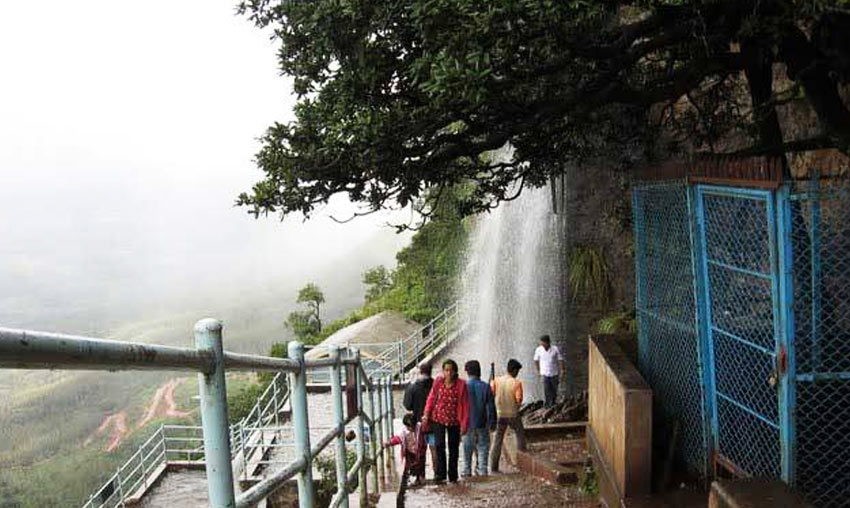
Reaching the waterfall involves descending more than 200 steps, making the journey part of the overall experience. From the waterfall area, visitors can enjoy beautiful views of the surrounding Western Ghats, green slopes and mountain landscape.
About Manikyadhara Falls
Manikyadhara Falls is situated in the Baba Budangiri hills of Chikkamagaluru district. It is a popular stop for travellers visiting the Dattatreya Peetha and other attractions in the surrounding mountain region.
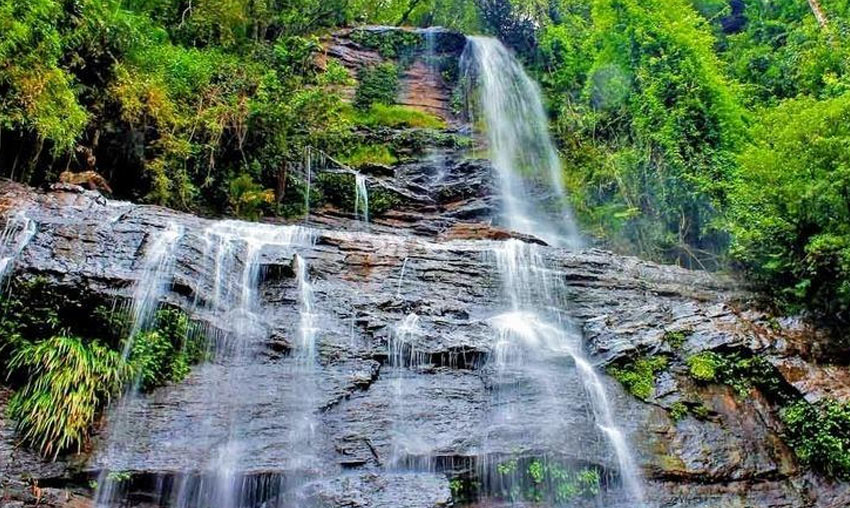
The waterfall is approximately 30 feet high, according to Karnataka Tourism. Water flows over the rocky landscape into the area below, creating a refreshing natural setting surrounded by hills.
Manikyadhara is not just a sightseeing attraction. The waterfall has religious importance, and many pilgrims visiting Baba Budangiri consider its water sacred. The natural surroundings, spiritual associations and scenic views make it a distinctive destination in Karnataka.
Why Visit Manikyadhara Falls?
- Natural Beauty: Enjoy a beautiful waterfall surrounded by the hills and greenery of the Western Ghats.
- Scenic Mountain Views: Experience captivating views of the surrounding valleys and mountain landscape.
- Spiritual Significance: Discover a waterfall considered sacred by many pilgrims visiting Baba Budangiri.
- Unique Name: Learn about the meaning of Manikyadhara, commonly translated as “stream of pearls”.
- Walking Experience: Descend more than 200 steps to reach the waterfall area.
- Photography: Capture the flowing water, green hills and misty mountain surroundings.
Things to See and Do at Manikyadhara Falls
1. Enjoy the Beauty of the Waterfall
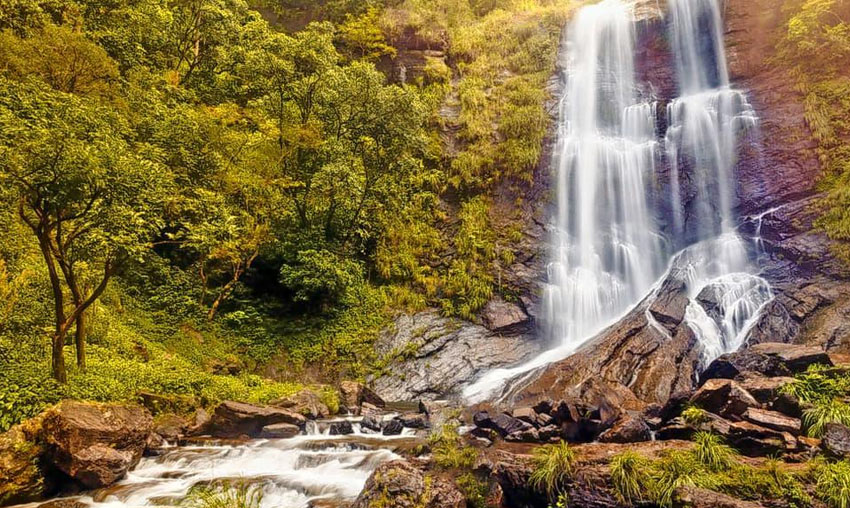
The main attraction is the waterfall itself. Surrounded by rocky slopes and green mountain scenery, Manikyadhara offers a refreshing natural experience for visitors.
The appearance and flow of the waterfall can change with rainfall and seasonal conditions. The post-monsoon period is particularly attractive for travellers who want to enjoy the surrounding greenery and flowing water.
2. Experience the 200+ Steps
One of the distinctive features of visiting Manikyadhara Falls is the staircase leading down towards the waterfall. According to Karnataka Tourism, visitors need to descend more than 200 steps to reach the falls.
Resting areas and watchtowers are available along the steps, providing opportunities to pause and enjoy the surrounding landscape. Visitors should remember that the return journey involves climbing back up the same staircase.
Wear comfortable footwear, take your time and avoid rushing, especially when the steps are wet.
3. Enjoy Views of the Western Ghats
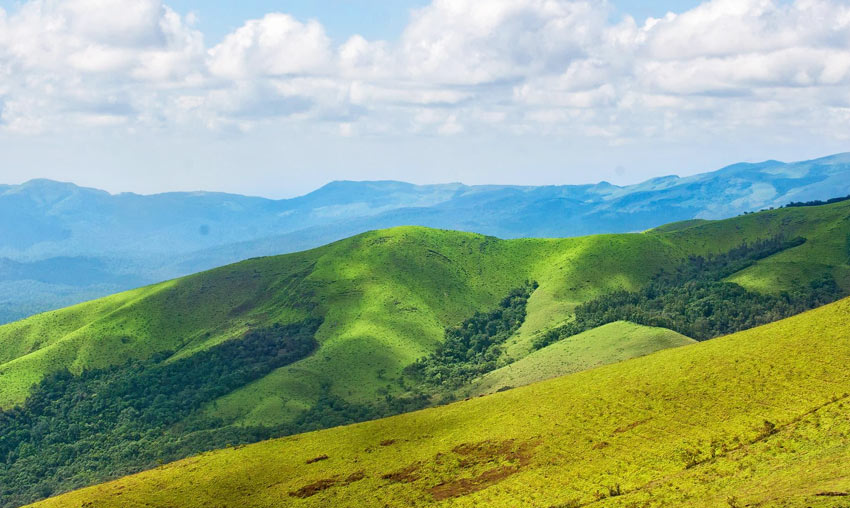
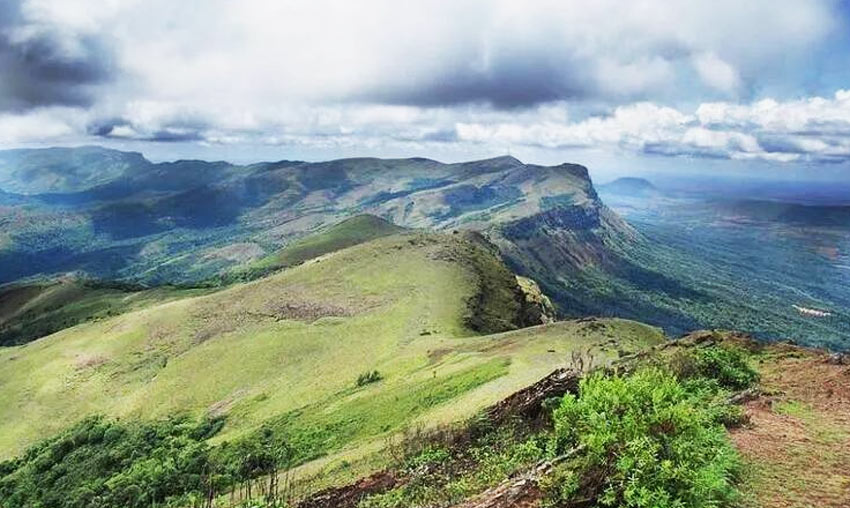
The area around Manikyadhara Falls offers beautiful views of the Western Ghats. The surrounding hills, valleys and changing clouds create an attractive setting for visitors who enjoy nature and landscape photography.
Take some time to enjoy the mountain scenery rather than limiting your visit to the waterfall alone.
4. Explore the Spiritual Significance
Manikyadhara Falls is considered sacred by many devotees who visit the Baba Budangiri shrines. Pilgrims often include the waterfall in their religious journey and regard its water as holy.
The spiritual associations of the waterfall make it an important stop for visitors interested in the cultural and religious heritage of the region.
5. Visit Local Viewpoints and Resting Areas
Watchtowers and resting areas are available along the steps leading towards the waterfall. These spots allow visitors to pause, enjoy the views and take photographs of the surrounding hills.
Follow local instructions and use designated visitor areas while exploring the site.
Best Time to Visit Manikyadhara Falls
According to Karnataka Tourism, August to March is generally the best period to visit Manikyadhara Falls. The waterfall and surrounding hills offer an attractive natural setting during this period.
- August to October: The monsoon and post-monsoon landscape brings greenery to the surrounding hills. Rainfall may affect visibility, steps and road conditions, so take extra care.
- November to February: Cooler weather and generally more comfortable conditions make this a popular period for sightseeing and photography.
- March: Visitors can still explore the waterfall, although water levels may begin to reduce as summer approaches.
- April to July: Water levels may decrease during the hotter months, while the monsoon begins to bring fresh rainfall towards the later part of this period.
Karnataka Tourism notes that the water level can drop significantly during summer. Check recent local conditions before travelling if seeing a stronger waterfall flow is important to your trip.
Places to Visit Near Manikyadhara Falls
Manikyadhara Falls is located in the Baba Budangiri hill region, which has several popular natural and religious attractions. You can combine your visit with nearby destinations depending on your available time and road conditions.
1. Baba Budangiri
Baba Budangiri is a famous mountain range in Chikkamagaluru district, known for its scenic landscapes, spiritual heritage and association with the history of coffee cultivation in India.
The region is home to the Dattatreya Peetha, an important religious site visited by devotees from different communities.
Read our detailed Baba Budangiri Travel Guide to learn more about its attractions and history.
2. Dattatreya Peetha
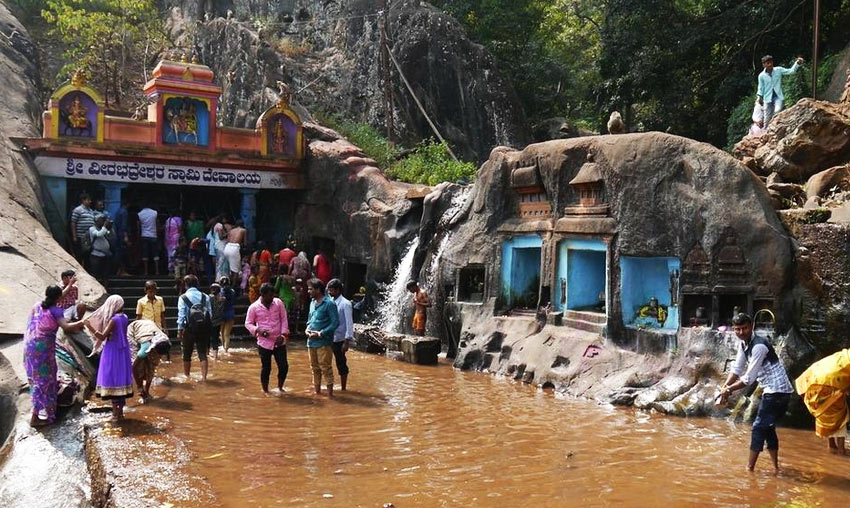
Dattatreya Peetha is a sacred cave shrine located in the Baba Budangiri hills. It is associated with Lord Dattatreya and the Sufi saint Hazrat Dada Hayath Mir Khalandar.
The shrine is an important pilgrimage destination and is often included in sightseeing plans covering Baba Budangiri and Manikyadhara Falls.
3. Mullayanagiri Peak
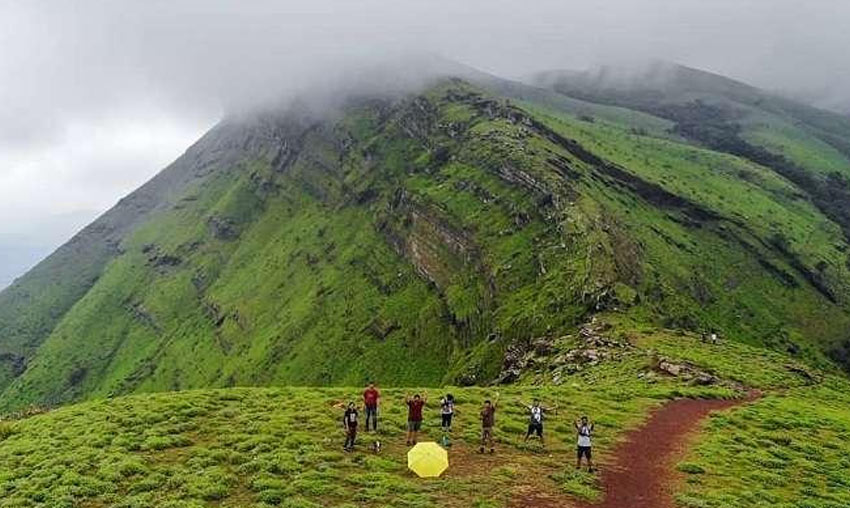
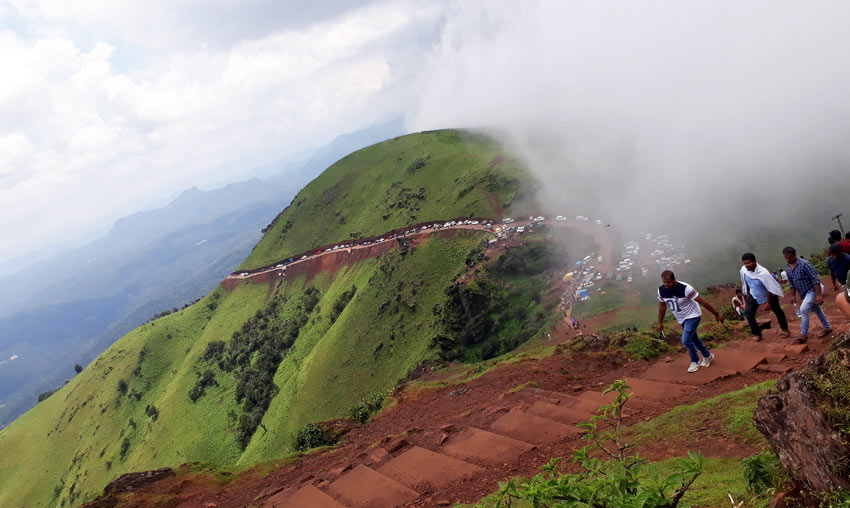
Mullayanagiri is the highest peak in Karnataka and one of the most popular mountain attractions in Chikmagalur. It is known for its panoramic views, trekking experience and scenic mountain roads.
Visitors can include Mullayanagiri in a wider trip covering the Baba Budangiri hills, depending on travel time and current road access.
Explore our Mullayanagiri Peak Travel Guide for more information.
4. Seethalayyanagiri
Seethalayyanagiri is a scenic hill destination in the Chikkamagaluru mountain region. It is known for its temple and beautiful views of the surrounding Western Ghats.
It is a popular stop for travellers exploring the hill route towards Mullayanagiri.
5. Hirekolale Lake
Hirekolale Lake is a peaceful scenic attraction near Chikkamagaluru town. Surrounded by hills and greenery, it is a pleasant location for photography and relaxing outdoors.
Visitors can include the lake in a broader sightseeing plan around Chikmagalur.
How to Reach Manikyadhara Falls
Manikyadhara Falls is located in the Baba Budangiri hills and can be reached by road from Chikkamagaluru town. Visitors generally use Chikkamagaluru as their travel base before arranging onward transport to the waterfall.
By Road
Manikyadhara Falls is approximately 34 km from Chikkamagaluru town, according to Karnataka Tourism. Visitors can hire a taxi or arrange private transport from the town to reach the waterfall area.
The Chikkamagaluru district’s official sightseeing itinerary also includes Manikyadhara Falls as part of a route covering Baba Budangiri and Dattatreya Peetha.
By Train
Kadur Junction is the nearest railway station mentioned by Karnataka Tourism, approximately 71 km from Manikyadhara Falls. From Kadur, travellers can continue by road towards Chikkamagaluru and the Baba Budangiri hills.
By Air
Mangaluru International Airport is the nearest airport mentioned by Karnataka Tourism, approximately 185 km from the waterfall. From the airport, visitors can continue their journey by road.
Travel Tips for Visiting Manikyadhara Falls
- Wear comfortable shoes with a good grip for the staircase and surrounding walking areas.
- Remember that reaching the waterfall involves descending more than 200 steps and climbing back up afterwards.
- Carry drinking water, especially if you are visiting with children or older family members.
- Be careful on wet or slippery steps during and after rainfall.
- Check the latest weather and road conditions before travelling to the hills.
- Follow local instructions and safety notices around the waterfall.
- Respect the religious significance of the location and local customs.
- Avoid littering and help preserve the natural surroundings.
- Do not enter restricted areas or attempt unsafe climbs around the waterfall.
Frequently Asked Questions About Manikyadhara Falls
1. Where is Manikyadhara Falls located?
Manikyadhara Falls is located in the Baba Budangiri hills of Chikkamagaluru district, Karnataka, in the Western Ghats.
2. What is the height of Manikyadhara Falls?
According to Karnataka Tourism, Manikyadhara Falls is approximately 30 feet high.
3. What does Manikyadhara mean?
Manikyadhara is commonly translated as “stream of pearls”. The name refers to the sparkling appearance of water droplets when sunlight falls on the waterfall.
4. How many steps are there at Manikyadhara Falls?
Visitors need to descend more than 200 steps to reach Manikyadhara Falls, according to Karnataka Tourism. The return journey involves climbing back up the staircase.
5. What is the best time to visit Manikyadhara Falls?
August to March is the recommended visiting period according to Karnataka Tourism. Water levels may reduce significantly during summer months.
6. How far is Manikyadhara Falls from Chikmagalur?
Manikyadhara Falls is approximately 34 km from Chikkamagaluru town, according to Karnataka Tourism.
7. Is Manikyadhara Falls a religious place?
Yes. The waterfall is considered sacred by many pilgrims visiting the nearby Baba Budangiri shrines, and some devotees regard its water as holy.
8. Can I visit Manikyadhara Falls and Baba Budangiri on the same day?
Yes. The two attractions are commonly covered together. The Chikkamagaluru district administration also includes Baba Budangiri, Dattatreya Peetha and Manikyadhara Falls in its official sightseeing itinerary.
Explore More Places in Chikmagalur
Manikyadhara Falls is a beautiful destination where natural scenery and spiritual heritage come together. From the sparkling waterfall and mountain views to the sacred traditions of the Baba Budangiri hills, it offers a memorable experience for travellers exploring Karnataka.
Planning a trip to the coffee land of Karnataka? Explore our Chikmagalur Travel Guide and discover more scenic peaks, waterfalls, temples and coffee plantations across the region.
Nearby Places to Visit