Baba Budangiri, Chikmagalur: Explore the Sacred Hills of Karnataka
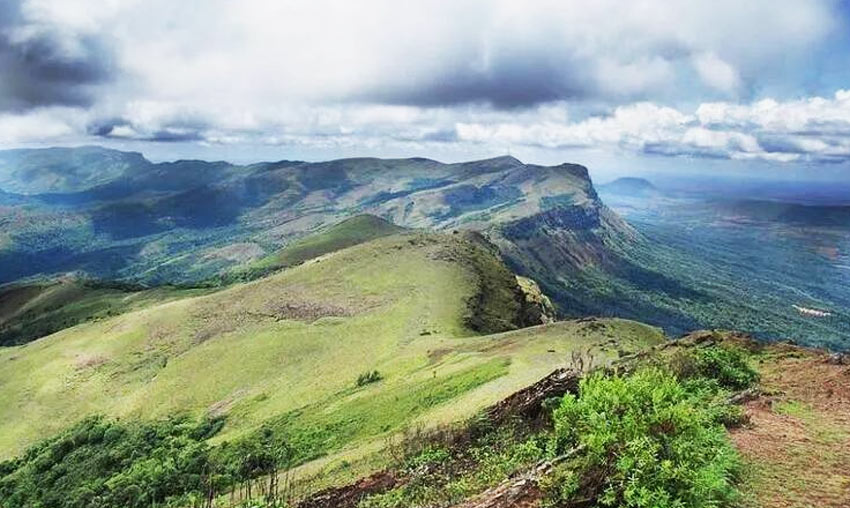
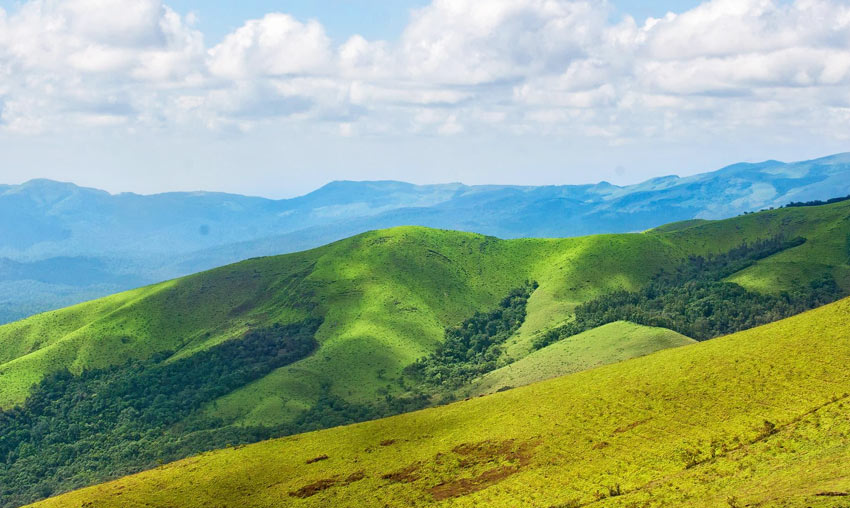
Surrounded by the beautiful landscapes of the Western Ghats, Baba Budangiri is one of the most popular hill and pilgrimage destinations in Chikkamagaluru district, Karnataka. Also historically known as Chandra Drona Parvatha, this scenic mountain range is famous for its rolling hills, mist-covered valleys, spiritual heritage and connection with the early history of coffee cultivation in India.
Baba Budangiri is an important destination for both nature lovers and pilgrims. The hills are home to the revered Dattatreya Peetha, a cave shrine associated with the spiritual traditions of Hindus and Muslims. The mountain region also offers beautiful viewpoints, winding roads and access to the refreshing Manikyadhara Falls.
Whether you are interested in exploring Karnataka’s religious heritage, enjoying scenic mountain drives or discovering the coffee history of Chikmagalur, Baba Budangiri offers a memorable experience in the Western Ghats.
About Baba Budangiri
Baba Budangiri is a mountain range located north of Chikkamagaluru town in Karnataka. The region forms part of the larger Baba Budan Giri hill system in the Western Ghats and is known for its high peaks, grasslands, forests and scenic valleys.
The hills are named after the Sufi saint Baba Budan, who is traditionally associated with bringing coffee seeds from Yemen to India in the 17th century. The region is therefore closely connected with the history of coffee cultivation in Karnataka.
Another important landmark in the hills is Dattatreya Peetha, a sacred cave shrine that holds religious significance for both Hindu and Muslim devotees. The combination of natural beauty, spiritual traditions and coffee heritage makes Baba Budangiri a distinctive destination in Chikmagalur.
Why Visit Baba Budangiri?
- Scenic Mountain Landscapes: Enjoy beautiful views of the Western Ghats, green hills and mist-filled valleys.
- Religious Heritage: Visit the Dattatreya Peetha and learn about the spiritual traditions associated with the hills.
- Coffee History: Explore a region traditionally connected with the introduction of coffee cultivation to India.
- Mountain Photography: Capture the beautiful landscapes, winding roads and changing weather.
- Nearby Waterfalls: Visit Manikyadhara Falls, a popular waterfall located in the Baba Budangiri hills.
- Scenic Road Trips: Experience a memorable drive through the mountain roads of Chikkamagaluru.
Top Attractions at Baba Budangiri
1. Dattatreya Peetha
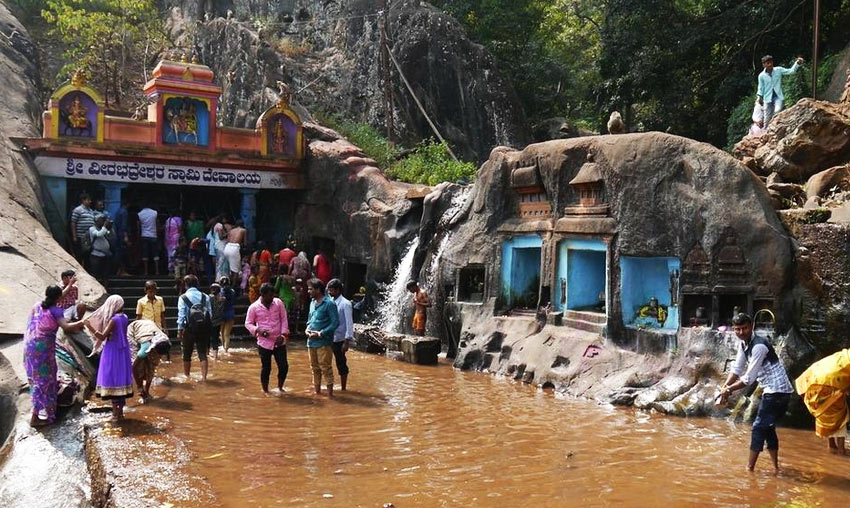
Dattatreya Peetha is one of the most important religious landmarks in the Baba Budangiri hills. It is a sacred cave shrine associated with Lord Dattatreya and is revered by devotees from different religious communities.
The cave is also associated with the Sufi saint Hazrat Dada Hayath Mir Khalandar. The shrine represents an important part of the region’s shared spiritual and cultural heritage.
Pilgrims visit the site throughout the year, while special religious gatherings and observances take place on particular occasions. Visitors should respect the religious customs and local arrangements while exploring the shrine.
2. Baba Budan’s Cave and Spiritual Heritage
The Baba Budangiri region is closely associated with the spiritual legacy of Baba Budan, the Sufi saint after whom the hills are named. The area’s religious traditions, cave shrines and pilgrimage practices have made it an important spiritual destination in Karnataka.
The hill range has attracted visitors interested in understanding its religious history as well as those seeking a peaceful experience amid the Western Ghats.
3. Manikyadhara Falls
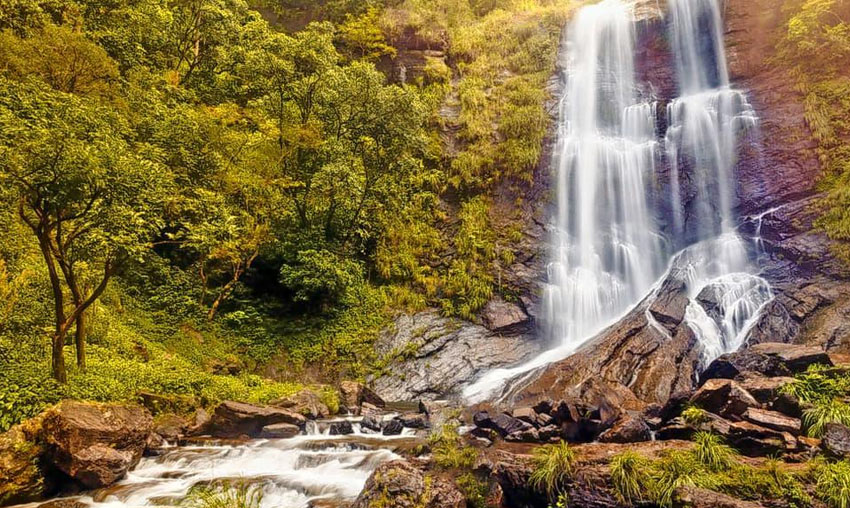
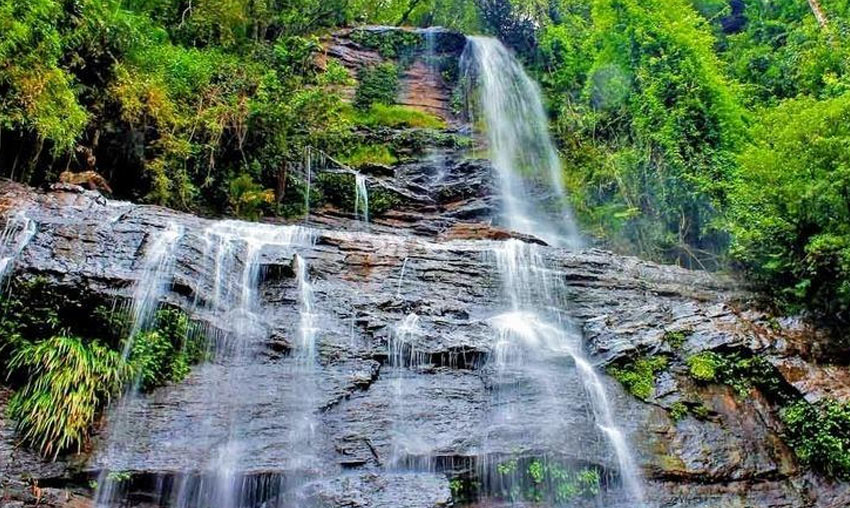
Manikyadhara Falls is one of the most popular natural attractions in the Baba Budangiri hills. The name Manikyadhara means a stream of pearls, referring to the sparkling appearance of water droplets when sunlight falls on the waterfall.
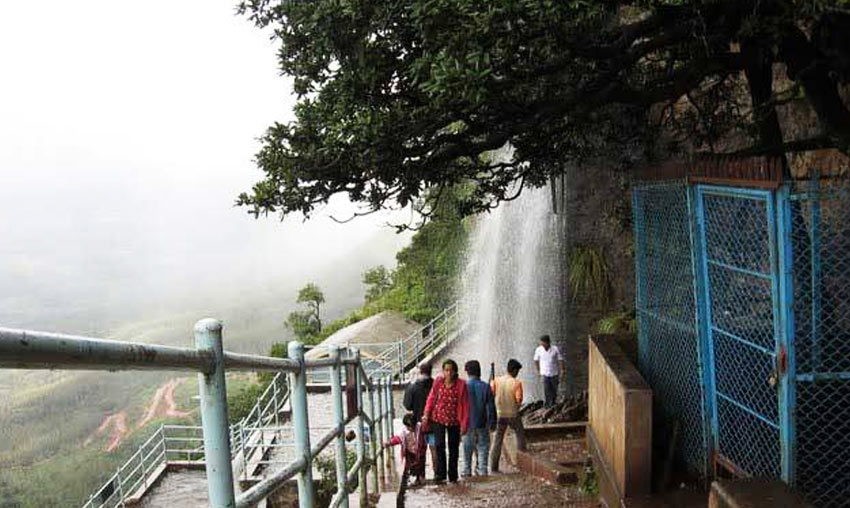
The waterfall is considered sacred by many pilgrims visiting the nearby shrines. Visitors reach the falls by descending a series of steps, and the surrounding area offers beautiful views of the Western Ghats.
According to Karnataka Tourism, the waterfall is approximately 30 feet high and access involves more than 200 steps. Visitors should be prepared for the climb back up and check current conditions before travelling.
4. Deviramma Betta
Deviramma Betta is another prominent hill in the wider Baba Budangiri mountain range. It is associated with the local goddess Deviramma and is an important pilgrimage destination in the region.
The hill is known for its steep terrain and religious importance. The temple on the hill has a special annual opening associated with the first day of the Diwali festival, according to the Chikkamagaluru District Administration. Visitors planning a pilgrimage should verify the current arrangements and access details locally.
5. Mullayanagiri Peak
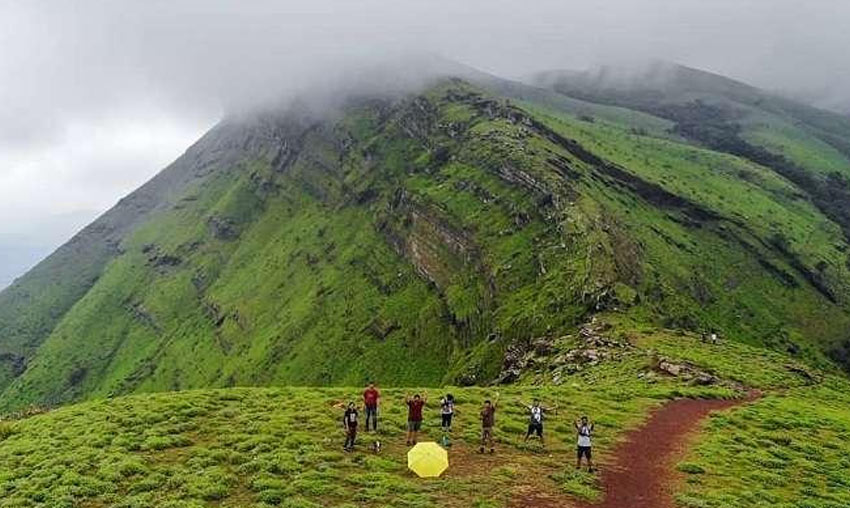
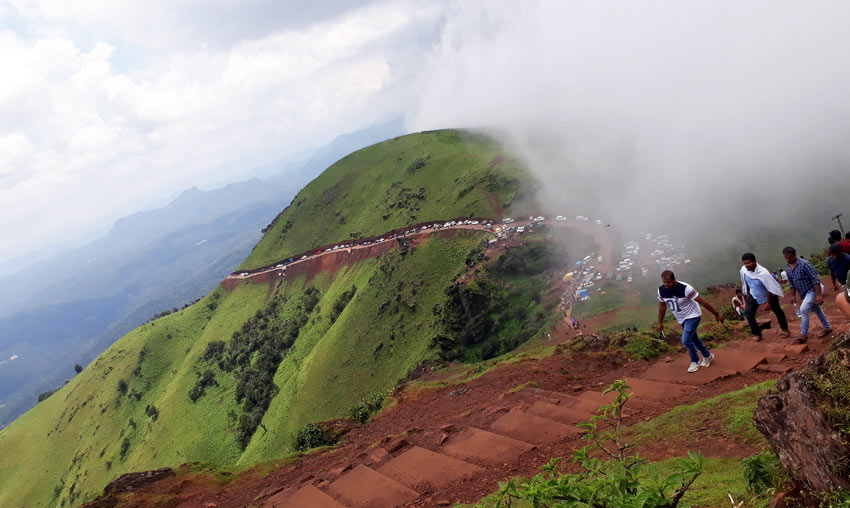
Mullayanagiri is the highest peak in Karnataka and one of the most famous attractions in the Chikkamagaluru region. It forms part of the broader Baba Budan Giri hill range and is known for its panoramic mountain views and trekking experience.
Visitors can combine Baba Budangiri with Mullayanagiri while exploring the surrounding hills, subject to available time and road conditions.
Read our detailed guide to Mullayanagiri Peak for more information about its summit, trekking and travel experience.
Baba Budangiri and the History of Coffee in India
Baba Budangiri holds a special place in India’s coffee heritage. According to popular historical accounts, the Sufi saint Baba Budan brought coffee seeds from Yemen and planted them in the hills during the 17th century.
This tradition is closely associated with the development of coffee cultivation in the Chikkamagaluru region. Over time, the surrounding hills became an important coffee-growing landscape, contributing to Karnataka’s reputation as one of India’s leading coffee-producing states.
Today, travellers exploring Baba Budangiri can also discover the wider coffee culture of Chikmagalur through plantation visits, local coffee shops and estate experiences.
Best Time to Visit Baba Budangiri
The period from September to March is generally suitable for visiting Baba Budangiri. The weather and road conditions can change quickly in the hills, so it is advisable to check the local forecast before travelling.
- September to November: The hills look lush after the monsoon, offering beautiful greenery and misty mountain scenery. Check road conditions before visiting.
- December to February: Cooler weather makes this a popular period for sightseeing, photography and exploring the surrounding attractions.
- March to May: The weather is generally warmer, although the higher mountain areas can still offer pleasant conditions.
- June to August: The monsoon brings heavy rainfall and dense greenery. Fog, slippery roads and changing waterfall access conditions may affect travel plans.
Things to Do at Baba Budangiri
- Visit the sacred Dattatreya Peetha and explore its spiritual heritage.
- Enjoy scenic views of the Western Ghats from the mountain region.
- Visit Manikyadhara Falls and experience its natural surroundings.
- Explore the history associated with Baba Budan and coffee cultivation.
- Discover the nearby Deviramma Betta pilgrimage destination.
- Enjoy a scenic drive through the hills and surrounding countryside.
- Capture photographs of mist-covered valleys and mountain landscapes.
- Combine the visit with nearby Chikmagalur attractions such as Mullayanagiri Peak.
How to Reach Baba Budangiri
Baba Budangiri can be reached by road from Chikkamagaluru town. Visitors generally use Chikkamagaluru as their base and arrange onward travel to the hills.
By Road
Chikkamagaluru is connected by road with Bengaluru, Hassan, Mysuru and other major towns in Karnataka. From Chikkamagaluru, visitors can travel towards Baba Budangiri using a private vehicle or locally arranged taxi, subject to current road and entry conditions.
By Train
Kadur is one of the railway stations commonly used by travellers visiting Chikkamagaluru. From Kadur, visitors can continue by road to Chikkamagaluru town and arrange local transport to Baba Budangiri.
By Air
Mangaluru International Airport and Kempegowda International Airport in Bengaluru are possible air gateways for visiting Chikkamagaluru. From either airport, travellers need to continue their journey by road.
Travel Tips for Visiting Baba Budangiri
- Check the latest local access rules and entry-pass requirements before starting your journey.
- Carry a light jacket because mountain weather can be cool and windy.
- Wear comfortable footwear, especially if you plan to visit Manikyadhara Falls.
- Drive carefully on narrow and winding mountain roads.
- Check visibility and weather conditions before travelling during the monsoon.
- Respect religious customs and follow instructions at Dattatreya Peetha.
- Carry drinking water and basic essentials for your visit.
- Keep the mountain environment clean and avoid littering.
- Confirm current timings and special-event arrangements before visiting pilgrimage sites.
Frequently Asked Questions About Baba Budangiri
1. Where is Baba Budangiri located?
Baba Budangiri is located in the Chikkamagaluru district of Karnataka, in the Western Ghats of South India.
2. What is Baba Budangiri famous for?
Baba Budangiri is famous for its scenic mountain landscapes, Dattatreya Peetha, spiritual heritage, connection with Baba Budan and the history of coffee cultivation in India.
3. What is Dattatreya Peetha?
Dattatreya Peetha is a sacred cave shrine in the Baba Budangiri hills associated with Lord Dattatreya and the Sufi saint Hazrat Dada Hayath Mir Khalandar. It is an important pilgrimage site for both Hindu and Muslim devotees.
4. Who was Baba Budan?
Baba Budan was a Sufi saint traditionally credited with bringing coffee seeds from Yemen to India in the 17th century. The hills of Baba Budangiri are closely associated with this coffee heritage.
5. Is Manikyadhara Falls near Baba Budangiri?
Yes. Manikyadhara Falls is located in the Baba Budangiri hills and is a popular attraction for pilgrims and nature lovers visiting the region.
6. What is the best time to visit Baba Budangiri?
September to March is generally a suitable period for sightseeing and exploring the hills. Monsoon visits require additional care because of rain, fog and slippery roads.
7. Can Baba Budangiri and Mullayanagiri be visited together?
Yes. Both are popular attractions in the wider Chikkamagaluru hill region and can be included in the same sightseeing plan, depending on available time, road conditions and local access arrangements.
8. Is Baba Budangiri suitable for a family trip?
Yes. Families can visit the mountain region and its religious attractions. However, visitors should consider the winding roads, weather conditions and the steps leading down to Manikyadhara Falls.
Explore More Places in Chikmagalur
Baba Budangiri is a unique destination where mountain scenery, spiritual heritage and coffee history come together. From the sacred Dattatreya Peetha to the refreshing Manikyadhara Falls and the surrounding Western Ghats landscapes, the region offers plenty of experiences for travellers.
Planning a trip to Karnataka’s coffee country? Explore our Chikmagalur Travel Guide and discover more beautiful attractions across this scenic hill district.
Nearby Places to Visit