Meghna Cave Temple (Menga Mandir), Arunachal Pradesh – A Sacred Natural Cave Shrine
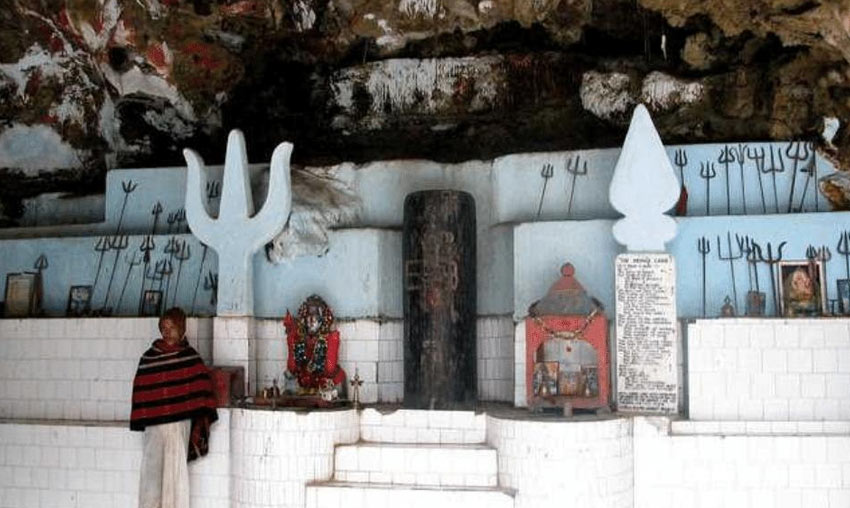
Meghna Cave Temple, also known as Menga Mandir, is a unique spiritual attraction in Arunachal Pradesh. Dedicated to Lord Shiva, this natural rock-cave shrine is known for its sacred atmosphere, unusual underground passages and beautiful hillside surroundings. Unlike conventional temples with elaborate constructed architecture, the main shrine is set within a natural cave formation.
Located in the Daporijo region of Upper Subansiri district, Meghna Cave Temple attracts devotees, pilgrims and travellers interested in religious heritage and natural cave formations. The temple is particularly visited during Maha Shivratri, when devotees gather to offer prayers to Lord Shiva.
The cave is one of the distinctive religious attractions of Arunachal Pradesh. Its natural rock structure, two tunnels and hillside setting make it an interesting destination for visitors exploring the spiritual and cultural heritage of the state.
About Meghna Cave Temple
Meghna Cave Temple is a natural rock-cave shrine dedicated to Lord Shiva. It is also known locally as Menga Mandir and is officially listed as a tourist attraction by the Upper Subansiri District Administration.
The temple is located on a hillside and can be reached by climbing steps leading to the cave. Inside, the natural rock formation creates a distinctive sacred space. The cave is known for two tunnels extending from its interior, each with a different structure and passage height.
The shrine is traditionally associated with Lord Lakulisha, who is regarded in the Shaiva tradition as an incarnation of Lord Shiva. The temple’s religious identity and natural cave setting make it an important place of worship in the region.
Some travel accounts describe the cave as approximately 5,000 years old and mention its rediscovery in 1962. However, a precise archaeological date has not been established by the official district information available for visitors. The age should therefore be understood as a traditional or reported claim rather than a scientifically confirmed date.
What Makes Meghna Cave Temple Special?
1. Natural Rock-Cave Shrine
The main attraction of Meghna Cave Temple is its natural rock-cave structure. The shrine is situated inside a cave rather than a conventional purpose-built temple hall. The surrounding rock formations create a distinctive atmosphere for worship and quiet reflection.
Visitors can observe the natural cave setting and the sacred space dedicated to Lord Shiva while following the instructions provided by temple caretakers.
2. Sacred Shiva Shrine
Meghna Cave Temple is dedicated to Lord Shiva and is traditionally associated with Lord Lakulisha. Devotees visit the shrine to offer prayers and seek blessings.
The cave’s religious significance makes it an important spiritual destination for local worshippers as well as visitors interested in Shaivite traditions.
3. Two Unusual Cave Tunnels
One of the most unusual features of the temple is the presence of two tunnels inside the cave. The official Upper Subansiri District Administration describes both passages and their different physical characteristics.
The first tunnel begins at the rear wall of the cave. Its entrance is large enough for one person to enter, but the passage gradually becomes extremely narrow and may require crawling to proceed further. The interior is very dark and contains several natural niches where a few people can stand together.
The second tunnel is located towards the left side of the cave. It appears to extend the cave further, and its ceiling is much lower than a normal walking passage.
Visitors should not attempt to enter narrow or dark sections without permission and guidance from the temple caretakers. Anyone uncomfortable with confined spaces should remain in the accessible area.
4. Hilltop Location and Natural Surroundings
The temple is situated on a hillside and is approached by a flight of steps. Its elevated setting adds to the experience of visiting the shrine.
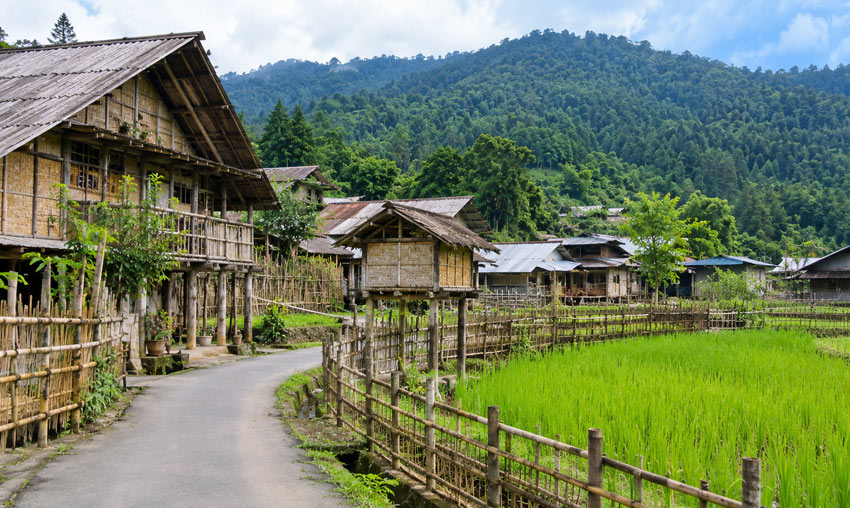
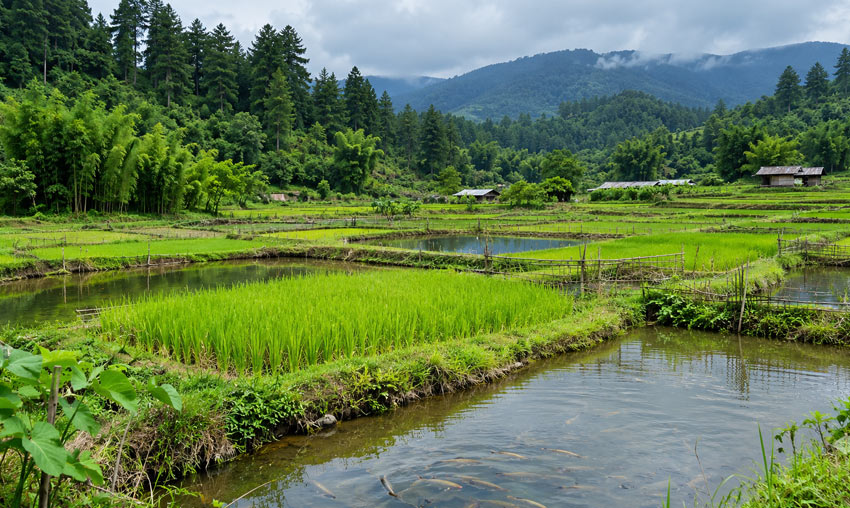
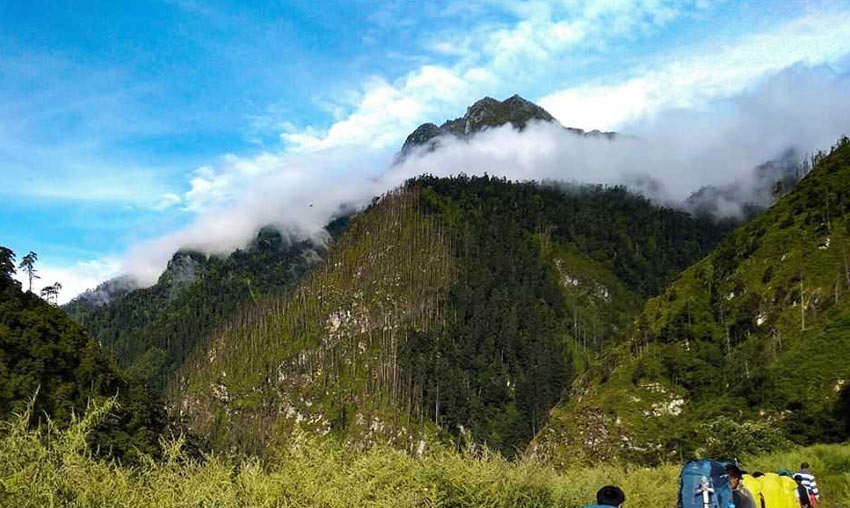
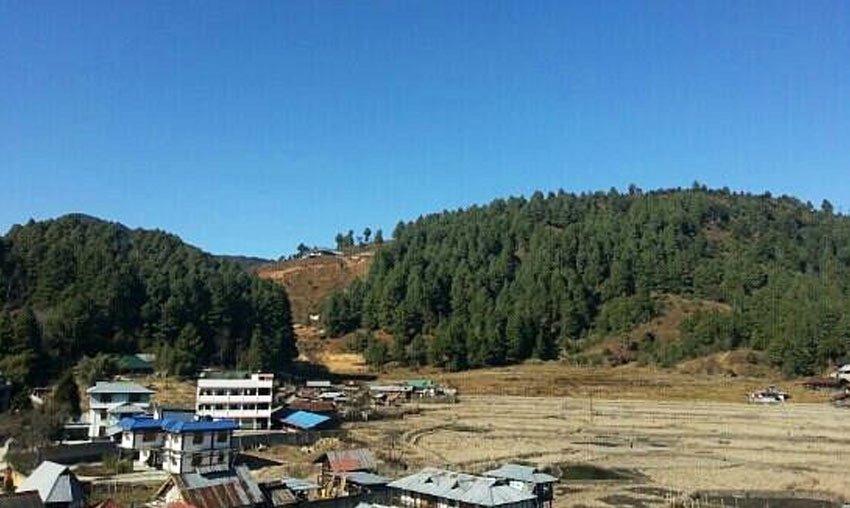
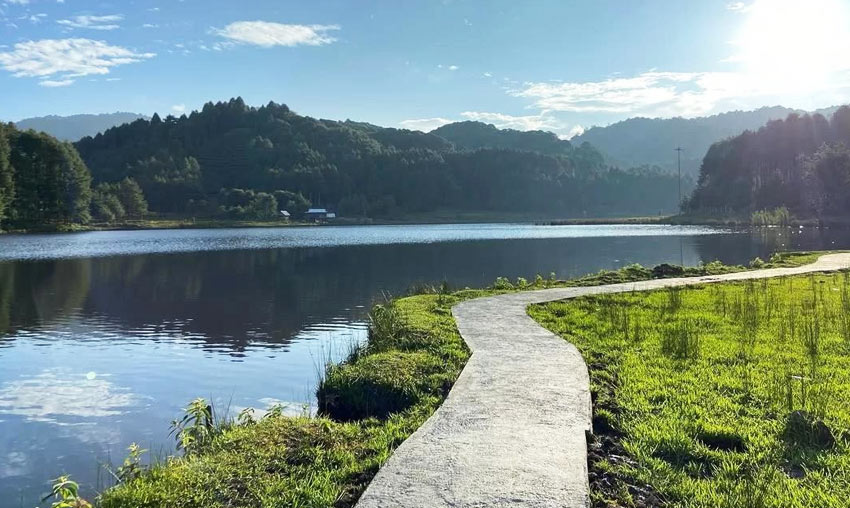
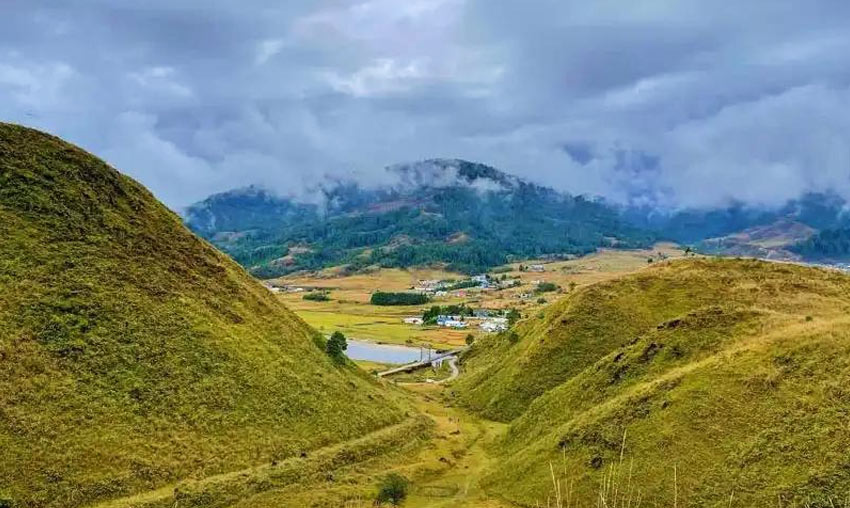
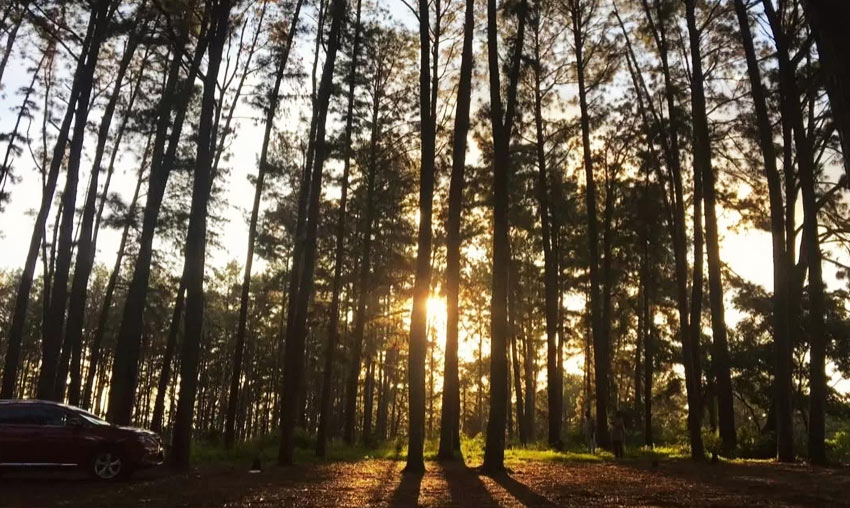
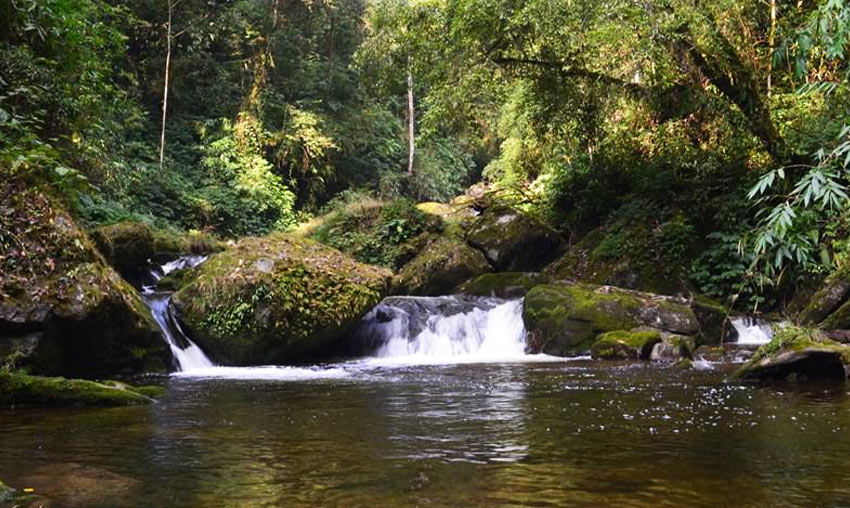
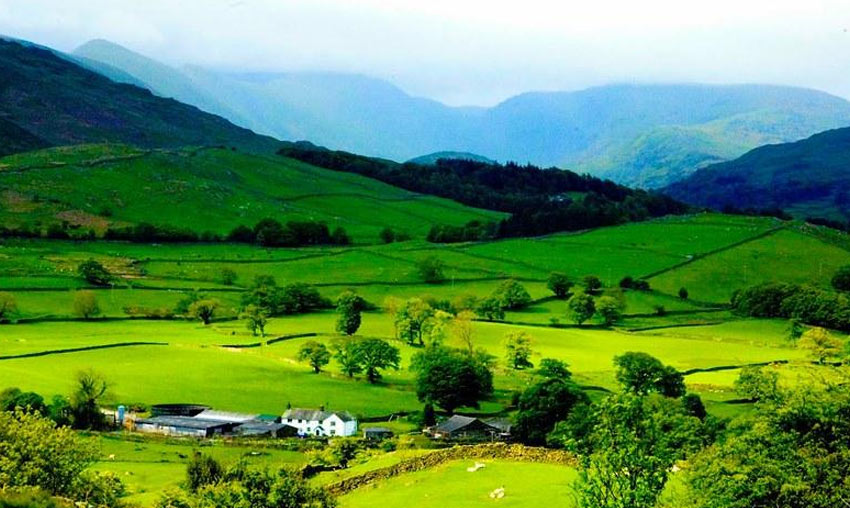
The surrounding landscape features green hills and forested terrain typical of the Upper Subansiri region. Visitors can enjoy the peaceful atmosphere around the temple while respecting its religious character.
5. Religious Importance During Maha Shivratri
Maha Shivratri is an important festival for devotees of Lord Shiva, and Meghna Cave Temple receives visitors during the celebrations. Pilgrims come to offer prayers and participate in worship.
If you plan to visit during Maha Shivratri, check the local festival schedule and travel arrangements in advance, as visitor numbers and access conditions may differ from ordinary days.
Religious and Cultural Significance of Menga Mandir
Meghna Cave Temple represents an interesting connection between natural geological formations and religious traditions. The cave itself forms the main sacred setting, while the Shiva shrine reflects the continuing importance of Shaivite worship in the region.
The temple is traditionally linked with Lord Lakulisha, a significant figure in the history of Shaivism. This association adds to the spiritual identity of the cave and makes it an interesting destination for visitors exploring different Hindu traditions.
The temple is also an example of how natural caves and rock formations have been incorporated into places of worship. Visitors should approach the site with respect for local religious practices and avoid disturbing the cave structure.
Best Time to Visit Meghna Cave Temple
The best time to visit Meghna Cave Temple depends on road conditions, rainfall and the comfort of the journey to Daporijo. The cooler months are generally more convenient for exploring the surrounding region.
October to November – Post-Monsoon Season
Post-monsoon is a pleasant period for exploring the Upper Subansiri region. The landscape remains green, and outdoor travel can be more comfortable after the heaviest rainfall has passed. Check local road conditions before travelling.
December to February – Winter Season
Winter can be a good period for sightseeing around Daporijo. Carry warm clothing, particularly for early mornings and evenings. Maha Shivratri may fall during February or March depending on the Hindu lunar calendar.
March to May – Spring Season
Spring offers an opportunity to explore the surrounding hills and natural landscape in relatively comfortable conditions. It can be a suitable season for combining the temple visit with other attractions in Upper Subansiri.
June to September – Monsoon Season
Heavy rainfall can affect road conditions and make hillside steps slippery. Visitors travelling during the monsoon should check local weather updates and confirm the safety of the approach before setting out.
How to Reach Meghna Cave Temple
Location and Regional Access
Meghna Cave Temple, also known as Menga Mandir, is located in the Daporijo region of Upper Subansiri district, Arunachal Pradesh. It should not be confused with attractions located within Ziro town in Lower Subansiri district.
From Daporijo
Daporijo is the practical base for visiting the temple. Visitors can arrange local taxis or private transport and confirm the final approach with local residents or temple caretakers.
From Ziro
Travellers planning a wider Arunachal Pradesh itinerary may combine the temple visit with a journey through the Ziro region. However, Daporijo and Ziro are separate destinations, and the road journey should be planned as a separate travel leg. Confirm the current route, distance and road conditions before departure.
By Air
The nearest practical airport depends on the route and current flight availability. Lilabari Airport in Assam and Donyi Polo Airport near Itanagar are possible regional gateways. From the airport, visitors need to continue by road towards Daporijo.
By Train
Naharlagun Railway Station is a commonly used railway gateway for travellers heading towards Arunachal Pradesh. From the station, visitors can arrange onward road transport towards Daporijo.
By Road
Daporijo is connected by road with Itanagar, Ziro and parts of Assam. Private taxis and local road transport are practical options for reaching the town. Road journey times can vary due to hilly terrain, weather and road conditions.
Things to Do at Meghna Cave Temple
- Visit the natural cave shrine dedicated to Lord Shiva.
- Offer prayers at the sacred temple.
- Observe the natural rock-cave structure from accessible areas.
- Learn about the temple’s traditional association with Lord Lakulisha.
- See the two cave tunnels from permitted viewing areas.
- Experience the spiritual atmosphere during Maha Shivratri.
- Enjoy the hillside surroundings and natural scenery.
- Explore other cultural and natural attractions around Daporijo.
Travel Tips for Visitors
- Wear comfortable footwear suitable for climbing steps and walking on uneven surfaces.
- Be careful during rainy weather because stone steps may become slippery.
- Follow the instructions of temple caretakers and local authorities.
- Do not enter narrow cave tunnels without permission and suitable guidance.
- Avoid entering dark or confined passages if you have difficulty with enclosed spaces.
- Do not touch, damage or remove natural rock formations.
- Maintain silence and respect worshippers inside the shrine.
- Ask permission before photographing religious activities or people.
- Carry drinking water and basic personal essentials.
- Confirm local access arrangements, visiting hours and any charges before travelling.
Entry Fee and Timings of Meghna Cave Temple
Reliable current information about a fixed entry fee and daily opening hours is not clearly available from the official district listing. Visitors should confirm the latest arrangements with local temple caretakers or the Upper Subansiri District Administration before travelling.
During Maha Shivratri and other religious occasions, visitor activity may increase. If you are planning a festival visit, confirm the local programme and access arrangements in advance.
Places to Explore in the Wider Arunachal Pradesh Region
Meghna Cave Temple is located in the Daporijo region of Upper Subansiri. Travellers exploring the wider Arunachal Pradesh region can also refer to our Ziro Valley travel guides for attractions in the separate Lower Subansiri region.
- Ziro Valley Travel Guide – Discover the Apatani cultural landscape, rice fields, viewpoints and attractions around Ziro.
- Kile Pakho Viewpoint – Explore panoramic views of the Ziro Plateau and distant Himalayan ranges.
- Talley Valley Wildlife Sanctuary – Discover the forests, orchids and wildlife of the Ziro region.
Frequently Asked Questions About Meghna Cave Temple
1. Where is Meghna Cave Temple located?
Meghna Cave Temple, also known as Menga Mandir, is located in the Daporijo region of Upper Subansiri district, Arunachal Pradesh, India.
2. Which deity is worshipped at Meghna Cave Temple?
The temple is dedicated to Lord Shiva and is traditionally associated with Lord Lakulisha.
3. Why is Meghna Cave Temple famous?
It is known for its natural rock-cave shrine, two unusual tunnels, religious significance and hillside setting.
4. Is Meghna Cave Temple really 5,000 years old?
Some travel accounts describe the cave as approximately 5,000 years old and mention its rediscovery in 1962. However, a precise archaeological date has not been established by the official district information. The age should be treated as a traditional or reported claim.
5. What is the local name of Meghna Cave Temple?
The temple is also known as Menga Mandir.
6. How many tunnels are inside Meghna Cave Temple?
The official district description identifies two tunnels. One begins at the rear wall and gradually becomes very narrow, while the second is located towards the left side of the cave.
7. Is it necessary to crawl inside the cave?
No. Crawling is mentioned only for proceeding into the increasingly narrow section of the first tunnel. Visitors should not attempt this passage without permission and guidance. Exploring the narrow tunnel is not necessary for a normal temple visit.
8. When is the best time to visit Meghna Cave Temple?
October to May can be more convenient for travel, depending on weather and road conditions. Maha Shivratri is an important religious occasion at the temple.
9. Is Meghna Cave Temple located in Ziro?
The temple is officially listed by the Upper Subansiri District Administration under Menga Mandir in the Daporijo region. Some tourism listings include it in Ziro itineraries, but it is not located within Ziro town.
10. Is there an entry fee at Meghna Cave Temple?
Reliable current official entry-fee information is not available. Visitors should confirm any local charges before visiting.
11. Are there fixed opening hours?
Reliable current daily opening hours have not been confirmed. Contact local temple caretakers or district tourism authorities before planning your visit.
12. Is Meghna Cave Temple suitable for families?
Families can visit the accessible shrine area, but the approach includes steps and some cave sections are narrow and dark. Children should remain under adult supervision, and visitors should avoid entering restricted passages.
Discover the Spiritual Heritage of Arunachal Pradesh
Meghna Cave Temple, or Menga Mandir, offers a distinctive combination of spiritual heritage and natural cave formations. Dedicated to Lord Shiva and traditionally associated with Lord Lakulisha, the shrine is an interesting destination for pilgrims and travellers exploring the cultural attractions of Arunachal Pradesh.
From its natural cave interior and unusual tunnels to its hillside setting and Maha Shivratri celebrations, the temple provides a memorable experience for visitors interested in the region’s religious traditions.
Explore more of Arunachal Pradesh through our travel guides and discover the natural, cultural and spiritual attractions of this beautiful northeastern state.
Nearby Places to Visit