Talley Valley Wildlife Sanctuary, Ziro – Explore Arunachal Pradesh’s Pristine Forests
Talley Valley Wildlife Sanctuary is one of the most remarkable natural attractions near Ziro in Arunachal Pradesh. Known for its dense forests, rich biodiversity, rare orchids, bamboo groves and dramatic mountain landscapes, this protected area is a wonderful destination for nature lovers, birdwatchers and adventure travellers.
Located in the Lower Subansiri district, approximately 30–32 km northeast of Ziro, Talley Valley is an important biodiversity hotspot in the Eastern Himalayas. Its forests support a variety of plant and animal species, including the elusive clouded leopard. The sanctuary is also known for its silver fir forests, rhododendrons, bamboo vegetation and diverse birdlife.
Unlike conventional sightseeing destinations, Talley Valley offers a more immersive nature experience. Visitors can explore forest trails, enjoy birdwatching, discover native orchids and experience the peaceful atmosphere of Arunachal Pradesh’s mountain wilderness. Access to different parts of the sanctuary may require local guidance, trekking arrangements and permission from the forest authorities.
About Talley Valley Wildlife Sanctuary
Talley Valley Wildlife Sanctuary, also referred to as Tale Wildlife Sanctuary, is a protected forest area in Arunachal Pradesh. The sanctuary was notified in 1995 and covers approximately 337 square kilometres across the Lower Subansiri and Kamle region.
The sanctuary has an elevation range of approximately 1,200 to 3,000 metres, creating different forest habitats and ecological conditions. Its landscape includes mountain slopes, valleys, streams, bamboo patches and dense broadleaf and conifer forests.
The name Tale is associated with a wild onion variety, Allium hookeri, which is found in the valley. The protected area is also important for its orchids, rhododendrons, rare bamboo species and wildlife habitats.
Talley Valley is an important conservation landscape for the Apatani region. Its biodiversity, forest ecosystems and relatively undisturbed natural environment make it significant for wildlife conservation and nature-based tourism.
Why Visit Talley Valley Wildlife Sanctuary?
- Explore one of the important biodiversity hotspots near Ziro.
- Discover dense subtropical and temperate forests.
- Look for rare orchids, rhododendrons and bamboo species.
- Enjoy birdwatching and nature photography.
- Experience forest trails and trekking opportunities.
- Learn about the conservation of rare Himalayan wildlife.
- Visit the Pange area and its orchid conservation trail, subject to current access arrangements.
- Experience the natural beauty of the Eastern Himalayan landscape.
Major Attractions of Talley Valley Wildlife Sanctuary
1. Dense Silver Fir and Pine Forests
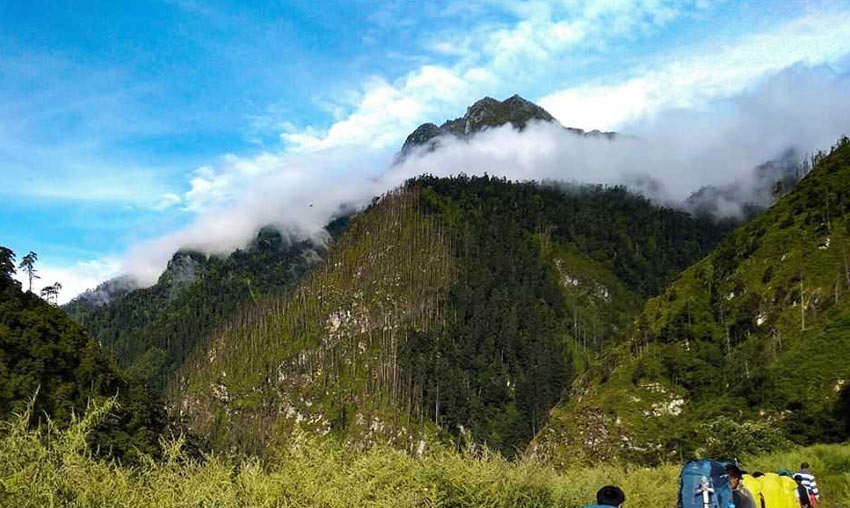
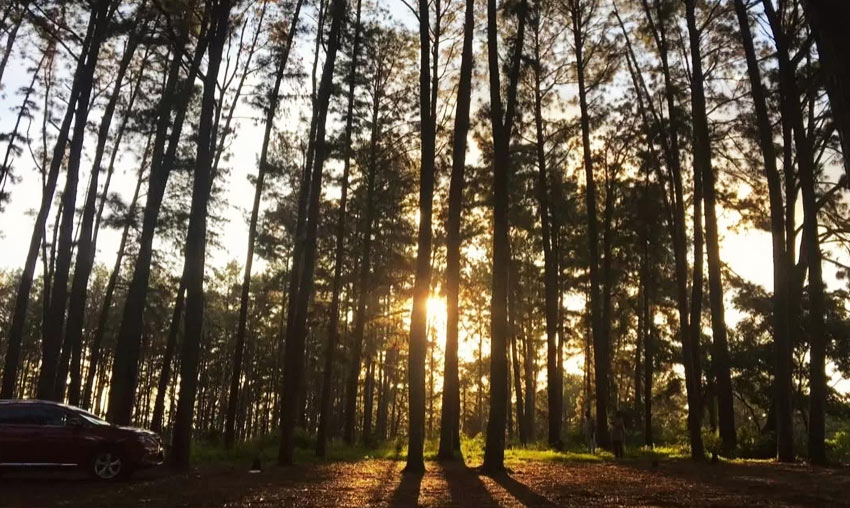
One of the most striking features of Talley Valley is its extensive forest cover. The sanctuary contains silver fir and pine forests along with broadleaf vegetation, creating a beautiful natural landscape across its elevated plateaus and mountain slopes.
These forests provide habitat for a variety of wildlife and support the ecological balance of the region. Walking through permitted forest trails offers visitors an opportunity to experience the peaceful atmosphere of the Eastern Himalayas.
2. Rich Orchid Diversity
Talley Valley is known for its diverse orchid species, making it an interesting destination for botanists, plant enthusiasts and nature photographers. The sanctuary supports a variety of native orchids that grow in its forest environments.
The Pange area has an orchid trail developed for visitors interested in discovering the region’s botanical diversity. Access and trail availability should be confirmed with the local forest authorities before visiting.
3. Rare Bamboo Species
The sanctuary is recognised for its distinctive bamboo diversity. One notable species mentioned in official tourism information is Pleioblastus simonii, a bamboo variety associated with Talley Valley.
Bamboo vegetation forms an important part of the forest ecosystem and contributes to the region’s botanical significance.
4. Clouded Leopard Habitat
Talley Valley Wildlife Sanctuary is an important habitat for the elusive clouded leopard, a rare wild cat found in parts of the Himalayan and Southeast Asian forest regions.
The sanctuary’s dense forest cover and relatively undisturbed habitats make it valuable for wildlife conservation. Clouded leopards are shy and difficult to observe, so visitors should not expect guaranteed sightings.
Wildlife observation should always be conducted responsibly. Visitors must maintain a safe distance from animals and follow forest department instructions.
5. Birdwatching and Butterfly Watching
Talley Valley is an interesting destination for birdwatchers and butterfly enthusiasts. Its different forest habitats support a variety of bird species, including rare and regionally important birds.
Birdwatchers may explore the permitted forest areas with local guidance. Quiet observation, binoculars and suitable photography equipment can make the experience more rewarding.
6. Pange Forest and Orchid Trail
Pange is an important gateway and forest area associated with Talley Valley Wildlife Sanctuary. The Pange area is also known for its orchid conservation trail, which provides visitors with an opportunity to learn about the region’s botanical diversity.
The orchid trail has been developed as a nature-based attraction. Visitors should check with the forest department regarding its current operating condition, access permissions and availability of local guides.
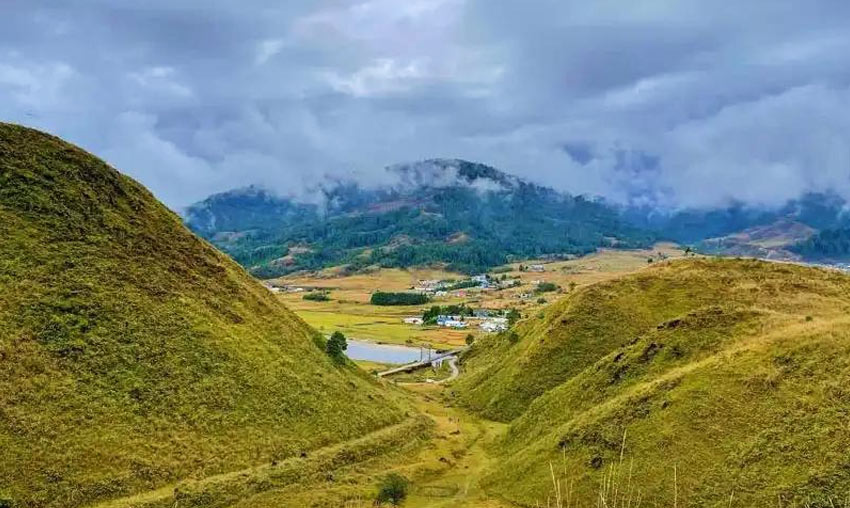
7. Mountain Valleys and Forest Streams
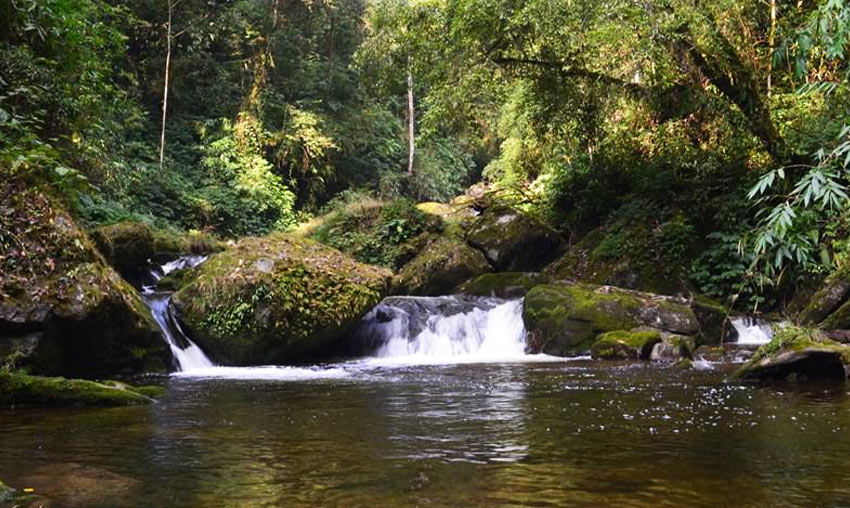
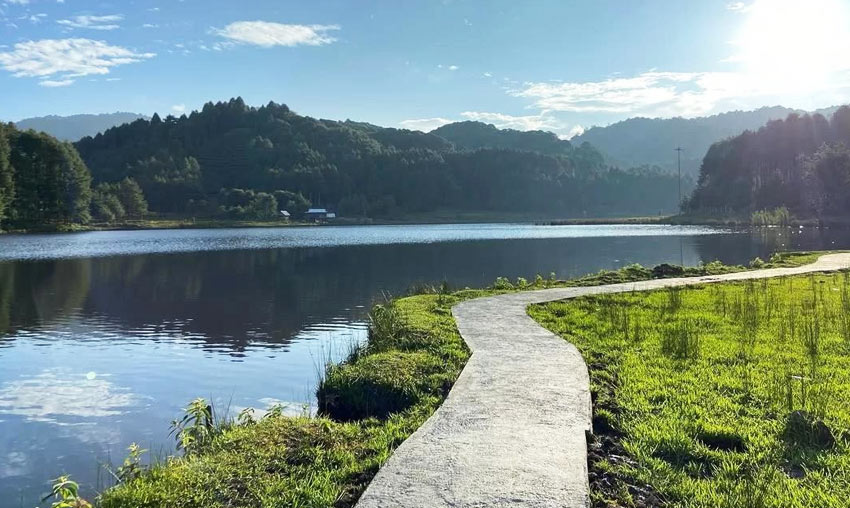
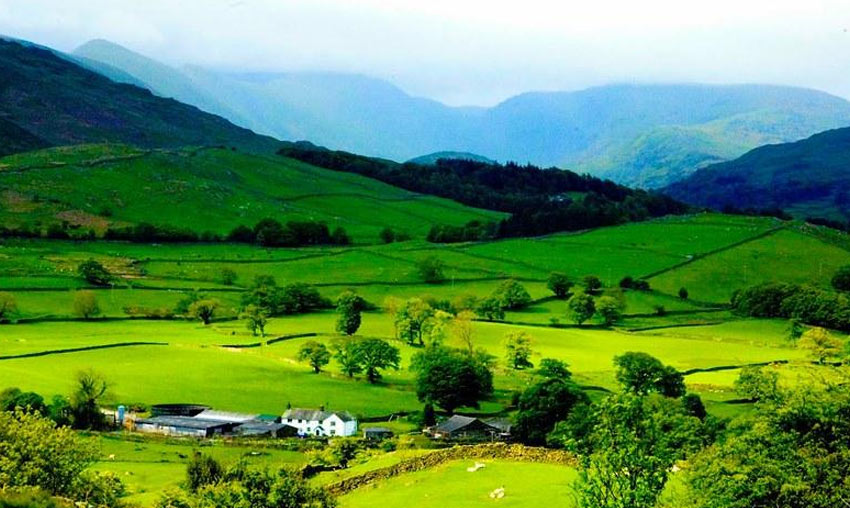
The sanctuary includes scenic mountain valleys and streams associated with the Pange, Sipu, Karing and Subansiri river systems. These waterways contribute to the forest ecosystem and create beautiful natural landscapes.
Some sections contain steep terrain, streams and difficult walking conditions. Visitors should avoid entering unfamiliar forest routes without proper guidance and preparation.
Wildlife Found in Talley Valley Wildlife Sanctuary
Talley Valley supports a wide variety of wildlife because of its different elevations and forest habitats. The sanctuary is particularly important for rare mammals, birds, butterflies and other biodiversity.
Mammals
- Clouded Leopard
- Himalayan Black Bear
- Indian Elephant
- Giant Squirrel
- Flying Squirrel
- Indian Pangolin
- Leopard and Leopard Cat
- Wild Boar
- Jungle Cat
These species are recorded in official wildlife information for the sanctuary and surrounding protected landscape. Actual sightings are uncommon and should never be expected or encouraged through disturbance.
Birdlife
The sanctuary is an important destination for bird diversity in the Eastern Himalayas. Official tourism information highlights birds such as Blyth’s Tragopan and Sclater’s Monal among the region’s notable species.
Birdwatching opportunities depend on season, weather, habitat and access to suitable forest areas.
Butterflies and Other Biodiversity
Talley Valley is also of interest to butterfly enthusiasts and researchers studying the biodiversity of Arunachal Pradesh. Its forest habitats support diverse insects, amphibians, reptiles and other organisms.
Flora and Vegetation of Talley Valley
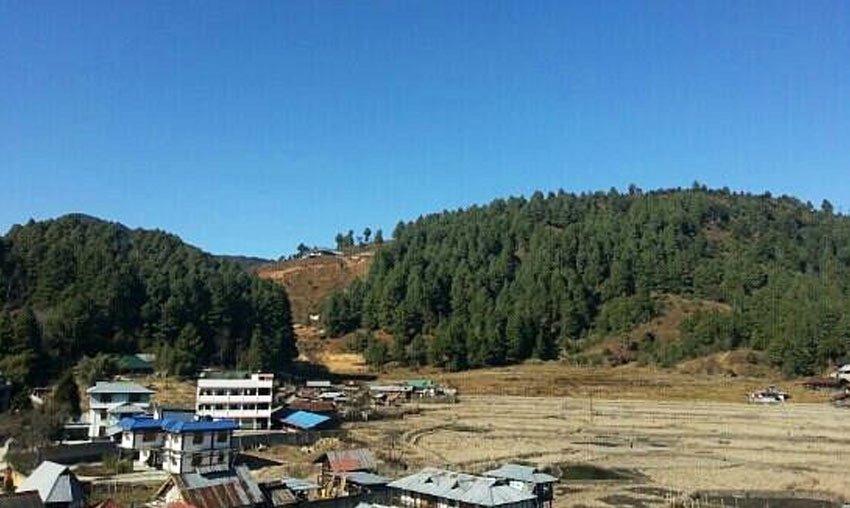
The sanctuary’s varied elevation and climate support several types of forest vegetation. Its natural environment includes subtropical forests, temperate broadleaf forests, conifer woodlands, bamboo patches and rich orchid habitats.
- Silver Fir: A notable conifer found in the higher forest landscape.
- Pine: Pine-covered slopes and elevated forest areas.
- Rhododendrons: Flowering shrubs and trees that add seasonal colour to the forest.
- Orchids: A diverse range of native orchid species.
- Bamboo: Several bamboo varieties, including the distinctive Pleioblastus simonii.
- Broadleaf Trees: Forest vegetation including members of the Lauraceae, Fagaceae and Magnoliaceae families.
Best Time to Visit Talley Valley Wildlife Sanctuary
The ideal time to explore Talley Valley depends on weather conditions, trail accessibility and the kind of nature experience you prefer. October to April is commonly recommended for visiting, although local forest access should always be checked before travelling.
October to November – Post-Monsoon Season
After the monsoon, the forest landscape remains green and attractive. This period can be suitable for nature walks, photography and exploring accessible areas, depending on trail conditions.
December to February – Winter Season
Winter brings colder conditions to the higher forest areas. Clear weather may offer rewarding views, but visitors should carry warm clothing and confirm road access before departure.
March to April – Spring Season
Spring is an interesting period for nature enthusiasts who want to explore the forest landscape and look for seasonal botanical activity. Orchid and flowering plant visibility depends on species and local conditions.
May to September – Monsoon and Rainy Season
The monsoon brings heavy rainfall to the region. Forest trails, streams and access roads may become slippery or difficult to navigate. Trekking during this period should only be undertaken after confirming safe conditions and obtaining local guidance.
Trekking in Talley Valley Wildlife Sanctuary
Talley Valley offers trekking opportunities through forested mountain terrain, valleys and natural landscapes. The journey can involve uneven trails, steep sections, stream crossings and long walking distances depending on the route.
The Pange gateway is an important access point for the sanctuary. Some routes beyond the motorable road require trekking. The distance and difficulty depend on the selected destination within the protected area.
Things to Know Before Trekking
- Confirm the route and current access conditions with the forest department.
- Arrange an authorised local guide wherever required.
- Carry suitable trekking shoes, rain protection and warm clothing.
- Carry drinking water and basic first-aid supplies.
- Do not trek alone into unfamiliar forest areas.
- Respect wildlife habitats and avoid loud noise.
- Follow all forest department rules and restrictions.
How to Reach Talley Valley Wildlife Sanctuary
From Ziro
Talley Valley Wildlife Sanctuary is approximately 30–32 km northeast of Ziro, according to tourism references. The Pange area serves as an important gateway to the sanctuary. Visitors can arrange local transport from Ziro and confirm the current motorable road and trekking arrangements with the forest authorities.
From Hapoli
Hapoli is the main town and district headquarters area for Lower Subansiri. The Arunachal Pradesh Forest Department identifies Pange as the range headquarters and mentions a fair-weather road connection from Hapoli. Road conditions and vehicle access may vary by season.
By Air
Travellers can use airports serving the wider Arunachal Pradesh and Assam region, including Donyi Polo Airport near Itanagar and Lilabari Airport. From the airport, visitors need to continue by road to Ziro and then arrange local transport towards the sanctuary.
By Train
Naharlagun is a commonly used railway station for travellers heading towards Ziro. From the railway station, taxis and other road transport options can be arranged to reach Ziro.
By Road
Ziro is connected by road with Itanagar and parts of Assam. Visitors can reach the town by private taxi, shared vehicles or available bus services. From Ziro, local transport and forest-authority guidance are required for the sanctuary approach.
Important: Do not assume that the entire sanctuary is accessible by private vehicle. Some sections require trekking, and road access may be seasonal. Confirm the exact route, permissions and transport arrangements before departure.
Forest Permissions and Visitor Guidelines
Talley Valley is a protected wildlife sanctuary managed by the Arunachal Pradesh Forest Department. Visitors must follow the applicable forest and wildlife protection rules.
- Check current entry and trekking permission requirements before travelling.
- Contact the local forest office for information about authorised routes and guides.
- Do not disturb, feed or approach wild animals.
- Do not collect orchids, plants, bamboo, flowers or other forest material.
- Avoid plastic litter and carry all waste back with you.
- Do not light fires or camp outside permitted locations.
- Follow instructions issued by forest staff and local authorities.
For official information, contact the Arunachal Pradesh Forest Department or the local Talley Wildlife Sanctuary office before planning your visit.
Places to Visit Near Talley Valley Wildlife Sanctuary
Travellers exploring Talley Valley can also visit other attractions around Ziro and the Lower Subansiri district.
- Ziro Valley – Explore the main destination guide, Apatani villages, rice fields and scenic attractions.
- Kile Pakho Viewpoint – Enjoy panoramic views of the Ziro Plateau and distant Eastern Himalayan ranges.
More Ziro Valley attraction guides will be added here as they are completed.
Frequently Asked Questions About Talley Valley Wildlife Sanctuary
1. Where is Talley Valley Wildlife Sanctuary located?
Talley Valley Wildlife Sanctuary is located in the Lower Subansiri region of Arunachal Pradesh, approximately 30–32 km northeast of Ziro.
2. What is the area of Talley Valley Wildlife Sanctuary?
The sanctuary covers approximately 337 square kilometres and includes a range of forest and mountain habitats.
3. When was Talley Valley Wildlife Sanctuary established?
The protected area was notified as a wildlife sanctuary in 1995.
4. What is Talley Valley famous for?
Talley Valley is famous for its rich biodiversity, clouded leopard habitat, orchids, bamboo forests, silver fir trees, birdlife and trekking opportunities.
5. Can visitors see clouded leopards in Talley Valley?
Clouded leopards are known to inhabit the sanctuary, but sightings are rare because these animals are elusive and naturally avoid human activity.
6. What is the best time to visit Talley Valley?
October to April is commonly recommended for visiting. Weather, forest access and trekking conditions should be confirmed locally before departure.
7. Is trekking possible in Talley Valley?
Yes, the sanctuary offers trekking opportunities through forested terrain. Some sections require long walks, local guidance and permission from the forest authorities.
8. What is the Pange gateway?
Pange is an important gateway and forest administration area associated with Talley Valley Wildlife Sanctuary. It is also known for its orchid conservation trail.
9. Is there an entry fee for Talley Valley Wildlife Sanctuary?
Reliable current entry-fee information is not consistently available online. Visitors should contact the local forest authorities to confirm applicable fees, permissions and visitor arrangements.
10. Can visitors stay overnight inside the sanctuary?
Accommodation and camping availability depend on forest department arrangements and local permissions. Visitors should not assume that overnight stays are permitted without prior confirmation.
11. Is Talley Valley suitable for family trips?
Families interested in nature can explore accessible areas after checking current conditions. Deeper forest trekking may be physically demanding and may not be suitable for young children or visitors with mobility limitations.
12. Do visitors need a guide for Talley Valley?
Local guidance is strongly recommended for trekking and exploring unfamiliar forest areas. Confirm whether an authorised guide is required for your selected route with the forest department.
Explore the Wilderness of Arunachal Pradesh
Talley Valley Wildlife Sanctuary is a remarkable destination for travellers who want to discover the natural side of Arunachal Pradesh. Its rich forests, orchids, bamboo vegetation, rare wildlife and mountain landscapes make it one of the most interesting nature destinations near Ziro.
Whether you are a birdwatcher, nature photographer, trekking enthusiast or wildlife lover, Talley Valley offers an opportunity to experience the biodiversity of the Eastern Himalayas while appreciating the importance of protecting its fragile forest ecosystems.
Explore our Ziro Valley travel guide to discover more attractions and plan your journey through this beautiful region of Arunachal Pradesh.
Nearby Places to Visit