Pandav Sera, Uttarakhand – Explore a Beautiful Himalayan Meadow
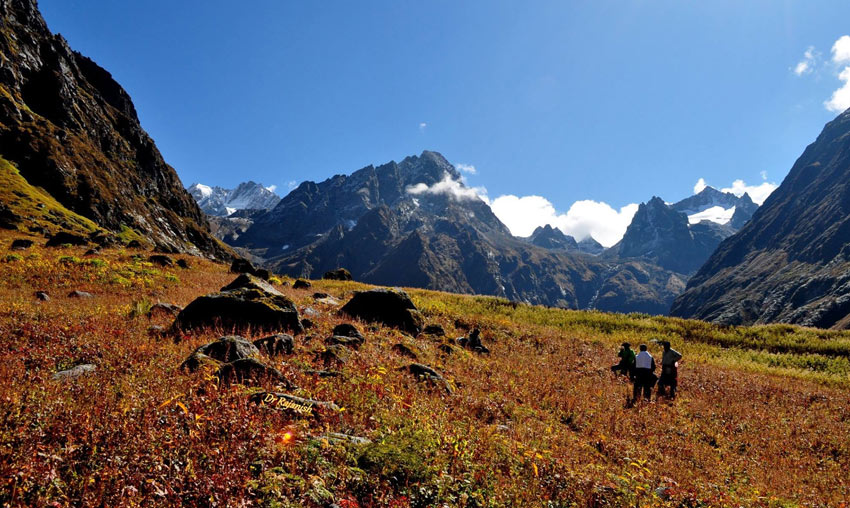
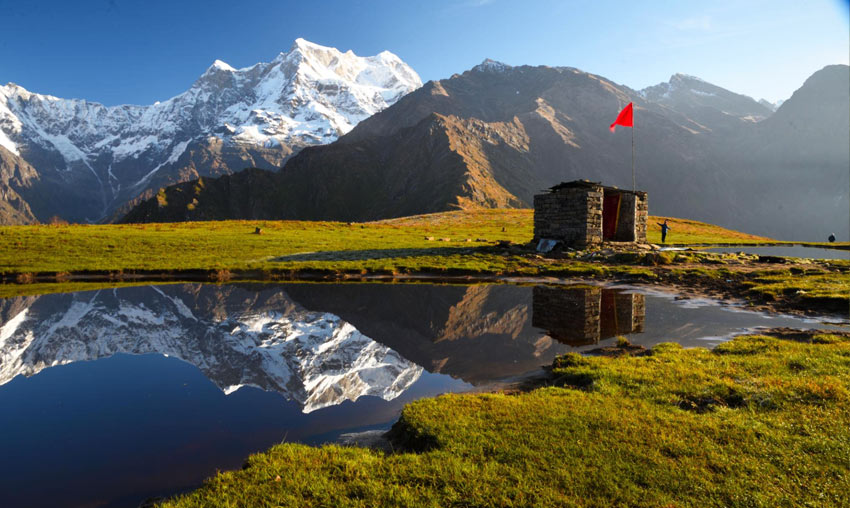
Surrounded by the magnificent Garhwal Himalayas, Pandav Sera is a beautiful and remote alpine meadow in the Madhyamaheshwar region of Uttarakhand. Also known as Pandusera or Pandavsera, this scenic valley is famous for its green grasslands, enormous natural boulders, mountain streams and peaceful Himalayan surroundings.
Located along the trekking route towards Nandikund Lake, Pandav Sera is an offbeat destination for experienced trekkers exploring the upper reaches of the Garhwal Himalayas. The meadow is traditionally associated with the Pandavas of the Mahabharata, and local legends connect the area with their stay and agricultural activities.
Unlike easily accessible tourist destinations, Pandav Sera requires a multi-day trekking expedition through remote mountain terrain. The journey passes through forests, traditional villages, river valleys and high-altitude landscapes before reaching this beautiful meadow.
Where Is Pandav Sera Located?
Pandav Sera is located in the Rudraprayag region of Uttarakhand, in the high-altitude trekking landscape beyond Madhyamaheshwar Temple. It lies along the route towards Nandikund Lake and is surrounded by alpine meadows and rugged Himalayan mountains.
The meadow is generally approached from Ransi village through the Madhyamaheshwar trekking route. After reaching Madhyamaheshwar, trekkers continue towards Kachni Dhar and then Pandav Sera. The route is remote and requires proper planning, local guidance and suitable trekking equipment.
Why Is Pandav Sera Famous?
Pandav Sera is famous for its beautiful alpine meadow, natural rock formations, peaceful camping surroundings and connection with local Mahabharata traditions.
According to local belief, the Pandavas stayed in this valley and practised agriculture here during their journey through the Himalayas. The name is traditionally explained through two words: Pandav, referring to the five Pandava brothers, and Sera, referring to cultivated land.
These stories form part of the local folklore associated with the region. The meadow is also known for its enormous boulders, some of which create cave-like natural shelters.
Natural Beauty of Pandav Sera
The landscape of Pandav Sera is characterised by wide green meadows, scattered giant boulders, mountain streams and dramatic Himalayan scenery. The open valley provides a striking contrast to the forested slopes and steep mountain trails encountered along the trekking route.
During the warmer months, seasonal alpine vegetation adds colour to the grasslands. Waterfalls and streams along the approach make the journey particularly scenic.
The surrounding mountain environment offers excellent opportunities for landscape photography and nature observation. Visitors should remember that the alpine ecosystem is fragile and avoid disturbing the vegetation or wildlife.
Pandav Gufa – Natural Rock Shelters
One of the interesting features associated with Pandav Sera is the presence of huge natural boulders. Some of these rocks have cave-like spaces underneath them and are locally associated with the name Pandav Gufa.
Local traditions connect these formations with the Pandavas and their legendary stay in the Himalayan region. The natural rock shelters add to the unique character of the valley and are a memorable feature of the trekking experience.
Visitors should explore these formations carefully and avoid entering unstable or unsafe rock spaces.
Mythological Significance of Pandav Sera
Pandav Sera is connected with local stories about the Pandavas, the five brothers from the Mahabharata. According to regional belief, the brothers stayed in this valley and cultivated the land during their Himalayan journey.
Some local accounts also associate the large boulders and natural shelters with the Pandavas. These traditions contribute to the cultural and spiritual identity of the region.
These are local legends rather than historically verified events, but they remain an interesting part of the area’s traditional storytelling.
Pandav Sera Trek – Route, Distance and Difficulty
The Pandav Sera trek is a demanding multi-day Himalayan expedition. The commonly described approach starts from Ransi village and passes through the Madhyamaheshwar valley before continuing towards Kachni Dhar and Pandav Sera.
Common Trek Route
The broad trekking route is:
- Ransi Village: The commonly used starting point for the Madhyamaheshwar trek.
- Gaundar: A traditional Himalayan village along the trail.
- Bantoli: A scenic area near the meeting of mountain streams.
- Nanu: A settlement and trail section on the approach to Madhyamaheshwar.
- Madhyamaheshwar Temple: The sacred Panch Kedar shrine and an important stopping point.
- Kachni Dhar: A high-altitude mountain section on the route towards Pandav Sera.
- Pandav Sera: The beautiful alpine meadow and trekking destination.
Trek Distance and Duration
Published trekking itineraries describe Pandav Sera as approximately 18 km beyond Madhyamaheshwar, although route measurements and starting points can differ. Some expedition plans divide the journey from Madhyamaheshwar into two trekking days, with an overnight stop around Kachni Dhar.
The full journey from Ransi requires additional days for reaching Madhyamaheshwar and returning. It should be planned as a multi-day expedition rather than a short day hike.
Trek Difficulty
The trek is considered difficult because of its remote location, high altitude, steep mountain sections and limited facilities. The trail beyond Madhyamaheshwar is more demanding than the regular pilgrimage route.
Some sections require multiple crossings of mountain streams. Trekkers should travel with an experienced local guide who understands the route and current conditions.
Best Time to Visit Pandav Sera
The best time to plan a Pandav Sera expedition is generally during suitable summer and post-monsoon trekking windows. Weather and snow conditions in the upper Himalayas can change quickly, so local confirmation is essential.
May to June
Late spring and early summer are popular periods for high-altitude trekking. The meadows begin to become greener, and the landscape offers beautiful mountain scenery. Snow may still affect some upper sections, and nights remain cold.
July to August
The monsoon brings heavy rainfall to Uttarakhand. Trails can become slippery, streams may rise, and landslides can disrupt road access. Avoid attempting this remote trek during periods of heavy rain.
September to October
Post-monsoon months often provide clearer mountain views and fresh alpine landscapes. This is another suitable trekking window, subject to current weather and trail conditions. Temperatures can drop sharply at night.
November to April
Winter brings severe cold and snowfall to the high-altitude region. The route may become inaccessible or hazardous. A winter expedition should not be attempted without current local information and specialist support.
How to Reach Pandav Sera
By Air
Jolly Grant Airport near Dehradun is the nearest major airport commonly used for travel to the Garhwal region. From the airport, visitors continue by road towards Rishikesh, Rudraprayag and Ukhimath.
By Train
Rishikesh is a major railway access point for the Madhyamaheshwar region. From Rishikesh, travellers can use taxis or available road transport towards Rudraprayag and Ukhimath.
By Road
Ukhimath is an important road-connected town for travellers visiting the Madhyamaheshwar region. From Ukhimath, continue towards Uniana and Ransi, depending on current road access and local transport arrangements.
Read more: Ukhimath Travel Guide.
By Trek
The trekking journey generally begins from Ransi village. Trekkers follow the route through Gaundar, Bantoli, Nanu and Madhyamaheshwar before continuing towards Kachni Dhar and Pandav Sera.
There is no direct motorable road to Pandav Sera. The upper route requires a multi-day expedition and proper logistical support.
Things to Do at Pandav Sera
- Explore the alpine meadow: Enjoy the open grasslands and natural beauty of the Himalayan valley.
- Experience remote trekking: Discover a challenging route through the upper Garhwal Himalayas.
- Photography: Capture the giant boulders, streams, meadows and surrounding mountain scenery.
- Observe natural rock formations: Explore the boulders and cave-like formations associated with local legends.
- Experience mountain camping: Enjoy an organised camping experience where local rules and conditions permit.
- Discover local folklore: Learn about the traditional stories associated with the Pandavas.
- Enjoy nature: Observe the alpine landscape while respecting its fragile environment.
Camping at Pandav Sera
Pandav Sera is known among trekkers for its open meadow landscape and large natural boulders. The valley is described in trekking accounts as a possible camping area during organised expeditions.
Camping arrangements must be planned with an experienced local guide or expedition team. Confirm current forest and local permissions before setting up tents. Trekkers should carry suitable sleeping bags, tents, food and other essential supplies.
Do not light fires on fragile grasslands, leave waste behind or damage the natural surroundings. Follow Leave No Trace principles throughout the expedition.
Places to Visit Near Pandav Sera
1. Madhyamaheshwar Temple
Madhyamaheshwar Temple is one of the sacred Panch Kedar shrines dedicated to Lord Shiva. Located in a scenic Himalayan valley, it is a major pilgrimage destination and an important stop on the trekking route towards Pandav Sera.
Read more: Madhyamaheshwar Temple Travel Guide.
2. Budha Madhyamaheshwar
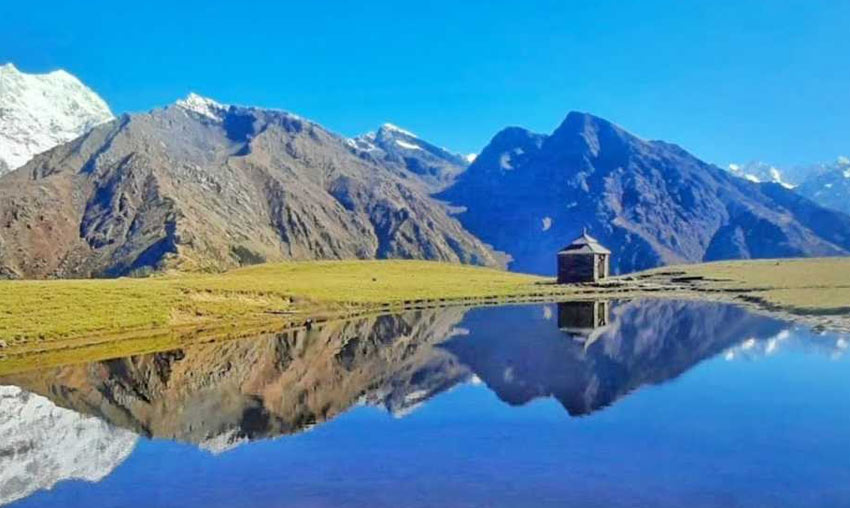
Budha Madhyamaheshwar is a small sacred shrine located uphill from the main temple. It is known for its peaceful surroundings and panoramic views of the Himalayan peaks.
Read more: Budha Madhyamaheshwar Travel Guide.
3. Nandikund Lake
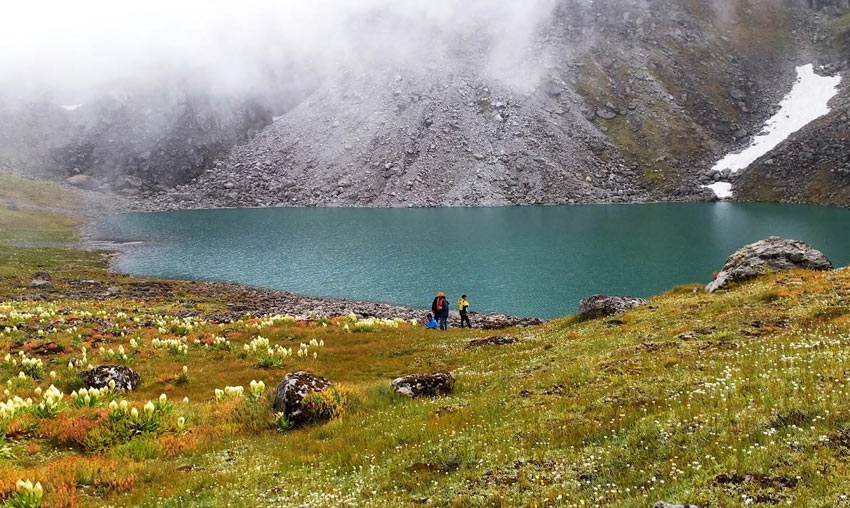
Nandikund is a remote high-altitude lake surrounded by alpine meadows and dramatic Himalayan mountain scenery. It lies along the wider trekking region associated with Pandav Sera.
Read more: Nandikund Lake Travel Guide.
4. Kanchani Tal
Kanchani Tal is a high-altitude glacial lake in the Madhyamaheshwar region. The lake is reached through a strenuous trekking route and is an attraction for experienced Himalayan trekkers.
Read more: Kanchani Tal Travel Guide.
5. Ukhimath
Ukhimath is an important religious town in Rudraprayag district and a useful base for journeys towards Madhyamaheshwar. It is famous for Omkareshwar Temple, where the ceremonial worship of Lord Kedarnath takes place during winter.
Read more: Ukhimath Travel Guide.
Accommodation and Facilities
Pandav Sera is a remote alpine meadow and does not have regular hotels, resorts or restaurants. Trekkers should not expect permanent accommodation or medical facilities at the site.
Organised trekking expeditions generally arrange camping and carry the supplies needed for the journey. Accommodation and food arrangements around Madhyamaheshwar and other villages should be confirmed before departure.
Because the area is remote, visitors should carry adequate food, water-treatment supplies, camping equipment, warm clothing and a first-aid kit.
Important Travel Tips for Pandav Sera Trek
- Attempt the trek only if you have suitable high-altitude trekking experience and fitness.
- Travel with an experienced local guide or qualified expedition team.
- Confirm current trail conditions and local permissions before departure.
- Allow enough time for acclimatisation before gaining higher altitude.
- Carry waterproof clothing, warm layers and sturdy trekking shoes.
- Pack sufficient food, water-treatment supplies and camping equipment.
- Be prepared for multiple mountain stream crossings and changing weather.
- Carry a first-aid kit and a reliable emergency communication plan.
- Do not trek alone or depend only on online maps in remote terrain.
- Keep the meadow clean and avoid disturbing wildlife or vegetation.
- If altitude sickness symptoms appear, stop ascending and seek medical help. Severe symptoms require prompt descent.
Frequently Asked Questions About Pandav Sera
1. Where is Pandav Sera located?
Pandav Sera is a high-altitude meadow in the Madhyamaheshwar region of Rudraprayag district, Uttarakhand, along the trekking route towards Nandikund.
2. Why is Pandav Sera famous?
It is famous for its beautiful alpine meadow, giant natural boulders, remote trekking route and local legends connecting the area with the Pandavas.
3. What is the meaning of Pandav Sera?
Local explanations associate Pandav with the five Pandava brothers and Sera with cultivated land. This is part of the traditional folklore of the region.
4. How do I reach Pandav Sera?
The commonly described route starts from Ransi village and passes through Gaundar, Bantoli, Nanu, Madhyamaheshwar and Kachni Dhar before reaching Pandav Sera.
5. How far is Pandav Sera from Madhyamaheshwar?
Some trekking references describe it as approximately 18 km beyond Madhyamaheshwar. Actual distance depends on the route and expedition plan.
6. Is Pandav Sera trek difficult?
Yes. It is a difficult multi-day trek involving high-altitude terrain, steep sections and remote stream crossings. It is best suited to experienced trekkers.
7. Can I camp at Pandav Sera?
Camping is described in trekking accounts, but visitors must confirm current permissions and local rules before planning an overnight stay.
8. What is the best time to visit Pandav Sera?
May to June and September to October are commonly considered suitable trekking periods, subject to snow, weather and trail accessibility.
Pandav Sera is a beautiful and remote Himalayan meadow that offers a memorable combination of natural scenery, traditional folklore and challenging trekking. Its open grasslands, giant boulders and peaceful mountain environment make it a special destination in the Madhyamaheshwar region.
The journey requires careful planning, high-altitude trekking experience and reliable local guidance. For experienced adventurers exploring the Nandikund trekking route, Pandav Sera offers an opportunity to discover a quieter and less-explored side of Uttarakhand.
Nearby Places to Visit