Rakchham–Chitkul Wildlife Sanctuary – Explore the Himalayan Wilderness
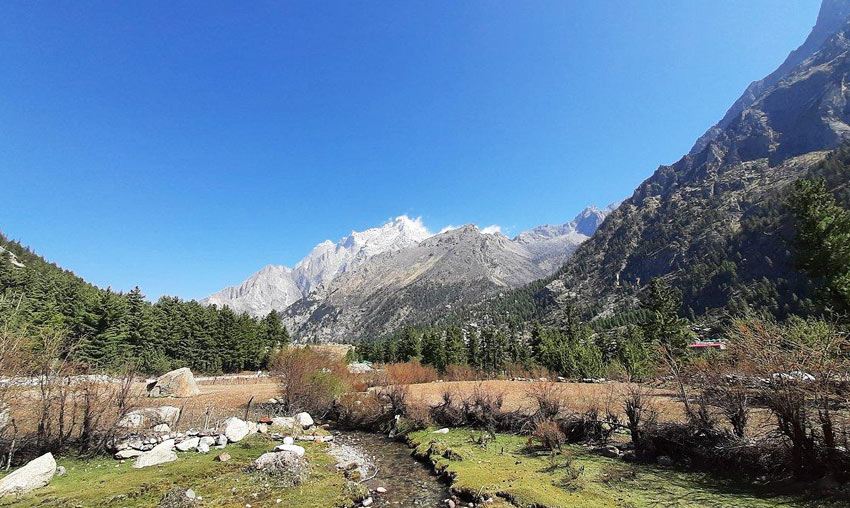
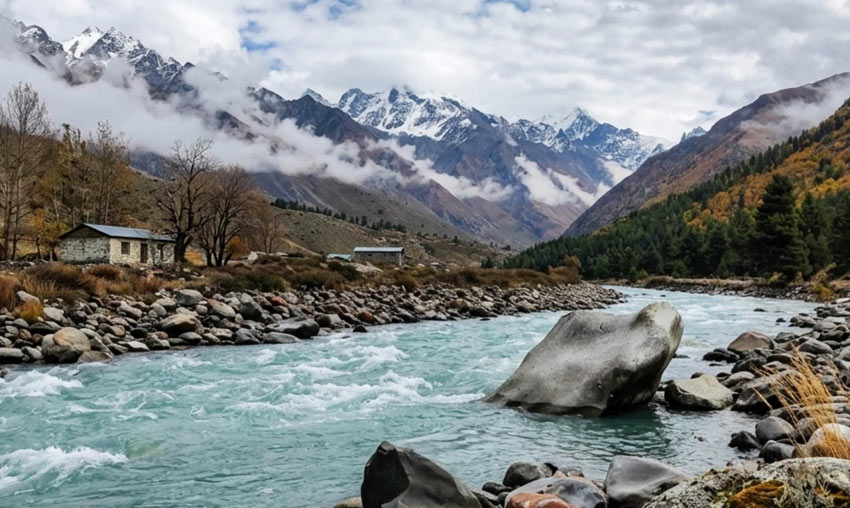
Hidden in the beautiful Baspa Valley of Kinnaur, Himachal Pradesh, Rakchham–Chitkul Wildlife Sanctuary is a remarkable protected area known for its rugged Himalayan landscapes, alpine forests and diverse wildlife. Named after the picturesque villages of Rakchham and Chitkul, this sanctuary protects an important natural ecosystem in the upper Baspa River region.
Spread across approximately 304 square kilometres, the sanctuary is home to several Himalayan mammals, rare mountain birds, medicinal plants and alpine vegetation. Its remote mountain terrain and high-altitude habitats make it an interesting destination for nature lovers, birdwatchers, wildlife enthusiasts and adventure travellers.
Unlike conventional tourist attractions, Rakchham–Chitkul Wildlife Sanctuary offers an opportunity to appreciate the quieter side of Kinnaur. Its forests, mountain slopes and high-altitude trails reveal the rich biodiversity of the Western Himalayas.
Where is Rakchham–Chitkul Wildlife Sanctuary Located?
Rakchham–Chitkul Wildlife Sanctuary is located in the Kinnaur district of Himachal Pradesh, within the catchment area of the Baspa River. It forms part of the upper Himalayan landscape surrounding the Sangla Valley and the villages of Rakchham and Chitkul.
The sanctuary lies in a remote mountain region with steep slopes, high ridges, forested areas and alpine landscapes. Its southern side adjoins the Govind Wildlife Sanctuary of Uttarakhand, while the eastern side extends towards the Tibetan Plateau region.
Sangla is the main settlement used by many visitors exploring this part of the Baspa Valley. Rakchham and Chitkul are important nearby villages from which travellers can experience the surrounding landscape.
Area and Important Facts About the Sanctuary
Rakchham–Chitkul Wildlife Sanctuary is one of the important protected areas of Kinnaur. The following details are based on the Himachal Pradesh Forest Department’s protected-area travel guide.
- Official Name: Rakchham Chitkul Wildlife Sanctuary
- Location: Kinnaur district, Himachal Pradesh
- Area: Approximately 304 square kilometres
- Altitudinal Range: Approximately 3,200 to 5,486 metres
- River Catchment: Baspa River
- Nearest Settlements: Sangla, Rakchham and Chitkul
- Landscape: Himalayan forests, mountain slopes, alpine pastures and high-altitude terrain
Wildlife Found in Rakchham–Chitkul Wildlife Sanctuary
The sanctuary provides habitat for several species of mammals adapted to the challenging conditions of the high Himalayas. Its different elevations support wildlife ranging from forest-dwelling animals to species associated with rocky mountain slopes.
Greater Blue Sheep
Greater Blue Sheep, also known as Bharal, are among the notable high-altitude mammals associated with the sanctuary. They are adapted to rocky mountain terrain and are known for their remarkable ability to move across steep slopes.
Himalayan Tahr
Himalayan Tahr are mountain-dwelling mammals that inhabit rugged Himalayan landscapes. Their strong bodies and sure-footed movement help them navigate steep slopes and rocky habitats.
Asiatic Black Bear
The Asiatic Black Bear is another important mammal reported from the sanctuary’s higher-altitude habitats. It is a forest-dwelling species and generally avoids human contact.
Himalayan Goral
Himalayan Goral are agile mountain animals found on steep, rocky slopes. Their ability to navigate difficult terrain makes them well suited to the rugged landscapes of Kinnaur.
Common Leopard
Common Leopards are reported from the lower elevations of the sanctuary. These elusive predators are difficult to spot and usually remain away from busy human settlements.
Wildlife sightings are never guaranteed. Visitors should observe animals only from a safe distance and should never attempt to approach, feed or disturb them.
Birdwatching in Rakchham–Chitkul Wildlife Sanctuary
Rakchham–Chitkul Wildlife Sanctuary is an interesting destination for birdwatchers because of its variety of high-altitude habitats. The Himachal Pradesh Forest Department’s travel guide reports close to 100 bird species in the sanctuary.
Some of the notable birds recorded in the region include:
- Bearded Vulture: A large mountain bird known for its distinctive appearance and high-altitude habitat.
- Himalayan Griffon: A large scavenging bird often associated with open mountain landscapes.
- Golden Eagle: A powerful bird of prey found across mountainous regions.
- Long-legged Buzzard: A raptor associated with open and rocky terrain.
- Tibetan Snowfinch: A high-altitude bird adapted to cold and exposed mountain environments.
- White-bellied Redstart: A mountain bird found in suitable Himalayan habitats.
- Orange-flanked Bush-Robin: A small bird associated with mountain forests and scrub habitats.
- White-collared Blackbird: Another notable bird recorded in the sanctuary region.
Birdwatching is best enjoyed with patience, binoculars and a respectful approach to the natural environment. Early mornings can be rewarding for observing bird activity, although sightings depend on weather, season and habitat conditions.
Forests and Natural Vegetation
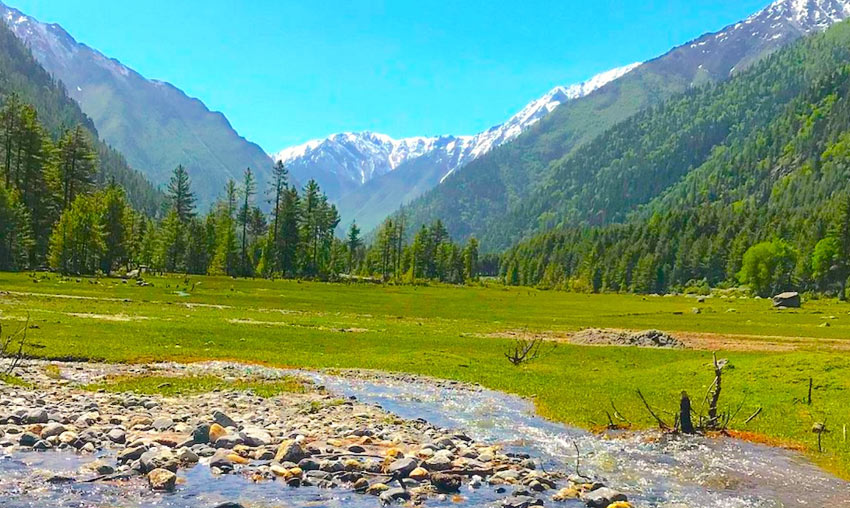
The sanctuary has a varied natural landscape, with vegetation changing according to altitude and local conditions. Lower elevations support coniferous forests, while higher areas gradually transition into alpine vegetation and open pastures.
The forest types and vegetation described in the Himachal Pradesh Forest Department’s travel guide include:
- Deodar Forests: Tall Himalayan cedar trees that form part of the lower forest landscape.
- Blue Pine Forests: Coniferous woodland found at suitable elevations.
- Chilgoza Pine Forests: Pine forests associated with the dry mountain environment of Kinnaur.
- Oak Forests: Broadleaf woodland found in the higher forest zones.
- Fir and Spruce: Coniferous trees growing in suitable higher-altitude conditions.
- Alpine Pastures: Open high-altitude grasslands and meadows above the forest belt.
The alpine areas also support threatened medicinal plants and herbs, making the sanctuary important for the conservation of Himalayan plant diversity.
Best Things to Do in Rakchham–Chitkul Wildlife Sanctuary
1. Birdwatching
Birdwatching is one of the most rewarding nature activities in the sanctuary. The region’s varied habitats provide opportunities to observe mountain birds, raptors and high-altitude species. Carry binoculars and maintain a respectful distance from nesting and feeding areas.
2. Wildlife Observation
Nature enthusiasts can explore the surrounding landscape in the hope of observing Himalayan mammals in their natural habitats. However, wildlife is elusive, and sightings depend on many natural factors.
3. Hiking and Nature Exploration
The sanctuary’s mountain environment offers opportunities for nature exploration and longer trekking routes. Visitors should use established routes and take local or authorised guidance for remote sections.
4. Photography
The combination of forested slopes, rugged ridges, alpine landscapes and mountain wildlife makes the region attractive for nature photography. Avoid using flash or disturbing animals to obtain photographs.
5. Exploring the Baspa Valley
Travellers can combine their nature experience with visits to Sangla, Rakchham and Chitkul. These settlements provide an introduction to the traditional lifestyle and cultural heritage of Kinnaur.
Popular Trekking Routes in the Sanctuary
The Himachal Pradesh Forest Department’s protected-area travel guide lists several eco-trekking routes associated with Rakchham–Chitkul Wildlife Sanctuary. These routes pass through remote Himalayan terrain and are more suitable for prepared trekkers than casual sightseeing visitors.
- Chitkul to Dumti: A route leading from Chitkul towards the remote upper Himalayan landscape.
- Dumti to Rangthang Pass: A high-altitude trekking route through challenging mountain terrain.
- Rangthang Pass to Neartall: A remote route listed in the Forest Department’s eco-trekking information.
- Chitkul to Lalanti Pass: A mountain trekking route associated with the upper Baspa region.
- Lalanti Pass to Thangi: A longer route through remote high-altitude landscapes.
These are not ordinary village walking trails. Trekkers should confirm current route access, permits, weather conditions, camping arrangements and local requirements with the Forest Department or authorised local guides before starting.
Best Time to Visit Rakchham–Chitkul Wildlife Sanctuary
The Himachal Pradesh Forest Department’s protected-area travel guide identifies July to September as the best period to visit Rakchham–Chitkul Wildlife Sanctuary. Weather and trail conditions can vary considerably because of its high altitude.
- April to June: Lower areas of the Baspa Valley become more accessible, but higher trekking routes may still have snow.
- July to August: The landscape becomes greener, although rainfall may affect roads and trails.
- September: A recommended period in the Forest Department guide, with changing autumn colours and generally more suitable conditions for high-altitude exploration.
- October: Temperatures fall and conditions become colder, especially at higher elevations.
- November to March: Heavy winter conditions and snow can make remote routes difficult or inaccessible.
Always check the latest weather forecast and local access conditions before planning a trek or remote visit.
How to Reach Rakchham–Chitkul Wildlife Sanctuary
By Road
Sangla Valley is reached through Karcham in Kinnaur. Travellers can drive from Shimla towards Rampur and continue through the Kinnaur region to Sangla. From Sangla, the road continues towards Rakchham and Chitkul.
The Forest Department travel guide describes the approach towards the sanctuary through Shimla, Rampur, NiguIsari and Sangla, followed by a trek. Actual access points and route conditions should be confirmed locally before departure.
By Train
Shimla is the nearest railhead listed in the Forest Department’s travel guide, approximately 250 kilometres from the sanctuary. Travellers can continue from Shimla towards Kinnaur by road.
By Air
Shimla Airport is listed as the nearest airport in the Forest Department’s guide, approximately 250 kilometres away. Flight availability may be limited, so travellers can also consider other practical airports and continue by road.
Places to Visit Near Rakchham–Chitkul Wildlife Sanctuary
The sanctuary is surrounded by some of the most beautiful destinations in Kinnaur. Visitors can explore these nearby settlements and attractions while discovering the Baspa Valley.
- Sangla Valley: Explore the scenic Baspa Valley, traditional villages, apple orchards and mountain landscapes.
- Rakchham Village: Discover a peaceful Himalayan settlement known for traditional houses and beautiful natural surroundings.
- Chitkul Village: Visit the famous village in the upper Baspa Valley, surrounded by dramatic mountain scenery.
- Kamru Fort: Explore the historic fort associated with the former rulers of Bushahr.
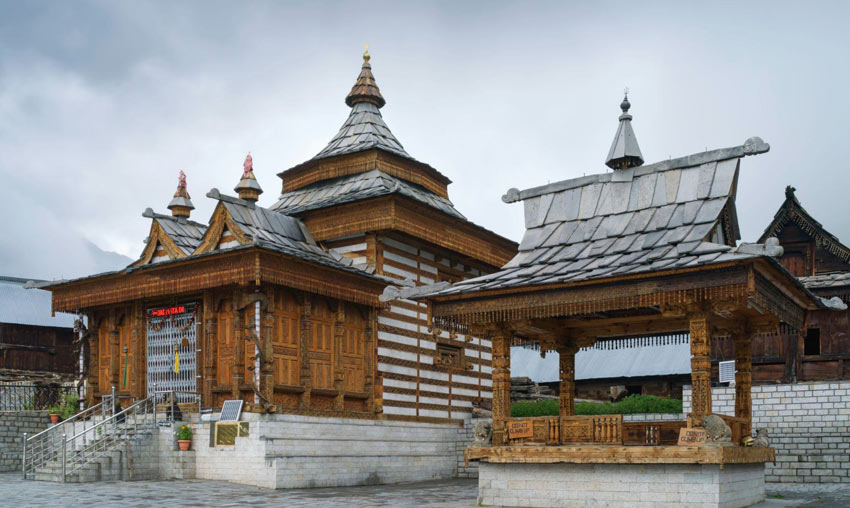
- Mathi Devi Temple: Visit the sacred village temple dedicated to Goddess Mathi in Chitkul.
Travel Tips for Visitors
- Check with the Forest Department or local authorities before entering protected or restricted areas.
- Confirm whether permits, permissions or a local guide are required for your intended route.
- Carry suitable trekking shoes, warm clothing, drinking water and essential supplies.
- High-altitude routes require proper preparation and gradual acclimatisation.
- Do not approach, feed or disturb wild animals.
- Avoid loud music and unnecessary noise in wildlife habitats.
- Do not litter. Carry all waste back with you.
- Do not collect plants, flowers, rocks or other natural materials from the sanctuary.
- Avoid trekking alone in remote areas and share your route plan with someone.
- Check road conditions and weather forecasts before travelling, especially during winter and the monsoon season.
Frequently Asked Questions About Rakchham–Chitkul Wildlife Sanctuary
1. Where is Rakchham–Chitkul Wildlife Sanctuary located?
Rakchham–Chitkul Wildlife Sanctuary is located in Kinnaur district, Himachal Pradesh, within the catchment area of the Baspa River.
2. What is the total area of Rakchham–Chitkul Wildlife Sanctuary?
The sanctuary covers approximately 304 square kilometres, according to the Himachal Pradesh Forest Department and the official government notification.
3. Which animals are found in Rakchham–Chitkul Wildlife Sanctuary?
The sanctuary is known for mammals such as Greater Blue Sheep, Himalayan Tahr, Asiatic Black Bear, Himalayan Goral and Common Leopard. Wildlife sightings are not guaranteed.
4. Is Rakchham–Chitkul Wildlife Sanctuary good for birdwatching?
Yes. The Forest Department’s travel guide reports close to 100 bird species in the sanctuary, including Himalayan Griffon, Golden Eagle, Bearded Vulture and Tibetan Snowfinch.
5. What is the best time to visit the sanctuary?
July to September is the best period listed in the Himachal Pradesh Forest Department’s protected-area travel guide. Always check local weather and route conditions before travelling.
6. Can visitors go trekking in the sanctuary?
Yes. Several eco-trekking routes are listed by the Forest Department, including Chitkul–Dumti and Chitkul–Lalanti Pass. These are remote mountain routes and require proper preparation and local guidance.
7. Is the sanctuary suitable for a family sightseeing trip?
The surrounding villages and accessible parts of the Baspa Valley can be explored as part of a family trip. However, remote sanctuary trekking routes are more suitable for experienced and well-prepared trekkers.
8. Do visitors need permission to enter the sanctuary?
Access requirements can depend on the route and activity. Visitors should confirm current entry rules, permits and permissions with the Forest Department or local authorities before travelling.
Conclusion
Rakchham–Chitkul Wildlife Sanctuary is one of the important natural treasures of Kinnaur. Covering approximately 304 square kilometres, it protects a diverse Himalayan environment of coniferous forests, alpine pastures, rare birds and mountain mammals.
From birdwatching and nature photography to challenging high-altitude trekking, the sanctuary offers a different experience from the usual tourist attractions of Himachal Pradesh. Its connection with Sangla, Rakchham and Chitkul also makes it an important part of the natural heritage of the Baspa Valley.
For travellers who appreciate wilderness, biodiversity and mountain landscapes, Rakchham–Chitkul Wildlife Sanctuary deserves a place on their Kinnaur travel itinerary.


Nearby Places to Visit