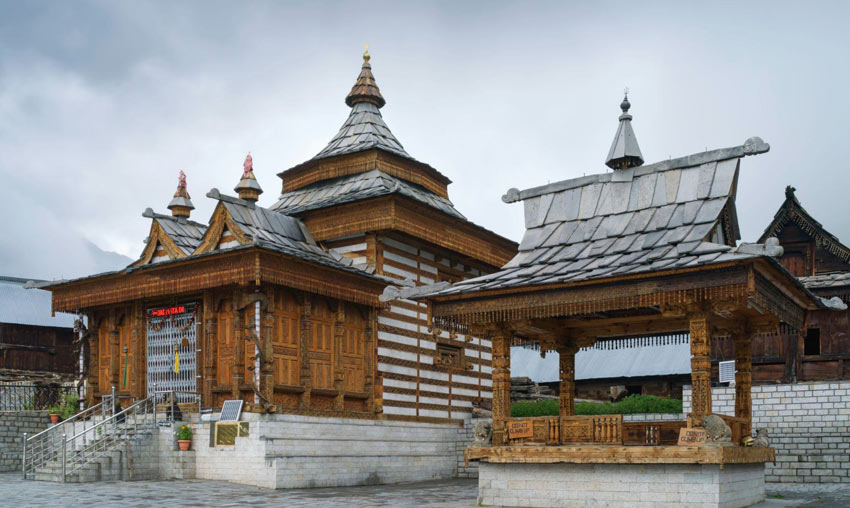
Mathi Devi Temple, Chitkul – History and Spiritual Significance
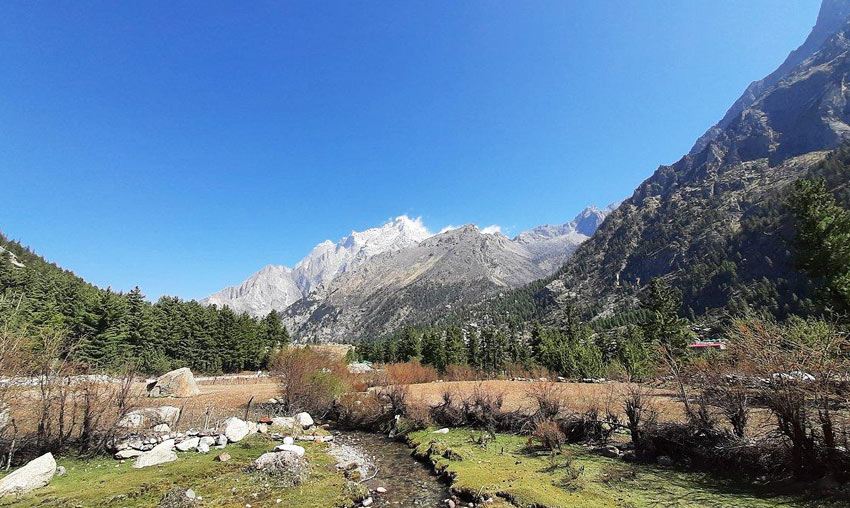
Situated in the picturesque village of Chitkul in Himachal Pradesh’s Kinnaur district, Mathi Devi Temple is one of the most significant religious and cultural landmarks of the upper Baspa Valley. Surrounded by traditional wooden houses and dramatic Himalayan mountains, this sacred temple reflects the deep-rooted spiritual traditions of the Kinnauri people.
Dedicated to Goddess Mathi, the village deity of Chitkul, the temple is admired for its traditional wooden architecture, intricate craftsmanship and unique religious traditions. It is not just a place of worship but also an important part of the village’s cultural identity and community life.
For travellers visiting Chitkul, Mathi Devi Temple offers an opportunity to experience the spiritual side of this beautiful Himalayan village and understand the local customs that have been preserved over generations.
Where is Mathi Devi Temple Located?
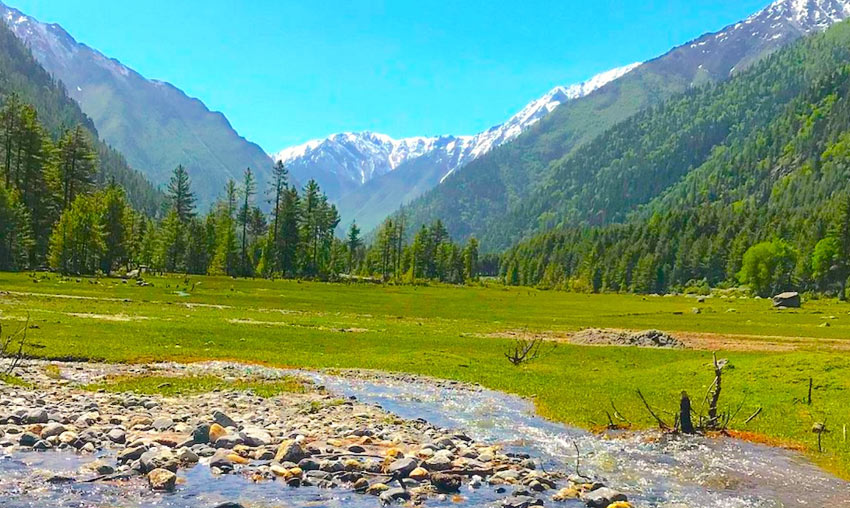
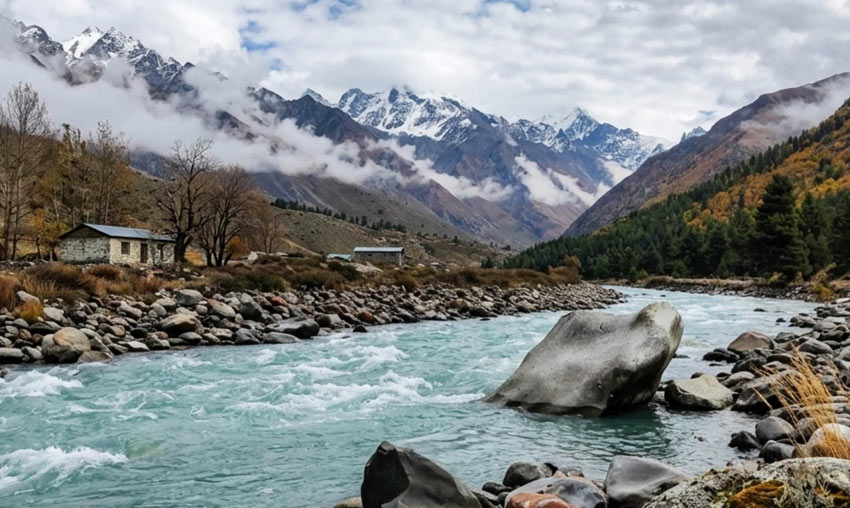
Mathi Devi Temple is located in Chitkul village in the Baspa Valley of Kinnaur district, Himachal Pradesh. Chitkul is a beautiful high-altitude settlement known for its mountain scenery, traditional Kinnauri houses and peaceful village atmosphere.
The temple is situated within the village settlement and can be included in a local sightseeing walk. Its location makes it an important stop for visitors interested in the religious heritage and traditional lifestyle of Chitkul.
Chitkul is connected by road through Sangla and Karcham. Travellers generally reach Sangla first and continue along the scenic Baspa Valley road towards Chitkul.
History of Mathi Devi Temple
Mathi Devi Temple is closely associated with the religious history and oral traditions of Chitkul. Goddess Mathi is regarded as an important local deity and is deeply respected by the people of the village.
According to the Himachal Pradesh Ecotourism Master Plan, the temple complex contains three temples dedicated to Mathi. The oldest temple is traditionally believed to have been constructed around 500 years ago by a resident of Garhwal.
The history of the goddess is also preserved through local stories and oral traditions. One popular account describes her journey from the Garhwal region before she settled in Chitkul. These stories form an important part of the religious heritage of the village and are passed down through generations.
Rather than being remembered only through written records, the temple’s history continues through local customs, religious ceremonies and community traditions.
Religious Significance of Goddess Mathi
Goddess Mathi holds a special place in the spiritual life of Chitkul. She is worshipped as the village deity and is associated with the protection and wellbeing of the local community.
For the people of Kinnaur, village deities are closely connected with everyday life, seasonal celebrations and traditional community decisions. Their presence is reflected in local festivals, processions and religious gatherings.
Goddess Mathi is also associated with the wider network of local deities in the region. Traditional stories connect her with neighbouring villages and their guardian deities, showing how religious beliefs link different settlements across the Baspa Valley.
Traditional Architecture of Mathi Devi Temple
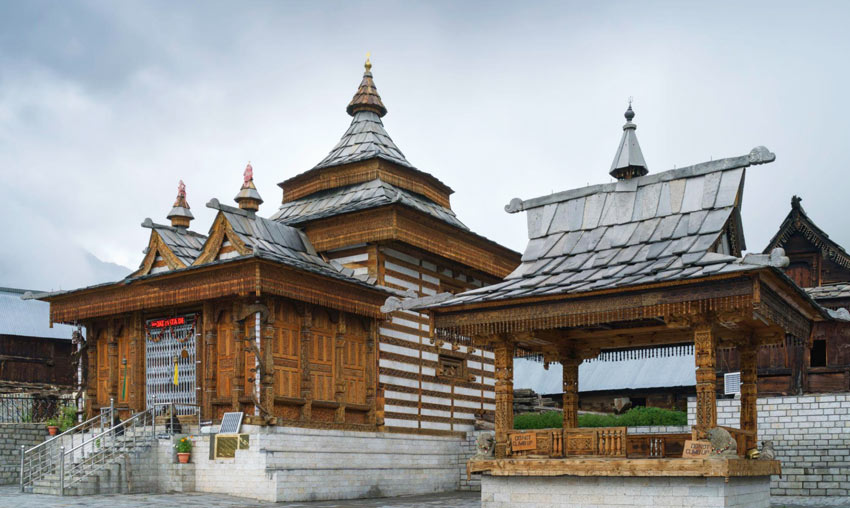
One of the most fascinating features of Mathi Devi Temple is its traditional Himalayan construction. The temple reflects the distinctive wood-and-stone building techniques found in the Kinnaur region.
The structure features traditional wooden craftsmanship and a distinctive tiered roof. Its design reflects the architectural knowledge developed in Himalayan villages, where local materials and construction methods are suited to the mountain climate.
Wooden carvings and traditional building details give the temple a distinctive appearance. The combination of timber and stone is an important part of Kinnaur’s architectural heritage and can also be seen in several historic temples and traditional buildings across the district.
The Sacred Walnut-Wood Palanquin
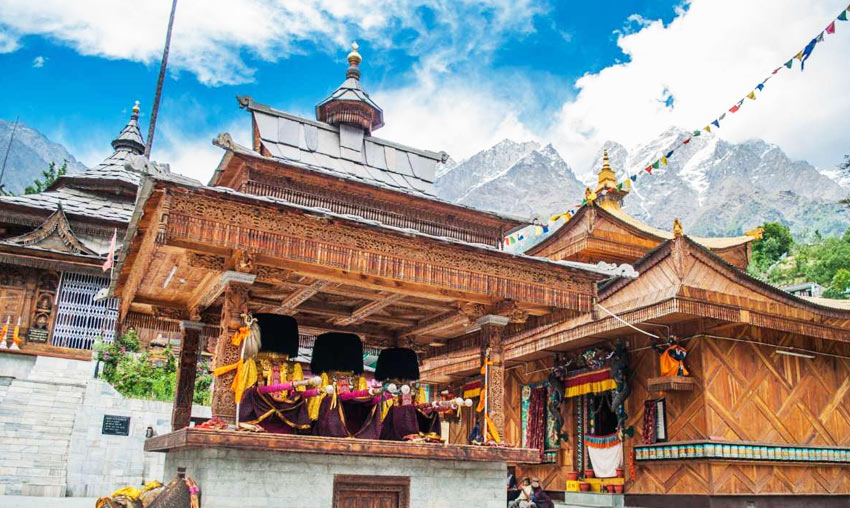
One of the most interesting aspects of Mathi Devi Temple is its sacred ark, which is made from walnut wood. According to the Himachal Pradesh Ecotourism Master Plan, this ark is covered with clothes and decorated with a tuft of yak tail.
Two wooden poles are fitted into the ark so that it can be carried during religious processions. This traditional form of carrying the deity reflects the distinctive devotional practices of Kinnaur, where local deities are often represented through sacred palanquins and ceremonial objects.
The walnut-wood ark is an important cultural feature of the temple and offers visitors a glimpse into the traditional religious practices of the region.
Festivals and Religious Celebrations
Religious festivals and seasonal celebrations are an important part of life in Kinnaur. Local deities are honoured through traditional ceremonies, music, processions and community gatherings.
One of the best-known cultural celebrations of Kinnaur is Fulaich, also called the Flower Festival. It is associated with the autumn season and the gathering of wildflowers in the high Himalayan areas.
Fulaich celebrations take place in different villages of Kinnaur and involve local customs, traditional music and religious activities. Visitors interested in experiencing the region’s cultural heritage may find this season especially interesting.
Festival dates and rituals can vary from village to village and from year to year. Travellers should confirm the local programme before planning a visit around a particular celebration.
Things to See at Mathi Devi Temple
- Traditional Wooden Architecture: Observe the temple’s distinctive wood-and-stone construction and traditional Himalayan design.
- Temple Complex: Learn about the three temples associated with Goddess Mathi within the complex.
- Wooden Craftsmanship: Notice the traditional construction details and wooden elements that reflect the heritage of Kinnaur.
- Sacred Walnut-Wood Ark: Learn about the ceremonial ark covered with cloth and decorated with yak-tail hair.
- Local Religious Traditions: Understand the importance of village deities and their role in the cultural life of Chitkul.
- Village Surroundings: Explore the traditional settlement and enjoy the beautiful Himalayan landscape around the temple.
Best Time to Visit Mathi Devi Temple
The best time to visit Mathi Devi Temple is generally between April and October, when Chitkul is more accessible and the weather is suitable for sightseeing.
- April to June: Pleasant daytime weather and beautiful mountain views make this a popular period for visiting Chitkul.
- July to August: The valley becomes greener, but monsoon rainfall can affect road conditions.
- September to October: Autumn colours and clear mountain views make this an attractive time to explore the village.
- November to March: Chitkul experiences very cold winters and snowfall. Road conditions and accessibility may change, so check locally before travelling.
How to Reach Mathi Devi Temple
By Road
Chitkul is connected by road through Sangla and Karcham in Kinnaur. Travellers can reach Sangla by taxi, private vehicle or available bus services and continue towards Chitkul along the Baspa Valley road. Once in Chitkul, Mathi Devi Temple can be visited on foot from the village area.
By Train
The nearest major railway connections are at Kalka and Shimla. From these locations, travellers can continue towards Kinnaur by road. The journey involves mountain roads and requires sufficient travel time.
By Air
Chandigarh Airport is a practical option for many travellers planning a road journey to Kinnaur. Shimla Airport is another regional option, although flight availability may be limited. From the airport, travellers must continue towards Chitkul by road.
Places to Visit Near Mathi Devi Temple
Chitkul and the surrounding Baspa Valley offer several beautiful places to explore. Visitors can combine a visit to Mathi Devi Temple with nearby villages and natural attractions.
- Chitkul Village: Explore the traditional Himalayan settlement, village lanes and scenic mountain surroundings.
- Sangla Valley: Discover the beautiful Baspa Valley, apple orchards, riverside landscapes and traditional Kinnauri culture.
- Rakchham Village: Visit a peaceful mountain village known for its traditional houses and natural scenery.
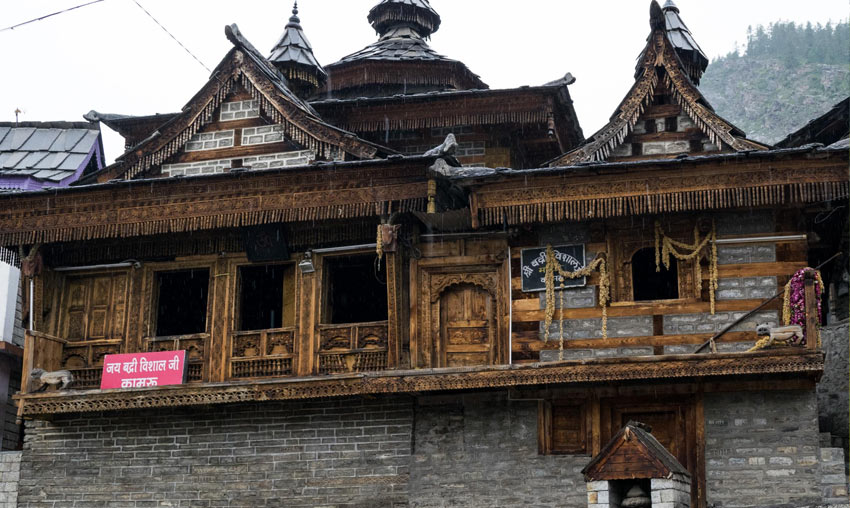
- Kamru Fort: Explore the historic fort associated with the former rulers of Bushahr and its traditional architecture.
Travel Tips for Visiting Mathi Devi Temple
- Dress modestly when visiting the temple.
- Follow the instructions of temple authorities and local residents.
- Remove your footwear wherever required.
- Ask permission before taking photographs, especially during religious ceremonies or inside restricted areas.
- Do not touch sacred objects or the ceremonial ark unless explicitly permitted.
- Respect local traditions and avoid disturbing worshippers.
- Check weather and road conditions before travelling to Chitkul, particularly during winter and the monsoon season.
- Carry warm clothing because temperatures can fall quickly in the mountains.
Frequently Asked Questions About Mathi Devi Temple
1. Where is Mathi Devi Temple located?
Mathi Devi Temple is located in Chitkul village in the Kinnaur district of Himachal Pradesh, India.
2. Which goddess is worshipped at Mathi Devi Temple?
The temple is dedicated to Goddess Mathi, who is worshipped as an important local deity of Chitkul.
3. How old is Mathi Devi Temple?
According to the Himachal Pradesh Ecotourism Master Plan, the oldest temple in the complex is traditionally believed to be around 500 years old and was constructed by a resident of Garhwal.
4. What is special about Mathi Devi Temple?
The temple is known for its traditional wood-and-stone architecture, religious importance and sacred walnut-wood ark decorated with cloth and a tuft of yak tail.
5. How many temples are there in the Mathi Devi Temple complex?
The Himachal Pradesh Ecotourism Master Plan describes three temples within the complex associated with Goddess Mathi.
6. What is the best time to visit Mathi Devi Temple?
April to October is generally a suitable period to visit Chitkul. September and October are particularly attractive for autumn scenery, although weather and road conditions should always be checked.
7. Can Mathi Devi Temple be visited during a Chitkul trip?
Yes. Mathi Devi Temple is located within Chitkul village and can be included in a local sightseeing walk while exploring the settlement.
Mathi Devi Temple is much more than a religious attraction in Chitkul. It represents the cultural identity, traditional craftsmanship and spiritual beliefs of the people of Kinnaur. Its historic temple complex, sacred walnut-wood ark and stories associated with Goddess Mathi make it an interesting destination for travellers who want to understand the heritage of the Baspa Valley.
If you are exploring Chitkul, take some time to visit Mathi Devi Temple and experience the traditions that make this Himalayan village culturally unique.
Nearby Places to Visit