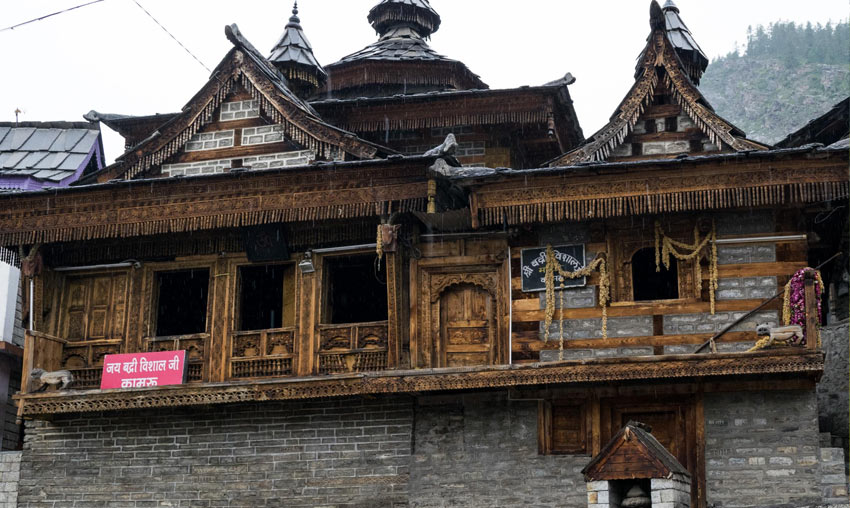
Kamru Fort, Kinnaur – History, Architecture & Visitor Guide
Overlooking the beautiful Sangla Valley in Kinnaur, Kamru Fort is one of the most fascinating historical landmarks in Himachal Pradesh. Standing above Kamru village, this traditional wooden and stone structure reflects the royal heritage, religious traditions and distinctive architecture of the Himalayan region.
Kamru Fort is closely associated with the former Bushahr princely state and is regarded as the original seat of power of the rulers of Kinnaur. Its multi-storey wooden tower, series of traditional gateways, Buddhist symbolism and the revered shrine of Kamakhya Devi make it an important cultural and religious attraction.
Unlike conventional stone forts found in other parts of India, Kamru Fort represents the traditional Himalayan building style, where timber and stone were combined to create strong structures suited to the mountain environment. A visit here offers an opportunity to discover the history of the region while enjoying beautiful views of Sangla Valley and its surrounding orchards.
Where Is Kamru Fort Located?
Kamru Fort is situated in Kamru village, overlooking Sangla in Kinnaur district, Himachal Pradesh. It stands at an elevation of approximately 2,600 metres above sea level and is located around 2 kilometres from Sangla.
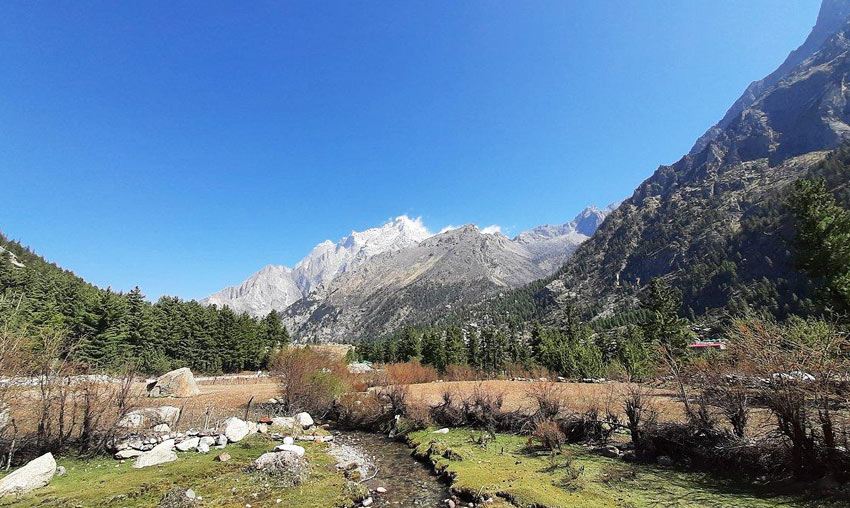
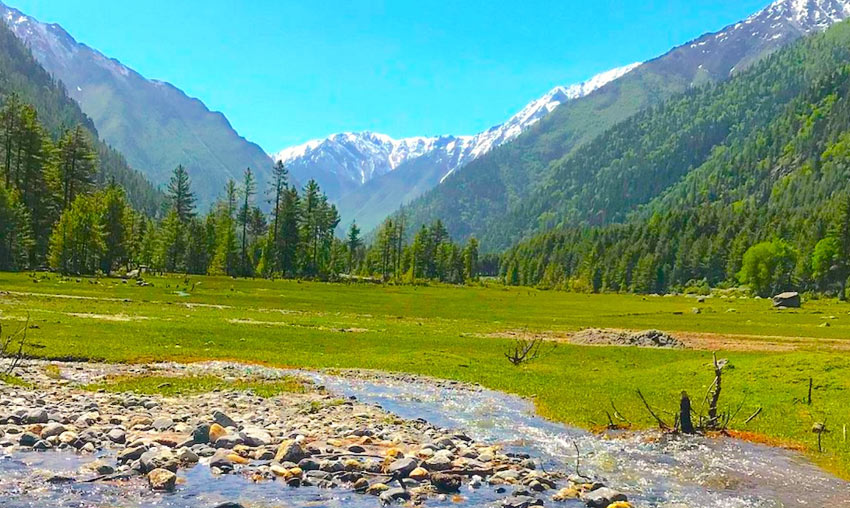
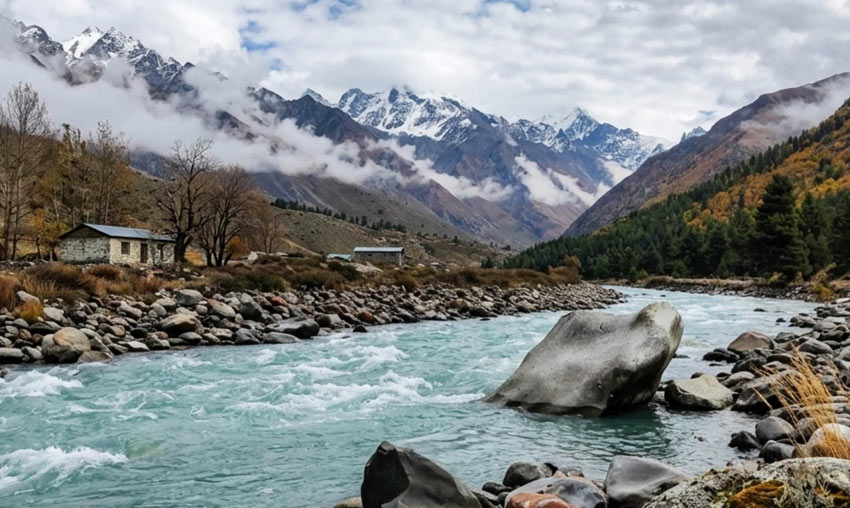
The fort occupies an elevated position above the village and can be reached by walking through the traditional settlement. Its location provides attractive views of the surrounding mountains, cultivated fields, apple orchards and the landscape of the Baspa Valley.
Kamru is easily included in a Sangla Valley sightseeing itinerary and is one of the most significant heritage attractions in this part of Kinnaur.
History of Kamru Fort
Kamru Fort holds an important place in the political history of the former Bushahr state. According to Himachal Pradesh Tourism, Kamru was the original seat of power of the rulers of Kinnaur before the centre of administration shifted to other locations.
The history of the wider Kinnaur region is closely connected with the rise of local Himalayan chiefs and the formation of the Bushahr state. The District Administration’s historical account mentions the Thakur of Kamru among the powerful local chiefs who helped establish the foundations of Bushahr.
Kamru’s elevated location and fortified construction reflect its historical importance. The settlement developed as an important centre of royal authority, religious traditions and local administration.
Over the centuries, the fort became closely associated with the religious identity of the village. Today, it is valued not only as a historical structure but also as a sacred place that preserves the traditional beliefs of the local community.
Although several local legends surround the fort, a precise original construction date is not firmly established in the official tourism information. It is therefore better to understand Kamru Fort through its documented association with the former Bushahr rulers and its continuing cultural significance.
Architecture of Kamru Fort
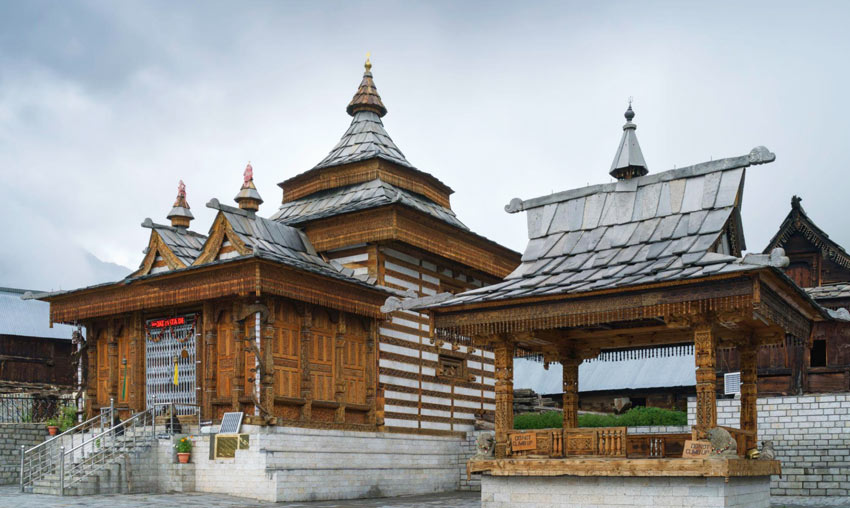
One of the most distinctive features of Kamru Fort is its traditional wood-and-stone construction. The structure reflects the Himalayan architectural traditions of Kinnaur, where locally available materials were used to create durable buildings suited to cold mountain conditions.
Multi-Storey Wooden Tower
The main fort structure rises approximately five storeys and is among the most recognisable examples of traditional architecture in the Sangla region. Its vertical design, timber elements and stone construction give it a distinctive appearance.
Traditional Wooden Balcony
The fort is known for its attractive wooden balcony and detailed timber work. These features reflect the craftsmanship associated with traditional Kinnauri buildings.
Series of Traditional Gateways
Reaching the fort involves passing through a sequence of traditional gates in the village. These low gateways create a distinctive approach to the historic complex and form an important part of the visitor experience.
Buddhist Symbolism at the Main Entrance
A representation of Buddha is placed at the main wooden entrance of the fort. The image reflects the influence of Buddhist traditions in the cultural landscape of Kinnaur, where Hindu and Buddhist beliefs have existed alongside one another for generations.
Kamakhya Devi Temple Inside Kamru Fort
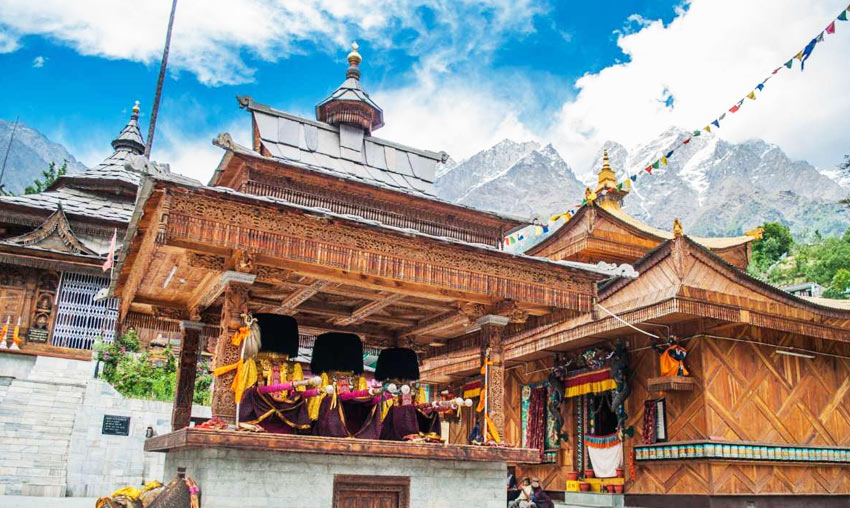
The shrine of Kamakhya Devi, also known as Kamakshi, is one of the most important religious features of Kamru Fort. The goddess is enshrined in the upper storey of the historic structure and is deeply respected by the local community.
According to Himachal Pradesh Tourism, the idol of Kamakhya Devi is believed to have been brought from Assam several centuries ago. This tradition connects the religious heritage of Kamru with the famous Kamakhya tradition of northeastern India.
The shrine gives Kamru Fort a special religious identity. Visitors interested in the spiritual traditions of Himachal Pradesh can learn about the local beliefs and customs associated with the goddess.
The shrine is an active place of worship. Visitors should follow the instructions of the temple authorities and respect local customs regarding entry, clothing, footwear and photography.
Badrinath Temple in Kamru Village
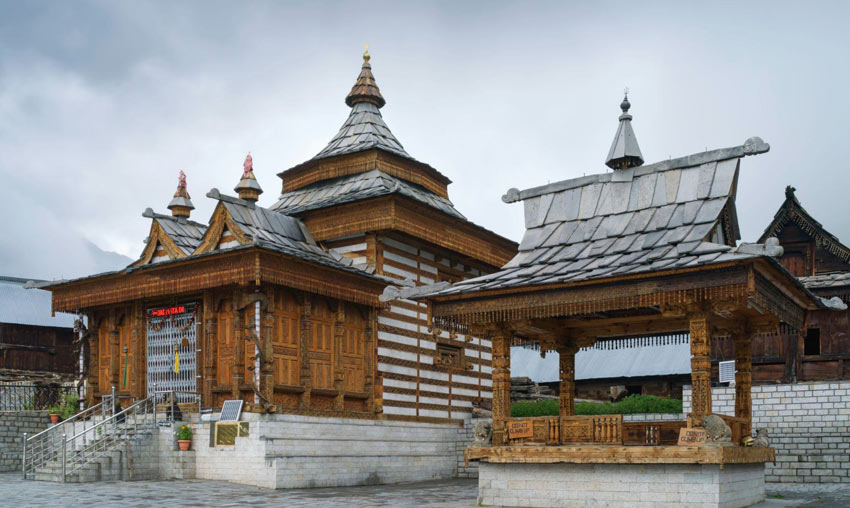
Kamru village is also home to a Badrinath Temple, which adds to the religious importance of the settlement. The temple is associated with Lord Vishnu and forms an important part of the local sacred landscape.
The temple is an interesting example of the religious traditions of Kinnaur, where different forms of Hindu worship exist alongside Buddhist influences. Its traditional setting and association with the history of Kamru make it worth exploring during a visit to the village.
Visitors should confirm the temple’s opening arrangements locally and follow any restrictions during religious ceremonies.
Religious and Cultural Significance of Kamru Fort
Kamru Fort represents more than the political history of the former Bushahr rulers. It is also an important part of the cultural identity of Kamru village and the wider Sangla Valley.
The presence of Buddha imagery at the entrance and the shrine of Kamakhya Devi inside the fort reflects the distinctive combination of religious influences found in Kinnaur.
Local temples, traditional architecture and community customs continue to preserve the heritage of the settlement. For travellers, the fort provides an opportunity to understand how history, religion and everyday village life are connected in the Himalayan region.
What to See During Your Visit to Kamru Fort
- Main wooden entrance: Observe the traditional gateway and the Buddha image placed at the entrance.
- Historic fort tower: Admire the multi-storey wooden and stone structure.
- Traditional wooden work: Notice the balconies and architectural details.
- Kamakhya Devi shrine: Learn about the religious importance of the goddess.
- Badrinath Temple: Explore another important religious landmark in Kamru village.
- Traditional village lanes: Walk through the settlement and observe local houses and village life.
- Valley viewpoints: Enjoy views of Sangla Valley, surrounding fields and mountain landscapes.
Best Time to Visit Kamru Fort
Kamru Fort can generally be included in a visit to Sangla Valley during the main travel season from spring to autumn. The most suitable period depends on weather, road access and local temple arrangements.
April to June – Spring and Summer
This is a popular time to explore Kamru and Sangla Valley. Daytime weather is generally more comfortable for village walks and sightseeing. The surrounding landscape becomes greener as the season progresses.
July to August – Monsoon
Rainfall may affect road conditions and travel plans. Landslides and falling rocks are possible on mountain roads, so check local weather and road updates before travelling.
September to October – Autumn
Autumn is an attractive period for visiting the region. The weather can be clear and the surrounding orchards and mountain landscapes offer beautiful seasonal views.
November to March – Winter
Winter brings very cold temperatures and possible snowfall to the surrounding area. Access may become difficult during heavy snowfall, so confirm road and local access conditions before planning a visit.
How to Reach Kamru Fort
By Road
Kamru Fort can be reached through Sangla village in Kinnaur district. Travellers coming from Shimla generally follow the route through Narkanda, Rampur and Karcham before entering the Baspa Valley.
Sangla is approximately 18 kilometres from Karcham. From Sangla, Kamru village is around 2 kilometres away. The final approach involves an uphill walk through the village towards the fort.
By Bus
Public buses and local transport services connect different parts of Kinnaur with Sangla, depending on the season and road conditions. From Sangla, visitors can continue towards Kamru village by local transport or on foot.
By Train
Shimla is a commonly used railway starting point for travellers heading towards Kinnaur. From Shimla, the onward journey to Sangla and Kamru is by road.
By Air
Shimla Airport and Chandigarh Airport are possible options for travellers planning a road journey to Kamru Fort. Flight availability and onward transport should be confirmed before travelling.
Visitor Information for Kamru Fort
- Location: Kamru Village, near Sangla, Kinnaur, Himachal Pradesh, India.
- Altitude: Approximately 2,600 metres above sea level.
- Distance from Sangla: Approximately 2 kilometres.
- Best time to visit: April to June and September to October are popular periods.
- Entry fee: No verified official entry fee information is available; confirm locally.
- Timings: No verified fixed public visiting schedule is available. Confirm access with the local temple or caretaker.
- Visit duration: Allow around 1 to 2 hours for the village approach and sightseeing, depending on walking pace and access.
- Photography: Follow local restrictions, especially around the religious shrines and deities.
Kamru Fort is part of a living religious and cultural complex rather than a conventional museum-style monument. Access to the inner shrine and upper storeys may be restricted. Visitors should follow instructions from the caretaker or temple authorities.
Suggested Kamru Fort and Sangla Sightseeing Plan
Morning – Explore Kamru Village
Begin your visit in Sangla and travel towards Kamru village. Explore the traditional settlement and walk through the series of gateways leading towards the fort.
Late Morning – Visit Kamru Fort
Admire the traditional wooden and stone architecture, observe the Buddha image at the entrance and learn about the Kamakhya Devi shrine. Follow all local instructions regarding access and photography.
Afternoon – Explore Badrinath Temple and Sangla
Depending on local access, visit the Badrinath Temple and return to Sangla. Spend the remaining time exploring the village, enjoying local food and viewing the surrounding landscape.
Travel Tips for Visiting Kamru Fort
- Wear comfortable walking shoes for the uphill approach through the village.
- Carry warm clothing, as mountain weather can change quickly.
- Respect temple customs and instructions from local caretakers.
- Ask before taking photographs inside religious areas.
- Do not touch or disturb religious objects and traditional structures.
- Keep the village clean and avoid littering.
- Check weather and road conditions before travelling during monsoon or winter.
- Allow sufficient time for walking and exploring the fort complex.
- Ask locally about access to upper floors and shrine areas.
Frequently Asked Questions About Kamru Fort
1. Where is Kamru Fort located?
Kamru Fort is located in Kamru village, overlooking Sangla in Kinnaur district, Himachal Pradesh.
2. What is Kamru Fort famous for?
Kamru Fort is famous for its historical association with the former Bushahr rulers, traditional wooden and stone architecture, Buddha image at the entrance and the shrine of Kamakhya Devi.
3. What is the history of Kamru Fort?
Kamru was the original seat of power of the rulers of Kinnaur and the former Bushahr state. The fort remains an important historical and religious landmark in the Sangla region.
4. How far is Kamru Fort from Sangla?
Kamru Fort is approximately 2 kilometres from Sangla village.
5. Which goddess is worshipped at Kamru Fort?
Kamakhya Devi, also known as Kamakshi, is enshrined in the upper storey of the fort. The idol is traditionally believed to have been brought from Assam several centuries ago.
6. Is there a Badrinath Temple in Kamru?
Yes. Kamru village has a Badrinath Temple, which is another important religious attraction associated with the settlement.
7. What is the architectural style of Kamru Fort?
Kamru Fort is a traditional Himalayan wood-and-stone structure. Its multi-storey tower, wooden balconies and series of gateways make it an important example of regional architecture.
8. What is the best time to visit Kamru Fort?
April to June and September to October are popular periods for visiting Kamru and the surrounding Sangla Valley.
9. Is photography allowed inside Kamru Fort?
Photography rules may differ between the outer areas and religious shrines. Visitors should ask the caretaker before taking pictures and respect any restrictions.
10. Is Kamru Fort open to tourists?
Kamru Fort is a recognised tourist and religious attraction. However, access to the inner shrine and upper storeys may be restricted. Follow local instructions during your visit.
Explore the Heritage of Kamru Fort
Kamru Fort offers a fascinating glimpse into the royal and religious heritage of Kinnaur. Its traditional wooden architecture, historic association with the Bushahr rulers and the sacred shrine of Kamakhya Devi make it one of the most distinctive attractions near Sangla.
Beyond its architecture, the fort reflects the cultural traditions of a Himalayan settlement where history, religion and local life remain closely connected. For anyone exploring Sangla Valley, a visit to Kamru Fort is a memorable way to discover the heritage of Kinnaur.
Discover More Places to Visit in Kinnaur
Official Travel and Historical Resources
Nearby Places to Visit