Rakchham Village, Kinnaur – Explore the Hidden Beauty of Baspa Valley
Tucked away in the beautiful Baspa Valley of Kinnaur, Rakchham is a peaceful Himalayan village known for its traditional wooden houses, apple orchards, mountain scenery and the flowing Baspa River. Located between Sangla and Chitkul, this small settlement offers travellers a chance to experience a quieter and more traditional side of Himachal Pradesh.
Unlike popular tourist villages where visitors often focus only on viewpoints, Rakchham invites travellers to slow down and explore its narrow lanes, local architecture, surrounding fields and natural landscapes. The village retains much of its traditional character, making it especially interesting for people who enjoy rural tourism, photography and cultural experiences.
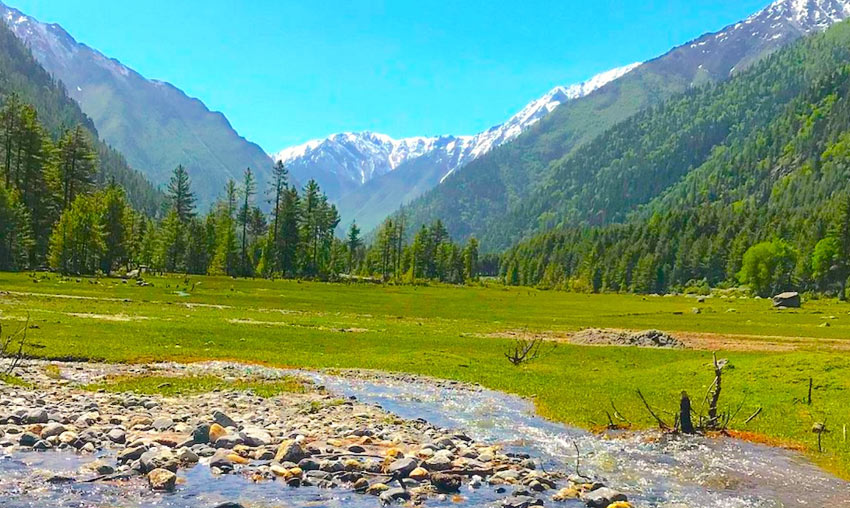
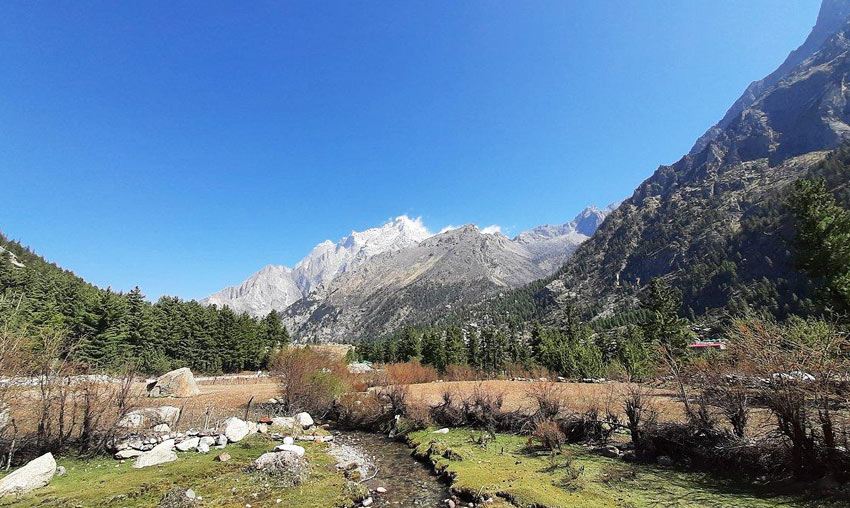
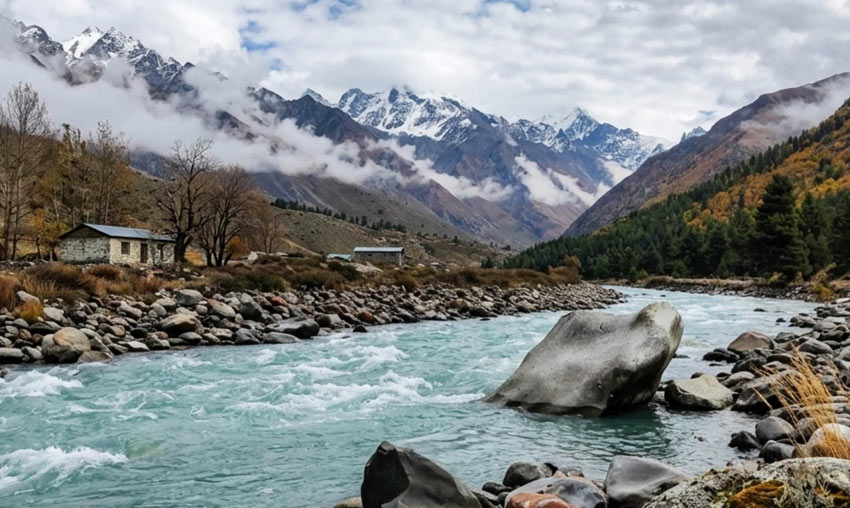
The surrounding landscape is equally beautiful. Forest-covered slopes, open meadows, rocky mountain terrain and the Baspa River create a scenic setting that changes with every season. Whether you are travelling from Sangla towards Chitkul or planning a longer stay in the valley, Rakchham deserves time on your itinerary.
Where Is Rakchham Village Located?
Rakchham is situated in the upper Baspa Valley of Kinnaur district, Himachal Pradesh. It lies on the road connecting Sangla with Chitkul and is surrounded by the Himalayan mountains and the Baspa River landscape.
The village is approximately 17 kilometres from Sangla by road and lies between Sangla and Chitkul. Its elevation is commonly reported to be around 3,000 metres above sea level, although exact figures can vary between sources.
Rakchham forms part of the scenic landscape associated with the Rakchham–Chitkul region. The village is a convenient stop for visitors exploring the upper Baspa Valley and offers a different experience from the more frequently visited settlements of Sangla and Chitkul.
Why Visit Rakchham Village?
A Glimpse of Traditional Kinnauri Life
Rakchham offers a closer look at the traditional lifestyle of the Baspa Valley. Its village lanes, wooden homes, agricultural fields and local surroundings provide an opportunity to observe how communities live in this high-altitude Himalayan region.
Beautiful Mountain and River Landscapes
The village is surrounded by impressive mountain scenery. The Baspa River, forested slopes and open valley views make Rakchham a wonderful destination for travellers who enjoy nature and peaceful surroundings.
Traditional Architecture
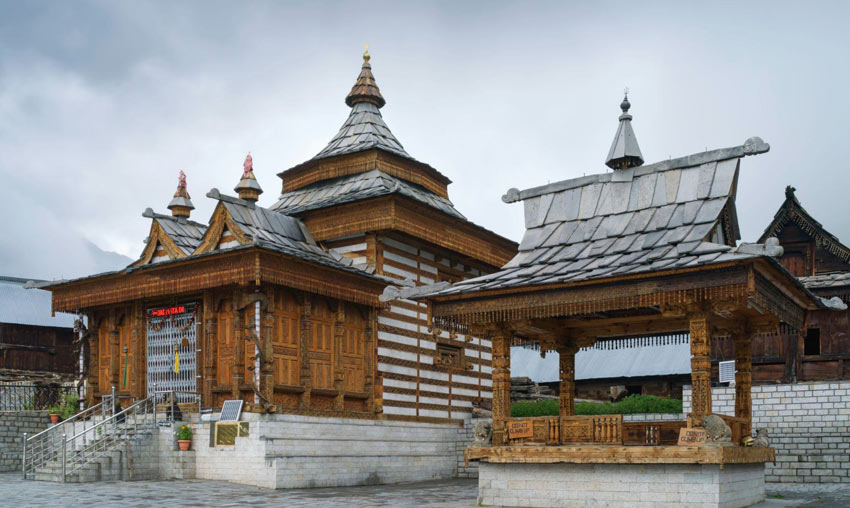
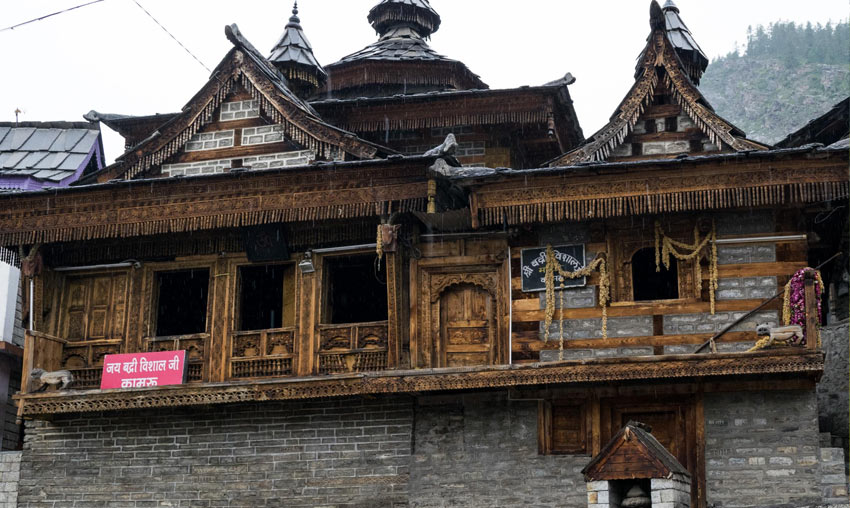
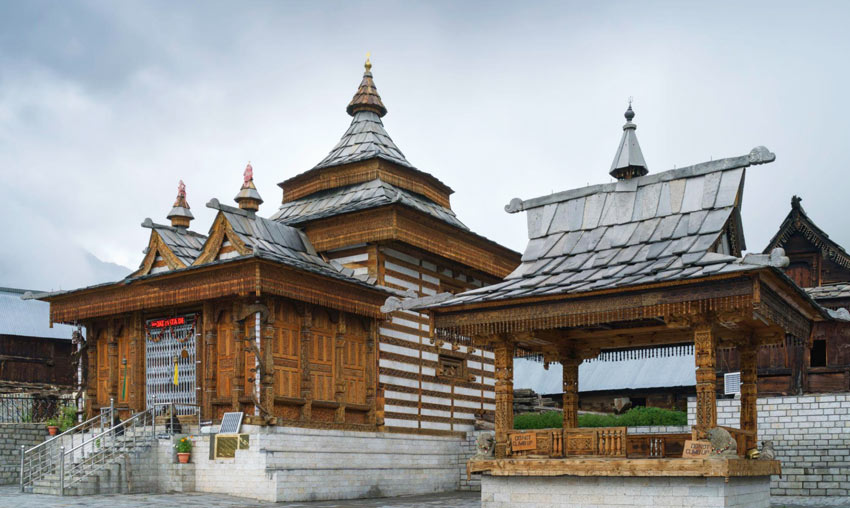
One of the interesting features of Rakchham is its traditional timber-and-stone construction. Local houses reflect the architectural traditions of Kinnaur, where natural materials and practical building techniques have been used to adapt to the mountain climate.
A Quieter Alternative to Busy Tourist Stops
Many travellers pass through Rakchham while driving towards Chitkul. However, spending some time exploring the village reveals its own character. It is an appealing stop for those who prefer slow travel, village walks and less commercialised mountain experiences.
Best Places to Explore in and Around Rakchham
1. Traditional Rakchham Village
The village itself is the main attraction. Its traditional houses, narrow lanes, wooden balconies and mountain backdrop make it an interesting place to explore on foot.
Walking through the settlement allows visitors to observe local architecture and everyday village life. The best experience comes from exploring slowly, appreciating the details of the houses and enjoying the views of the surrounding valley.
2. Baspa River Viewpoints
The Baspa River is one of the defining natural features of the region. Around Rakchham, the river flows through a beautiful landscape of rocky banks, forested slopes and mountain scenery.
Travellers can enjoy the river views from accessible locations along the valley road. These areas are particularly attractive for landscape photography and quiet nature observation.
River conditions can change quickly. Avoid entering the water or walking onto unstable rocks and riverbanks.
3. Apple Orchards and Agricultural Fields
Agriculture is an important part of life in Rakchham. Apple orchards and cultivated fields form an attractive part of the village landscape, especially during the growing and harvesting seasons.
Spring brings blossoms to many orchards, while late summer and autumn can offer a glimpse of the apple harvest. The exact timing depends on the altitude, weather and variety of fruit grown locally.
Visitors should ask local owners before entering orchards or photographing private agricultural property.
4. Traditional Wooden and Stone Houses
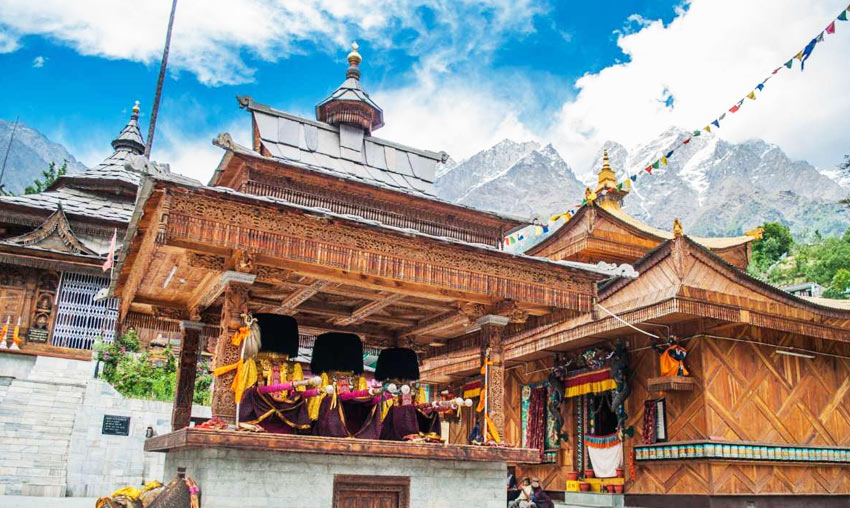
Rakchham’s traditional houses are an important part of its cultural identity. The use of timber and stone, carved wooden details and compact construction reflects the local architectural heritage.
The Kath-Kuni building tradition, found in parts of Himachal Pradesh, uses alternating layers of wood and stone. Visitors interested in traditional architecture can observe local building styles while walking through the village.
5. Traditional Water Mill and Village Heritage
Traditional water-powered flour mills, locally known as gharats, are part of the heritage of several Himalayan villages. Such mills demonstrate how communities historically used flowing streams to grind grain using locally developed technology.
The Kinnaur ecotourism planning documents also recognise traditional hydro flour mills as examples of local resource-based practices. If you come across a working mill in the Rakchham area, ask residents about its history and operation before visiting.
6. Rakchham–Chitkul Wildlife Sanctuary
The wider Rakchham–Chitkul region is associated with a protected wildlife landscape covering approximately 304 square kilometres. The sanctuary includes rugged mountain terrain, forests, alpine habitats and a variety of Himalayan wildlife.
The region is known for species such as Himalayan monal, western tragopan, musk deer, Himalayan thar and other wildlife. Actual sightings are never guaranteed, and visitors should observe wildlife from a safe distance.
The sanctuary is an important conservation area. Visitors should follow forest department instructions and check applicable permissions before entering designated protected areas or undertaking activities within them.
7. Scenic Road Towards Chitkul
One of the most enjoyable experiences around Rakchham is the road journey towards Chitkul. The route passes through beautiful mountain landscapes, river views and changing vegetation as it moves deeper into the upper Baspa Valley.
Travellers can enjoy the scenery along the way and explore the region at a relaxed pace. Always stop at safe places and avoid blocking narrow mountain roads.
Rakchham–Chitkul Wildlife Sanctuary: Nature and Biodiversity
The Rakchham–Chitkul Wildlife Sanctuary is one of the important protected landscapes in Kinnaur. Covering approximately 304 square kilometres, the sanctuary includes high mountain slopes, forest areas and alpine habitats.
Its forests include deodar, blue pine and chilgoza pine at lower elevations, while fir, spruce and other vegetation occur in higher areas. Alpine pastures and rugged mountain habitats support a variety of Himalayan wildlife.
The sanctuary is particularly important for birdlife. Species associated with the region include the western tragopan, Himalayan monal, koklass pheasant and other Himalayan birds. Mammals such as musk deer, blue sheep, Himalayan thar and bears are also recorded in the wider landscape.
Wildlife observation requires patience and responsible behaviour. Visitors should avoid disturbing animals, damaging vegetation or leaving waste in the natural environment.
Things to Do in Rakchham
- Explore the traditional village lanes and wooden houses.
- Enjoy scenic views of the Baspa River.
- Walk through accessible village paths and nearby countryside.
- Photograph the traditional architecture and Himalayan landscape.
- Observe apple orchards and seasonal agricultural activities.
- Experience local food and hospitality at a homestay or nearby eatery.
- Explore the scenic road between Rakchham and Chitkul.
- Learn about traditional Kinnauri building techniques.
- Enjoy birdwatching and nature observation without disturbing wildlife.
- Discover the natural and cultural heritage of the Baspa Valley.
Best Time to Visit Rakchham Village
May to October is generally a popular period for visiting Rakchham. During these months, road access and outdoor exploration are often more suitable, although local weather and road conditions should always be checked.
April to May – Spring Landscapes
Spring brings fresh colours to the valley. Orchards begin to bloom, and the surrounding landscape gradually becomes greener. Temperatures can still be cold, especially in the morning and evening.
June – Pleasant Mountain Weather
June is a popular month for exploring the village and surrounding areas. The weather is generally suitable for sightseeing, nature walks and road trips.
July to August – Monsoon Season
The monsoon can bring greenery to the region, but rain may cause landslides, falling rocks and road disruptions. Travellers should check local road updates before planning a visit.
September to October – Autumn and Harvest
Autumn is a beautiful season for exploring Rakchham. Many apple-growing areas enter their harvest period, and the landscape can display attractive seasonal colours. Nights become colder, so warm clothing is essential.
November to March – Winter
Winter brings freezing temperatures and snowfall to the higher parts of the valley. Some roads and accommodation facilities may be affected by winter conditions. Confirm local access before travelling.
How to Reach Rakchham Village
By Road
Rakchham is connected by road through Sangla in Kinnaur district. Travellers coming from Shimla generally follow the route through Narkanda, Rampur and Karcham before entering the Baspa Valley.
From Sangla, continue along the valley road towards Chitkul. Rakchham lies approximately 17 kilometres from Sangla by road. The route offers beautiful views but includes narrow and winding mountain sections.
By Bus
Travellers can use public transport services connecting Shimla and different parts of Kinnaur. Bus availability and onward connections to Rakchham can vary. Confirm the latest schedules locally before travelling.
By Train
Shimla is a commonly used railway starting point for travellers heading towards Kinnaur. From Shimla, continue by road towards Sangla and Rakchham.
By Air
Shimla Airport and Chandigarh Airport are possible options for travellers planning a road journey to Rakchham. Flight schedules and onward road travel should be checked in advance.
Suggested 1-Day Rakchham Travel Plan
Morning – Explore the Village
Start your day with a walk through Rakchham’s traditional settlement. Explore its wooden and stone houses, village lanes and surrounding agricultural fields.
Late Morning – Enjoy the Baspa Valley Views
Visit accessible viewpoints around the river and enjoy the surrounding mountain scenery. Spend some time taking photographs and observing the natural landscape.
Afternoon – Discover Local Culture
Enjoy a local meal and learn about the village’s agricultural traditions and architecture. If a traditional water mill or other local heritage feature is accessible, ask residents about its background.
Evening – Continue Towards Sangla or Chitkul
Depending on your accommodation and road conditions, continue towards Sangla or Chitkul. Allow enough time for the mountain journey and avoid unnecessary night driving.
Travel Tips for Visiting Rakchham
- Carry warm clothes even during summer because evenings can be cold.
- Check the weather forecast and road conditions before travelling.
- Drive carefully on narrow mountain roads.
- Keep cash for small shops and local services.
- Ask permission before entering orchards or private property.
- Respect local customs and village traditions.
- Do not litter near the Baspa River or village trails.
- Keep a safe distance from the river, especially during heavy rain.
- Follow forest department rules in protected wildlife areas.
- Carry essential medicines and personal documents.
- Confirm accommodation and transport availability before travelling in winter.
Frequently Asked Questions About Rakchham Village
1. Where is Rakchham Village located?
Rakchham is located in the Baspa Valley of Kinnaur district, Himachal Pradesh, between Sangla and Chitkul.
2. How far is Rakchham from Sangla?
Rakchham is approximately 17 kilometres from Sangla by road.
3. How far is Rakchham from Chitkul?
Rakchham lies on the road between Sangla and Chitkul. The distance to Chitkul is approximately 9 to 10 kilometres, depending on the starting point and route.
4. What is Rakchham famous for?
Rakchham is known for traditional Kinnauri houses, apple orchards, Baspa River views, peaceful village surroundings and its location near the Rakchham–Chitkul Wildlife Sanctuary.
5. What is the best time to visit Rakchham?
May to October is generally a popular time to visit. Weather and road conditions should be checked before travelling, particularly during monsoon and winter.
6. Is Rakchham worth visiting?
Yes. Rakchham is a good destination for travellers interested in traditional village life, Himalayan architecture, riverside scenery and peaceful mountain landscapes.
7. Can Rakchham be visited on the way to Chitkul?
Yes. Rakchham is located on the road connecting Sangla and Chitkul, making it a convenient stop during a Baspa Valley road trip.
8. Is Rakchham suitable for a family trip?
Yes. Families who enjoy nature and village experiences can visit Rakchham. However, the high-altitude setting, long road journey and changing weather should be considered.
9. What wildlife can be found around Rakchham?
The wider Rakchham–Chitkul Wildlife Sanctuary is home to Himalayan wildlife and bird species, including musk deer, blue sheep, Himalayan thar, Himalayan monal and western tragopan. Wildlife sightings are not guaranteed.
10. Can tourists stay overnight in Rakchham?
Accommodation options in and around the village may be limited and seasonal. Travellers should check current homestay and guesthouse availability before planning an overnight stay.
Experience the Quiet Charm of Rakchham Village
Rakchham is a destination that rewards travellers who take time to explore beyond the main tourist stops. Its traditional houses, agricultural landscape, flowing river and peaceful mountain surroundings offer a memorable experience of rural Kinnaur.
Whether you are stopping here on your way to Chitkul or spending a day exploring the village, Rakchham provides a closer connection with the natural and cultural landscape of the Baspa Valley.
Explore More Places in Kinnaur
Official Travel and Wildlife Resources
Nearby Places to Visit