Chitkul Village, Kinnaur – Travel Guide to Himachal Pradesh’s Last Inhabited Village
Chitkul is a beautiful high-altitude village located in the Baspa Valley of Kinnaur district, Himachal Pradesh. Situated at approximately 3,450 metres above sea level, it is widely known as the last inhabited village in this part of the Baspa Valley. Surrounded by snow-covered mountains, green meadows, traditional wooden houses and the flowing Baspa River, Chitkul offers a peaceful escape into the Himalayas.
Unlike busy hill stations, Chitkul retains the charm of a remote mountain settlement. Its narrow village lanes, traditional Kinnauri architecture, local temples and scenic riverbanks make it an interesting destination for nature lovers, photographers and travellers seeking a quieter Himalayan experience.
The village is particularly known for Mathi Devi Temple, its beautiful riverside landscape and its location near the upper reaches of the Baspa Valley. A visit to Chitkul is also an opportunity to understand the traditional lifestyle and culture of the people living in this high-altitude region.
Where Is Chitkul Located?
Chitkul is located in the Baspa Valley of Kinnaur district in northeastern Himachal Pradesh, India. It lies approximately 25 kilometres beyond Sangla by road and is situated on the right bank of the Baspa River.
At an elevation of around 3,450 metres, Chitkul is one of the highest inhabited villages in the region. The village is surrounded by mountain slopes, forests, open meadows and agricultural fields. Its remote location and dramatic Himalayan scenery make it one of the most distinctive destinations in Kinnaur.
Chitkul is commonly described as the last inhabited village on this route towards the Indo-Tibetan border. The road-accessible settlement is a popular endpoint for travellers exploring the upper Baspa Valley. Movement beyond permitted areas is restricted, and visitors should follow local and security instructions.
What Makes Chitkul Village Special?
A Remote Himalayan Village
Chitkul offers a different experience from commercial mountain destinations. Its small settlement, traditional homes and natural surroundings give visitors an opportunity to experience the quieter side of Himalayan life.
Traditional Kinnauri Architecture
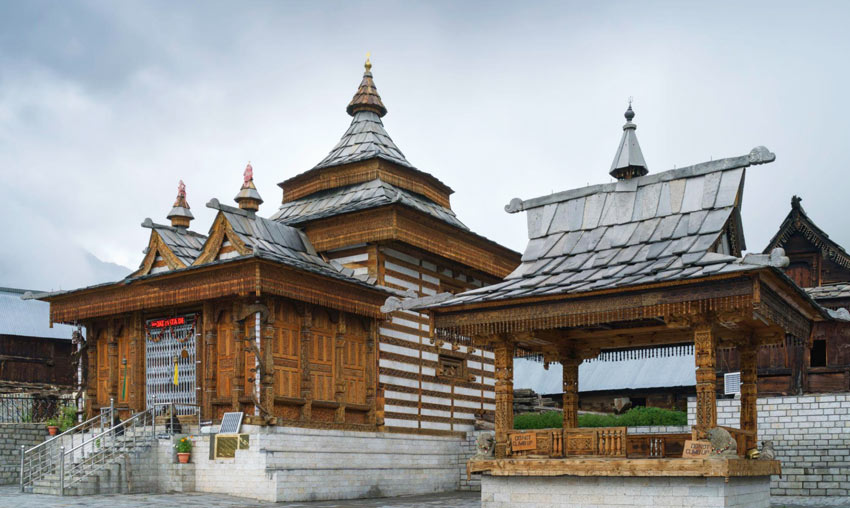
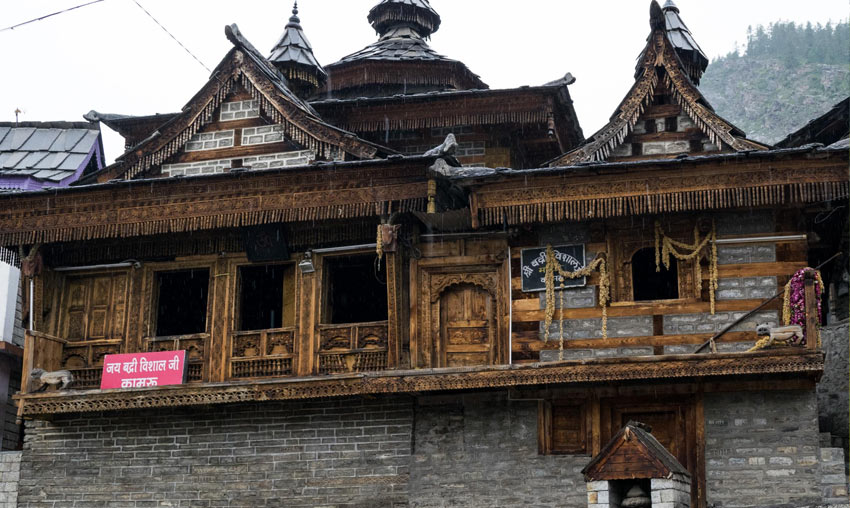
The village features traditional houses built using local timber and stone. Sloping roofs, wooden balconies and compact building layouts reflect the architectural style developed to suit the cold mountain climate.
High-Altitude Mountain Scenery
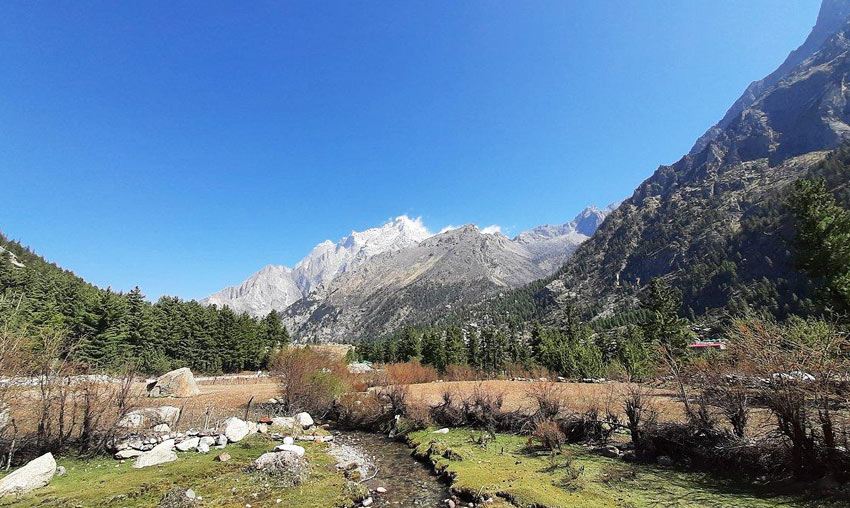
Chitkul is surrounded by rugged Himalayan slopes, forested areas and snow-covered peaks. The changing light throughout the day creates beautiful views, making the village particularly attractive for landscape photography.
Peaceful Village Atmosphere
Life in Chitkul follows the rhythm of the seasons. Agriculture, local traditions and the natural environment remain central to the village lifestyle. Visitors can experience this atmosphere by walking through the settlement and respecting the privacy of local residents.
Best Places to Visit in Chitkul
1. Mathi Devi Temple
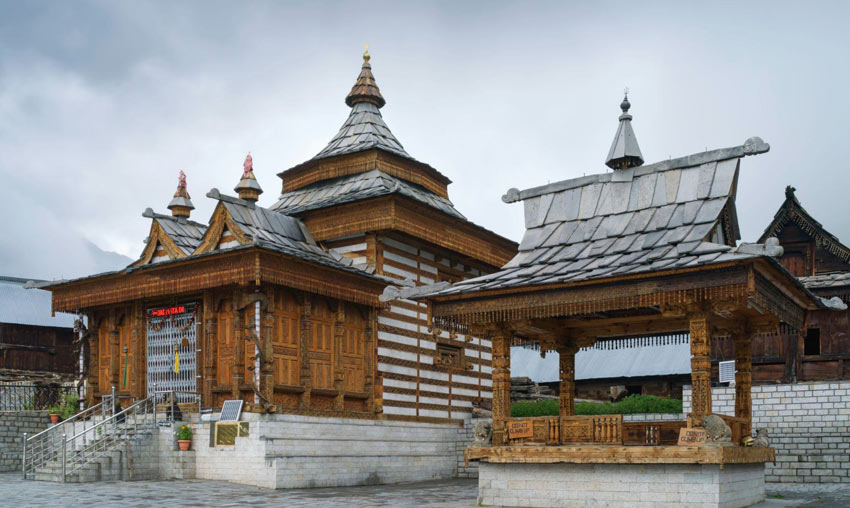
Mathi Devi Temple is the most important religious attraction in Chitkul. Dedicated to the local goddess Mathi, the temple holds a special place in the spiritual and cultural life of the village.
According to the Kinnaur District Administration, there are three temples dedicated to Mathi in Chitkul. The main temple is believed to have been constructed around 500 years ago by a resident of Garhwal. Its traditional wooden architecture and religious traditions make it an important heritage site.
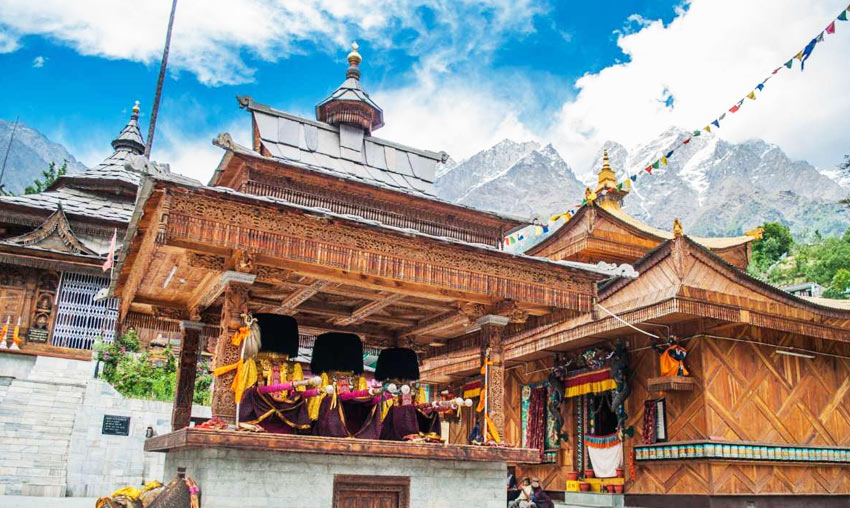
The temple is particularly interesting for visitors who want to understand the local religious customs and traditional architecture of the Baspa Valley. Visitors should follow the temple’s local rules and seek permission before taking photographs inside.
2. Baspa River
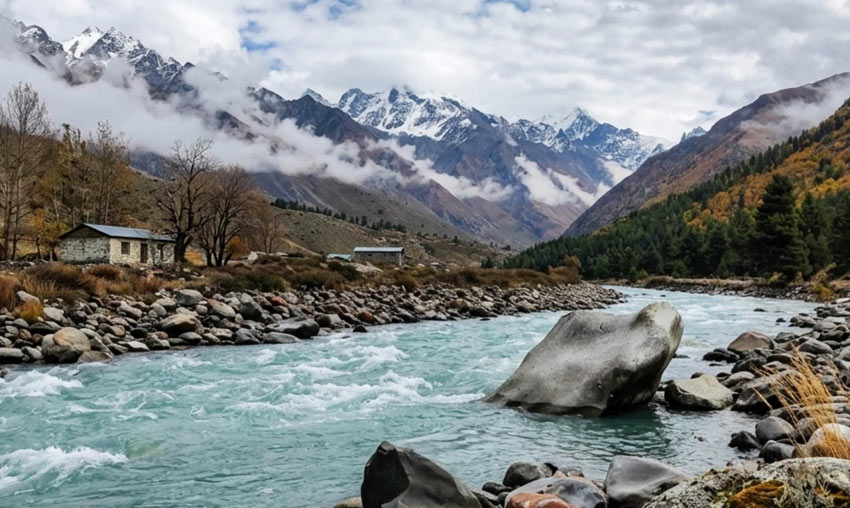
The Baspa River is one of the most beautiful natural attractions around Chitkul. Flowing through the valley beneath the surrounding mountains, the river creates a scenic landscape of rocky banks, meadows and open mountain views.
Visitors can enjoy the scenery from safe and accessible river viewpoints. The sound of flowing water and the surrounding natural environment make this an excellent place for photography and quiet relaxation.
The river can become dangerous during heavy rainfall or changing water levels. Avoid entering the water or approaching unstable riverbanks.
3. Chitkul Village Lanes
One of the best ways to experience Chitkul is to explore its traditional village lanes on foot. The settlement has wooden and stone houses, small courtyards, local shops and beautiful views of the surrounding mountains.
A slow walk through the village gives visitors an opportunity to observe local architecture and everyday life. Respect private property and avoid disturbing residents while taking photographs.
4. Chitkul Meadows
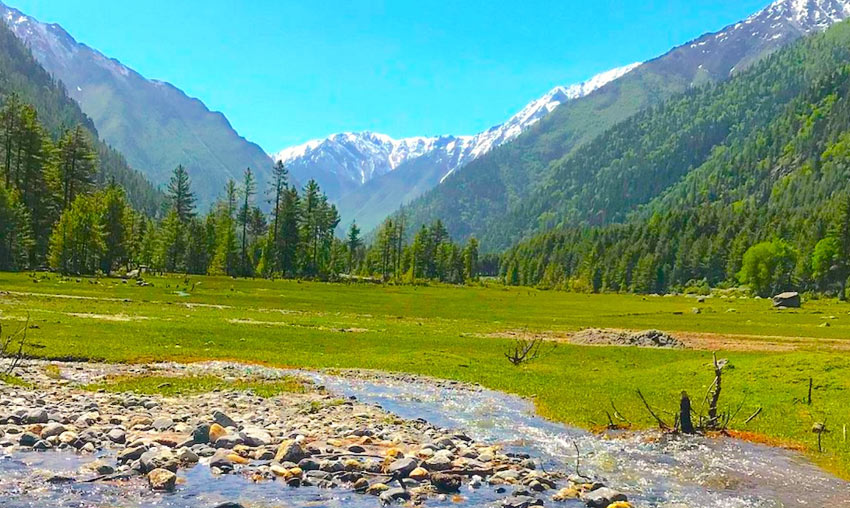
The open meadows around Chitkul offer some of the most attractive views of the upper Baspa Valley. During suitable seasons, green fields and mountain slopes create a beautiful setting for nature walks and landscape photography.
The appearance of the meadows changes throughout the year. Snowfall and winter conditions can make some open areas inaccessible.
5. Baspa Valley Viewpoints
The road towards Chitkul passes through several scenic sections where visitors can enjoy views of the Baspa River, mountain slopes and surrounding settlements. These viewpoints are especially attractive for photography during clear weather.
Always stop at safe designated areas rather than parking on narrow bends or blocking the mountain road.
6. Nagasthi Area – A Restricted Border-Side Region
Nagasthi is associated with the border-side region beyond Chitkul and is often mentioned in local travel discussions. It is not an ordinary sightseeing destination. Access is subject to security restrictions and local permissions.
Visitors must not attempt to proceed beyond authorised points. Follow instructions issued by security personnel and local authorities at all times.
Experience the Local Culture of Chitkul
Chitkul preserves many elements of traditional Kinnauri culture. Local religious beliefs, wooden architecture, agricultural practices and community celebrations remain important parts of village life.
The Mathi Devi Temple is central to the village’s religious identity. Local festivals and rituals bring the community together and reflect the region’s distinctive traditions.
Visitors can also experience local hospitality through village homestays and small guesthouses. Staying locally provides a chance to learn about the mountain lifestyle, traditional food and seasonal activities.
Local Food to Try in Chitkul
Food in Chitkul reflects the traditional cooking styles of the Kinnaur region. Small restaurants, guesthouses and homestays may serve simple meals prepared using locally available ingredients.
- Siddu: A traditional steamed wheat-flour preparation popular in Himachal Pradesh.
- Local lentil dishes: Simple and nourishing preparations commonly served with rice or bread.
- Traditional breads: Local breads and homemade meals prepared in village kitchens.
- Seasonal vegetables: Meals made using vegetables available during the growing season.
- Tea and local snacks: A comforting option after exploring the cold mountain surroundings.
Food availability can be limited during the off-season, so travellers should confirm meal arrangements with their accommodation.
Things to Do in Chitkul
- Visit the traditional Mathi Devi Temple.
- Explore the old village lanes and traditional Kinnauri houses.
- Enjoy the scenery along the Baspa River from safe viewpoints.
- Take photographs of the Himalayan peaks and mountain landscapes.
- Experience local food and village hospitality.
- Enjoy peaceful nature walks in accessible areas.
- Explore the scenic road between Sangla, Rakchham and Chitkul.
- Observe local agricultural life and seasonal changes.
- Stay in a village homestay for a closer cultural experience.
Best Time to Visit Chitkul
The most popular period to visit Chitkul is generally from May to October, when road access and outdoor sightseeing are more suitable. The actual travel season depends on snowfall, rainfall and local road conditions.
March to April – Early Spring
Early spring can still be cold, and snow may remain in the higher areas. The landscape gradually begins to change as the weather becomes warmer. Travellers should check road accessibility before planning a visit.
May to June – Summer Season
Summer is a popular time to visit Chitkul. The weather is generally more suitable for sightseeing, village walks and photography. The surrounding mountain scenery and open landscapes make this a rewarding season.
July to August – Monsoon Season
Monsoon rainfall can affect road conditions in the region. Landslides, falling rocks and temporary road closures are possible. Travellers should monitor official updates and avoid unnecessary journeys during severe weather.
September to October – Autumn
Autumn often brings clear mountain views and cooler temperatures. It is a pleasant period for exploring the village and surrounding landscapes, although nights can become very cold.
November to February – Winter
Winter brings freezing temperatures and snowfall to Chitkul. The village can look beautiful under snow, but road access may become difficult or temporarily unavailable. Winter trips require careful planning and confirmation of local conditions.
How to Reach Chitkul
By Road
Chitkul is connected by road through Sangla in Kinnaur. Travellers coming from Shimla generally follow the Hindustan-Tibet Road through Narkanda and Rampur towards Karcham. From Karcham, the route continues into Sangla Valley and then towards Chitkul.
Chitkul is approximately 25 kilometres from Sangla. The road passes through scenic mountain sections and villages such as Rakchham. Driving conditions can change with weather and road maintenance.
By Bus
Himachal Road Transport Corporation and local transport services connect different parts of Kinnaur. Bus availability for Chitkul may vary by season and road conditions. Travellers should confirm the latest schedule at the local bus stand or with the transport authorities.
By Train
Shimla is the nearest railway station commonly used by visitors travelling towards Kinnaur. From Shimla, the onward journey to Chitkul is by road.
By Air
Shimla Airport is one of the nearest airport options listed by the Kinnaur District Administration. Chandigarh Airport is another option for travellers who plan to continue by road.
Suggested 2-Day Chitkul Travel Itinerary
Day 1 – Sangla to Chitkul
Begin your journey from Sangla towards Chitkul. Enjoy the mountain scenery along the Baspa River and make a stop at Rakchham if time and road conditions allow. After reaching Chitkul, check into your accommodation and explore the village lanes.
Day 2 – Mathi Temple and Baspa River
Start the morning with a visit to Mathi Devi Temple. Explore the traditional settlement, enjoy the mountain views and spend some time at safe viewpoints near the Baspa River. Begin your return journey according to weather and road conditions.
Note: This itinerary is only a suggested plan. Travellers should allow extra time for the mountain road and avoid travelling after dark where possible.
Travel Tips for Visiting Chitkul
- Chitkul is at a high altitude of approximately 3,450 metres. Allow time to acclimatise and avoid strenuous activity immediately after arrival.
- Carry warm clothes even during summer, as temperatures can drop quickly.
- Check weather forecasts and road conditions before leaving Sangla.
- Carry essential medicines, drinking water and personal documents.
- Keep sufficient cash because digital connectivity and payment facilities may be unreliable.
- Book accommodation in advance during popular travel months.
- Respect the customs and traditions of Mathi Devi Temple.
- Do not litter around the river, village or mountain trails.
- Do not approach restricted border-side areas without authorisation.
- Follow directions from the police, ITBP and other local authorities.
- Confirm whether any local permit or registration requirement applies to your planned route before travelling.
Frequently Asked Questions About Chitkul
1. Where is Chitkul Village located?
Chitkul is located in the Baspa Valley of Kinnaur district, Himachal Pradesh. It lies approximately 25 kilometres from Sangla by road.
2. What is the altitude of Chitkul?
Chitkul is situated at approximately 3,450 metres above sea level.
3. Why is Chitkul called the last village?
Chitkul is commonly described as the last inhabited village in this part of the Baspa Valley on the route towards the Indo-Tibetan border.
4. What is Chitkul famous for?
Chitkul is famous for its high-altitude location, traditional Kinnauri houses, Mathi Devi Temple, Baspa River and beautiful Himalayan scenery.
5. What is the best time to visit Chitkul?
May to October is generally a popular travel period. Road conditions and weather should always be checked before travelling.
6. How far is Chitkul from Sangla?
Chitkul is approximately 25 kilometres from Sangla by road.
7. Is Chitkul suitable for a family trip?
Yes, Chitkul can be a memorable family destination. However, its high altitude, long mountain journey and changing weather should be considered, especially when travelling with children or older family members.
8. Is there a temple in Chitkul?
Yes. Mathi Devi Temple is the main religious attraction in Chitkul. The Kinnaur District Administration also mentions three temples dedicated to the local goddess Mathi in the village.
9. Can visitors stay overnight in Chitkul?
Yes. Guesthouses, homestays and other accommodation options may be available. Availability varies by season, so booking ahead is recommended.
10. Are permits required to visit Chitkul?
Permit and access requirements can depend on nationality, route and current local orders. Check with the Kinnaur District Administration before travelling, especially if planning to visit areas beyond the regular tourist route.
Explore the Beauty of Chitkul Village
Chitkul is more than a scenic mountain destination. It is a place where traditional village life, local religious heritage and the natural beauty of the Himalayas come together. From the wooden architecture of the settlement to the peaceful surroundings of the Baspa River, every part of the village offers a memorable experience.
Whether you are visiting Mathi Devi Temple, exploring the village lanes or simply enjoying the mountain scenery, Chitkul offers a chance to experience the quieter side of Himachal Pradesh.
Explore Sangla Valley and the beautiful Baspa Valley
Discover more places to visit in Kinnaur
Official Travel Information
Nearby Places to Visit