Kusum Sarovar Govardhan – History, Timings & Visitor Guide
About Kusum Sarovar, Govardhan
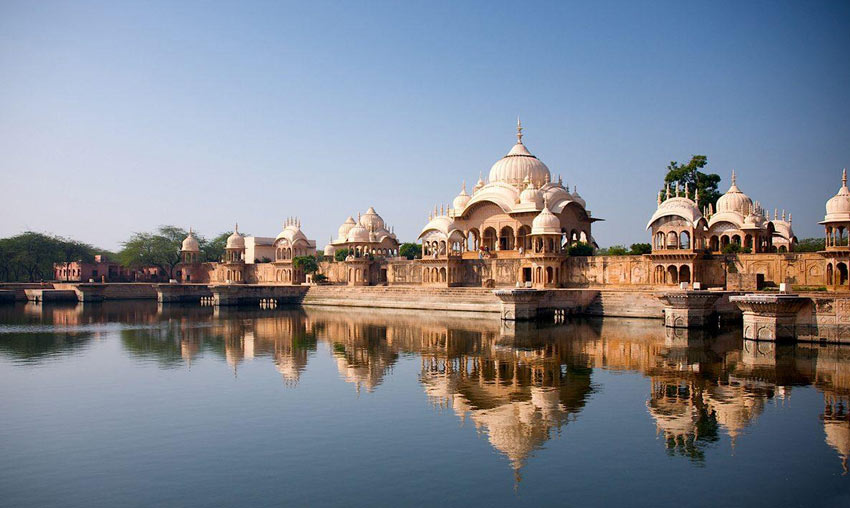
Kusum Sarovar is one of the most beautiful historical and religious attractions in Govardhan, located in the Mathura district of Uttar Pradesh. Situated along the sacred Govardhan Parikrama route, this magnificent reservoir is famous for its impressive sandstone architecture, beautifully designed chhatris and peaceful surroundings.
The name Kusum Sarovar comes from the Sanskrit word “Kusum”, which means flowers, and “Sarovar”, which means a lake or pond. According to the traditional legends of Braj Bhoomi, this sacred place is associated with Radha Rani and her friends, who are believed to have visited the area to collect flowers. The place is also connected with the divine pastimes of Radha and Lord Krishna.
Kusum Sarovar is particularly known for its grand sandstone cenotaphs, also called chhatris, built in memory of the rulers of Bharatpur. The beautiful structures, carved pillars, decorative ceilings and historic surroundings make it an important destination for history lovers, architecture enthusiasts, photographers and devotees.
Whether you are exploring the religious attractions of Govardhan, performing the traditional parikrama or discovering the cultural heritage of Braj, Kusum Sarovar is a must-visit destination that offers a peaceful and memorable experience.
History of Kusum Sarovar
Kusum Sarovar has a fascinating history that combines the religious traditions of Braj Bhoomi with the architectural heritage of the Bharatpur rulers. The site was originally known as a natural pond and was later developed into an impressive stone reservoir.
According to the historical account published by Incredible India, Raja Veer Singh Deo Bundela played an important role in transforming the natural pond into a structured reservoir. Later, Maharaja Suraj Mal of Bharatpur recognised the importance of the site and undertook restoration work, including the development of its surroundings and gardens.
During the eighteenth century, Maharaja Jawahar Singh, the son of Suraj Mal, commissioned the beautiful sandstone cenotaphs in memory of his father and his two queens, Kishori and Hansiya. These structures are among the most remarkable architectural features of Kusum Sarovar.
The chhatris feature detailed stone carvings, decorative pillars, traditional domes and beautifully painted ceilings. They represent the architectural style and artistic traditions of the period and make Kusum Sarovar an important historical attraction in the Braj region.
Today, Kusum Sarovar is admired for both its spiritual associations and its historical architecture. It continues to attract pilgrims, tourists and photographers throughout the year.
Religious Significance of Kusum Sarovar
Kusum Sarovar holds a special place in the religious traditions of Braj Bhoomi. According to local legends and devotional traditions, this beautiful place is associated with the divine love of Radha Rani and Lord Krishna.
It is believed that Radha Rani and her friends, known as the Gopis, visited this area to collect flowers. The flower-filled surroundings are traditionally connected with the divine pastimes of Radha and Krishna, giving the reservoir its name, Kusum Sarovar.
Devotees visiting Govardhan often include Kusum Sarovar in their pilgrimage and parikrama. The peaceful surroundings and nearby sacred places make it an important stop for people exploring the spiritual heritage of Braj.
Although Kusum Sarovar is primarily a historic reservoir rather than a conventional temple, it remains an important destination for devotees because of its association with Radha-Krishna traditions.
Architecture of Kusum Sarovar
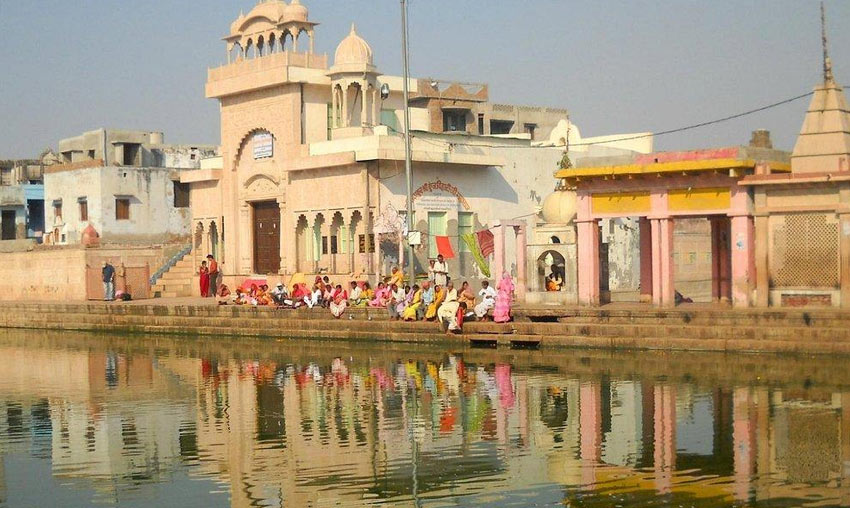
One of the most attractive features of Kusum Sarovar is its impressive sandstone architecture. The large rectangular reservoir is surrounded by beautifully constructed steps, known as ghats, that lead down towards the water.
The most remarkable structures are the sandstone chhatris built in memory of Maharaja Suraj Mal and his queens. These domed memorials feature intricately carved pillars, decorative arches, ornamental stonework and painted ceilings.
The combination of the reservoir, sandstone steps, historic pavilions and traditional architectural details creates a beautiful setting. The reflection of the chhatris in the water makes Kusum Sarovar particularly attractive during the early morning and late afternoon.
Visitors interested in heritage architecture and photography can spend time exploring the different sections of the reservoir and observing its detailed stone craftsmanship.
Kusum Sarovar Timings
Kusum Sarovar is generally accessible to visitors during the daytime. According to Incredible India, the published visiting hours are from 6:00 AM to 6:00 PM.
| Visitor Information | Details |
|---|---|
| Opening Time | 6:00 AM |
| Closing Time | 6:00 PM |
| Best Time of Day | Early Morning and Late Afternoon |
| Recommended Visit Duration | Approximately 45–60 Minutes |
Note: Visiting hours may change due to local arrangements, weather conditions or special occasions. Visitors should confirm the latest access information before travelling.
Kusum Sarovar Entry Fee
Kusum Sarovar is generally reported as a free-to-visit historical attraction, and visitors do not usually need to purchase an entry ticket to explore the reservoir and its surroundings.
- Entry Fee: Generally free
- Entry Ticket: No regular ticket reported
- Visitor Access: Subject to local site arrangements
Note: Entry arrangements and any special restrictions should be checked locally before visiting. Separate permissions may be required for professional photography, commercial filming or drone operations.
Aarti and Religious Activities at Kusum Sarovar
Kusum Sarovar is primarily a historical reservoir and heritage site rather than a traditional temple with a fixed daily darshan and aarti schedule.
Devotees visit the reservoir to experience its spiritual atmosphere, remember the Radha-Krishna traditions associated with the place and include it in their Govardhan Parikrama.
Visitors looking for regular temple aarti can explore nearby religious attractions in Govardhan, including Daan Ghati Temple and other temples associated with Giriraj Ji Maharaj.
Best Time to Visit Kusum Sarovar
The best time to visit Kusum Sarovar is generally from October to March, when the weather in Govardhan is relatively pleasant. These months are suitable for sightseeing, photography and exploring the nearby attractions along the Govardhan Parikrama route.
Early morning and late afternoon are considered particularly attractive times to visit. The softer sunlight highlights the sandstone chhatris and creates beautiful reflections in the water.
Winter Season (October to March)
Winter is a comfortable season for exploring Kusum Sarovar. The pleasant weather makes it easier to walk around the reservoir, admire the architecture and visit other attractions in Govardhan.
Summer Season (April to June)
Summer temperatures can become very high in the Mathura region. Visitors should plan their visit during the early morning or later afternoon and avoid prolonged outdoor activities during peak afternoon heat.
Monsoon Season (July to September)
The monsoon season brings rainfall and greenery to the surroundings. The reservoir and its surroundings can look attractive during this period, although visitors should be careful around wet stone steps and slippery surfaces.
Best Time for Photography
Early morning and the late afternoon before sunset are popular times for photography. The sandstone structures look particularly beautiful in soft natural light, and their reflection in the water creates attractive photographic views.
Kusum Sarovar During Govardhan Parikrama
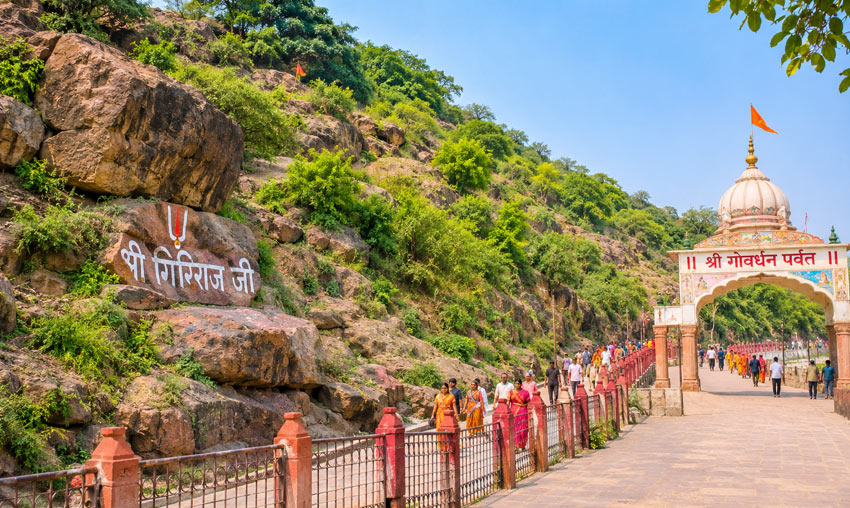
Kusum Sarovar is an important attraction along the traditional Govardhan Parikrama route. The sacred parikrama covers approximately 21 kilometres around Govardhan Hill and is performed by devotees as an expression of their devotion to Giriraj Ji Maharaj.
Located between Mansi Ganga and Radha Kund along the Govardhan Parikrama route, Kusum Sarovar is a popular stop for pilgrims walking around the sacred hill.
Many devotees take a break here, explore the historical sandstone structures and enjoy the peaceful surroundings before continuing their spiritual journey.
Visitors who are not performing the full parikrama can also reach Kusum Sarovar separately by road from Govardhan town and nearby areas.
How to Reach Kusum Sarovar
Kusum Sarovar is located near Govardhan in the Mathura district of Uttar Pradesh. It lies along the Govardhan-Radha Kund road and is an important stop on the Govardhan Parikrama route.
By Road
Kusum Sarovar can be reached by road from Govardhan, Mathura, Vrindavan and other nearby towns. Visitors can hire a taxi, use local transport or travel by private vehicle. It is also accessible to pilgrims walking along the Govardhan Parikrama route.
By Train
Mathura Junction is the nearest major railway station. It is connected with Delhi, Agra, Jaipur and several other major cities. From Mathura Junction, visitors can hire a taxi or use local transport to reach Govardhan and Kusum Sarovar.
By Air
The nearest major airport options include Agra Airport and Indira Gandhi International Airport in Delhi. Visitors can continue their journey to Govardhan by road from either airport.
Kusum Sarovar Location
Kusum Sarovar is situated on the Govardhan Parikrama Marg, between Mansi Ganga and Radha Kund, in the Mathura district of Uttar Pradesh.
- Place Name: Kusum Sarovar
- Location: Govardhan-Radha Kund Road
- Town: Govardhan
- District: Mathura
- State: Uttar Pradesh
- PIN Code: 281123 (verify local postal address before publishing)
View Kusum Sarovar on Google Maps
Kusum Sarovar Contact Number and Phone
Kusum Sarovar is a historical reservoir and public heritage attraction rather than a conventional temple with a regular darshan booking office.
A verified public contact number for the site could not be established. Visitors requiring information about access, special permissions or heritage-related matters should contact the relevant local administration or tourism office.
Places to Visit Near Kusum Sarovar
Visitors can explore several important temples, sacred water bodies and historical attractions located near Kusum Sarovar. These destinations can be included in a Govardhan sightseeing trip.
1. Radha Kund and Shyam Kund
Radha Kund and Shyam Kund are two of the most sacred water bodies in the Braj region. They are associated with Radha Rani and Lord Krishna and are important pilgrimage destinations for devotees visiting Govardhan.
2. Daan Ghati Temple
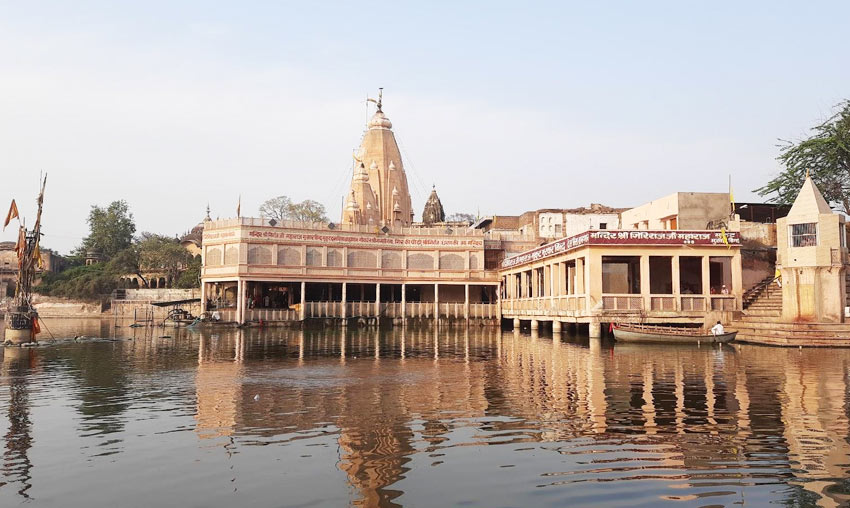
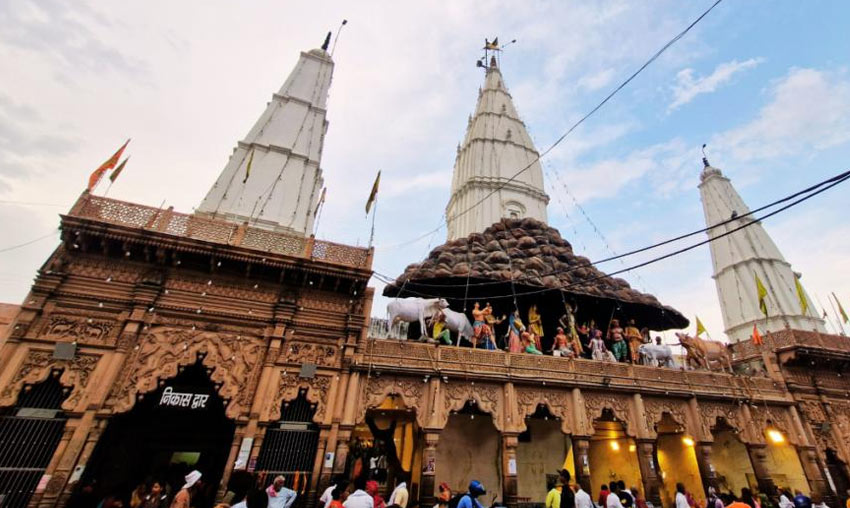
Daan Ghati Temple is one of the most famous temples in Govardhan. Dedicated to Giriraj Ji Maharaj, it is associated with the traditional Daan Leela of Lord Krishna and is an important stop for pilgrims performing the Govardhan Parikrama.
3. Mansi Ganga
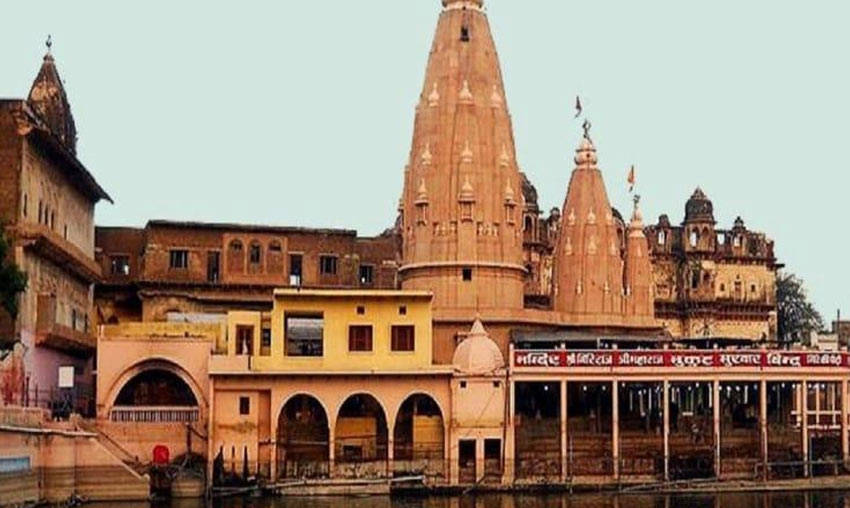
Mansi Ganga is a sacred water body located in Govardhan. It is surrounded by temples and traditional ghats and is closely associated with the religious traditions of Lord Krishna.
4. Govind Kund
Govind Kund is a sacred water body associated with the religious legends of Govardhan. Devotees visit this place as part of their spiritual journey through the Braj region.
5. Haridev Temple
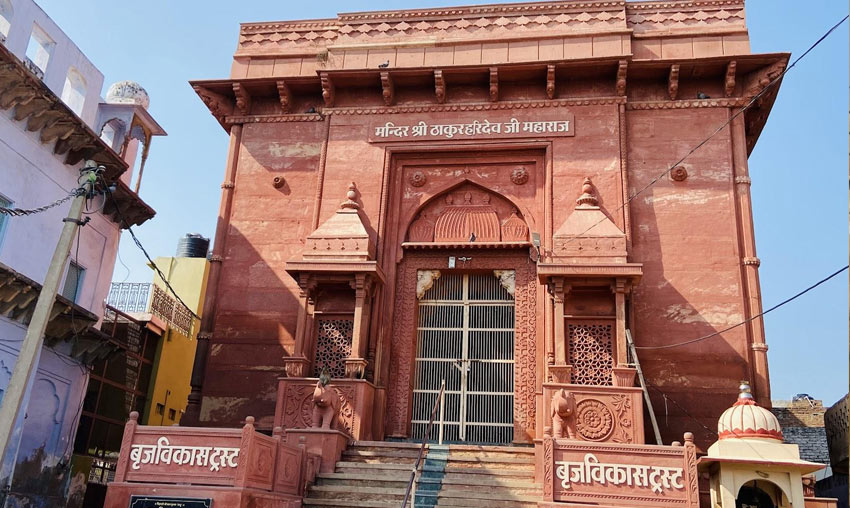
Haridev Temple is a historic temple in Govardhan dedicated to Lord Krishna. It is located near Mansi Ganga and is an important religious attraction for devotees visiting the town.
Travel Tips for Visiting Kusum Sarovar
- Visit early in the morning or late afternoon to enjoy pleasant weather and beautiful natural light.
- Wear comfortable footwear suitable for walking on stone steps.
- Be careful around the reservoir, particularly near the water and on wet steps.
- Carry drinking water during summer visits.
- Maintain cleanliness and avoid throwing waste into the water.
- Respect the religious traditions and peaceful environment of the site.
- Check local access rules before planning professional photography or commercial filming.
- Plan your visit along with Radha Kund, Shyam Kund and other nearby attractions.
- During major religious festivals, allow additional time for traffic and crowds.
Frequently Asked Questions About Kusum Sarovar
1. Where is Kusum Sarovar located?
Kusum Sarovar is located near Govardhan in the Mathura district of Uttar Pradesh. It lies on the Govardhan-Radha Kund road along the traditional Govardhan Parikrama route.
2. What is Kusum Sarovar famous for?
Kusum Sarovar is famous for its beautiful sandstone chhatris, historical reservoir, decorative architecture and association with the Radha-Krishna traditions of Braj Bhoomi.
3. What are the timings of Kusum Sarovar?
According to Incredible India, Kusum Sarovar’s published visiting hours are from 6:00 AM to 6:00 PM. Visitors should confirm current access arrangements locally.
4. Is there an entry fee for Kusum Sarovar?
Kusum Sarovar is generally reported as a free-to-visit attraction. Visitors should confirm any special access arrangements or restrictions locally.
5. Who built Kusum Sarovar?
According to Incredible India, Raja Veer Singh Deo Bundela developed the natural pond into a reservoir, Maharaja Suraj Mal undertook restoration work and his son Maharaja Jawahar Singh commissioned the sandstone cenotaphs in memory of his father and his two queens.
6. Why is it called Kusum Sarovar?
The word Kusum means flowers and Sarovar means lake or pond. The name is traditionally associated with the flowers and Radha-Krishna legends of the Braj region.
7. How much time is required to visit Kusum Sarovar?
Visitors can generally allow around 45 to 60 minutes to explore the reservoir, walk around its ghats and admire the sandstone architecture. The duration may vary according to individual interests.
8. What is the best time to visit Kusum Sarovar?
October to March is generally a comfortable season to visit. Early morning and late afternoon are popular times for enjoying the surroundings and taking photographs.
9. Is Kusum Sarovar part of Govardhan Parikrama?
Yes. Kusum Sarovar is situated along the traditional Govardhan Parikrama route and is an important stop for devotees walking around Govardhan Hill.
10. Which places can be visited near Kusum Sarovar?
Popular nearby attractions include Radha Kund, Shyam Kund, Daan Ghati Temple, Mansi Ganga, Govind Kund and Haridev Temple.
11. Is Kusum Sarovar a temple?
Kusum Sarovar is primarily a historical reservoir and heritage site. It is not a conventional temple, although it has strong religious associations with the Radha-Krishna traditions of Braj Bhoomi.
12. Can visitors take photographs at Kusum Sarovar?
The historic reservoir and its sandstone architecture are popular subjects for photography. Visitors should follow local restrictions and obtain prior permission for professional or commercial filming and drone operations.
Plan Your Visit to Kusum Sarovar, Govardhan
Kusum Sarovar is one of the most remarkable attractions in Govardhan, offering a beautiful combination of religious traditions, historical architecture and peaceful surroundings. Its sandstone chhatris, ancient reservoir and association with the divine pastimes of Radha and Krishna make it a memorable destination in the Braj region.
Whether you are visiting Govardhan for the sacred parikrama, exploring its historical landmarks or planning a spiritual trip with family, Kusum Sarovar deserves a place in your itinerary. Combine your visit with nearby attractions such as Radha Kund, Shyam Kund, Mansi Ganga and Daan Ghati Temple to experience the spiritual and cultural heritage of Govardhan.
Nearby Places to Visit