<h1>Govardhan Hill (Giriraj Parvat) – History, Parikrama & Visitor Guide</h1>
<h2>About Govardhan Hill (Giriraj Parvat)</h2>
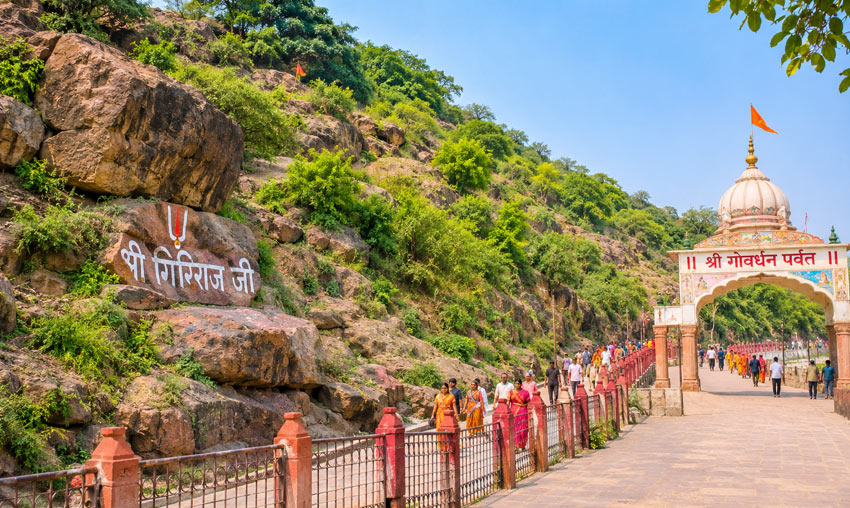
<p>Govardhan Hill, also known as Giriraj Parvat, is one of the most sacred pilgrimage destinations in the Braj region of Uttar Pradesh. Located in Govardhan town in Mathura district, this holy hill is closely associated with the childhood pastimes of Lord Krishna. It holds immense religious importance among devotees and is visited by pilgrims throughout the year.</p>
<p>According to Hindu mythology, Lord Krishna lifted Govardhan Hill on his little finger to protect the people of Braj from the heavy rainfall and storms caused by Lord Indra. This divine event is known as Govardhan Leela and is celebrated every year during Govardhan Puja.</p>
<p>Devotees worship Govardhan Hill as Giriraj Ji, a sacred form of Lord Krishna. One of the most important religious activities here is the traditional Govardhan Parikrama, in which pilgrims walk around the sacred hill while offering prayers and seeking blessings.</p>
<p>Govardhan Hill is not only an important spiritual destination but also a significant part of the cultural and religious heritage of Braj Bhoomi. Its sacred kunds, temples, villages and pilgrimage routes make it a memorable destination for devotees and visitors.</p>
<h2>History of Govardhan Hill</h2>
<p>The history of Govardhan Hill is deeply connected with the religious traditions and legends of Lord Krishna. According to the Bhagavata Purana and other Hindu religious traditions, the people of Braj worshipped Lord Indra for rain and prosperity.</p>
<p>Lord Krishna encouraged the villagers to worship Govardhan Hill, nature and the cows that supported their lives. This angered Lord Indra, who sent heavy rainfall and storms towards Braj to punish the villagers.</p>
<p>To protect the people and cattle of Braj, Lord Krishna lifted Govardhan Hill on his little finger and provided shelter to everyone beneath it. The villagers remained protected for seven days and nights until Lord Indra realised Krishna’s divine power and stopped the rainfall.</p>
<p>This event is remembered as Govardhan Leela. Since then, Govardhan Hill has been worshipped as Giriraj Ji, and devotees consider performing its parikrama an important expression of devotion to Lord Krishna.</p>
<h2>Religious Significance of Giriraj Parvat</h2>
<p>Govardhan Hill holds a special place in the Vaishnava traditions of Hinduism. Many devotees believe that Giriraj Ji is a divine manifestation of Lord Krishna. For this reason, the hill itself is worshipped with great devotion.</p>
<p>Pilgrims visit Govardhan to offer prayers, perform parikrama and seek the blessings of Giriraj Ji. The sacred places surrounding the hill are also associated with the divine pastimes of Radha and Krishna.</p>
<p>Important religious traditions associated with Govardhan Hill include:</p>
<ul>
<li>Performing the traditional Govardhan Parikrama.</li>
<li>Offering prayers and milk to Giriraj Ji at designated shrines.</li>
<li>Visiting sacred kunds and temples along the parikrama route.</li>
<li>Participating in Govardhan Puja and Annakut celebrations.</li>
<li>Performing special prayers on Purnima and other auspicious occasions.</li>
</ul>
<h2>Govardhan Parikrama – Distance, Route and Time</h2>
<p>Govardhan Parikrama is one of the most important religious activities performed by devotees visiting Giriraj Parvat. It involves walking around the sacred hill as an expression of devotion to Lord Krishna.</p>
<p>The traditional Govardhan Parikrama is approximately 21 kilometres long, also known as seven kos. The route passes through several sacred locations, temples, kunds and villages associated with the religious traditions of Braj Bhoomi.</p>
<p>Most pilgrims follow the clockwise route, keeping Govardhan Hill on their right side. Daan Ghati and Mansi Ganga are commonly used as starting points for the pilgrimage.</p>
<h3>How Much Time Does Govardhan Parikrama Take?</h3>
<p>Completing the full Govardhan Parikrama on foot generally takes around 5 to 8 hours. The actual time depends on walking speed, rest breaks, weather conditions and the number of temples visited along the route.</p>
<h3>Important Places Along the Govardhan Parikrama Route</h3>
<ul>
<li><strong>Daan Ghati Temple:</strong> A famous shrine dedicated to Giriraj Ji and an important pilgrimage stop.</li>
<li><strong>Mansi Ganga:</strong> A sacred lake associated with Lord Krishna and an important place for pilgrims.</li>
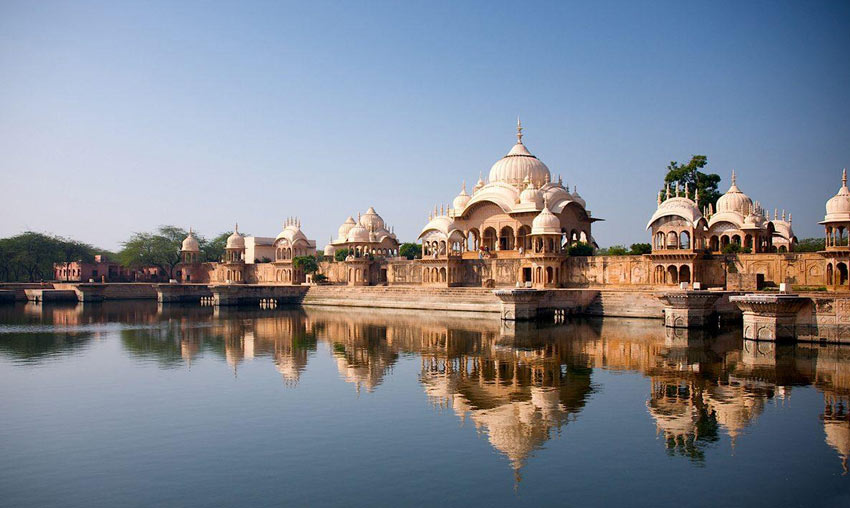
<li><strong>Kusum Sarovar:</strong> A historic reservoir known for its beautiful sandstone chhatris.</li>
<li><strong>Radha Kund and Shyam Kund:</strong> Two highly revered sacred water tanks associated with Radha Rani and Lord Krishna.</li>
<li><strong>Jatipura Mukharvind:</strong> An important place where devotees offer prayers to Giriraj Ji.</li>
<li><strong>Govind Kund:</strong> A sacred water body connected with the legends of Govardhan.</li>
<li><strong>Poonchari:</strong> A traditional pilgrimage location associated with the southern end of Govardhan Hill.</li>
</ul>
<p>The parikrama route offers a unique spiritual experience through the sacred landscape of Braj. Visitors can explore several important temples and religious sites during the journey.</p>
<h2>Types of Govardhan Parikrama</h2>
<h3>1. Regular Govardhan Parikrama</h3>
<p>The regular parikrama is approximately 21 kilometres long. Devotees walk around Govardhan Hill while chanting the names of Radha and Krishna and offering prayers to Giriraj Ji.</p>
<h3>2. Dandavat Parikrama</h3>
<p>Dandavat Parikrama is a traditional and physically demanding form of pilgrimage. Devotees repeatedly offer full-body prostrations along the route, marking each position before moving forward. Depending on the individual, completing this form of parikrama may take several days or even weeks.</p>
<h3>3. Doodh Parikrama</h3>
<p>Some devotees perform a special form of parikrama while carrying a vessel containing milk and offering it along the route as part of their religious practice.</p>
<p>These practices are expressions of personal faith and devotion. Visitors should choose a form of pilgrimage according to their physical ability and comfort.</p>
<h2>Govardhan Hill Darshan Timings</h2>
<p>Govardhan Hill and its parikrama route are visited by devotees throughout the day and across the year. Many pilgrims prefer to begin their parikrama early in the morning to avoid the afternoon heat.</p>
<p>There is no single fixed darshan timetable for the entire hill. Individual temples and shrines along the route follow their own schedules, which may change according to the season and religious festivals.</p>
<p>Visitors planning special temple darshan or aarti should confirm the timings locally before visiting.</p>
<h2>Govardhan Hill Entry Fee</h2>
<p>There is generally no entry fee for visiting Govardhan Hill or walking the traditional parikrama route. However, visitors may choose to make voluntary offerings at temples and shrines along the way.</p>
<h2>Govardhan Puja and Famous Festivals</h2>
<p>Govardhan is especially famous for its religious festivals, which attract devotees from different parts of India. These celebrations reflect the deep connection between Giriraj Ji and the traditions of Lord Krishna.</p>
<h3>1. Govardhan Puja and Annakut</h3>
<p>Govardhan Puja is the most important festival associated with Giriraj Parvat. Celebrated after Diwali, it commemorates the divine event of Lord Krishna lifting Govardhan Hill to protect the people of Braj.</p>
<p>Devotees prepare Annakut, a traditional offering of various food items presented to Lord Krishna and Giriraj Ji. Temples and religious sites around Govardhan witness special prayers and celebrations.</p>
<h3>2. Guru Purnima and Mudiya Puno</h3>
<p>Guru Purnima is another major occasion in Govardhan. During this period, a large number of pilgrims visit the town to perform the parikrama and participate in religious activities. The famous Mudiya Puno fair is an important part of the local pilgrimage tradition.</p>
<h3>3. Purnima and Ekadashi</h3>
<p>Many devotees consider Purnima and Ekadashi auspicious occasions for performing Govardhan Parikrama. The route often becomes busier on these religious days.</p>
<h3>4. Kartik Month</h3>
<p>The holy month of Kartik holds special importance in the Braj region. Devotees visit Govardhan to perform parikrama, offer prayers and participate in religious activities.</p>
<h2>Best Time to Visit Govardhan Hill</h2>
<p>The best time to visit Govardhan Hill is generally from October to March, when the weather is more comfortable for sightseeing, temple visits and the long parikrama.</p>
<h3>Winter Season (October to March)</h3>
<p>Winter is a comfortable season for visiting Govardhan. Pleasant temperatures make it easier to explore the temples and complete the parikrama.</p>
<h3>Summer Season (April to June)</h3>
<p>Summer temperatures in the region can be very high. Visitors planning the parikrama during this period should start early in the morning, carry sufficient drinking water and take regular rest breaks.</p>
<h3>Monsoon Season (July to September)</h3>
<p>The monsoon season brings rainfall and greenery to the Braj region. However, humidity and wet walking surfaces may affect the comfort of the parikrama.</p>
<h3>Best Time for Festivals</h3>
<p>Govardhan Puja, Guru Purnima and Kartik month are among the most popular periods for religious visits. Visitors should expect large crowds during these occasions.</p>
<h2>How to Reach Govardhan Hill</h2>
<p>Govardhan Hill is located in Govardhan town in the Mathura district of Uttar Pradesh. It is well connected by road with Mathura, Vrindavan and other important destinations in the Braj region.</p>
<h3>By Road</h3>
<p>Govardhan can be reached by road from Mathura, Vrindavan, Agra and Delhi. Taxis, private vehicles, buses and local transport options are available for reaching the town.</p>
<h3>By Train</h3>
<p>Mathura Junction is the nearest major railway station. It is connected to several major Indian cities. From Mathura railway station, visitors can hire a taxi or use local transport to reach Govardhan.</p>
<h3>By Air</h3>
<p>Visitors travelling by air can use Agra Airport or Indira Gandhi International Airport in Delhi, followed by a road journey to Govardhan. Flight options and onward travel should be planned according to the visitor’s city of departure.</p>
<h2>Places to Visit Near Govardhan Hill</h2>
<p>There are several important temples, sacred lakes and historical attractions near Govardhan Hill. Visitors can explore these places during their pilgrimage.</p>
<h3>Daan Ghati Temple</h3>
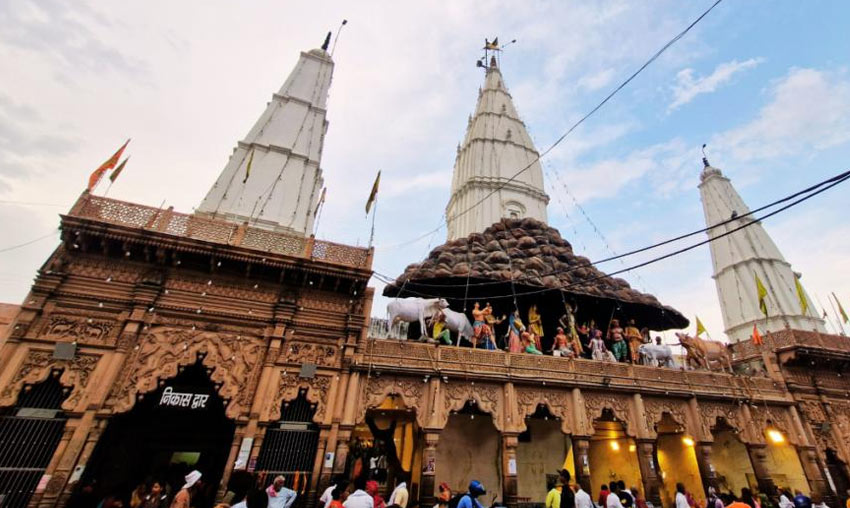
<p>Daan Ghati Temple is one of the most famous religious sites in Govardhan. Dedicated to Giriraj Ji, it is an important stop for devotees performing the parikrama.</p>
<p><a href=”https://visitplacesindia.com/attraction/daan-ghati-temple-govardhan/”>Read more about Daan Ghati Temple</a></p>
<h3>Mansi Ganga</h3>
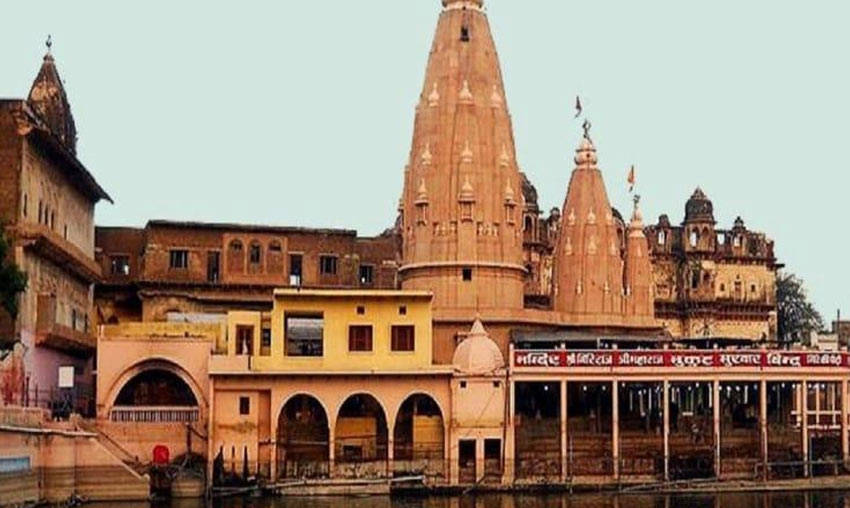
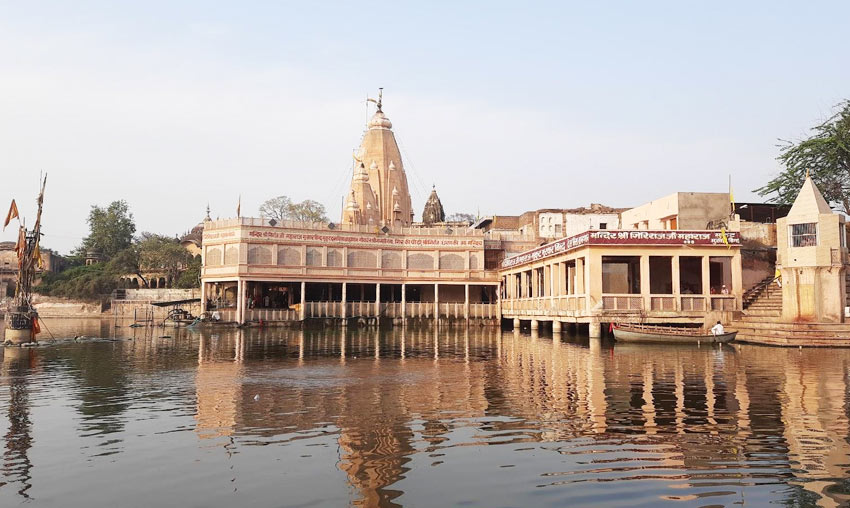
<p>Mansi Ganga is a sacred lake located in the heart of Govardhan. It is associated with the religious traditions of Lord Krishna and is an important place for pilgrims.</p>
<p><a href=”https://visitplacesindia.com/attraction/mansi-ganga-govardhan/”>Read more about Mansi Ganga</a></p>
<h3>Kusum Sarovar</h3>
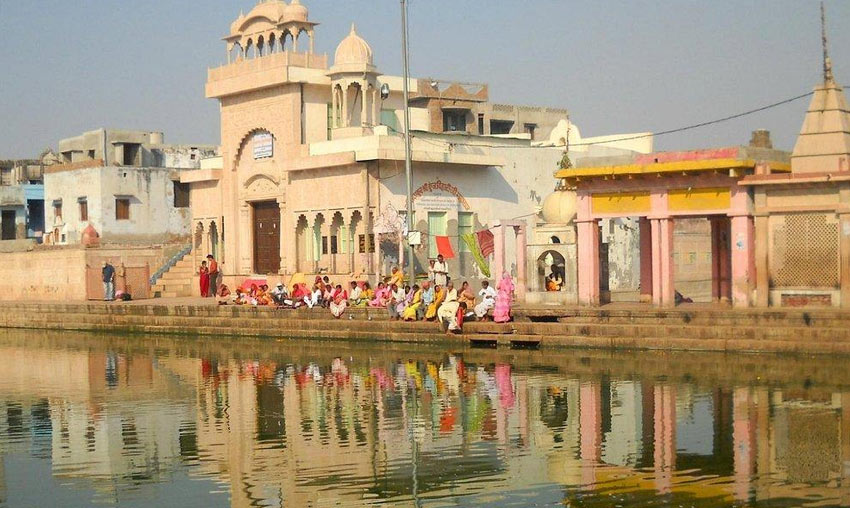
<p>Kusum Sarovar is a historic reservoir known for its beautiful sandstone architecture, chhatris and peaceful surroundings. It is a popular stop along the Govardhan pilgrimage route.</p>
<p><a href=”https://visitplacesindia.com/attraction/kusum-sarovar-govardhan/”>Read more about Kusum Sarovar</a></p>
<h3>Radha Kund and Shyam Kund</h3>
<p>Radha Kund and Shyam Kund are two of the most sacred water tanks in the Braj region. Both are closely associated with the divine traditions of Radha and Krishna.</p>
<p><a href=”https://visitplacesindia.com/attraction/radha-kund-shyam-kund/”>Read more about Radha Kund and Shyam Kund</a></p>
<h3>Haridev Temple</h3>
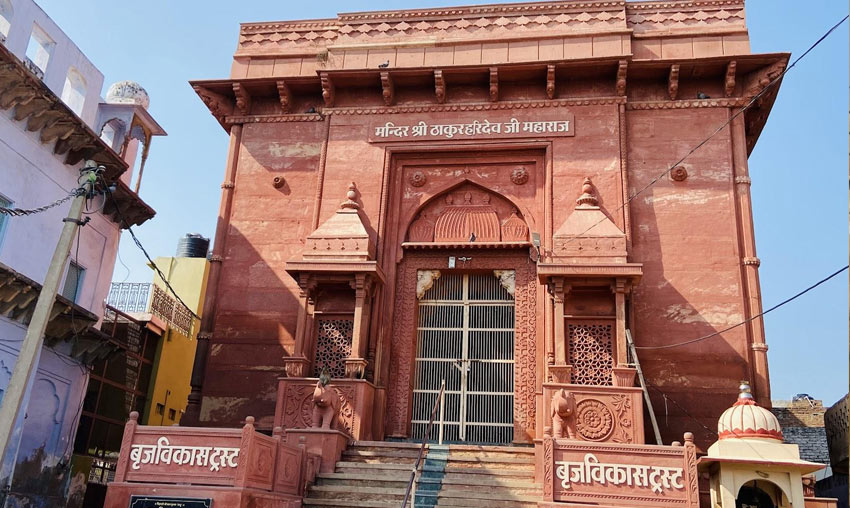
<p>Haridev Temple is an important historic temple located near Mansi Ganga. Dedicated to Lord Krishna, it is visited by devotees exploring the sacred town of Govardhan.</p>
<p><a href=”https://visitplacesindia.com/attraction/haridev-temple-govardhan/”>Read more about Haridev Temple</a></p>
<h2>Travel Tips for Visiting Govardhan Hill</h2>
<ul>
<li>Start the parikrama early in the morning, particularly during summer.</li>
<li>Carry sufficient drinking water and light snacks for the journey.</li>
<li>Wear comfortable clothing suitable for a long walk.</li>
<li>Follow local religious customs at temples and sacred places.</li>
<li>Keep the parikrama route and surrounding kunds clean.</li>
<li>Take regular breaks and avoid overexertion.</li>
<li>Senior citizens and visitors with mobility concerns can explore suitable local transport options.</li>
<li>Plan accommodation in advance during Govardhan Puja and Guru Purnima.</li>
<li>Respect the religious significance of the hill and do not damage or remove stones from the sacred site.</li>
</ul>
<h2>Frequently Asked Questions About Govardhan Hill</h2>
<h3>1. Where is Govardhan Hill located?</h3>
<p>Govardhan Hill is located in Govardhan town in the Mathura district of Uttar Pradesh, India.</p>
<h3>2. Why is Govardhan Hill famous?</h3>
<p>Govardhan Hill is famous for its association with Lord Krishna, who is believed to have lifted the hill on his little finger to protect the people of Braj from heavy rainfall sent by Lord Indra.</p>
<h3>3. What is another name for Govardhan Hill?</h3>
<p>Govardhan Hill is also known as Giriraj Parvat or Giriraj Ji.</p>
<h3>4. How long is Govardhan Parikrama?</h3>
<p>The traditional Govardhan Parikrama is approximately 21 kilometres long, also known as seven kos.</p>
<h3>5. How much time does it take to complete Govardhan Parikrama?</h3>
<p>Walking the full parikrama generally takes around 5 to 8 hours, depending on walking speed, rest breaks and crowd conditions.</p>
<h3>6. What is the best time to visit Govardhan Hill?</h3>
<p>October to March is generally the most comfortable season for visiting Govardhan Hill and performing the parikrama.</p>
<h3>7. Is there any entry fee for Govardhan Hill?</h3>
<p>There is generally no entry fee for visiting Govardhan Hill or walking the parikrama route. Voluntary offerings at temples are optional.</p>
<h3>8. Can Govardhan Parikrama be performed barefoot?</h3>
<p>Many devotees perform the parikrama barefoot as an expression of devotion. Visitors should follow their religious preferences and consider their physical comfort and safety.</p>
<h3>9. Which are the famous places along Govardhan Parikrama?</h3>
<p>Daan Ghati Temple, Mansi Ganga, Kusum Sarovar, Radha Kund, Shyam Kund, Jatipura Mukharvind and Govind Kund are among the important places along the pilgrimage route.</p>
<h3>10. Which festival is most famous in Govardhan?</h3>
<p>Govardhan Puja and Annakut are the most famous celebrations associated with Govardhan Hill. Guru Purnima and Mudiya Puno also attract large numbers of pilgrims.</p>
<h3>11. How far is Govardhan from Mathura?</h3>
<p>Govardhan is approximately 25 kilometres from Mathura by road. The actual distance depends on the starting point and route.</p>
<h3>12. Can senior citizens perform Govardhan Parikrama?</h3>
<p>Senior citizens can visit Govardhan and explore the pilgrimage route according to their physical comfort. Those who cannot walk the full distance may enquire locally about available transport options.</p>
<h2>Conclusion</h2>
<p>Govardhan Hill, also known as Giriraj Parvat, is one of the most sacred destinations in Braj Bhoomi. Its deep connection with Lord Krishna, the famous Govardhan Leela and the traditional 21-kilometre parikrama make it an important pilgrimage site for devotees.</p>
<p>From Daan Ghati Temple and Mansi Ganga to Kusum Sarovar and Radha Kund, the area around Govardhan offers several important spiritual and cultural attractions. Whether you are visiting for religious purposes or exploring the heritage of Braj, Govardhan Hill offers a meaningful and memorable experience.</p>
<p>Plan your visit to Govardhan and discover the spiritual significance of Giriraj Ji.</p>
Nearby Places to Visit